Easy Homemade Ground Beef Dog Food: A Healthy, Tail-Wagging Recipe
As a dog parent, I always want to give my pup the very best. I found myself staring at the ingredients on commercial kibble bags, wondering if I could make something fresher and more wholesome at home. That’s when I started experimenting with a simple ground beef recipe. It’s become a staple in our kitchen, and seeing the happy dance at mealtime makes it all worth it.
This recipe is about balance and simplicity. It’s not meant to replace a vet-approved long-term diet without consultation, but it’s a fantastic, nutritious homemade meal or a powerful food topper. You control every ingredient, ensuring no hidden fillers or preservatives. Let’s get cooking for our four-legged family members!
1. Why Choose Homemade? The Benefits for Your Pup
When you cook for your dog, you know exactly what’s going into their bowl. This ground beef recipe uses whole, recognizable ingredients. You can see the quality of the meat, the freshness of the vegetables, and the purity of the grains. It’s a transparent way to feed your best friend.
Many dogs with sensitive stomachs or picky appetites respond wonderfully to homemade food. The aroma alone is enticing! It’s also a great way to add moisture to your dog’s diet, which is especially good for hydration and kidney health. I noticed my dog’s coat got shinier and her energy levels felt more consistent after introducing these fresh meals.
2. The Simple Core Recipe: Your Base Formula
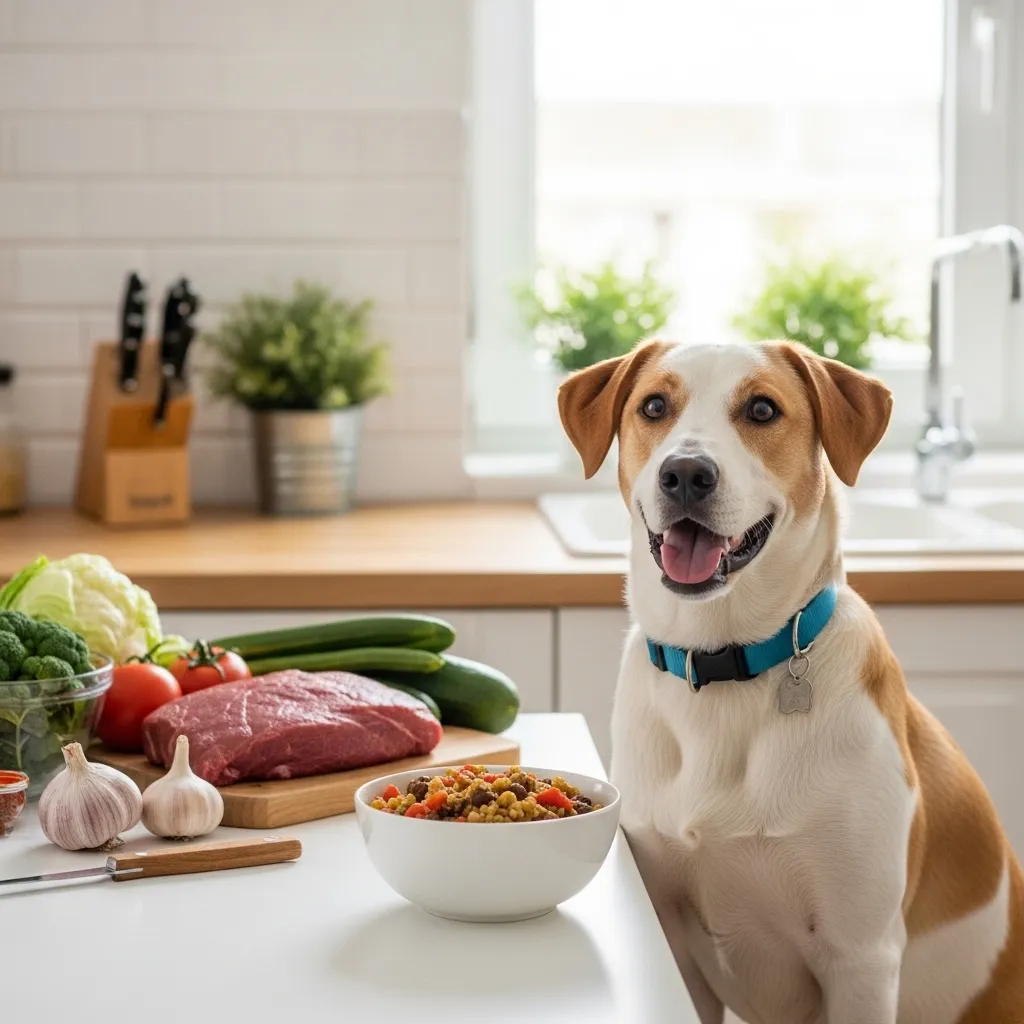
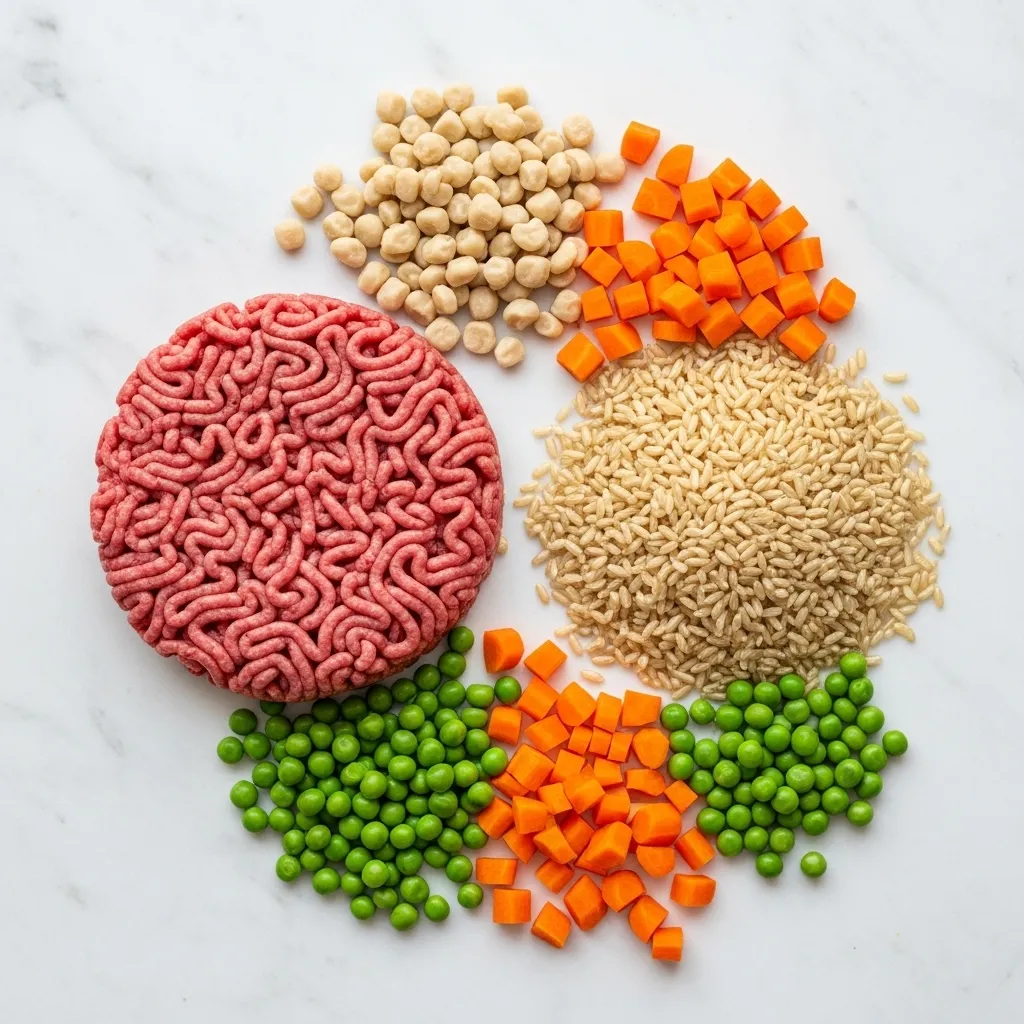
This is my go-to blueprint. It’s flexible, so you can adjust based on what you have or your dog’s needs. The basic ratio I follow is: 50% protein, 25% veggies, and 25% carbs. For a standard batch, I use 1 pound of lean ground beef, 1.5 cups of dog-safe veggies, and 1.5 cups of a cooked grain like brown rice or oatmeal.
Brown the beef thoroughly in a large pan, draining any excess fat. While that cooks, I steam or boil the veggies until they’re soft. Then, I mix everything together with the cooked grain. Let it cool completely before serving. It’s that straightforward!
3. Picking the Perfect Ground Beef
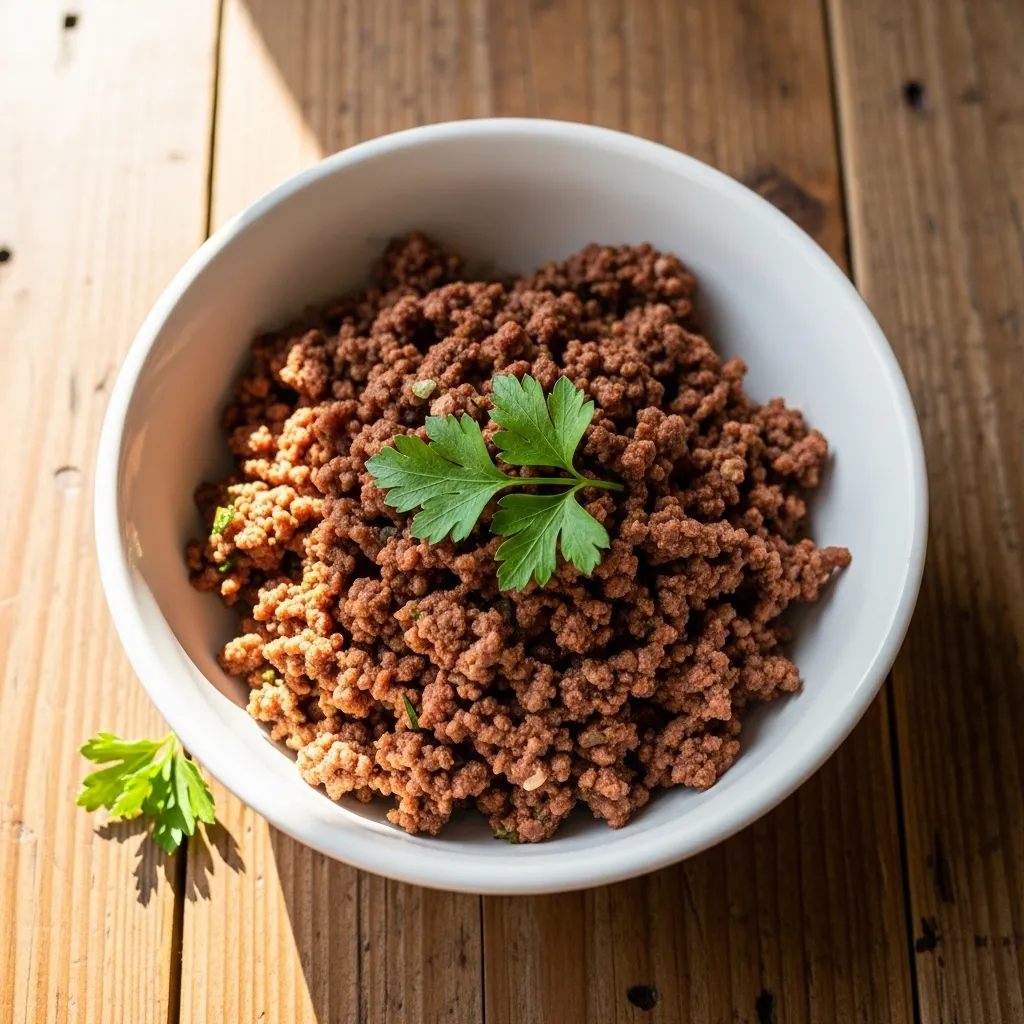
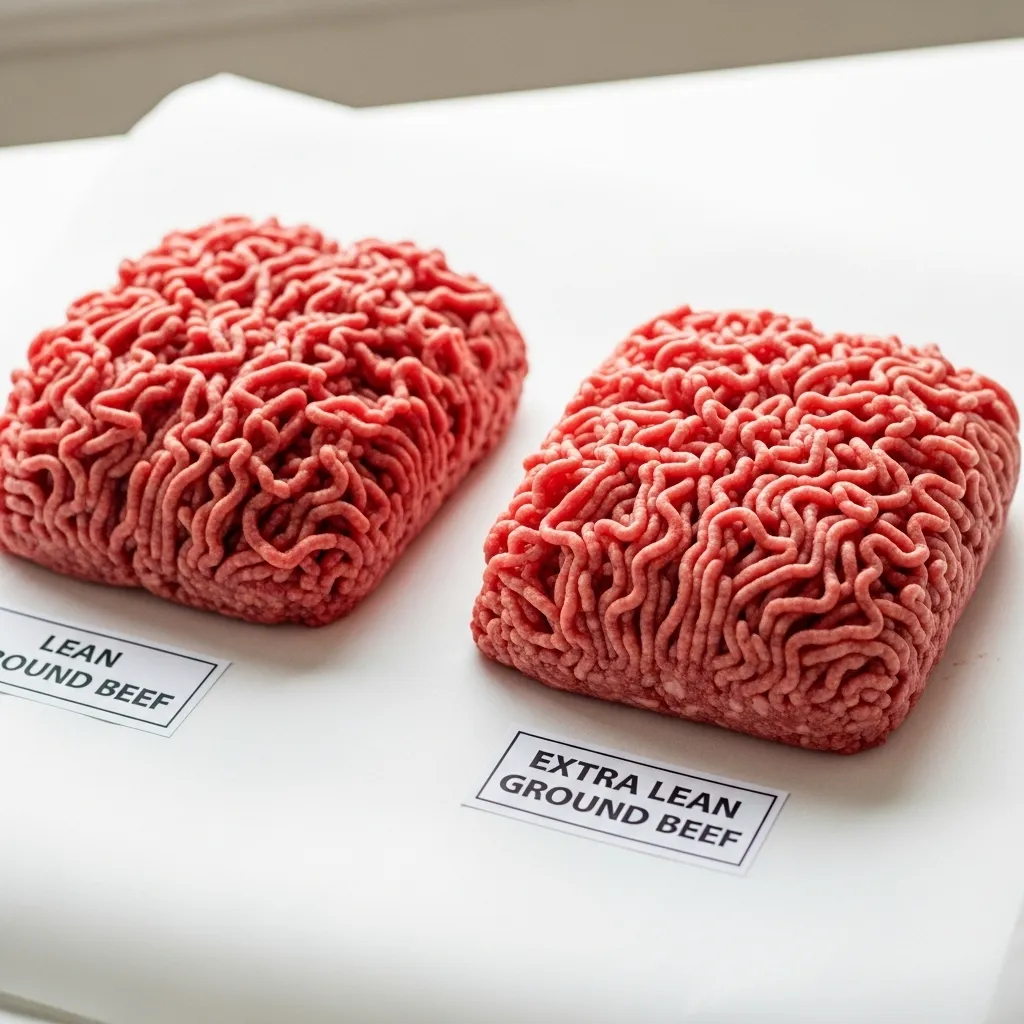
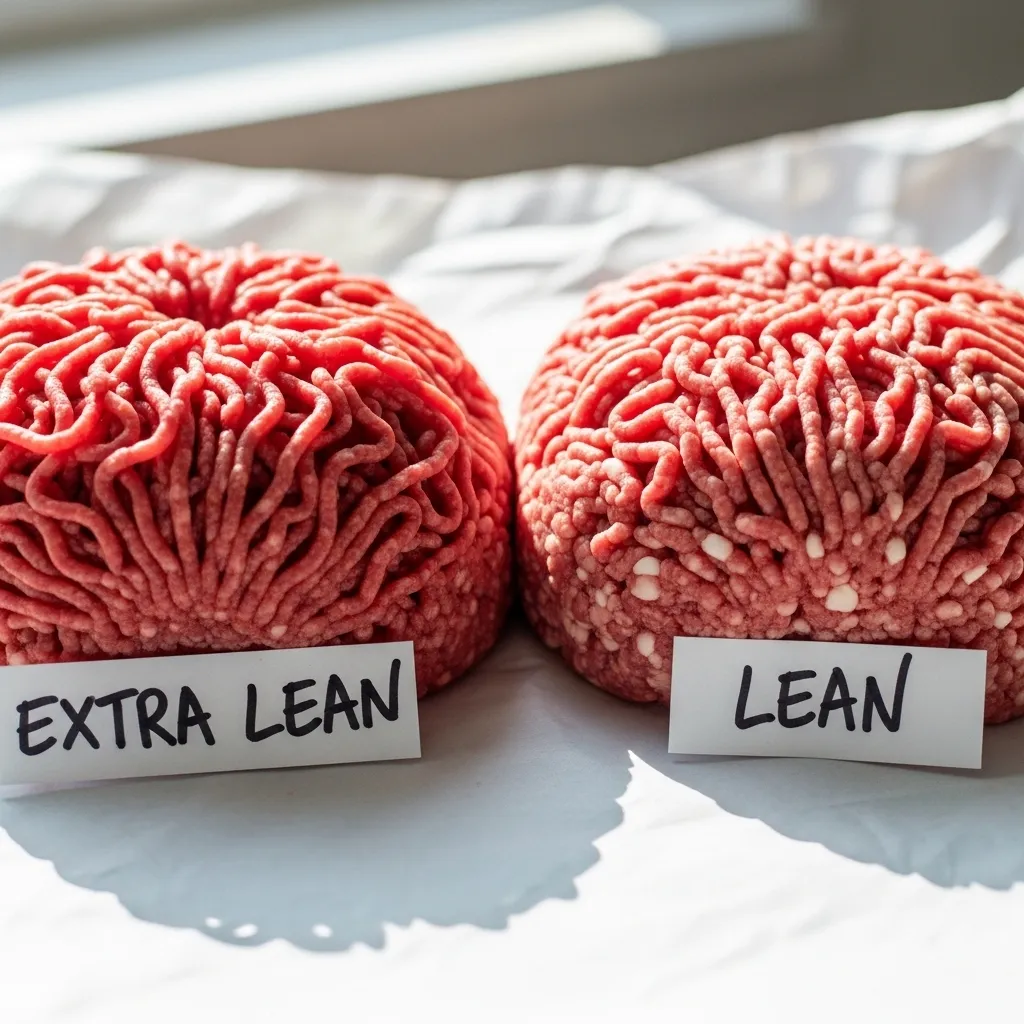
Not all ground beef is created equal for our pups. I always opt for lean ground beef, typically 90% lean or higher. This minimizes the unhealthy saturated fat content, which is better for your dog’s weight and pancreas. Grass-fed beef is a wonderful option if it fits your budget, as it often has a better fatty acid profile.
Remember to cook the beef all the way through until it’s no longer pink. This ensures any potential bacteria are eliminated, keeping your dog safe. I never add any seasonings like salt, garlic, or onion during cooking—these can be harmful to dogs.
4. Veggie Power: The Best & Safest Choices
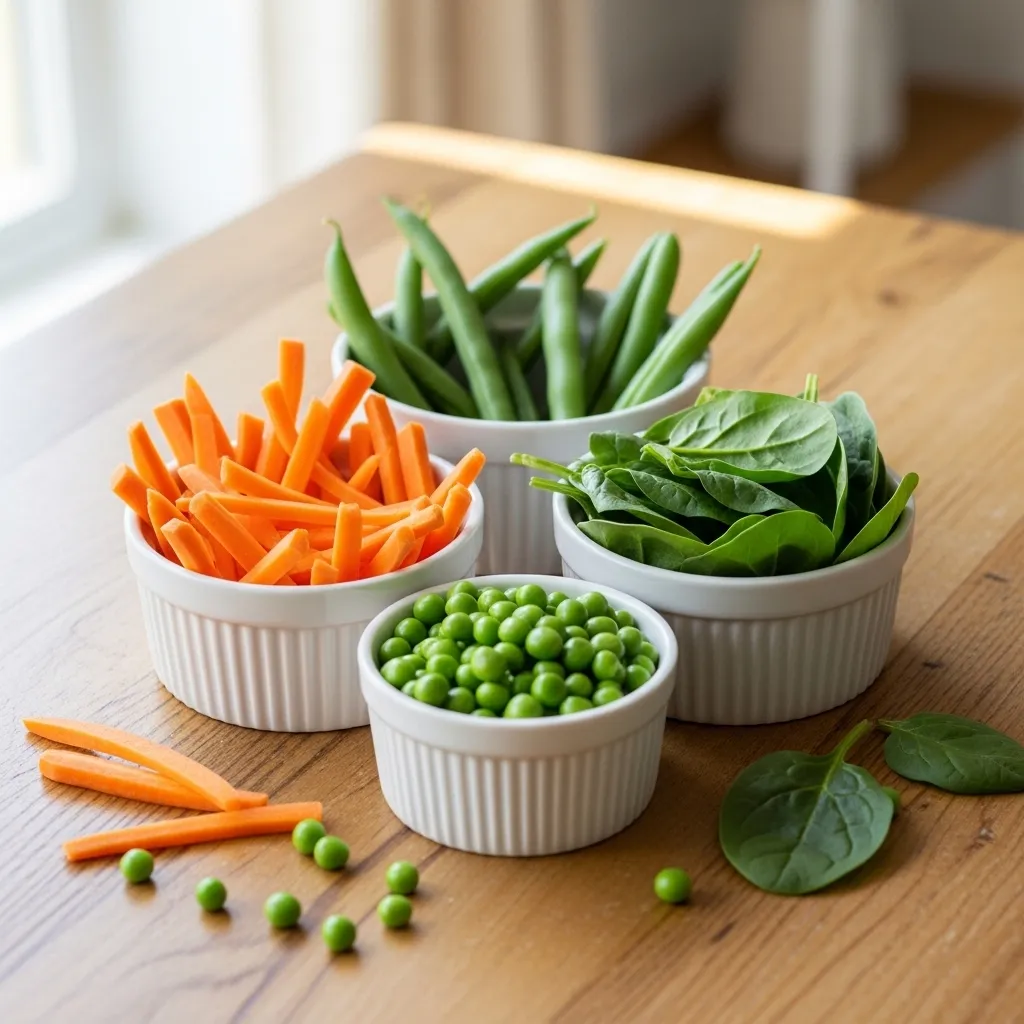
Vegetables add essential vitamins, minerals, and fiber. My dog’s favorites are carrots, green beans, peas, spinach, and sweet potatoes. I make sure to chop them finely or puree them slightly after cooking, as this makes them easier for dogs to digest and absorb the nutrients.
- Always avoid: onions, garlic, chives, and mushrooms from the store. These are toxic to dogs.
- Great staples: Steamed carrots (for beta-carotene), chopped spinach (iron), and cooked sweet potato (digestive fiber).
5. Choosing a Wholesome Carbohydrate
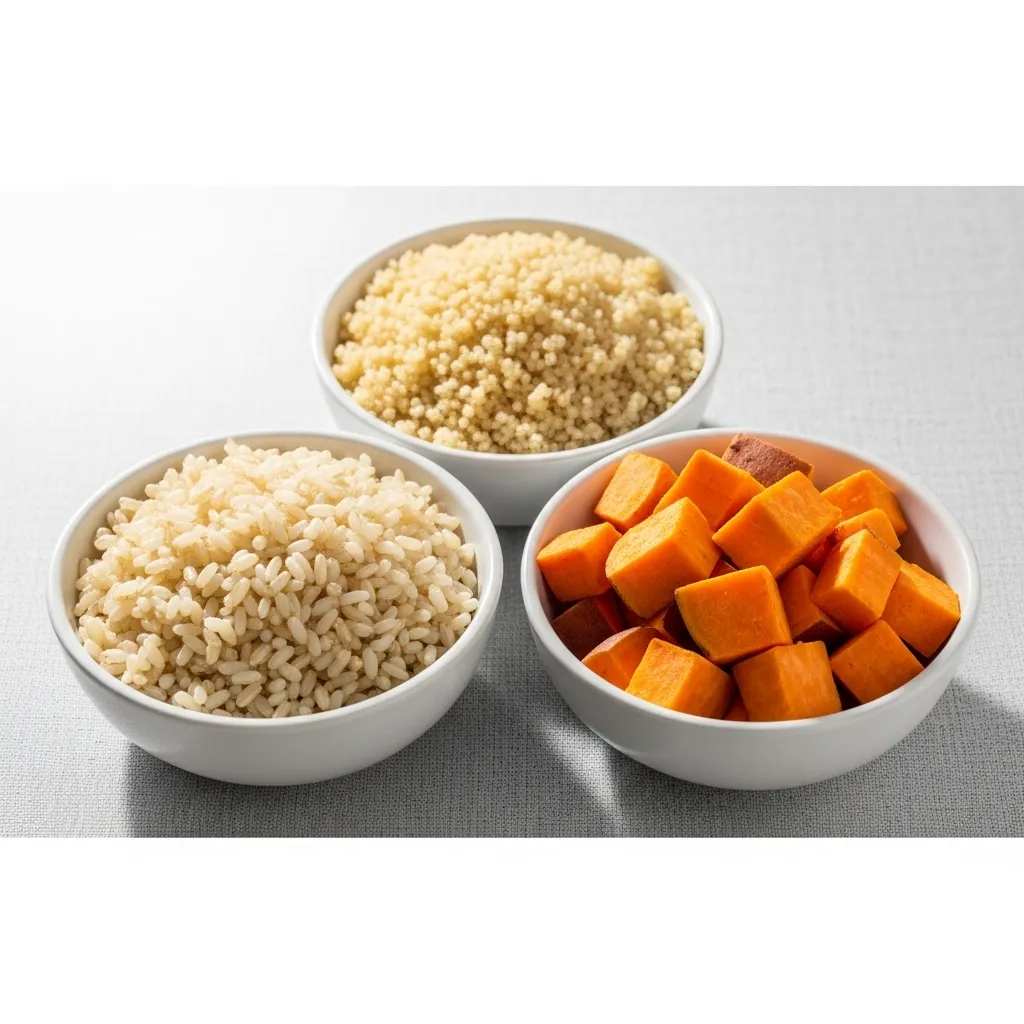
Carbs provide energy and help bind the meal together. My top picks are cooked brown rice, quinoa, or plain oatmeal. They are gentle on the stomach and highly digestible. Brown rice is a classic, reliable choice. Quinoa is a complete protein and great for dogs with grain sensitivities (though it’s technically a seed!).
I cook the grains in plain water, without salt or butter. For a batch, one cup of dry rice or quinoa usually yields about three cups cooked, which is perfect for mixing with a pound of beef and your veggies.
6. The Essential Addition: Calcium & Supplements
This is the most crucial step for nutritional balance. Meat is high in phosphorus, so we must add a calcium source to maintain a proper ratio. I simply sprinkle in crushed eggshell powder (½ teaspoon per pound of meat) or a bit of plain, powdered calcium carbonate.
For a complete meal fed regularly, I also add a canine-specific multivitamin or fish oil, as recommended by my vet. This ensures my dog gets all the trace nutrients she might miss from a varied, whole-prey diet. A quick chat with your vet can determine what’s best for your individual dog.
7. Batch Cooking & Safe Storage
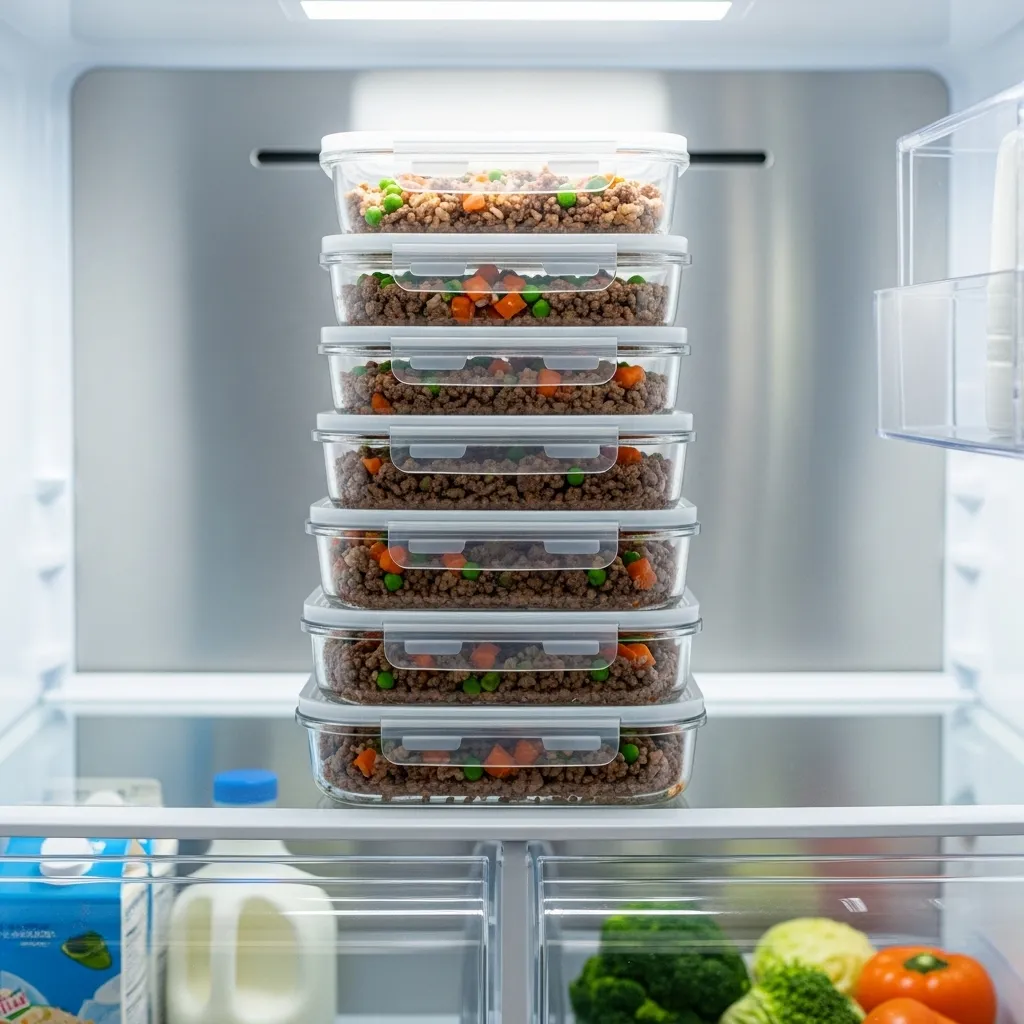
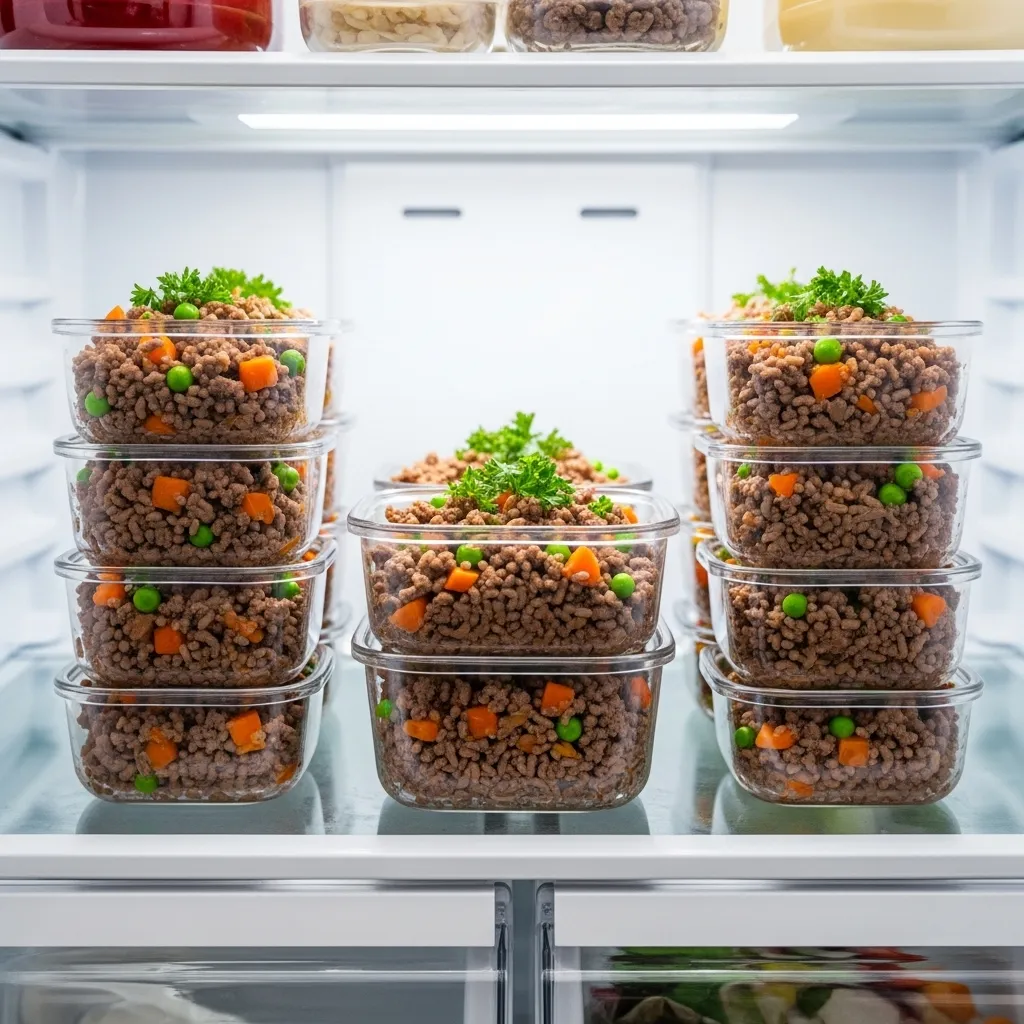
I’m all about efficiency! I typically make a double or triple batch of this recipe. After it has cooled completely, I divide it into single-serving portions. I store some in the refrigerator for up to 3-4 days and freeze the rest in airtight containers or freezer bags for future use.
Freezing is a game-changer. It allows me to always have a healthy meal on hand. I just thaw a portion in the fridge overnight. It’s a huge time-saver during busy weeks and ensures my dog never has to miss a fresh, homemade meal.
8. How Much to Feed? Portion Control is Key
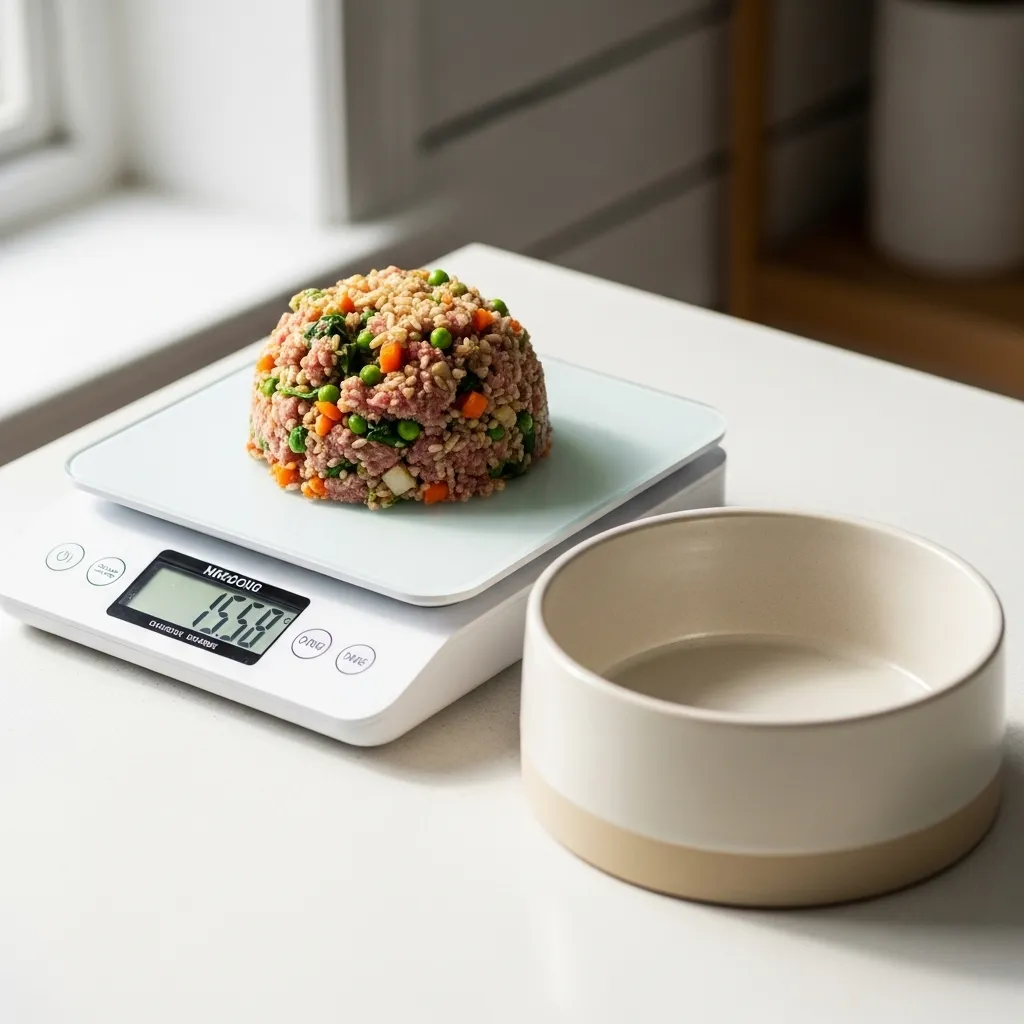
This isn’t a one-size-fits-all situation. Portions depend entirely on your dog’s weight, age, and activity level. As a general starting point, I feed about ½ to ¾ cup of this homemade food per 20 pounds of body weight per meal. But please, use this as a rough guide!
The best method is to monitor your dog’s weight and condition. You should easily feel their ribs without seeing them. If your pup seems hungry or is gaining weight, adjust the portion slightly. Your veterinarian can give you the most precise feeding recommendation.
9. Mixing With Kibble: The Perfect Food Topper
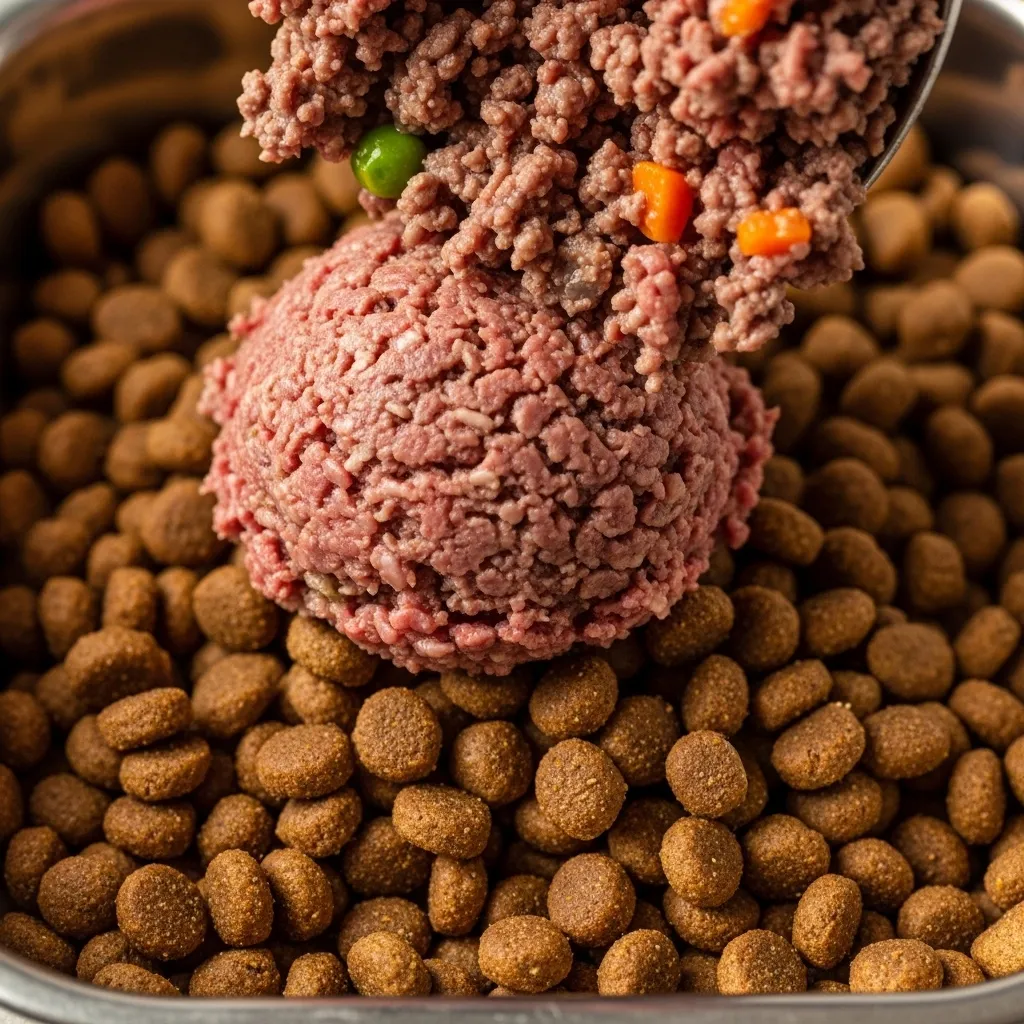
If a full homemade diet feels like a big leap, start small! This ground beef mix is an incredible food topper. Adding just a spoonful or two over your dog’s regular kibble can entice a picky eater and boost the meal’s protein and moisture content.
It’s a fantastic way to introduce homemade food without disrupting their digestive system. I started this way, and it helped my dog transition smoothly when I later increased the homemade portion. Plus, it makes their regular kibble feel like a special treat.
10. Tail-Wagging Variations to Try
Once you’re comfortable with the base recipe, have fun mixing it up! Variety can provide a wider range of nutrients. You can substitute the ground beef with other proteins like ground turkey, chicken, or even liver (in small amounts, as it’s very rich).
Rotate your veggies with the seasons—try pumpkin in the fall or zucchini in the summer. You can also add a spoonful of plain, pureed pumpkin (not pie filling) for extra fiber. Keeping it varied keeps mealtime exciting for both you and your pup!
Conclusion: Happy Dog, Happy Home
Making this simple ground beef meal for my dog has deepened our bond and given me peace of mind. It doesn’t have to be complicated or perfect. It’s about putting love and wholesome ingredients into their bowl. Watching them enjoy every single bite is the best reward any pet parent could ask for.
Remember, every dog is unique. What works for my pup might need tweaking for yours. Always introduce new foods slowly and consult with your veterinarian, especially if you plan to make a long-term dietary change. Here’s to many happy, healthy, and delicious mealtimes ahead!
FAQs: Your Questions, Answered
Q: Can I use any fat percentage of ground beef?
A: I strongly recommend lean ground beef (90/10 or leaner). Too much fat can cause pancreatitis or upset stomach in dogs.
Q: Do I have to add supplements?
A: For an occasional meal or topper, no. For a regular staple diet, yes. Calcium is non-negotiable for bone health, and a multivitamin fills nutritional gaps. Always check with your vet.
Q: How long does it last in the fridge?
A: Once cooked and cooled, store it in a sealed container. It will stay fresh for 3 to 4 days in the refrigerator.
Q: My dog has allergies. Can I adapt this?
A: Absolutely! This recipe is very adaptable. Use a novel protein like turkey or bison, and a carb like sweet potato or quinoa if your dog is allergic to beef or grains.
Q: Is this suitable for puppies?
A> Puppies have very specific nutritional needs for growth. Please do not feed this as a primary diet to a puppy without direct guidance and a formulated plan from a veterinary nutritionist.