Homemade Healthy Beef Dog Food: A Simple, Wholesome Recipe Your Pup Will Love
As a dog parent, I’m always looking for ways to make my pup’s meals more nutritious and exciting. While I trust high-quality commercial foods, there’s something special about knowing exactly what’s in my dog’s bowl. That’s why I started making this simple, balanced beef recipe at home.
This recipe is packed with lean protein, healthy veggies, and essential nutrients. It’s perfect for a healthy boost, a tasty topper, or even a full homemade diet (with your vet’s approval, of course!). Let’s get cooking for our four-legged friends.
1. Why Choose Homemade? The Benefits of Fresh Beef
When you cook for your dog, you control the quality. You can pick lean, grass-fed beef and fresh, organic vegetables. This means no mystery meats, artificial preservatives, or fillers that sometimes hide in processed foods.
I’ve noticed my dog’s coat is shinier, his energy is more consistent, and he absolutely adores mealtime. It’s a clear, wholesome way to show love and care for their well-being.
2. The Star Ingredient: Picking the Perfect Beef
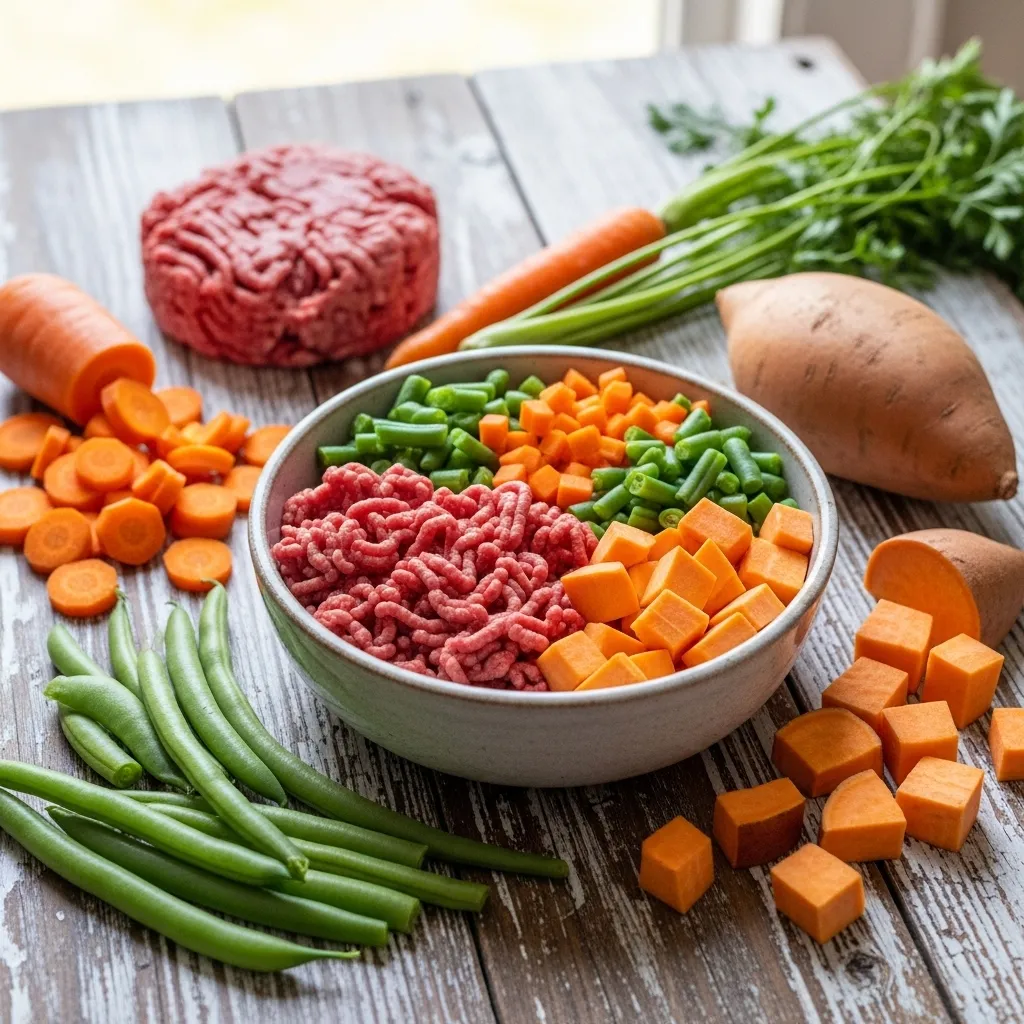
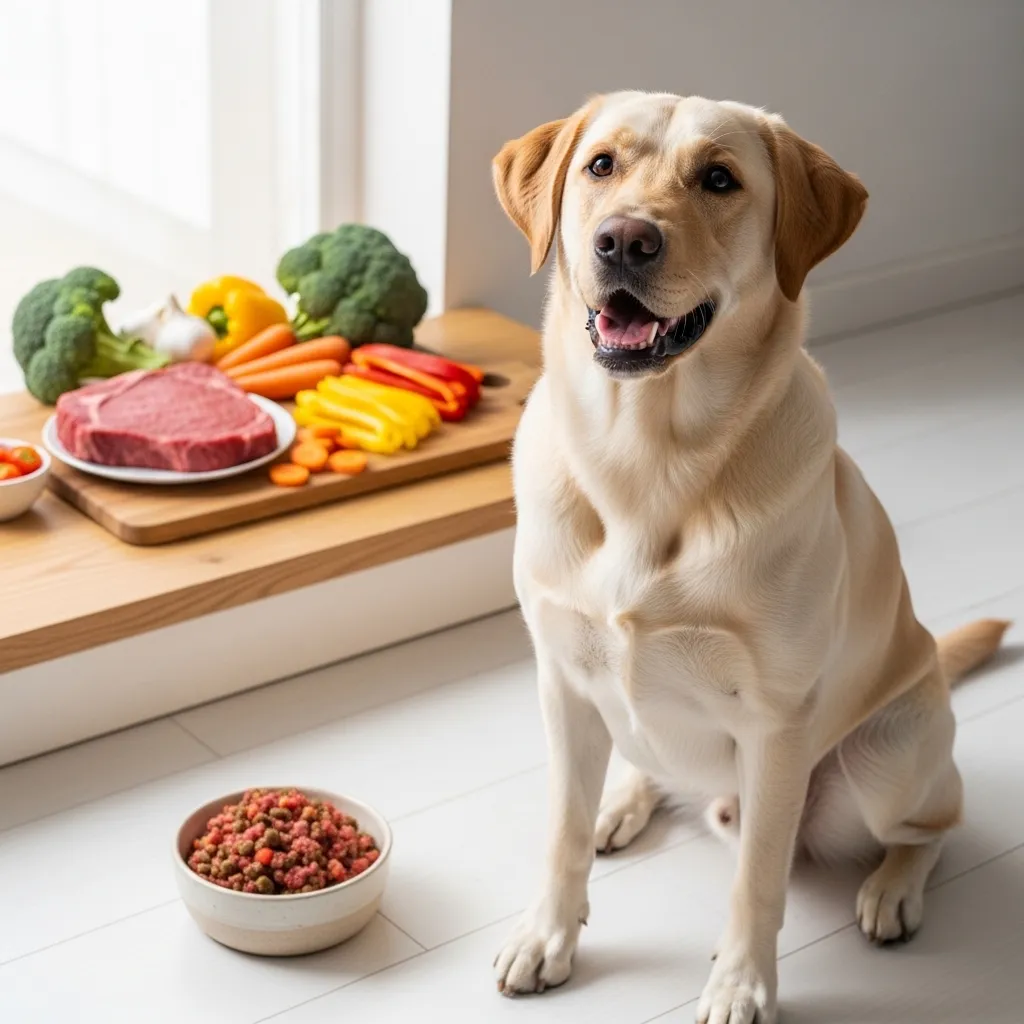
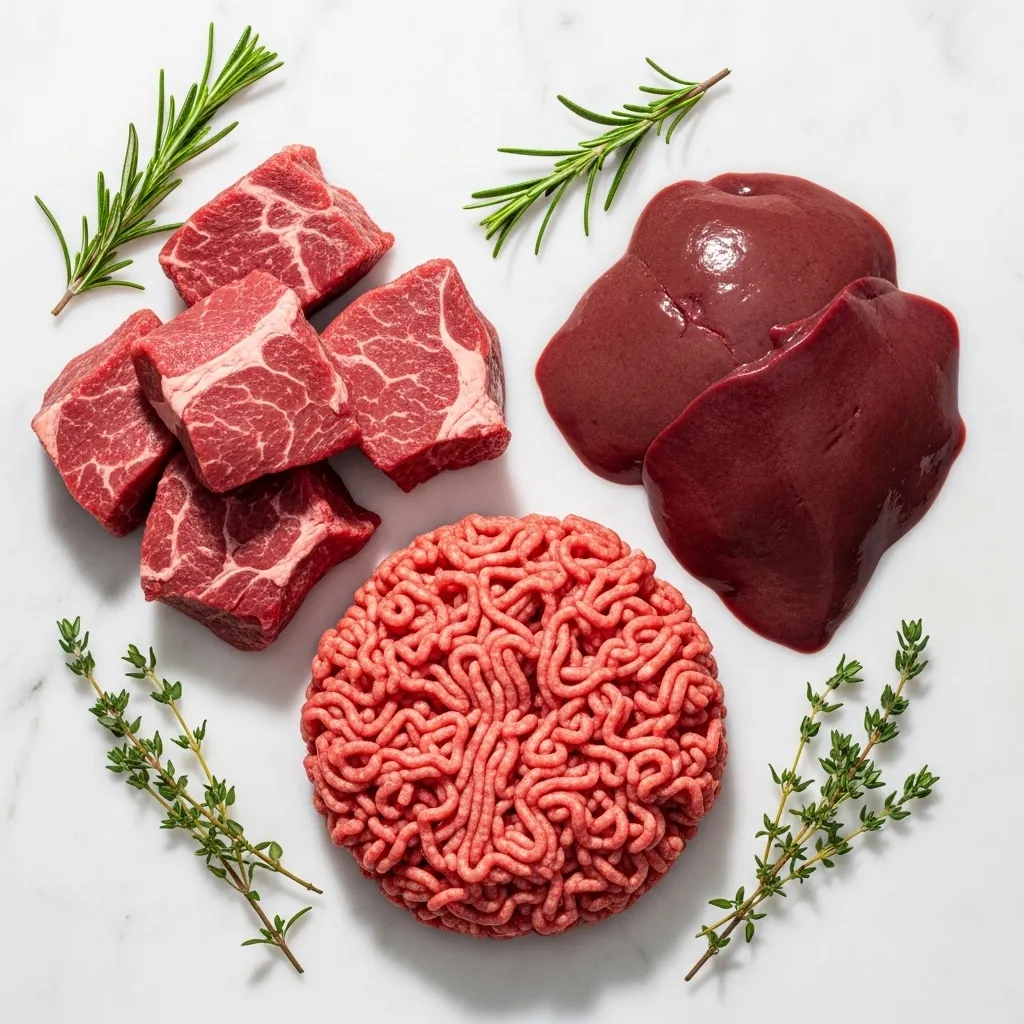
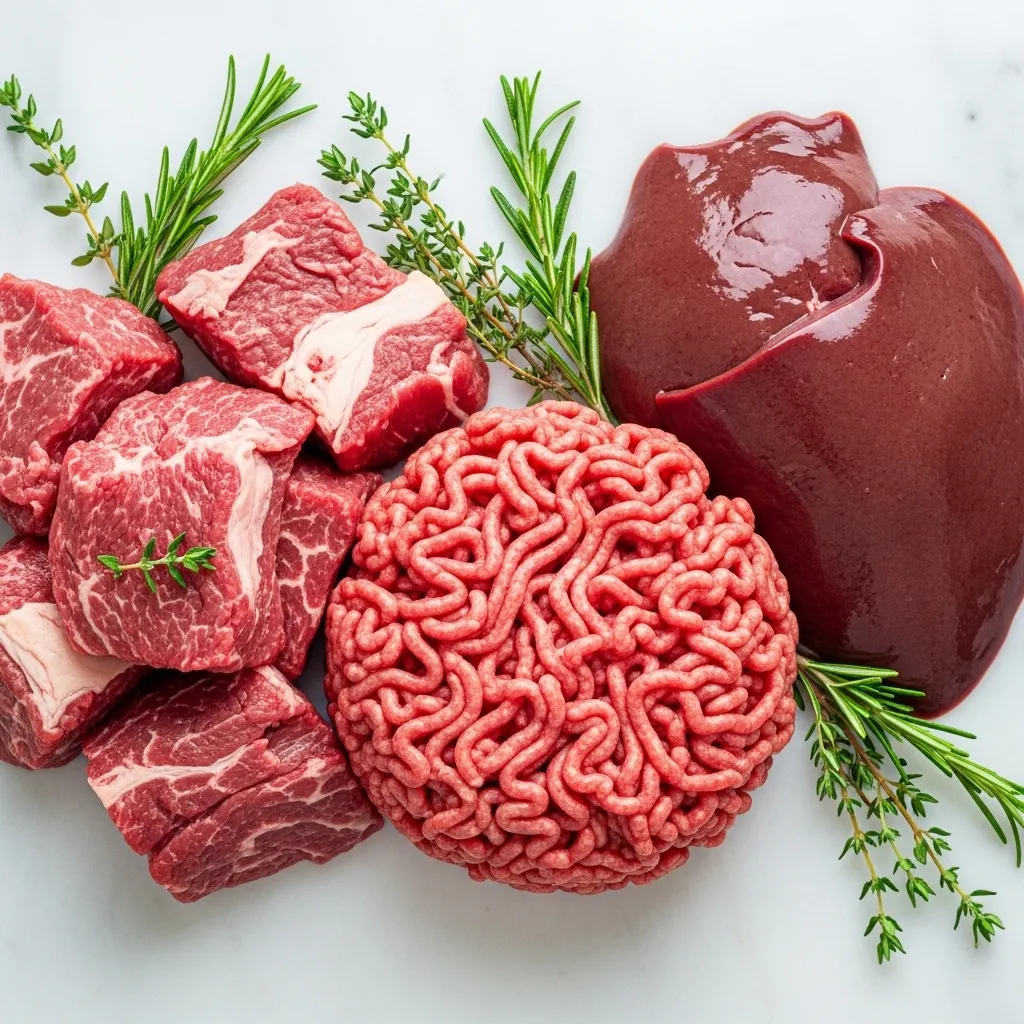
Not all beef is created equal for our pups. I always opt for lean ground beef (90/10 or leaner) to keep the fat content in check. Too much fat can upset sensitive stomachs.
You can also use stewing beef or chuck roast, finely chopped or ground. Grass-fed is a fantastic option for higher omega-3s. Remember to cook it thoroughly to eliminate any harmful bacteria.
3. Essential Veggie Power: The Nutrient Boosters
Dogs need more than just meat. Vegetables provide vital vitamins, fiber, and antioxidants. My recipe’s veggie blend is dog-safe and delicious.
- Sweet Potato: A great digestible carb for energy.
- Green Beans & Carrots: Crunchy, low-calorie sources of vitamins.
- Spinach: A superfood sprinkle for iron and vitamins.
I always cook or puree them for easier digestion and nutrient absorption.
4. The Must-Have Supplement: Balancing the Meal
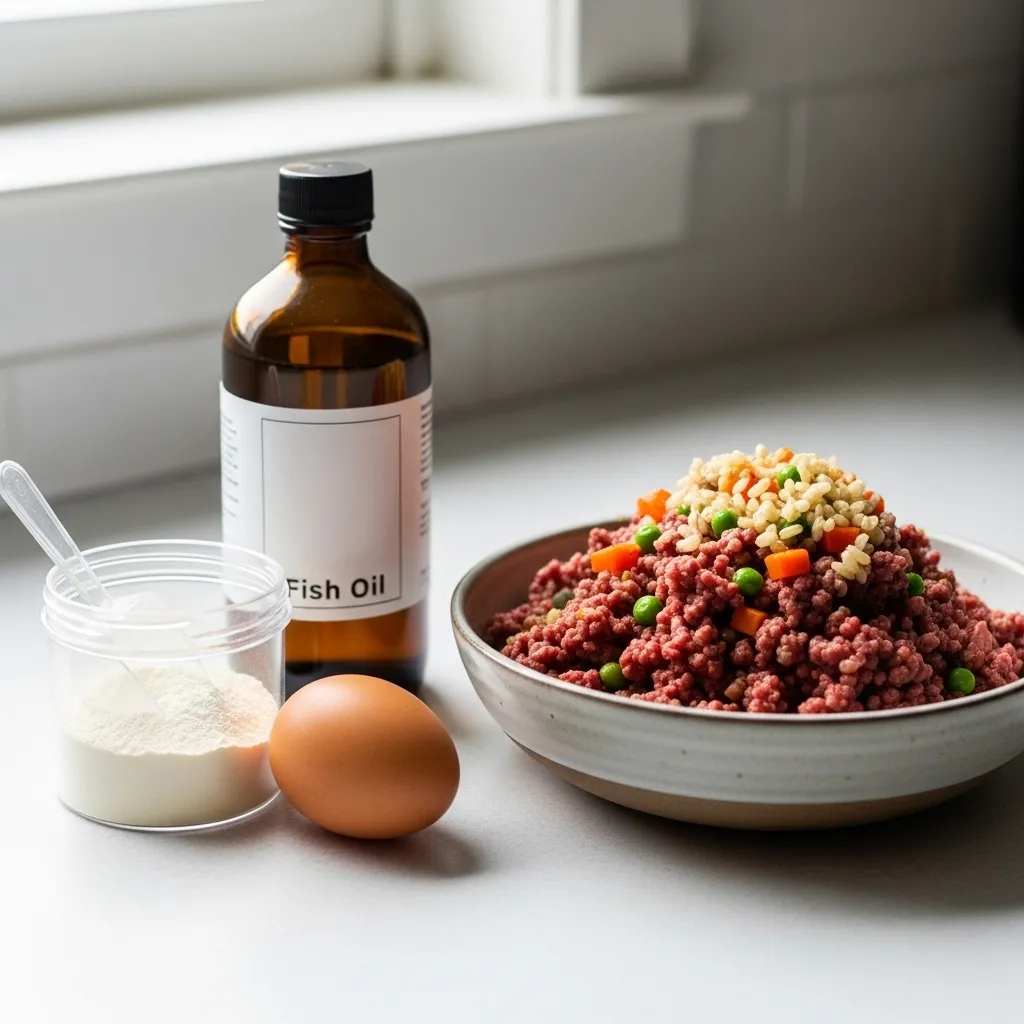
This is the most crucial step! Fresh meat and veggies are wonderful, but they often lack complete nutrition. A canine-specific vitamin and mineral supplement is non-negotiable.
I add a powder formulated by pet nutritionists to ensure the recipe has the right calcium, phosphorus, and other trace minerals. Never guess on this—consult your vet for a supplement recommendation.
5. Simple Step-by-Step Cooking Instructions
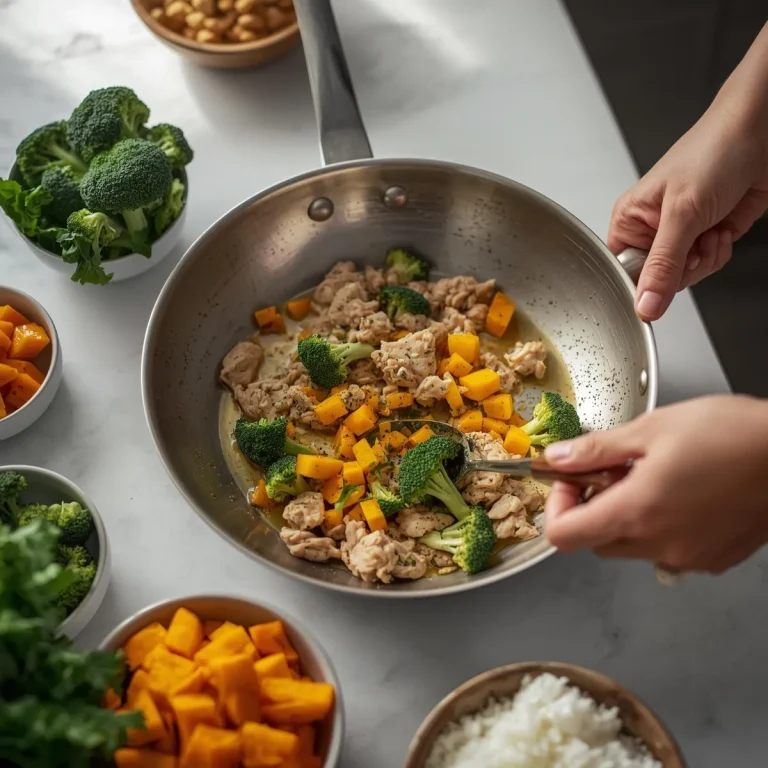
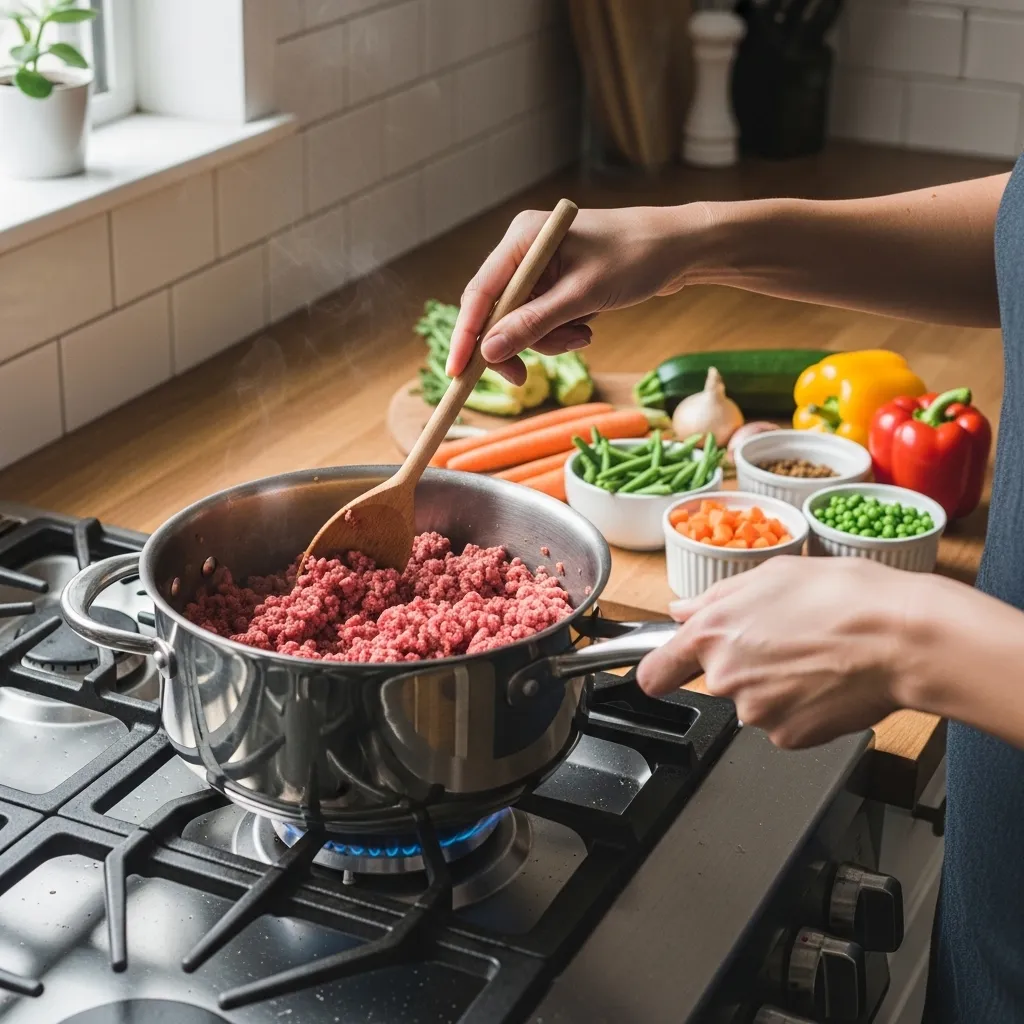
This recipe comes together in one pot. Brown the lean ground beef in a large skillet or pot until fully cooked. Drain any excess fat.
Add your chopped veggies and a bit of water or low-sodium broth. Cover and simmer until the vegetables are very tender, about 15-20 minutes. Let it cool completely before mixing in the supplement.
6. Portion Control: How Much to Feed Your Dog
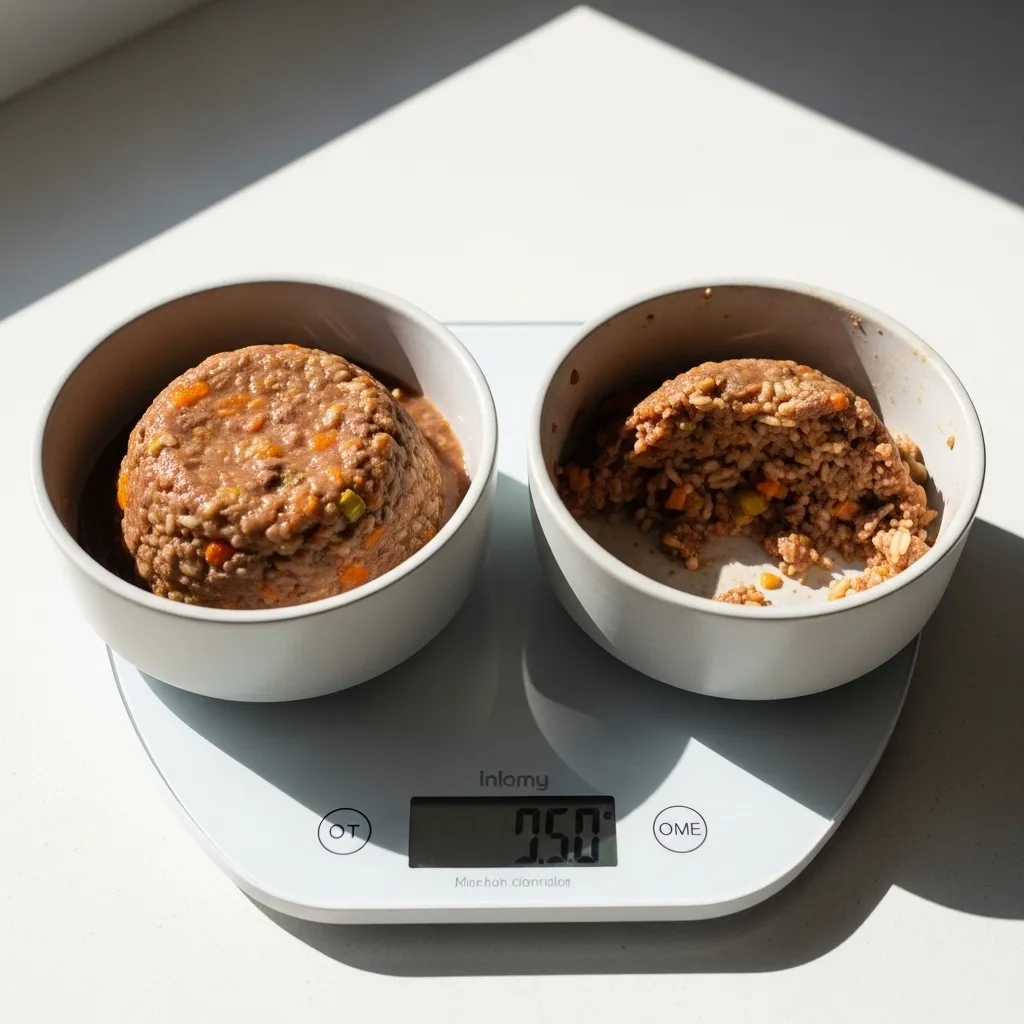
Homemade food portions depend on your dog’s weight, age, and activity level. As a general rule, an average dog eats about 2-3% of their body weight in food daily.
For a 50-pound dog, that’s roughly 1 to 1.5 pounds of food per day. I started by replacing 25% of my dog’s regular meal with this recipe and watched how he did. Always adjust based on your dog’s needs!
7. Safe Storage & Meal Prep Tips
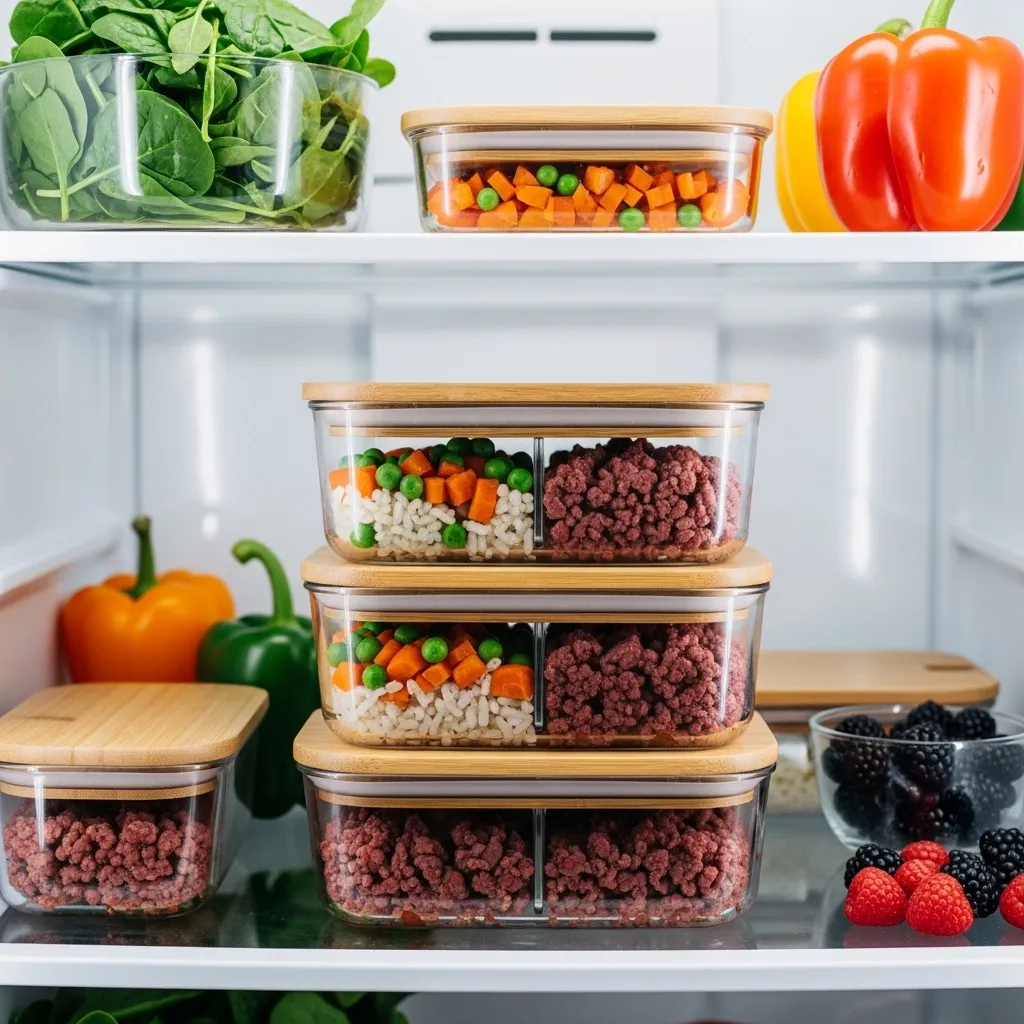
I love to make a big batch! After cooling, I portion the food into airtight containers. It keeps in the fridge for 3-4 days.
For longer storage, freeze portions in reusable containers or freezer bags for up to 3 months. Thaw in the fridge overnight for an easy, ready-to-serve meal.
8. Mix-Ins & Variations: Keep It Interesting
Once your dog loves the base recipe, try these simple swaps to keep their taste buds happy:
- Swap beef for ground turkey or chicken.
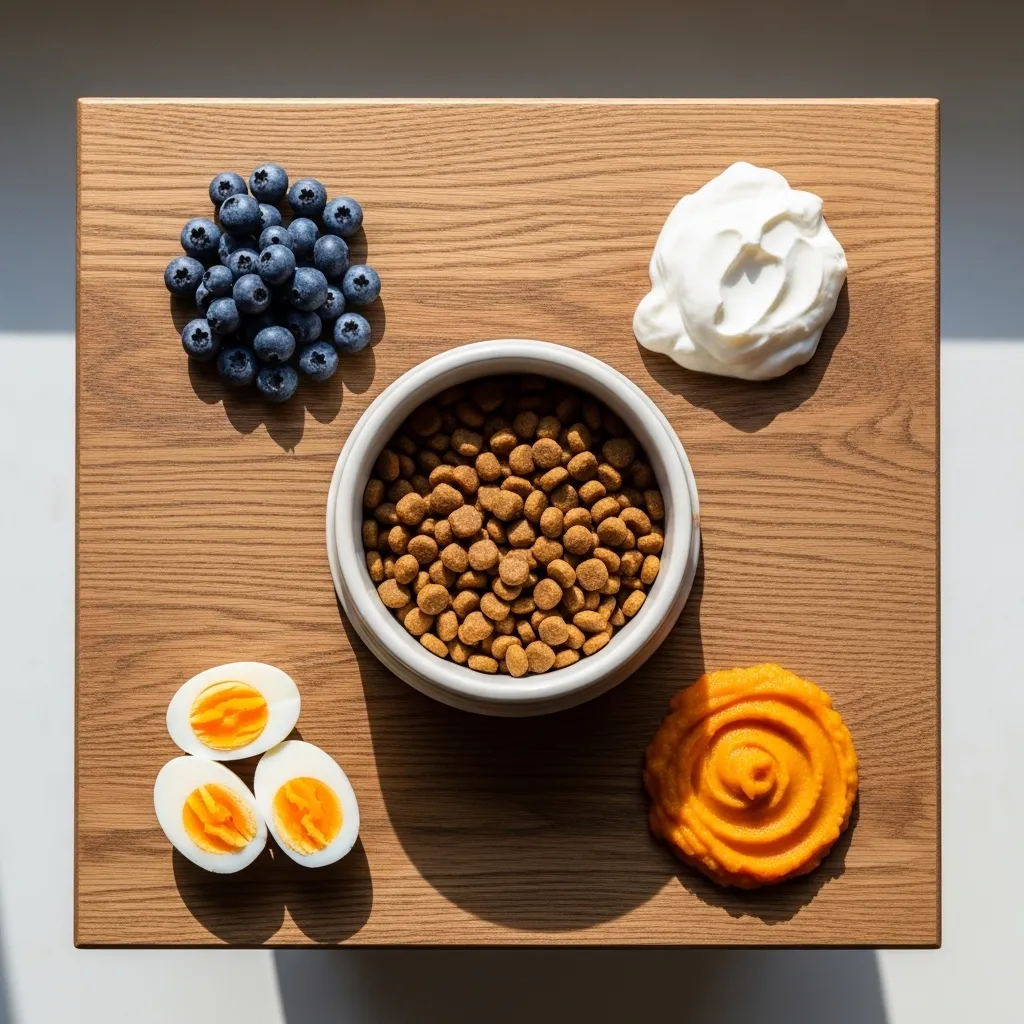
- Add a spoonful of plain, cooked pumpkin or oats for extra fiber.
- Stir in a raw egg (shell crushed for calcium) or a drizzle of fish oil after cooking for a glossy coat.
9. What to Avoid: Dangerous Foods for Dogs
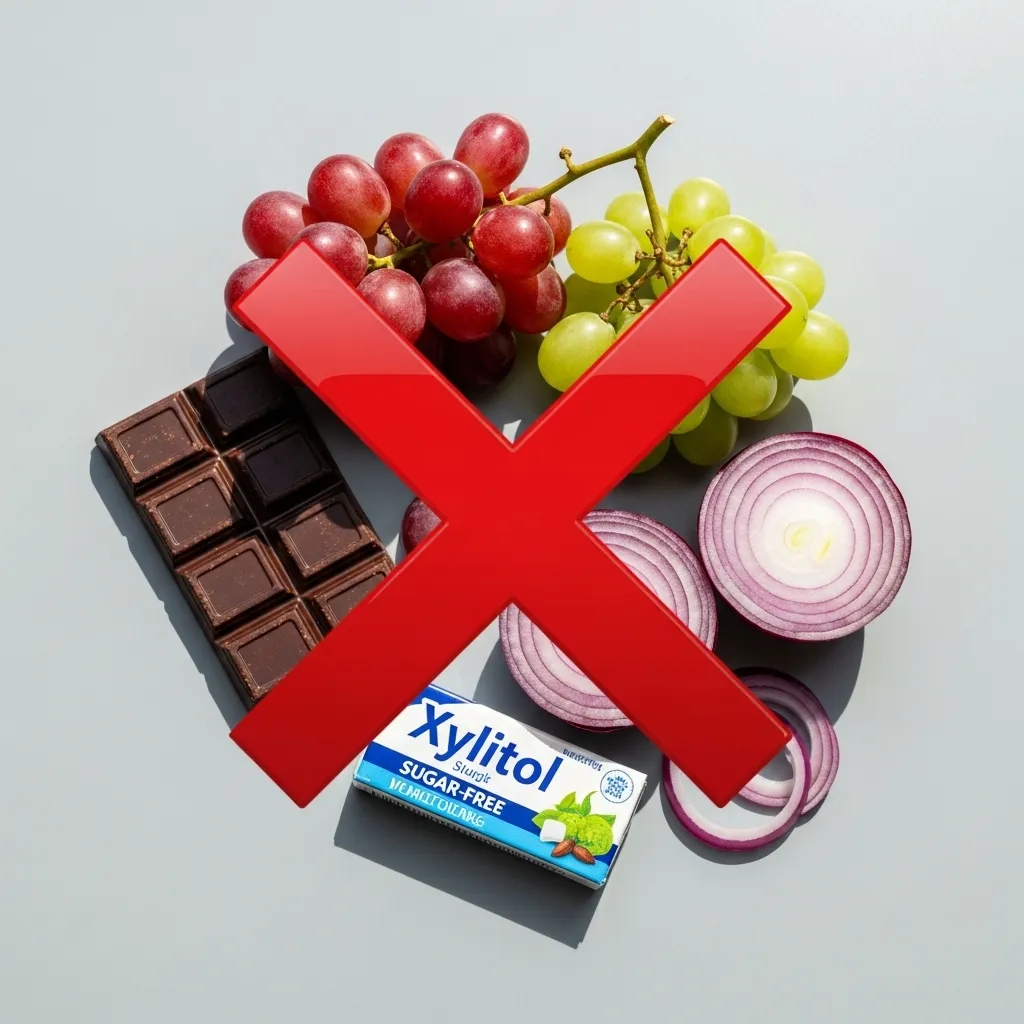
Stick to safe ingredients. Never use in this recipe:
- Onions, garlic, chives (toxic to dogs).
- Grapes, raisins, or currants.
- Added salt, sugar, or spicy seasonings.
- Cooked bones (they can splinter).
When in doubt, leave it out or do a quick search for dog safety first.
10. The Vet Check: The Most Important Step
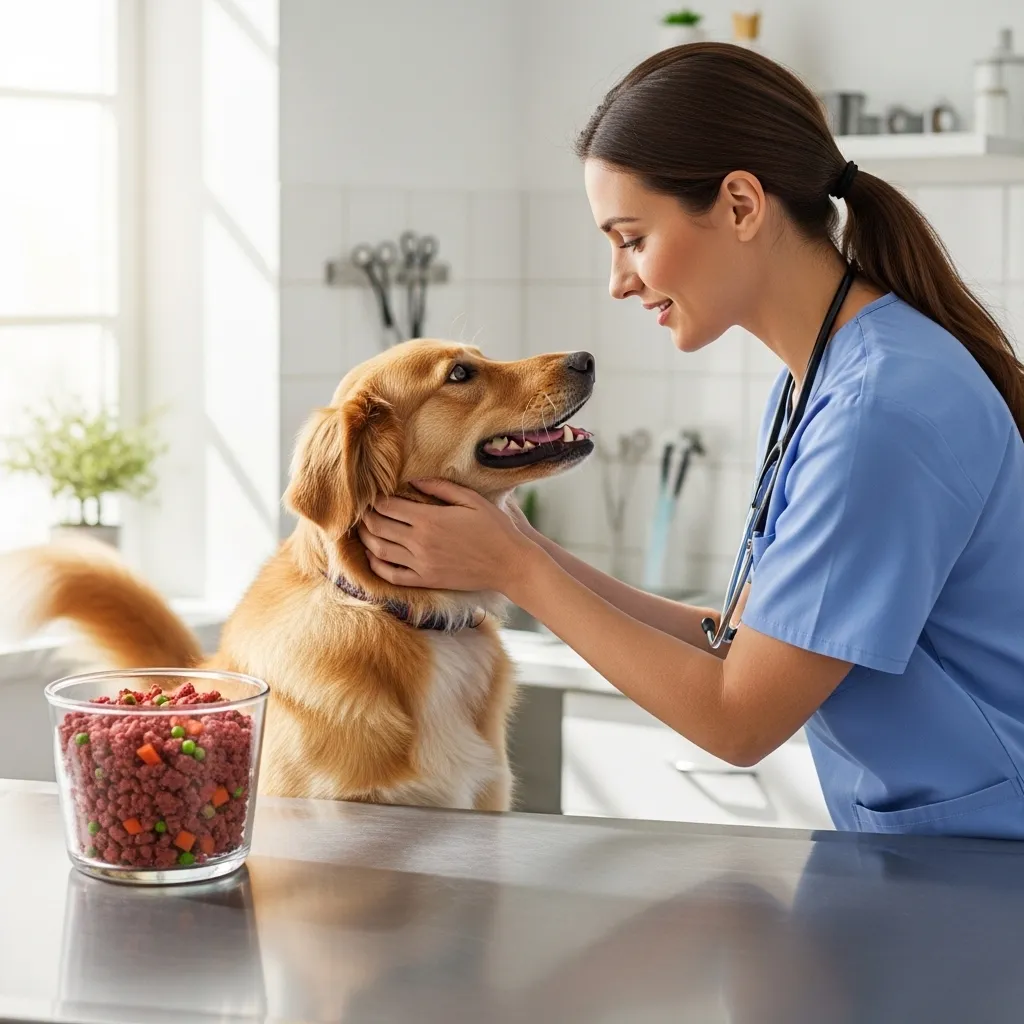
Before switching to any homemade diet, a conversation with your veterinarian is essential. They can review the recipe, suggest the right supplement, and ensure it meets your individual dog’s health requirements.
This is especially important for puppies, seniors, or dogs with health conditions. My vet gave me the green light and peace of mind.
Final Thoughts
Making this healthy beef dog food has deepened the bond with my furry best friend. It’s a rewarding practice that puts his health first. Remember, it’s about balance, quality ingredients, and professional guidance. Here’s to happy, healthy, and tail-wagging mealtimes!
Your Homemade Dog Food FAQ
Q: Can I feed my dog only this homemade food?
A: Yes, but only if the recipe is nutritionally complete and balanced with a proper canine supplement, and your veterinarian has approved it for your dog’s long-term diet.
Q: How do I transition my dog to this food?
A: Go slow! Mix a little of the new food with their current food over 7-10 days, gradually increasing the new portion to avoid stomach upset.
Q: Is this recipe good for dogs with allergies?
A: It can be, as you control the ingredients. Beef can be an allergen for some dogs. If yours is sensitive, try a novel protein like turkey or lamb instead.
Q: Can I use raw beef instead?
A: I cook the beef to eliminate pathogens like E. coli and Salmonella, which can harm both pets and people. If you’re interested in a raw diet, consult a vet or canine nutritionist for a safe plan.
Q: My dog is a picky eater. Will he like this?
A> Most dogs go crazy for the smell and taste of fresh-cooked beef and veggies! Start with a small amount as a topper on their regular kibble to spark their interest.