10 DIY Snuffle Mat Designs to Make and Sell
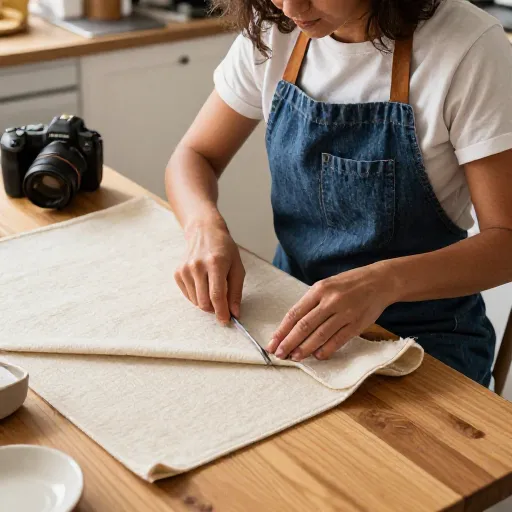
I started making snuffle mats as a way to keep my own dog busy during rainy afternoons. One sniffle mat turned into ten, and before I knew it, friends were asking to buy them. That’s when I realized there’s a real market for these simple, enriching pet toys.
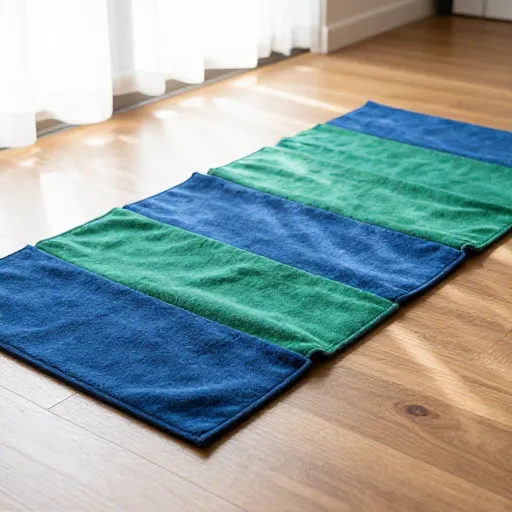
Snuffle mats are basically fabric mats with strips or pockets where you hide kibble or treats. Dogs use their noses to sniff out the food, which taps into their natural foraging instincts. It’s mentally stimulating, slows down fast eaters, and gives anxious dogs a calming activity. Plus, they’re surprisingly easy to make with basic sewing skills.
Whether you want to sell at local craft fairs, on Etsy, or just make a few for gifts, these ten designs are tested and loved. I’ll walk you through each one, including materials you’ll need and a quick tip to make them sell faster.
1. Classic Fleece Strip Mat
This is the design most people picture when they hear snuffle mat. You take a rubber grid mat (like a drainage mat or sink mat) and cut fleece fabric into long strips. Then you simply push each strip through a hole and tie a knot.
The key is using fleece that doesn’t fray. I buy remnants from fabric stores—the cost is low, and you can offer a rainbow of color combos. For selling, stick to two or three coordinating colors rather than random scraps. It makes the mat look intentional and premium.
Pro tip: Use a non-slip rug pad underneath if you’re selling to owners with hardwood floors. Dogs can push these mats around, and a grippy base adds value.
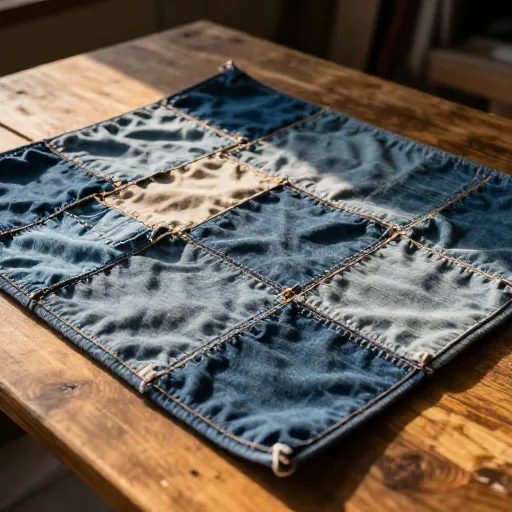
2. Denim Patchwork Mat
Old jeans are perfect for snuffle mats. Denim is durable, washable, and has a nice weight that stays put. Cut squares or rectangles from jeans, then sew them onto a fabric base, leaving some edges open to create pockets.
I like to mix dark and light denim for visual contrast. You can also add small fabric loops or strips inside the pockets to make the sniffing harder. This design appeals to eco-conscious buyers because you’re upcycling something that would otherwise go to waste.
Selling tip: Offer a “vintage wash” option. People love the idea of a mat made from real worn jeans. It tells a story.
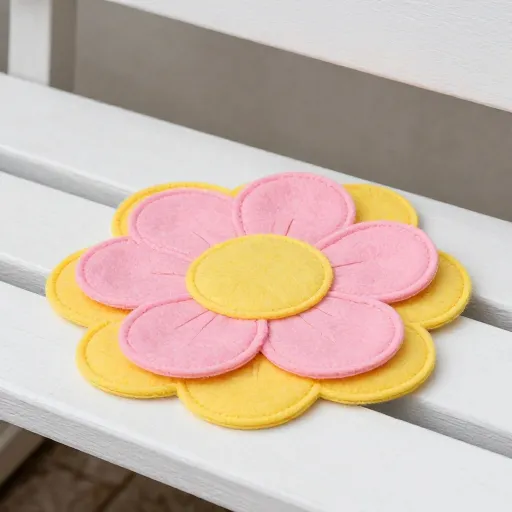
3. Felt Flower Mat
This one looks pretty enough to hang on the wall. Cut circles or petal shapes from wool blend felt, then layer them and sew or glue them onto a fabric base. Leave the centers open so treats can be tucked inside the “flowers.”
Felt holds its shape well, so the flowers stay open and inviting. Use bright, nature-inspired colors like mustard, sage, and rust. Avoid craft felt that pills or fades after washing—buy the good stuff.
For selling, photograph this mat with treats peeking out of the flowers. It’s very Instagram-friendly and gets clicks.
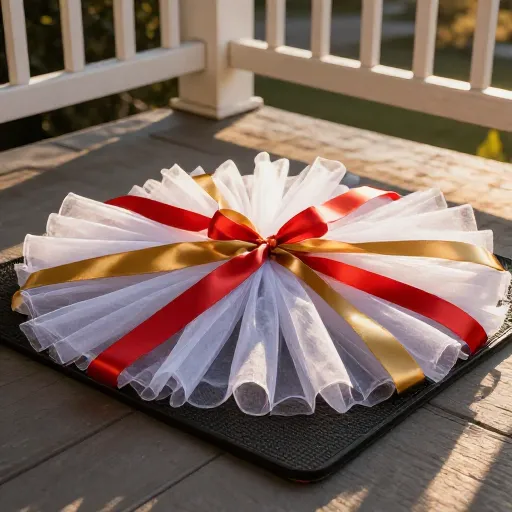
4. Ribbon and Tulle Mat
Ribbons come in so many textures—grosgrain, satin, velvet, even jute. Cut them into varying lengths and sew them onto a fabric backing in rows. Mix in some stiff tulle for extra crinkle and challenge.
The different textures keep dogs curious. Some ribbons are slippery, some are rough. It mimics the variety of leaves, grass, and dirt dogs would sniff outside. I recommend using a sturdy fabric like canvas for the base so the sewing holds up.
Important: Avoid ribbons with wire edges. They can hurt a dog’s mouth or paws.
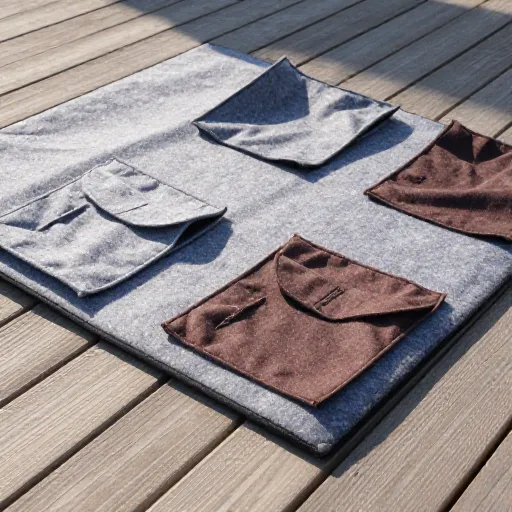
5. No-Sew Felt Pocket Mat
Not everyone owns a sewing machine. This design uses heavy-duty fabric glue or fusible bonding web to attach felt pockets onto a felt base. Cut rectangles or triangles, glue three sides, and leave one side open.
This is the fastest design to make, which means you can price it lower for budget buyers. Use contrasting felt colors so the pockets stand out. Make sure the glue is non-toxic and fully cured before you add treats.
For durability, I still recommend sewing if you can. But this no-sew version works well for smaller dogs or as a travel mat.
6. Braided Rope Mat
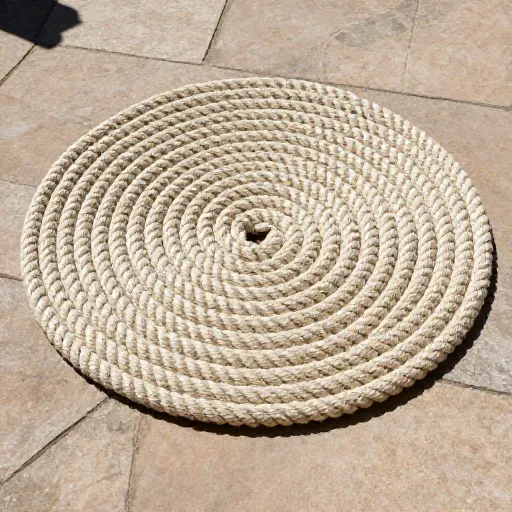
Cotton rope is tough, washable, and gives a natural look that pet owners love. Braid or coil the rope into a flat circle or oval, sewing it together as you go. Leave small gaps between coils where treats can fall.
The texture is rough enough to clean teeth a little, but soft enough for gentle noses. This design looks great in neutral colors like cream, gray, or navy. It also doubles as a cooling mat in summer if you dampen the rope.
Pricing tip: Rope is heavier, so you can charge a bit more for this one. People perceive weight as quality.
7. Zippered Pocket Mat
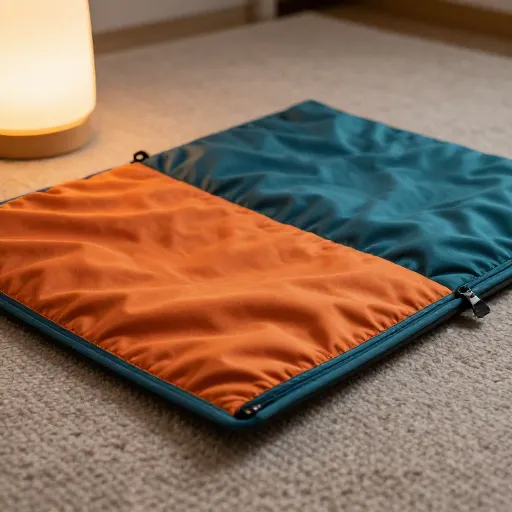
This is for the advanced maker. Sew a fabric base with several small zippered pouches attached. Dogs have to unzip the pouches to find the treats. It’s a puzzle mat plus a snuffle mat combined.
Use plastic zippers (metal can hurt teeth) and make sure the zipper pulls are large enough for a dog to grab with their mouth. You can also add a layer of fleece strips around the pouches for extra sniffing.
This design sells fast to owners of clever dogs who get bored easily. It’s a challenge, not just a slow feeder.
8. Muffin Tin Mat
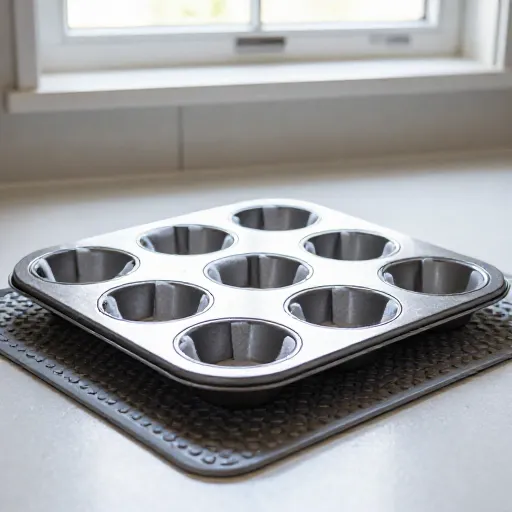
Start with a silicone muffin pan or a fabric base with six to twelve sewn-in “cups.” Cut fleece or felt into small circles that fit inside each cup. Place a treat under a circle, and the dog has to lift the fabric to get the reward.
This is a fantastic design for small dogs or puppies because the cups are shallow. You can also add a layer of fleece strips around the edges for extra interest. The silicone version is dishwasher safe, which is a huge selling point.
Marketing angle: Call it a “snuffle muffin” and watch people smile. That name sells itself.
9. Double-Layer Tug Mat
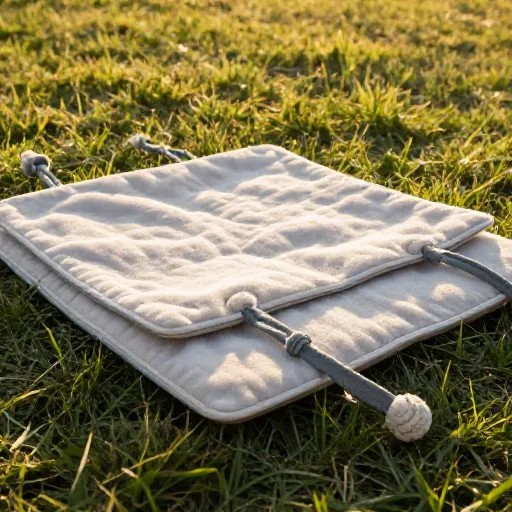
This mat has two layers of fleece strips sewn on opposite sides. One side has short strips for easy sniffing, the other has long strips for a harder challenge. You can also add a few fabric loops that dogs can tug on.
The dual-sided design means you can flip the mat to adjust difficulty. It’s like two products in one. Use contrasting colors on each side so it’s visually clear which side is which.
For packaging, include a small card explaining the two difficulty levels. Buyers appreciate the thoughtfulness.
10. Seasonal Theme Mat
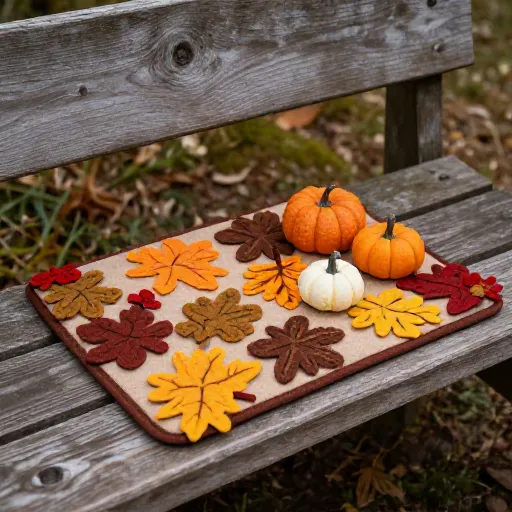
Create mats for holidays. A pumpkin-shaped mat for fall, a heart-shaped one for Valentine’s Day, a snowflake for winter. Use themed colors and shapes—orange and brown for autumn, red and pink for love day.
These are limited-edition items that create urgency. People buy them as gifts or for their own festive spirit. You can also make a “birthday” mat with a number appliqué.
The trick is to plan ahead. Start making fall mats in August, winter mats in October. That way you have stock when people start searching.
Conclusion
Snuffle mats are a joy to make and even more satisfying to see dogs enjoy. Every design I listed here has been tested by real dogs, and each one has its own personality. The best part is that you don’t need expensive equipment—just fabric, scissors, and a little creativity.
If you’re thinking of selling, start with one or two designs you genuinely enjoy making. Photograph them in natural light, show them in action with a dog, and be honest about materials. People will pay for quality and love to support a handmade business.
I hope these ideas spark something for you. Now go make something that makes tails wag.
Frequently Asked Questions
What fabric is best for snuffle mats?
Fleece is the top choice because it doesn’t fray, is soft, and holds treats well. Cotton and denim are also good, but they may fray over time. Always wash fabrics before cutting to prevent shrinking later.
How do you clean a snuffle mat?
Most fleece and felt mats can be machine washed on a gentle cycle and air dried. Denim and rope mats can be hand washed or spot cleaned. Always remove treats first and check for loose threads after washing.
Can I make snuffle mats without a sewing machine?
Yes. No-sew designs using fabric glue or knotting fleece strips onto a grid mat are popular and effective. Just make sure all adhesives are non-toxic and fully dry before use.
How much should I charge for a handmade snuffle mat?
Prices vary based on materials and complexity. Simple fleece strip mats sell for $15–$25. More elaborate designs like zippered or seasonal mats can go for $30–$50. Factor in your time, materials, and any packaging.
Are snuffle mats safe for all dogs?
Yes, but supervise the first few uses. Some dogs may try to chew and swallow fabric strips. If your dog is a heavy chewer, choose a sturdier design like denim or rope. Always remove the mat after use and store it out of reach.