10 Quick Tips for Harness Fit Success
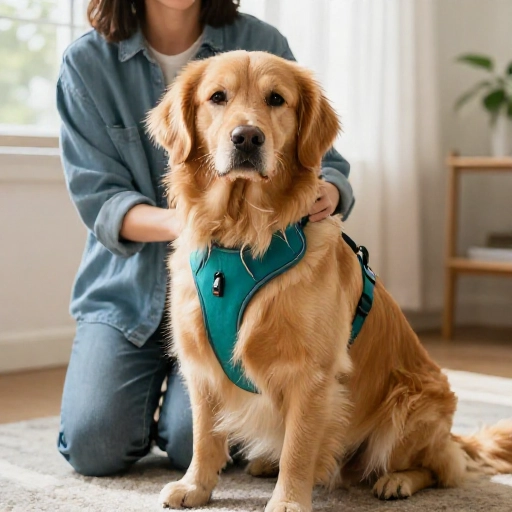
I used to think a dog harness was just a “slip it on and go” kind of thing. Then I noticed my dog side-eyeing me on walks, rubbing at his shoulders, and doing that dramatic stop-and-flop. Turns out, harness fit matters way more than I thought.
A good fit keeps your dog comfortable, prevents escape tricks, and makes walks feel like a team effort instead of a wrestling match. Whether you have a tiny Chihuahua or a strong puller, these quick tips will help you nail harness fit success without overcomplicating it.
I’m sharing what I’ve learned from trial, error, and a few very patient dogs. You don’t need fancy tools or a grooming certification—just a soft measuring tape, a few treats, and five minutes of patience.
1. Measure Before You Buy or Adjust
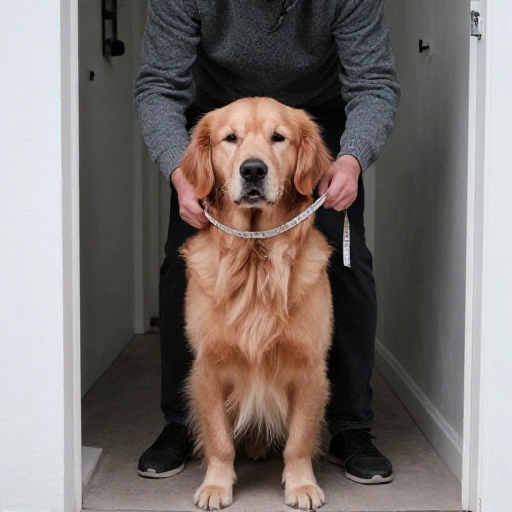
I always start by measuring my dog’s neck and the widest part of the chest, often called the girth. Use a soft tape measure and keep it snug but not tight. If you don’t have one, a piece of string and a ruler work fine.
Write those numbers down. Every brand sizes differently, so the “medium” from one company might fit like a small from another. I’ve learned that the hard way.
When adjusting an existing harness, measure your dog first, then set the straps to those numbers. That gives you a baseline before you start fine-tuning.
2. Master the Two-Finger Rule
The two-finger rule is my go-to quick test. After you strap the harness on, slide two fingers under each strap. If you can’t fit them, it’s too tight. If you can fit four or more, it’s probably too loose.
I check the neck, chest, and belly straps separately. A harness can be perfect in one spot and pinching in another.
Keep in mind that thick-coated dogs might need a little extra room. And for tiny breeds, use one finger instead of two if the straps are narrow.
3. Get the Chest Strap in the Right Spot
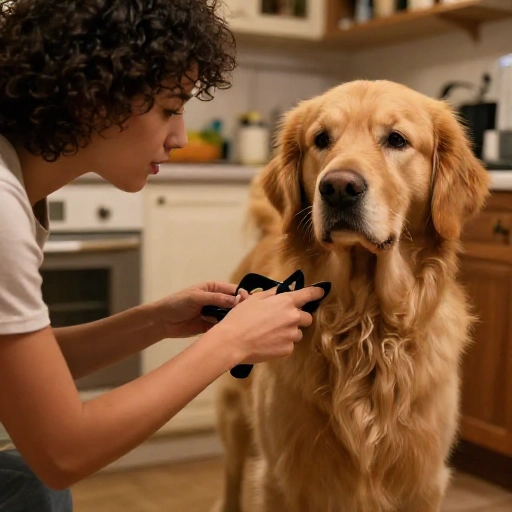
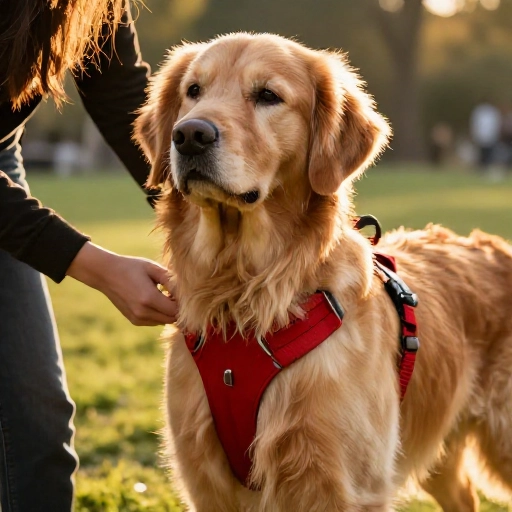
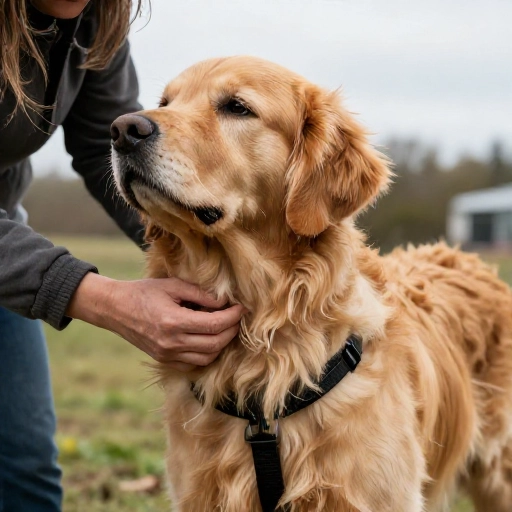
The chest strap should sit across the breastbone, not over the throat. I aim for a spot that’s behind the front legs but not so far back that it rubs the armpits.
If the strap rides up toward the neck, your dog might cough or pull. If it drops too low, the harness can slip sideways.
I like to gently press on the chest strap after adjusting. It should feel stable, like it’s giving a soft hug—not a chokehold.
4. Check the Shoulder Blades for Freedom
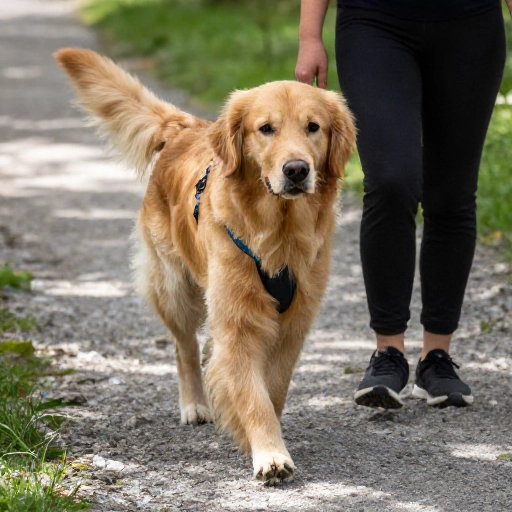
Your dog’s shoulders need to move without restriction. I watch my dog walk and look for any sign that the harness is pinning the shoulder blades or limiting stride.
A well-fitted harness lets the front legs reach forward naturally. If the harness bunches up or pulls across the shoulders, it’s time to loosen or reposition.
I also run my hands along the shoulder area. If I feel any hard edges or tight straps digging in, I adjust immediately.
5. Do the Wiggle and Twist Test
After the harness is on, I gently wiggle it side to side and front to back. It should stay mostly in place. If it twists easily, it’s too loose.
I also ask my dog to sit, stand, and do a little treat chase. A harness that shifts a lot during normal movement can cause chafing or escape.
If it slides, I tighten one strap at a time and retest. Small changes make a big difference.
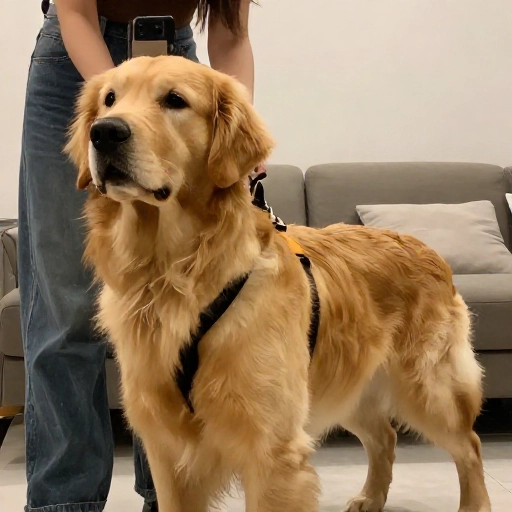
6. Adjust One Strap at a Time
This tip saved me from a lot of frustration. Instead of loosening every strap and starting over, I adjust one strap, then check the fit.
I start with the neck, then the chest, then the belly. That order works for most harness styles.
After each change, I do a quick two-finger check and a quick walk around the living room. It’s like tuning a guitar—small tweaks, then test.
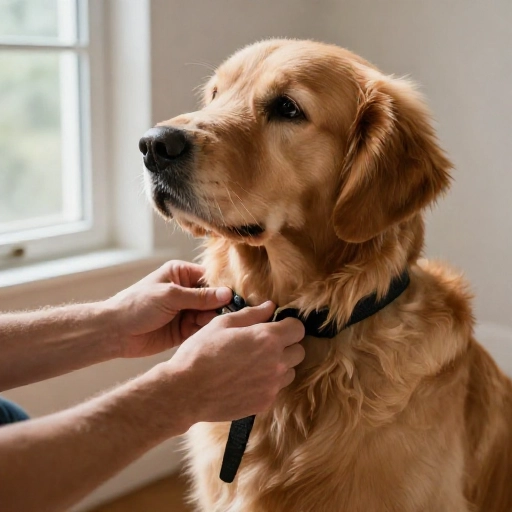
7. Watch for Chafing Hotspots
After a few walks, I check my dog’s armpits, chest, and neck for redness or missing fur. Chafing is a sign that something is rubbing.
I also look for tiny bald spots or skin irritation. If I find any, I clean the area gently and recheck the harness fit.
Sometimes a harness pad or a different style helps. But often, just loosening the right strap solves the problem.
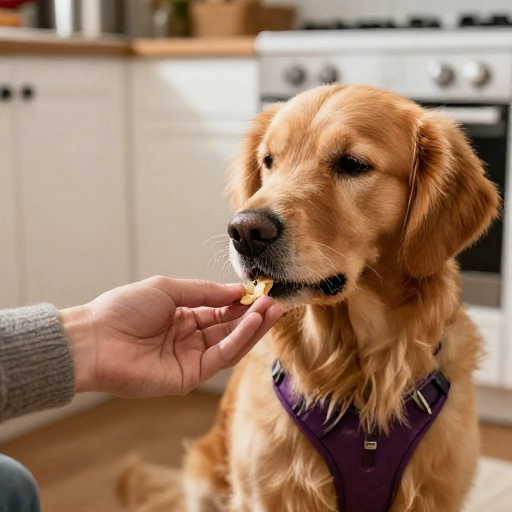
8. Use the Treat Test
I use treats to see how the harness holds up during real-life movement. I ask my dog to sit, spin, or follow a treat in a circle.
If the harness stays put and my dog doesn’t seem bothered, that’s a win. If my dog scratches, freezes, or tries to back out, I know I need to adjust.
This test is especially helpful for puppies and wiggly dogs who won’t stand still for a formal fitting.
9. Match the Harness to Your Dog’s Body Shape
Not every harness fits every dog. My deep-chested dog needed a different style than my short, stocky foster.
Look for harnesses with multiple adjustment points. They’re much easier to customize for broad chests, narrow waists, or long backs.
If a harness has only one or two adjusters, it might never fit quite right. That’s not a failure—it’s just a sign to try another design.
10. Recheck Fit Regularly
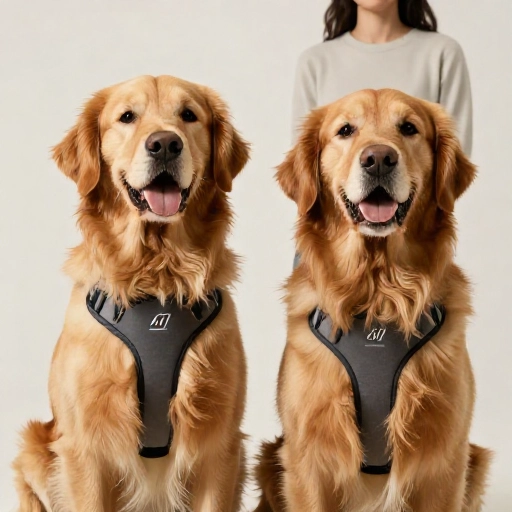
Dogs change shape with age, weight, coat growth, and even seasons. A harness that fit perfectly in winter might be too tight in summer.
I check the fit every month and after any big change like a grooming appointment or a new diet.
I also recheck after my dog has been wearing the harness for a long hike or swim. Wet straps can loosen or tighten unexpectedly.
Final Thoughts
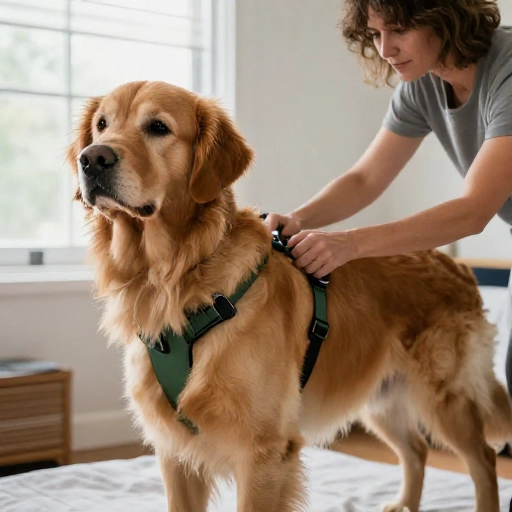
Harness fit success isn’t about being perfect—it’s about paying attention. A few minutes of measuring, adjusting, and observing can make walks happier for both of you.
I keep a soft tape measure by the door and do a quick two-finger check before we head out. It’s become a habit, like grabbing poop bags and treats.
If something feels off, trust your gut. Your dog can’t tell you “this strap is pinching,” but their body language will. A comfortable harness is one of the best gifts you can give your walking buddy.
FAQ: Harness Fit Questions I Hear Often
How tight should a dog harness be?
Snug enough that two fingers fit under each strap, but not so loose that it twists. The harness should stay in place without digging in.
Can a harness be too loose?
Yes. A loose harness can slip, rub, or let your dog back out. If it shifts a lot during walks, tighten one strap at a time.
How often should I check harness fit?
I check monthly and after any weight change, grooming, or growth spurt. Puppies need more frequent checks.
What if my dog hates wearing a harness?
Go slow. Let them sniff it, reward them for touching it, and practice putting it on for a few seconds at a time. A proper fit also helps—discomfort is a common reason dogs resist.
Should I use a harness for a dog that pulls?
It depends on the style. A well-fitted front-clip harness can help with pulling, but fit is key. If it’s loose or crooked, it won’t work well.