13 Easy Dog Ramp DIY Ideas That Actually Look Good (And Save Your Back!)
Let’s be real for a second. I love my senior dog more than anything, but watching him struggle to jump onto the bed or climb into the car breaks my heart every single time. And honestly? Lifting a 70-pound lab multiple times a day is a workout I never signed up for.
I searched for dog ramps online, but the good ones were crazy expensive, and the cheap ones looked like they’d collapse on the first use. So, I decided to build my own. If you’re even a little bit handy (or just willing to try), these DIY dog ramp ideas are total game-changers. They’re simple, budget-friendly, and most of them only take an afternoon to put together.
Whether you need a ramp for your couch, your car, or your front porch steps, I’ve rounded up 13 of the easiest and most clever DIY alternatives that will have your furry friend trotting up in no time. Let’s get building!
1. The Simple Plywood and Carpet Ramp
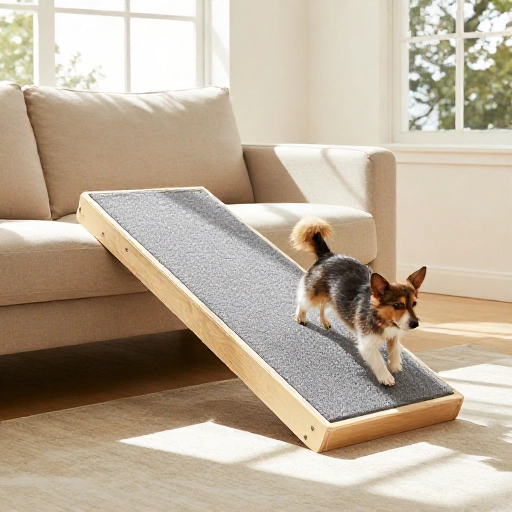
This is the classic, and for good reason. It’s the most straightforward build you’ll ever do. All you need is a single sheet of ¾-inch plywood and some scrap carpet or a rubber garage floor mat for traction.
The key here is to cut your plywood to the perfect length for your specific height. For a car or SUV, measure from the ground to the bumper, then add a couple of feet for a gentle slope.
Staple the carpet to the wood, making sure it’s pulled tight. The carpet gives your dog’s paws something to grip, which is essential for their confidence. No carpet? No problem. You can also paint the wood with a mixture of sand and paint to create a non-slip surface.
2. The Foam and Fabric No-Sew Ramp
Not a power-tool person? I get it. This is the easiest zero-tools option on the list. It’s perfect for a couch or a low bed, and it’s basically a big, firm pillow.
Purchase a piece of high-density upholstery foam (you can usually find it at craft stores or online). Cut it into a wedge shape using an electric knife—it cuts through foam like butter.
Then, wrap the wedge in a piece of non-slip fabric or an old yoga mat. You can secure it with fabric glue or just tuck the edges under. It’s lightweight, easy to clean, and your dog might even think it’s a new bed.
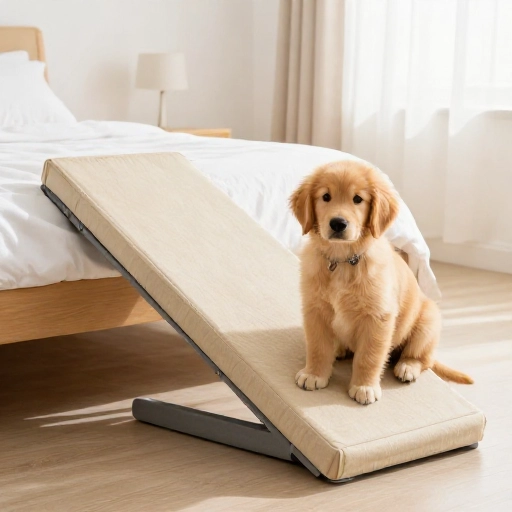
3. The Repurposed Bookshelf Ramp
I love a good upcycle. If you have an old, sturdy bookshelf that’s seen better days, don’t throw it out! Turn it on its side, and you’ve instantly got a solid base for a ramp.
You’ll need to add a piece of plywood on top as the actual incline. Since the bookshelf sides are already triangulated, it’s incredibly stable. This is a great option for heavier dogs who need a wider platform.
Paint it to match your decor, and no one will even know it’s a dog ramp. It’s the perfect DIY for the front porch or a high deck.
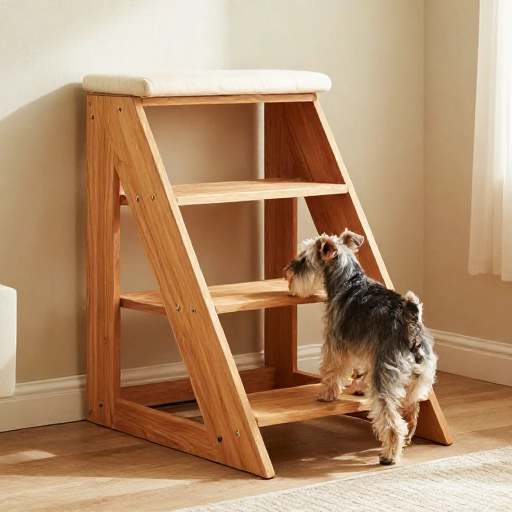
4. The Storage Bin Ramp with Stairs
Who says a ramp has to be just a ramp? This genius idea combines storage with function. Use a sturdy plastic storage bin as the support structure, and attach a ramp to the top of it.
The space inside the bin is perfect for storing dog toys, leashes, or treats. It’s functional and hides clutter at the same time. Just make sure the bin is strong enough to hold your dog’s weight—check the label for weight capacity.
You can even cut a hole in the side of the bin so your dog can use it as a cave or hideaway. This is one of the most versatile ideas on this list.
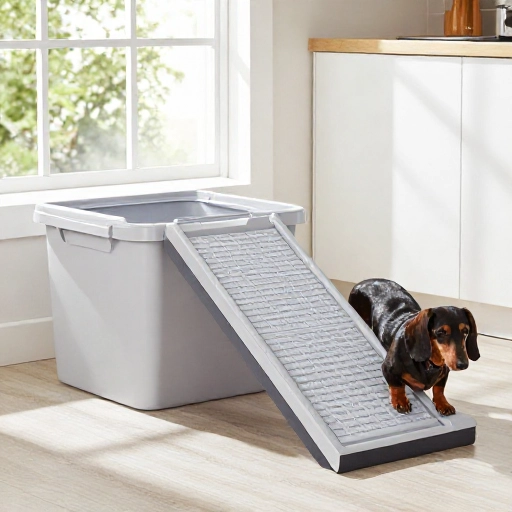
5. The Two-Step Stair and Ramp Combo
Sometimes, a full-length ramp takes up too much room. A hybrid approach works best. This design uses a couple of wide steps and then a short ramp leading to the top.
Build two or three low boxes (like mini-crates) and then attach a short piece of plywood from the last box to the bed or couch. This breaks up the angle, making it easier for dogs with joint issues.
It also gives them a place to pause and rest. This is a fantastic option for older dogs who get tired easily or for small dogs with short legs.
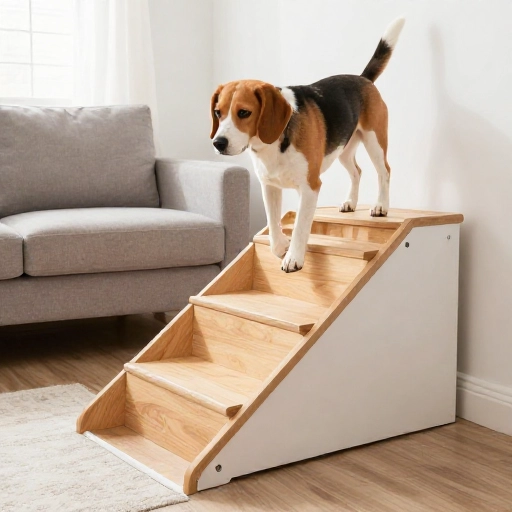
6. The Foldable Folding Table Ramp
I travel with my dog a lot, so I needed something portable. This is where an old folding table comes in handy. It’s the ultimate hack for on-the-go pets.
Open the table and lay it at an angle against your car bumper. Cover it with a rubber mat or a piece of outdoor carpet to protect the surface and give your dog grip.
The best part? It folds flat and fits perfectly in your trunk when you’re done. It’s lightweight, sturdy, and costs almost nothing if you already have a table.
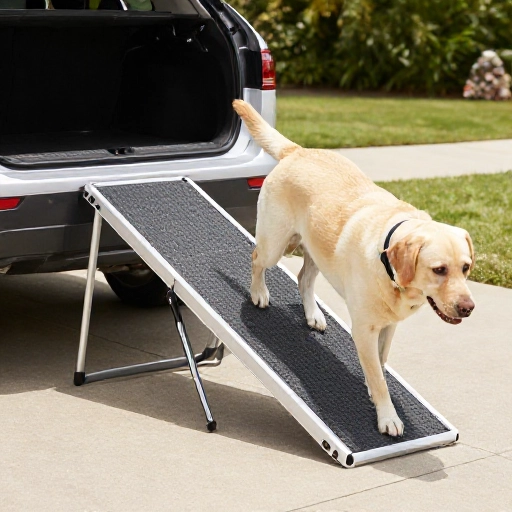
7. The Pallet Wood Ramp
If you love a rustic farmhouse look, this one is for you. Pallets are free (check your local hardware store or grocery store), and they make incredibly strong ramps.
Take two pallets and stack them to the height you need. Then, lean a third pallet against them as the incline. Fill the gaps in the pallet slats with pieces of wood to create a solid walking surface.
This ramp is heavy-duty and can handle even the largest of dog breeds. It’s not the prettiest, but you can stain it or paint it to make it look more intentional.
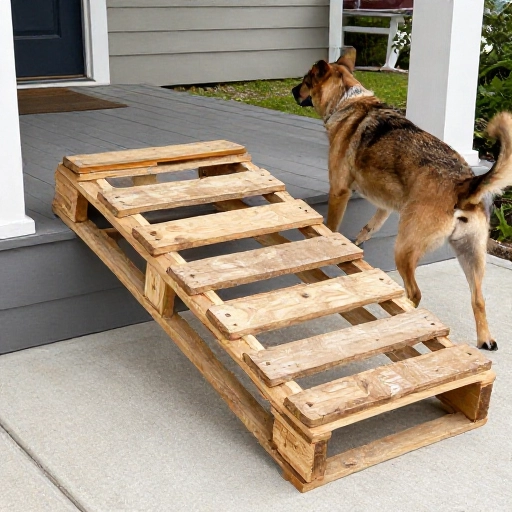
8. The Welcome Mat Ramp
This is the easiest trick in the book for low thresholds. If you only have one or two steps, don’t overcomplicate it. Use a thick, sturdy welcome mat or a rubber stable mat.
Roll one end of the mat or prop it against the step to create a gentle slope. The rubber material naturally has grip, so you don’t need to add anything else.
It’s not a permanent solution, but for puppies or small dogs, it’s a perfect temporary fix that takes 10 seconds to set up.
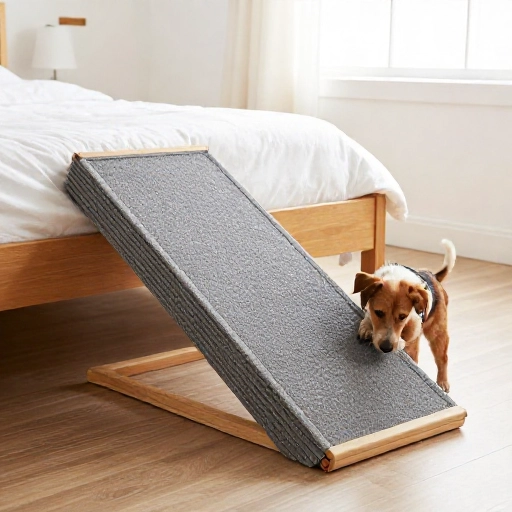
9. The Curved Slide Ramp
Okay, this one is a bit more advanced, but the result is stunning. Instead of a straight ramp, you build a curved one that wraps around the side of your bed or deck.
You can achieve this by cutting a piece of plywood into a curved shape or by using flexible PVC trim. It looks modern and high-end, and it saves floor space.
If you’re not up for cutting curves, you can also make a segmented ramp with multiple angled pieces of wood. It’s a fun challenge if you’re a confident DIYer.
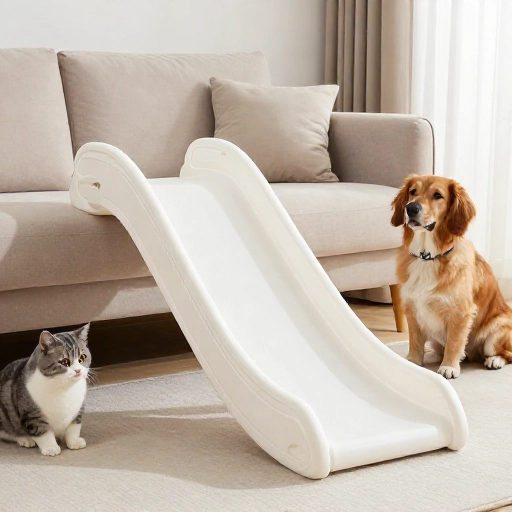
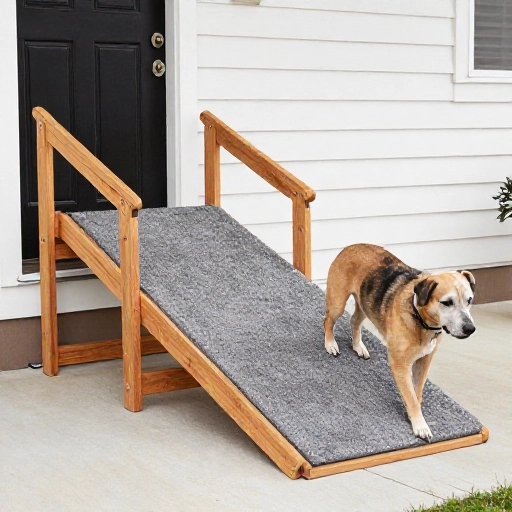
10. The Ramp with Side Rails
Some dogs are nervous about heights. If your dog hesitates at the top, they need side rails to feel safe. This is a safety upgrade you can add to any of the ramps on this list.
Simply attach two pieces of 1×4 wood along the sides of your plywood base. You can angle them outwards or keep them straight up.
The rails give your dog a visual boundary, which boosts their confidence. This is a must-have for puppies or for dogs with vision problems.
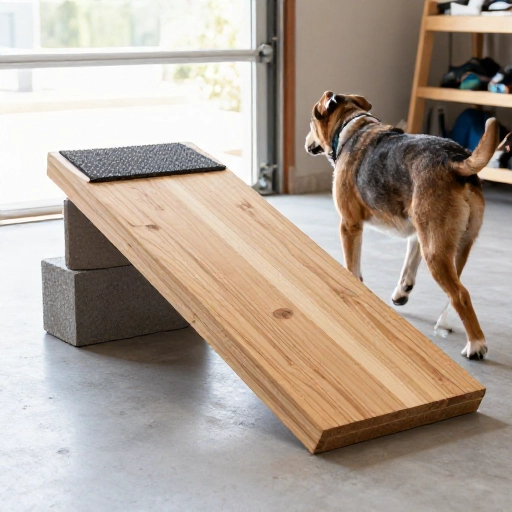
11. The Cinder Block and Plank Ramp
This is the ultimate “no-fuss” outdoor ramp. It’s not pretty, but it is incredibly sturdy and cheap. It’s perfect for a back porch or a garage step.
Stack two or three cinder blocks to your desired height. Then, place a thick wooden plank (like a 2×12) against the blocks.
Make sure the board is sanded smooth or covered with a grip tape to avoid splinters. This is the kind of ramp you can build in five minutes and leave outside in the elements without worrying about it.
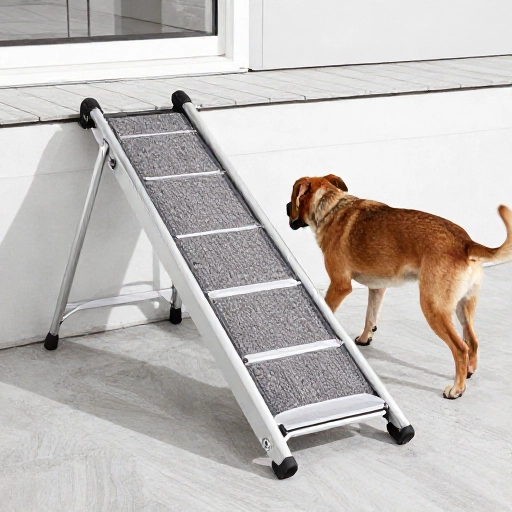
12. The Telescoping Ladder Ramp
Another great travel option! If you have an old telescoping ladder (or a standard extension ladder), you can convert it into a temporary ramp in seconds.
Lay the ladder flat against your car’s bumper or the edge of your bed. Then, slide a piece of cardboard or a thin sheet of plywood over the rungs to create a solid bridge.
The ladder’s rungs provide excellent traction, and the adjustable length means it fits any vehicle. It’s a smart, space-saving hack for spontaneous adventures.
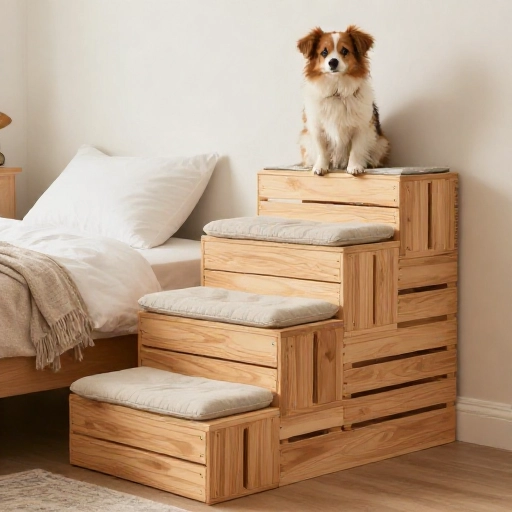
13. The Crate and Cushion Staircase
Finally, let’s talk about the easiest “ramp” that isn’t actually a ramp. This is a staircase made from stacked items you already own—like milk crates or old cardboard boxes.
Stack them in a stair-step pattern, getting progressively higher. Cover each one with a non-slip cushion or a piece of yoga mat.
This is great for a temporary setup or for a dog who prefers to hop up step-by-step rather than walk on a smooth incline. It’s zero cost and completely customizable to your height needs.
Final Thoughts on Building Your Own Dog Ramp
Building your own dog ramp is one of those projects that pays you back in spades. You save money, you get exactly the size and style you need, and you get the satisfaction of knowing you made life easier for your best friend.
Don’t stress about making it perfect. The most important thing is that it’s sturdy and non-slip. Your dog doesn’t care if the edges are perfectly squared—they just care that they can get on the couch without pain.
Pick the idea that feels easiest for you, gather your materials, and give it a shot. Your pup will thank you with endless tail wags and maybe a few extra cuddles.
Frequently Asked Questions
What is the best angle for a dog ramp?
You want the angle to be as gradual as possible. Aim for a slope of 18 to 25 degrees. If the ramp is too steep, your dog will be scared to use it. A good rule of thumb is to make the ramp length about 3 times the height of the step or vehicle.
What material is best for a dog ramp surface?
You need something with traction. Carpet is soft and comfortable, but it can get dirty and hold onto fur. Rubber mats or garage floor tiles are better because they are waterproof, easy to hose down, and provide excellent grip.
How do I get my dog to actually use the ramp?
Use high-value treats! Place a treat on the first step, then the middle, then the top. Walk your dog up the ramp on a leash a few times. Never force them. With patience and positive reinforcement, they’ll be running up it in a few days.
Can I use a ramp for a puppy?
Absolutely! In fact, it’s better to start them young. It teaches them good habits and prevents them from jumping off furniture, which can damage their developing joints. Just make sure the ramp has high side rails to keep them safe.
How much weight can a DIY plywood ramp hold?
A ¾-inch piece of plywood is incredibly strong. It can easily hold a 100+ pound dog without any issues, as long as it’s properly supported. If you’re worried, you can double up the plywood or add a center support beam underneath.