17 Innovative Dog Park Features That Will Make Your Pup the Happiest in Town
If you’re anything like me, you’ve probably stood at the gate of a dog park, looked around at the mud pit and the lone bench, and thought, “We can do better than this.” Our furry friends deserve more than just a fenced-in rectangle. They crave adventure, mental stimulation, and safe spaces to zoom around.
I’ve spent countless weekends scouting parks and talking to landscape designers who specialize in canine happiness. The good news? The world of dog park design is exploding with creative, practical, and seriously fun ideas. Whether you’re a city planner, a community advocate, or just a curious pet parent dreaming of a backyard upgrade, these 17 features are total game-changers.
Let’s dive into the coolest dog park features that are turning ordinary green spaces into tail-wagging wonderlands.
1. Separate Zones for Small and Large Breeds
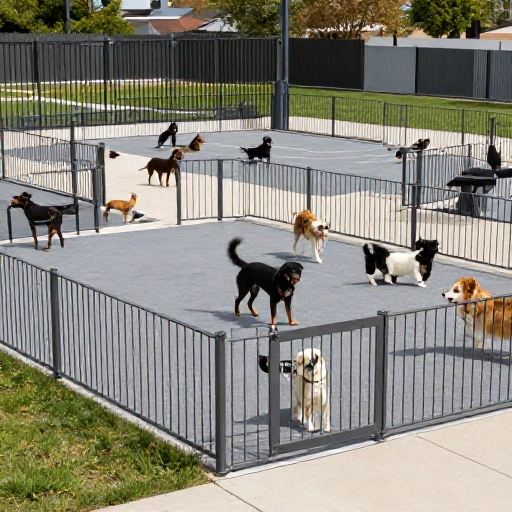
This one feels like a no-brainer, but the execution matters. It’s not just about having two fenced areas; it’s about designing them so both groups actually want to stay. The small dog side needs smaller agility equipment and lower sightlines so the little guys don’t feel intimidated by big dogs running past.
I love seeing parks with double-gated entry systems that lead into a shared “greeting zone” before you choose a side. It gives dogs a chance to sniff and decompress before the chaos begins.
The best part? It reduces stress for owners and dogs, making the park a relaxing spot for everyone.
2. Shaded Pavilion Areas for Humans
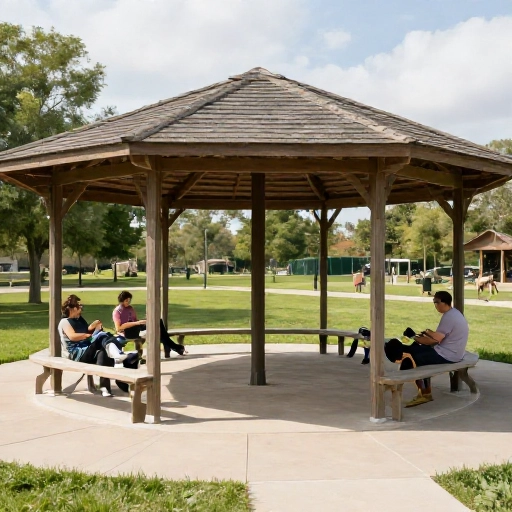
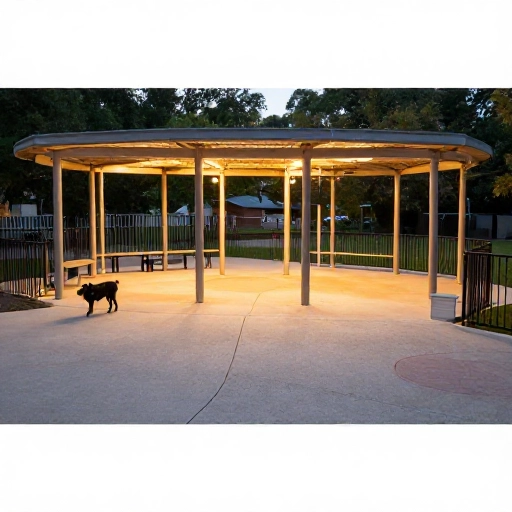
Let’s be honest—we’re often the weak link in the park trip. We get hot, bored, or sunburned. A well-placed pavilion with sturdy picnic tables changes the whole vibe. It becomes a social hub for pet parents, which means you stay longer, and your dog gets more exercise.
Look for pavilions that are positioned to overlook the main play areas. You want to be able to watch your pup while sipping a coffee. A little roof goes a long way in making the park usable in the summer heat or a light drizzle.
Adding some ceiling fans or misters can make this the most popular spot in the neighborhood.
3. Agility Equipment Scaled for Confidence
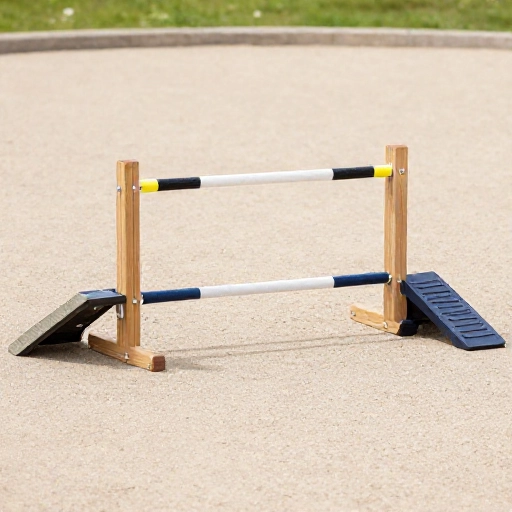
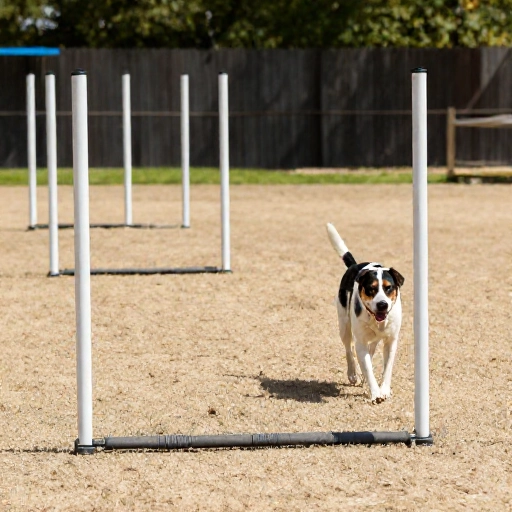
We all see those massive A-frames that look like they belong in a professional competition. But for the average dog, a low-to-the-ground set of hurdles and tunnels is way more fun. I’m talking about weave poles that are slightly flexible, low jumps, and wide, stable planks.
The key is safety and flow. Equipment should be spaced out so dogs don’t crash into each other. A soft, rubberized surface underneath is essential for those enthusiastic landings.
These features turn a basic walk into a training session, which is mentally exhausting for a dog in the best way possible.
4. A Dedicated Splash Pad or Doggy Pool
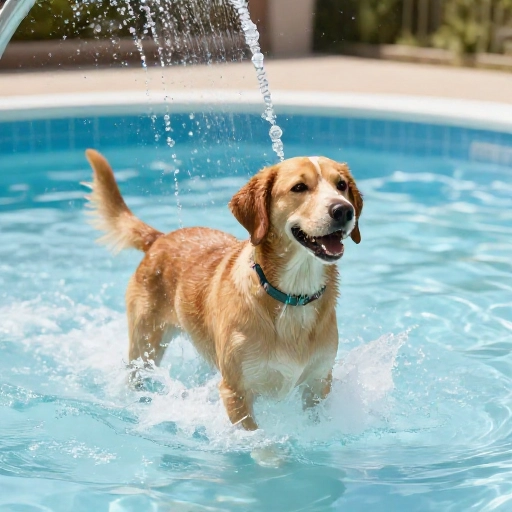
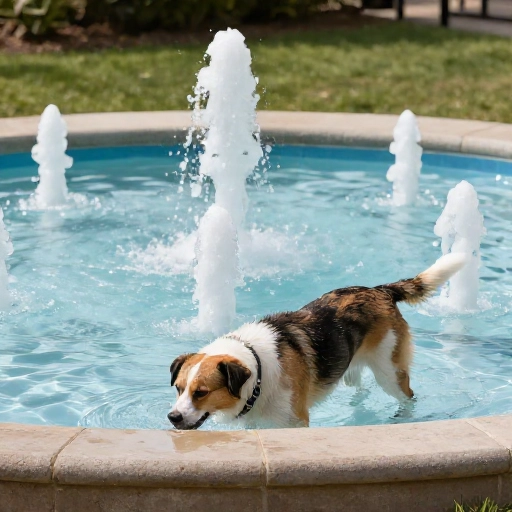
Nothing screams “summer fun” like water. A zero-depth entry splash pad with fountains and sprinklers is perfect for water-loving retrievers and cautious puppies alike. Unlike a deep pond, it’s safe and easy to supervise.
I’ve seen designs with a recirculating water system that filters the water constantly, which is a must-have for hygiene. You don’t want a giant mud puddle; you want a clean, shallow play area.
This feature is a lifesaver in hotter climates where the grass turns to straw by July.
5. Natural Shade Trees and Artificial Turf
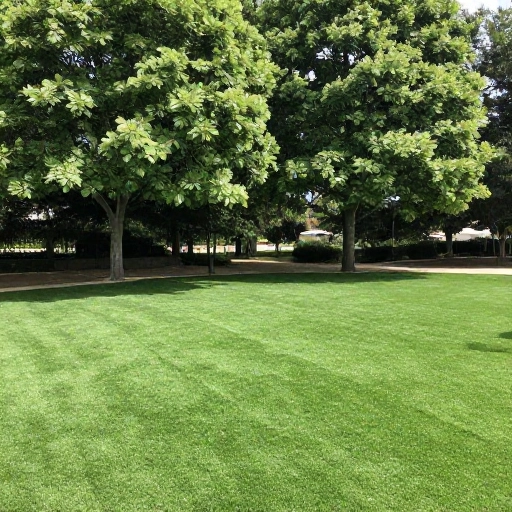
We need to talk about the ground. Grass gets destroyed by digging and urine spots. Mud pits are gross. The solution? A mix of high-quality artificial turf and strategically planted native trees.
The turf drains well and stays clean, while the trees provide that dappled shade that dogs love to nap under. It looks beautiful and feels soft on the paws.
In my opinion, a park that prioritizes ground cover is a park that shows it cares about the dog’s experience first.
6. Sensory Garden with Safe Plants
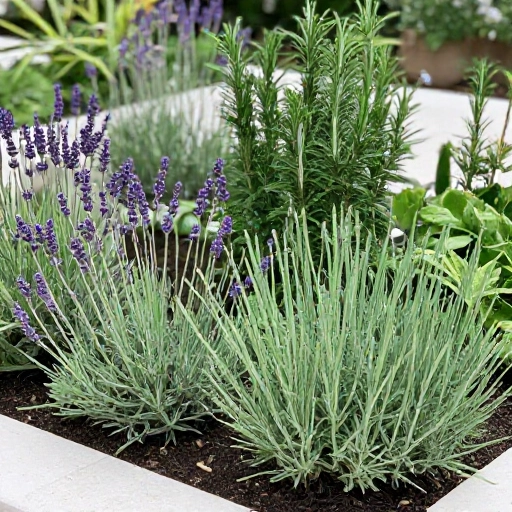
Dogs experience the world through their noses. A sensory garden is a brilliant way to engage that. We’re talking about raised planters filled with pet-safe herbs like rosemary, mint, and lavender. It’s a totally different texture and scent experience than regular grass.
Make sure every single plant is non-toxic. Avoid anything with thorns or sharp leaves. The goal is to encourage sniffing and exploring, not to create a jungle for them to hide in.
This is a fantastic feature for shy dogs who prefer solo exploration over rough-and-tumble play.
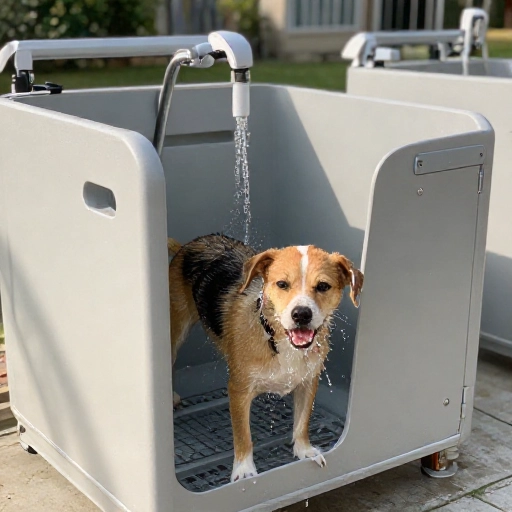
7. Paw Washing Stations at the Exits
This is the feature that makes neighbors love the dog park. A well-designed paw wash station with warm water, a soft brush, and a gentle sprayer means less mud trekked into cars and homes. It’s a courtesy that keeps the whole community happy.
I love the designs that have a low curb for the dog to stand on and a little apron to keep the water contained. It should be elevated enough so you don’t have to bend over too much.
Consider adding a doggy hair dryer for those fluffy breeds that take forever to dry. That’s luxury right there.
8. Separate “Calm Zone” for Shy or Senior Dogs
Not every dog wants to be in the middle of a wrestling match. A separate, quieter fenced area with comfy seating, soft ground, and maybe a few gentle ramps is a game-changer. This is the perfect spot for seniors, recovering pups, or anxious rescues to enjoy the outdoors without the stress.
It’s usually smaller, but that’s okay. It’s about quality of space, not quantity. Put a few benches in here and make sure it has a clear view of the action but is acoustically buffered by shrubs.
This feature shows that a park truly serves the entire dog community, not just the hyper athletes.

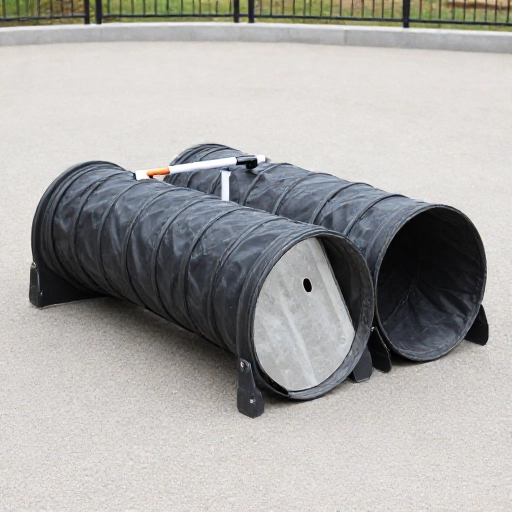
9. Built-In Obstacle Course with Tunnels and Hurdles
Let’s take the agility idea a step further. A winding obstacle course that weaves through the park’s natural landscape keeps things exciting. Think of it as a “sniffari” trail with play elements.
You can have a series of low tunnels, tire jumps, and balance beams integrated into a walking loop. It encourages dogs to follow the path, which is great for owners who want a more structured walk.
This is also brilliant for high-energy breeds that need a job to do. It gives them a mission.
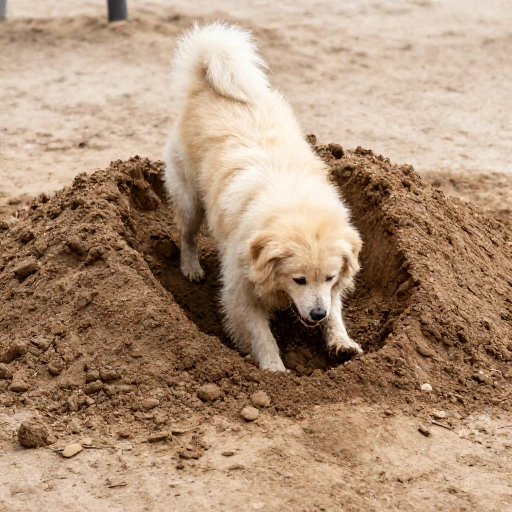
10. The “Snuffle Mound” for Digging
Dogs love to dig. It’s an instinct. Instead of fighting it, give them a designated dig pit. A “snuffle mound” is a raised bed of soft sand or soil where you can hide treats and toys for them to find.
It’s basically a treasure hunt. The mound should be deep enough for satisfying digging but contained so it doesn’t turn the whole park into a moonscape.
I’ve seen designs with logs and rocks around the base to frame it nicely. It’s a great way to keep the rest of the park looking pristine.
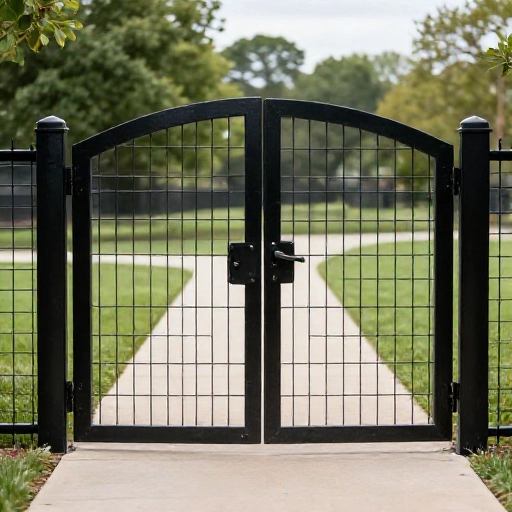
11. Secure Double-Gated Entrances and Exits
Safety first, always. A double-gated vestibule is non-negotiable. It prevents the classic “door dashing” moment when you’re trying to put the leash on. The space between the gates should be roomy enough to manage your dog and your gear.
I like the designs that have a self-closing mechanism on both gates. It just takes away the worry of someone leaving the gate ajar.
Add a clear sign that says “Unleash inside the second gate” to keep the flow moving smoothly.
12. Covered Water Fountains at Dog Height
Hydration is key, but shared bowls are a hygiene nightmare. A fountain with a dedicated dog bowl at ground level, fed by a continuous stream of fresh water, is the gold standard. The water is always running, so it’s always clean.
Make sure the fountain is placed in a shaded area so the water doesn’t get hot in the summer. A low-flow option is also great to prevent massive puddles.
This is a small detail that has a huge impact on health and happiness.
13. Elevated Lookout Points and Ramps
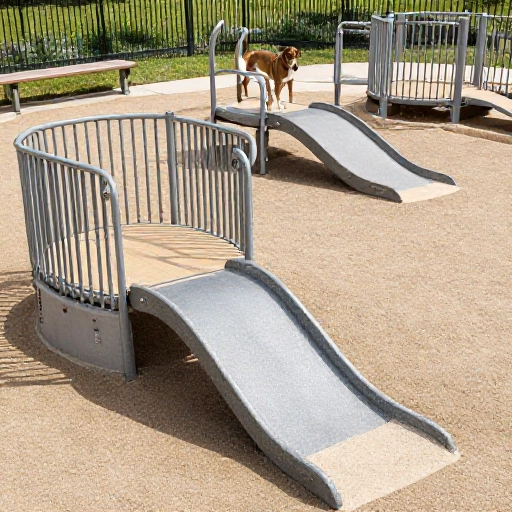
Dogs love to survey their kingdom. Building a small hill, a berm, or a wooden platform with a gentle ramp gives them a vantage point. It’s a great place for them to run up and down, which is excellent exercise for their hind legs.
These lookouts should have a non-slip surface and be low enough to be safe but high enough to offer a different perspective. It adds vertical variety to what is usually a flat space.
It’s also a lovely spot for owners to stand and get a better view of the whole park.
14. Lighting for Evening Play Sessions
In the winter, it gets dark at 5 PM. If the park has good lighting, you can still get that evening zoomie session in after work. This is a huge value-add for the community.
Solar-powered LED lights along the fence lines are eco-friendly and effective. They should be bright enough to see your dog clearly but not so bright that they feel like stadium lights.
This feature extends the usability of the park and makes it feel safer for evening walkers.
15. A Tire Run or Weave Pole Forest
Instead of basic poles, imagine a “forest” of PVC pipes and hanging tires that create a fun, winding path. It challenges their coordination and adds a playful, whimsical element to the park design. It looks cool, too.
The tires should be securely anchored and the pipes flexible. It’s a fun obstacle that dogs naturally want to navigate.
This is a great feature for dogs that are a bit more cautious, as they can approach it at their own pace.
16. Waste Stations with Free Bags
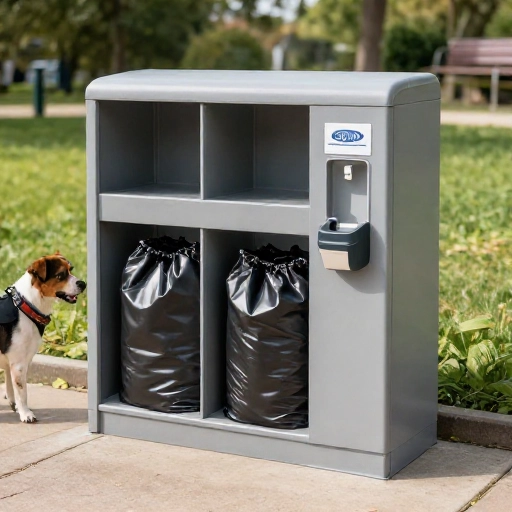
Let’s be real—we’ve all been caught without a bag. A well-stocked waste station is the unsung hero of the dog park. But we can do better than a metal can. I love the stations that include a small dispenser for water or treats, or even a hand sanitizer pump for the humans.
It keeps the park clean, which keeps the city happy, which keeps the park funded. It’s a simple investment with a massive return.
Place them strategically every 100 feet or so, not just at the entrance.
17. “Photo Op” Moments and Themed Decor
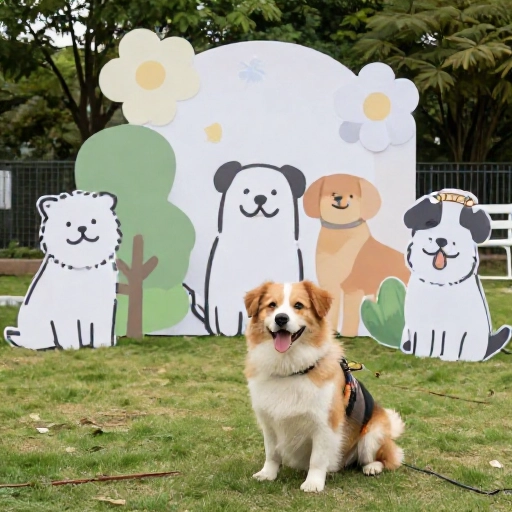
This one is purely for the humans, but it adds so much character. Think of a giant fire hydrant statue, a bench shaped like a bone, or a fun “Paw Park” sign. These are the features that make people stop, take a picture, and share it online.
It gives the park a personality and a sense of place. It’s the difference between a utilitarian field and a community landmark.
Plus, it’s just fun. We all want that cute picture of our pup sitting next to a giant paw print.
Conclusion
Designing a great dog park isn’t just about installing a fence and throwing down some grass. It’s about thinking like a dog. It’s about providing opportunities for them to run, sniff, dig, swim, and socialize in a safe and comfortable environment. These features turn a simple space into a true community hub where tails wag and friendships are made.
Whether you’re renovating an existing park or dreaming up a new one, I hope these ideas inspire you to think outside the box. The effort you put in will be paid back tenfold in happy, tired, and healthy pups.
Frequently Asked Questions
What is the most important feature in a dog park?
Safety is always number one. That means secure fencing, double-gated entrances, and separate areas for large and small dogs. After that, good drainage and shade are the next most critical elements for comfort.
How do I keep my dog safe at a splash pad?
Always supervise closely. Ensure the water is clean and recirculated. If your dog isn’t a confident swimmer, stick to the shallow edges. Also, bring a towel to dry their ears thoroughly to prevent infections.
Are artificial turf surfaces safe for dogs?
Yes, when installed correctly with proper drainage. It’s actually safer than mud because it provides a stable, even surface that is easier on the joints. Just make sure it’s the type that doesn’t hold heat too much.
Can I bring puppy treats to the dog park?
It’s generally okay in the designated areas, but be careful. Some dogs can be possessive over food. It’s best to use treats only in the calm zone or during training, and never toss them into a large group of dogs.
What is a “snuffle mound”?
It’s a designated digging pit or raised bed filled with soft material like sand or soil where treats and toys are hidden. It gives dogs a positive outlet for their natural digging instincts.