Your Guide to Cocker Spaniel Puppies: The Floppy-Eared Joy

I remember the first time I saw a cocker spaniel puppy. It was a bundle of silky fur with the most soulful eyes, and its little tail was wagging so hard its whole body wiggled. I was completely smitten. Bringing one of these joyful pups into your life is a decision filled with laughter, a few chewed slippers, and endless affection.
Cocker spaniels are more than just pretty faces. They are spirited, intelligent, and deeply loyal companions. Whether you’re drawn to the classic American Cocker or the slightly larger English variety, their playful hearts are the same. This guide is everything I wish I knew before welcoming my floppy-eared friend home.
Getting ready for a cocker spaniel puppy is an adventure in itself. From their specific grooming needs to their eager-to-please personality, a little preparation goes a long way in building a happy life together. Let’s dive into the essentials of raising a healthy, well-mannered, and utterly adorable cocker spaniel pup.
1. Choosing Your Puppy: American vs. English
First things first, know your cocker! While they share that signature sweet expression, American and English Cocker Spaniels have distinct differences. American Cockers are smaller with a more domed head and a luxurious, longer coat. They’re often the show-stoppers you see with glamorous grooming.
English Cockers are a bit taller and leaner with a less profuse coat and a more squared-off muzzle. They were originally bred more for field work, so they can have a slightly higher energy drive. I spent time with both types before deciding which personality and look fit my lifestyle best.
- American Cocker: Smaller, very luxurious coat, pronounced dome.
- English Cocker: Slightly larger, more athletic build, slightly higher energy.

2. Puppy-Proofing Your Home for Curiosity
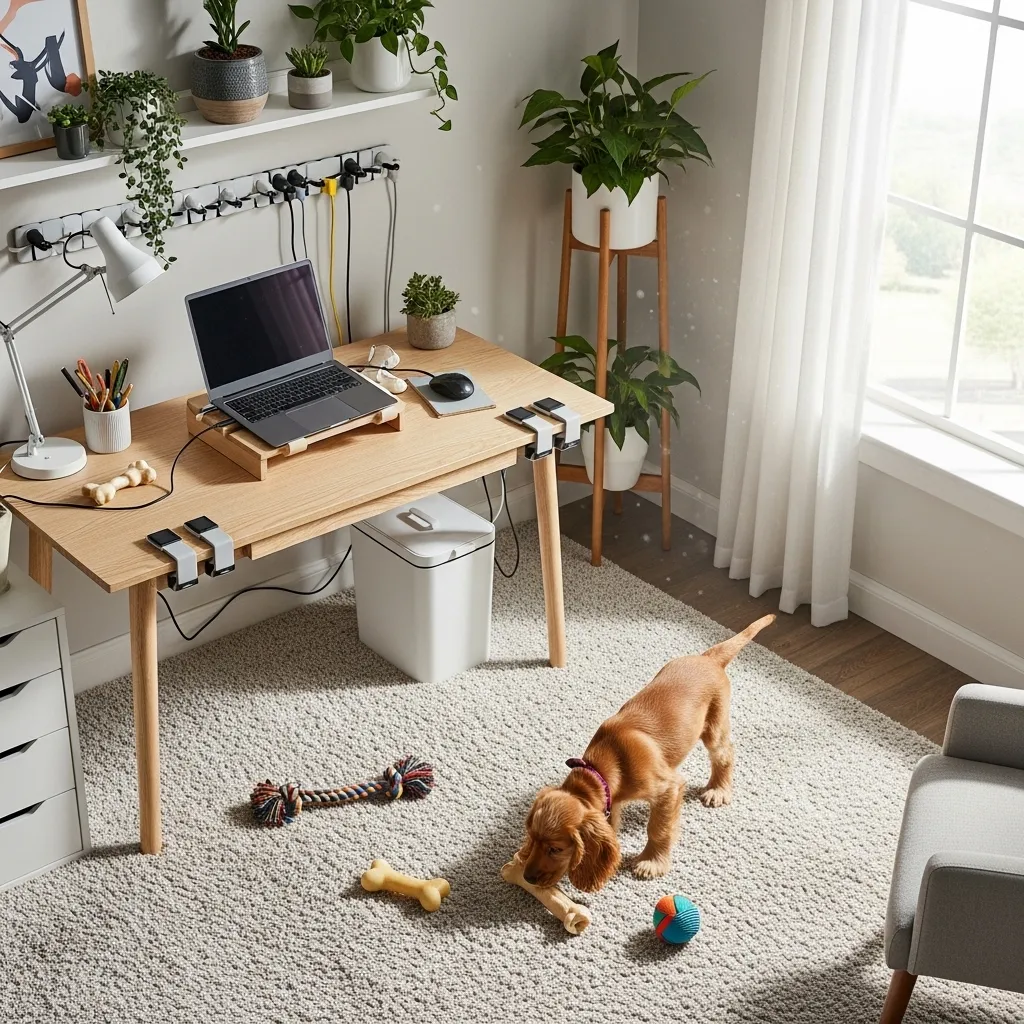
Trust me, a cocker spaniel puppy will find everything you didn’t know you dropped. Their noses are always to the ground, leading them to trouble. Puppy-proofing is non-negotiable. Get down on their level and look for hazards.
Secure electrical cords, pick up small objects like hair ties or coins, and use baby gates to block off unsafe rooms. Their floppy ears love to dip into water bowls, so a spill-proof mat is a lifesaver. I also made sure all my houseplants were non-toxic, as puppies love to nibble on leaves.
3. The Essential Shopping List: First Week Must-Haves
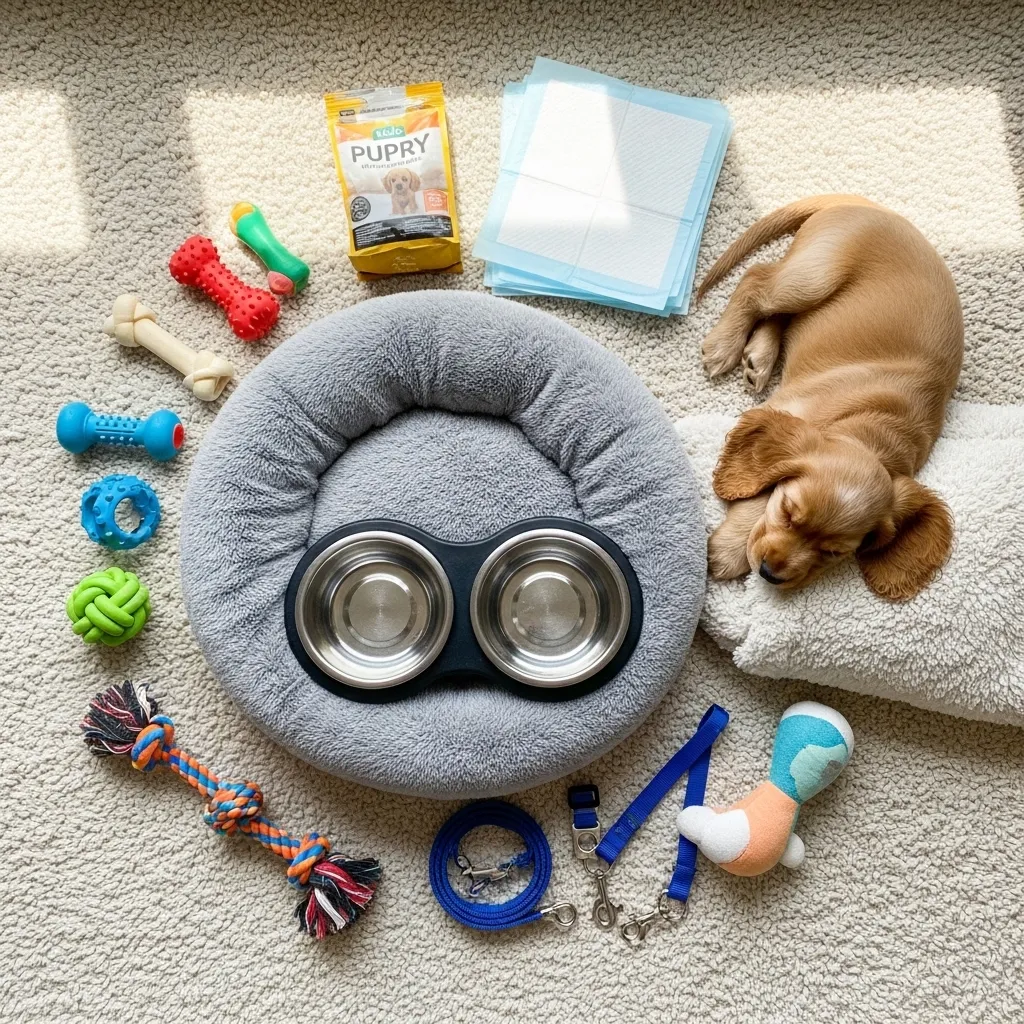
Before your puppy’s paws touch your floor, have these basics ready. It makes the transition so much smoother for both of you. You’ll need a crate for safe sleeping and training, high-quality puppy food, and sturdy food and water bowls.
Don’t forget a soft bed, a variety of chew toys (to save your furniture!), a collar with ID tags, a leash, and grooming tools like a gentle brush and puppy shampoo. Having these on hand lets you focus on bonding instead of frantic store runs.
4. Mastering the Silky Coat: Grooming 101
That beautiful cocker coat doesn’t maintain itself. Start grooming early to get your pup used to the routine. Daily brushing is key to prevent painful mats and tangles, especially behind the ears, under the legs, and on the belly.
You’ll also need to get them comfortable with regular ear cleaning (those long ears trap moisture), nail trims, and occasional baths. I made grooming sessions short, positive, and full of treats. A well-groomed cocker is a happy, healthy, and comfortable cocker.

5. Training Your Smart & Sensitive Pup
Cocker spaniels are whip-smart and eager to please, but they can also be sensitive. Positive reinforcement is the only way to go. Use plenty of praise, play, and tiny, tasty treats. Harsh words will only make them shut down.
Focus on the basics first: their name, sit, come, and leash manners. Keep sessions fun and under 10 minutes. Their intelligence means they get bored quickly, but it also means they learn fast when you’re consistent and kind.

6. Socialization: Building a Confident Dog
This is the most important “training” you’ll do. Exposing your puppy to new people, dogs, sounds, and surfaces before 16 weeks builds a confident adult dog. I took mine to puppy classes, on short car rides, and let them experience different floor textures.
Always keep experiences positive. Let them approach new things at their own pace and reward their bravery. A well-socialized cocker is a joy everywhere—from the vet’s office to a busy outdoor cafe.

7. Understanding Their Energy & Exercise Needs
Don’t let their medium size fool you; these are sporting dogs with energy to burn! A bored cocker is a destructive cocker. They need daily exercise beyond just a bathroom walk. I aim for at least 30-60 minutes of active time.
This can be a brisk walk, a game of fetch, or a good run in a secure area. Mental exercise is just as crucial. Puzzle toys, training games, and scent work tire their busy brains out beautifully.

8. Health Check: Common Puppy Concerns
Choosing a responsible breeder who tests their breeding dogs is vital for health. Be aware of some conditions the breed can be prone to. Common ones include ear infections (due to those floppy ears), eye issues like cataracts, and hip dysplasia.
Establish a relationship with a good vet early. Keep up with vaccinations and preventative care for fleas, ticks, and heartworm. Knowing what to watch for helps you catch any potential issues quickly.

9. The Joy of Feeding: Nutrition for Growth
Feeding a high-quality puppy food formulated for medium breeds is essential for proper growth. Follow the guidelines on the bag, but adjust for your individual pup’s activity level. I fed mine three measured meals a day as a puppy to maintain steady energy and aid in housetraining.
Avoid overfeeding, as cockers can easily gain weight. Use their food as training treats too! I often saved a portion of their kibble from a meal to use for rewards throughout the day.

10. Embracing the Cocker Spaniel Personality
Get ready for a shadow. Your cocker will want to be with you for everything—cooking, working, relaxing. They are quintessential “velcro dogs” who thrive on companionship. They’re merry, affectionate, and often quite silly.
They can be vocal with a happy bark and may show a bit of a stubborn streak. But their capacity for love is boundless. Embrace the snuggles, the goofy play, and the unwavering loyalty. You’re not just getting a pet; you’re gaining a devoted family member.

Conclusion: Is a Cocker Spaniel Puppy Right for You?
Welcoming a cocker spaniel puppy is a commitment to grooming, training, and providing plenty of active companionship. If you have the time for their needs, they will repay you a thousand times over with devotion, joy, and endless entertainment. My life is undoubtedly richer, fuller, and a bit furrier with my cocker by my side.
FAQs: Quick Cocker Spaniel Puppy Questions
Q: Are cocker spaniel puppies good with children?
A: Yes, they are typically excellent, gentle family dogs when properly socialized. Always supervise interactions between young children and any puppy.
Q: How much do cocker spaniel puppies shed?
A: They are moderate shedders. Regular brushing (daily is ideal) will manage the loose hair and keep it off your furniture.
Q: Are they easy to housetrain?
A> They are intelligent and aim to please, which helps. Consistency, a regular schedule, and positive reinforcement are the keys to success.
Q: Can they be left alone for long periods?
A> No. Cockers are companion dogs and can develop separation anxiety. They do best with families where someone is home often or arrangements can be made.
Q: What’s the average lifespan of a cocker spaniel?
A> With good care, a healthy cocker spaniel typically lives between 12 to 15 years.