10 Space-Saving Dog Room Ideas for Mudrooms
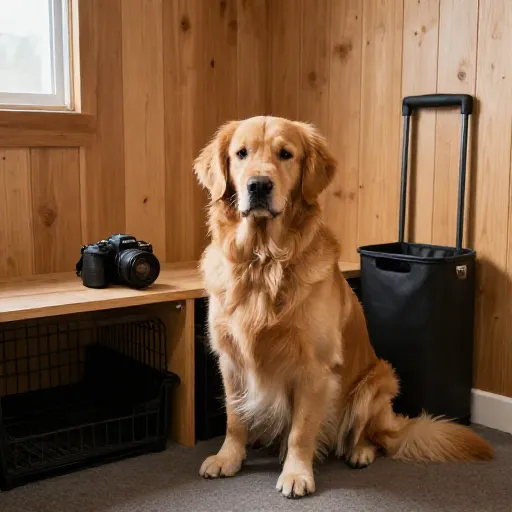
Let’s be honest—our dogs own the mudroom. Between muddy paws, soggy leashes, and that ever-growing pile of toys, it’s basically their headquarters. But if your mudroom is the size of a postage stamp (like mine was), keeping it organized feels like a losing battle.
The good news? You don’t need a massive addition to give your pup a proper zone. I’ve rounded up ten clever, compact ideas that squeeze maximum function into every inch. These are real-world fixes that keep the mess contained and actually look cute. Let’s get that mudroom working for both of you.
1. Go Vertical with a Wall-Mounted Feeding Station
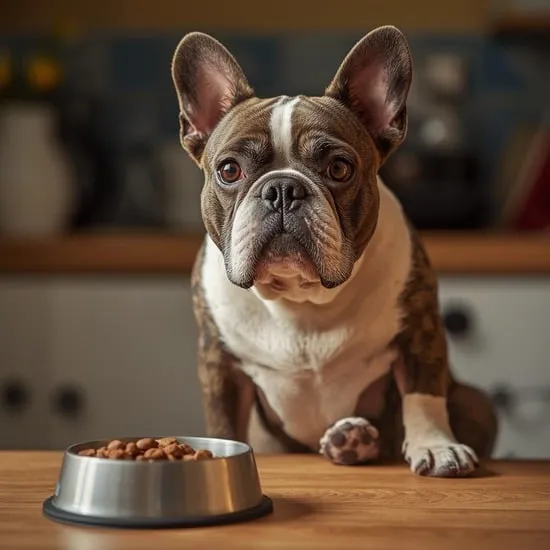
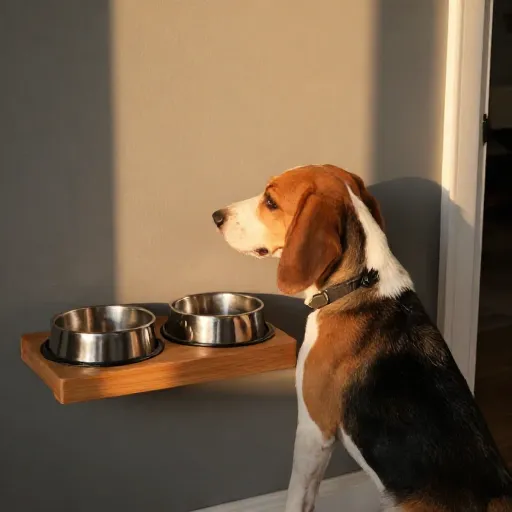
Stop letting food bowls take up precious floor space. Mounting elevated bowls directly onto the wall is a game-changer. It gets the dishes off the ground, which means less splashing and a cleaner floor. Plus, it’s better for your dog’s posture—especially for larger breeds.
Look for fold-down options if you’re tight on space. When mealtime is over, just flip it up flat against the wall. You’ll reclaim that square footage for other things, like a place to actually stand.
I installed a simple wooden shelf with two holes cut out for stainless bowls. It took an afternoon and cost less than $30. Pro tip: add a small lip to the bottom edge to catch drips and kibble crumbs.
2. Build a Slim Pull-Out Laundry Hamper
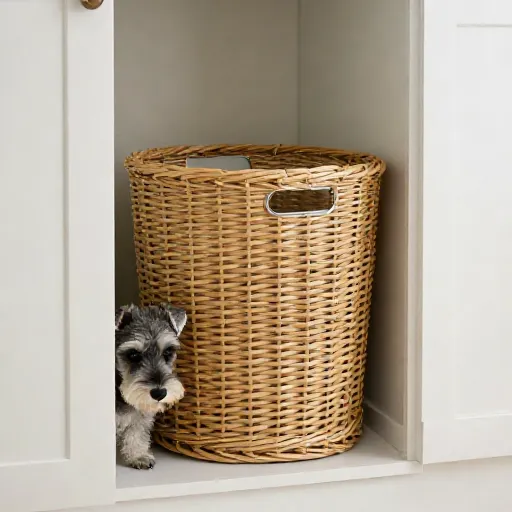
Dog towels, muddy blankets, and dirty harnesses pile up fast. Instead of a bulky wicker basket hogging the corner, slide a slim hamper into an unused gap. You can fit one in that awkward space between the washer and the wall, or build it into a cabinet base.
These pull-out units are usually about 12 inches wide. They tuck completely out of sight but are always ready for a quick toss. It keeps the dirty stuff hidden and makes laundry day a simple grab-and-go.
If you’re handy, a simple plywood box on heavy-duty drawer slides works perfectly. For the rest of us, there are plenty of rolling, slim carts online that do the job without any DIY skills required.
3. Create a Hidden Crate Under the Bench
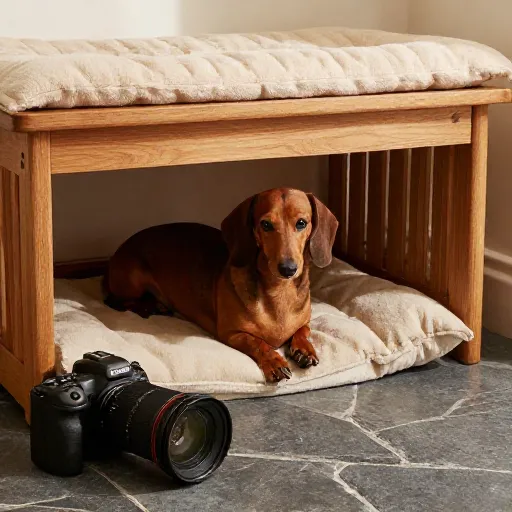
This is the ultimate space-saver. Instead of a standalone wire crate taking up the middle of the room, build a bench seat with a crate tucked underneath. You get a spot to sit and tie your shoes, plus a cozy den for your dog.
The key is to make it feel intentional. Choose a crate that fits the opening, or build a wooden frame around a standard crate to match your cabinetry. Add a soft mat inside, and it instantly becomes your dog’s favorite nook.
This one idea completely transformed my mudroom. The visual clutter of the crate disappeared, and I gained a useful seating area for the family. It’s a win-win that makes the whole room feel twice as big.
4. Use a Tension Rod for Leash and Collar Storage
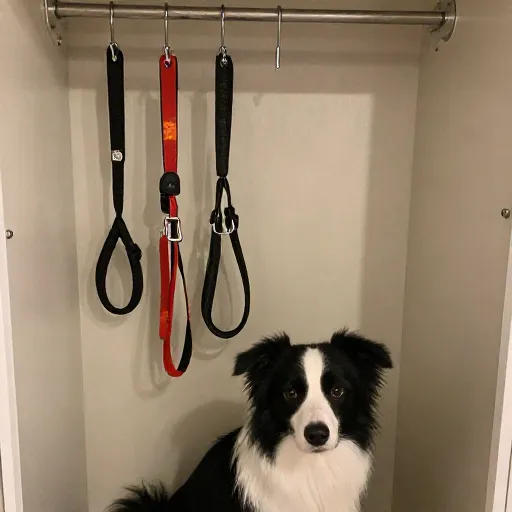
Leashes are notorious tangle monsters. They fall off hooks, knot together, and generally cause morning chaos. A simple tension rod mounted inside a cabinet or across a shallow recess is the perfect fix.
Use S-hooks to hang each leash separately. Now you can grab the exact one you need without untangling a spaghetti mess. Collars and poop bag holders can hang right alongside them.
I placed mine inside a narrow broom closet in the mudroom. It costs about $10 and takes five minutes to install. It’s one of those small changes that makes a huge daily difference in your sanity.
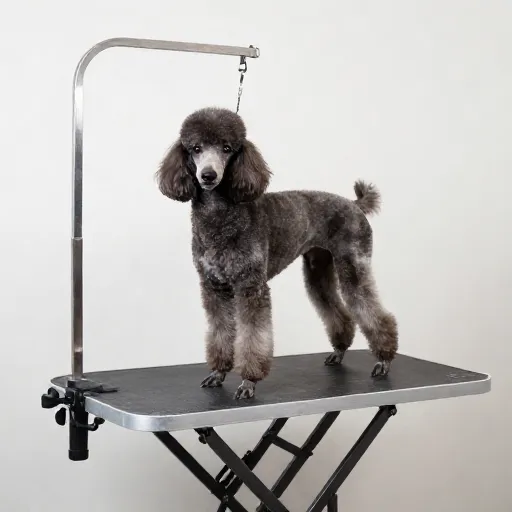
5. Install a Fold-Down Grooming Table
If you’ve ever tried to brush a shedding dog on the floor, you know the back pain is real. A dedicated grooming table is a luxury, but a fold-down wall version is a space-saver’s dream. It mounts flat against the wall and drops down when you need it.
Use a sturdy wall-mounted shelf or a folding table with a non-slip mat. Add a grooming arm if you have a wiggly dog. When you’re done, fold it up and you have your floor space back.
This is perfect for mudrooms that double as a cleaning zone. You can catch the fur in one spot and wipe it down easily. It keeps the mess contained and your back happy.
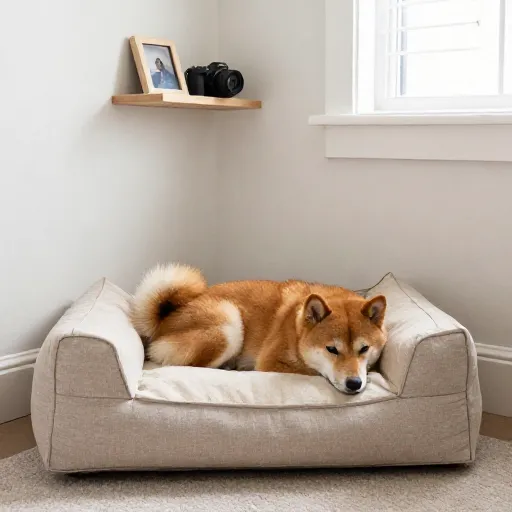
6. Put a Dog Nook in the Dead Corner
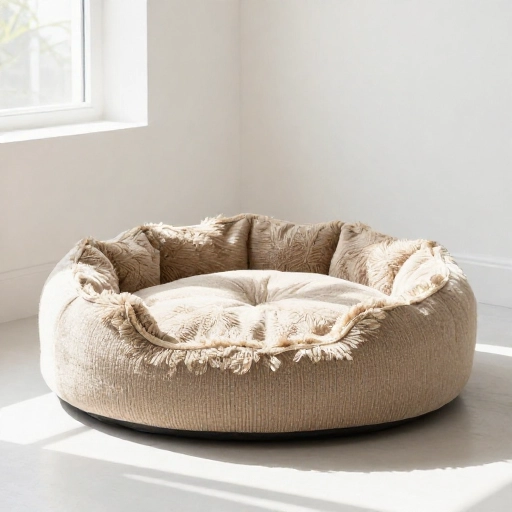
Every mudroom has that one awkward corner that’s too small for furniture but too big to ignore. Turn it into a dedicated dog nook. Add a comfy bed, a small shelf for toys, and maybe a wall-mounted water bowl.
Measure the corner carefully. A round or oval bed fits better than a rectangular one in tight spots. A floating shelf above the bed gives the dog a “place” for their toys without taking up floor space.
This gives your pup their own defined territory, which they love. It also keeps their stuff from migrating into the main walkway. It’s a cozy, intentional use of space that would otherwise be dead air.
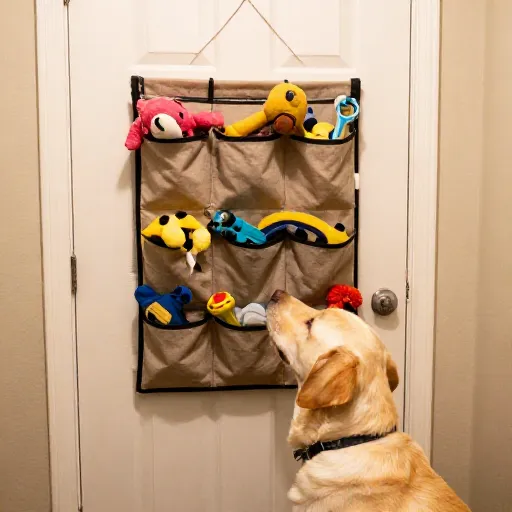
7. Hang a Toy Storage Pocket Over the Door
Dog toys are the glitter of the pet world—they get everywhere. An over-the-door organizer with clear pockets is a brilliant, zero-floor-space solution. You can see what’s inside at a glance and let your dog pick their favorite.
Use a heavy-duty fabric shoe organizer or a clear vinyl one. Hang it on the inside of the mudroom door. Assign the bottom pockets for balls and the higher ones for ropes and plush toys.
This keeps toys off the floor and out from underfoot. It also makes cleanup super easy for kids—just toss everything into the pockets. It’s simple, cheap, and effective.
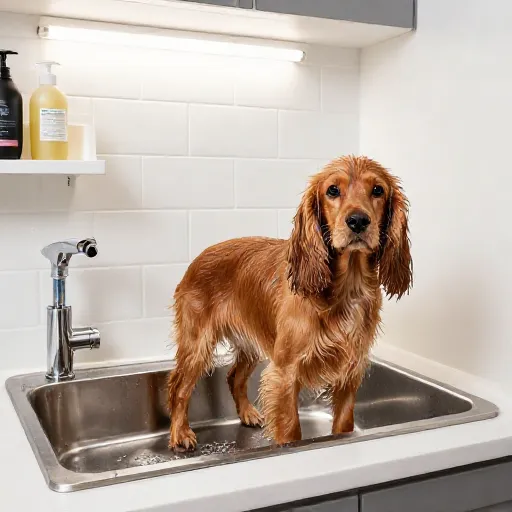
8. Add a Dedicated Wash Station with a Shallow Tray
Muddy paws are the whole reason we have mudrooms. Skip the full shower and install a shallow, recessed wash basin in a corner. It’s ideal for a quick paw rinse or a muddy belly wipe-down after a rainy hike.
Look for a small utility sink or a custom-built tiled tray with a drain. Add a handheld sprayer to make the job easier. A tall faucet with a gooseneck helps fit larger dogs underneath.
If you can’t plumb a sink, use a large, shallow boot tray filled with warm water. It’s a low-tech solution that works wonders for dirty feet. Just be sure to have a dedicated towel hook nearby.
9. Maximize the Wall with a Slim, Built-In Locker
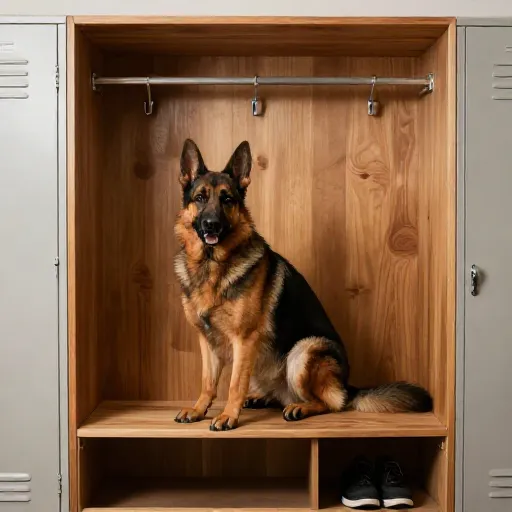
Individual lockers are great, but they eat up floor space. Instead, build a slim, floor-to-ceiling column of cubbies. You can use the vertical space for everything—dog gear on the bottom, people gear on the top.
Designate one cubby specifically for dog stuff. Use clear bins or baskets to separate leashes, brushes, and first-aid items. The vertical storage keeps everything accessible but out of the main traffic path.
This approach makes a small mudroom feel taller and more organized. It also gives you a home for everything: their raincoat, your running shoes, and the dog’s emergency kit. It’s all about creating a place for everything.
10. Use a Rolling Cart for a Mobile Dog Station
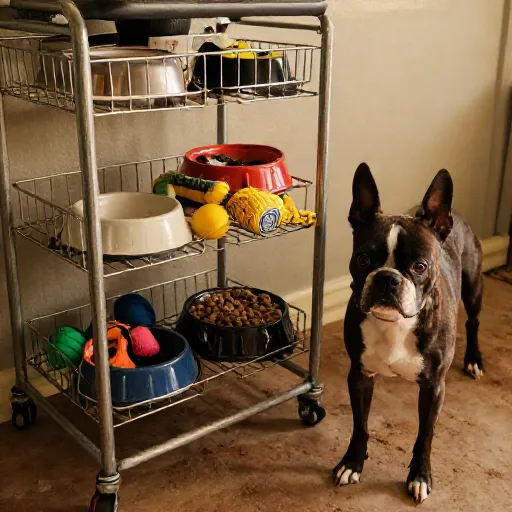
If you can’t build anything in, a rolling cart is your best friend. It gives you portable storage that can move from the mudroom to the kitchen or garage as needed. It’s flexible, cheap, and incredibly practical.
Use a three-tier metal cart. Put the dog’s food and bowls on the bottom shelf, treats and training tools in the middle, and towels on top. When you need the floor space, just roll it into a closet.
This is perfect for renters or anyone who loves to rearrange. It’s also great for keeping the mudroom clean—you can roll the whole station outside to hose it down. It’s the ultimate flexible solution.
Conclusion
With a little creativity, you can turn even the tiniest mudroom into a functional dog haven. Whether you build a hidden crate bench or just add a tension rod for leashes, every small change adds up. The goal is to make the space work for your dog and your daily routine.
Remember, you don’t need to do everything at once. Pick one or two ideas that fit your space and budget, and start there. Your mudroom—and your dog—will thank you.
Frequently Asked Questions
How much space does a dog actually need in a mudroom?
Most dogs just need a spot to lie down that’s about 2 to 3 feet square. A crate or a bed takes up roughly the same space as a small armchair. If that feels like too much, try a vertical solution like a wall-mounted bed or a crate under a bench to save floor space.
What’s the best flooring for a mudroom with a dog?
Go for something waterproof and slip-resistant. Porcelain tile, luxury vinyl plank, or sealed concrete are the best choices. They handle mud, moisture, and claws without staining or warping. Avoid natural stone or untreated wood, which can absorb odors and get scratched.
How can I keep my mudroom from smelling like wet dog?
It’s all about ventilation and washability. Use a washable, quick-dry mat at the door. Keep dog towels and blankets in a breathable basket, not a sealed bin. Add a small wall-mounted fan or a plug-in air purifier to keep air circulating and odors from settling.
Should I feed my dog in the mudroom?
Yes, if it’s a comfortable space. Elevate the bowls to keep them off the floor and add a splash mat underneath. If your mudroom is a high-traffic area, mealtime might be too stressful for a nervous dog. In that case, consider a quiet corner instead.
Can I use a regular cabinet for dog gear storage?
Absolutely. Just make sure it’s easy to clean and has good airflow. Use pull-out drawers or clear bins so you can find things quickly. Avoid storing wet items in a sealed cabinet, as that can lead to mildew. Always let gear air dry first.