Your Complete Guide to the Boxer Dog Breed
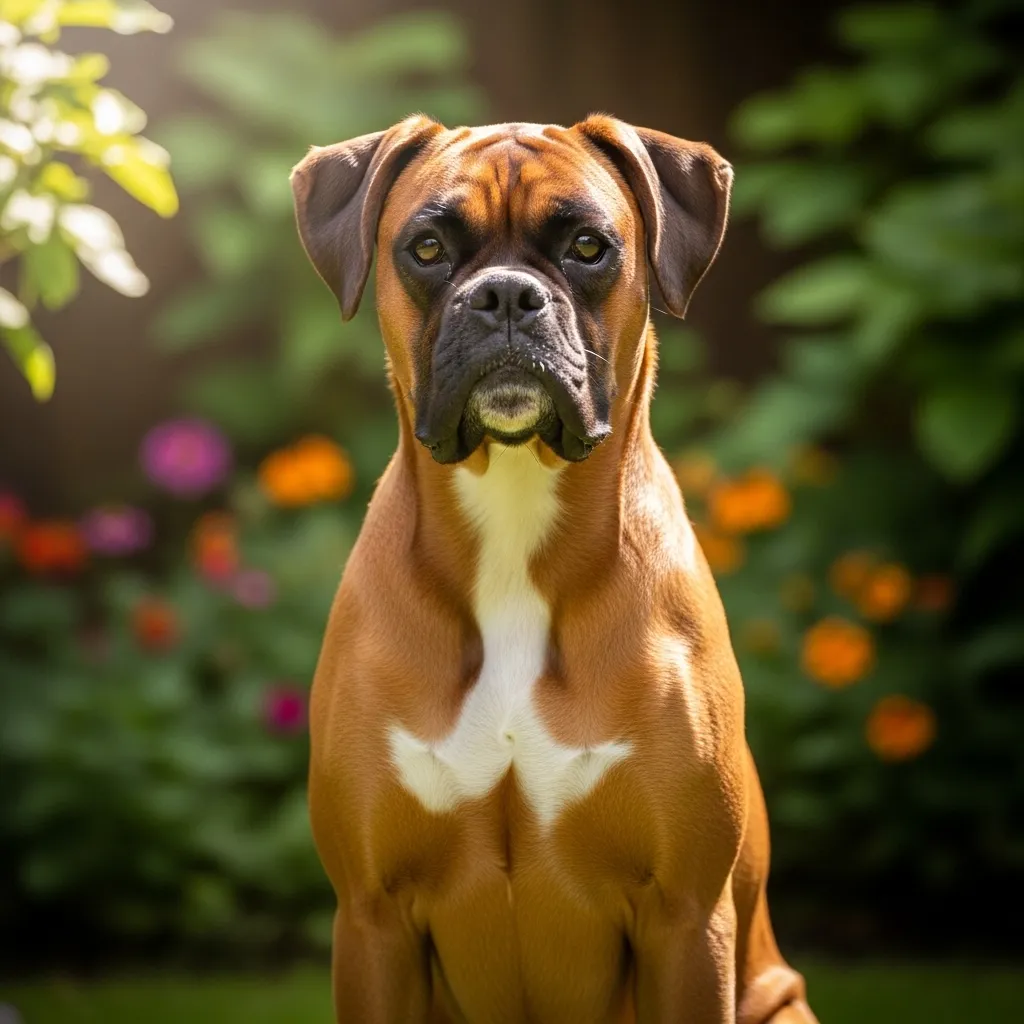
If you’re looking for a dog that combines a goofy clown, a noble guardian, and a velcro best friend into one wiggly package, you’ve found the right breed. Boxers are more than just their iconic square muzzle and expressive brows; they are a burst of energy, loyalty, and pure heart wrapped in a muscular frame.
I fell in love with the breed for their unmatched enthusiasm for life. One minute they’re a dignified statue by your side, and the next they’re performing the full-body “kidney bean wiggle” just because you walked back into the room. They’re not just pets; they’re full-fledged family members with a deep need to be involved in everything you do.
1. The Boxer Temperament: A Heart of Gold
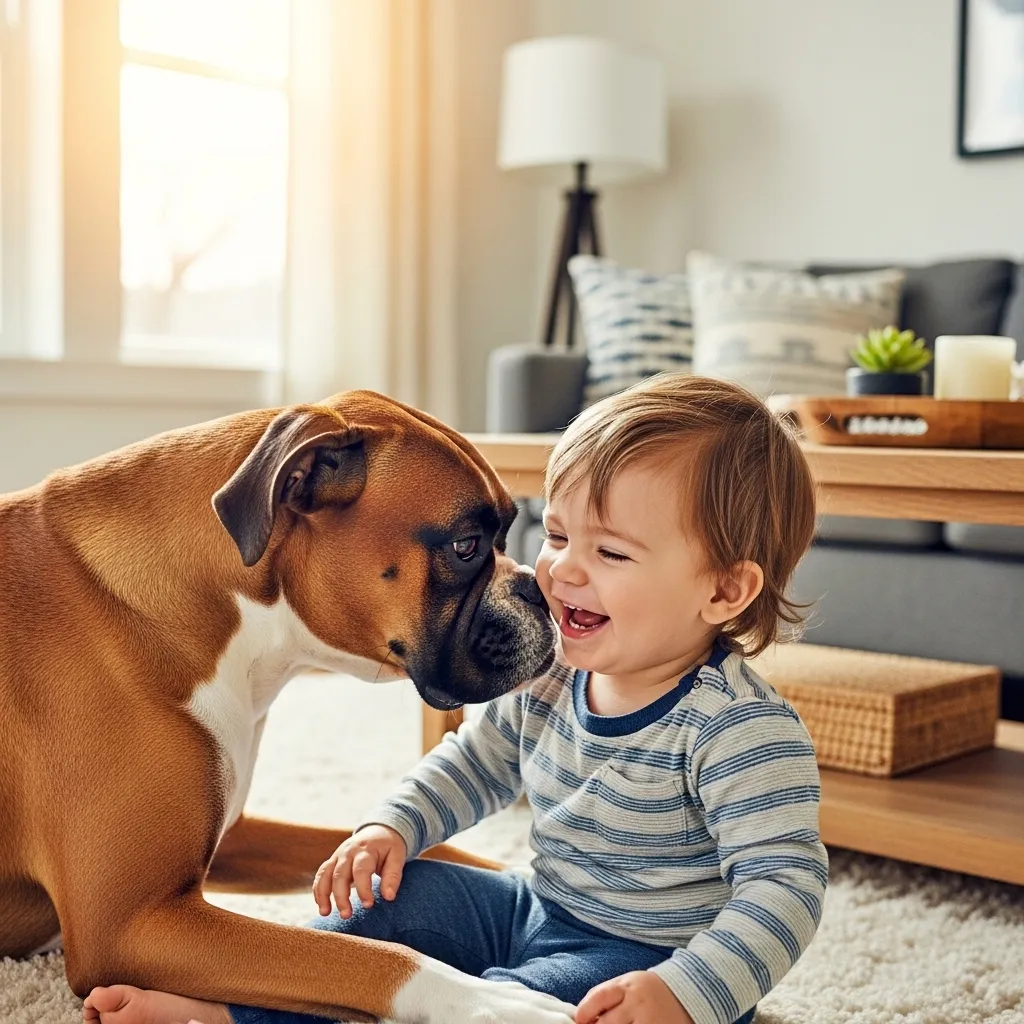
Don’t let the athletic build fool you. The Boxer temperament is famously patient, playful, and deeply devoted. They are known as excellent “nanny dogs” for their gentle nature with children, often showing incredible tolerance for little ones.
Their intelligence and desire to please make them wonderful companions, but they retain a playful, puppy-like spirit well into their senior years. This breed forms an intense bond with their family and thrives on being included in daily activities.
2. Understanding Their Energy Level
Boxers are high-energy dogs. They require consistent daily exercise to be happy and well-behaved. A bored Boxer is a creative Boxer, and you might not like their ideas!
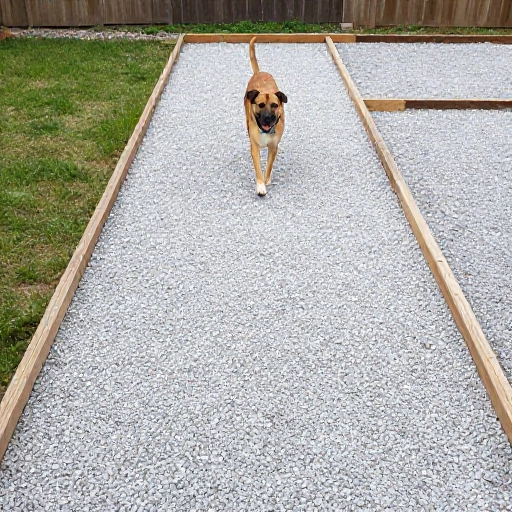
Aim for at least an hour of active time each day. This can be split into brisk walks, a vigorous game of fetch, or a run in a secure area. Mental stimulation through training or puzzle toys is just as important to tire out their bright minds.
[[IMG:IMG:IMG03]]
3. That Famous Boxer “Wiggle”
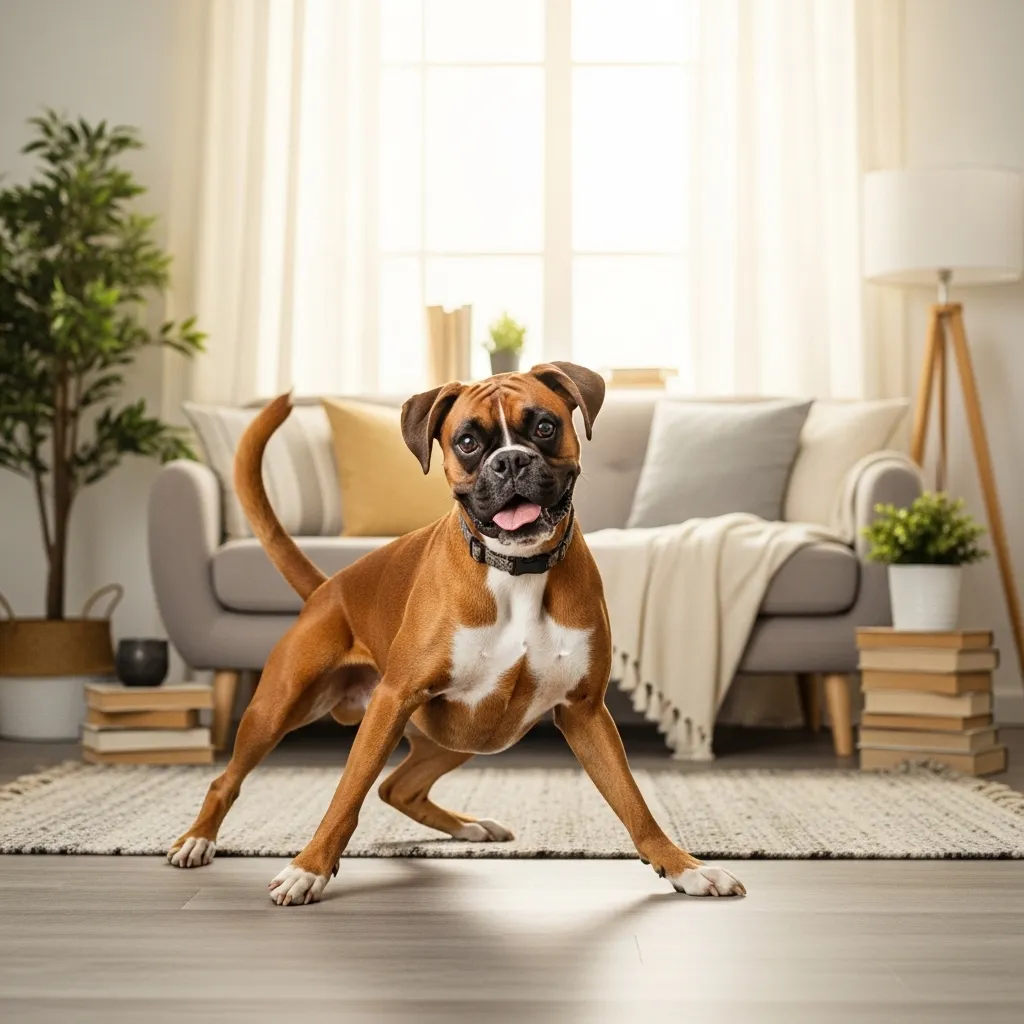
If you’ve never seen a Boxer greet someone they love, you’re missing out. The “Boxer wiggle” is a full-body expression of joy where they twist and turn, often in a shape resembling a kidney bean.
It’s impossible to be in a bad mood when you’re greeted with this kind of pure, unbridled happiness. It’s their signature move and a sure sign you’re in their inner circle.
4. Training Your Bright Companion
Boxers are smart and learn quickly, but they can also be willful. Positive reinforcement training—using treats, praise, and play—works wonders. They respond poorly to harsh methods.
- Start training and socialization early.
- Keep sessions short, fun, and consistent.
- Their clownish side might pop up, so patience is key!
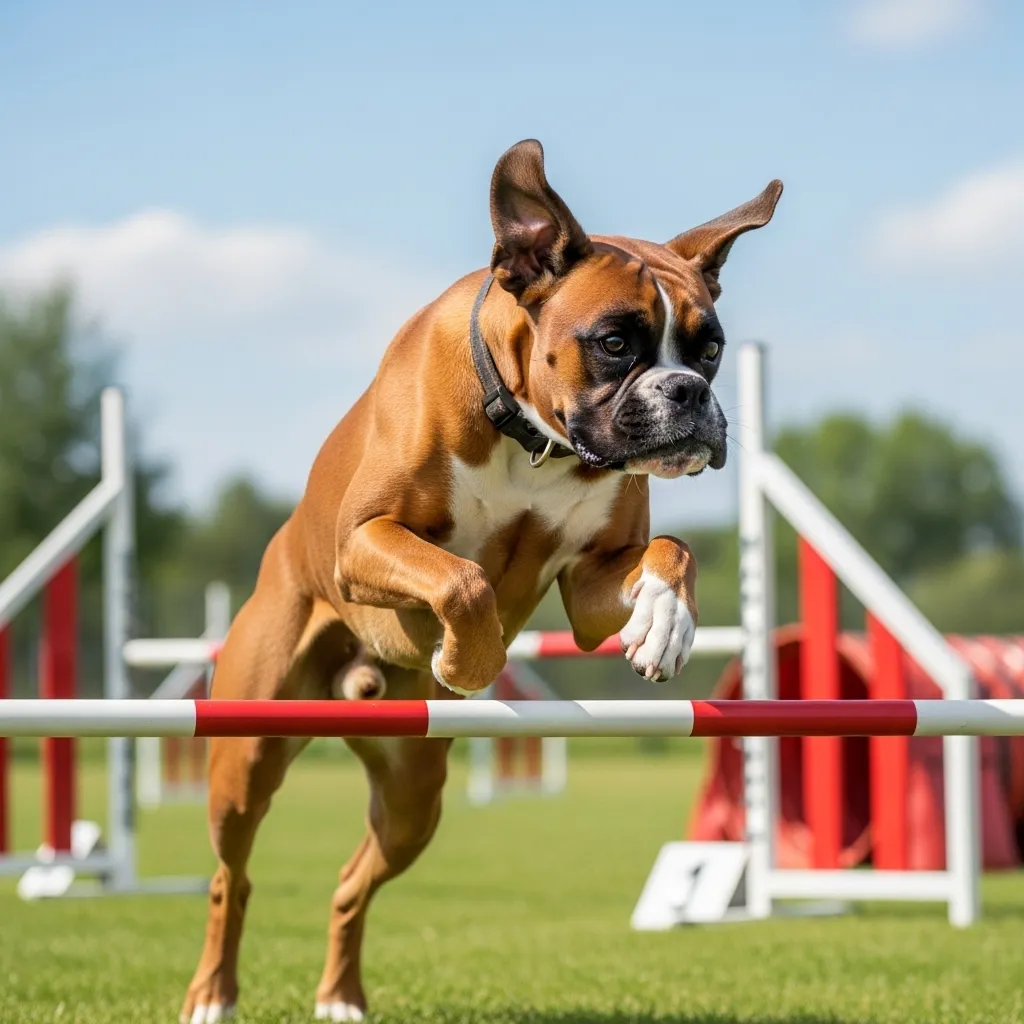
Channel their intelligence into fun tricks or dog sports like agility to strengthen your bond.
5. Grooming: Surprisingly Low-Maintenance
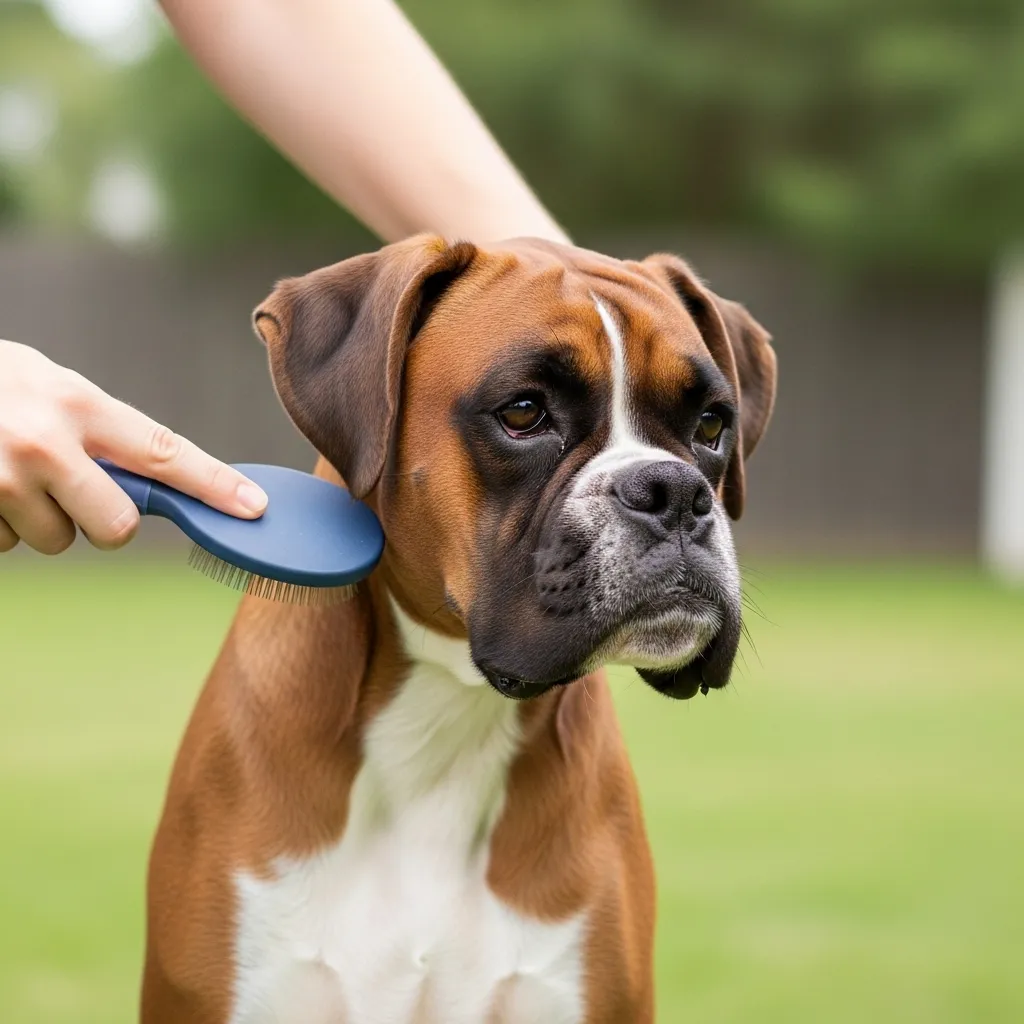
Good news! Boxers are easy to groom. Their short, smooth coat only needs a quick weekly brush with a rubber grooming mitt to remove loose hair and distribute skin oils.
The main grooming focus is on their facial wrinkles. Gently wipe inside the folds with a soft, damp cloth every few days to prevent moisture and bacteria buildup, which can lead to infection. Regular nail trims and ear checks round out their routine.
6. The Boxer Stance & Expression
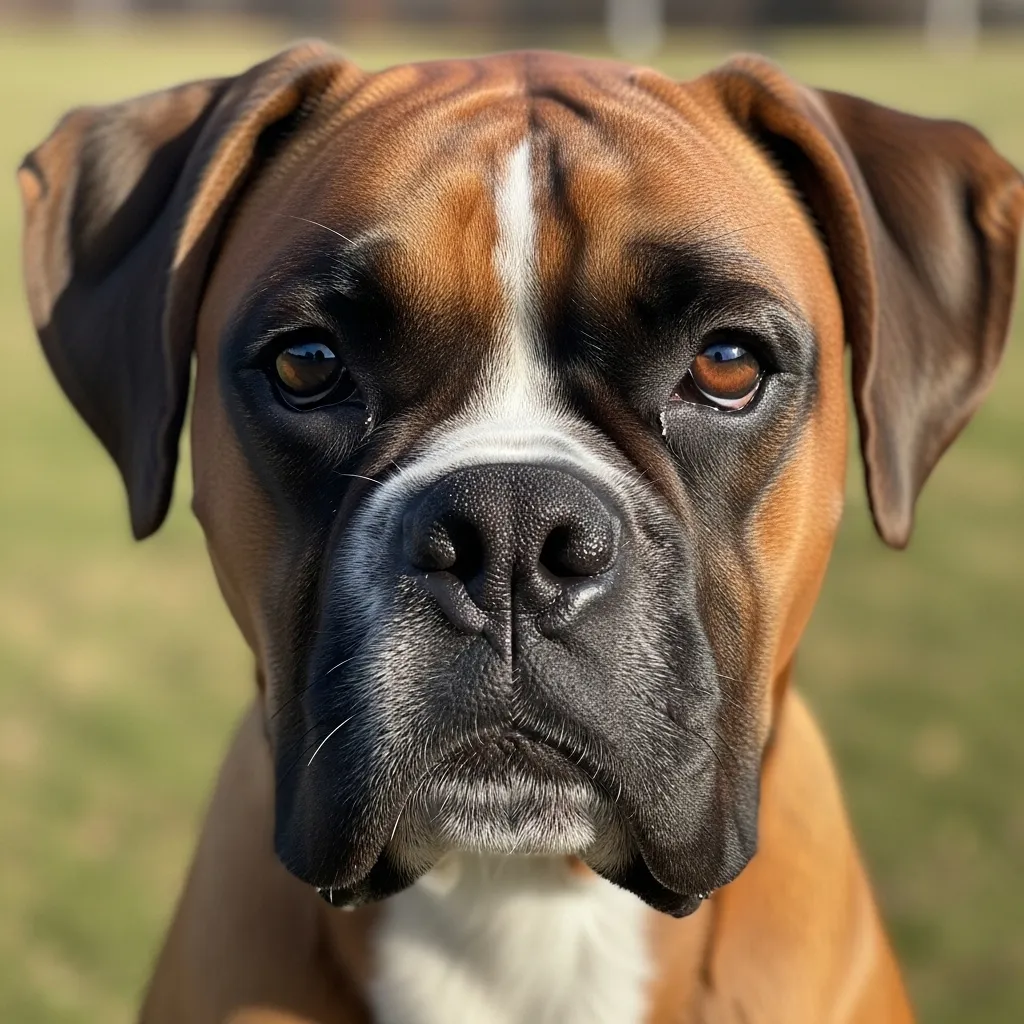
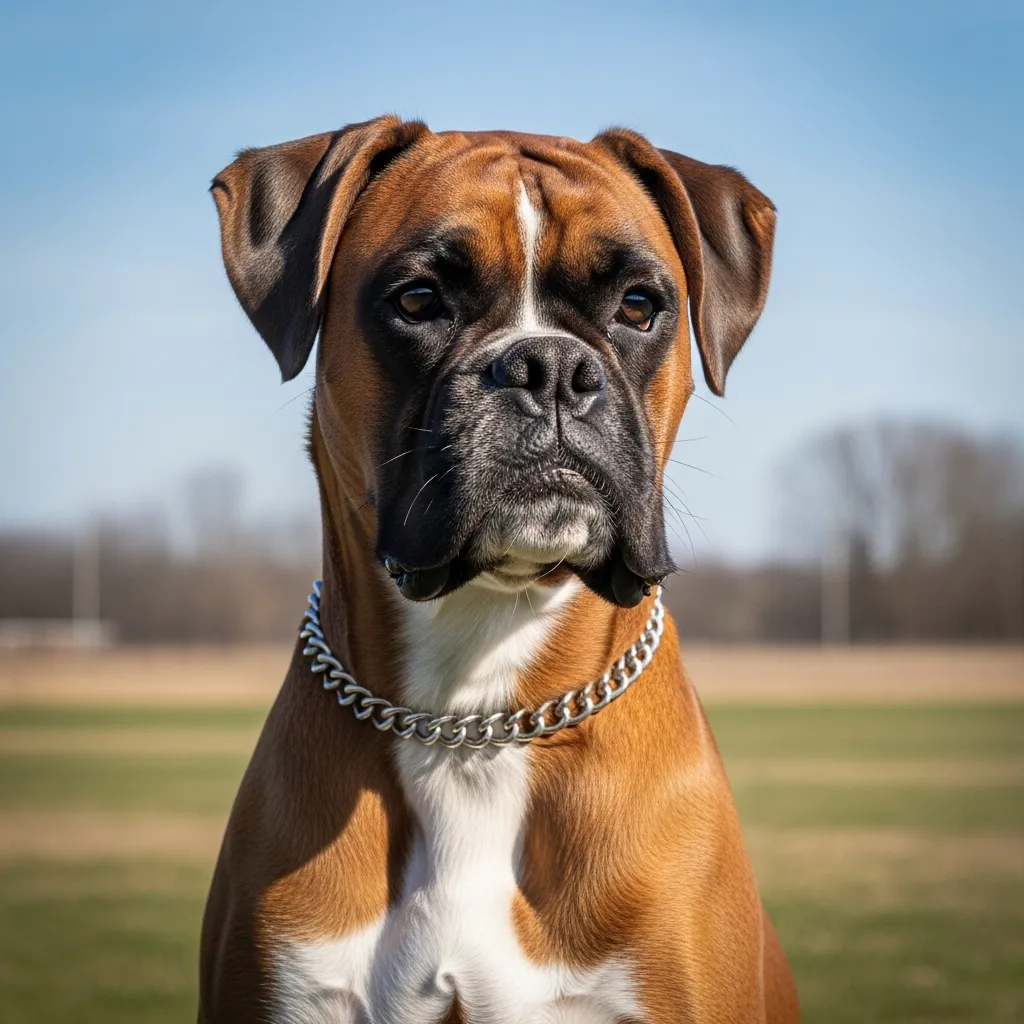
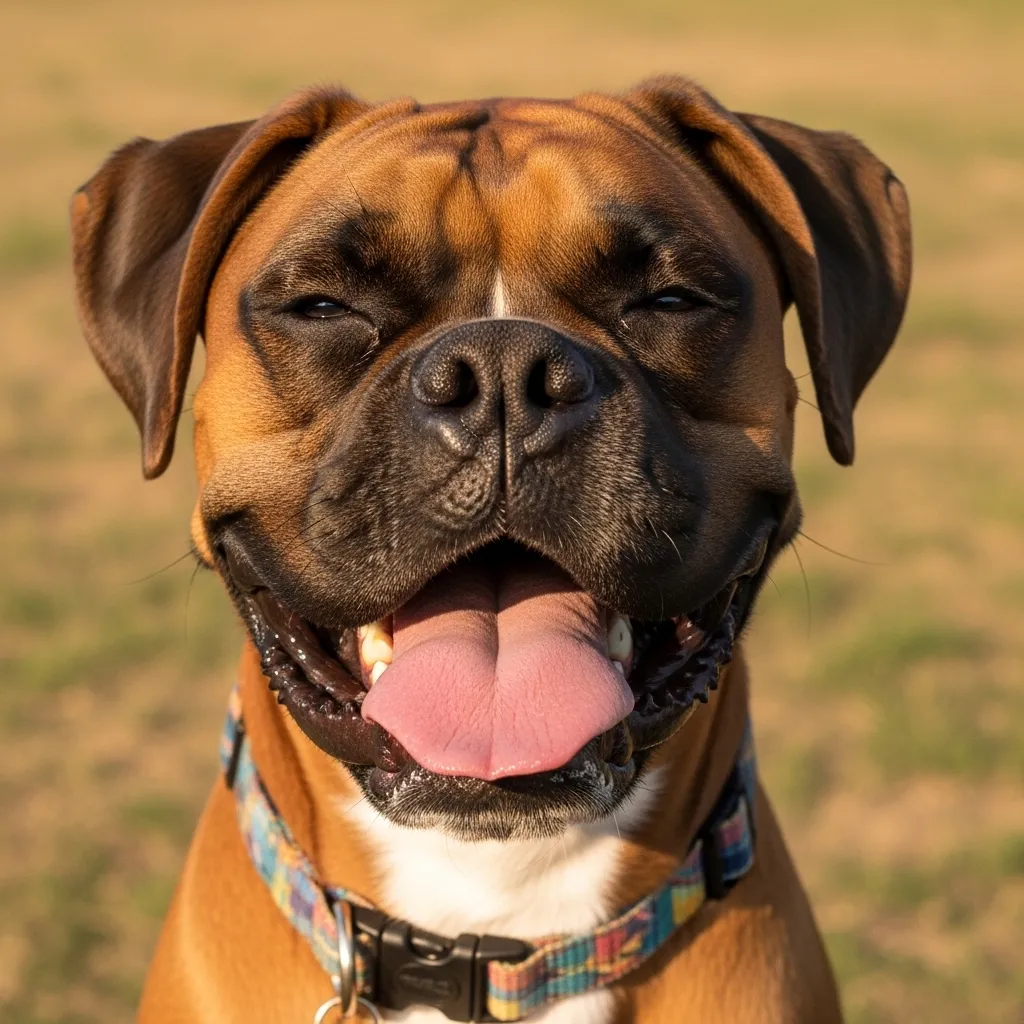
A Boxer’s alert posture is a thing of beauty. They stand tall and athletic, with a curious, intelligent expression. Those deep, dark eyes and furrowed brows seem to convey a whole range of human-like emotions.
They are naturally watchful and make excellent watchdogs, alerting you to anything unusual with a deep, resonant bark, but they are typically not aggressive without cause.
7. Health Considerations to Know
Being an informed owner is crucial. Boxers are generally robust but can be prone to certain breed-specific conditions. Reputable breeders test for these.
- Cardiac conditions, like aortic stenosis.
- Hypothyroidism.
- Certain cancers.
- Hip dysplasia (though less common than in larger breeds).
Regular vet check-ups and maintaining a healthy weight are your best tools for a long, happy life together.

8. Are They the Right Dog for Your Home?
Boxers do best in homes where they aren’t left alone for long hours. They crave companionship. They are medium to large-sized, strong dogs, so they may not be ideal for apartment living without dedicated exercise.
They are perfect for active individuals or families with a yard who want a loyal, playful shadow. If you want a low-energy, independent dog, this likely isn’t your breed.
9. The Joy of a Boxer Smile
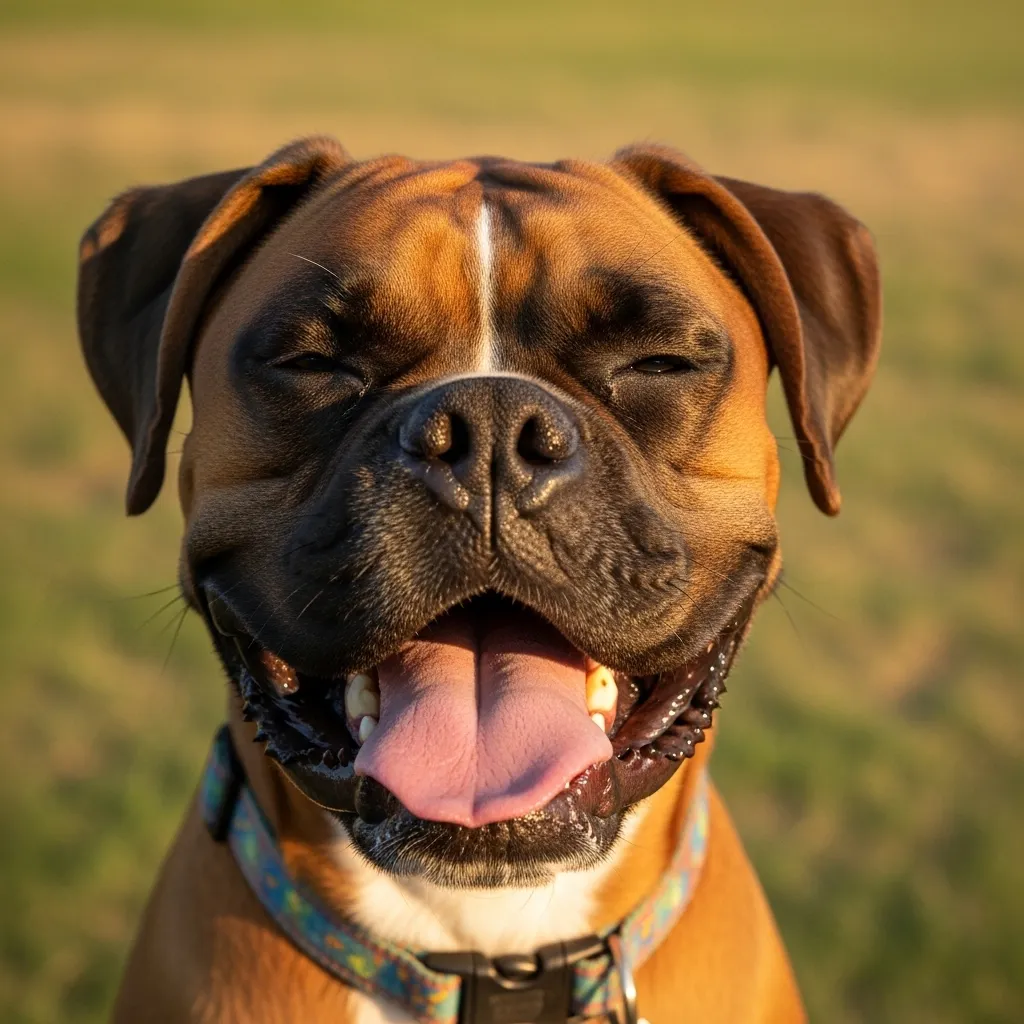
Many Boxers have an underbite, which gives them a charming, goofy grin. Combined with their wiggling rear end, it’s the ultimate welcome home.
That smile is a window into their sweet, loving soul. It’s a constant reminder not to take life too seriously and to find joy in the simple moments, like a sunny spot on the floor or a new squeaky toy.
10. A Lifelong Commitment of Love
Welcoming a Boxer is a decision for the next 10-12 years. It’s a commitment to daily play, slobbery kisses, and sharing your couch (whether you officially invite them or not).
The return on investment is immeasurable: unwavering loyalty, endless entertainment, and a love so big it fills your entire home. They leave paw prints on your heart that last forever.
Conclusion
Living with a Boxer is an adventure filled with laughter, activity, and profound companionship. They teach you about joy, resilience, and living in the moment. If you can match their energy and offer your heart, a Boxer will repay you with a lifetime of devotion and unforgettable memories. They are truly more than a dog; they are a Boxer.
Boxer Breed FAQ
Q: Are Boxers good with kids?
A: Absolutely. They are famously patient and protective, earning the nickname “nanny dog.” Always supervise play with very young children due to their size and exuberance.
Q: Do Boxers drool a lot?
A: Some can, especially after drinking water or when anticipating food. Keeping a “slobber towel” handy by the water bowl is a common Boxer-owner hack!
Q: Are they easy to train?
A: They are intelligent and eager to please but can be stubborn. Consistent, positive training that’s fun works best. They excel when they think it’s a game.
Q: How much exercise do they really need?
A: A lot. At least one solid hour of vigorous activity daily, plus mental stimulation. A tired Boxer is a happy, well-behaved Boxer.
Q: What’s their average lifespan?
A: Typically 10 to 12 years. With excellent care, regular vet visits, and good genetics, some live even longer, happy lives.