How to Teach a Puppy to Stay: A Step-by-Step Guide for Patient Pups
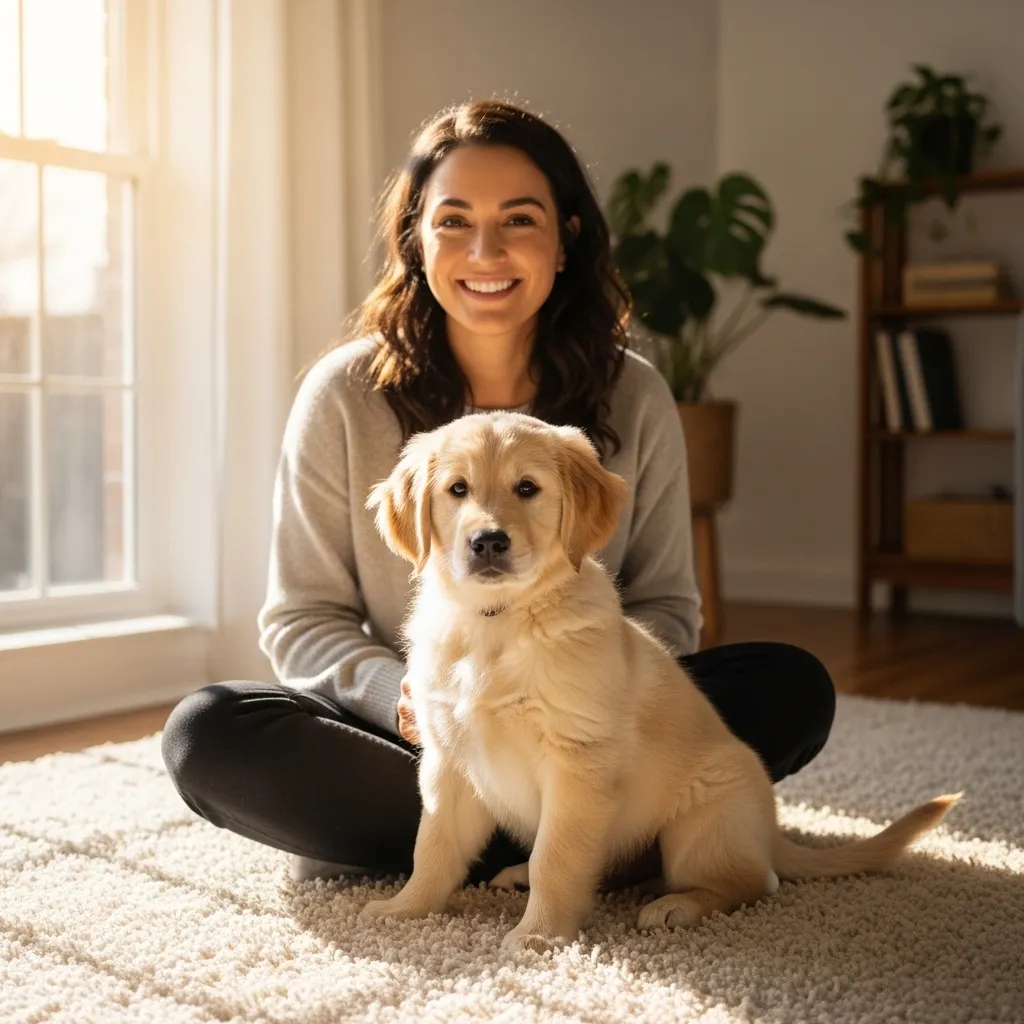
Teaching your puppy to “stay” is one of the most important commands you’ll ever share. It’s more than just a party trick; it’s a vital safety skill that can prevent your furry friend from darting into a dangerous situation. I remember feeling so overwhelmed when I first brought my pup home, but breaking it down made all the difference.
This command builds impulse control and strengthens your bond through clear communication. It requires patience, consistency, and lots of tiny treats! Forget about long, frustrating sessions. The secret is in short, positive bursts that leave your puppy wanting more. Let’s build that rock-solid “stay” together.
1. Master “Sit” or “Down” First
You can’t build a house without a foundation, and you can’t teach “stay” without a solid starting position. Choose one position—either “sit” or “down”—and make sure your puppy can do it reliably before you even say the word “stay.” I always start with “sit” because it’s usually the first command they learn.
Practice this in a quiet room with no distractions. Have your treats ready! Your goal is for your pup to hold that position for just a second while you stand right in front of them. This sets the stage for success.
2. Introduce the Word with a Hand Signal
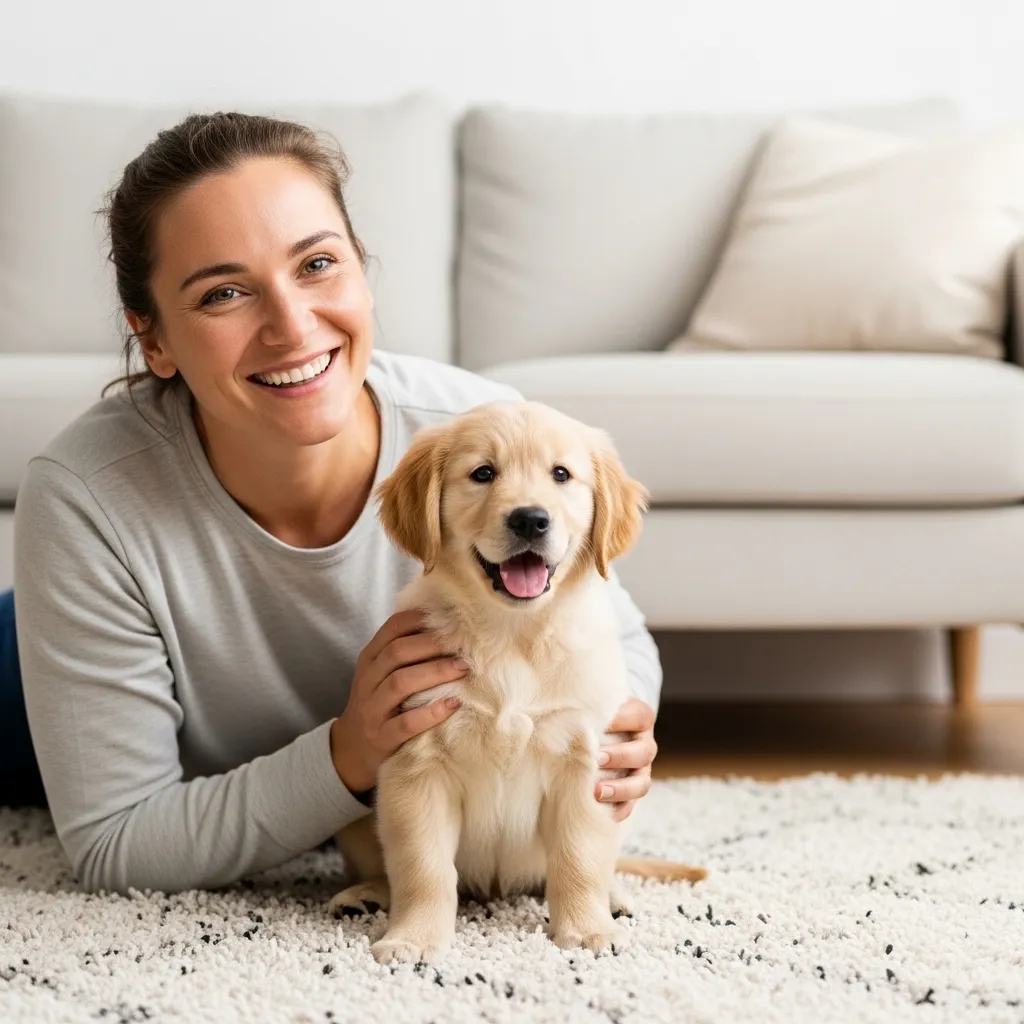
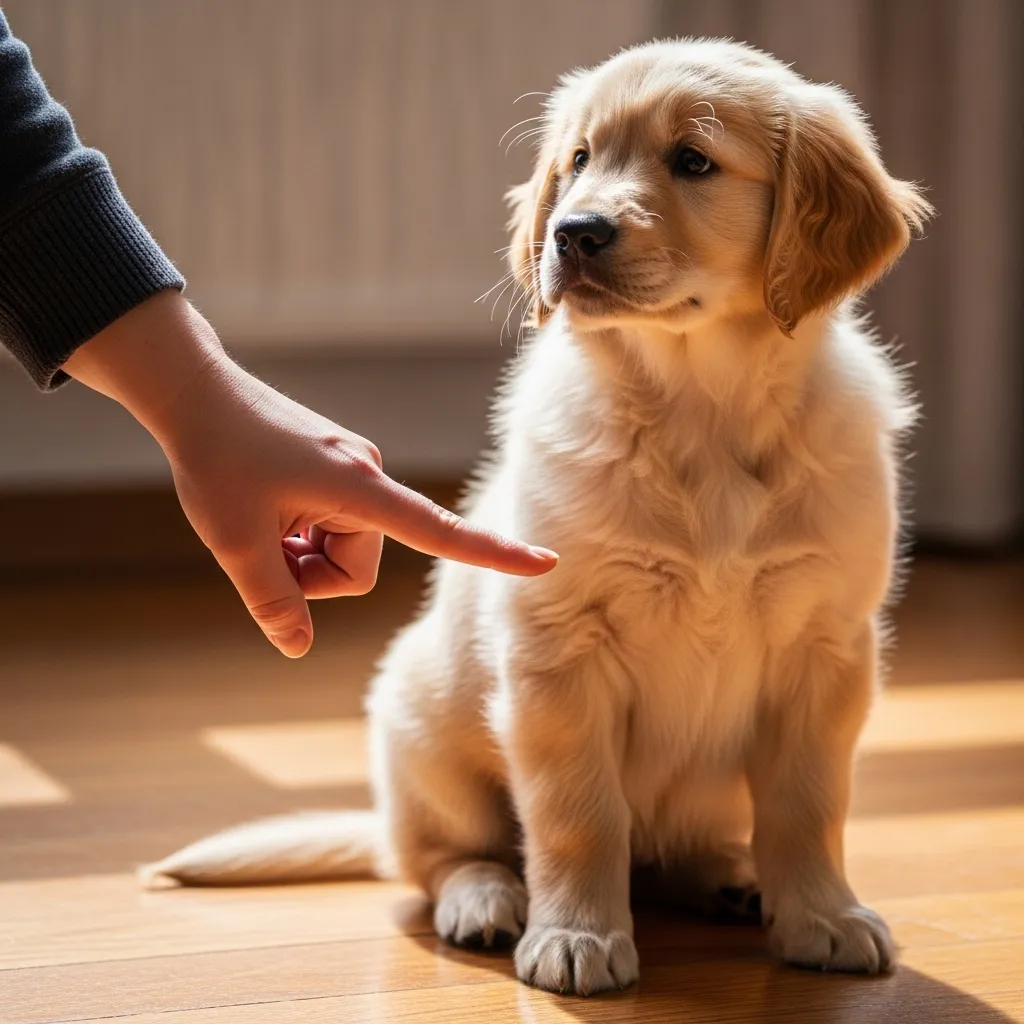
With your puppy in a solid “sit,” I say “stay” in a calm, clear voice. At the exact same time, I show a clear hand signal—my open palm facing them, like a stop sign. This visual cue is incredibly helpful for puppies. The word and the gesture should happen together, creating a strong association.
Then, immediately reward them while they are still sitting! The timing is key. You’re rewarding the act of not moving. If they pop up, just calmly reset them and try again. Keep it super short.
3. The One-Second Rule: Reward Quickly!
In the beginning, duration is measured in milliseconds. My rule is to reward before they have a chance to fail. I say “stay,” show my palm, and if they hold for just one second, I say “yes!” and give a treat. I don’t wait for them to get restless.
This builds their confidence. They learn that “stay” means good things happen when they keep their bottom on the floor. Gradually, over many repetitions, I’ll stretch that one second to two, then three. Patience is your best friend here.
4. Add the Release Word
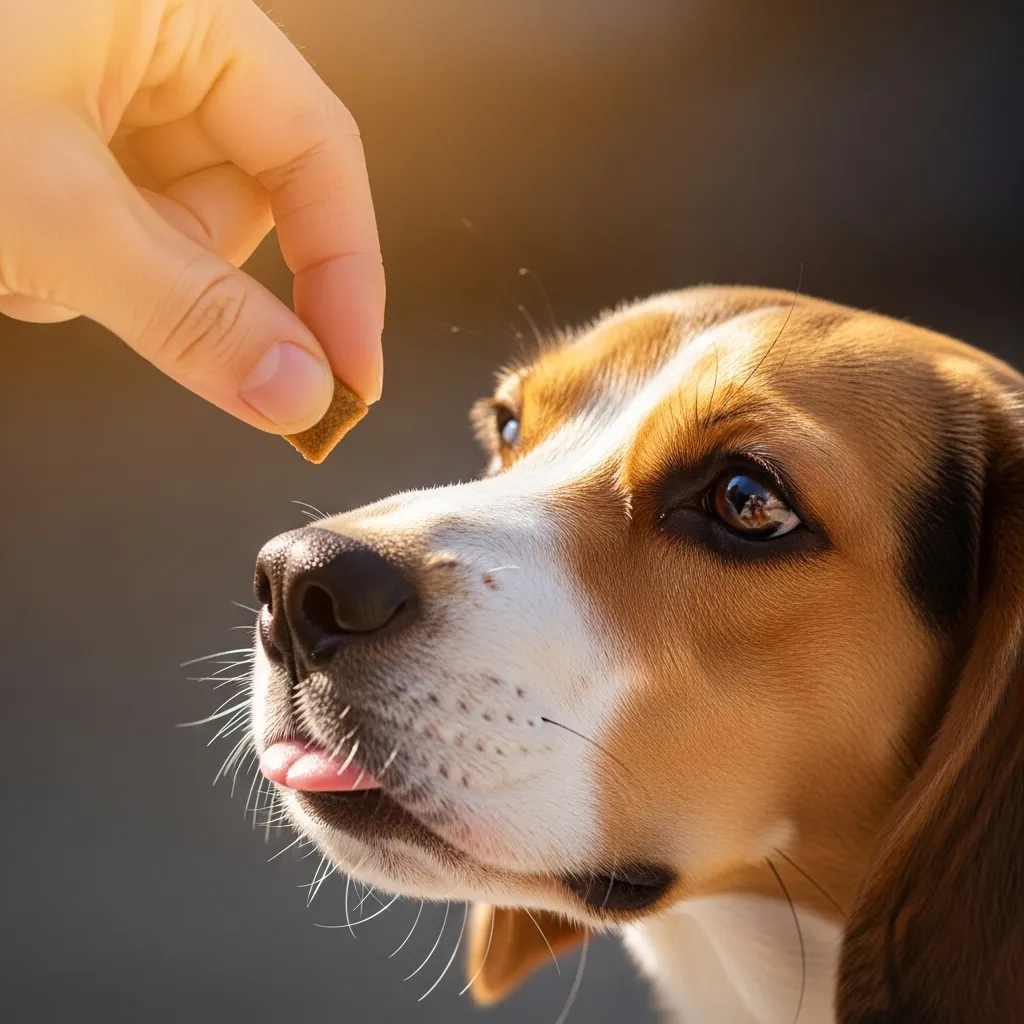
A “stay” isn’t complete without a clear end. You need a release word that tells your puppy the command is over and they are free to move. I use “okay!” or “free!” in a happy tone. This is crucial so they don’t learn to self-release.
Here’s how I do it: Puppy sits, I say “stay,” I wait two seconds, then I say “okay!” and encourage them to come get a treat or a pet. This teaches them to wait for your signal, which is the core of the behavior.

5. Take One Step Back (The Big Leap)
Once your pup can stay for about 5-10 seconds with you right in front of them, it’s time to add distance. This is the hardest part for them! I start by taking just one single, small step backward.
- Ask for a “sit” and then “stay.”
- Take one step back.
- Instantly step back to them and reward.
- If they break, you moved too fast. Go back to no steps.
Build distance painfully slowly. One step, then two, then three. Always return to reward before releasing.
6. Practice in Different Locations
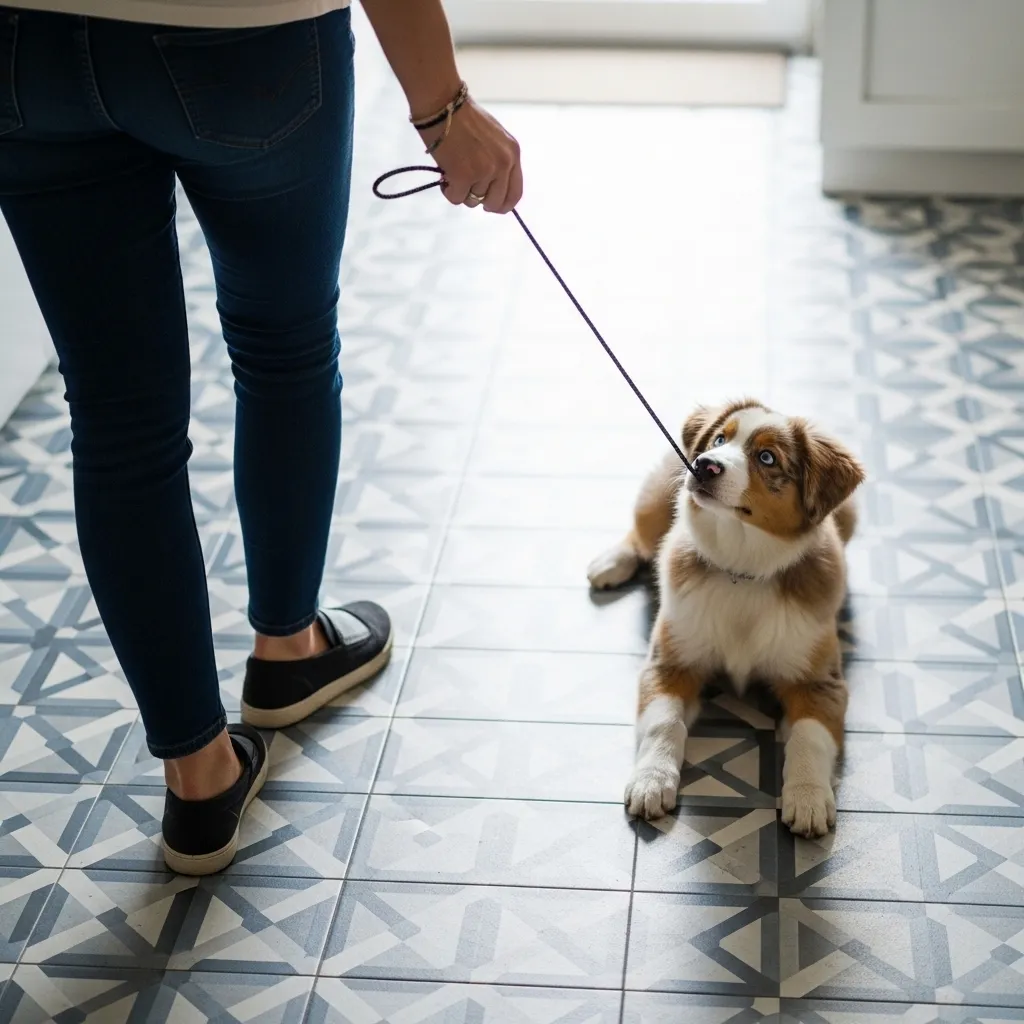
Dogs don’t generalize well. A perfect “stay” in your kitchen might vanish in the backyard. Practice in every room of your house, then on your porch, then in your quiet yard. New places have new smells and sounds, which is very distracting!
When you change locations, lower your expectations. Go back to a shorter duration and less distance. Help them succeed in the new environment before asking for more. This is how you build a proofed command.
7. Add Mild Distractions Slowly
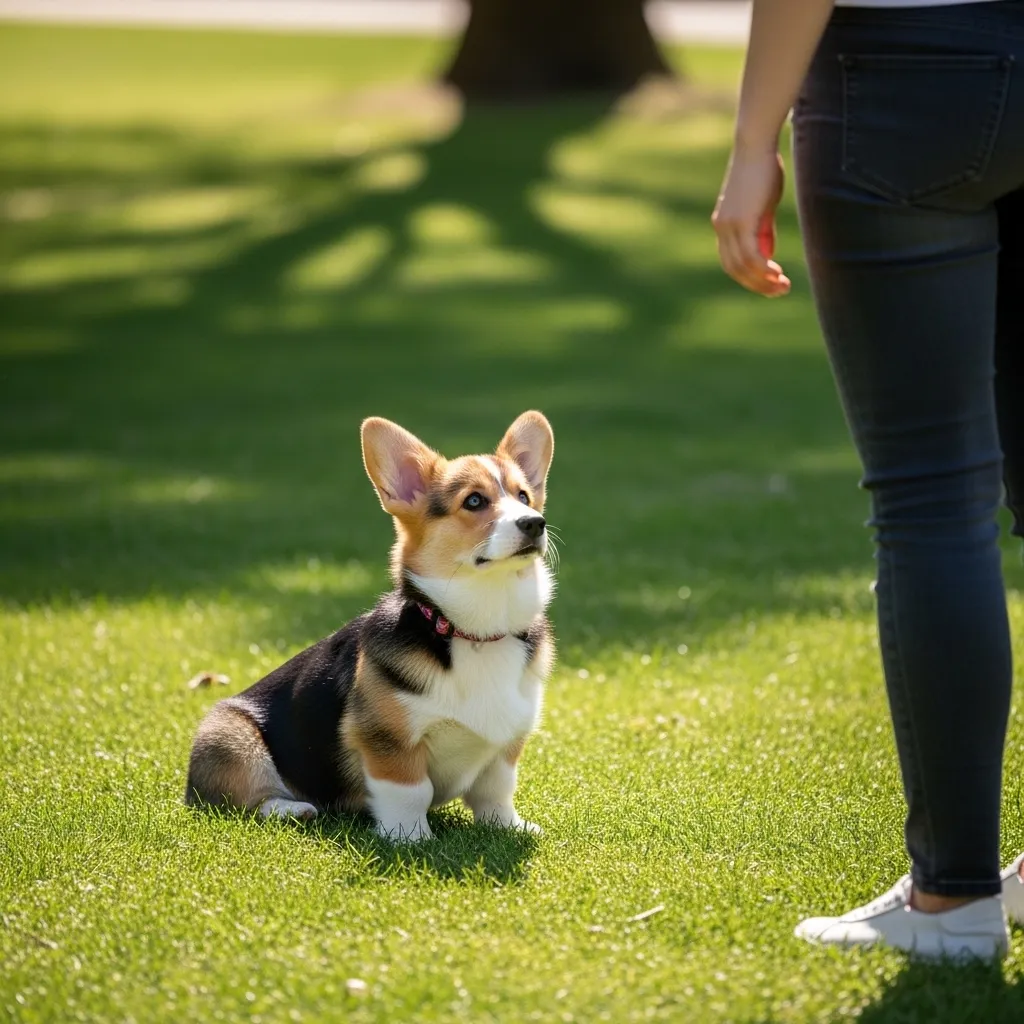
Real life is full of distractions. Start adding them in a controlled way. I might practice “stay” while:
- I gently tap my foot on the floor.
- I toss a treat on the ground (but reward from my hand if they stay!).
- Someone quietly walks by in the distance.
If your puppy breaks, the distraction was too big. Make it easier. The goal is to show them that even when interesting things happen, staying put is the most rewarding choice.
8. Never Punish a Broken Stay
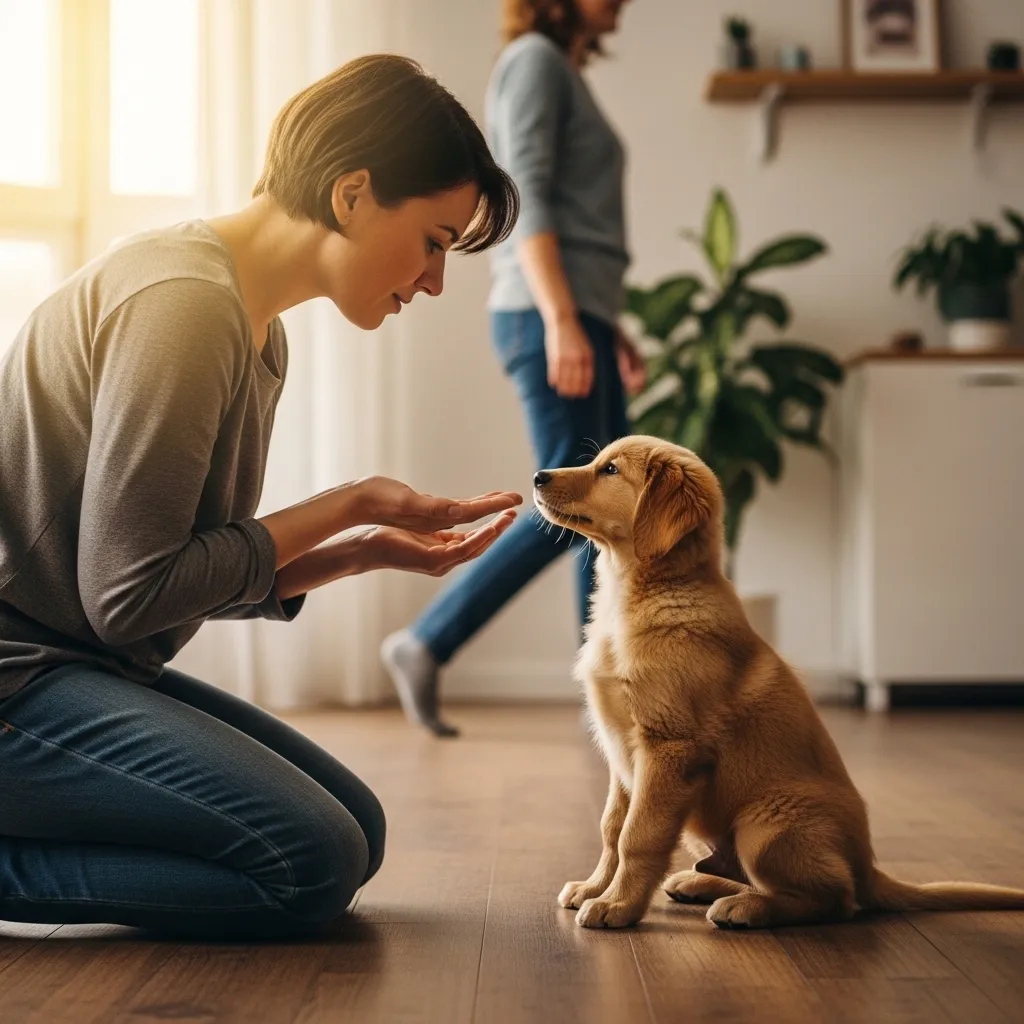
If your puppy gets up, just say “oops” or “too bad” in a neutral tone and reset them. Getting frustrated or scolding them will only make them anxious about the command. “Stay” should always be a positive game.
I see a broken stay as useful information. It tells me I asked for too much—too long, too far, or with too big a distraction. It’s my cue to make the next attempt easier so we can end on a success.
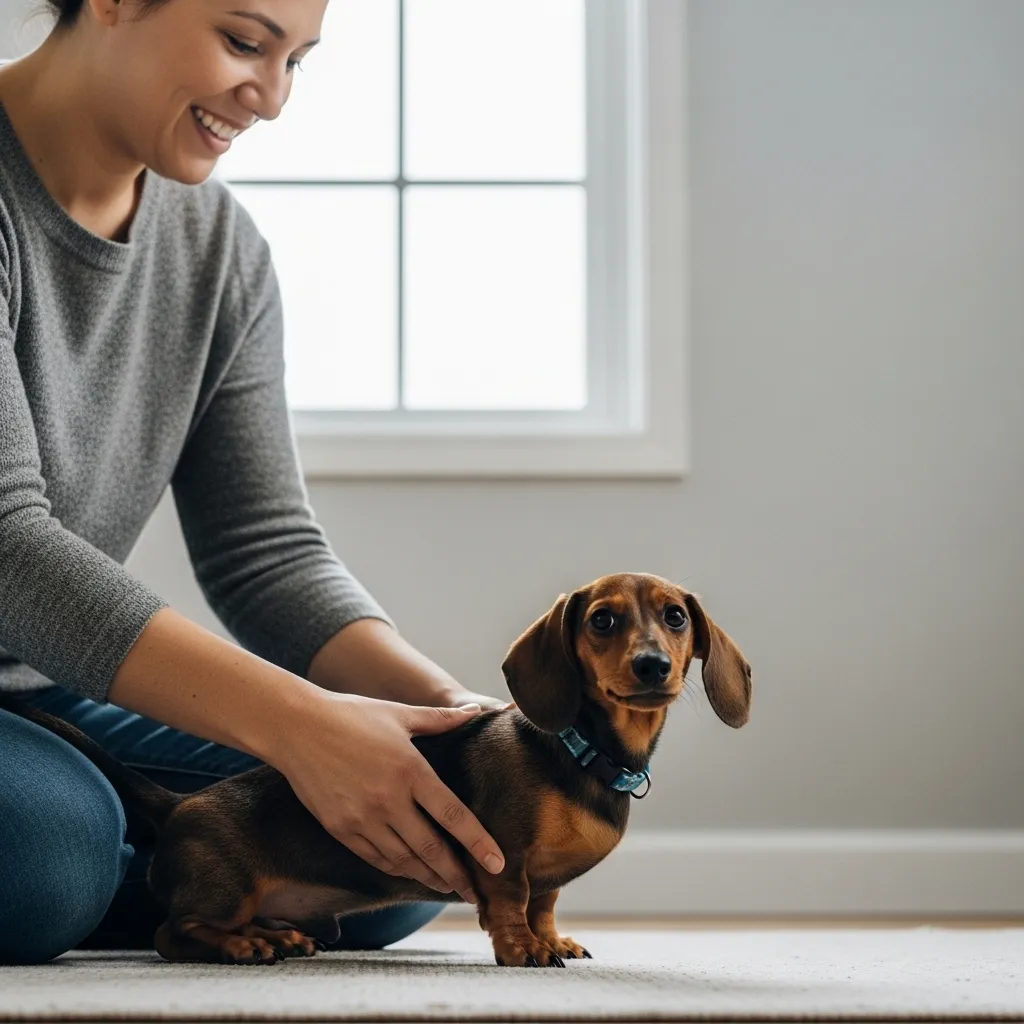
9. Use Real-Life Rewards
Once they understand the basics, start using “stay” for practical things and reward with life rewards, not just treats. Ask for a “stay” before:
- Putting their food bowl down.
- Opening the door to go outside.
- Putting on their leash.
This integrates the command into your daily routine and teaches them that patience pays off in many ways. I mix in treats sometimes to keep it exciting!
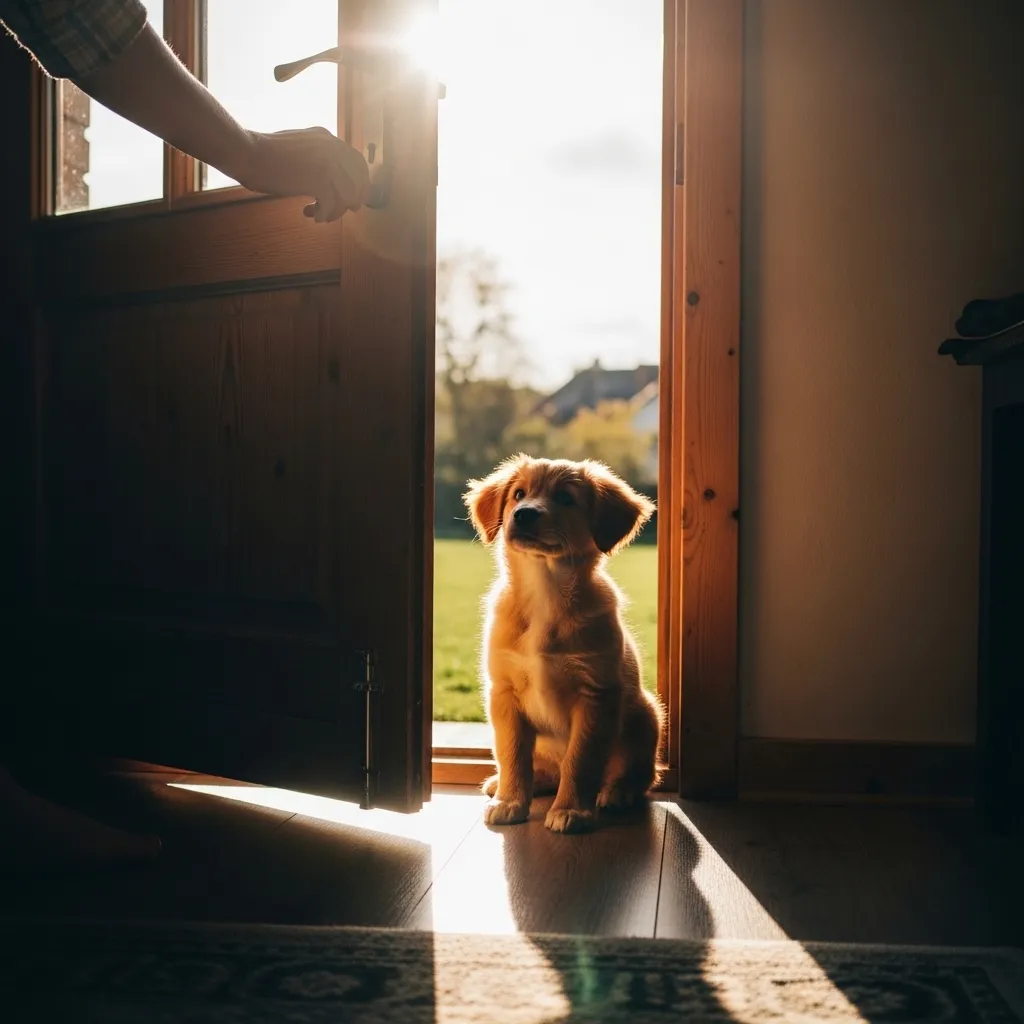
10. Keep Sessions Short & Sweet
Puppies have short attention spans. I aim for 3-5 minute sessions, max. It’s better to do three 2-minute sessions a day than one long, boring one. Always end on a high note—after a really good “stay,” finish with playtime or a special treat.
If you or your pup get frustrated, stop immediately. Go play or cuddle. You want “stay” to be something they enjoy, not something they dread. Consistency over time beats marathon sessions every time.
Conclusion: Your Patient, Well-Mannered Companion
Teaching “stay” is a journey of tiny victories. Celebrate every second of stillness and every small step of distance you gain. This command has given me such peace of mind with my own dog, knowing I can ask her to pause in uncertain situations.
The trust and communication you build through this training are priceless. Stick with it, be patient, and soon you’ll have a polite pup who understands that good things come to those who wait. Happy training!
FAQs: Teaching Your Puppy to Stay
Q: What age should I start teaching “stay”?
A: You can start as soon as your puppy knows “sit” or “down,” usually around 8-10 weeks old. Keep initial sessions very, very short and fun.
Q: My puppy always breaks their stay. What am I doing wrong?
A> You’re likely asking for too much too soon. Go back a step—reduce the duration, distance, or distraction level. Always set them up to succeed.
Q: What’s the best treat to use for training?
A: Use small, soft, and smelly treats your puppy loves. Pea-sized pieces of chicken, cheese, or commercial training treats work perfectly. You’ll go through a lot, so keep them tiny!
Q: Can I use a clicker for “stay” training?
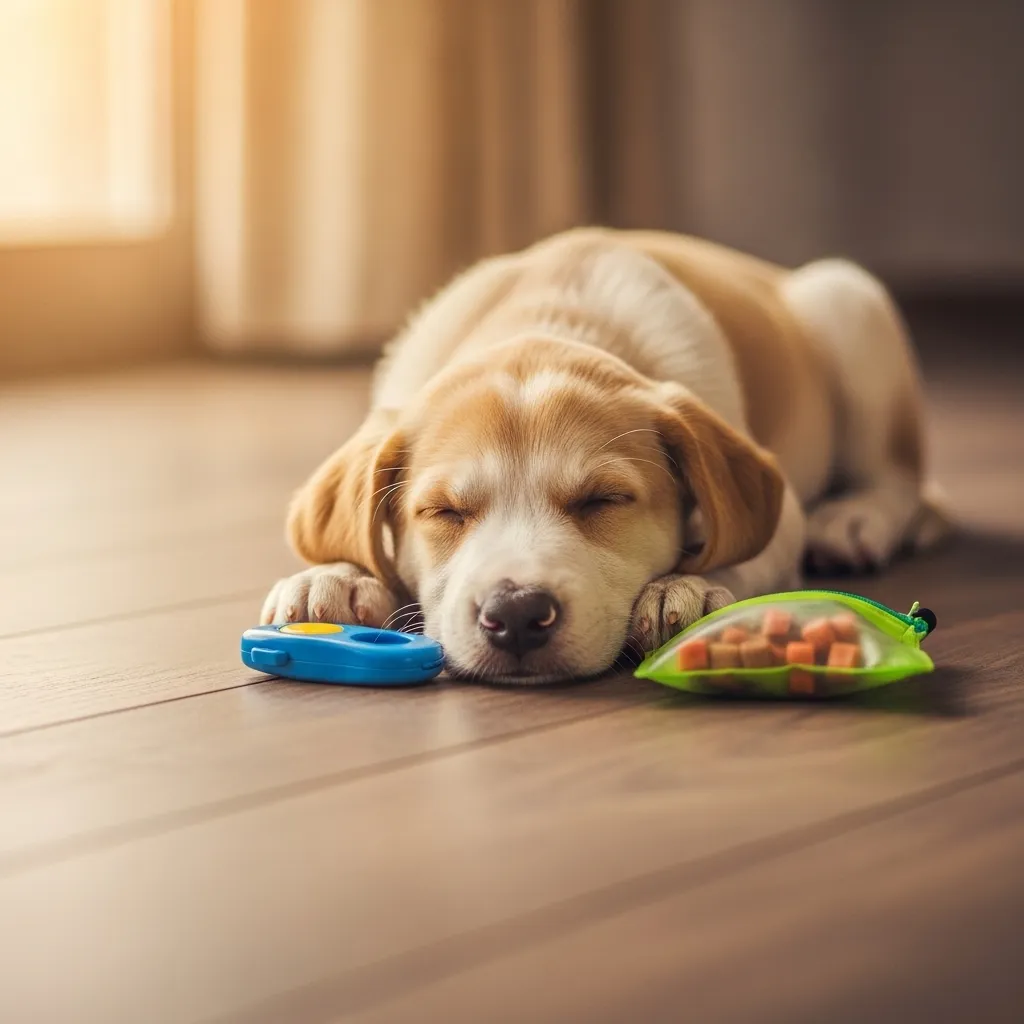
A: Absolutely! A clicker is a great tool. Click at the exact moment they are holding the stay (e.g., after one second, before you step back), then deliver the treat. It marks the desired behavior with precision.
Q: How long until my puppy masters this command?
A> Every pup is different. “Mastering” is an ongoing process. You might have a solid foundation in a few weeks, but continue to proof it with distance and distractions over their lifetime to keep it reliable.