Why Do Cats Sploot? Cute Behavior Explained
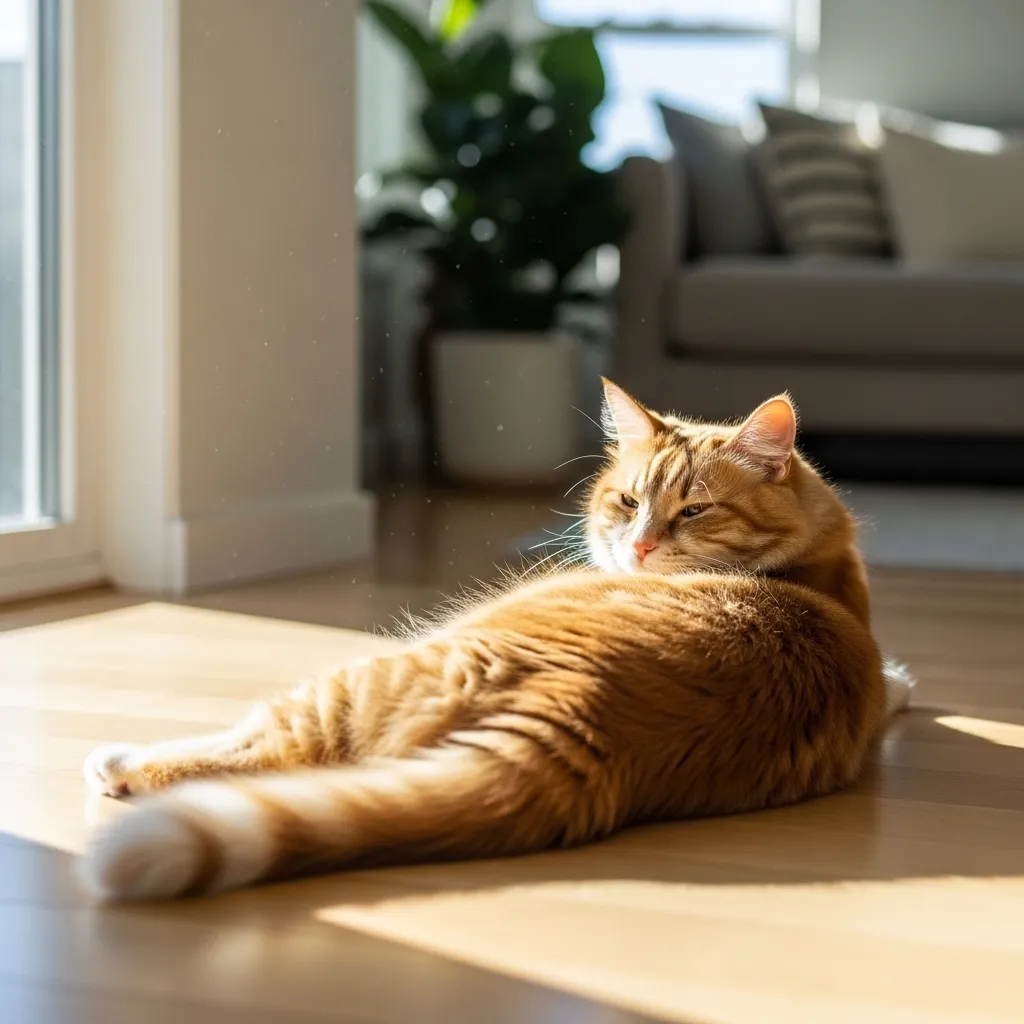
You know the pose. Your cat is sprawled flat on their belly, back legs kicked out behind them like a tiny frog. It’s adorable, a little funny, and honestly, a bit mysterious. I’ve seen my own cat do this on the cool kitchen floor, and it always makes me smile.
This classic move is called a sploot. While it looks goofy, there’s actual reason behind it. It’s not just a cute quirk—it’s a sign of comfort, trust, and even a few practical needs.
Let’s break down exactly why your cat loves to sploot, what it means for their health, and why this behavior is so special. Get ready to see your furry friend in a whole new light.
1. The Ultimate Cooling Technique
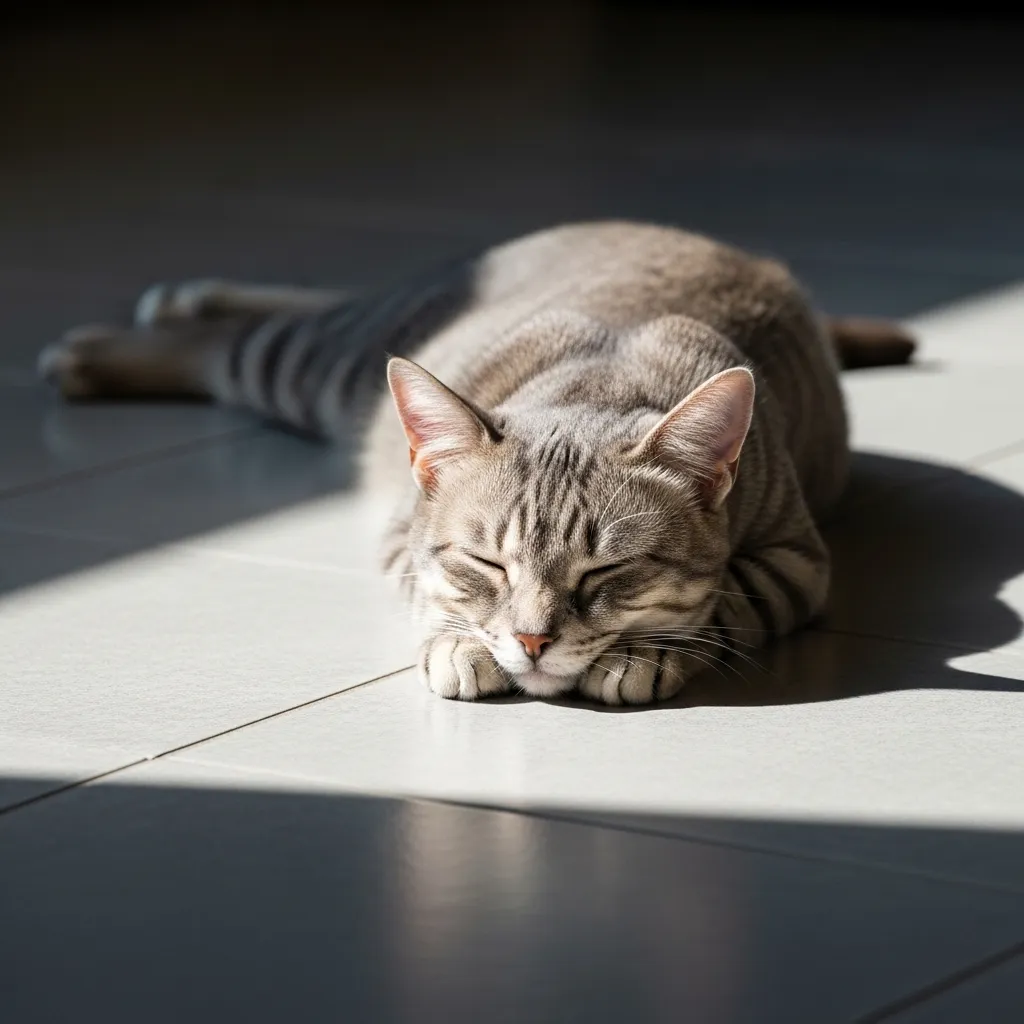
Cats are smart about staying comfortable. When the weather is warm, a sploot is their version of air conditioning. Their belly has less fur, and pressing that area against a cool floor helps lower their body temperature fast.
Think of it as your cat finding the perfect spot to chill—literally. If you notice more splooting in summer or after a play session, it’s likely just your cat keeping cool.
You might see them do this on tile, hardwood, or even a cool patch of concrete. It’s simple, effective, and super cute.
2. Pure Comfort and Relaxation
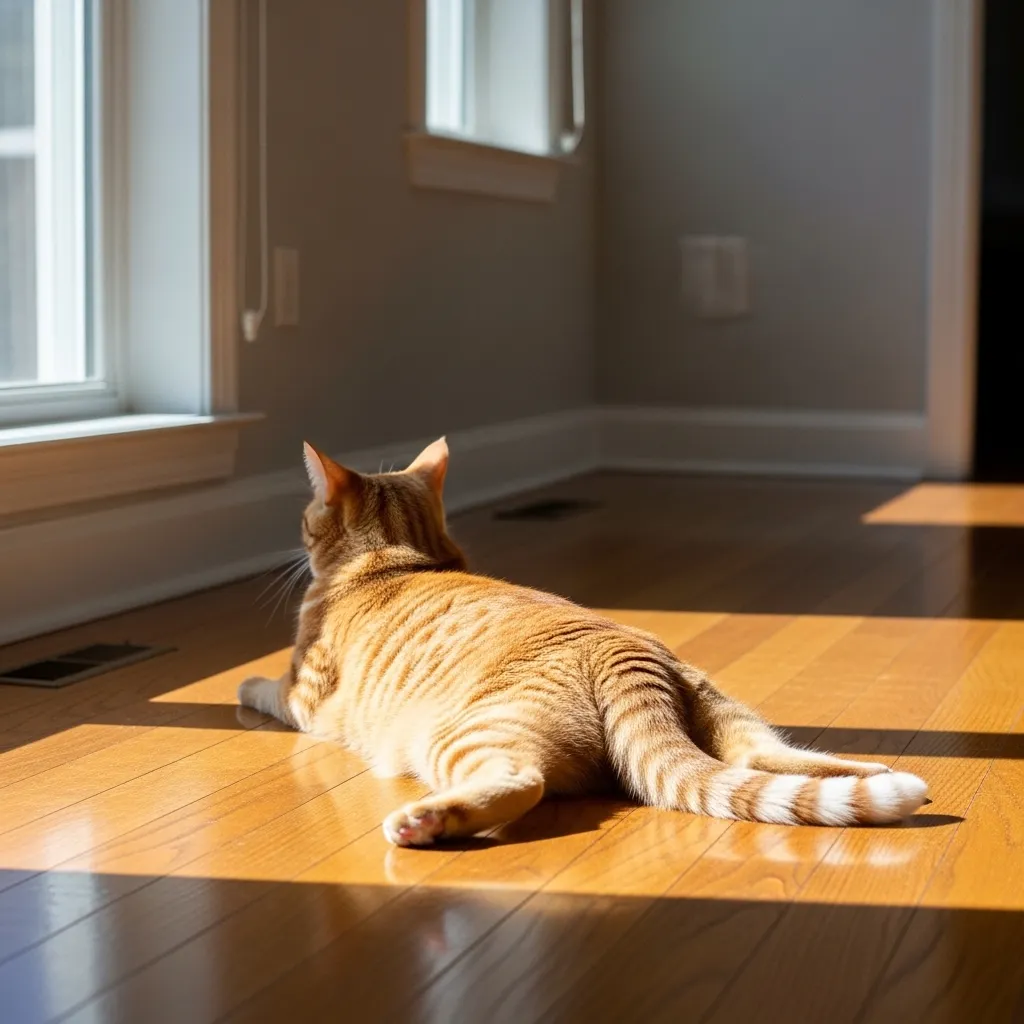
A splooting cat is a relaxed cat. This position stretches the hips and lower back, which feels good. When your cat lies flat like this, it means they feel safe enough to let their guard down completely.
In the wild, an animal in this vulnerable position would be risky. So when your indoor kitty sploots, it’s a huge compliment. They trust you and their environment.
It’s basically the cat version of sinking into a cozy couch after a long day. Pure bliss.
3. A Good Stretch for Flexible Felines
Cats are natural yogis. They love a good stretch, and splooting is a deep one. It gently stretches the muscles in their back legs, hips, and lower spine.
You’ll often see a cat sploot right after waking up from a nap. It’s their way of getting the blood flowing and loosening up stiff joints.
This move helps keep them flexible and ready to pounce on their next toy (or treat).
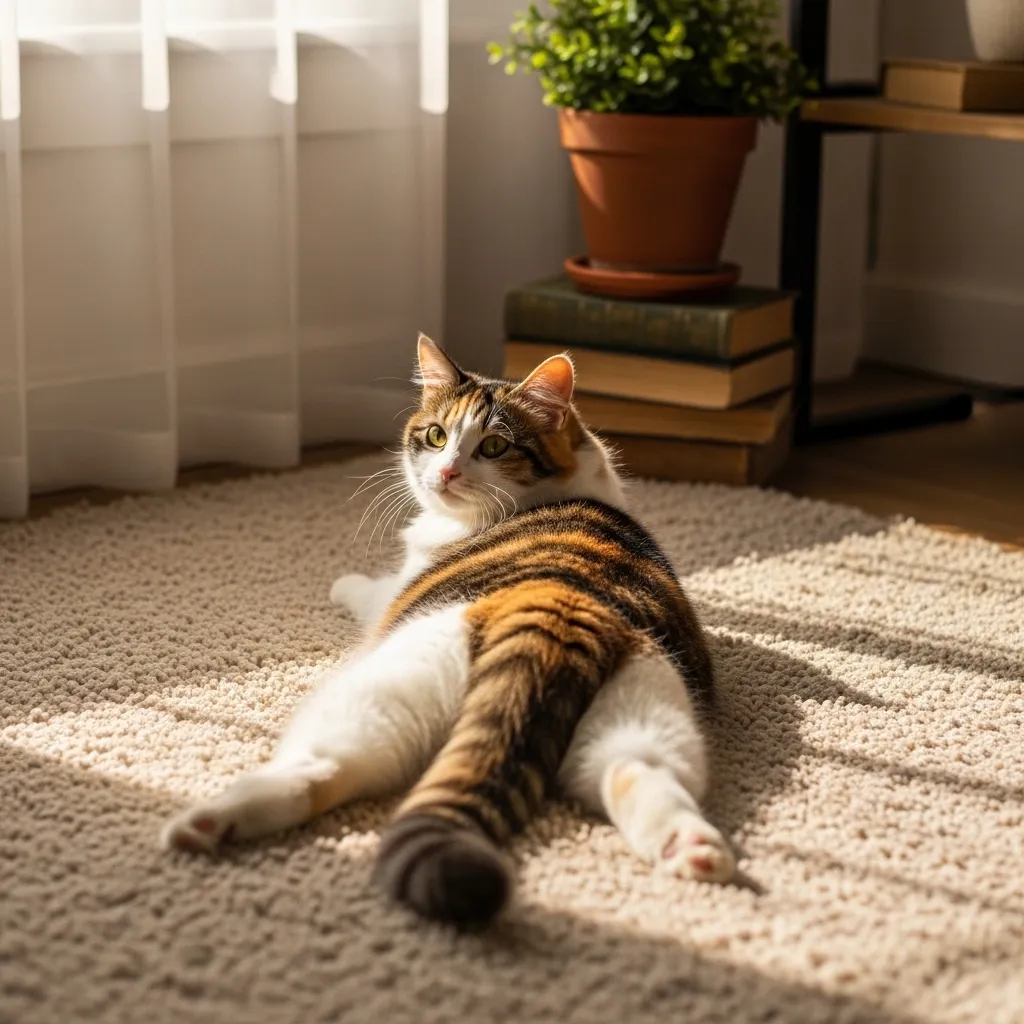
4. It’s a Sign of Trust and Contentment
When your cat shows you their belly, even in a flat sploot, it means they feel secure. They are not hiding or preparing to run. They are comfortable in their own space with you nearby.
Some cats will even make eye contact while splooting, which is a deep sign of affection. It’s like they’re saying, “I’m happy right here.”
Cherish these moments. It means your bond is strong.
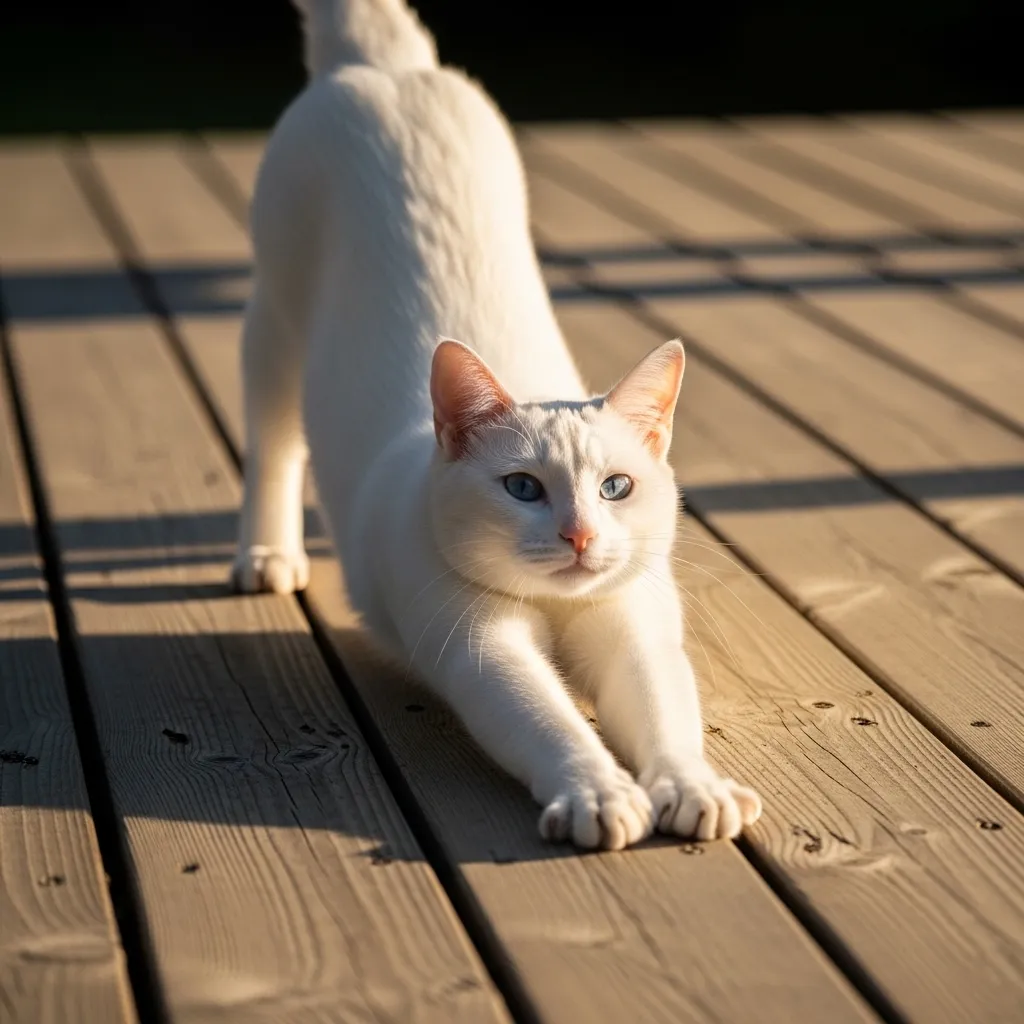
5. Young and Flexible Kittens
Have you noticed kittens sploot way more than adult cats? That’s because their bodies are still developing. Young cats are incredibly flexible, and their hip joints haven’t fully tightened yet.
Kittens often sploot without a second thought. It’s just a natural, comfortable way for them to sit or lie down.
As they grow older, some cats stop splooting as much. But many keep the habit for life.
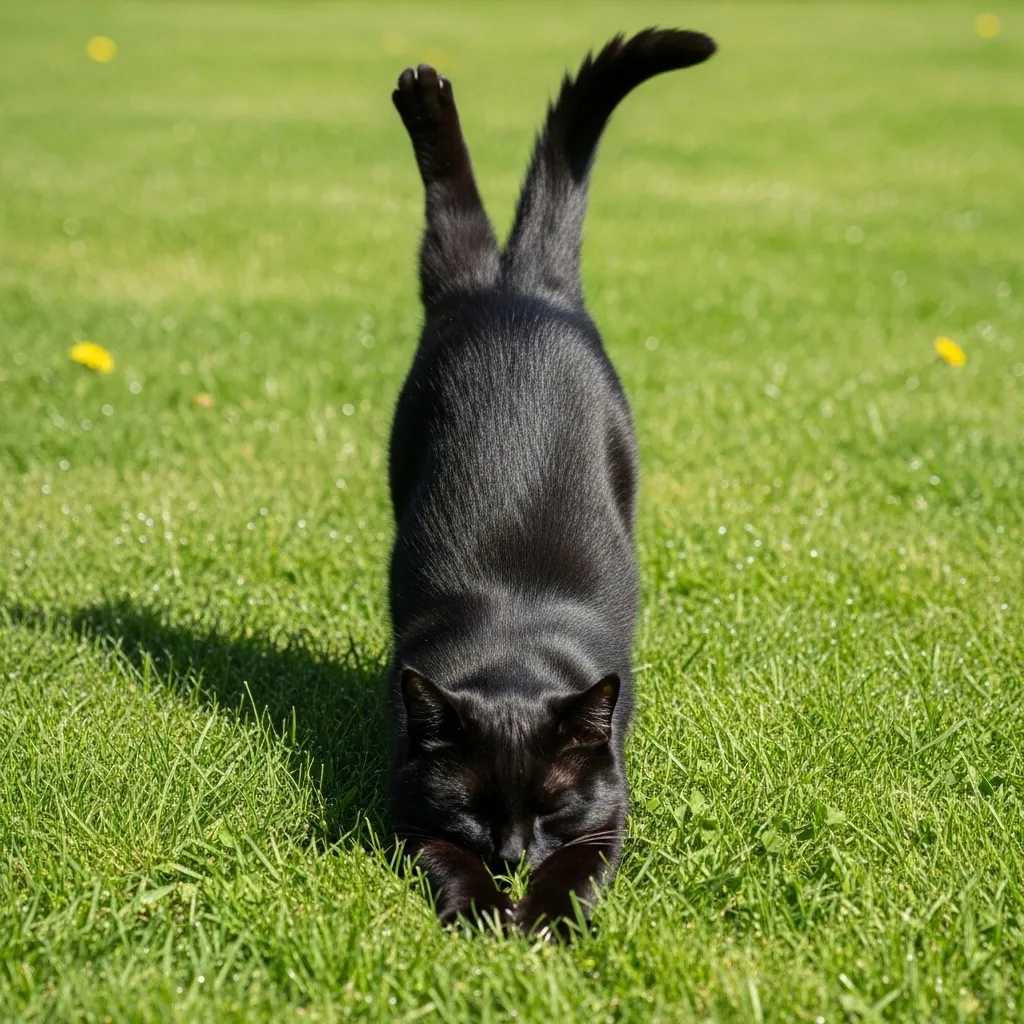
6. A Quirk of Certain Cat Breeds
Some cat breeds are famous for their splooting skills. Breeds with shorter legs, like the Munchkin, often sploot because it’s easier for their body shape. Scottish Folds and Persians are also known to love this pose.
But any cat can be a splooter. It’s not limited to one breed. If your mixed-breed cat does it, they’re just following their natural instincts.
It’s a fun little personality trait that makes each cat unique.
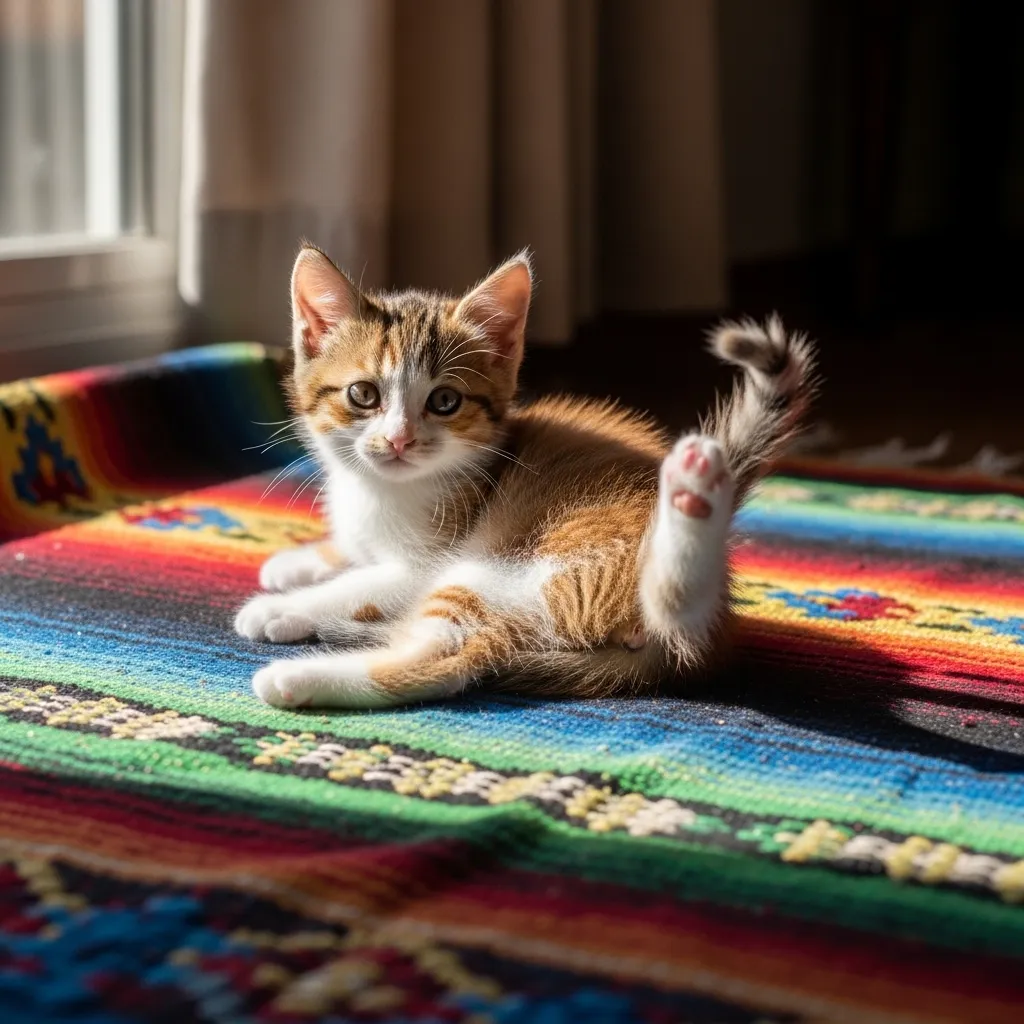
7. When Splooting Might Signal Something
Usually, splooting is completely normal. But there are rare times when it could be a clue. If your cat suddenly starts splooting more than usual, or seems stiff when getting up, it might be worth a quick check.
Older cats with arthritis might sploot to relieve joint pressure. It can be a way to find a comfortable position when their hips feel achy.
If you notice any limping or reluctance to move, a vet visit is a good idea. But for most cats, it’s just a happy habit.
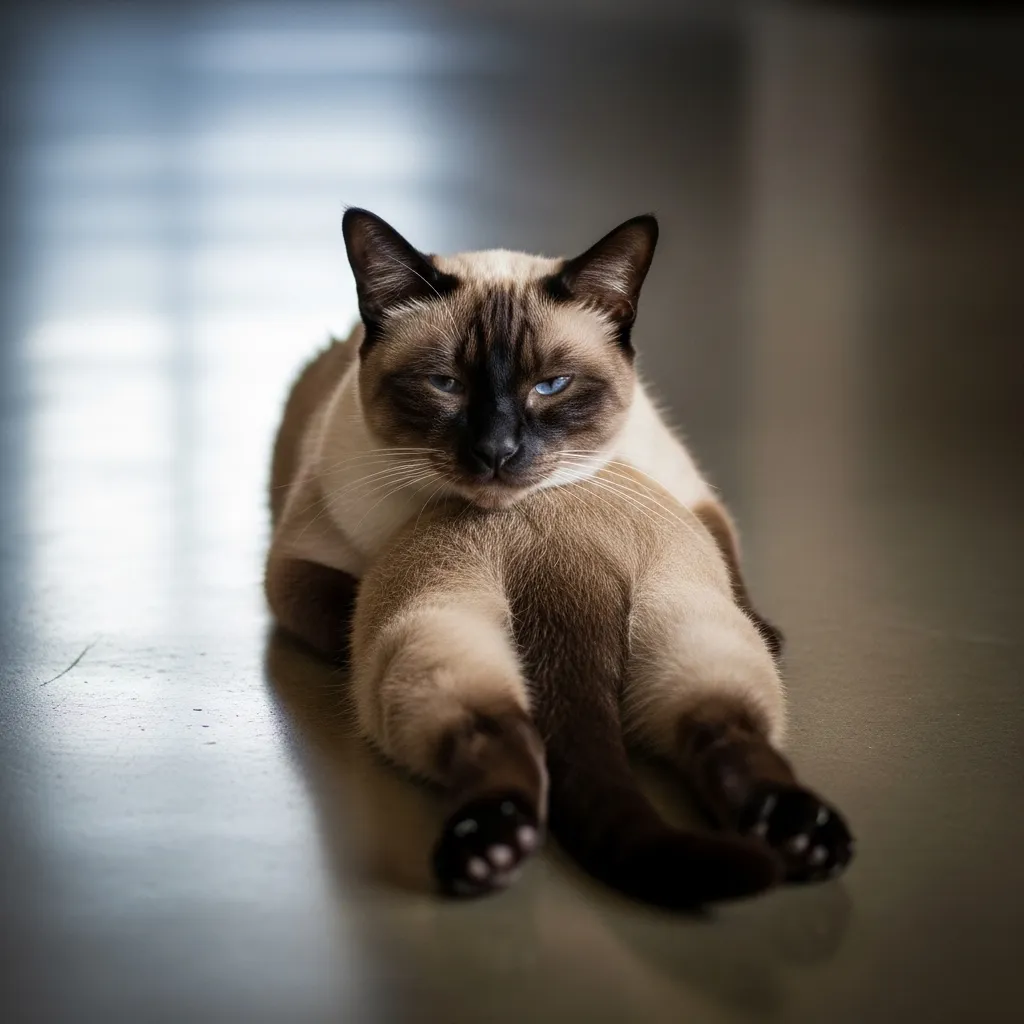
8. The “Frog Leg” Look
You might hear people call it “frog legs” or “pancaking.” The name sploot actually comes from a playful internet term. It perfectly describes the flat, spread-out appearance.
Some cats do a full sploot (both legs out) or a half sploot (one leg tucked). Both are equally charming. It’s a pose that never gets old.
It’s one of those behaviors that makes cats endlessly entertaining to watch.
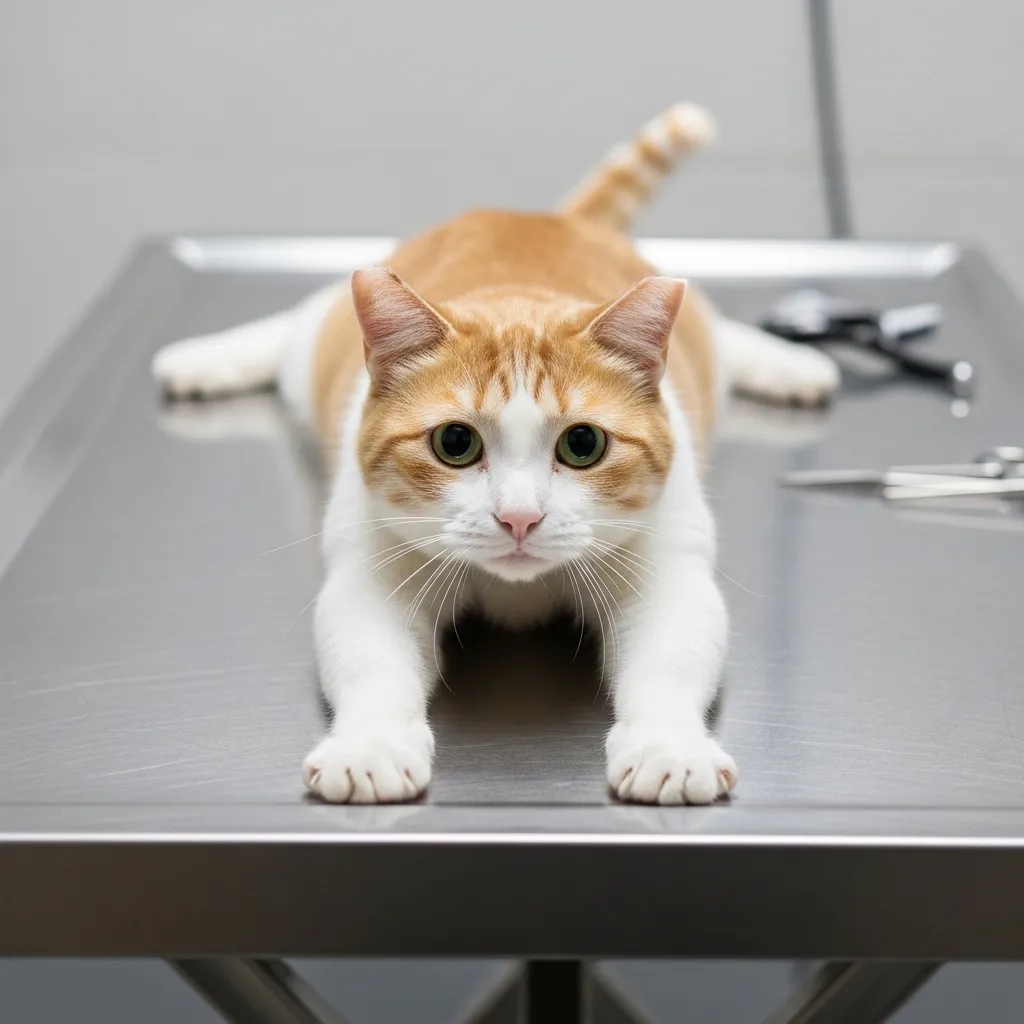
9. It Helps With Digestion
Believe it or not, lying flat can help a cat’s tummy. After a big meal, a sploot can ease digestion by taking pressure off the belly.
You might see your cat sploot on the floor right after eating. It’s a cozy, relaxed way to let their food settle.
Plus, the cool floor feels nice on a full belly. It’s a win-win for your furry friend.
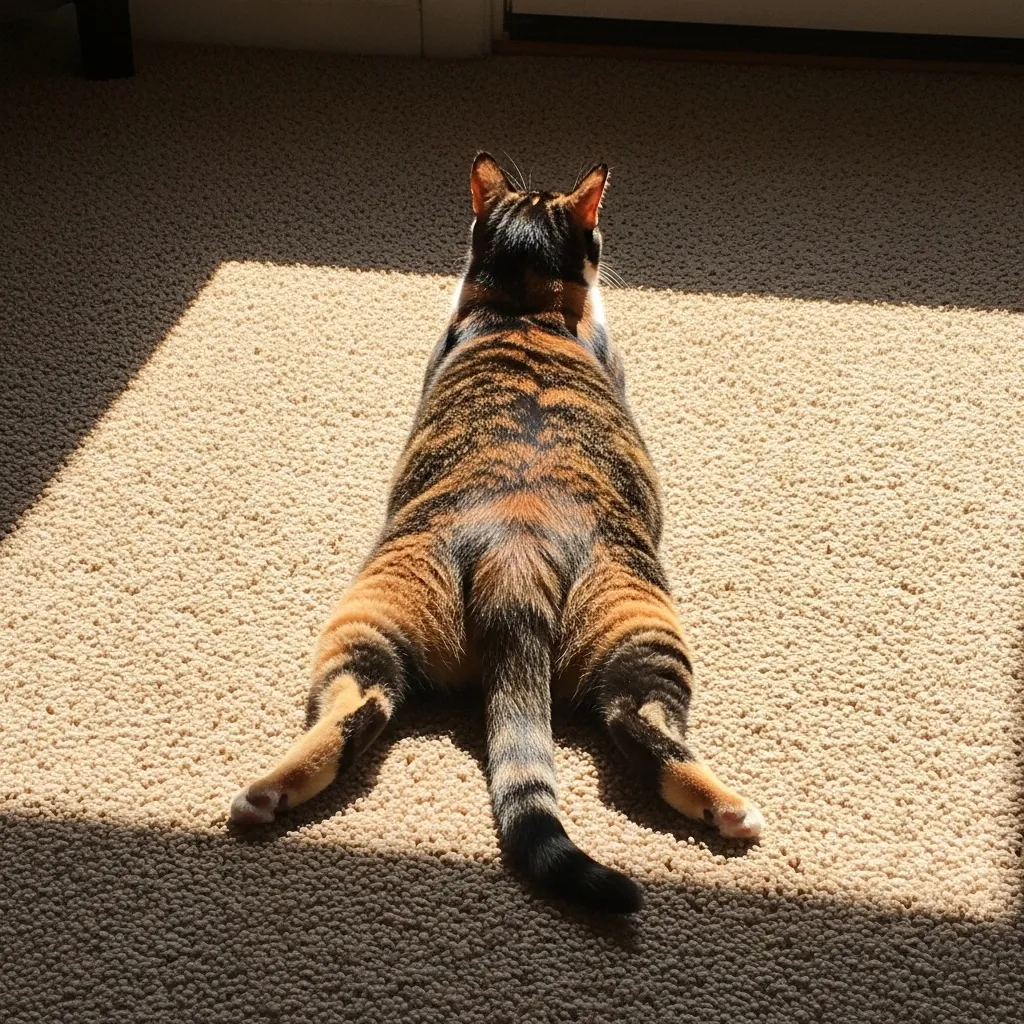
10. Why We Find It So Endearing
There’s something about a sploot that makes us smile. It’s vulnerable, silly, and completely unselfconscious. Our cats don’t care if they look goofy. They just do what feels good.
For us, it’s a reminder to be present and appreciate the simple joys. Watching a cat sploot is pure, unfiltered happiness.
It’s a little moment of peace in a busy day. And that’s pretty special.
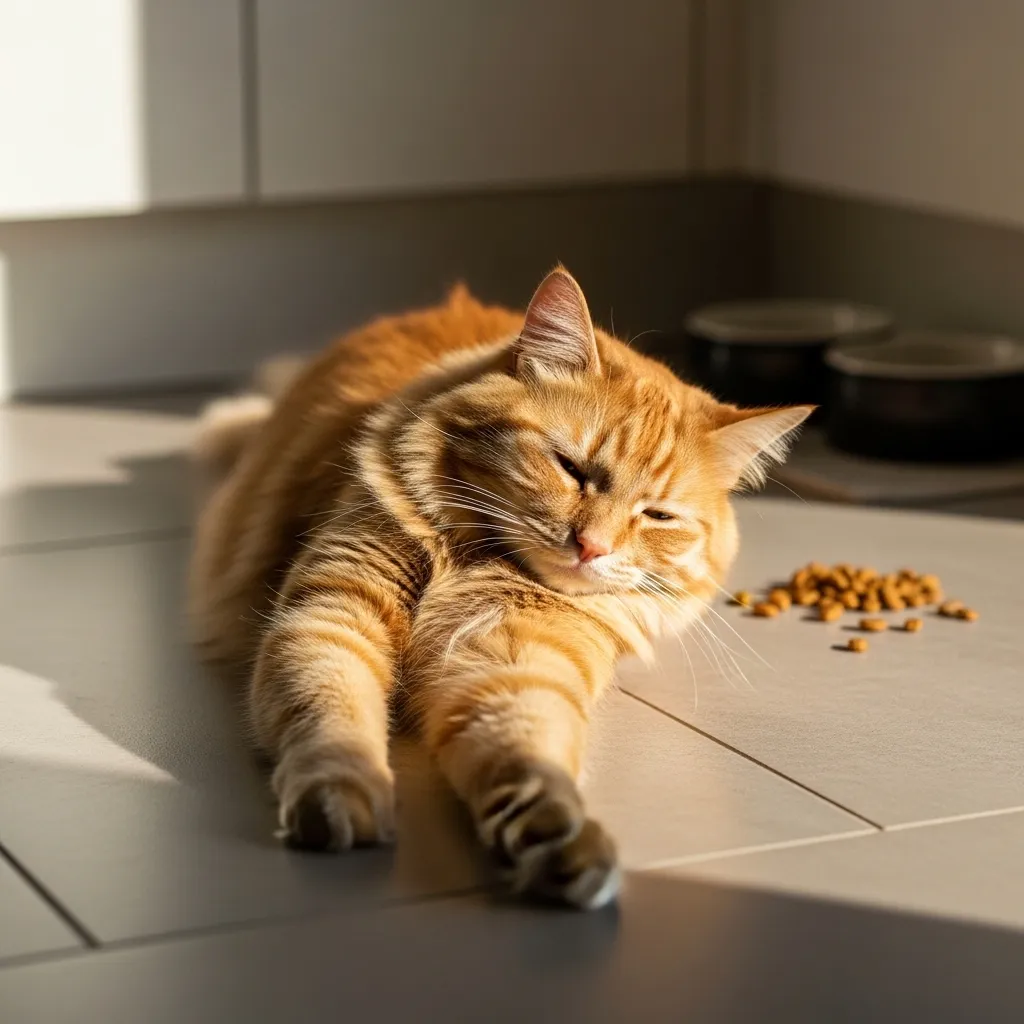
Conclusion
Splooting is one of those adorable cat behaviors that combines comfort, trust, and a dash of personality. Whether your cat is cooling off, stretching out, or just feeling safe, it’s a beautiful thing to witness.
Next time you see your cat in a full sploot, take a moment to appreciate it. Snap a picture, give them a gentle scratch, and know that you’ve earned their trust. It’s one of the best parts of being a cat parent.
Frequently Asked Questions (FAQ)
Is splooting bad for cats?
No, splooting is generally very safe and healthy for cats. It’s a natural stretch and relaxation pose. Only be concerned if your cat shows signs of pain or stiffness when changing positions.
Why does my cat only sploot on certain floors?
Cats often choose cool surfaces like tile or hardwood for splooting. It helps them regulate their body temperature. They might avoid carpet if they want a cooler spot.
Do all cats sploot?
Not all cats sploot, but many do. It depends on their flexibility, personality, and comfort level. Some cats prefer other lounging positions.
Can older cats sploot?
Yes, older cats can sploot too. It might help them stretch stiff joints. However, if an older cat suddenly starts splooting more, it’s worth monitoring for arthritis symptoms.
Should I encourage my cat to sploot?
You don’t need to encourage it. Just let your cat relax in their natural position. If they want to sploot, they will. Your job is simply to enjoy the cuteness.