7 Senior Dog Food Recipes That Boost Health & Vitality (Easy Homemade Meals!)

If you’re reading this, you probably have a sweet, gray-muzzled friend who’s slowing down just a little. I know the feeling—that moment when your once-zoomy pup now prefers a sunny spot on the floor and takes the stairs one at a time. It breaks your heart a little, but it also opens up a new chapter of caring for them. One of the best ways I’ve found to support my own senior dog is by making his food at home. When you control the ingredients, you can target exactly what their aging body needs: joint support, easier digestion, and a shiny coat that shows they’re thriving, not just surviving.
These senior dog food recipes aren’t just about filling a bowl. They’re packed with anti-inflammatory ingredients like turmeric and fish oil, gentle proteins that are easy on aging kidneys, and fiber-rich veggies to keep things moving. I’ve tested all of these on my picky 12-year-old Lab mix, and I’m sharing only the ones that got a tail-wagging approval. Let’s get cooking for your best friend!
1. Golden Years Turmeric & Chicken Stew
This is my go-to for days when my old guy seems stiff after a nap. The turmeric and ginger work together as a natural anti-inflammatory, while the shredded chicken is gentle on sensitive stomachs. It’s a warm, comforting meal that feels like a hug in a bowl.
- 1 lb ground chicken or finely chopped chicken breast
- 1 cup cooked brown rice or quinoa
- 1/2 cup chopped carrots and green beans
- 1/2 tsp ground turmeric (with a pinch of black pepper to activate it)
- 1 tbsp coconut oil
- Brown the chicken in a large pot with coconut oil, then add the veggies and 2 cups of water.
- Simmer for 15 minutes until veggies are soft, then stir in the cooked rice and turmeric.
- Let it cool completely before serving. Store leftovers in the fridge for up to 4 days.
2. Senior Salmon & Sweet Potato Brain Boost Bites
Omega-3s are the superheroes of senior dog diets, and salmon is packed with them. These little baked bites support cognitive function—think of them as brain food for your senior pup. The sweet potato adds a natural sweetness that even the pickiest eaters can’t resist.
- 1 can (15 oz) wild-caught salmon, drained
- 1 cup mashed sweet potato (about 1 medium)
- 1 egg
- 1/2 cup oat flour (just blend rolled oats in a blender)
- 1 tbsp flaxseed meal
- Preheat oven to 350°F (175°C). Mix all ingredients in a bowl until a thick dough forms.
- Scoop small dollops onto a baking sheet lined with parchment paper.
- Bake for 20-25 minutes until golden and firm. Let cool—these freeze beautifully!

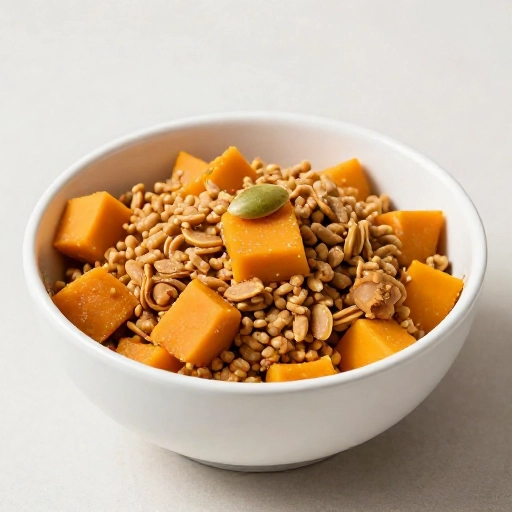
3. Gentle Pumpkin & Turkey Senior Soft Food
For dogs with dental issues or missing teeth, this soft, spoonable meal is a lifesaver. Pumpkin is a miracle worker for digestion—it helps with both diarrhea and constipation. The lean turkey provides high-quality protein without the fat that can be hard on older livers.
- 1 lb ground turkey (93% lean)
- 1 cup pure pumpkin puree (not pie filling!)
- 1/2 cup cooked and mashed zucchini
- 1/4 cup bone broth (unsalted, no onions)
- 1 tbsp chia seeds (soaked in water for 10 minutes)
- Brown the turkey in a skillet, breaking it up into small pieces.
- Add the pumpkin, zucchini, and bone broth. Stir well and simmer for 5 minutes.
- Remove from heat, mix in the soaked chia seeds, and let it cool to room temperature.
4. Beef & Blueberry Heart Health Muffins
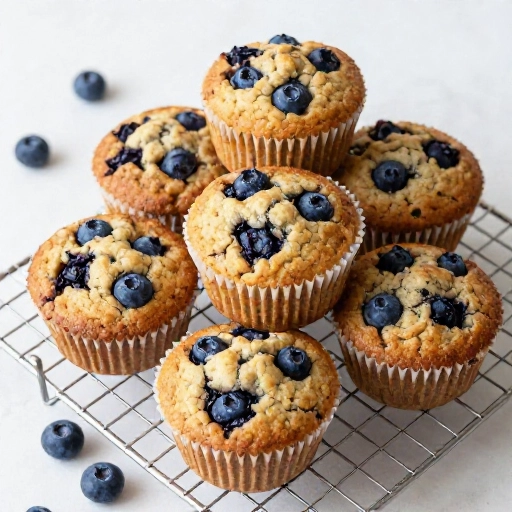
These little muffins are perfect for training treats or a midday snack. Blueberries are full of antioxidants that fight cellular damage, and the beef liver (if you add it) provides iron and B-vitamins. They’re dense and satisfying, so a little piece goes a long way.
- 1/2 lb ground beef (grass-fed is best)
- 1/2 cup fresh or frozen blueberries
- 1 cup whole wheat flour (or oat flour for sensitive tummies)
- 1 egg
- 1/4 cup plain unsweetened applesauce
- Preheat oven to 375°F (190°C). Brown the beef and drain any excess fat.
- In a bowl, mix the flour, egg, applesauce, and blueberries, then fold in the cooked beef.
- Spoon into a mini muffin tin and bake for 15-18 minutes. Store in the fridge for up to a week.
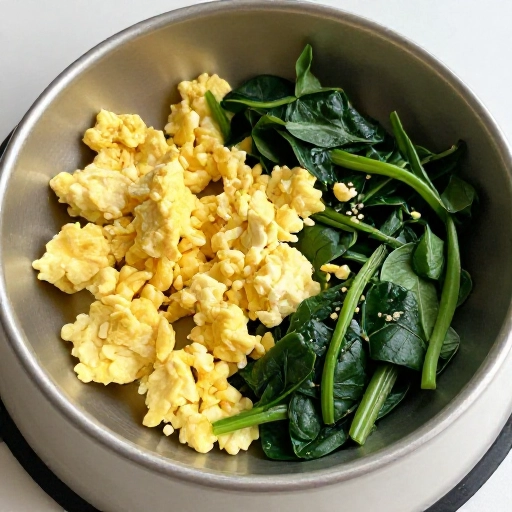
5. Easy Egg & Spinach Kidney-Friendly Scramble
Senior dogs often need lower phosphorus levels to protect their kidneys. Eggs are a fantastic, easily digestible protein that’s naturally low in phosphorus. This simple scramble is a great breakfast or dinner topper, and it comes together in under 10 minutes.
- 2 large eggs
- 1/4 cup chopped fresh spinach
- 1 tbsp cottage cheese (low-sodium)
- 1 tsp olive oil
- A pinch of dried parsley (for fresh breath)
- Heat the olive oil in a non-stick pan over medium-low heat.
- Whisk the eggs and pour them in. Add the spinach and cottage cheese, and gently scramble until just set.
- Let it cool slightly before adding to your dog’s regular food or serving alone.
6. Hip & Joint Hemp and Carob Cookies
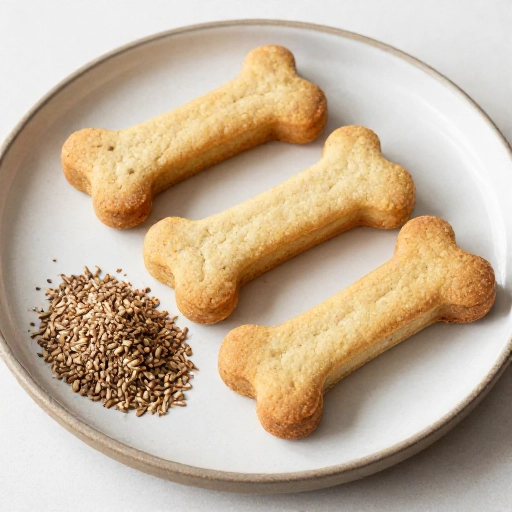
These aren’t just treats—they’re little joint-soothing powerhouses. Hemp seeds are rich in GLA (gamma-linolenic acid), which is known to reduce joint inflammation. Carob is a dog-safe alternative to chocolate that tastes like a sweet reward. Your senior will think they’re getting dessert!
- 1 cup oat flour
- 1/4 cup hemp seeds (shelled)
- 2 tbsp carob powder
- 1/4 cup creamy peanut butter (xylitol-free!)
- 1/4 cup warm water
- Preheat oven to 325°F (160°C). Mix all dry ingredients in a bowl.
- Add peanut butter and warm water, stirring until a dough forms. Knead gently.
- Roll out to 1/4-inch thickness, cut into bone shapes, and bake for 18-20 minutes until crisp.
Tips & Safe Baking Guidelines
Before you start a cooking marathon for your furry friend, here are a few things I’ve learned the hard way. First, always let everything cool completely before serving—hot food can burn a dog’s mouth just like it would yours. For storage, most of these recipes will keep in an airtight container in the fridge for 3-4 days. If you’re batch cooking, freeze portions in ice cube trays or silicone molds, then pop them out and store in freezer bags. They’ll last for up to 3 months.
When it comes to safety, there are a few non-negotiables in my kitchen. Never use xylitol (a common sweetener in peanut butter) as it’s toxic to dogs. Always check that your bone broth has no onions or garlic. And please, always introduce any new food gradually—start with a small amount mixed with their current food to avoid tummy upsets. When in doubt, run the recipe by your vet, especially if your dog has a chronic condition like kidney disease or diabetes.
One more tip: senior dogs often need a little more moisture in their diet to support kidney function. If you notice your dog isn’t drinking enough, add a splash of warm water to any of these recipes before serving. It makes the food more aromatic and encourages them to eat.
Conclusion: Small Kitchen Efforts, Big Tail Wags
I know it might feel overwhelming to start cooking for your senior dog, but trust me, it’s so worth it. I’ve seen my own dog’s energy improve, his coat get softer, and his enthusiasm at meal time return. You don’t have to make every meal from scratch—even adding one of these recipes a few times a week can make a huge difference. Start with the easiest one, like the Egg & Spinach Scramble, and see how your pup responds. Your senior companion has given you years of unconditional love—a little time in the kitchen is a beautiful way to say thank you.
Frequently Asked Questions
How many calories should a senior dog eat per day?
Senior dogs typically need about 10-20% fewer calories than adult dogs because their metabolism slows down. A good rule of thumb is 25-30 calories per pound of body weight, but this varies by activity level. Always check with your vet for a precise number, especially if your dog has health conditions.
Can I mix homemade food with commercial kibble?
Yes, absolutely! In fact, this is a great way to start. Mixing a spoonful of homemade food on top of their regular kibble adds moisture, flavor, and extra nutrients. Just be mindful of portion sizes so you don’t overfeed. Start with a 25% homemade to 75% kibble ratio and adjust based on your dog’s weight.
What ingredients should I avoid for senior dogs?
Steer clear of onions, garlic, grapes, raisins, macadamia nuts, and anything with xylitol. Also, be cautious with high-fat meats (like bacon) which can cause pancreatitis in older dogs. Limit sodium and avoid foods with artificial preservatives or colors. Stick to whole, single-ingredient foods.
How do I know if my senior dog is allergic to a new recipe?
Watch for signs like excessive scratching, red or inflamed ears, diarrhea, or vomiting within 24 hours of eating a new food. That’s why it’s so important to introduce new recipes slowly—give just a small bite first and wait a day. If you see any adverse reactions, stop feeding that recipe and call your vet.
Is it cheaper to make homemade dog food than buying senior formulas?
It can be, especially if you buy ingredients in bulk and use what you have on hand (like leftover pumpkin or eggs). However, if you’re using premium proteins like wild-caught salmon or organic beef, costs can add up. A great budget-friendly approach is to use these recipes as toppers or treats, not full meals, which keeps costs low while still giving health benefits.