10 Dog Puzzle Toys That Challenge Their Brain
If you have a dog at home, you already know they need more than just food and walks. A bored dog can quickly become a chewed-up shoe or a dug-up flower bed. I have been there too, and I found that the best way to keep my pup happy and out of trouble is to give them a good mental workout.
Puzzle toys are perfect for this. They make your dog think, sniff, and problem-solve. It is like a fun brain game for them. In this post, I am sharing ten of my favorite dog puzzle toys that will challenge their brain and keep them busy for a long time.
Let’s get those tails wagging and those brains working.
1. The Classic Treat-Dispensing Ball
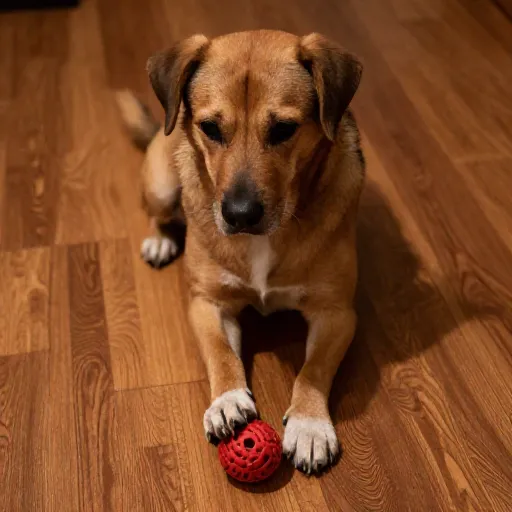
This is the toy I started with, and it is still a winner. It is a simple hollow ball with a hole you can fill with kibble or treats. As your dog pushes it around, pieces fall out one by one.
It teaches patience and persistence. Your dog learns that rolling the toy in a certain way gives them a reward. It is great for all ages, from puppies to seniors.
Just make sure you pick a size that is too big to swallow. You want a challenge, not a choking hazard.
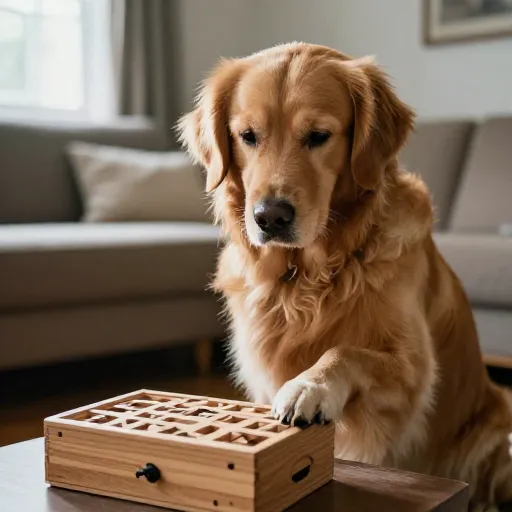
2. The Sliding Puzzle Box
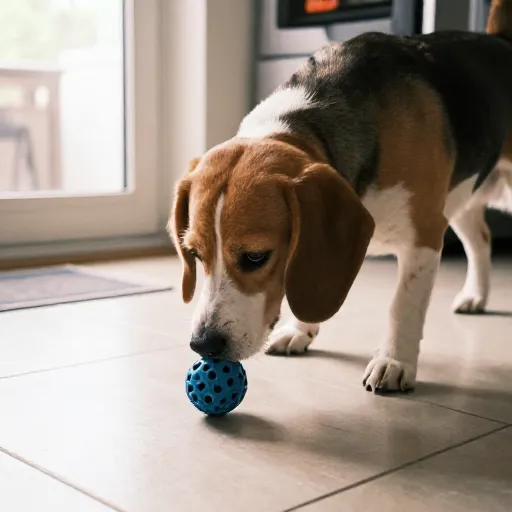
This toy looks like a small box with sliding compartments. You hide treats under little covers or blocks, and your dog has to slide them open with their nose or paw.
I love this one because it is quiet and not too messy. It is perfect for indoors, especially on rainy days. Some dogs get it quickly, others take a little time. That is okay.
Start with one or two compartments open so they understand the game. Then close them all and watch them figure it out.
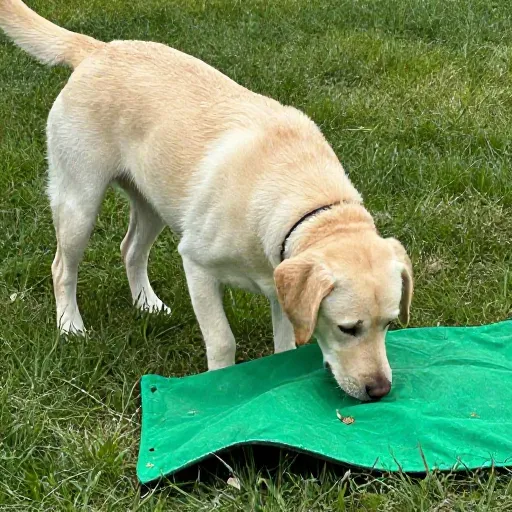
3. The Snuffle Mat
A snuffle mat is like a patch of fake grass with lots of fabric strips. You sprinkle dry treats or kibble deep into it, and your dog uses their nose to sniff them out.
This taps into their natural foraging instinct. It is very calming for anxious or high-energy dogs. My dog loves to spend ten minutes just sniffing and searching.
You can also use it for their whole meal. Just scatter their dinner into the mat and let them find it. It turns eating into a fun game.
4. The Tumbler Puzzle
This toy has several cups or tumblers that spin around. You hide a treat under one cup, and your dog has to spin it to get the treat out.
It is a step up from a simple ball. Your dog needs to use their paw or nose to rotate each cup. It is a great way to build coordination and focus.
Some versions have a base that stays still while the cups move. That makes it easier for beginners. You can increase the difficulty later.
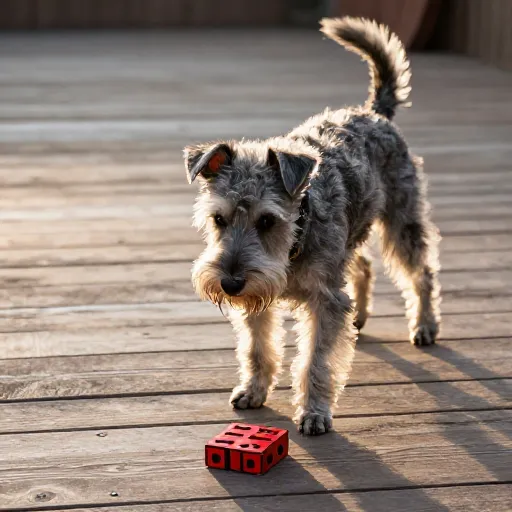
5. The Puzzle Board with Lids and Sliders
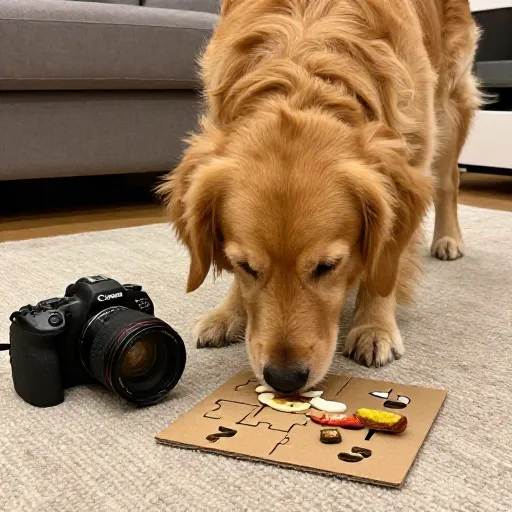
This is a flat board with different compartments. Some have sliding lids, some have flip-up covers, and some have knobs to pull. You hide treats in each spot.
It is like a little treasure map for your dog. They have to try different actions to find all the rewards. It keeps their brain busy for a good fifteen minutes.
I recommend starting with the easiest compartments first. Let them win a few times before you mix it up. Confidence is key.
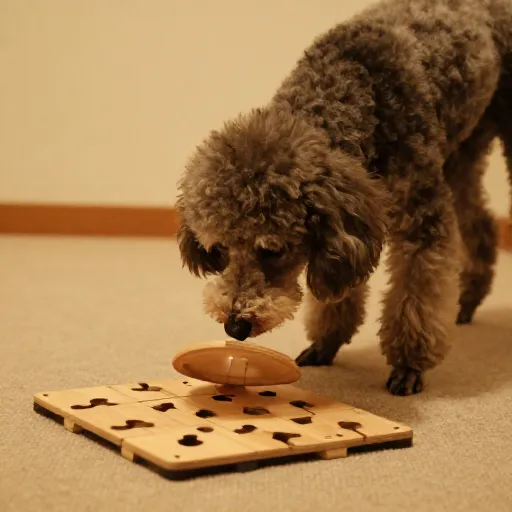
6. The Wobbler Toy
A wobbler is a sturdy, weighted toy that wobbles but does not tip over easily. It has a hole at the top where you drop treats. When your dog bumps it, treats fall out.
It is unpredictable, which makes it very exciting. Your dog never knows exactly when a treat will come out. That keeps them engaged and trying again and again.
This toy is also great for slow feeders. It forces your dog to work for every bite, so they eat slower and feel fuller.
7. The Spinner Puzzle
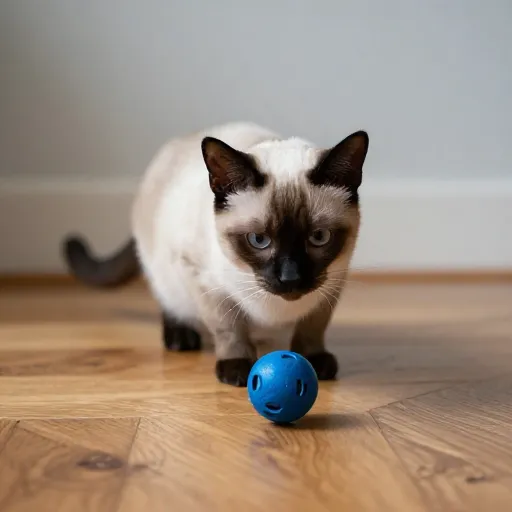
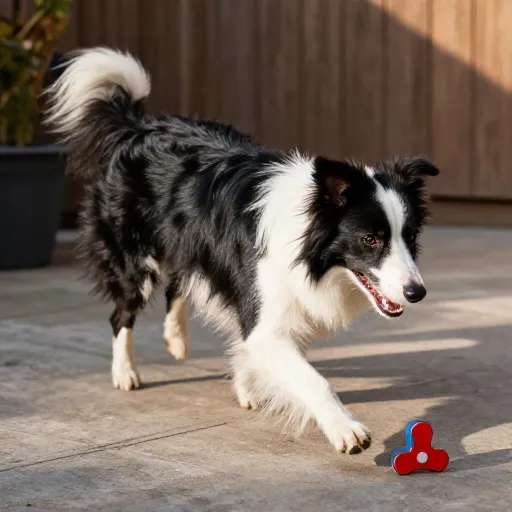
This one has a central post with rings or flaps that spin around. You hide treats under or behind the moving parts. Your dog has to spin, push, or lift to get them.
It is a bit like a game of whack-a-mole. Your dog learns that certain movements release the treats. It is challenging but very rewarding.
I like this one for smart dogs who need a bigger challenge. It keeps them from getting bored with easier puzzles.
8. The Hide-and-Seek Plush Toy
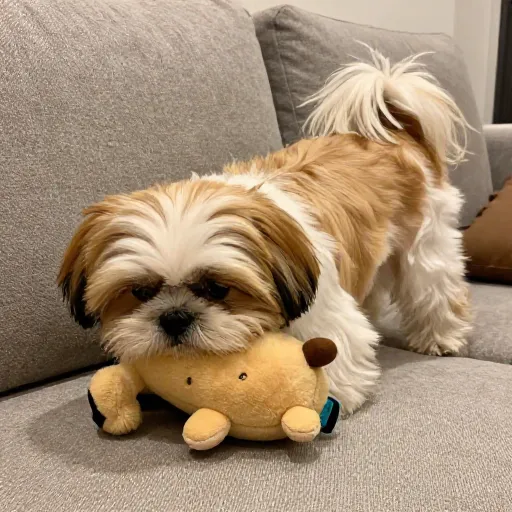
This is a soft toy with pockets or pouches where you hide smaller squeaky toys. Your dog has to find and pull out each hidden toy.
It is perfect for dogs who love to dig and search. It is also quieter than plastic puzzles, so it is good for apartment living. My dog loves to carry the little toys around after she finds them.
Just watch that they do not tear the fabric. For super chewers, look for reinforced seams.
9. The Treat Tower
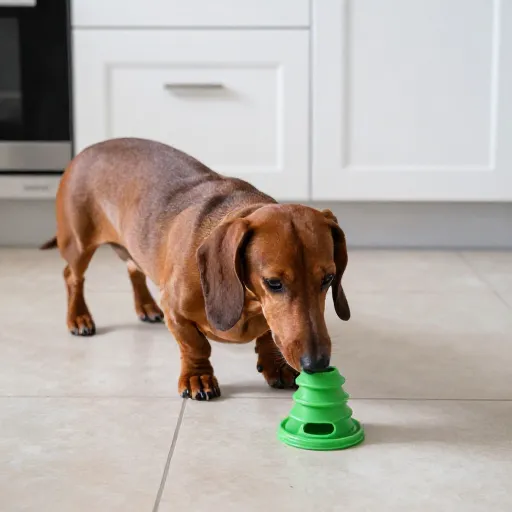
A treat tower is a vertical puzzle with multiple levels. You drop treats in the top, and your dog has to spin or push rings to make the treats fall down to the bottom.
It is like a fun vending machine for dogs. They have to figure out the order of actions to get the reward. It can take a few tries, but once they get it, they love it.
This toy is great for teaching problem-solving in steps. It is a bit more advanced, so save it for when your dog is ready.
10. The DIY Puzzle Toys
You do not always need to buy a toy. You can make your own puzzle at home. One easy idea is to put treats in a muffin tin and cover each cup with a tennis ball. Your dog has to lift the ball to find the treat.
Another idea is to roll treats inside a towel and let them unroll it. Or hide treats under cups or boxes. It is cheap, easy, and your dog will love the surprise.
Just be creative and make sure everything is safe. No small parts or sharp edges. The goal is fun, not frustration.
Conclusion
Puzzle toys are a fantastic way to keep your dog’s brain sharp and their energy focused. They help with boredom, anxiety, and even bad behavior. Whether you buy a fancy toy or make your own, the important thing is to spend time playing with your dog.
Start easy, cheer them on, and watch them grow smarter every day. Your dog will thank you with happy tail wags and a calm, contented heart.
Now go grab a treat and a puzzle toy. Your dog is ready for the challenge.
[[IMG:IMG12]]
Frequently Asked Questions
1. Are puzzle toys good for all dog breeds?
Yes, most dogs enjoy puzzle toys. But some breeds are more naturally curious than others. Herding and hunting breeds often take to puzzles quickly. Even a lazy lap dog can enjoy a simple snuffle mat.
2. How long should my dog play with a puzzle toy?
Start with 5 to 10 minutes. You want them to be challenged but not frustrated. If they give up, make the puzzle easier. You can increase the time as they get better.
3. Can puzzle toys replace walks?
No, they are not a replacement. Dogs still need physical exercise and fresh air. Puzzle toys are a great addition to walks, not a substitute. Think of them as dessert, not the main meal.
4. My dog is not interested in puzzle toys. What should I do?
Try using high-value treats like cheese or chicken. Show them how the toy works a few times. Sometimes dogs need a little help to understand the game. Be patient and make it fun.
5. Are puzzle toys safe for puppies?
Yes, but choose toys that are sized for small mouths. Avoid anything with small parts that could break off. Supervise your puppy the first few times to make sure they play safely.