10 Poodle Puppy Training Secrets Every Owner Needs
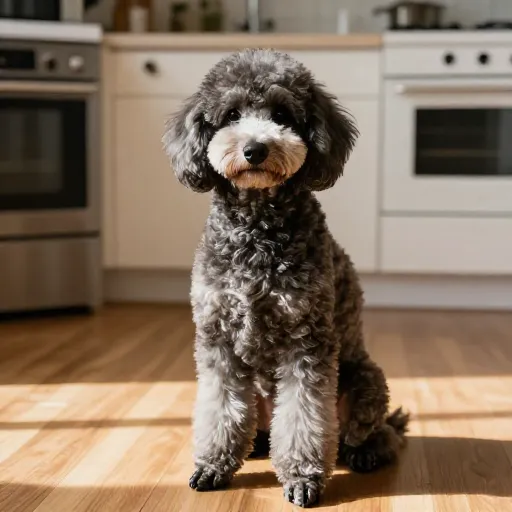
Bringing home a poodle puppy is like inviting a tiny, fluffy genius into your life. They are smart, eager to please, and yes—they know exactly how to use those big, soulful eyes to get an extra treat. But that cleverness can backfire if you don’t start training the right way from day one.
I’ve raised a few poodles over the years, and let me tell you, they are not like other dogs. They learn fast, but they also get bored fast. If you repeat the same drill over and over, they will check out mentally. That’s why I put together these ten secrets that actually work for the poodle mind. No fluff, just real tips.
Whether you have a toy, miniature, or standard, these training secrets will help you build a bond that lasts a lifetime. And yes, a few of them might save your favorite pair of shoes.
1. Start with the “Watch Me” Game
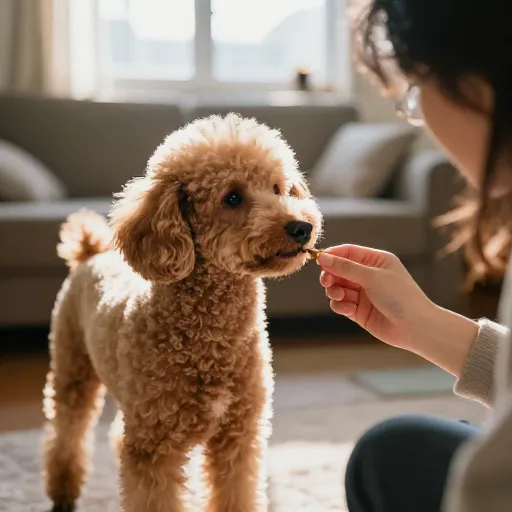
Before you teach sit or stay, teach your poodle to focus on you. Poodles are visual learners—they watch your face, your hands, your mood. Play the “watch me” game by holding a treat near your eye and saying your puppy’s name. The moment they look at you, mark with a “yes” and reward.
Do this in short bursts, like five reps at a time. This simple trick builds eye contact and attention, which makes every other command easier. Plus, it’s super cute when they lock eyes with you like you’re the most interesting person in the room.
2. Use High-Value Treats (But Not All the Time)
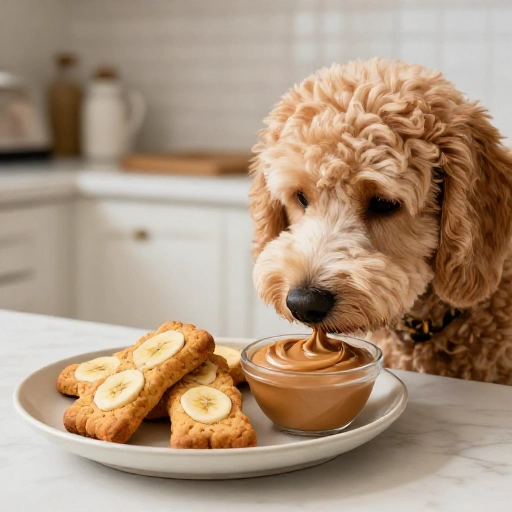
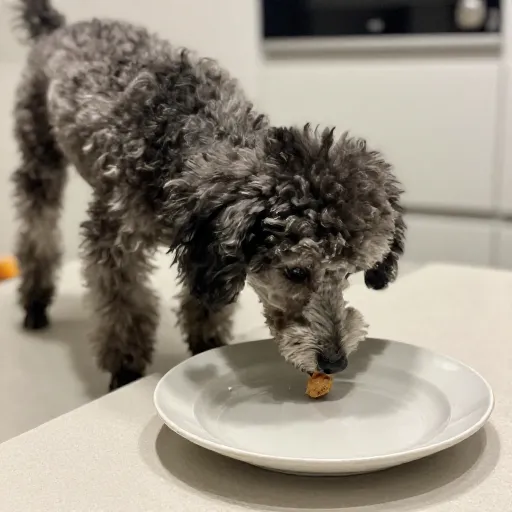
Poodles are food-motivated, but they get picky. Save the really good stuff—like tiny bits of cheese or freeze-dried liver—for hard tasks. Use kibble or boring biscuits for easy stuff like “sit” in the living room.
Mix it up so your puppy never knows when a jackpot reward is coming. That keeps them guessing and working harder. Also, break treats into pea-sized pieces. You don’t want a chubby poodle who only works for steak.
3. Teach “Settle” on a Mat
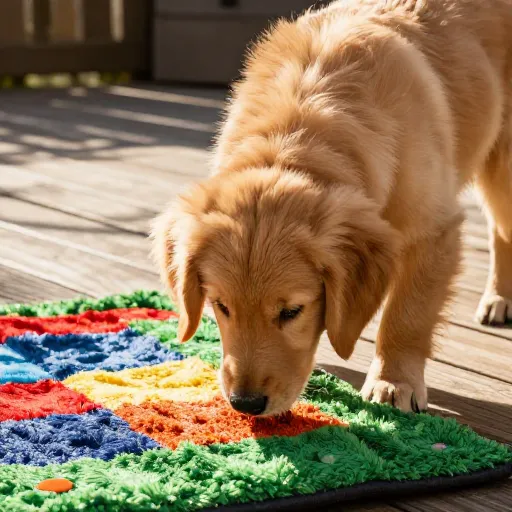
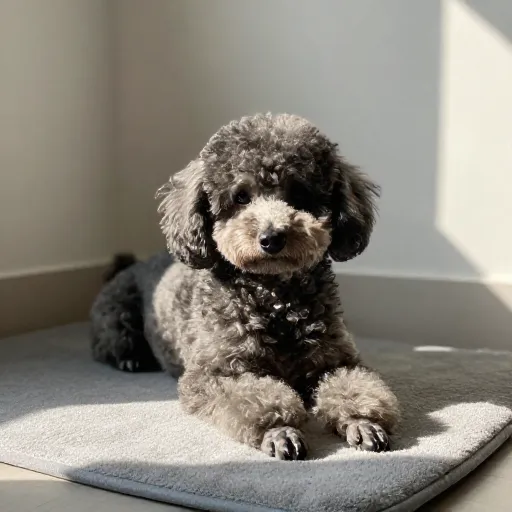
Poodle puppies can be little tornadoes. They zoom around, jump on guests, and get overexcited fast. Teach a “settle” command by rewarding your puppy for lying calmly on a mat. Start with a few seconds, then build up to a minute.
Use a specific mat or towel that only appears during settle time. Over time, your puppy will associate that mat with chill mode. This is a lifesaver when you’re eating dinner or working from home.
4. Make Crate Training Feel Like a Spa Day
Don’t just shove your poodle in a crate and hope for the best. Make it cozy and inviting. Throw in a soft blanket, a safe chew toy, and maybe an old t-shirt that smells like you. Feed meals inside the crate with the door open.
Once they’re comfortable, close the door for two minutes while you sit nearby. Gradually increase the time. A poodle who loves their crate will see it as a safe den, not a punishment. This makes housebreaking and travel so much easier.

5. Never Repeat a Command
Here’s a hard truth: if you say “sit” five times and your puppy ignores you, you’ve just taught them that “sit” means “ignore.” Instead, say a command once. If they don’t do it, help them into the position, reward, and move on.
Poodles are too smart to fall for nagging. They learn very quickly that the first time is the only time that counts. Consistency matters more than volume. Speak once, mean it.
6. Use a Marker Word, Not Just a Clicker
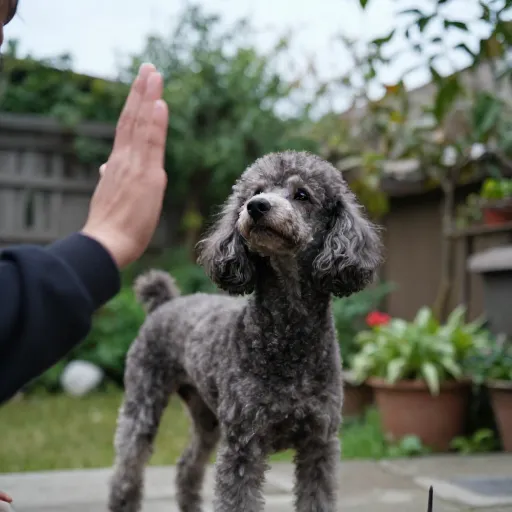
Clickers are great, but you don’t always have one in your pocket. Use a sharp, happy word like “yes!” as your marker. Say it the exact second your puppy does the right thing, then follow with a treat.
The beauty of a marker word is that you can use it anywhere—on a walk, at the vet, in the backyard. Your poodle will learn that “yes” means a reward is coming, and they’ll work harder to earn it. Keep your tone bright and consistent.
7. Practice Handling Early
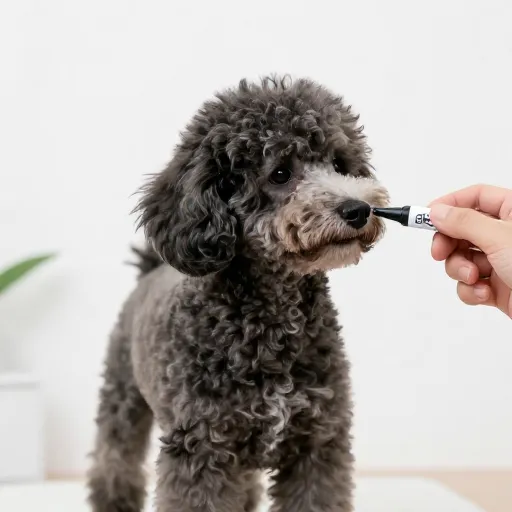
Poodles need regular grooming, so get your puppy used to being touched everywhere. Touch their paws, ears, tail, and mouth while giving treats. Make it a daily game for the first few weeks.
If your puppy squirms, don’t force it. Go slower, reward calm behavior. A poodle who trusts you during grooming sessions will save you both a lot of stress later. Trust me, a squirming poodle covered in shampoo is not fun.
8. Train in Short, Fun Bursts
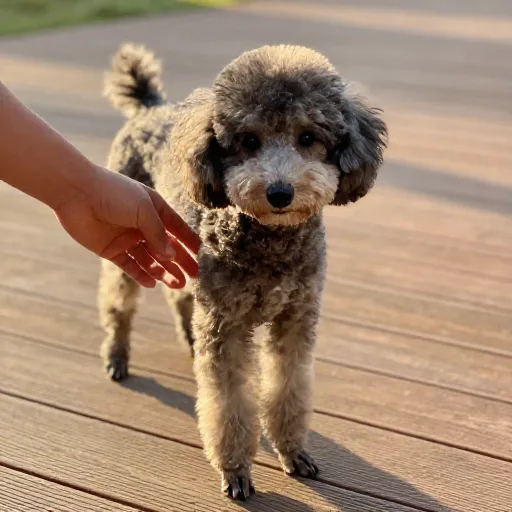
Poodle puppies have short attention spans. Five minutes of training, three times a day, beats one long boring session. Keep it playful. If your puppy gets distracted or frustrated, end on a win with a simple trick they know.
Always stop while they’re still having fun. That way, they’ll be excited for the next session. Training should feel like a game, not homework. Poodles thrive on joy and connection.
9. Socialize Slowly and Positively
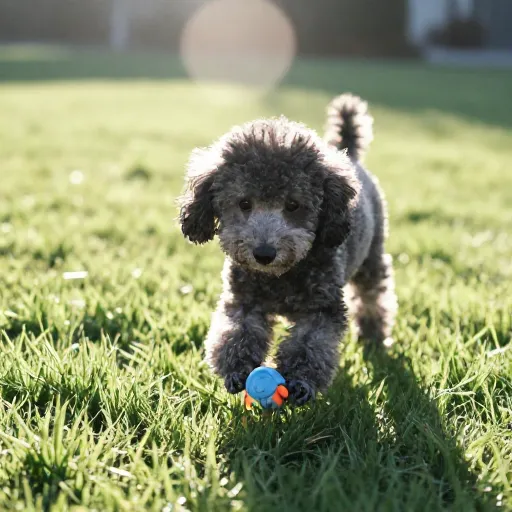
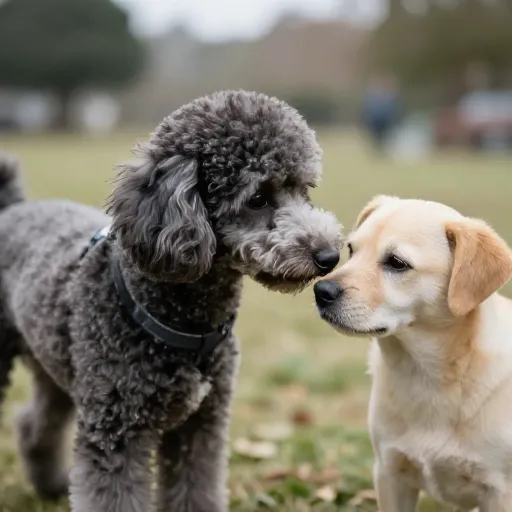
Poodles can be shy or nervous if not socialized well. Introduce new people, places, and sounds gently. Let your puppy approach at their own pace. Always pair new experiences with treats and praise.
Don’t force them into scary situations. A bad experience can set back training by weeks. The goal is a confident, curious poodle who thinks the world is full of good things. Go slow, be patient, and watch them bloom.
10. End Every Session with a Cuddle
After all the training and play, wind down with quiet cuddle time. Poodles are velcro dogs—they bond deeply with their humans. That bond is the foundation of all training. When your puppy feels safe and loved, they’ll trust you completely.
Plus, a tired, snuggly poodle puppy is the best feeling in the world. Enjoy those calm moments. They grow up fast, and those early days of training and bonding are precious.
Conclusion
Training a poodle puppy isn’t about perfection. It’s about building a relationship based on trust, fun, and clear communication. You don’t need to be a professional trainer. You just need patience, consistency, and a pocket full of treats.
Every poodle is a little different. Some are goofy clowns, others are serious thinkers. Learn to read your puppy’s cues and adjust. The more you understand each other, the smoother training will be.
And remember, the puppy phase flies by. Even the frustrating moments will become funny stories later. So take a deep breath, enjoy the process, and celebrate every small win. You’ve got this.
Frequently Asked Questions
At what age should I start training my poodle puppy?
You can start the day you bring them home, around 8 weeks old. Keep sessions very short and positive. Focus on bonding and basic cues like sit and name recognition.
Are poodles hard to potty train?
Poodles are generally clean dogs and can be potty trained fairly quickly if you’re consistent. Take them out frequently, reward success, and use a crate to prevent accidents.
How do I stop my poodle puppy from biting?
Redirect biting to a toy and say “ouch” in a high-pitched voice when they nip. Poodles learn bite inhibition fast if you’re consistent. Never punish—just redirect and reward gentle play.
Do poodles need professional training classes?
Not necessarily, but puppy classes can help with socialization. If you’re committed to training at home, you can teach everything yourself. Just stay consistent and patient.
How long does it take to train a poodle puppy?
Basic cues can be learned in a few weeks with daily practice. More complex behaviors take months. Training is an ongoing process, but poodles are fast learners when you keep it fun.