13 Signs You Have a Scaredy Cat
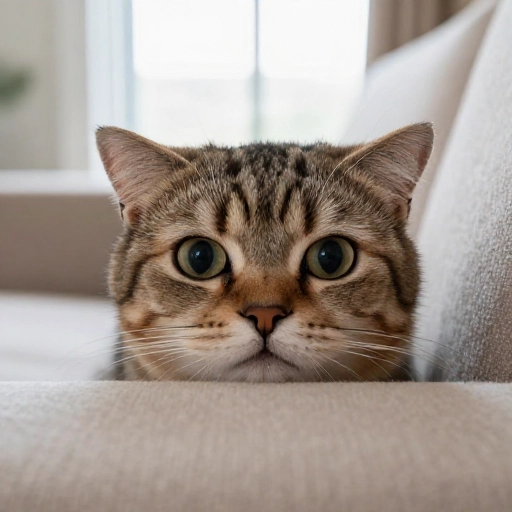
I’ve lived with cats my whole life, and I’ve learned that every feline has a unique personality. Some are bold explorers who investigate every cardboard box, while others prefer to observe the world from behind the sofa. If you’ve ever wondered whether your kitty is a little more timid than most, you’re not alone.
Understanding your cat’s fear signals is the first step to helping them feel safe and loved. It’s not about “fixing” them—it’s about meeting them where they are. Let’s look at 13 common signs that your cat might be a true scaredy cat, and what you can do to help them relax.
Remember, every cat is different. Some of these signs might be subtle, while others are hard to miss. The key is to observe without judgment and offer gentle support.
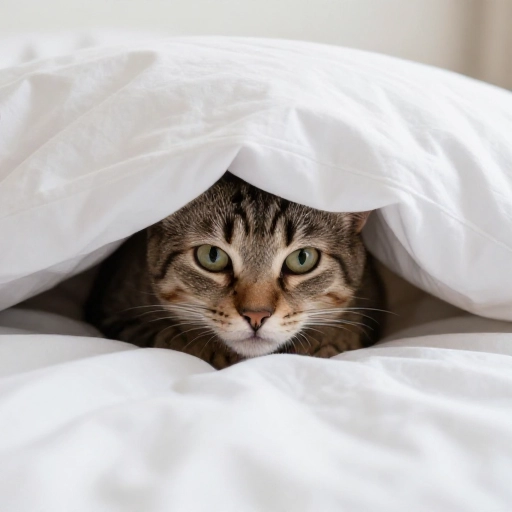
1. They Hide at the Slightest Noise
Does your cat vanish under the bed when the doorbell rings or the mail slot flaps? This is a classic sign. A scaredy cat treats unexpected sounds like a five-alarm fire.
They might bolt for a closet, under the couch, or behind the washing machine. It’s not about being dramatic—it’s a survival instinct. Even a dropped spoon can send them scrambling.
If this sounds familiar, try creating a few “safe zones” with cozy beds or blankets in quiet corners. Let them retreat whenever they need.
2. They Freeze in Place
Sometimes, instead of running, a scaredy cat will freeze. You might see them stop mid-step, ears flat, eyes wide. They’re trying to blend into the background.
This is often called “tonic immobility.” It’s their way of hoping the scary thing won’t notice them. If you see this, don’t approach or try to soothe them loudly. Give them space and time to unfreeze on their own.
3. They Avoid Eye Contact
In cat language, direct staring is a challenge or a threat. A frightened cat will look away, turn their head, or even squint. They’re trying to say, “I’m not a threat, please don’t hurt me.”
If your cat avoids your gaze, try slow blinking at them. A slow blink is like a cat kiss—it says you’re safe. If they blink back, you’ve just had a sweet, silent conversation.
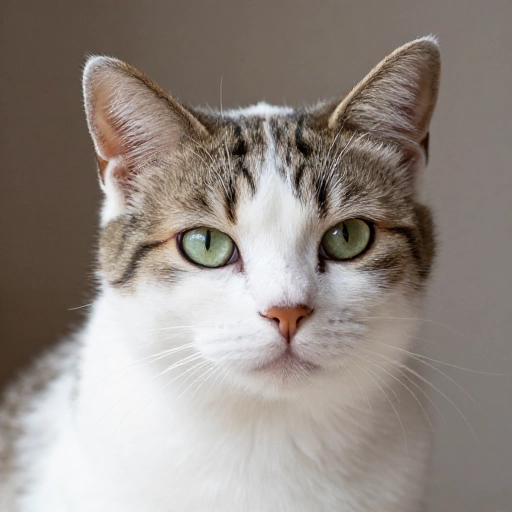
4. They Flatten Their Ears
Ears pinned flat against the head is a universal cat sign for fear or anxiety. It makes them look smaller and less noticeable to a potential threat.
You might see this when a stranger enters the room, when there’s a loud car outside, or even when you pick up the vacuum cleaner. It’s a clear signal that your cat is on high alert.

5. They Tuck Their Tail
A happy cat carries their tail high like a flag. A scaredy cat tucks their tail between their legs or wraps it tightly around their body. It’s a physical way of shrinking.
Look for this when your cat is in a new place or meeting a new person. It’s a quiet clue that they feel vulnerable. Give them a cozy spot and let them come out when ready.
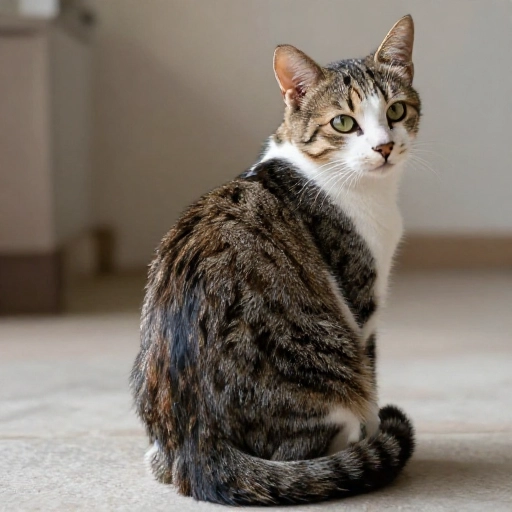
6. They Have a Puffed-Up Tail
This one is easier to spot—a tail that looks like a bottle brush. It’s an instinctive reaction to make themselves look bigger and scarier to whatever is frightening them.
You might see this during a surprise encounter with another animal, a loud noise, or a sudden movement. It’s pure adrenaline. Once the trigger is gone, the tail will usually flatten back down.
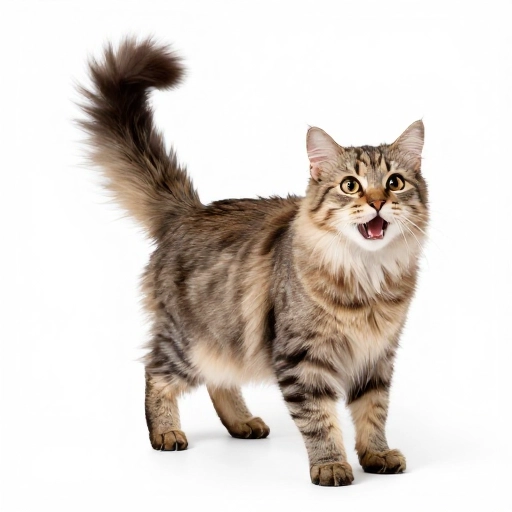
7. They Crouch Low to the Ground
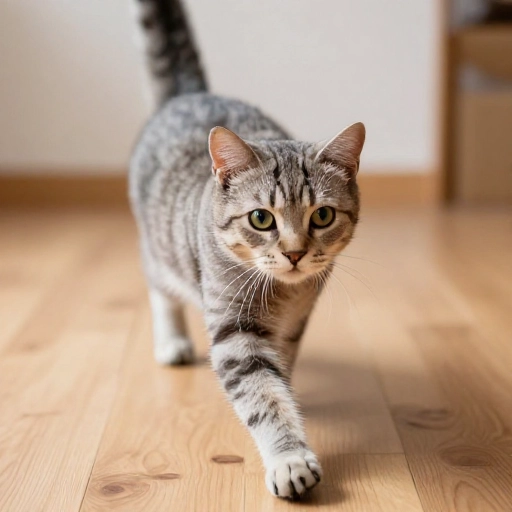
A scaredy cat often moves in a low, slinking crouch. They keep their belly close to the floor, ready to bolt or hide. It’s the opposite of a confident, striding cat.
This posture says, “I don’t feel safe here.” If you see this often, check your home for potential stressors. Maybe a window view of a neighbor’s dog is making them nervous.
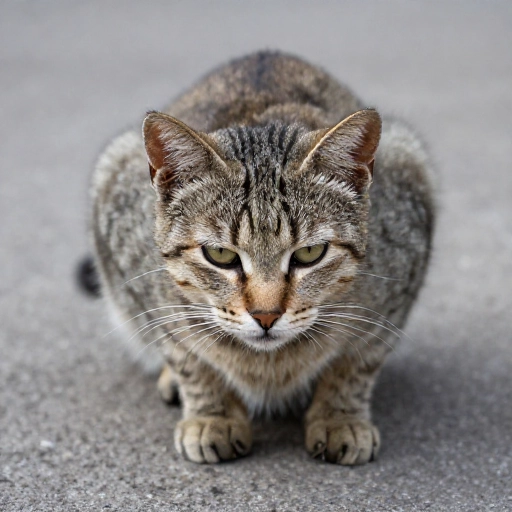
8. They Startle Easily
Some cats react to the tiniest surprise—a leaf blowing past the window, a dropped sock, a sudden movement from you. They might jump, hiss, or swat at nothing.
This hyper-vigilance is exhausting for them. Try to move slowly around your cat and announce your presence with a soft voice before you enter a room. Predictability helps.
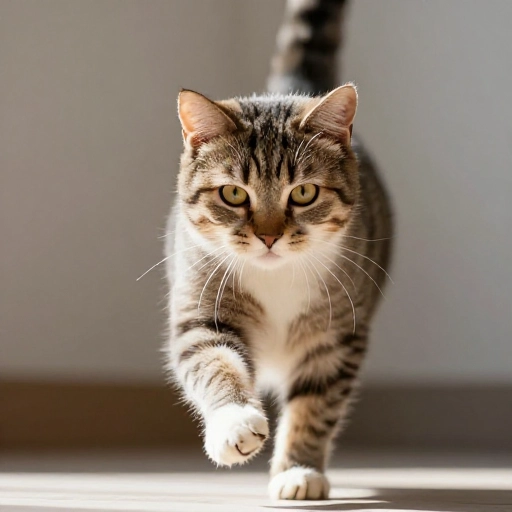
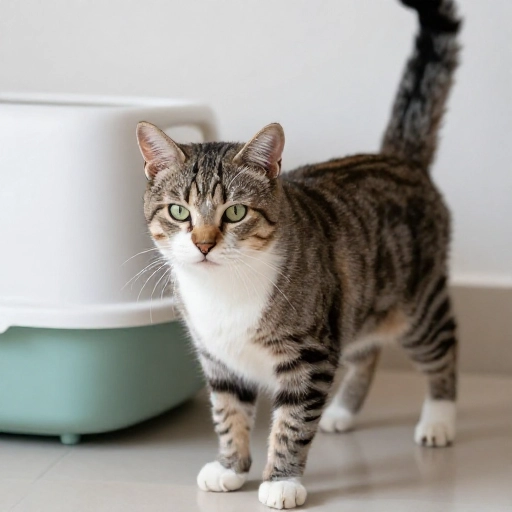
9. They Refuse to Use the Litter Box
Fear can cause litter box avoidance. If your cat is scared of a specific spot, a loud appliance near the box, or even another pet guarding the area, they might hold it or go elsewhere.
Check if the box is in a quiet, low-traffic area. Avoid sudden changes in litter type or box location. A scaredy cat needs a bathroom that feels truly private and safe.
10. They Over-Groom or Pull Out Fur
Sometimes fear turns inward. A stressed cat might lick themselves obsessively, sometimes causing bald patches. It’s a self-soothing behavior, like a person biting their nails.
If you notice this, talk to your vet to rule out medical issues. Then look at what might be causing chronic stress in your home. Calming pheromone diffusers can sometimes help.
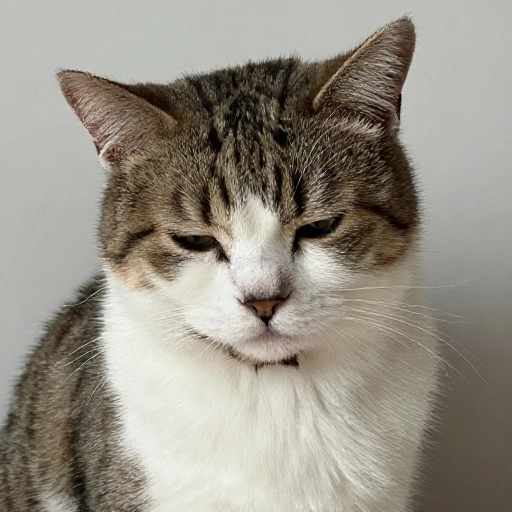
11. They Have a Tense, Stiff Body
A relaxed cat has loose, soft muscles. A scaredy cat often looks rigid, with their back slightly arched and muscles bunched. They’re ready to fight or flee at any second.
You can sometimes feel the tension when you pet them. If they stiffen up, it’s a sign to stop and give them space. Gentle, predictable routines can help them relax over time.
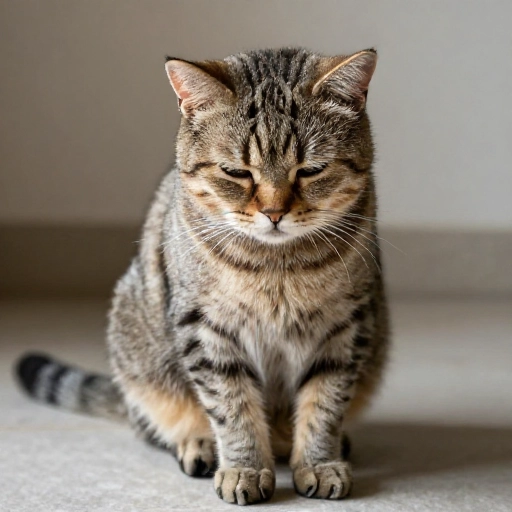
12. They Hiss or Growl at New Things
Hissing and growling are clear warnings. A scaredy cat uses them to say, “Back off.” They might hiss at a new toy, a visitor, or even a piece of furniture you brought home.
Don’t punish this behavior. It’s communication. Instead, introduce new things slowly. Let the cat approach the new object on their own terms, from a safe distance.

13. They Won’t Eat in Front of You
Eating is a vulnerable activity for cats. A truly scaredy cat might wait until you leave the room to approach their food bowl. They might only eat at night when the house is quiet.
If your cat does this, try sitting quietly across the room while they eat. Don’t stare. Over time, they may learn that mealtime is safe, even with you nearby.

Conclusion
Having a scaredy cat can be a gentle lesson in patience and trust. Your kitty isn’t trying to be difficult—they’re just wired to be careful. The best thing you can do is create a calm, predictable home and let them set the pace.
Small wins matter. Maybe today they stayed in the room when you walked by. Maybe they took a treat from your hand. Celebrate those moments. Your quiet presence is the safest thing in their world.
Frequently Asked Questions
Can a scaredy cat ever become brave?
Yes, many timid cats become more confident with time and gentle support. It’s not about changing their personality, but helping them feel secure enough to explore. Some will always be a little shy, and that’s okay.
Should I force my cat to face their fears?
No, never force a scaredy cat into a scary situation. That can make the fear worse. Instead, use gradual, positive exposure. Let them approach new things at their own speed, with lots of treats and praise.
What is a “safe zone” for a fearful cat?
A safe zone is a quiet, low-traffic area where your cat can retreat. It could be a closet with a soft bed, a covered cat cave, or a high shelf. No one should bother them there, not even you.
Do calming products really help scaredy cats?
Many cat owners find success with pheromone diffusers, calming collars, or herbal sprays. They’re not magic, but they can take the edge off. Always check with your vet before trying anything new.
When should I call the vet about my cat’s fear?
If your cat’s fear is causing them to stop eating, hiding for days, or hurting themselves, it’s time for a vet visit. Sudden behavior changes can also signal a medical problem. Your vet can offer advice and rule out pain.