13 Reasons Your Dog Chews Everything (And How to Stop It)
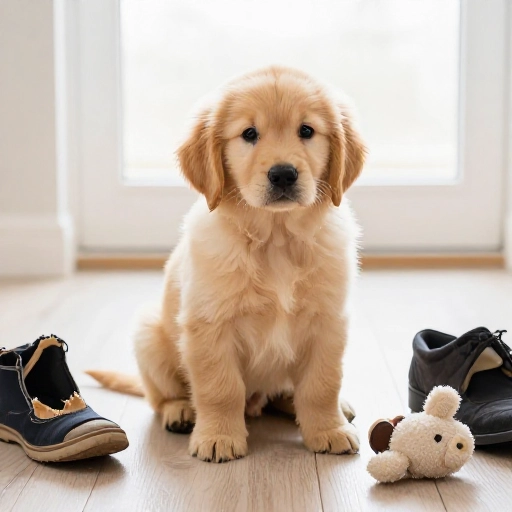
Walking into your living room to find your favorite shoes in shreds is a feeling no pet parent loves. I’ve been there—more times than I care to count. For a long time, I thought my dog was just being naughty. But the truth is, chewing is a natural dog behavior. The key is figuring out the reason behind it.
Dogs don’t chew to be spiteful. They chew because they’re bored, anxious, teething, or even hungry. Once you understand the “why,” you can fix the problem without losing your cool (or your furniture). Let’s dive into the thirteen most common reasons your pup turns your house into a chew toy buffet.
1. Teething Pain in Puppies
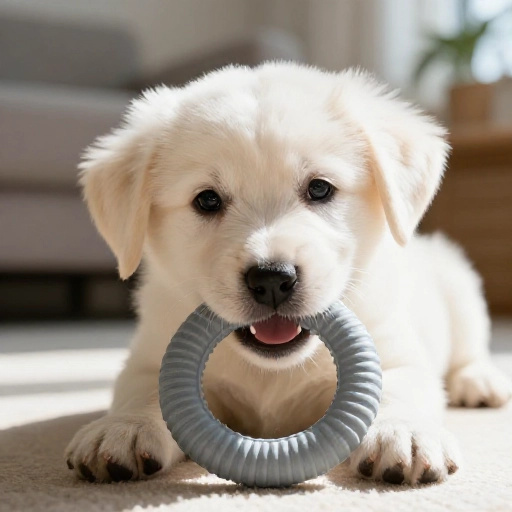
If you have a puppy between four and eight months old, their gums are sore. Chewing helps relieve that pressure, just like a teething ring helps a baby. If you don’t provide the right toys, they’ll find their own—like your table legs.
Offer frozen washcloths or rubber teething toys. Keep an eye on them and redirect every time they go for something off-limits. This phase passes, but you need patience.
2. Boredom and Lack of Stimulation
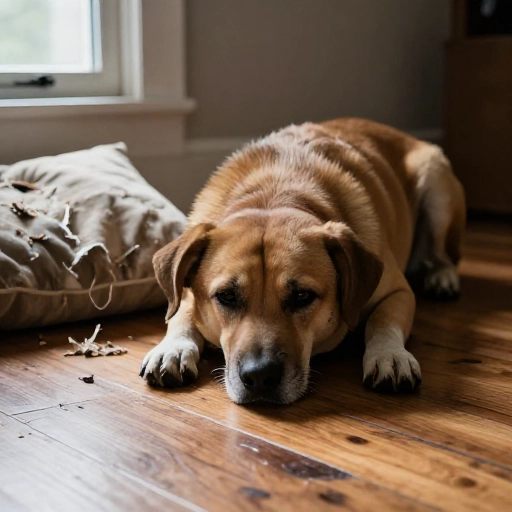
A tired dog is a good dog. When my dog doesn’t get enough walks or playtime, she finds her own entertainment. Usually, that entertainment involves destroying a pillow. If your dog is chewing things that aren’t theirs, they might be telling you they need more activity.
Try adding a second walk or a game of fetch. Puzzle toys also work wonders. A busy brain means less destructive chewing.
3. Separation Anxiety
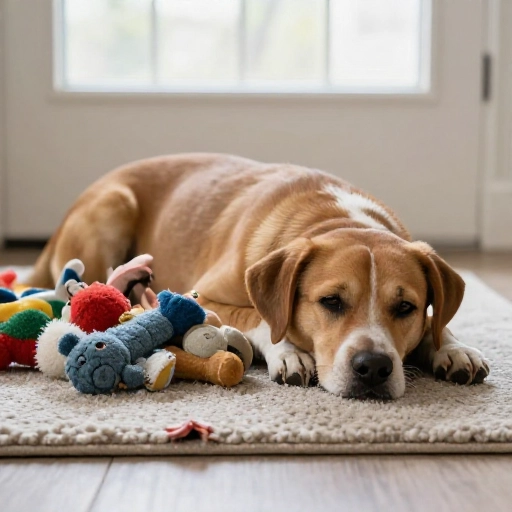
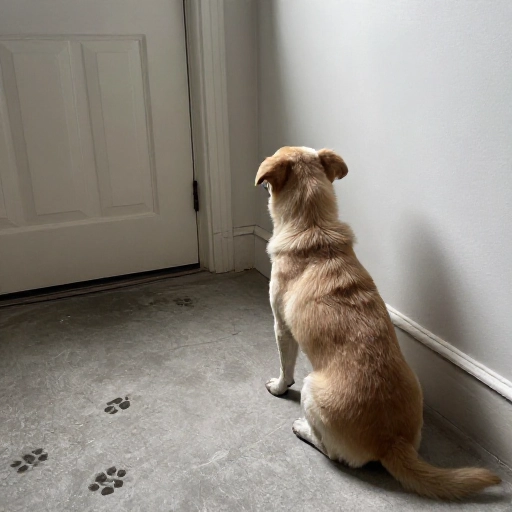
This one is tough. Some dogs chew because they panic when you leave. The damage usually happens near doors or windows, and they might also drool or pace. This isn’t misbehavior; it’s distress.
If you suspect anxiety, try short departures first. Build up their confidence with a special toy you only give them when you leave. For severe cases, talk to your vet.
4. Hunger or Nutritional Needs
Sometimes dogs chew because they are genuinely hungry or lacking certain nutrients. Puppies and active breeds burn a lot of energy. If their diet isn’t filling enough, they might chew wood or fabric to feel full.
Check with your vet about your dog’s food. A high-quality diet with enough protein can curb the urge to gnaw on your coffee table.

5. Pure Exploration (Puppy Phase)
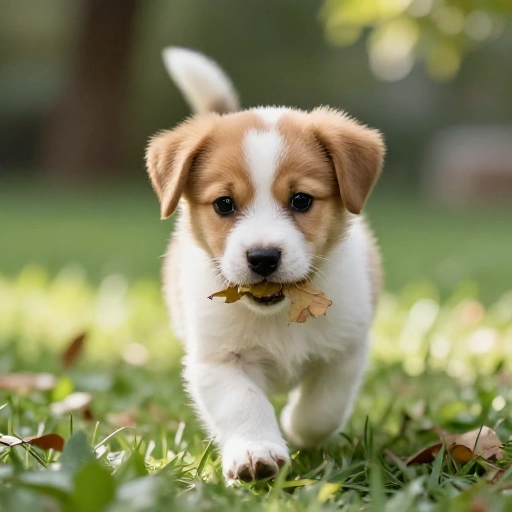
Puppies explore the world with their mouths, just like human babies. Everything is new, and everything goes in the mouth. This is normal, but it can be destructive. They don’t know that a remote control isn’t a chew toy.
Puppy-proof your home. Put shoes away, pick up cords, and keep the bathroom door closed. Then offer a safe variety of textures for them to explore.
6. Stress or Frustration
Loud noises, new people, or changes in routine can stress a dog out. Chewing releases endorphins that calm them down. If there’s been a move or a new baby, your dog might be chewing to self-soothe.
Create a safe space for them. A quiet room with their bed and a favorite chew toy can help. Calming music also works for noise-sensitive dogs.
7. The Wrong Kind of Toys
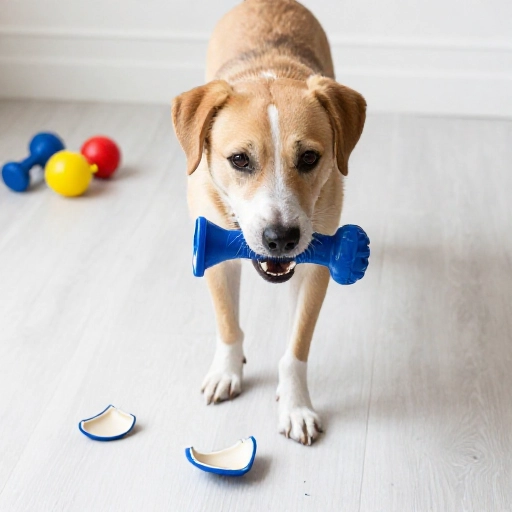
I made this mistake early on. I bought toys that were too soft or too hard. If a toy is too easy to destroy, they learn that shredding is fun. If it’s too hard, they get bored. You need the right match for your dog’s chewing style.
For power chewers, use rubber toys or nylon bones. For gentle chewers, plush toys with minimal stuffing might work. Experiment to see what holds their interest.
8. Lack of Exercise
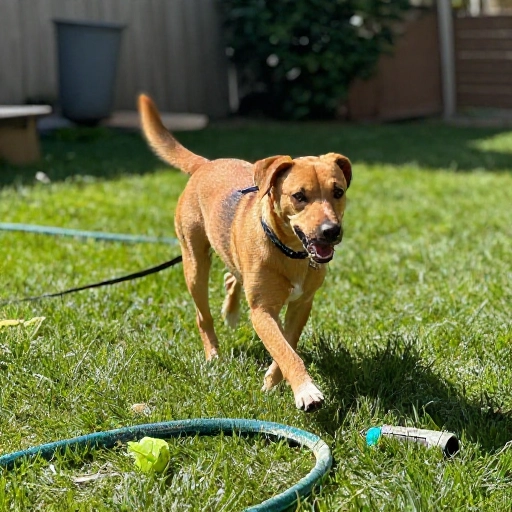
Physical exercise isn’t just about burning energy; it’s about mental release. A dog that’s cooped up all day has pent-up energy. That energy has to go somewhere. Often, it goes straight to your couch cushions.
Even a brisk 20-minute walk can reset their mood. A tired dog will choose a nap over destruction every time.
9. Attention-Seeking Behavior
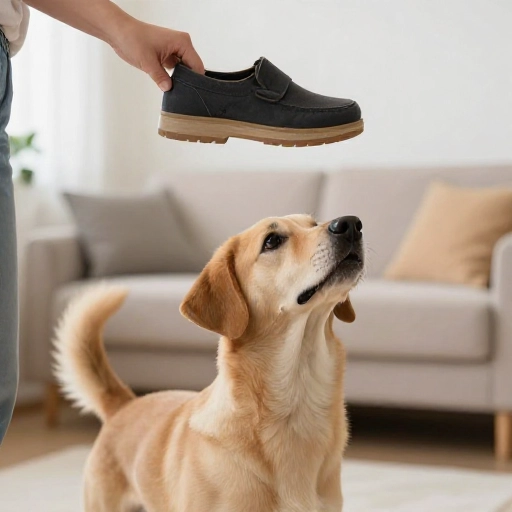
This one stings a little. If you yell at your dog when they chew something, they might see that as attention. For some dogs, any attention—even negative—is better than being ignored. If they chew and you chase them, they just learned a fun game.
Instead of reacting, calmly take the item away and offer a toy. Praise them when they chew the right thing. Ignore the bad behavior if possible.
10. Instinct to Hunt or Forage
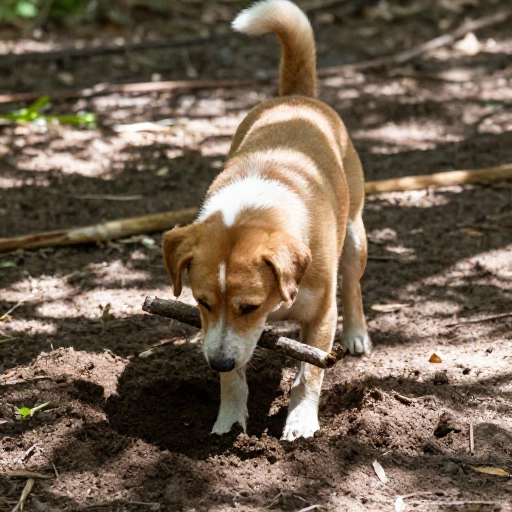
Some breeds were born to dig and chew. Terriers, for example, were bred to hunt vermin. They have a natural instinct to rip, shred, and explore. If you have a high-prey-drive dog, they might chew to satisfy that primal urge.
Give them “jobs” like snuffle mats or treat-stuffed toys. Let them shred cardboard boxes under supervision. It satisfies the instinct without ruining your furniture.
11. Too Much Freedom Too Soon
I gave my dog free roam of the house before she was ready. That was a mistake. Dogs need to earn freedom gradually. If they have access to the whole house, they will find trouble. A bored dog with a whole house to explore will chew everything.
Limit their space. Use baby gates or a crate when you can’t supervise. Start with one room and expand as they prove they can handle it.
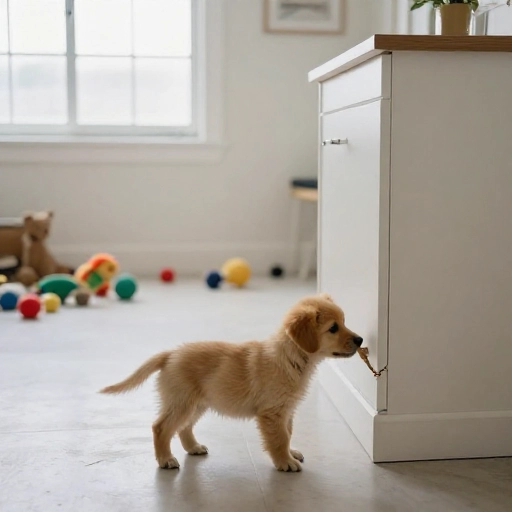
12. Medical Issues (Dental or GI)
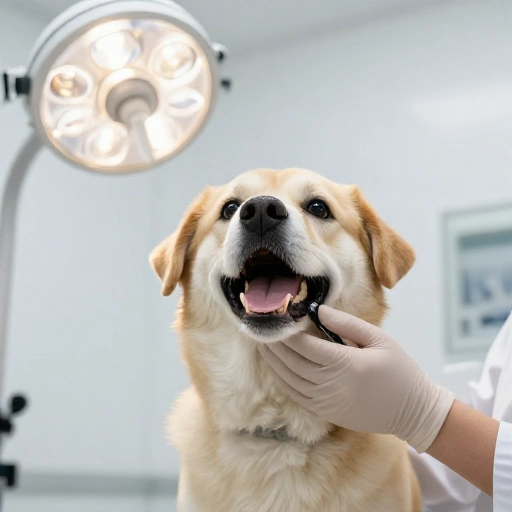
Sometimes chewing is a sign of pain. Dental problems, like a cracked tooth or gum disease, make dogs want to chew to relieve discomfort. Also, stomach issues or nausea can cause dogs to eat grass or wood to settle their stomach.
If your dog suddenly starts chewing after years of being good, see a vet. It’s always worth ruling out a medical cause first.
13. Simple Enjoyment and Play
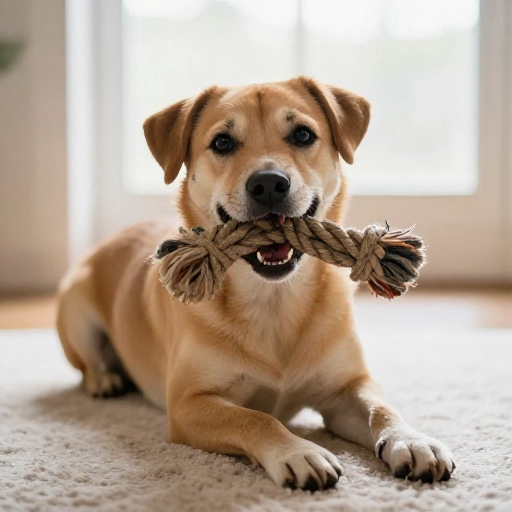
Finally, some dogs just love to chew. It’s fun for them. It’s like how we enjoy a good snack or a fidget toy. Chewing is relaxing and satisfying. If your dog is otherwise well-behaved, they might just be enjoying a good gnaw session.
Provide plenty of safe, long-lasting chews. Bully sticks, yak cheese, or durable nylon bones can keep them busy. As long as they’re chewing the right things, let them enjoy it.
Chewing is rarely about being “bad.” It’s a message. Once I started listening to my dog instead of getting frustrated, everything changed. You don’t have to live in a destroyed house. With a little detective work and the right tools, you can help your dog make better choices. Be patient, be consistent, and give them something better to chew on.
Frequently Asked Questions
Q: How do I know if my dog is chewing due to anxiety?
A: Look for patterns. If the chewing happens only when you are gone, or if you see other signs like drooling, panting, or pacing, it might be anxiety. Chewing near doors or windows is also a big clue.
Q: Is it okay to let my dog chew on sticks?
A: It’s risky. Sticks can splinter and cause mouth injuries or blockages in the stomach. It’s safer to offer wood alternatives made for dogs, like coffee wood or antlers, under supervision.
Q: What if my dog only chews my personal items?
A: This often means they love your scent. It’s comforting to them. It can also be attention-seeking. Keep your items put away and give them a toy that smells like you, like an old t-shirt tied in a knot.
Q: How long does the teething phase last?
A: Usually until your puppy is about six to eight months old, when their adult teeth come in. It can be intense, but it does end. Keep frozen toys ready!
Q: Should I punish my dog for chewing?
A: No. Punishment usually makes the problem worse, especially if anxiety is the cause. Instead, manage the environment, provide appropriate chews, and reward good behavior. You’ll get much better results with kindness.