How to Stop Your Dog From Jumping Up (Finally, No More Paws on People)
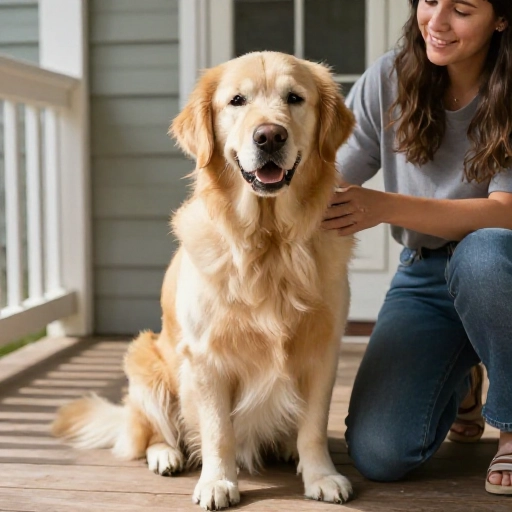
You walk in the door, and your dog launches like a rocket. Paws hit your chest, claws scratch your arms, and your favorite jeans get muddy. It’s cute when they’re a puppy, but when they’re seventy pounds, it’s a whole different story.
Jumping up is one of the most common dog behaviors, and it usually happens because they’re excited, they want attention, or they’re just saying “hi” the way dogs do. The good news? You can fix it. You don’t need to be a dog trainer, and you don’t need fancy tools. You just need consistency and a few simple tricks.
Let me walk you through exactly how I helped my own jumpy dog become a polite greeter. These ideas are practical, gentle, and they really work.
Ignore the Jump Completely
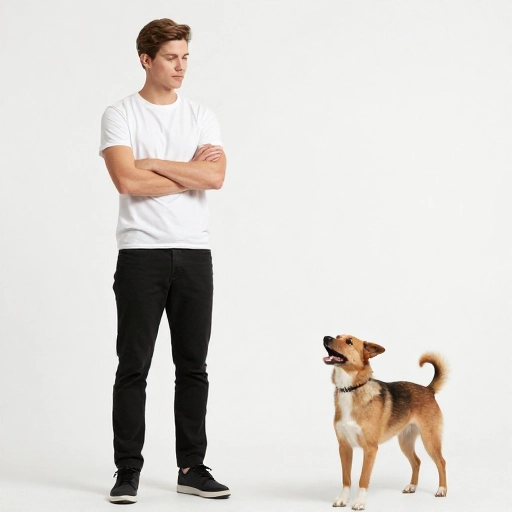
This is the hardest thing you’ll do, but it’s the most powerful. When your dog jumps up, don’t push them, don’t say “down,” and don’t make eye contact. Cross your arms, turn your back, and stand still like a statue.
The jumping only works if they get a reaction. If you give them nothing, they’ll eventually realize it doesn’t get them what they want. This can feel awkward, especially when strangers are watching, but stick with it.
Once all four paws are on the floor, calmly turn around and give them gentle praise. It works faster than you think.
Teach a Solid “Sit” First
A dog can’t jump and sit at the same time. If your dog knows a reliable “sit,” you’ve already won half the battle. Practice this inside when things are calm, not just when guests arrive.
Start with a treat in your hand. Lift it up and slightly back over their head. The natural response is for their butt to hit the floor. Say “yes” the moment it does, then give the treat. Do this ten times a day for a week.
When they sit without you even asking, you’re ready to use it in real life. It’s a game-changer.
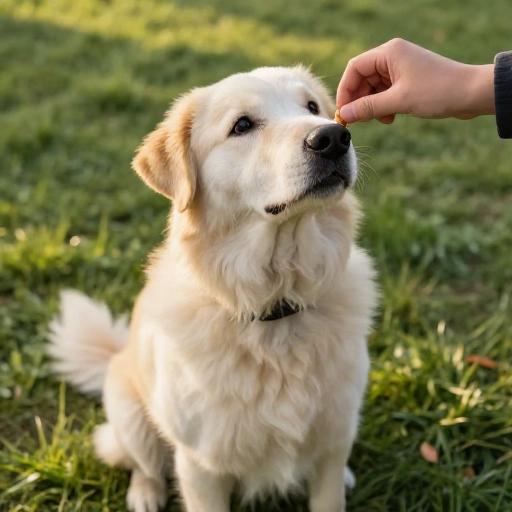
Ask for a Sit Before Greetings
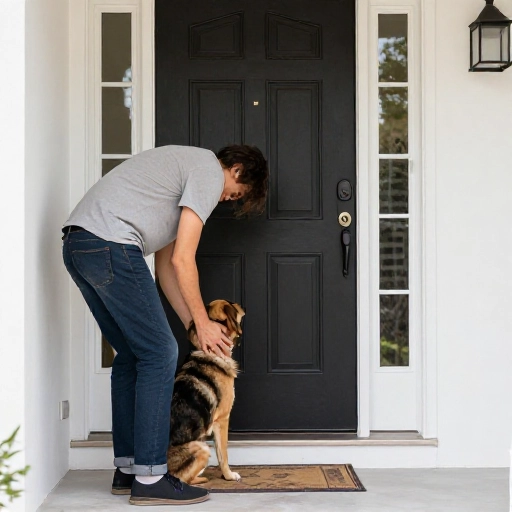
Now, apply that sit to real moments. Before you walk through the door after work, take a breath. The second you step inside, if your dog starts to jump, stop moving. Ask for a sit. Don’t say hello until that butt is on the floor.
Same thing when friends come over. Have them wait outside until your dog is calm and sitting. Then, let them in slowly. If your dog breaks the sit and jumps, the friend turns and walks back out. Repeat until your dog understands: sitting = people come closer.
It takes patience, but it teaches self-control faster than anything.
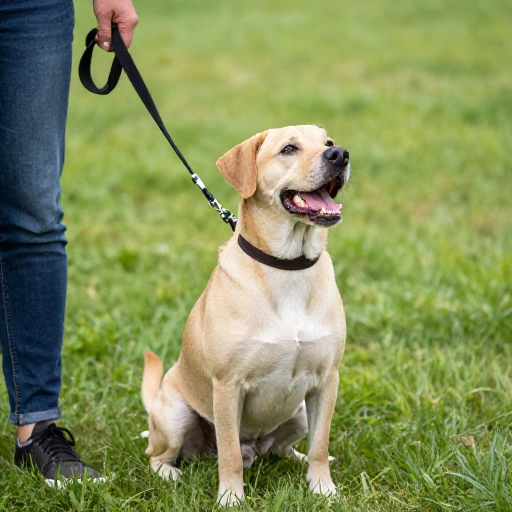
Use a Leash for Practice
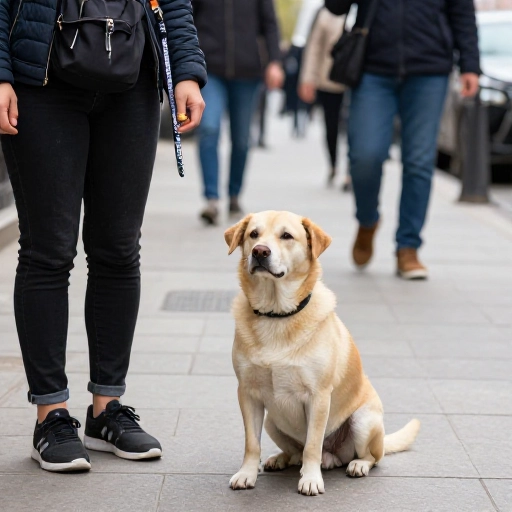
Keep a lightweight leash on your dog when you’re practicing greetings, especially indoors. When they start to jump, you can gently step on the leash to prevent them from getting their paws up. Don’t yank or pull harshly—just keep it short enough that they can’t fully spring.
This gives you a physical cue without grabbing or pushing. Pair it with your “sit” command. As soon as they sit, the leash goes slack, and they get calm attention.
It’s like training wheels. After a few weeks, you probably won’t need the leash at all.
Reward the Calm Moments, Not Just the Training
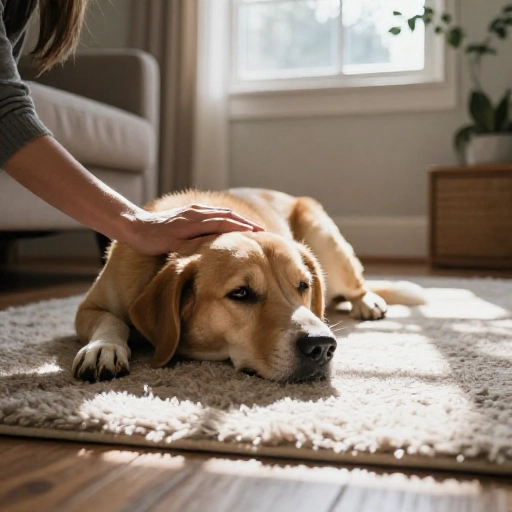
Dogs repeat behaviors that feel good. If you only reward them during training sessions, they might not connect it to real life. So, whenever your dog is just chilling, lying down, or sitting calmly near you, throw them a quiet treat or a soft “good dog.”
This builds a habit of calmness. They learn that being relaxed is what gets them love and snacks, not jumping and bouncing. It’s a mindset shift—you’re rewarding the absence of jumping, not just correcting the jump.
Over time, they choose calm because it pays off.
Be Consistent With Everyone in the House
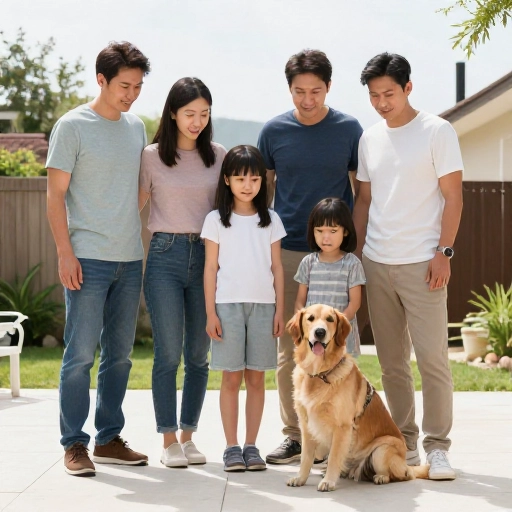
Here’s where most plans fall apart. If you ignore the jump but your partner gives in and pets your dog anyway, the lesson gets confusing. Your dog needs everyone to follow the same rules. That includes kids, grandparents, and even the neighbor who comes over for coffee.
Before guests arrive, give them a quick heads-up: “Please ignore my dog until all four paws are on the floor. Then you can say hi.” Most people are happy to help once they understand.
Consistency is the secret sauce. Without it, you’ll be fighting the same battle forever.
Don’t Use Your Hands to Push Them Down
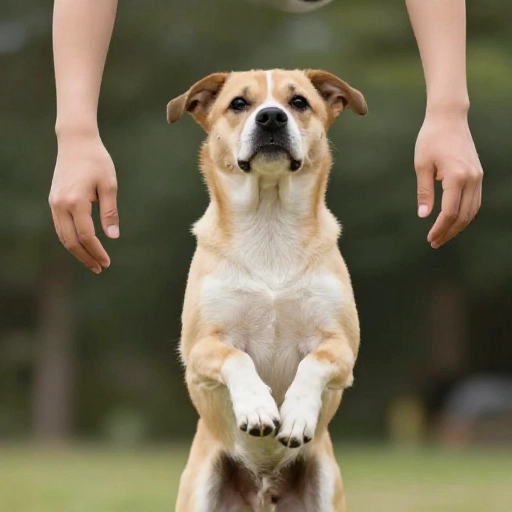
It’s a natural instinct to push your dog away when they jump. But to your dog, pushing can feel like play or even attention. They might see it as a game, and jumping becomes even more fun.
Instead, keep your hands still. Fold them across your chest or put them in your pockets. No touching, no shoving. Your dog will learn that jumping leads to a boring, motionless human, and that’s not very exciting.
If you absolutely need to block them, use your body. Turn sideways and take a step into their space gently. It’s less stimulating than hands.
Practice With Distractions
Once your dog is doing well at home, try practicing in slightly harder situations. Go to a quiet park or ask a friend to ring your doorbell. The goal is to set them up for success where the temptation is real, but not overwhelming.
Start easy. A friend they know, a calm voice, no rushing. Then slowly increase the challenge. A delivery person, a jogger, a playful kid. Each time, ask for a sit before any greeting happens.
You’re teaching them that the rule applies everywhere, not just in the living room.
Give Them an Outlet for Their Excitement
Jumping is often just bottled-up energy. If your dog is bouncing off the walls every time you come home, they might need more exercise or mental stimulation during the day. A tired dog is a calm dog.
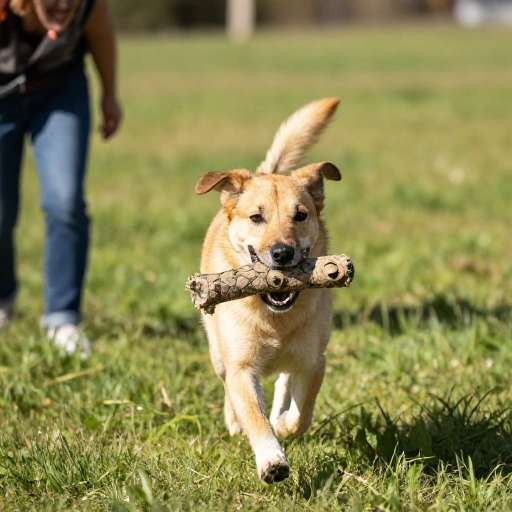
Try a longer walk before you leave for work or a quick game of fetch when you get home. Puzzle toys and sniffing games also wear them out mentally. When they’re already content, they’re less likely to explode with jumping.
A little prevention goes a long way. You can’t out-train a dog that’s bursting with energy.
Be Patient and Celebrate Small Wins
This behavior won’t disappear overnight. Some days your dog will be perfect, and other days they’ll backslide. That’s normal. Don’t get frustrated. Every time they choose to sit instead of jump, that’s a win.
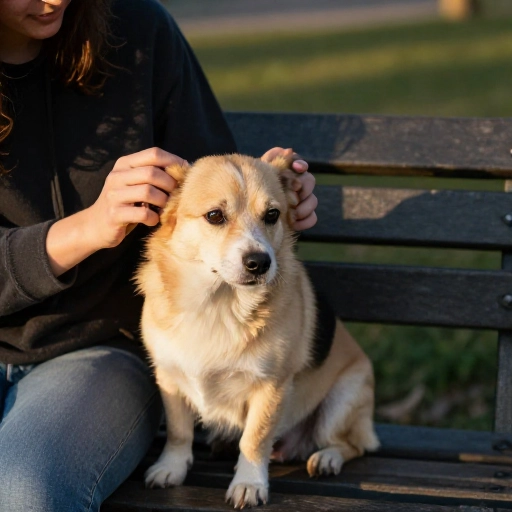
Celebrate those moments. Give them a treat, a kind word, or a scratch behind the ears. Positive reinforcement builds trust. Your dog wants to please you—they just need to learn how.
With time and patience, you’ll have a dog that greets you with four paws on the ground, and you can finally enjoy coming home without the scratches.
Conclusion
Stopping your dog from jumping up really comes down to three things: consistency, calmness, and rewarding the right behavior. You don’t need to be harsh or complicated. Just be clear about what works and what doesn’t, and stick with it. Your dog will get the message. And you’ll both be happier for it.
[[IMG:IMG12]]
FAQ
Why does my dog jump up on me?
Most dogs jump because they’re excited to see you and want attention. It’s a natural greeting behavior. They don’t understand that it’s rude—they just want to be close to your face.
How long does it take to stop jumping?
It depends on the dog and how consistent you are. Some dogs get it in a week, others take a month or more. The key is to practice every single time, even when it’s inconvenient.
What if my dog jumps on guests despite training?
Have guests ignore your dog until they sit. If your dog keeps jumping, have the guest leave the room briefly. This teaches your dog that jumping makes people go away, which is the opposite of what they want.
Should I use a spray bottle or loud noise to stop jumping?
I don’t recommend it. Punishment can make your dog nervous or scared, and it doesn’t teach them what to do instead. Positive methods like ignoring and rewarding sit are much more effective and build a better bond.
Can I still let my dog jump on me sometimes?
It’s best to be consistent. If you allow jumping sometimes, your dog will be confused about when it’s okay. For the clearest results, keep the rule the same every time. Your dog will thank you for it.