12 Easy Dog Ramp For Bed Projects That Work (DIY Ideas Your Pup Will Love)
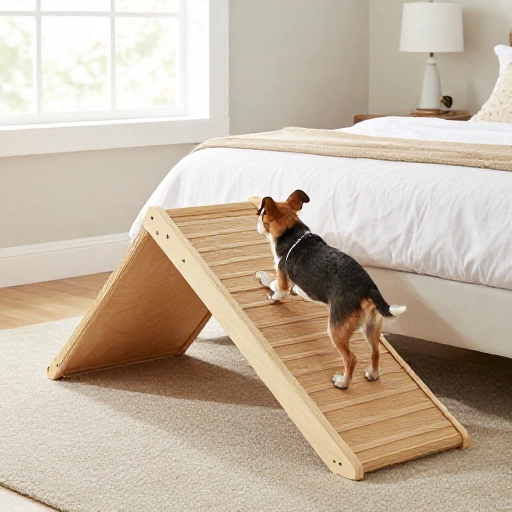
If your dog gives you that sad look every time they want to jump on the bed, you’re not alone. I’ve been there with my senior beagle, and after one too many failed leaping attempts, I decided to build a ramp instead. Turns out, it’s one of the easiest DIY projects that makes a huge difference.
I tried a bunch of designs over the years—some worked great, some were total flops. The ones that stuck were simple, sturdy, and didn’t cost a fortune. You don’t need fancy tools or woodworking skills to make a ramp your dog will actually use.
Here are 12 dog ramp projects for your bed that I’ve tested or seen work wonders. Each one is beginner-friendly and uses materials you might already have or can grab at any hardware store. Let’s find the perfect one for your pup.
1. The Classic Plywood Ramp with Carpet Grips
This is the ramp I built first, and it’s still my go-to recommendation. A single sheet of 3/4-inch plywood cut to about 48 inches long and 16 inches wide does the trick for most beds. I nailed thin strips of carpet to the surface for traction, spaced every few inches so paws don’t slip.
What I love is how customizable it is. You can cut the length to match your bed height exactly, and the carpet scraps are often free at flooring stores. Just sand the edges so your dog doesn’t get splinters.
- Materials: plywood, carpet strips, wood glue, nails or screws
- Tools: saw, sandpaper, hammer or drill
- Time: about an hour
I leaned mine against the bed frame and added a small rubber mat underneath to stop sliding. My dog figured it out in two days with a few treats as encouragement.
2. Foldable Suitcase Ramp for Small Dogs
If you’re short on space, a foldable ramp that tucks away like a suitcase is genius. I made mine using two pieces of 1/2-inch plywood connected with piano hinges. It folds flat when not in use, and I can slide it under the bed.
The trick is adding a locking mechanism—I used a simple hook-and-eye latch—so it doesn’t collapse while your dog is climbing. For small dogs under 25 pounds, this design is plenty strong.
I covered the walking surface with adhesive stair treads for grip. They’re cheap, easy to cut, and hold up well even with daily use. This ramp lives in my guest room, and it’s survived two years of visits from my sister’s chihuahua.
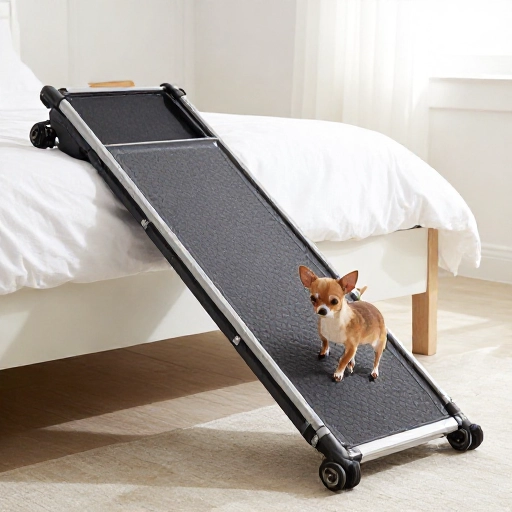
3. Adjustable Height Bed Ramp with Hinges
Beds come in all heights, and if you have an adjustable base or might switch beds later, an adjustable ramp saves you from rebuilding. I used two overlapping boards with a series of holes drilled along the sides, secured with bolts and wing nuts.
You just slide the boards to the right length and tighten the bolts. It takes about 30 seconds to adjust, and it feels rock solid when locked in place. I added a strip of non-slip tape down the middle for extra confidence.
This one is a bit heavier than a fixed ramp, but the flexibility is worth it. My dog doesn’t care about the extra weight—he just wants his treats at the top.
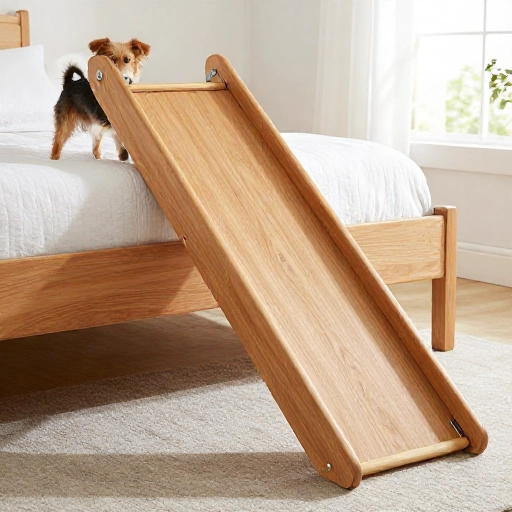
4. Upcycled Dresser Drawer Ramp
I love a good upcycling project, and this one turns an old dresser drawer into a sturdy ramp. I found a solid wood drawer at a thrift store for five dollars. I removed the front panel, sanded everything smooth, and attached a strip of outdoor carpet.
The drawer’s sides act as natural guardrails, which is perfect for dogs who are nervous about falling off. I reinforced the bottom with a couple of L-brackets to handle the weight. It’s surprisingly strong—my 40-pound cattle dog uses it daily.
Best part? It already has a handle hole, so I can hang it on a hook when it’s not in use. It looks a bit rustic, but that’s part of the charm.
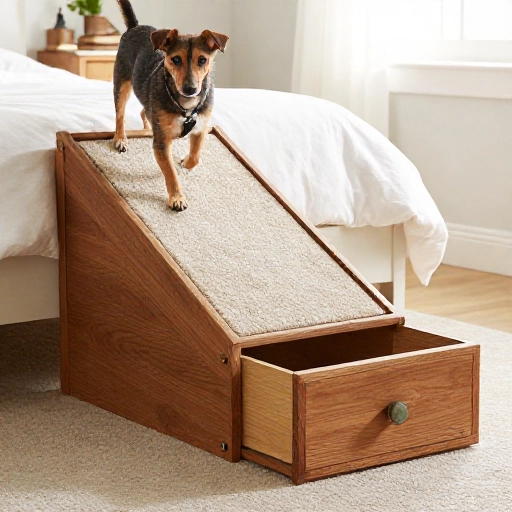
5. Lightweight Foam Ramp with Velcro Cover
For tiny dogs or puppies, a foam ramp is soft, safe, and super light. I used a high-density foam block (the kind used for couch cushions) cut into a wedge shape. Then I made a removable cover from canvas fabric with Velcro strips on the bottom.
The foam gives just enough traction on its own, but I added a few strips of Velcro loop tape on top for extra grip. The cover goes in the wash, which is a lifesaver for muddy paws.
This ramp is only about 2 pounds, so I can move it from room to room with one finger. It’s not for big dogs, but for a 10-pound terrier, it’s perfect.
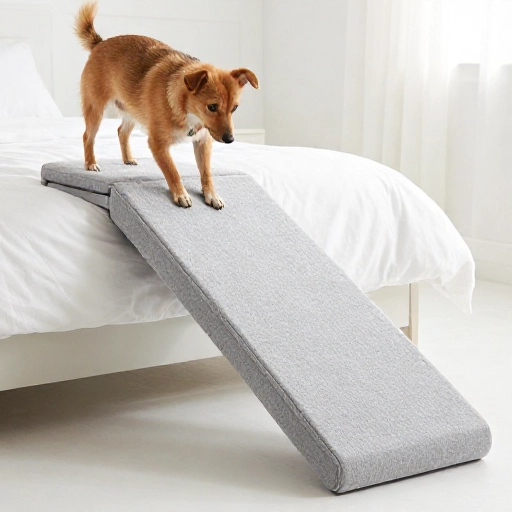
6. Wooden Ramp with Non-Slip Mats
This is a step up from the basic plywood version—literally. I used a 1×8 pine board for a narrower, sleeker look. Then I screwed rubber non-slip mats (the kind for bath tubs) directly onto the surface in a staggered pattern.
The mats are inexpensive and come in fun colors, so you can match your bedroom decor. I chose charcoal gray to hide dirt. The pine board is light enough to move but strong enough for medium dogs.
I also added a small lip at the top so the ramp doesn’t slide off the mattress. It hooks over the bed frame and stays put. My dog appreciates the extra grip when he’s in a hurry.
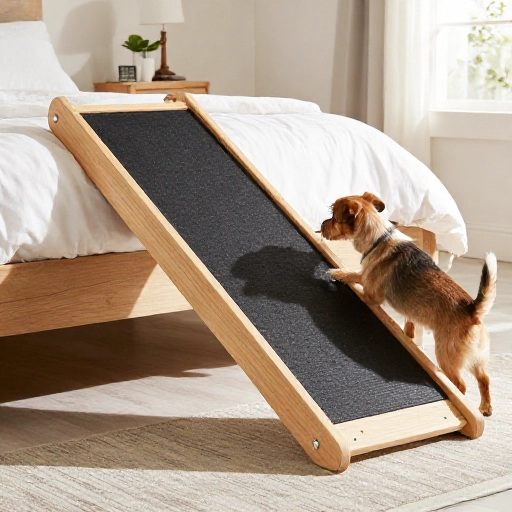
7. Collapsible PVC Pipe Ramp
I know, PVC pipes for a ramp sounds weird, but hear me out. You build a frame from PVC pipes and elbows, then stretch a piece of heavy-duty canvas or outdoor fabric over it. It’s like a hammock ramp, and it’s incredibly lightweight.
The canvas provides a soft, grippy surface that dogs seem to love. I used zip ties to secure the fabric to the pipes, and the whole thing collapses flat in seconds. It’s great for travel or if you need to store it under the bed.
For larger dogs, use thicker PVC (1.5-inch diameter) and double up on the fabric layers. I tested mine with a 50-pound lab, and it held up fine as long as the frame is properly braced.
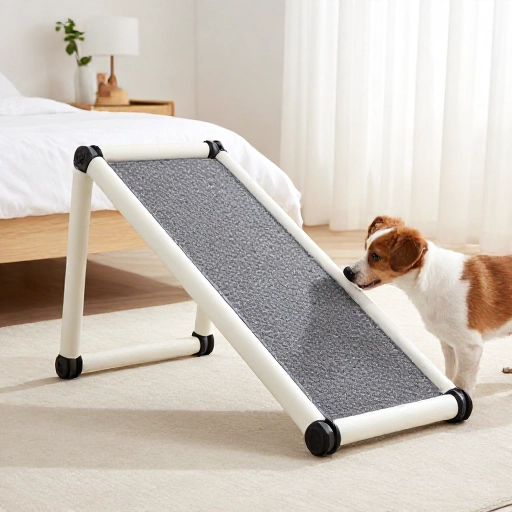
8. Repurposed Bookshelf Ramp
An old wooden bookshelf can become a beautiful ramp with just a few cuts. I took a small three-shelf bookcase I found on the curb, removed the shelves, and cut the side panels into a wedge shape. Then I reattached them to create a solid ramp with raised edges.
The wood was already finished, so I just gave it a light sanding and a coat of pet-safe sealant. The raised edges are perfect for dogs who need a little security. I lined the walking surface with a cheap yoga mat cut to size.
This project took me about two hours, but most of that was figuring out the angles. The end result looks like a piece of furniture, not a DIY project.
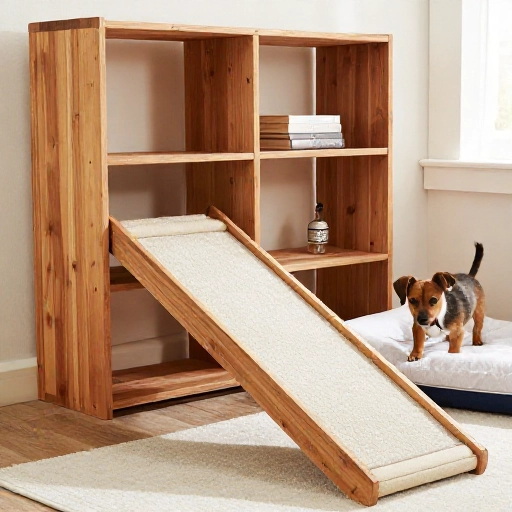
9. Curved Ramp for Low Beds
If your bed is on the lower side (like a platform bed), a gentle curve is easier for dogs to navigate than a straight incline. I made mine by cutting a series of shallow arcs into two side supports, then bending a thin piece of plywood over them.
The curve distributes your dog’s weight more evenly, and it feels less steep. I covered it with a textured rubber runner I had leftover from a hallway project. The whole thing is only 36 inches long, so it doesn’t stick out into the room.
My friend’s corgi uses this ramp, and those little legs handle it beautifully. It’s also a nice option for dogs with arthritis because there’s no abrupt angle change.
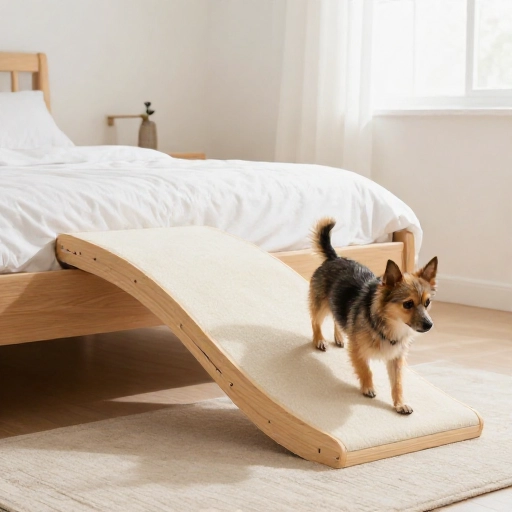
10. Modular Ramp with Interlocking Blocks
This is for the tinkerers. I built a ramp using interlocking wooden blocks—like giant Lego pieces. Each block is a 12-inch square of 1-inch plywood with tabs and slots cut on opposite sides. You slide them together to form any length or angle.
You can start with three blocks for a low bed and add more as needed. The joints are tight enough that no glue or screws are required, so you can disassemble it for storage. I added grip tape to the top of each block.
It’s a bit more work to cut all the tabs, but if you have a jigsaw, it’s a fun weekend project. My dog thinks it’s a puzzle game and tries to take the blocks apart. I had to secure them with small dowels.
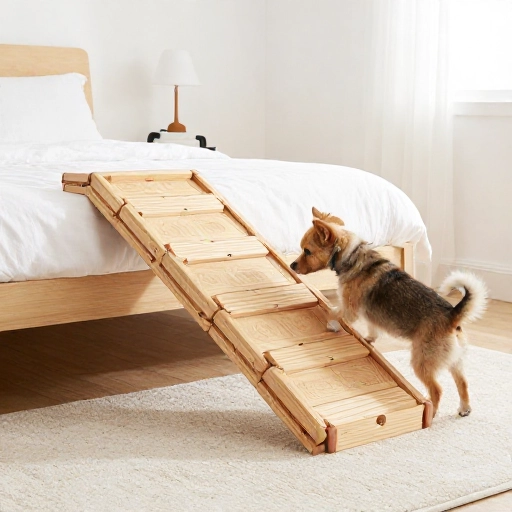
11. Ramp with Side Rails for Senior Dogs
Senior dogs need extra confidence, so I added tall side rails to my basic plywood ramp. I used 1×3 pine boards for the rails, screwed into the sides of the main ramp. The rails are about 4 inches high—enough to feel secure but not so high that they block the view.
I also made the ramp a bit longer (60 inches) and less steep. The surface is covered in a soft fleece fabric that I stapled down. My 12-year-old lab mix took to it immediately, and I could see her relax once she felt those rails.
This design is also great for dogs with vision loss, since the rails give them a physical boundary to follow. I painted mine white to match the trim in my bedroom.
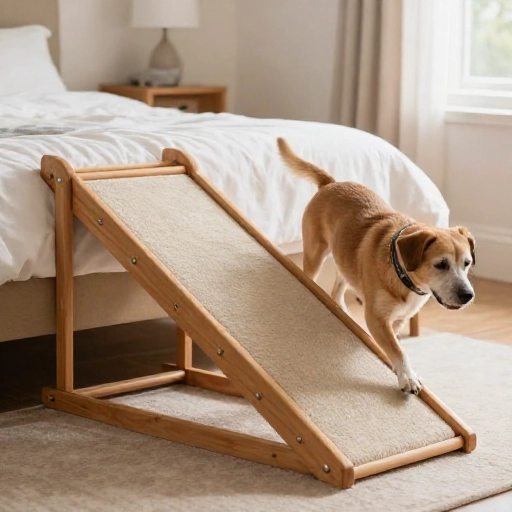
12. Portable Canvas Ramp with Wooden Frame
This is my favorite for travel or for visiting family. I built a simple wooden frame from 1×2 boards—two long side pieces and three cross braces. Then I stretched a piece of heavy canvas over the frame and stapled it tight.
The canvas has just enough give to be comfortable, but it’s still firm. I added a thin layer of foam under the canvas for extra cushioning. The whole ramp weighs about 5 pounds and folds in half thanks to a hinge in the middle of the frame.
I keep it in the car for trips to grandma’s house. It sets up in under a minute, and it works on beds, couches, or even the back of an SUV. My dog knows the sound of the canvas unrolling and comes running.
Conclusion
Building a dog ramp for your bed doesn’t have to be complicated or expensive. I’ve made almost all of these over the years, and the ones that stick around are the ones that match my dog’s size, my bed height, and my storage space. Start with the classic plywood ramp if you’re unsure—it’s the easiest to tweak.
Remember to introduce the ramp slowly with treats and praise. Most dogs catch on within a few days. And always check that the ramp is secure before your dog uses it. A little effort now means fewer aches and pains for your best friend later.
FAQ
What’s the best material for a dog ramp surface?
I swear by carpet strips or rubber non-slip mats. They give paws something to grip, especially on steeper angles. Avoid smooth wood or plastic—your dog will slide and lose confidence.
How long should a dog ramp be for a bed?
A good rule is 4 to 5 feet for a standard bed height (about 24 inches). That gives a gentle slope. For lower beds, 3 feet works. Just make sure the angle isn’t steeper than 20 degrees.
Can I use a dog ramp for a large dog?
Absolutely, but you’ll need thicker wood and more support. I recommend 3/4-inch plywood with a center brace for dogs over 50 pounds. Test it yourself first by pressing down hard.
How do I stop the ramp from sliding off the bed?
Add a small lip or hook at the top that catches on the mattress or frame. I also put a rubber mat under the bottom end. That combo keeps it rock solid.
My dog won’t use the ramp. What should I do?
Try luring them with treats, one step at a time. Place the ramp at a lower angle first, then gradually raise it. Some dogs need a few days. Never force them—patience wins every time.