Dog Walk Cycles vs Other Quadrupeds: What Makes Their Movement So Different?
I love watching animals move. There’s something so natural about the way a dog trots, a cat stalks, or a horse gallops across an open field. But when I started studying animal walk cycles for animation and art, I realized something important: not all four-legged animals move alike. A dog’s walk cycle looks completely different from a horse’s or a cat’s, even though they all have four legs.
Understanding these differences isn’t just for animators or game designers. If you love drawing animals, creating movement studies, or simply appreciating how nature works, this breakdown will help you spot what makes each walk cycle unique. Let’s look at dogs and compare them to other quadrupeds in a very practical, visual way.
Why Dog Walk Cycles Feel Bouncy and Alert
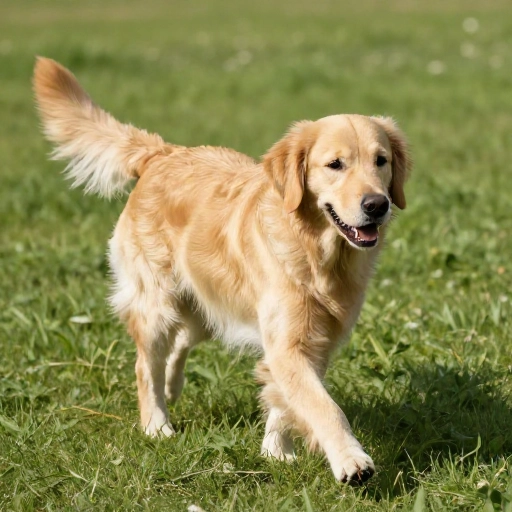
Dogs have a natural spring in their step. Their spine is flexible and their build is athletic. When a dog walks, there’s a slight up-and-down motion that makes their whole body look alive and ready. Their head often nods slightly with each step, and their tail tends to swing gently to balance the movement.
In a dog’s walk cycle, the front and back legs move in a diagonal pattern. For example, the front right leg and the back left leg move forward together. This creates stability and a smooth rhythm. But unlike a horse, a dog’s shoulders are loose and their joints are designed for quick direction changes.
If you’re drawing or animating a dog walk, focus on that subtle bounce. Even in a slow walk, a dog’s body doesn’t stay flat—it rises and falls just a little. That’s the key to making it feel like a dog, not a robotic figure.
How Cat Walk Cycles Differ from Dogs
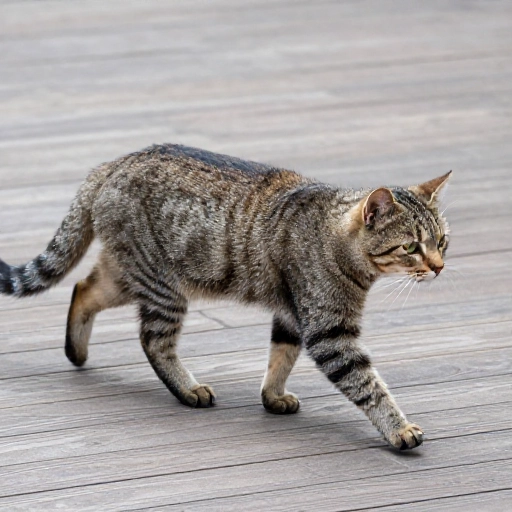
Cats are the masters of silent, controlled movement. Their walk cycle is much more fluid than a dog’s. When a cat walks, they place each paw down with incredible precision, almost like they’re stalking prey. Their spine is extremely flexible, which gives them a sinuous, wave-like motion.
One big difference is that cats are digitigrade (they walk on their toes), just like dogs, but their stride is shorter and more deliberate. A cat’s head stays very level—almost no bobbing. Their tail is usually held low or straight back, acting as a counterbalance. In contrast, a dog’s tail might wag or sway more freely.
For artists, the cat walk feels “sneaky.” There’s less vertical bounce and more horizontal flow. The front legs reach out gently, and the back legs follow in a near-perfect diagonal pattern. It’s elegant, quiet, and very different from a dog’s energetic swing.
Horse Walk Cycles: Long, Ground-Covering Strides
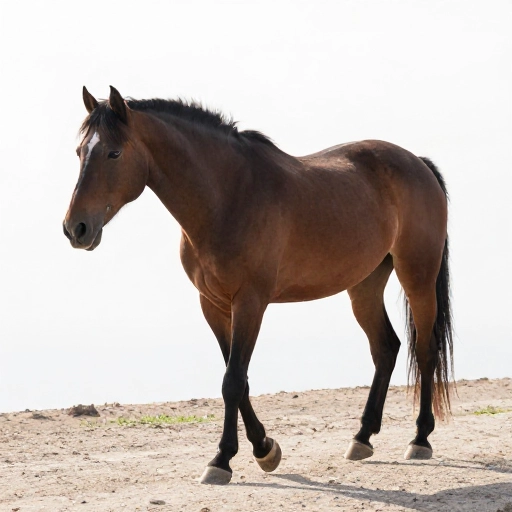
Horses are built for distance and speed. Their walk cycle is all about efficiency. A horse’s stride is long and sweeping, with each leg moving in a clear, four-beat rhythm. Unlike a dog’s bouncy trot, a horse’s walk is smooth and almost gliding.
The biggest visual difference is the head motion. A horse’s head nods down and forward as each front leg steps. This is because their neck is long and heavy, and the movement helps shift their weight. Dogs don’t have that same pronounced head bob. Also, a horse’s back stays relatively level, while a dog’s back may flex more.
When you watch a horse walk, notice how their hooves lift cleanly off the ground. Dogs often drag their toes a little. That small detail changes the whole feel of the movement. Horses are majestic and steady; dogs are quick and playful.
The Role of Spine Flexibility in Walk Cycles
Spine flexibility is the secret ingredient in animal movement. Dogs have a moderately flexible spine, which allows them to stretch out when running or trotting. This gives their walk cycle a nice natural swing. But compared to cats, dogs are a bit stiffer.
Long-bodied animals like weasels or ferrets have even more spine flexibility. Their walk cycle looks almost like a wave moving through their body. Dogs don’t have that extreme flex. Instead, their spine is built for endurance and power, not extreme bending.
If you’re studying walk cycles, pay attention to how the spine changes shape. In a dog, the spine remains fairly straight with a slight dip in the middle. In a cat or a horse, the spine moves differently. This small detail can make your drawings or animations look much more realistic.
Paw Placement and Footfall Patterns
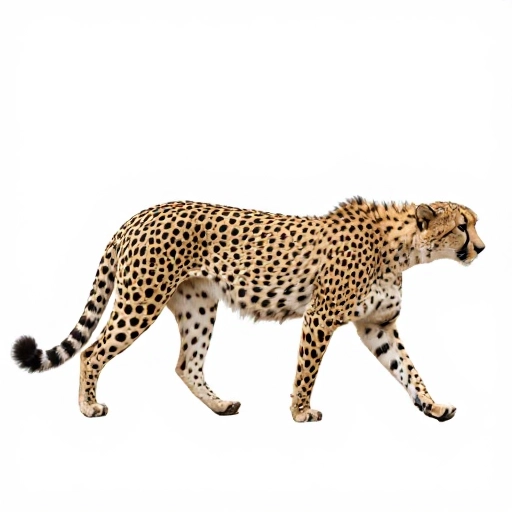
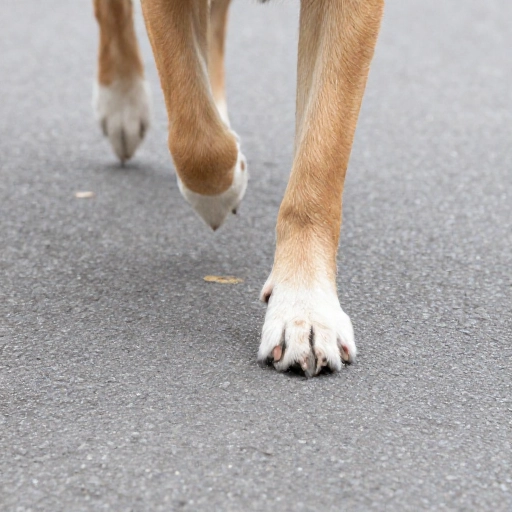
Every animal has a unique footfall pattern. For dogs, the typical walk is a diagonal pattern: front right with back left, then front left with back right. This is also common in many quadrupeds, but the timing changes. Dogs have a short pause between each diagonal pair, which gives their walk a “four-beat” rhythm.
Horses also have a four-beat walk, but the timing is more even. Cats have a similar pattern but with a longer pause, making their walk seem stealthy. Other quadrupeds like goats or deer have a more stilted, careful placement.
When you watch a dog walk, notice how their paws land almost in a straight line. They don’t spread their legs wide. This creates a narrow track, which is typical for animals built for running. Wide-set animals like lizards have a totally different track pattern.
How Size and Body Proportion Affect Walk Cycles
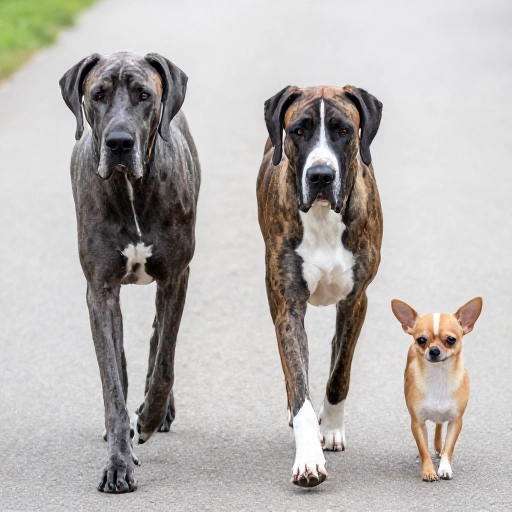
A Great Dane walks very differently from a Chihuahua. Larger dogs have longer strides and a slower, more deliberate gait. Their walk cycle looks heavier and more grounded. Small dogs, on the other hand, take quick, short steps and their whole body seems to bob up and down more.
This is true for other quadrupeds too. Compare a tiny cat to a lion—both are felines, but their walk cycles look different because of size. A lion’s walk is slow, powerful, and low to the ground. A house cat’s walk is quicker and more agile.
For artists, always consider the animal’s size and leg length. A long-legged dog will have a different rhythm than a short-legged one. Don’t assume all dogs move the same way. Practice drawing different breeds to see the variation.
Head and Tail Movement in Walk Cycles
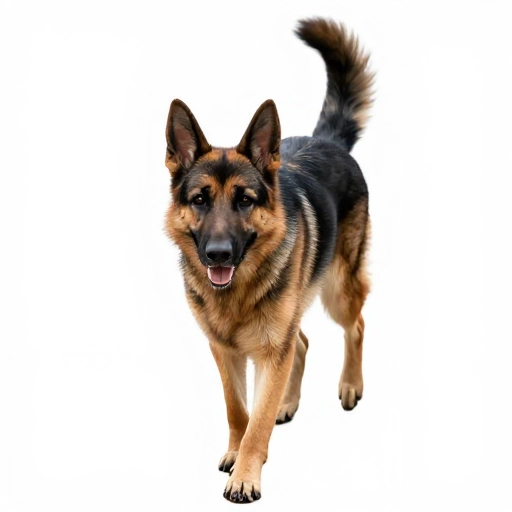
Head and tail movement are the finishing touches that make a walk cycle feel alive. In dogs, the head often nods slightly with each step, but it’s subtle. Their tail might wag or sway, especially if they’re happy. But during a focused walk, the tail stays level or slightly raised.
Cats keep their head very still, almost like a sniper. Their tail moves in a smooth, controlled sway. Horses have a dramatic head nod that helps with momentum. Their tail usually stays still unless they’re swishing flies.
When you’re animating or drawing, these small details matter. The head and tail are the first things viewers notice subconsciously. Get them right, and your animal walk cycle will look natural. Get them wrong, and it will feel stiff or robotic.
Common Mistakes When Drawing Dog Walk Cycles
One of the biggest mistakes I see is making a dog’s walk too stiff. Beginners often keep the spine straight and the legs moving like pistons. That’s not how dogs move. Their body should have a gentle bounce, and their legs should bend naturally at the joints.
Another mistake is ignoring the shoulder movement. Dogs have very mobile shoulders. When a dog steps forward, the shoulder blade rotates visibly. This is especially true in breeds like greyhounds or boxers. If you don’t show that shoulder motion, your drawing will look flat.
Also, don’t make the stride too long. Dogs have a moderate stride length. Overextending the legs makes the walk look like a run. Study reference videos of dogs walking at a slow pace to get the timing right. Practice makes perfect.
How to Animate a Dog Walk: Simple Tips
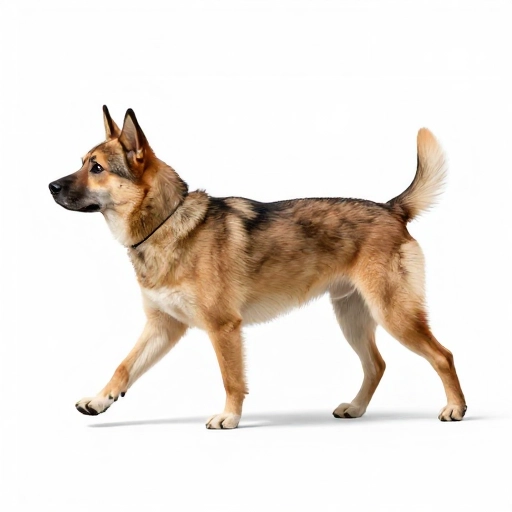
If you’re new to animation, start with a simple side view of a dog walk cycle. Focus on the four main poses: contact, down, passing, and up. In the contact pose, the front foot touches the ground. In the down pose, the body lowers slightly. Passing is when the legs cross, and up is when the body rises again.
For dogs, add a slight vertical bounce between poses. The body should rise at the passing pose and lower at the contact pose. This gives the walk that springy feel. Also, make sure the back legs follow the front legs with a slight delay. They should never move exactly in sync.
Use simple shapes first—ovals for the body, lines for the legs. Practice the timing with just four frames. Once you get the rhythm right, add details like fur, tail, and head movement. It takes time, but it’s so satisfying when it clicks.
Comparing Dog Walks to Wild Canines and Other Species
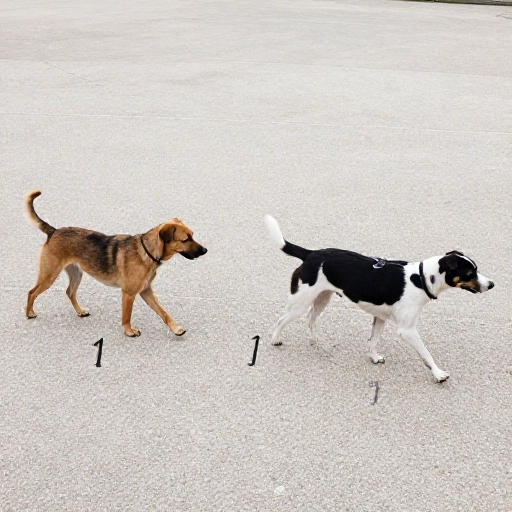
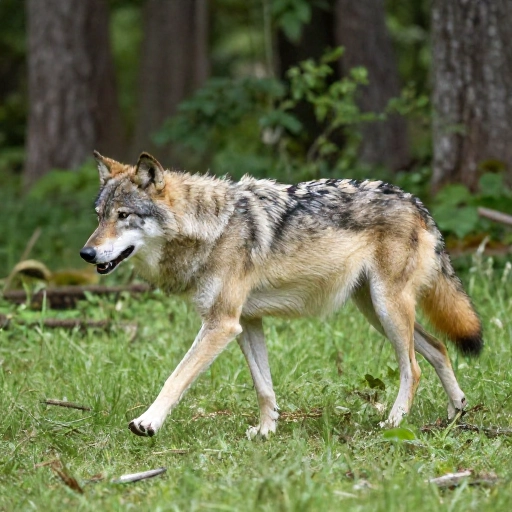
Domestic dogs walk a little differently than wild canines like wolves or foxes. Wolves have a more efficient, ground-covering walk. Their stride is longer, and they tend to hold their head lower. Domestic dogs often have a more upright posture, especially breeds like poodles or terriers.
Other quadrupeds like bears have a completely different walk. Bears are plantigrade (they walk flat-footed), so their walk cycle looks heavier and more lumbering. Their legs move in a pacing pattern (both legs on one side move together) rather than diagonal. This is very different from a dog’s diagonal walk.
Understanding these differences helps you appreciate the diversity of animal movement. A dog’s walk is unique to its species, shaped by evolution, breed, and purpose. Whether you’re an artist, animator, or just curious, watching animals walk is a never-ending source of inspiration.
Conclusion
Dog walk cycles are full of personality—bouncy, alert, and slightly playful. Compared to cats, horses, and other quadrupeds, dogs have a distinctive rhythm that comes from their flexible spine, diagonal footfall pattern, and natural spring. The next time you watch your dog trot down the street, take a moment to notice the details. The head nod, the tail sway, the gentle bounce. That’s the magic of movement.
Whether you’re drawing, animating, or just learning, the key is observation. Watch real animals. Study slow-motion videos. Practice the small differences. Over time, you’ll be able to capture the essence of any quadruped walk cycle. And remember—every animal has its own story to tell through the way it moves.
Frequently Asked Questions
1. What is the main difference between a dog walk cycle and a cat walk cycle?
The main difference is the amount of bounce and head movement. Dogs have a bouncier walk with slight head nodding, while cats have a smoother, more fluid walk with very still heads. Cats also have a more flexible spine that creates a wave-like motion.
2. Do all dog breeds walk the same way?
No. Different breeds have different body proportions, which affect their walk cycle. Large dogs like Great Danes have longer strides and a slower, heavier gait. Small dogs like Chihuahuas take quick, short steps and bounce more.
3. Why do horses nod their heads when walking?
Horses nod their heads to help shift their weight forward with each step. Their long necks and heavy heads act as a counterbalance, making their walk more efficient. Dogs don’t have that same need, so their head movement is much subtler.
4. What is the best way to learn animal walk cycles for animation?
Start by studying slow-motion videos of real animals. Focus on the four key poses: contact, down, passing, and up. Practice with simple shapes first, then add details. Observation is the most important skill you can develop.
5. Can I use the same walk cycle for all four-legged animals?
No. Each species has unique movement patterns based on their anatomy, size, and behavior. Using a dog walk cycle for a horse or cat will look unnatural. Always study the specific animal you want to draw or animate.