The Ultimate Service Dog Training Log: Track Progress Easily & Stay Motivated!
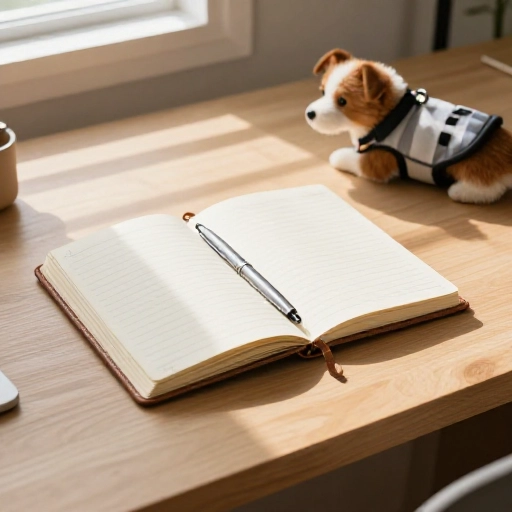
If you’re training a service dog, you know every little win matters. From mastering a perfect “tuck” under a restaurant table to staying calm during a loud noise, these moments add up. But without a way to track them, it’s easy to feel stuck or forget how far you’ve come.
I started using a simple log book a few months ago, and honestly, it changed everything. It helped me spot patterns, celebrate small steps, and stay consistent. Whether you’re training for mobility support, psychiatric tasks, or medical alerts, a log keeps you both on track. Let me share how you can build one that actually works.
1. Why Bother With a Training Log?
You might think, “I’ll just remember what we worked on.” Trust me, you won’t. Days blend together, and the little details get fuzzy. A log is your memory keeper. It shows you what commands your dog is nailing and where they need more time.
It’s also a huge motivator. On tough days, flipping back through pages of progress reminds you that you’re not stuck. Plus, if you ever work with a trainer, they’ll love seeing your notes. It makes their job easier and your training faster.
2. What to Track: The Basics
Keep it simple. Start with the date, time, and location. Then list the specific task you worked on (like “opening fridge” or “alerting to anxiety”). Next, write the duration of the session—even five minutes counts.
Finally, add a quick note on your dog’s energy level. Was your pup focused or distracted? Did they seem tired? This helps you plan better sessions. You don’t need fancy categories. Just clear, useful info you’ll actually write down.

3. Rate Each Session With a Simple System
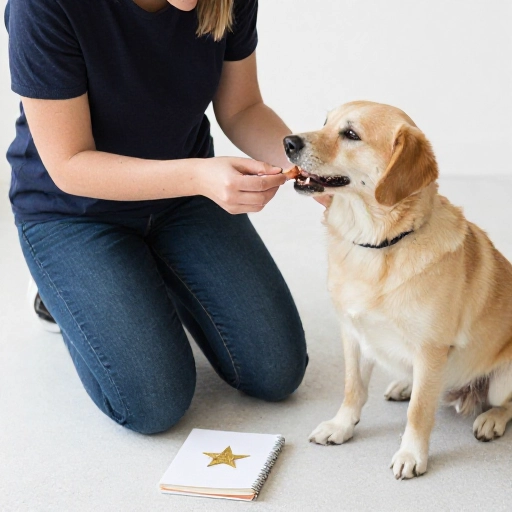
I use a 1–5 star rating for each session. Five stars means my dog was engaged and we hit our goals. One star means we struggled, maybe due to distractions or my own stress. It’s not about perfection—it’s about honesty.
Over time, you’ll see patterns. Maybe Tuesday mornings are rough because your dog is sleepy. Or outdoor sessions are harder than indoor ones. That’s gold. You can adjust your schedule and set your dog up for success.

4. Don’t Forget “Proofing” Notes
Service dogs need to perform in real-world settings, not just your living room. That’s called proofing. In your log, note where you trained: a quiet park, a busy café, or a pet store. Write down what distractions were present (kids, carts, other dogs).
If your dog struggled, don’t stress. Just note it and try again later. Proofing takes time. Your log will show you when your dog is ready to level up to harder environments.
5. Track Behavior Challenges Separately
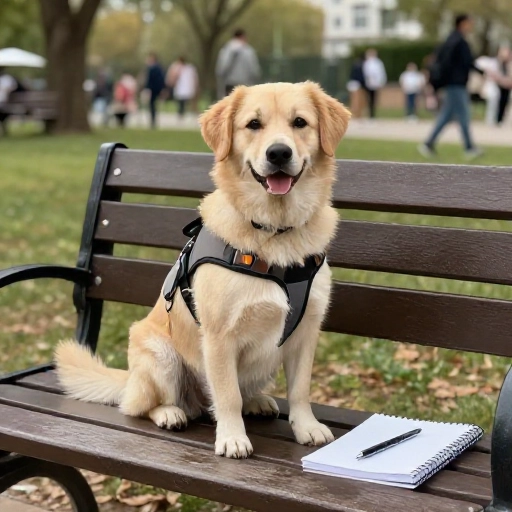
Sometimes, training isn’t about tasks—it’s about behavior. Maybe your dog is nervous around elevators or reactive to loud trucks. Create a separate section in your log for these challenges.
Write down what triggered the behavior and how your dog responded. Then note what you did to help. Over weeks, you’ll see improvements. It’s incredibly reassuring to see that “jumping at sound” went from a daily issue to a rare one.
6. Include Your Own State of Mind
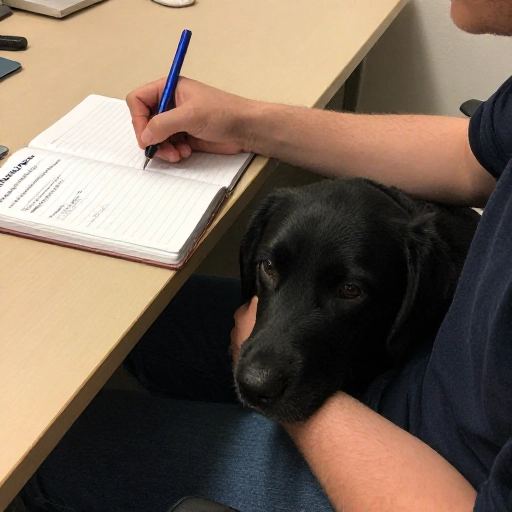
Training a service dog is emotional. You’re relying on your partner for your safety and independence. If you’re anxious, your dog feels it. I started tracking my own mood before sessions—just a simple smiley or frowny face.
When I was calm, my dog learned faster. When I was rushed, we both got frustrated. Seeing this in my log helped me be kinder to myself. It’s not just about the dog. You’re a team, and your energy matters.

7. Celebrate Small Wins Out Loud
In your log, dedicate a line to “wins of the day.” It could be something tiny, like your dog waited calmly while you paid for coffee. Or a big milestone, like first successful public access test. Write it down.
When you look back, these wins will make you smile. They prove that slow progress is still progress. I even add silly notes like “didn’t chase a squirrel for the first time ever.” Those count!
8. Use Your Log to Plan Next Steps
Don’t just record the past—use your log to look forward. At the end of each week, skim your entries. Ask yourself: What skill needs more practice? What environment should we try next? Jot down one goal for the coming week.
This turns your log from a diary into a roadmap. It keeps training intentional, not random. I’ve found that having a weekly goal makes my sessions more focused and my dog more confident.
9. Keep It Handy: Digital vs. Paper
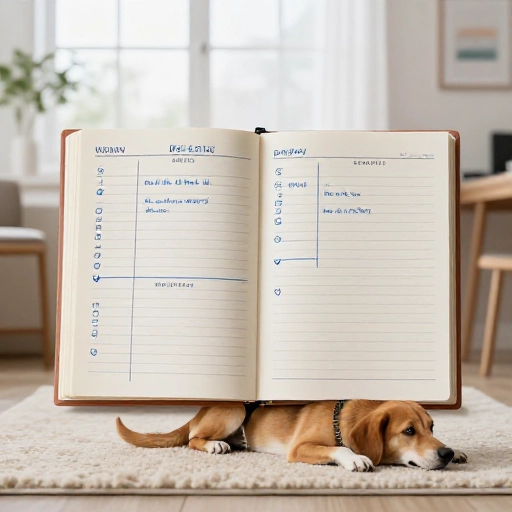
I tried both. A cute notebook feels satisfying to write in, and it’s always ready. But a digital log (like a simple note app) is great for adding quick entries on the go. You can even take photos of your dog practicing.
Pick whatever you’ll actually use. I keep a small notebook in my training bag and a shared note on my phone. No wrong choice here. Just pick one and start.

10. When You Feel Stuck, Read Your Log
There will be days when you question everything. Is my dog cut out for this? Am I doing it right? On those days, sit down with your log. Read the first few pages. Compare them to recent entries.
You’ll see how far you’ve come. That “impossible” behavior is now easy. That scary elevator is no big deal. Your log is proof that you’re both learning and growing. It’s your biggest cheerleader.

Conclusion: Your Log Is Your Secret Weapon
Starting a service dog training log doesn’t have to be complicated. A few minutes a day can save you weeks of frustration. It keeps you honest, motivated, and connected to your dog’s journey.
Whether you use a fancy planner or a scrap of paper, the act of tracking changes everything. You deserve to see your hard work paying off. So grab a pen, open a note, and start today. Your future self will thank you.
Frequently Asked Questions
Q: How often should I write in my training log?
A: Aim for every training session, even short ones. Consistency matters more than length. A quick 30-second note is enough.
Q: What if I miss a few days?
A: No worries! Just pick up where you left off. Don’t stress about gaps. The log is for you, not a test.
Q: Should I include treat amounts or rewards?
A: Yes, if it helps. Note what treats worked best and how many you used. It helps you keep training balanced and effective.
Q: Can I use my log for service dog certification?
A: It’s not a legal document, but it can show consistency and progress to a trainer or program. Some programs even ask for logs.
Q: My dog is older. Is it too late to start a log?
A: Never too late! Older dogs can learn new tasks, and a log helps track health, behavior, and training adjustments. Start now!