How to Build a Vet-Ready Dog First Aid Kit: The Ultimate Checklist for Dog Parents
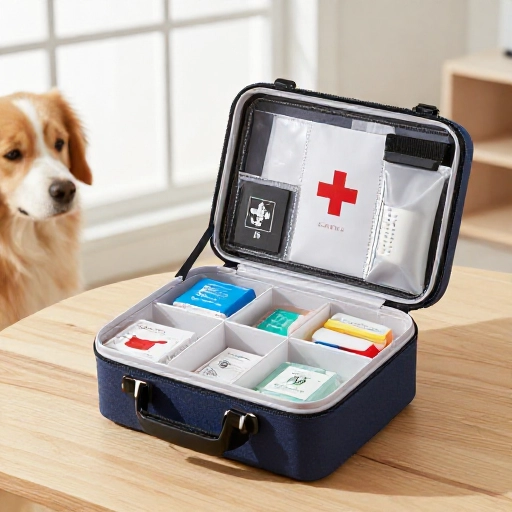
I still remember the panic when my dog, Max, cut his paw on a hike. I had nothing—no gauze, no antiseptic, not even a clean towel. That day taught me a hard lesson: every dog parent needs a vet-ready first aid kit.
Since then, I’ve built and fine-tuned my own kit, and I’ve learned exactly what vets recommend keeping on hand. Whether you’re a new puppy owner or a seasoned pro, this guide will walk you through creating a kit that can handle everything from minor scrapes to serious emergencies.
Let’s dive in and build a kit that gives you confidence and keeps your furry friend safe.
Start with a Sturdy, Well-Organized Container
I used to toss supplies in a random bag, but trust me, chaos doesn’t help in an emergency. A clear, waterproof tackle box or a soft-sided organizer with compartments works best.
Label each section so you can grab what you need without digging. I like a hard case for home and a smaller pouch for my car.
Make sure it’s easy to open with one hand—because you might be holding your dog with the other.
Gather Essential Wound Care Supplies
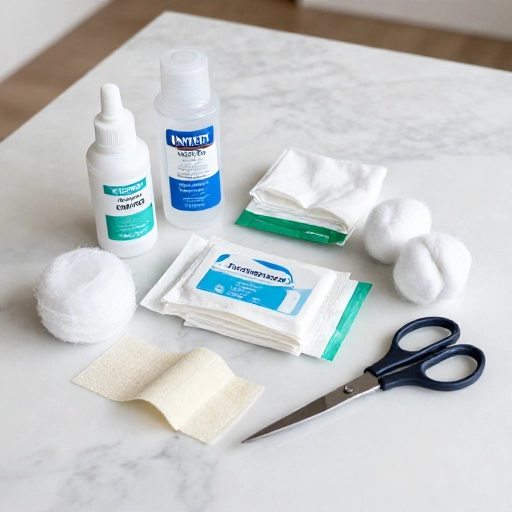
You’ll want to clean and protect any cut or scrape. Start with sterile gauze pads in a few sizes, rolled gauze, and self-adhering bandage wrap (like Vetrap).
Add a bottle of saline solution for flushing dirt, and an antiseptic like chlorhexidine or povidone-iodine. Skip alcohol or hydrogen peroxide—they sting and can damage tissue.
Don’t forget medical tape and blunt-nosed scissors. I keep a small squeeze bottle of saline in my kit because it’s a lifesaver for eye or ear rinses too.
Don’t Forget the Tools: Thermometer, Tweezers, and More
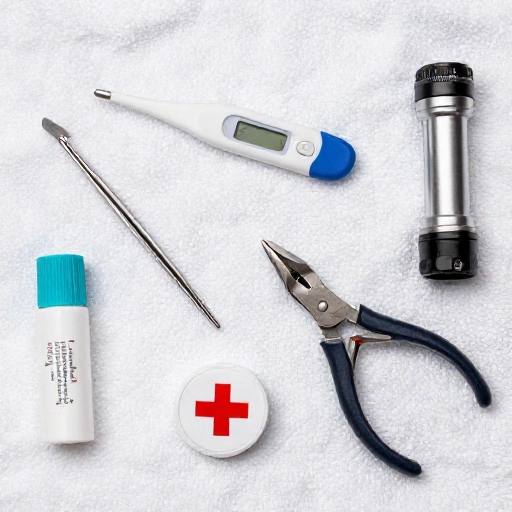
A digital rectal thermometer is non-negotiable—vets will ask for your dog’s temperature. Get one with a flexible tip and a quick read.
Add tick tweezers (fine-tipped) and a tick key, plus a flashlight for looking in ears or throat. A pill cutter and a syringe (without needle) help with oral meds.
I also pack a small notebook and pen to jot down times, symptoms, and doses. Trust me, your brain goes fuzzy in a crisis.
Stock Up on Bandages and Wraps
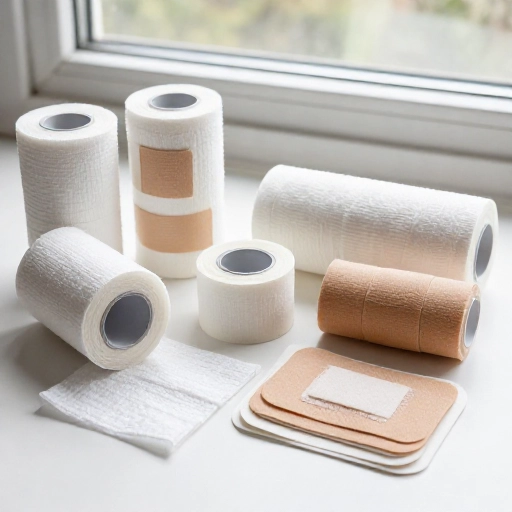
Bandages aren’t just for humans. You’ll need cohesive bandage wrap, adhesive tape, and non-stick pads.
For paw injuries, keep a few baby socks or self-adhesive paw protectors. They stay on better than you’d think.
I also include a roll of duct tape—it’s great for makeshift splints or securing a bandage. Just don’t wrap it directly on fur.
Include Vet-Approved Medications and Topicals
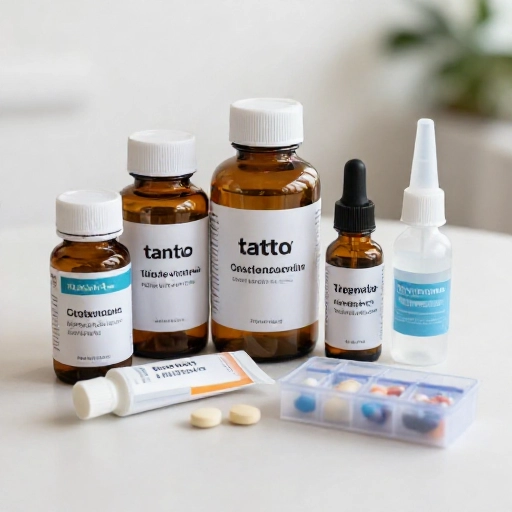
Always ask your vet before giving any medication. That said, many vets recommend keeping:
- Benadryl (diphenhydramine) for allergic reactions—know the correct dose for your dog’s weight.
- Antiseptic ointment (like Neosporin without pain relievers).
- Hydrocortisone cream for bug bites.
- Artificial tears for eye irritation.
I also have a pet-specific antibiotic ointment from my vet, and I never leave home without a copy of my dog’s prescription labels.
Add Emergency Items: Muzzle, Gloves, and Syringe
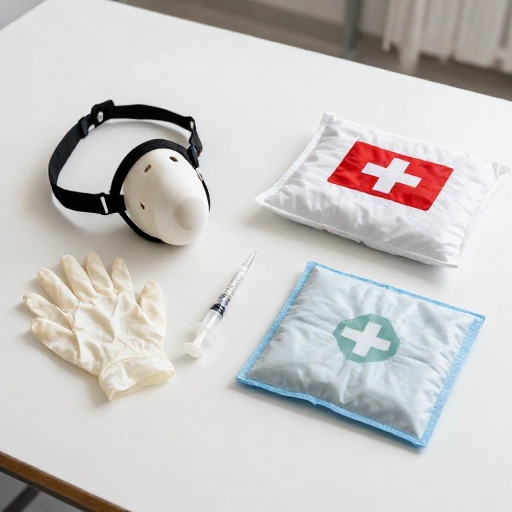
Even the sweetest dog might snap when in pain. A soft nylon muzzle or a strip of gauze to make one is crucial.
Pack disposable gloves (nitrile) to protect yourself and keep wounds clean. A large syringe (without needle) can flush wounds or give oral fluids.
I also include a small emergency blanket (foil) to prevent shock, and a slip lead in case I need to restrain my dog safely.
Pack for Specific Needs: Allergies, Heat, and Cold
Every dog is different. If your dog has allergies, keep their prescribed meds and an EpiPen if prescribed.
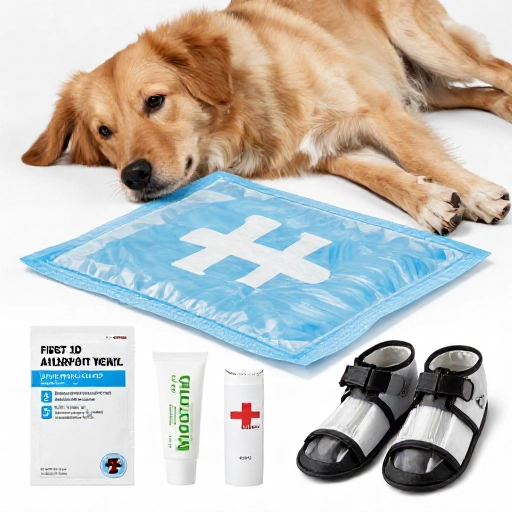
For hot weather, add a cooling mat or instant cold packs. For cold, a small towel or space blanket works.
I also pack a photo of my dog and a copy of vaccination records in a waterproof bag—some boarding facilities or vets may need them.
Keep It Fresh: Rotation and Expiration Dates
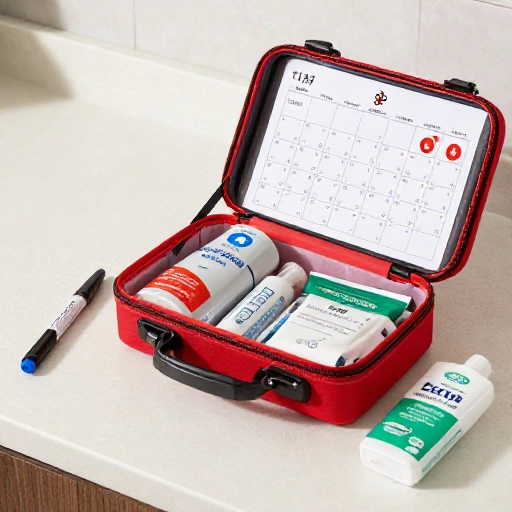
A first aid kit isn’t a set-it-and-forget-it thing. I check mine every three months.
Set a reminder on your phone. Replace expired meds, restock used items, and check batteries in flashlights.
Write expiration dates on the outside of packaging with a Sharpie so you can see at a glance. Trust me, it saves time.
Make It Portable: Home, Car, and Travel Kits
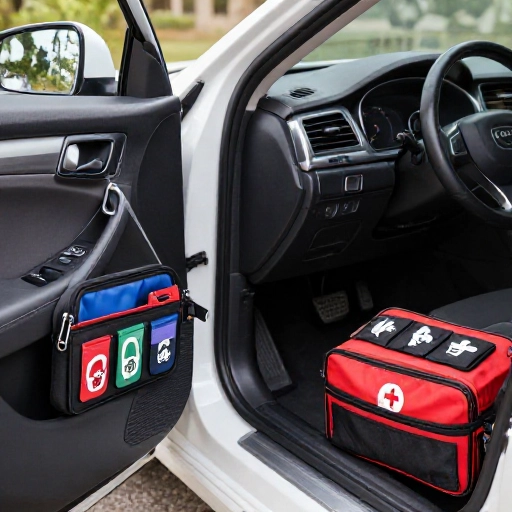
I have three kits: a big one at home, a medium one in my car, and a tiny one in my hiking backpack.
For the car, focus on trauma supplies—gauze, tape, muzzle, and a slip lead. For travel, add any prescription meds and a copy of records.
Keep everything in waterproof bags. You never know when you’ll be caught in rain or a spill.
Learn How to Use It: Training and Vet Contacts
The best kit is useless if you don’t know how to use it. Take a pet first aid course (many are online) or watch reputable videos.
Practice wrapping a paw and taking your dog’s temperature when they’re calm.
Also, save your vet’s number, an emergency vet clinic, and a pet poison control hotline in your phone. I keep a written copy in the kit too, just in case my phone dies.
Conclusion
Building a vet-ready first aid kit doesn’t have to be overwhelming. Start with the basics, then add items as you learn what works for your dog.
I promise you’ll feel more prepared and less panicked when something goes wrong. And your dog will thank you—maybe with extra slobbery kisses.
Remember, this kit is not a replacement for veterinary care. Always call your vet if you’re unsure.
FAQ
Q: What’s the single most important item in a dog first aid kit?
A: A good muzzle. Even a friendly dog can bite when hurt, and it protects both of you.
Q: Can I use human medications like ibuprofen for my dog?
A: No! Ibuprofen and acetaminophen are toxic to dogs. Only use vet-approved meds, and ask your vet first.
Q: How often should I replace items in my kit?
A: Check every three months. Replace expired medications, restock used supplies, and test batteries.
Q: Where should I store my dog first aid kit?
A: Keep one in your home in an easy-to-reach spot, one in your car, and a small one in your travel bag. Make sure it’s out of reach of children but accessible to you.
Q: Do I really need a thermometer?
A: Yes. A dog’s normal temperature is 101 to 102.5°F. If your dog is sick, the vet will ask for it. A digital rectal thermometer is quick and easy.