Your Golden Retriever Training Guide: From Fluffy Pup to Perfect Companion
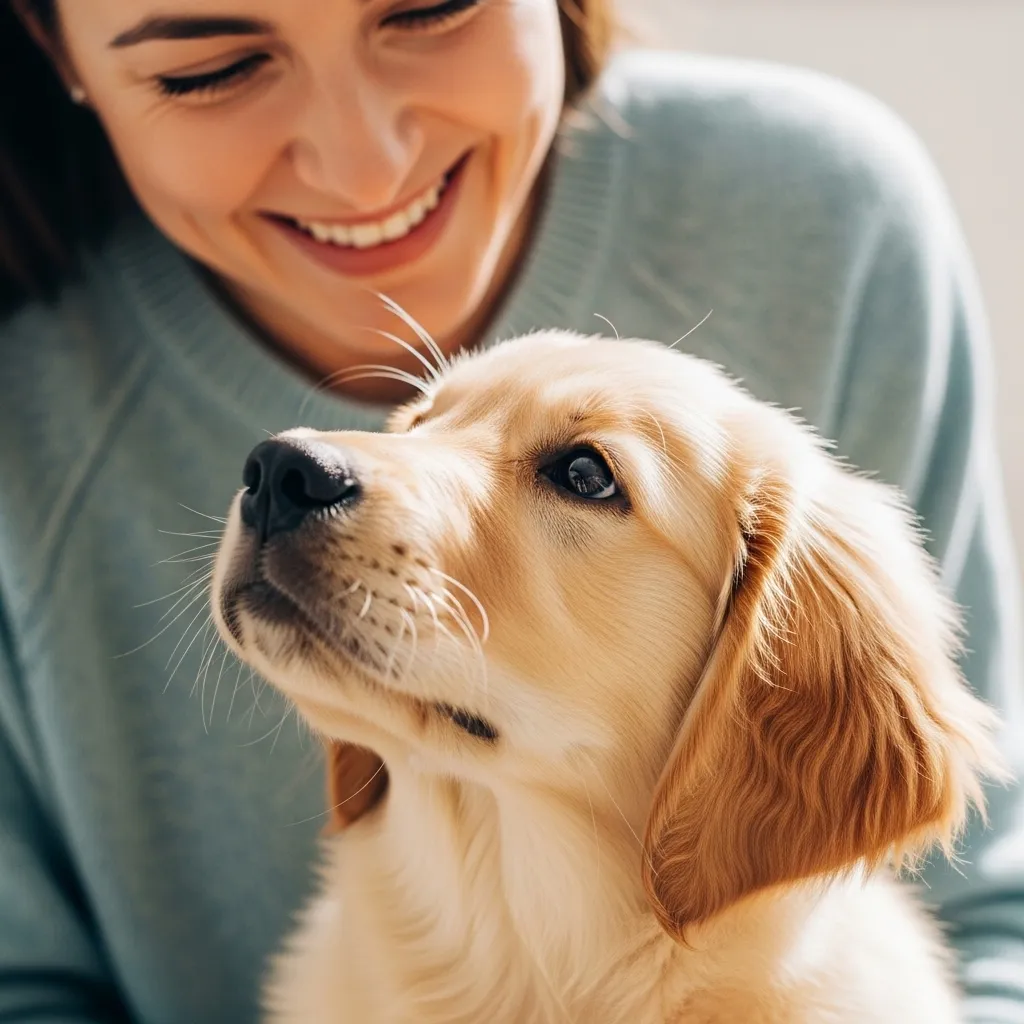
Bringing home a golden retriever is like welcoming a ray of sunshine with paws. I remember the day my golden, Sunny, bounded into my life—full of energy, love, and a complete lack of manners! I quickly learned that their eager-to-please nature is a superpower, but it needs the right guidance to shine.
Training isn’t about strict rules; it’s about building a language of love and respect between you and your best friend. It’s the secret to turning that adorable chaos into a deep, trusting bond. This guide is everything I wish I knew from the start, packed with practical steps for a happy, well-behaved golden.
1. Start with a Foundation of Trust & Bonding
Before teaching “sit” or “stay,” focus on being your puppy’s safe place. Goldens are incredibly social and thrive on connection. Spend those first weeks on gentle handling, positive interactions, and simply enjoying each other’s company.
This means hand-feeding some meals, rewarding calm behavior with quiet pets, and letting them nap near you. A golden who trusts you implicitly will learn faster and want to work for you. This bond is the non-negotiable first step in all your training.

2. Master the Essential “Name Game”
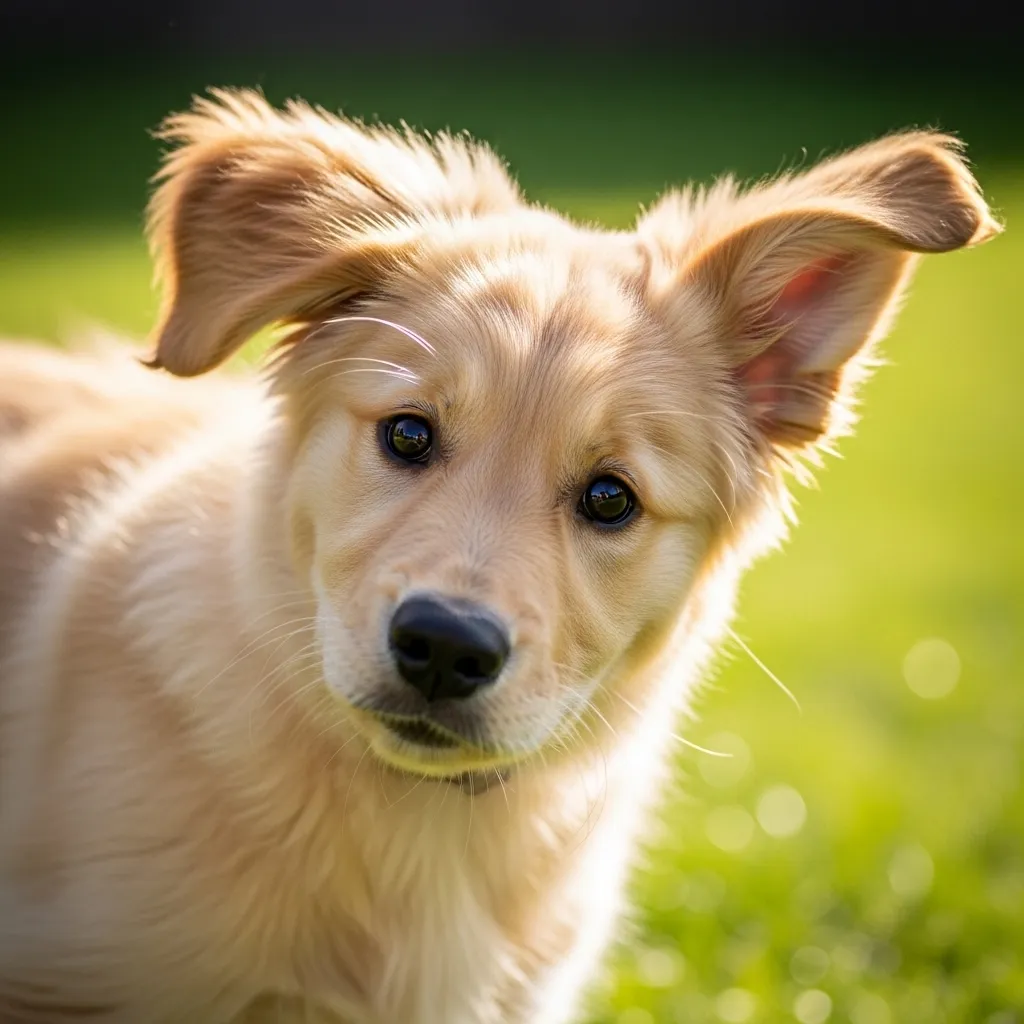
Your dog’s name should be the best word they know! I made the mistake of only using Sunny’s name for scolding at first. We had to re-learn this one. The goal is for them to immediately look at you with happy anticipation when they hear it.
Practice everywhere:
- Say their name in a cheerful voice. The moment they glance at you, mark it with a “Yes!” and give a treat.
- Practice during calm moments and slightly distracting ones.
- Never use their name angrily. If you need to interrupt a behavior, use a sound like “Eh-eh” instead.
This simple game builds focus, which is crucial for every other command.
3. The Life-Saving “Recall” or Come Command
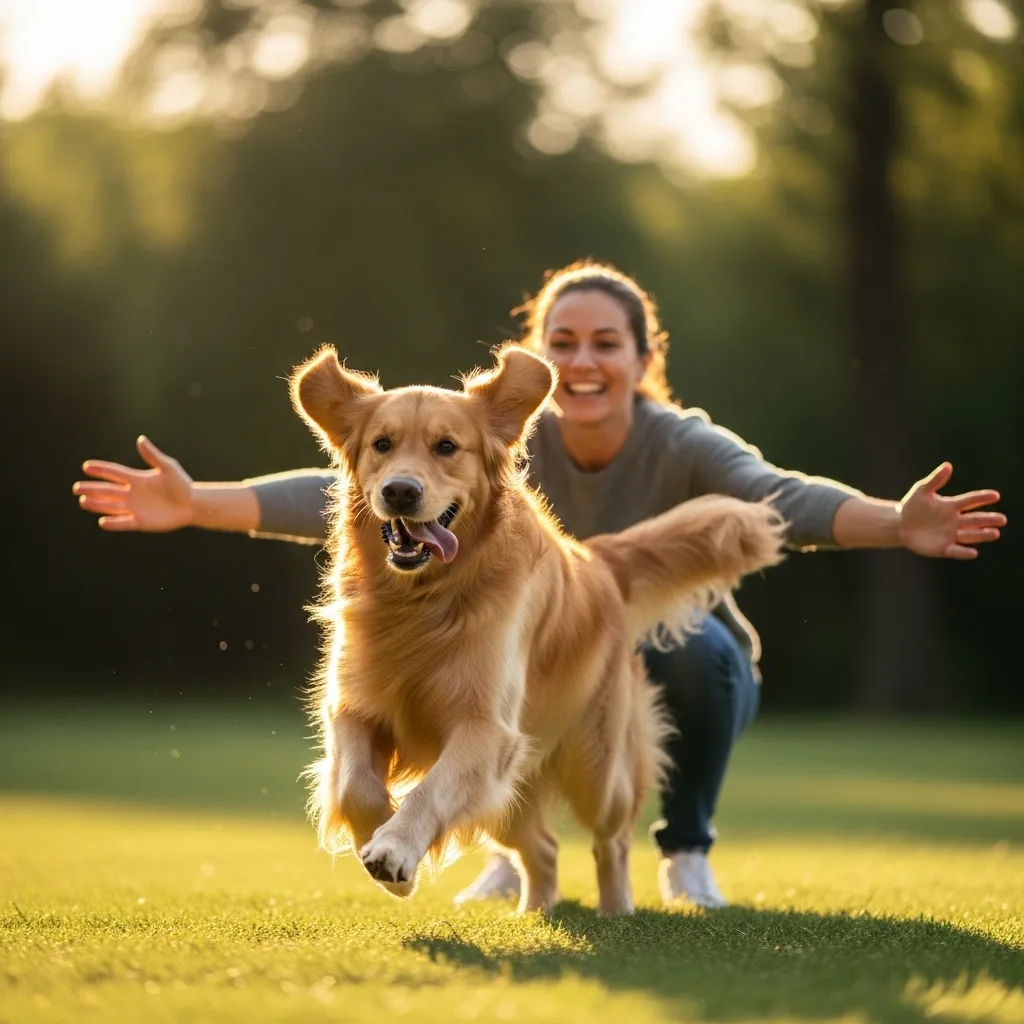
Teaching a reliable recall is my top safety priority. A golden running toward a squirrel or a friendly stranger needs to know that coming to you is the most rewarding choice. This takes patience and high-value rewards (think chicken or cheese!).
Start indoors on a leash. Say “Sunny, come!” in a happy, inviting tone and gently guide them to you. Celebrate like they just won the lottery when they arrive. Gradually increase distance and distraction. Always, always reward a come command, even if it took them a minute. You want them to love coming back to you.
4. Tame the Jumping Greeting
Those joyful, paw-in-your-chest greetings are a golden trademark, but not everyone appreciates them! The key is to teach an incompatible behavior. I trained Sunny that “four on the floor” gets attention, while jumping gets none.
As they jump up, turn your body away and cross your arms. Be a boring tree. The second all four paws are on the ground, immediately reward with attention and treats. Consistency from every family member and guest is vital. It feels tough to ignore them, but it works.

5. Leash Walking Without the Pull
Being dragged by a strong, excited golden is no fun. The goal is a loose leash where they walk politely near you. My breakthrough was stopping completely the moment Sunny pulled. We didn’t move forward until there was slack in the leash.
It feels slow at first, but they learn that pulling gets them nowhere, while walking nicely makes the adventure continue. Reward them heavily when they choose to walk by your side. A front-clip harness can be a game-changer for managing pulling while you train.

6. Create a Solid “Settle” or Place Command
Goldens can be perpetual motion machines. Teaching a “place” command (like on a specific mat or bed) gives them an off-switch. It’s perfect for when you’re cooking, have guests, or just need a moment of peace.
Lure them onto their mat, say “place,” and reward. Gradually ask them to stay for longer periods, rewarding calm behavior. This isn’t a punishment; it’s their safe job to do. A tired, well-exercised golden will settle much more easily.

7. Manage Puppy Mouthing & Chewing
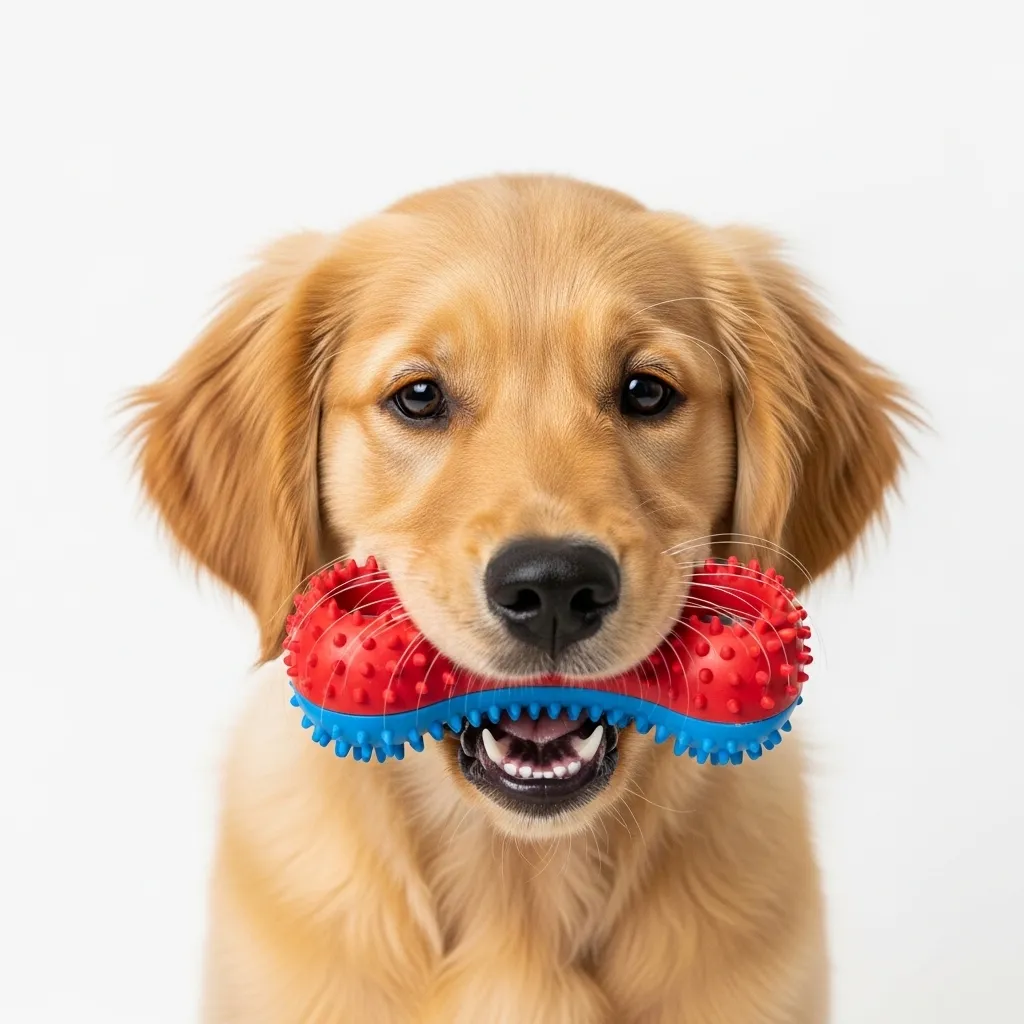
Those needle-sharp puppy teeth love to explore hands and furniture. It’s normal teething and play behavior, not aggression. The trick is redirection. Always have a tough, approved chew toy within reach.
The moment teeth touch skin, let out a high-pitched “ouch!” (like a puppy yelp), withdraw attention for 10 seconds, then immediately offer the chew toy. They learn that toys are for chewing, people are for cuddles. Consistency and providing plenty of appropriate outlets are everything.
8. Socialization: More Than Just Meeting Dogs
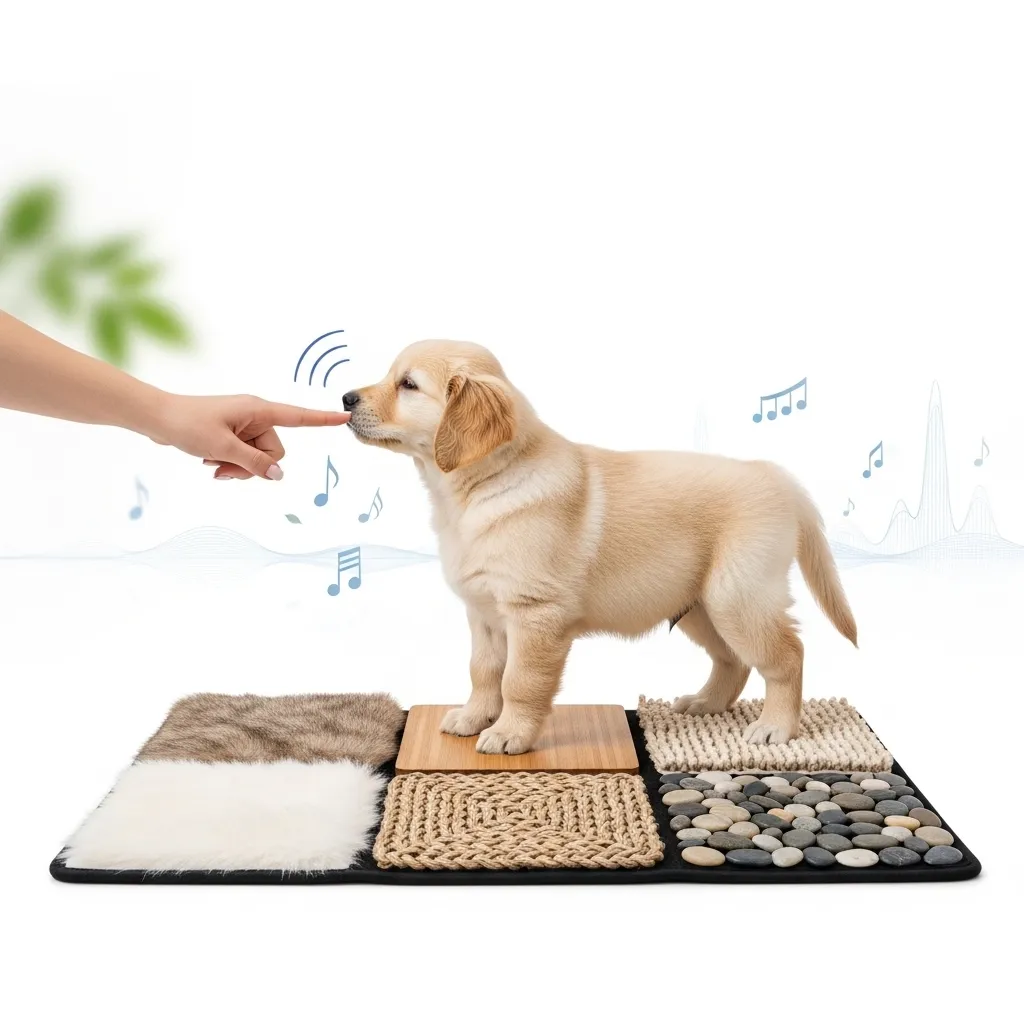
Proper socialization before 16 weeks is about building confidence, not just doggy playdates. It means exposing your pup positively to all sorts of sights, sounds, and surfaces in a controlled way.
Think:
- Walking on different floors (tile, gravel, grass).
- Seeing umbrellas, hats, and strollers.
- Hearing vacuums, doorbells, and traffic.
Keep experiences positive and reward calm curiosity. A well-socialized golden grows into a confident, adaptable adult.
9. Use Positive Reinforcement, Always
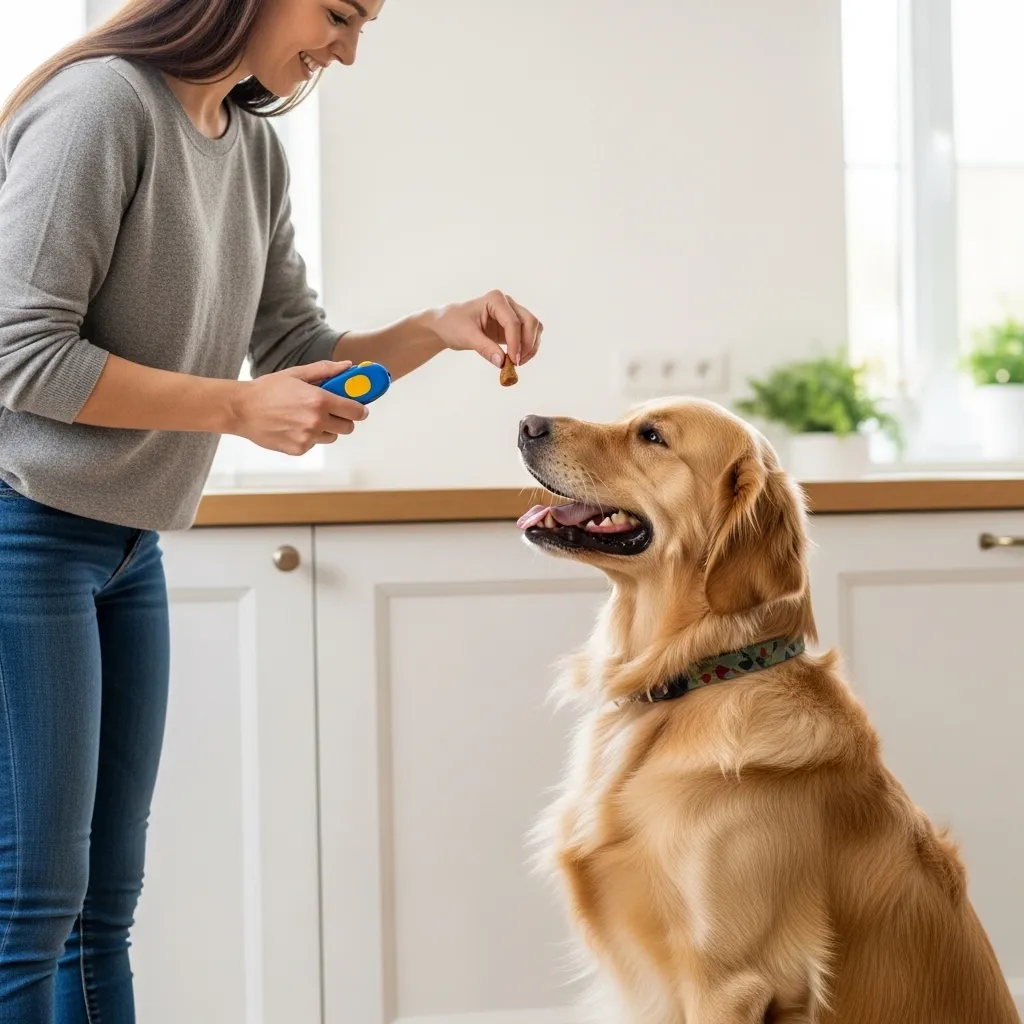
Goldens are sensitive souls who wilt under harsh correction. Positive reinforcement—rewarding the behavior you want—is the only method I use or recommend. It builds enthusiasm for learning and strengthens your bond.
This means marking desired behaviors with a clicker or a verbal “Yes!” followed immediately by a treat, toy, or praise. You’re not bribing; you’re communicating. They quickly figure out which actions make good things happen and offer them more and more.
10. Make Training a Daily Game
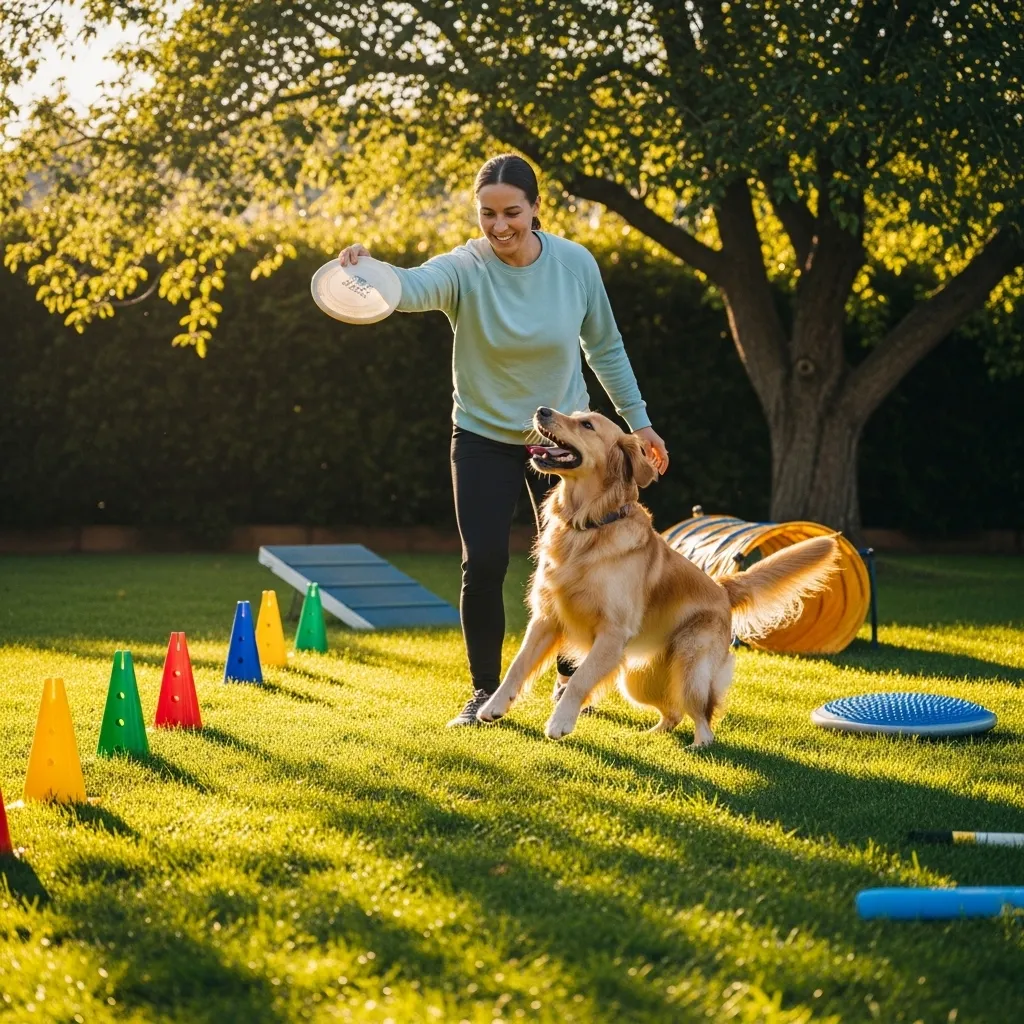
Formal training sessions should be short (5-10 minutes), fun, and end on a success. But training happens all day long! I practice “sit” before meals, “wait” at doors, and “down” during TV commercials.
Weave commands into your routine. This keeps their mind engaged and shows them that good manners are just part of life with you. When training feels like play, your golden will be your most eager student.
Conclusion: Your Journey to a Well-Trained Best Friend
Training your golden retriever is one of the most rewarding journeys you’ll take together. It’s not about perfection; it’s about progress, patience, and a whole lot of laughter along the way. Celebrate the small wins. Some days will be brilliant, others will be messy, and that’s perfectly okay.
The investment you make now in clear communication and positive guidance pays back a thousand times in years of companionship, trust, and joyful adventures. You’re not just training a dog—you’re building a lifelong friendship.
Golden Retriever Training FAQ
Q: What’s the best age to start training my golden retriever?
A: Start the moment you bring them home! Puppies as young as 8 weeks can learn basics like their name, potty training cues, and gentle handling. Early socialization and simple commands set the tone.
Q: My golden is so food-motivated. Is that okay?
A: It’s more than okay—it’s a fantastic training tool! Use small, soft, high-value treats for teaching new skills. You can gradually phase treats out to intermittent rewards and replace them with praise and life rewards (like a thrown ball).
Q: How do I stop my golden from chewing everything?
A> Management and redirection are key. Puppy-proof your home, use crates or pens when unsupervised, and provide a variety of approved chew toys. Always redirect from forbidden items to a toy and praise heavily for chewing the right thing.
Q: Why does my golden listen at home but ignore me at the park?
A> This is totally normal! It’s called a “proofing” issue. Dogs don’t generalize well. You need to practice every command in many different locations, starting with low distractions and slowly building up to exciting places like the park.
Q: My golden gets overly excited and “zooms” around. How can I calm them?
A> The “zoomies” are often a sign of being overtired or overstimulated. Ensure they’re getting adequate physical AND mental exercise. Teach a solid “settle” command and provide a quiet space for enforced naps. Sometimes, they just need to get the sillies out in a safe, fenced area!