Potty Training Your Rescue Dog From Day One: The Simple, Gentle Plan That Works
Bringing home a rescue dog is a beautiful mix of excitement and chaos. I still remember the first night with my rescue, a scruffy little terrier mix who looked at me like I was both a hero and a stranger. Potty training was not on my mind until I found a tiny puddle by the door.
Here’s the truth: rescue dogs often come with unknown histories. Some were outdoor dogs, some lived in kennels, and some never had a routine. That means potty training starts from scratch, but it’s absolutely doable.
I learned that the first few days set the tone. With patience, a predictable schedule, and a lot of praise, my rescue went from confused to confident. This is the plan I wish I had from day one.
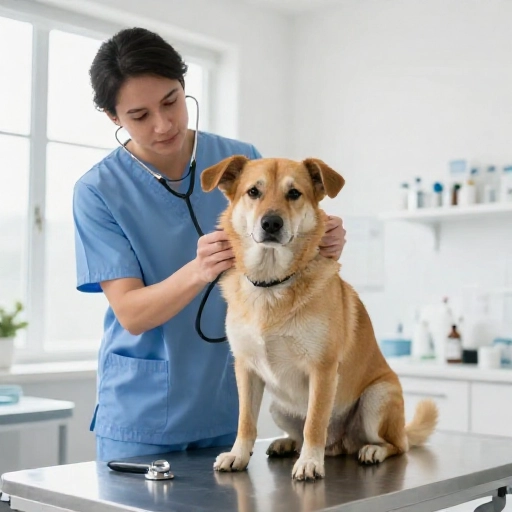
1. Start With a Vet Check and a Clean Slate
Before I did anything else, I scheduled a vet visit. Rescue dogs can have urinary tract infections, parasites, or other medical issues that make potty training harder. A quick check-up rules out health problems first.
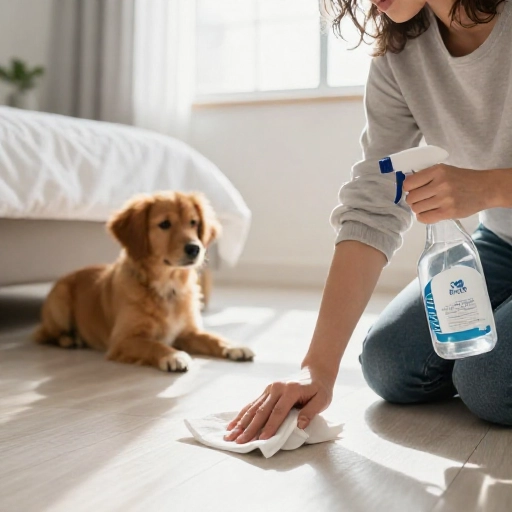
Then I created a clean slate. I picked up any old accidents with an enzyme cleaner, even if I couldn’t smell them. Dogs have super noses, and leftover scent says “this is the bathroom.”
I also kept the first 24 hours low-key. No dog parks, no big introductions, no overwhelming excitement. A calm dog learns faster than a stressed one.
2. Build a Potty Schedule Around Your Dog’s Bladder
Rescue dogs thrive on routine. I started taking my dog out every two hours, plus immediately after waking up, eating, playing, and napping. That sounds like a lot, but it prevented most accidents.
For puppies, I went out every hour. For adult rescues, every two to three hours was enough at first. I kept a simple note on my phone with times and results.
Feeding times matter too. I fed my dog at the same times each day and picked up water about an hour before bed. That made nighttime potty breaks more predictable.
3. Pick One Potty Spot and Make It Boring
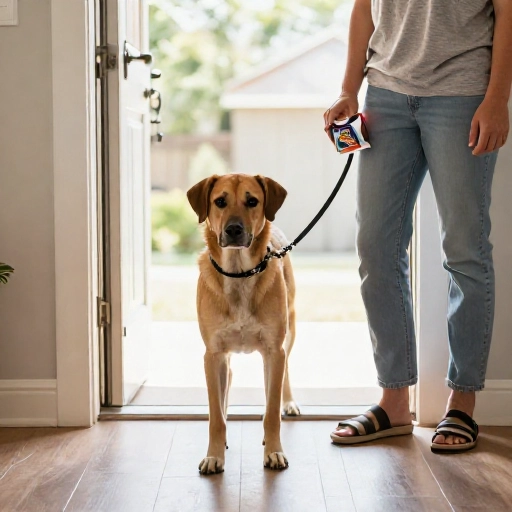
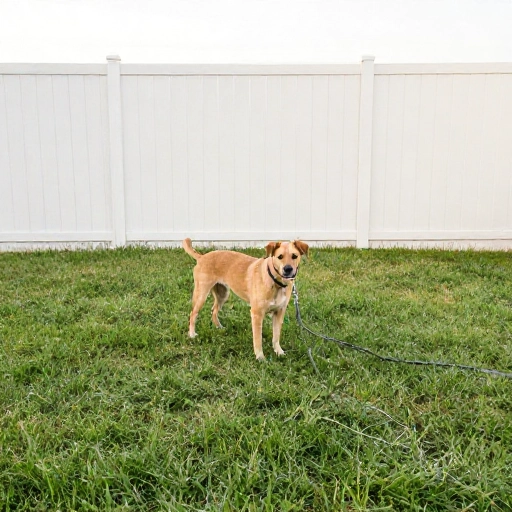
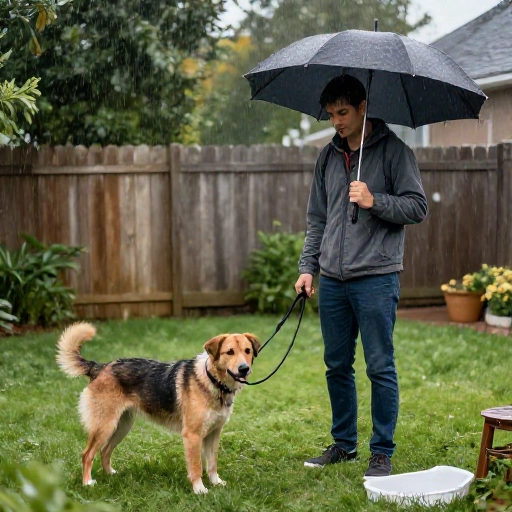
I chose a single spot in my yard and always walked my dog there on a leash. Same spot, same smell, same boring routine. No playing, no sniffing around for ten minutes.
When my dog finally went, I praised softly and immediately. The goal was to teach “this exact place is for potty.”
If you live in an apartment, pick a specific patch of grass or a certain curb. Consistency helps your rescue dog connect the dots faster.
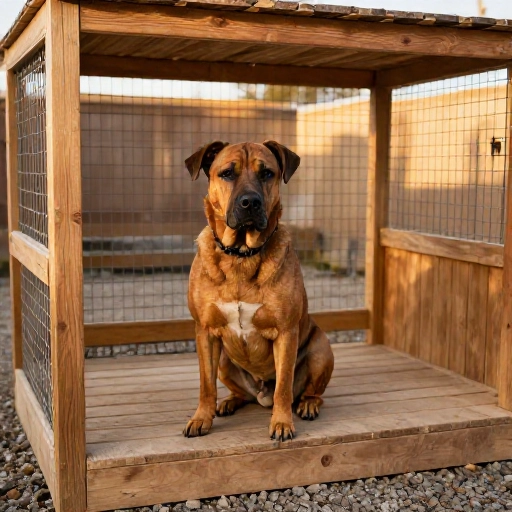
4. Use a Crate as a Safe Den, Not a Punishment
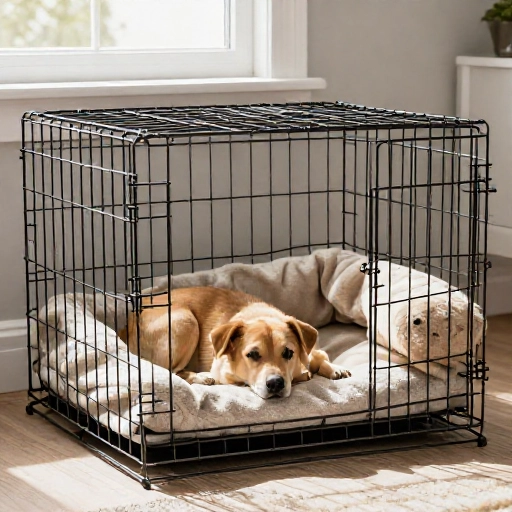
I introduced the crate slowly. I tossed treats inside, left the door open, and let my dog explore. Soon it became a cozy nap spot, not a scary box.
Dogs naturally avoid soiling their sleeping area. A properly sized crate (just big enough to stand, turn, and lie down) helped my rescue hold it a little longer between breaks.
I never used the crate for punishment or left my dog in there all day. It was a tool for short, supervised downtime and nighttime sleep.
5. Learn Your Rescue Dog’s “I Need to Go” Signals
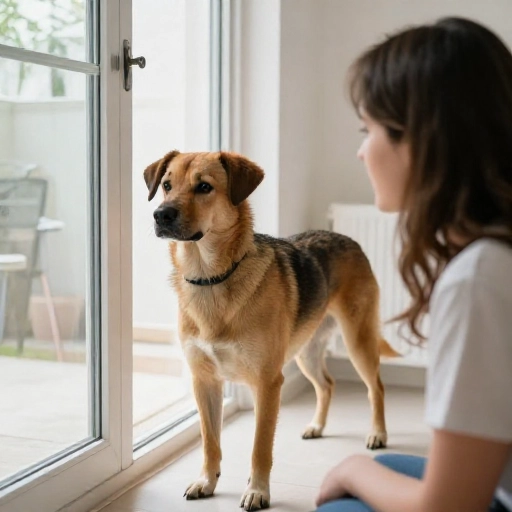
Every dog has a tell. My rescue would suddenly stop playing, sniff the floor, or circle near the door. I watched like a hawk for those first few weeks.
Other common signals include whining, pacing, staring at me, or walking away mid-play. When I saw any of these, I scooped my dog up and headed outside.
Even if nothing happened, the trip outside reinforced the habit. Better to go out and wait than clean up an accident inside.
6. Reward the Exact Moment They Finish
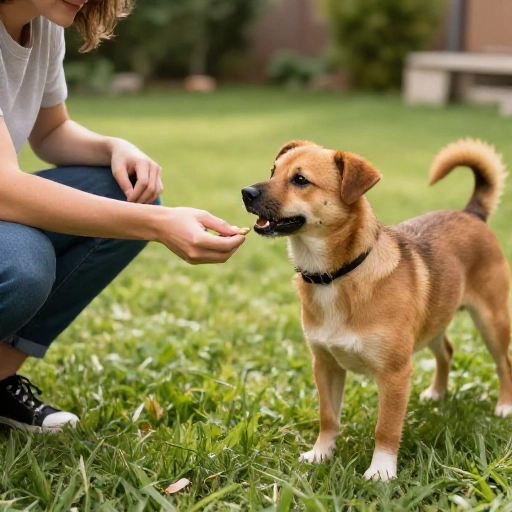
Timing is everything. I waited until my dog finished pottying, then said “yes!” and gave a tiny piece of chicken or cheese. Not before, not five seconds later.
High-value treats work best. I reserved boiled chicken for potty wins only, so my rescue learned that going outside was the best part of the day.
Praise is great, but food speeds up learning. I also gave a calm “good potty” in a happy voice right as they finished.
7. Handle Accidents Without Fear or Yelling
Accidents happen. I never rubbed my dog’s nose in it, yelled, or punished. That only teaches a rescue dog to hide and potty behind the couch.
Instead, I cleaned it up quietly with an enzyme cleaner. Then I asked myself what went wrong: Did I miss a signal? Was the schedule too loose?
I also supervised more closely for the next few days. Tethering my dog to me with a leash inside the house helped me catch accidents before they happened.
8. Teach a Potty Bell or Simple Door Cue
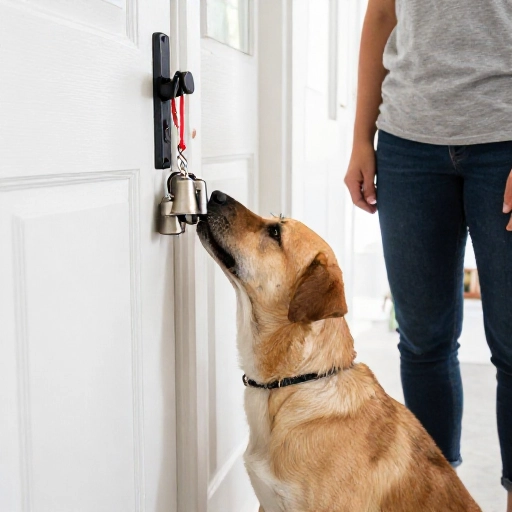
After a week, I hung a string of bells on the back door. Every time we went out, I guided my dog’s nose to ring them, then opened the door immediately.
It took about ten days, but eventually my rescue bumped the bells on purpose. That was a game-changer for communication.
If bells feel like too much, just teach a sit-and-stare at the door. The key is to reward any clear signal with a quick trip outside.
9. Adjust for Age, Breed, and Rescue Background
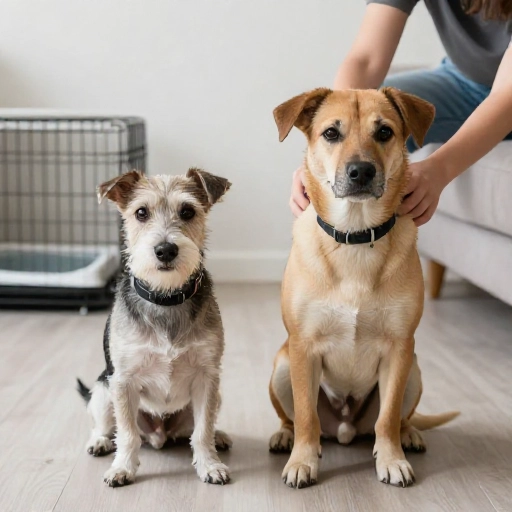
My friend’s senior rescue needed more frequent trips than my young terrier. Puppies have tiny bladders, while some large breeds can hold it longer.
Shy or traumatized dogs may need a quieter potty spot. I once fostered a dog who was scared of the dark, so I added a small night light near the door.
If your rescue came from a hoarding situation or a kennel, they might not know that grass is for potty. Be patient and celebrate every tiny step.
10. Stay Consistent Through Setbacks and Regression
There were days when my rescue seemed to forget everything. A new visitor, a thunderstorm, or a change in schedule could trigger accidents again.
I didn’t panic. I went back to the basics: more frequent trips, closer supervision, and extra rewards for going outside.
Regression is normal, especially in the first three months. If accidents suddenly increase with no clear reason, a vet check is smart to rule out illness.
Conclusion
Potty training a rescue dog from day one is less about perfection and more about trust. You’re teaching your new friend that the world is predictable, safe, and full of rewards for good choices.
Stick to a schedule, use a crate kindly, reward every win, and clean accidents without drama. Your rescue dog will get there, one small victory at a time.
FAQ
How long does it take to potty train a rescue dog?
Most rescue dogs need two to six weeks of consistent routine. Some take a few months, especially if they came from a kennel or hoarding situation. Patience wins.
Should I use pee pads for my rescue dog?
I avoid them unless you live in a high-rise and have no other option. Pee pads can confuse a dog about going inside. If you use them, transition to outdoor pottying as soon as possible.
Why does my rescue dog pee when I come home?
That’s often submissive or excitement urination, not a potty training failure. Greet your dog calmly, avoid towering over them, and take them straight outside.
What if my rescue dog only potties on a leash in the yard?
That’s actually great. Start there, then gradually move to different spots. A dog who potties on leash is easy to manage anywhere.
Can I potty train an older rescue dog?
Absolutely. Adult dogs learn fast when routines are clear. I’ve potty trained rescues as old as ten, and they got it within a month.