The Ultimate New Puppy Care Guide for the First 30 Days (Everything I Wish I Knew Before Day One)
Bringing home a new puppy is equal parts magic and chaos. One minute you’re melting over tiny paws, the next you’re standing in the yard at 2 a.m. wondering if you’re doing any of this right.
The first 30 days set the tone for everything that follows — sleep, potty habits, manners, and how safe your puppy feels in your home. Get these early days roughly right and the rest gets so much easier.
This is the guide I wish someone had handed me. No fluff, no guilt, just the practical stuff that actually matters in month one. Pin it now, because you’ll want to come back to it around day 12 when you’re tired.
1. Puppy-Proof Before You Bring Them Home
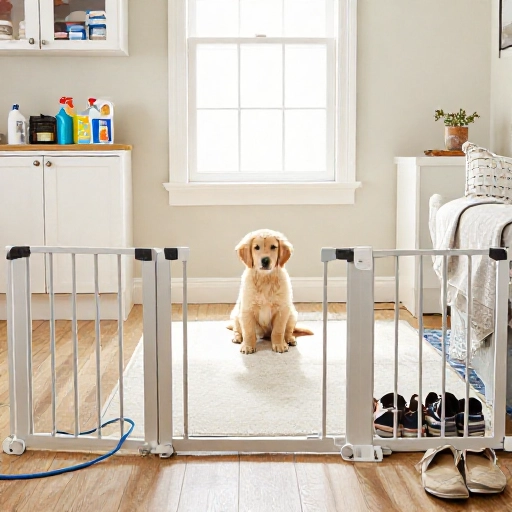
Puppies explore the world with their mouths, so anything within reach is fair game. Get down on the floor on your hands and knees and look at your home from puppy height. It’s honestly eye-opening.
Move cords behind furniture or tuck them into cord covers. Block off stairs with a baby gate. Put away shoes, socks, medications, chocolate, gum with xylitol, and anything small enough to swallow.
Chances are your houseplants need a check too. Lilies, sago palms, and several common houseplants are toxic to dogs, so either raise them high or rehome them temporarily.
2. Build a Cozy “Puppy Zone” They Can Call Home
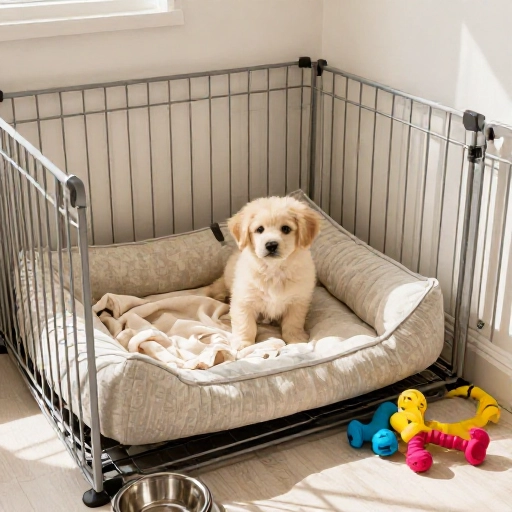
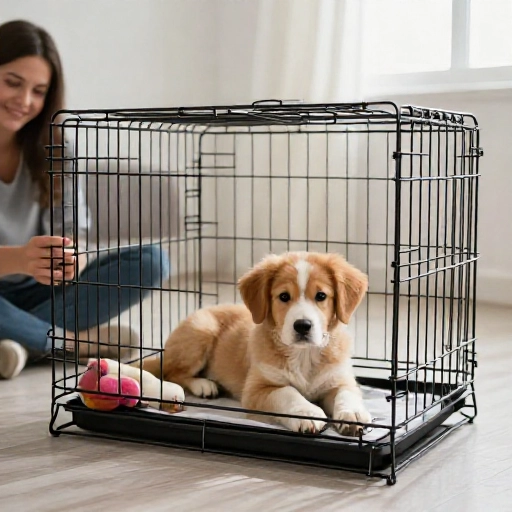
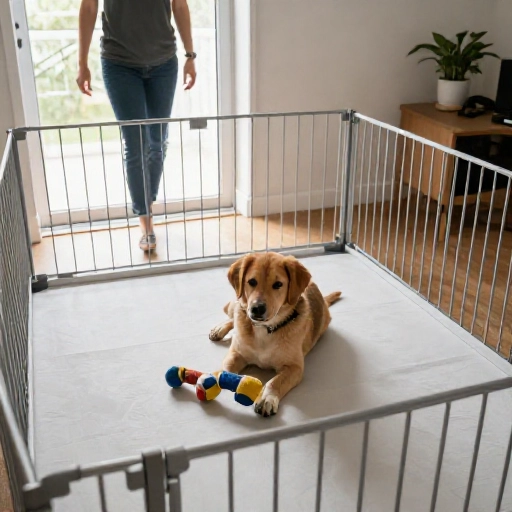
Your puppy just left their mom and littermates. That’s a big deal. Giving them one small, safe area — a crate or pen with a bed, water, and a chew toy — helps them feel secure instead of overwhelmed by an entire house.
Pick a spot that’s quiet but not isolated. A corner of the living room works better than a back bedroom, because your puppy wants to hear and smell you nearby.
Add a blanket that smells like their littermates if the breeder or shelter gave you one. That familiar scent works better than any fancy calming spray I’ve tried.
3. Find a Vet Before You Actually Need One
Call around before pickup day and book that first appointment for within 48 to 72 hours of bringing your puppy home. It’s non-negotiable, even if your puppy looks perfectly healthy.
That first visit checks weight, heart, lungs, teeth, and tummy, plus it confirms what vaccines and dewormers are already on board. You’ll also get a schedule for the rest of the puppy series.
Ask about emergency hours while you’re there. Knowing where to go at 11 p.m. on a Sunday is worth its weight in gold.

4. Surviving the First Night (It’s Usually Rough — Here’s Why)
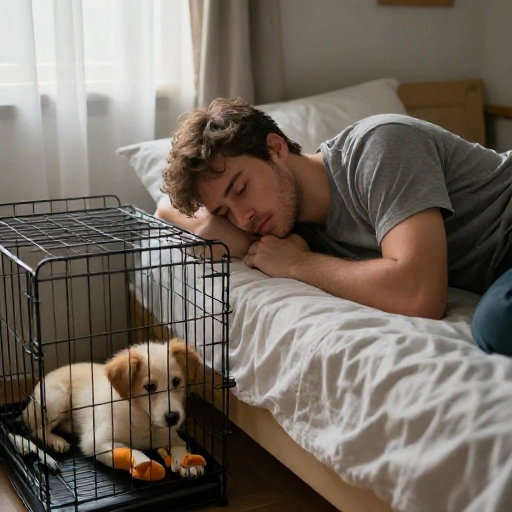
Expect some crying. Your puppy has never slept alone before, and the first night is genuinely scary for them. This isn’t manipulation; it’s a baby missing their family.
Put the crate right next to your bed for the first week or two. A hand near the crate, soft talking, and a potty break every two to three hours gets most puppies through.
Skip the temptation to let them sleep in your bed “just tonight.” That one night almost always becomes a habit that’s ten times harder to undo later.
5. The Potty Schedule That Actually Saves Your Rugs
Puppies can generally hold their bladder about one hour per month of age, plus one. A two-month-old puppy needs a break roughly every three hours, and always right after waking, eating, drinking, playing, and before bed.
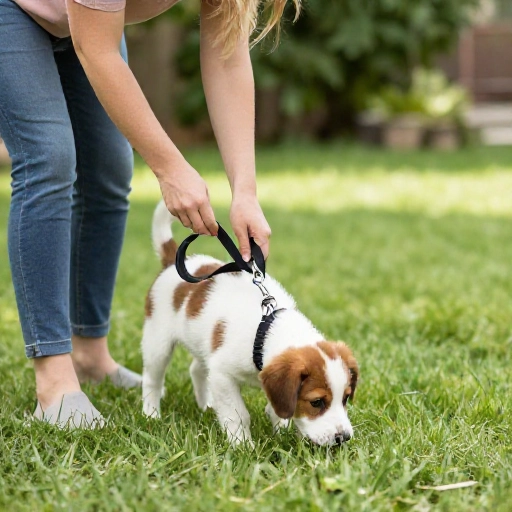
Take them out on a leash to the same spot every single time. Stand still, boring and patient. The moment they go, praise like they just won an Olympic medal and hand over a treat.
Watch for the pre-potty signals: circling, sniffing the floor, sudden wandering, or a quick squat. Interrupt calmly, carry them outside, and finish the job there.
6. Crate Training Without the Crying Fits
The crate should feel like a good place, not a punishment box. Toss treats inside, feed meals in there, and leave the door open during the day so your puppy can wander in and out freely.
Start with five-second closes and build up slowly. Ten seconds, then thirty, then a minute. If your puppy panics, you moved too fast — go back a step and stay there an extra day.
Never use the crate for timeouts or punishment. Keep it associated with food, naps, and calm, and you’ll have a puppy who willingly trots in when they’re tired.
7. Feeding: How Much, How Often, and Why It Matters
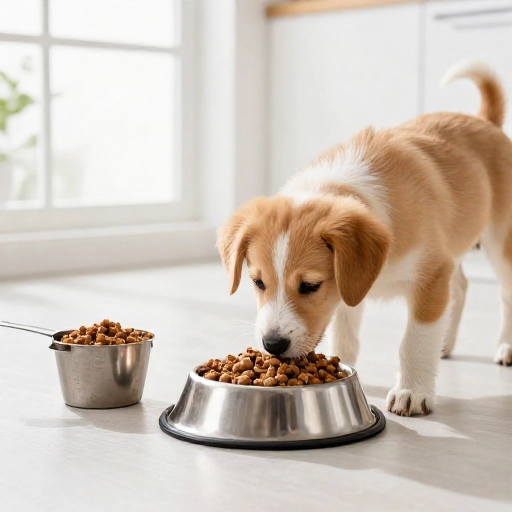
Puppies under four months usually eat three to four small meals a day. Set meals on a schedule rather than free-feeding, because predictable meals make potty training dramatically easier.
Choose a puppy-formula food from a brand that meets established nutrition standards, and measure with an actual measuring cup — not a coffee mug or a scoop-and-guess.
Switch foods gradually over seven to ten days if you’re changing brands. A sudden switch almost always ends in loose stools, and you’ll be cleaning up more than you signed up for.
8. Water, Hydration, and the Overnight Water Debate
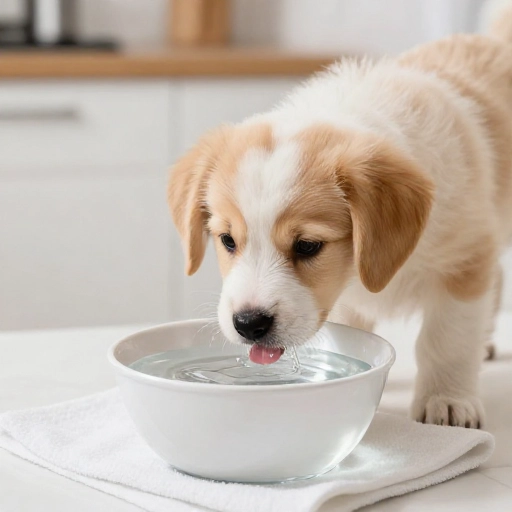
Fresh water should be available all day. Puppies dehydrate fast, and restricting water during the day can cause real problems.
At night, I pull the water bowl about two hours before bedtime once my puppy is eating well and healthy. That one change cut our 3 a.m. wake-ups roughly in half.
If your puppy is on medication, has been vomiting, or has diarrhea, keep water available around the clock and call your vet.
9. The Socialization Window Is Short — Use It Wisely
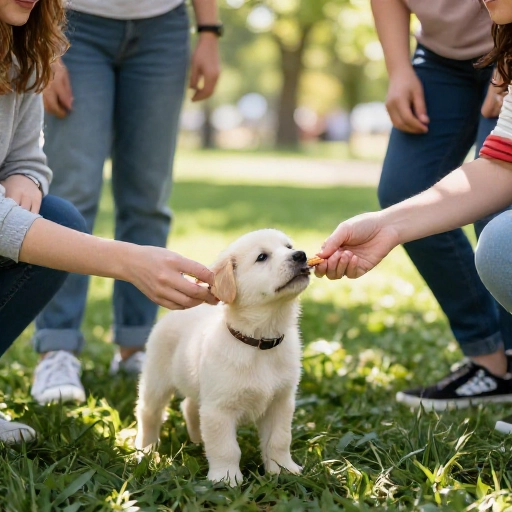
Between roughly three and sixteen weeks, puppies soak up new experiences like sponges. What they meet during this window tends to feel normal for life.
Since full vaccination isn’t complete yet, be smart about it. Carry your puppy in your arms, sit on a bench outside, and let them watch traffic, strollers, and people from a safe distance.
Invite healthy, vaccinated adult dogs to your home. Meeting calm adult dogs in your own yard is far safer than a busy dog park right now.
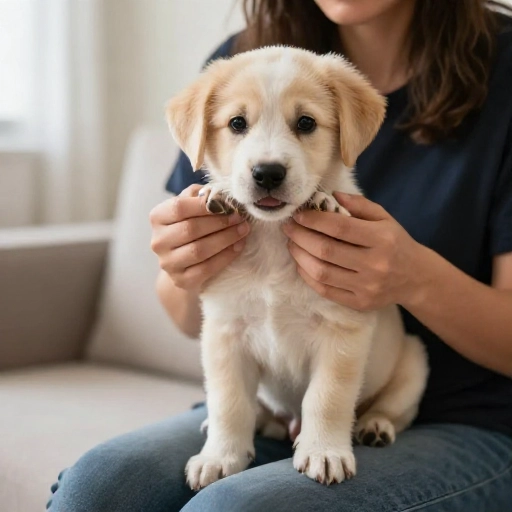
10. Handling Practice: Touch Those Paws, Ears, and Mouth Daily
Vet visits and nail trims go so much smoother when touch is normal. Spend two minutes a day gently handling paws, ears, tail, and muzzle while feeding tiny treats.
Keep sessions short and end on a good note. If your puppy pulls away, slow down and use better treats — cheese usually beats kibble here.
Do this daily and by month two you’ll have a dog who doesn’t flinch when the vet looks in their ears.
11. Bite Inhibition: Teaching “Gentle” Before It Becomes a Problem
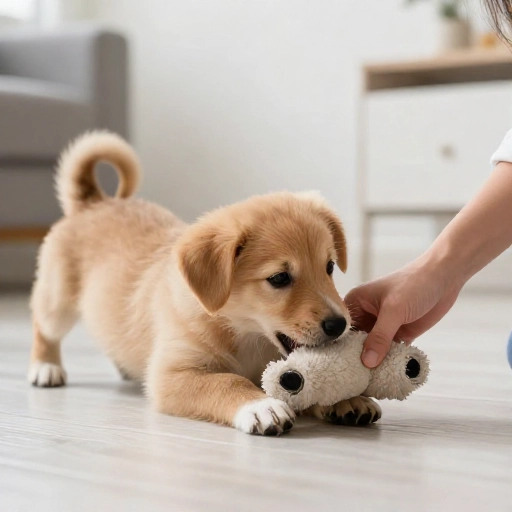
Puppy teeth are sharp, and mouthing is completely normal. What you’re teaching now is how hard is too hard, and that humans are not chew toys.
When teeth touch skin, yelp softly, go still, and pause play for a few seconds. If it keeps happening, stand up and walk away for thirty seconds. Boring is a powerful teacher.
Redirect to a legal chew toy every single time. Consistency matters more than intensity here — one rule, every person in the house.
12. Teething Relief That Doesn’t Destroy Your Furniture
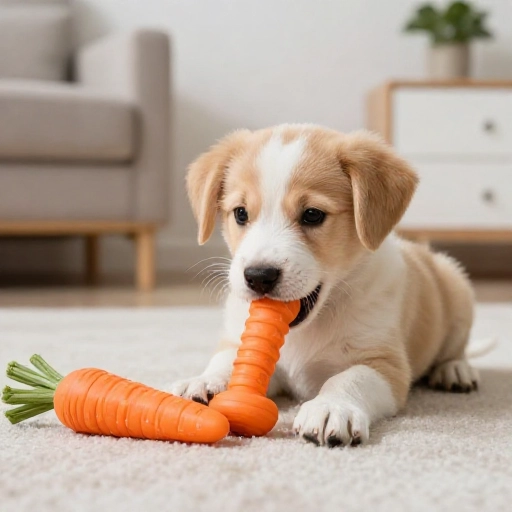
Teething starts around three to four months and can last until six months. During the worst stretches, your puppy’s gums genuinely ache, and chewing is how they cope.
Keep frozen carrots, chilled damp washcloths, and rubber teething toys in rotation. Cold numbs the gums, and having a good option nearby prevents bad choices.
Rotate toys weekly so they stay interesting, and put away anything that looks shredded — swallowed strings and squeakers cause real emergencies.
13. Name Recognition and the First Three Cues
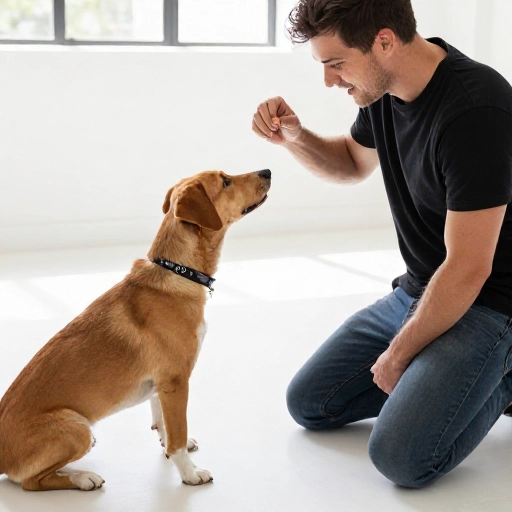
Start with their name. Say it once, and the instant your puppy looks at you, mark it with “yes” and reward. Ten reps, three times a day, and most puppies catch on fast.
Then layer in sit, come, and a settle cue. That’s it for month one. You don’t need fifteen tricks; you need three solid ones.
Keep training sessions to two or three minutes. Puppies have tiny attention spans, and short, frequent wins beat long, frustrating drills every time.
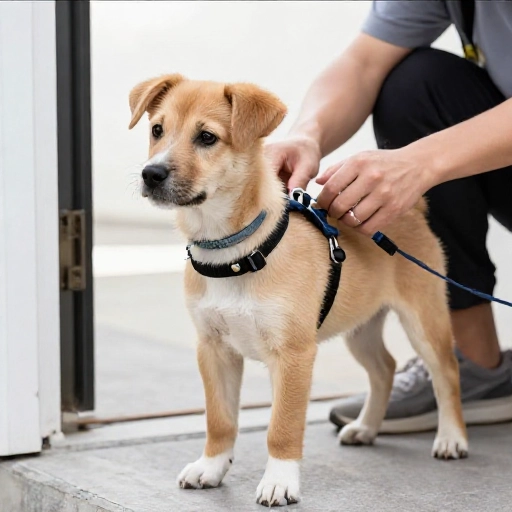
14. Collar, Harness, and Leash Introductions
Put a lightweight collar on for short stretches at home, with treats and praise. Expect some scratching and dramatic flopping — it passes quickly.
For walks, I prefer a well-fitted harness over a collar, especially for small breeds. It takes pressure off the neck and gives you better control.
Drag a short leash around indoors for a few minutes a day before you ever try a real walk. It makes the outside world feel far less strange.
15. Sleep: Your Puppy Needs Way More Than You Think
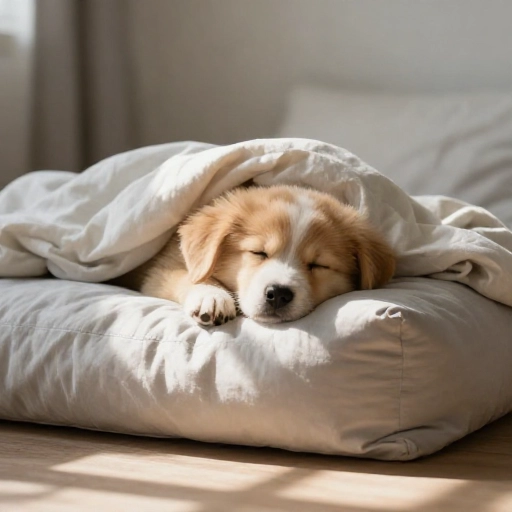
Puppies sleep somewhere between 16 and 20 hours a day. Yes, really. An overtired puppy acts wild, bites harder, and seems impossible to settle.
If yours turns into a tiny shark around 7 p.m., that’s usually a nap problem, not a behavior problem. Pop them in the crate for a nap and watch the difference.
Enforced naps saved my sanity. Roughly one hour awake, then two hours asleep, repeated through the day.
16. Alone Time Training Starts Now, Not Later
Separation anxiety is much easier to prevent than to fix. Start by leaving your puppy in a pen or crate for five minutes while you’re in another room.
Build to ten minutes, then twenty, then a quick trip to the mailbox. Keep departures and arrivals boring — no long goodbyes, no big reunions.
Leave a frozen stuffed toy to make alone time feel like a treat rather than a punishment.
17. Vaccines, Parvo, and Keeping Your Puppy Safe Outside
Puppy vaccines usually come in a series every three to four weeks until around sixteen weeks of age. Until that series is complete, parvo and distemper are real risks in public spaces.
Avoid dog parks, pet store floors, and areas where unknown dogs potty. Your own yard and the arms of a vaccinated friend are much safer options.
Ask your vet what’s safe in your specific area. Risk levels vary a lot by region, and local advice beats generic advice every time.

18. Fleas, Ticks, and Worms: Set Up Prevention Early
Puppies commonly arrive with intestinal worms, and many come from the breeder or shelter already partway through a deworming schedule. Your vet will sort out what’s still needed.
Ask about age-appropriate flea and tick prevention. Some products are not safe for young puppies, so never grab something off the shelf without checking first.
Fecal checks are worth doing. They’re quick, inexpensive, and catch things before they turn into a bigger problem.
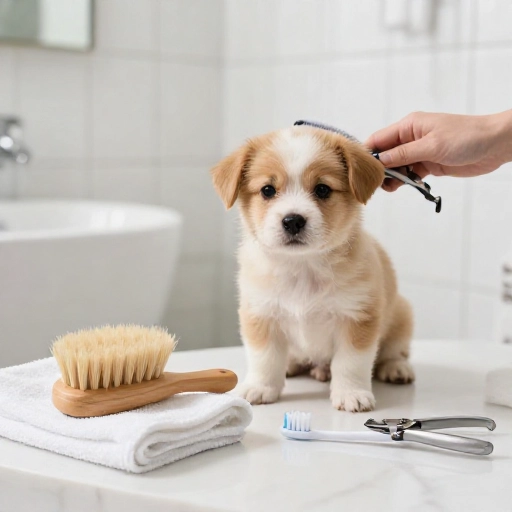
19. Grooming Habits to Start While They’re Small
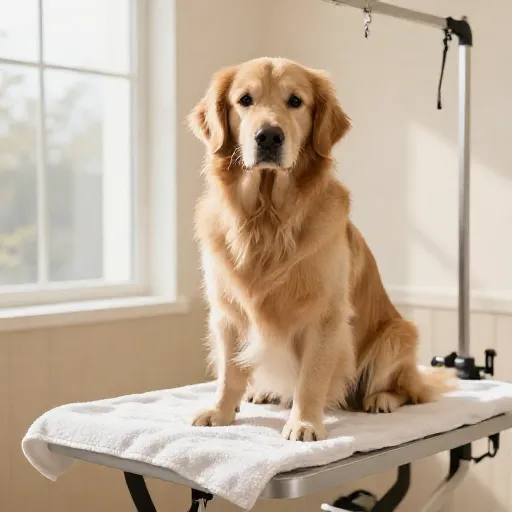
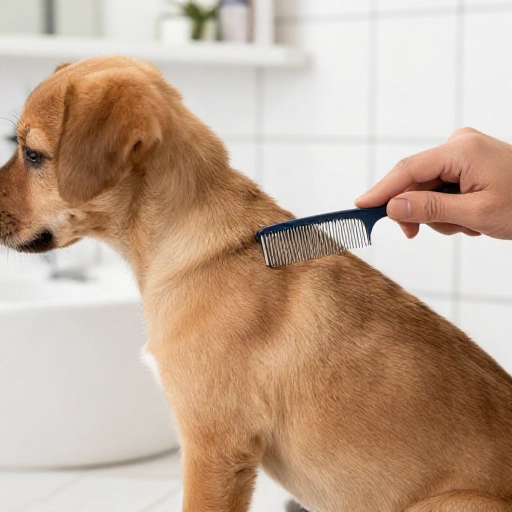
Handle nails, ears, and teeth now, while your puppy is small enough to hold comfortably. A few seconds a day builds a lifetime of tolerance.
Touch the nail clippers to toes without clipping, reward, repeat. Same with the toothbrush — puppy toothpaste tastes like chicken for a reason.
Bathe only when needed, using a puppy-safe shampoo and warm water. Too-frequent baths dry out that soft puppy coat and skin.
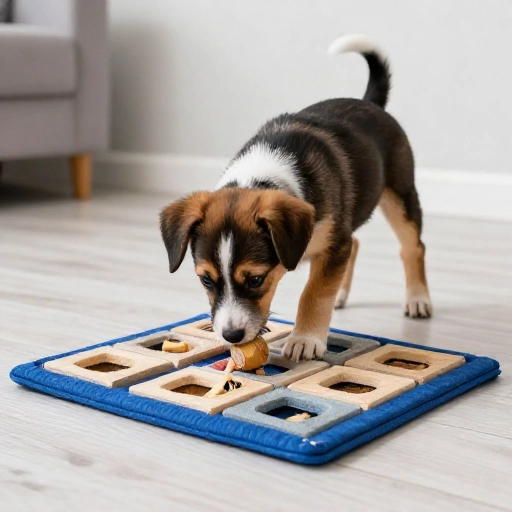
20. Enrichment: A Tired Brain Beats a Tired Body
Puppies don’t need miles of running. In fact, too much hard exercise on growing joints can cause damage. Mental work tires them out far more safely.
Try snuffle mats, food-stuffed toys, muffin tin puzzles, and scatter feeding in the grass. Ten minutes of sniffing beats thirty minutes of fetch for a young puppy.
New textures, sounds, and surfaces count as enrichment too. A cookie sheet on the floor or a walk on a different surface is a whole adventure.
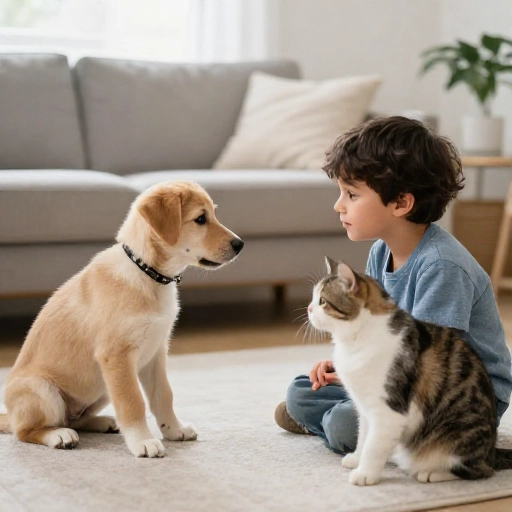
21. Kids, Other Pets, and Visitors
Keep introductions calm and structured. No crowds on day one, no screaming toddlers, no free-for-all with the resident dog.
Teach kids to sit on the floor and let the puppy come to them. Remind everyone to avoid grabbing, hugging tight, or waking a sleeping puppy.
With existing pets, use gates and leashed introductions over several days. Give your older pet their own quiet space and plenty of one-on-one attention.
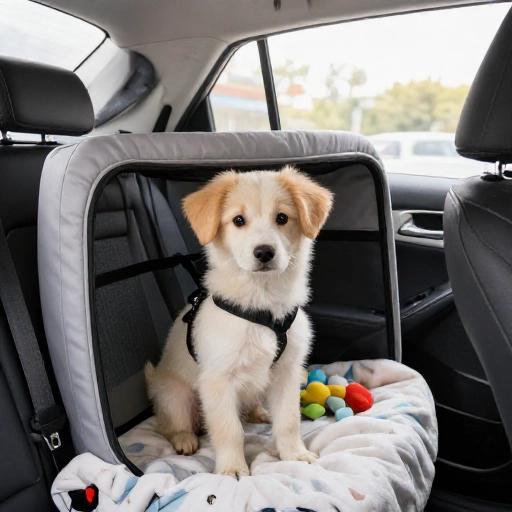
22. Car Rides Without the Whining
Start with the engine off and your puppy just sitting in the parked car with treats. Then a two-minute drive around the block, then a five-minute one.
Secure your puppy in a crash-tested carrier or a properly fitted harness. A loose puppy in a moving car is a genuine safety risk for everyone.
Keep early rides short and end somewhere fun, or at least back home. If your puppy gets car sick, skip the meal right before travel.
23. Track Everything: Weight, Poop, Sleep, and Wins
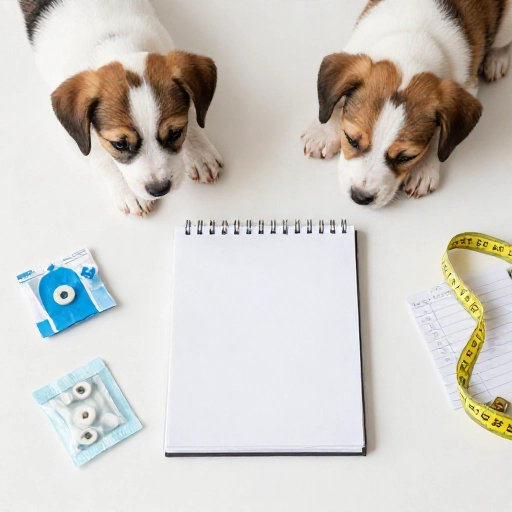
A simple notes app or a paper chart is enough. Log weight weekly, meals, potty times, and anything unusual like soft stool or vomiting.
Patterns jump out fast when you write them down. You’ll spot that your puppy always needs to go twenty minutes after eating, or that a certain treat causes gas.
Also track the small wins. The first quiet night, the first sit, the first dry hour. Month one is exhausting, and those notes are proof you’re making progress.
24. Accidents Will Happen — Clean Up the Right Way
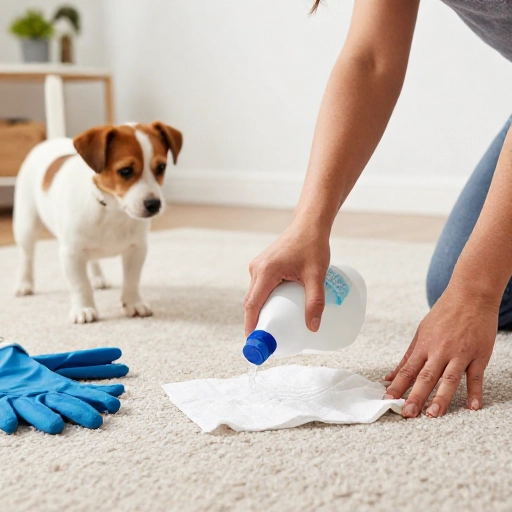
Never punish an accident. Puppies can’t connect a scolding to something they did five minutes ago, and it just teaches them to hide and potty behind the couch.
Clean with an enzymatic cleaner, not vinegar or ammonia-based products. Regular cleaners leave behind scent traces that practically invite a repeat performance.
If accidents are frequent, the fix is usually more frequent trips outside, not more discipline. Shorten the interval and supervise more closely.
25. Week-by-Week Milestones for Your First 30 Days
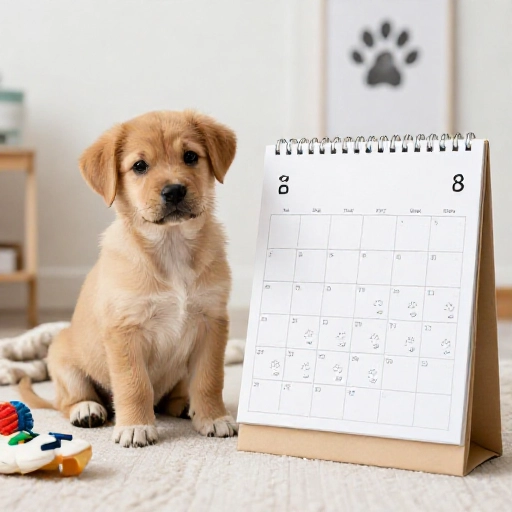
Week one is about safety, sleep, and routine. Week two is where potty patterns start showing up. Week three you’ll notice real name recognition and a puppy who seems more at home.
By week four, most puppies are sleeping longer stretches, holding it a bit better, and offering a sit without being asked. That’s a huge month of growth.
Don’t compare your puppy to anyone else’s. Breeds, sizes, and personalities all move at different speeds, and slow and steady always wins in month one.
Final Thoughts on Your First 30 Days Together
Month one is survival mode with a side of joy. You’ll be tired, your floors will suffer, and you’ll question yourself at least once — that’s completely normal.
Focus on the fundamentals: safety, sleep, consistent potty trips, gentle handling, and short, happy training moments. Everything else can wait until month two.
Take photos, even the messy ones. In three months, you’ll look back at that tiny, clumsy puppy and wonder how they grew up so fast.
Frequently Asked Questions About New Puppy Care
How long does it usually take to potty train a puppy?
Most puppies need consistent management until four to six months old before accidents mostly stop. Small breeds often take a little longer because they have smaller bladders and faster metabolisms.
Should I let my puppy sleep in my bed?
It’s your call, but I’d wait until crate training and potty training are solid. Sharing a bed too early can slow house training and make crate training much harder later on.
How much should I be socializing my puppy before vaccines are finished?
Aim for daily safe exposure — carrying them, watching the world from your arms, meeting healthy vaccinated dogs in private yards. Balance disease risk against the very real risk of fear later on.
Why does my puppy bite me so much, and is it normal?
Totally normal. Mouthing peaks during teething and is how puppies explore and learn bite pressure. Redirect to chews, pause play when teeth touch skin, and stay consistent.
When should I start obedience training?
Day one, in tiny pieces. Name recognition, sit, and come are plenty for the first month. Formal classes can usually start once your vet says the vaccination series is complete.