Dog Symptoms: How to Observe Without Trying to Diagnose (A Calm Guide for Worried Dog Parents)

I’ve spent way too many nights with my phone glowing at 2 a.m., typing things like “dog licking lips meaning” into a search bar. Every single time, I came out more frightened than when I started. One search said it was nothing. The next said to rush to the emergency vet. My dog, meanwhile, was asleep on my feet.
Here’s what I finally figured out: my job isn’t to name the problem. My job is to notice what’s changed, write it down, and hand that information to someone who actually went to vet school.
Observation is a skill, and it’s one you can get better at. These are the ten things I pay attention to now — and how I keep myself from spiraling into a diagnosis I’m not qualified to make.
1. Why I Stopped Playing Detective at Midnight
When you try to diagnose your own dog, you do two unhelpful things at once. You scare yourself, and you start looking for evidence that fits whatever scary thing you already read about. Suddenly a normal stretch looks like a symptom.
What actually helps my vet is plain description: when it started, how often it happens, whether it’s getting better or worse, and what my dog was doing right before. That’s it. No theories required.
So I made a rule for myself. I observe, I write, I call if something worries me. I don’t decide.
2. Learn Your Dog’s “Normal” Before Anything Goes Wrong
You can’t spot a change if you don’t know the baseline. Sounds obvious, but most of us never actually take note of it until something’s off.
Spend a week paying attention on purpose. How many times a day does your dog usually go out? How long is a normal walk before they slow down? Do they always sleep on the same couch at the same hour?
- Normal appetite — do they inhale food or nibble?
- Normal energy — couch potato or chaos gremlin?
- Normal bathroom habits — how many times, what it looks like
- Normal breathing when resting
- Normal gait — any little hitch that’s always been there
Write this down somewhere. It becomes your measuring stick, and it’s worth more than any internet search.
3. My 60-Second Head-to-Tail Scan
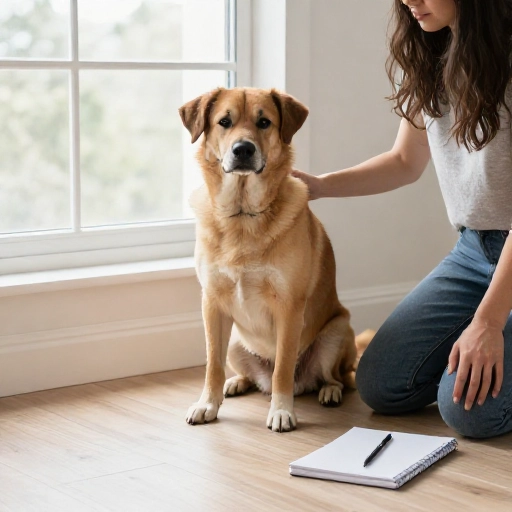
Once a week, usually after a cuddle session when my dog is already relaxed, I do a quick once-over. It’s not a medical exam. It’s just me learning what my dog’s body feels like when everything is fine.
I run my hands from nose to tail, slowly. I check ears, eyes, mouth, paws, belly, and tail base. I’m not looking for anything specific — I’m just noticing what’s there so that later, something new will stand out.
The trick is to do this when your dog is well. If you only ever touch their paws when something’s wrong, they’ll learn to hate it.
4. Energy and Attitude: The Signs You Feel Before You See
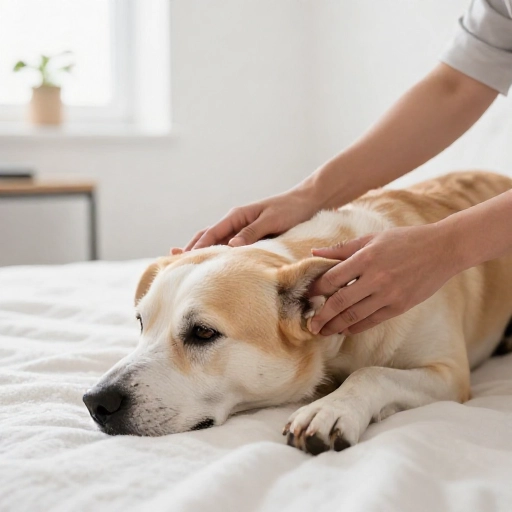
This is the one that catches me first, every time. My dog doesn’t greet me at the door the same way. Or she’s on the couch instead of following me into the kitchen. Nothing dramatic — just slightly off.
Dogs are masters at hiding discomfort. Subtle is often all you get, so subtle counts.
- Hanging back on walks instead of pulling ahead
- Sleeping more, or restless and pacing at night
- Not coming when called — when they always do
- Being clingy when they’re usually independent, or vice versa
- Snapping or growling at a touch they normally accept
That last one matters. Irritability is often pain wearing a disguise.

5. Eating and Drinking: Small Shifts Say a Lot
A dog skipping one meal isn’t automatically a crisis. A dog who’s been a enthusiastic eater for eight years and suddenly walks away from a full bowl for two days — that’s worth a phone call.
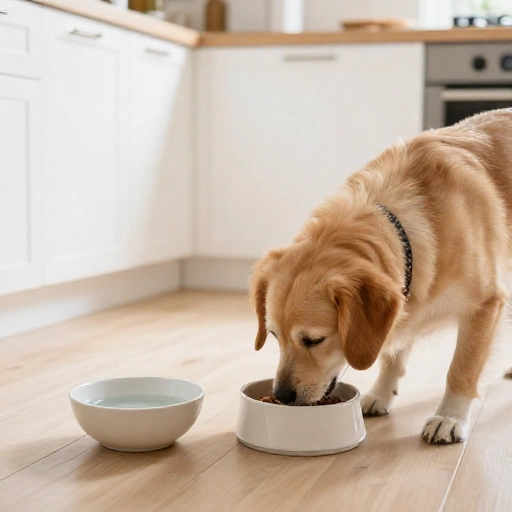
I pay attention to the whole picture, not one meal. Is the food sitting there? Are they drinking more than usual? Are they drinking less? Have they started begging for scraps when they never used to?
Also watch the mechanics of eating. Dropping food, chewing on one side, or head-shaking while eating can be a mouth or tooth thing. I wouldn’t have noticed that if I hadn’t watched how she eats, not just whether she eats.
6. Poop, Pee, and Vomit: The Clues Nobody Wants to Read
Unpleasant, yes. Useful, absolutely. This is the section most dog parents skip, and it’s the one vets ask about first.
I don’t analyze it. I just describe it. Consistency, color, frequency, and whether there’s blood or mucus. Same with pee — how often, how much, any straining, any accidents in the house from a dog who’s been reliable for years.
With vomit, I note whether it’s food, foam, or bile, and how close it came after eating. One throw-up after a garbage raid is a very different story than repeated vomiting with a dog who won’t drink. I don’t decide which it is — I just write down which one happened.

7. Breathing, Coughing, and Sounds That Make Me Look Twice
You know your dog’s sounds. The happy snorts, the dramatic sigh, the sleep woofs. When a new one shows up, you’ll hear it.
I keep an ear out for coughing that repeats, a honking sound, wheezing, or a raspy breath that wasn’t there before. I also watch how hard my dog is working to breathe when resting. A relaxed dog breathes slowly and quietly.
If my dog is breathing with visible effort, or her gums look pale or bluish, I don’t observe and wait. I call. There’s a difference between noticing and delaying.

8. Skin, Coat, Lumps, and Itchy Business
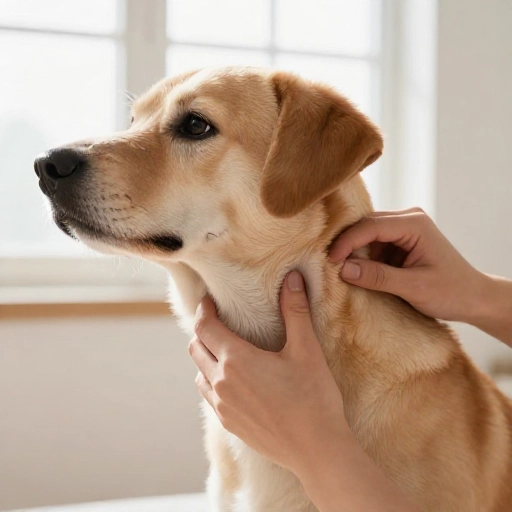
Weekly hands-on time pays off here. I’ve found ticks, foxtails, and a couple of lumps that I probably would have missed for weeks otherwise.
I don’t poke at lumps or try to guess what they are. I do note where they are, roughly how big, and whether they’ve changed since last time. Google will tell you a harmless fatty lump is cancer. Only your vet can tell you which it actually is.
I also watch for new scratching, licking a paw raw, bald patches, a dull coat, or a smell that’s new. Skin problems are often the first place a dog shows you something’s off.
9. Movement: Limping, Stiffness, and Reluctance to Jump
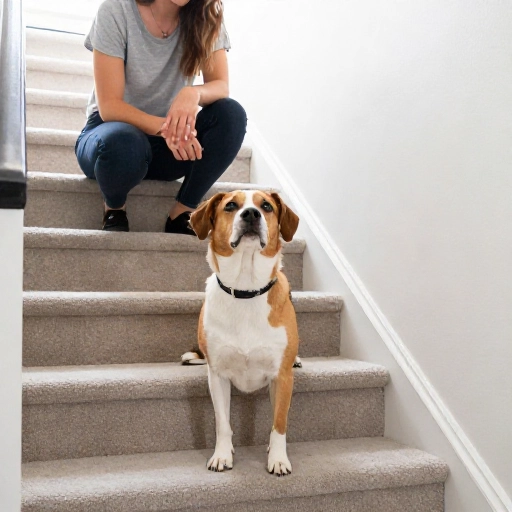
Mobility changes are sneaky. It rarely looks like a dramatic limp. More often it looks like a dog who’s suddenly hesitant about the stairs, or who sits down a little differently, or who no longer jumps on the bed.
We tend to explain it away. “She’s just getting older.” Maybe. But stiffness and reluctance can also mean pain, and pain is treatable.
What I do: watch my dog walk away from me and toward me. Watch her get up from the floor. Note whether it’s one leg or the whole body, and whether it’s worse after resting or after activity. That’s the kind of detail that helps a vet narrow things down fast.
10. Write It Down — and Know When to Pick Up the Phone
Memory is unreliable when you’re worried. I keep notes in my phone: date, what I saw, how long it lasted, anything that changed. It takes ten seconds and it turns “she’s been acting weird” into something a vet can actually work with.
Here’s my personal call-the-vet list, no hesitation:
- Trouble breathing, pale gums, or collapse
- Repeated vomiting or diarrhea, especially with lethargy
- Not eating or drinking for more than a day
- Seizures, disorientation, or a swollen hard belly
- Blood anywhere it shouldn’t be
- Signs of pain — panting, pacing, whining, hiding
And for everything else? I observe, I log, and I call if my gut says something’s wrong. Trusting that feeling isn’t overreacting. It’s good dog parenting.

The Bottom Line: You’re the Observer, Not the Doctor
You will never out-Google your vet, and honestly, you don’t have to. What you bring to the table is something no search engine has: eight years of knowing exactly how your dog walks into a room, how she asks for dinner, and how she looks when she’s truly happy.
That knowledge is powerful — as long as you use it to describe instead of diagnose. Notice. Write it down. Ask. Your vet does the rest.
Your dog doesn’t need you to be a doctor. They need you to be the person who pays attention.
Frequently Asked Questions About Dog Symptoms
How do I know if a dog symptom is an emergency?
Anything involving breathing, bleeding, collapse, seizures, a bloated hard belly, or suspected poisoning is an emergency. Call your vet or an emergency clinic right away rather than waiting to see if it passes.
Should I Google my dog’s symptoms?
Looking things up isn’t the problem — believing one search result is. Use it to figure out questions to ask, not answers to accept. Then call your vet with what you’ve observed.
What should I write down before calling the vet?
When it started, how often it happens, whether it’s improving or worsening, appetite and water intake, bathroom habits, energy level, and any medication or new food. Keep it short and factual.
My dog seems fine but slightly “off.” Should I wait?
You can usually watch closely for 24 hours and keep notes. But if your gut keeps nagging, or if anything on the emergency list shows up, call. It’s always okay to call.
Can dogs hide pain well?
Extremely well. That’s why subtle cues matter — slowing down on walks, hesitating on stairs, sleeping more, or getting grumpy about touch. Those tiny shifts are often the first sign something’s wrong.