A Simple Weekly Dog Health Check You Can Do at Home: The 10-Minute Routine That Catches Trouble Early
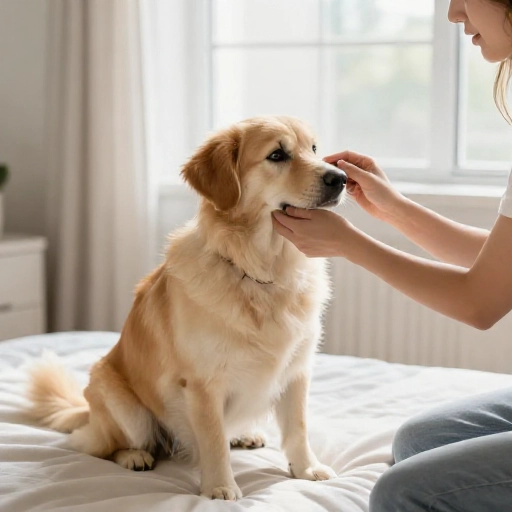
I used to think a full dog health check was something only my vet could do. Then my old Labrador, Scout, started slowing down on our walks. A simple at-home check helped me notice the little changes before they turned into big ones. Now I do this routine every Sunday morning, usually while Scout is still sleepy and happy to be pampered.
It takes about 10 minutes. You don’t need fancy tools—just your hands, your eyes, a few treats, and a calm spot on the floor. The goal isn’t to diagnose anything. It’s to learn what “normal” feels like for your dog so you can spot when something shifts.
I’m sharing the exact weekly dog health check I use. It’s gentle, practical, and easy to squeeze into a busy week. If anything feels off, I always call my vet. But this routine has helped me ask better questions and catch small issues sooner.
Start With a Calm Nose-to-Tail Scan
I begin when my dog is relaxed—after breakfast or during a quiet cuddle. I run my hands slowly from the top of the head to the tail, then down each leg. I’m not rushing. I’m just noticing.
I look for new lumps, scabs, bald patches, or anything that feels different from last week. I also check the collar area and under the harness, where rubbing can hide irritation.
If my dog pulls away or flinches, I make a note of the spot. That little flinch is useful information. It tells me where to look closer or mention to my vet.
Check Their Eyes, Ears, and Nose
Eyes first. I look for bright, clear eyes without gunk in the corners. A little sleep in the morning is normal, but thick discharge, redness, or squinting is not.
For ears, I peek inside without pushing anything in. I want pale pink skin, not angry red, swelling, or a sour smell. If my dog shakes their head a lot or scratches one ear, I pay attention.
The nose can be wet or dry—that alone doesn’t tell me much. I look for crusty buildup, cracks, or a sudden change in discharge. A dry nose after a nap is usually fine. A nose that’s constantly dry and cracked might be worth a vet call.
Look Inside the Mouth and Check Breath
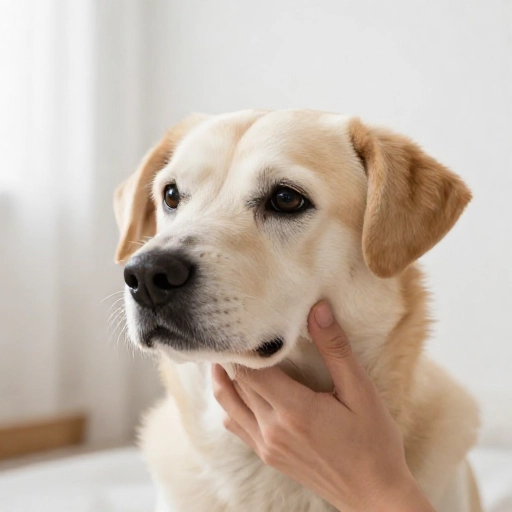
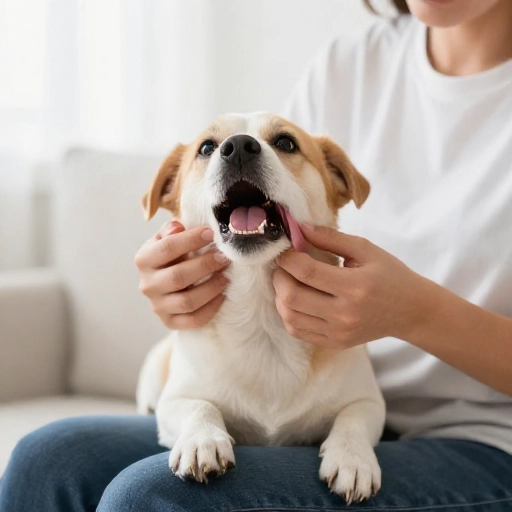
I wait until my dog is calm, then gently lift their lips. I check the gums: they should be pink, not white, bright red, or blue. I also look for broken teeth, dark tartar, or red, puffy gums.
Bad breath isn’t just a dog thing. If it smells really foul, it can point to dental problems or something going on internally. I mention it to my vet rather than ignore it.
I don’t force my dog’s mouth open. I use treats and go slow. If my dog hates mouth checks, I ask my vet to show me a low-stress way to practice at home.
Feel for Lumps, Bumps, and Skin Irritation
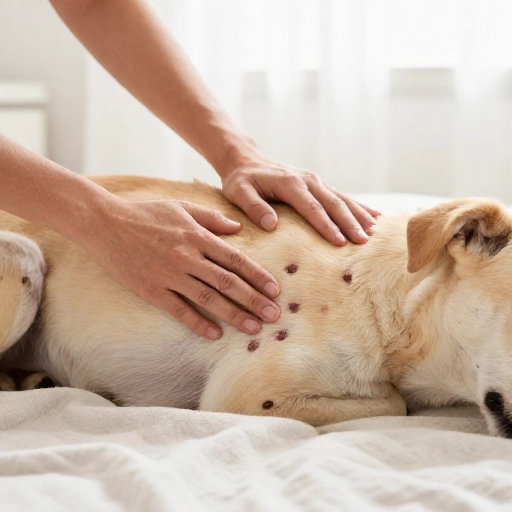
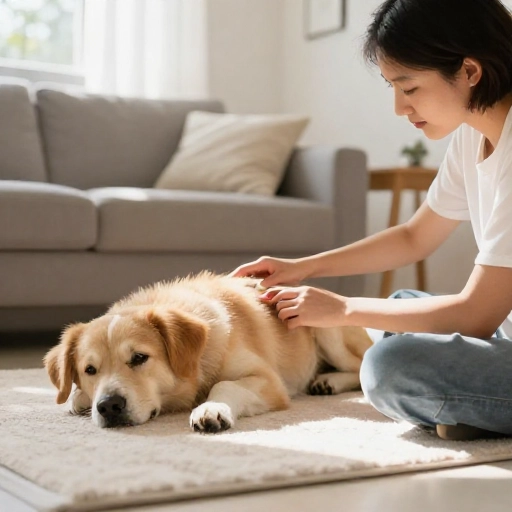
This is my favorite part because it’s basically a massage. I run my fingers over the chest, armpits, belly, back, and thighs. I’m feeling for new bumps, scabs, or tender spots.
I also check for fleas, ticks, and dry, flaky skin. Ticks love hidden places like between toes, inside ears, and under the collar. If I find a tick, I remove it carefully and keep an eye on the area.
A lump doesn’t automatically mean something scary. But I measure it with a ruler or take a photo next to a coin, so I can tell my vet if it changes. That’s the kind of detail vets appreciate.
Press Gently Along the Belly and Ribs
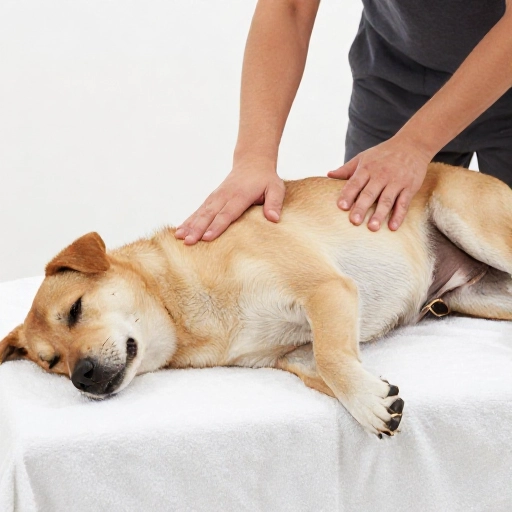
I wait for a relaxed moment, then gently feel along the belly. I’m not pressing hard. I just want to know if my dog tenses up, whines, or looks back at me.
A slightly soft belly is normal. A hard, bloated belly—especially with retching or restlessness—is an emergency. I don’t wait on that. I call the vet right away.
I also feel the ribs. I should be able to feel them easily without seeing every bone. That helps me track weight changes before they become a bigger deal.
Check Paws, Pads, Nails, and Between Toes
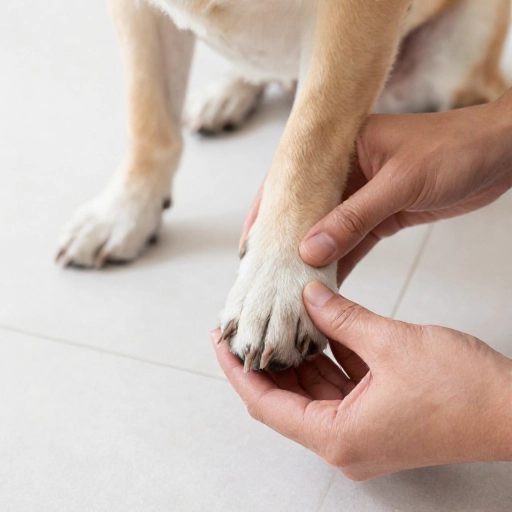
Paws take a beating. I lift each one and look at the pads for cuts, cracks, or foreign objects. I also check between the toes for redness, swelling, or that yeasty smell.
Nails should not click loudly on the floor all the time. If they’re too long, they can twist and hurt. I trim a tiny bit at a time or let my vet handle it if my dog is squirmy.
Winter salt, hot pavement, and burrs can all cause trouble. A quick paw check after walks is a habit worth building, even if the full weekly check is on Sunday.
Watch Their Walk and Stretch
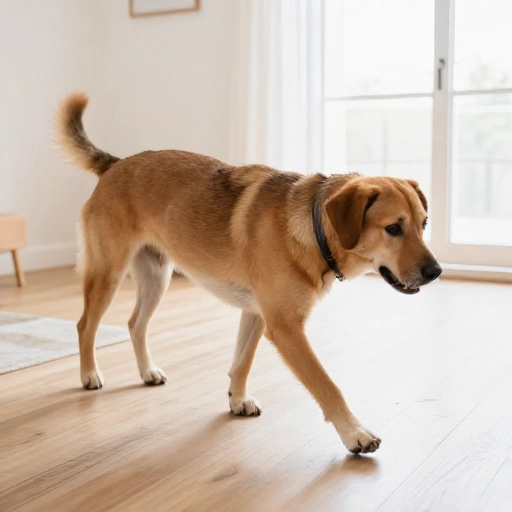
I watch my dog walk across the room and then stretch after a nap. I’m looking for stiffness, limping, or a weird head bob. Dogs are good at hiding pain.
I also notice if my dog is reluctant to jump on the couch, go up stairs, or get in the car. That change can be subtle, but it matters. It might be a paw issue, arthritis, or something else.
If I see a limp that lasts more than a day, I call my vet. If my dog yelps or can’t put weight on a leg, I call right away.
Run a Quick Hydration and Weight Check
I gently pinch the skin between my dog’s shoulder blades. It should snap back quickly. If it stays up like a tent, my dog may be dehydrated. I also check the gums—tacky gums are another clue.
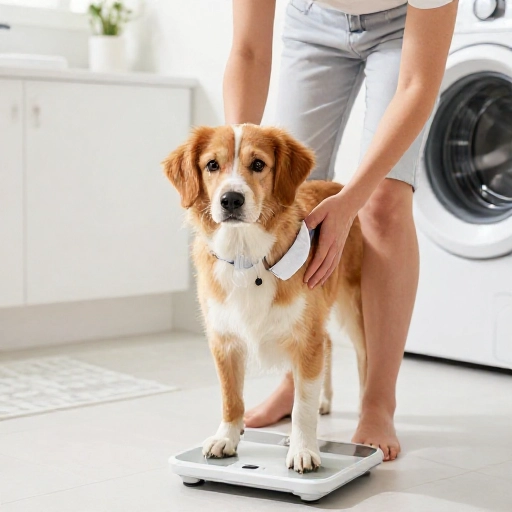
For weight, I don’t need a fancy scale. I use my hands and eyes. I should feel the ribs and spine without them sticking out sharply. A sudden change in weight—up or down—is worth a vet visit.
I also keep an eye on how much water my dog drinks. Drinking a lot more or a lot less than usual can be a sign of trouble.
Do a Potty and Poop Check
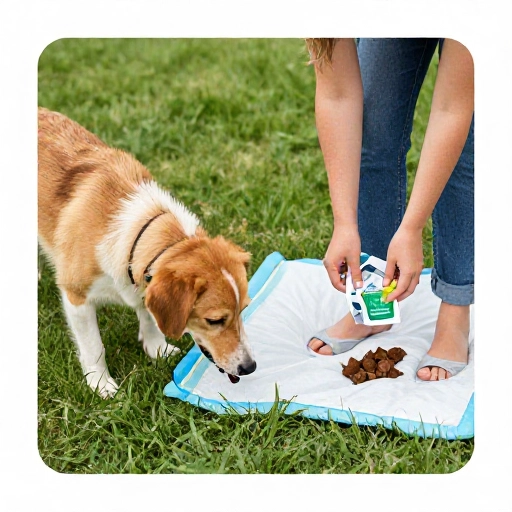
I know, not glamorous. But poop tells a story. I look at the color, shape, and consistency. A healthy poop is usually firm, log-shaped, and easy to pick up.
I watch for blood, black tar-like stool, mucus, or worms. A one-off soft poop might be from a new treat. Diarrhea that lasts more than a day, or comes with vomiting, needs a vet call.
I also notice urine habits. Accidents in the house, straining, or frequent tiny pees can mean a urinary issue. I don’t ignore those changes.
Finish With Energy, Mood, and Breathing
Last, I check the invisible stuff. Is my dog excited for meals and walks? Do they greet me at the door? Or are they hiding, pacing, or sleeping more than usual?
I watch my dog breathe while resting. A calm dog breathes quietly, without effort. Coughing, wheezing, or a fast breathing rate at rest can be a red flag.
I also check their mood. A dog who suddenly snaps, trembles, or seems confused is telling me something. I write it down and call my vet if it doesn’t improve.
Conclusion: Make It a Weekly Habit, Not a Chore
A weekly dog health check doesn’t replace my vet. It just helps me show up prepared. I know my dog’s normal—their lumps, their breath, their poop schedule, their energy. When something changes, I can say exactly what I noticed and when it started.
If you only do one thing, pick a day and time. Sunday mornings work for me. Keep treats nearby. Go slow. Your dog will think it’s cuddle time, and you’ll build a health habit that can catch problems early.
FAQ: Weekly Dog Health Checks at Home
Q: How often should I do a dog health check at home?
A: I do a full nose-to-tail check once a week, plus quick paw and poop checks daily. Weekly is enough to notice changes without stressing your dog.
Q: What if I find a lump on my dog?
A: Don’t panic. Most lumps are harmless, but I still note the size and location, take a photo, and call my vet. They can tell me if it needs a closer look.
Q: Can I check my dog’s teeth at home?
A: Yes, gently. I lift the lips, look at the gums, and check for tartar or broken teeth. If your dog hates it, ask your vet for tips and go slow with treats.
Q: What are emergency signs I shouldn’t wait on?
A: I call the vet right away for a hard bloated belly, repeated vomiting, trouble breathing, collapse, pale gums, or a limp where your dog won’t put weight on the leg.
Q: Do I need special tools for an at-home dog health check?
A: Nope. I use my hands, eyes, treats, a flashlight, and a ruler for lumps. A baby scale or regular scale can help if you want to track weight.