10 Homemade Dog Toys You Can Make and Sell
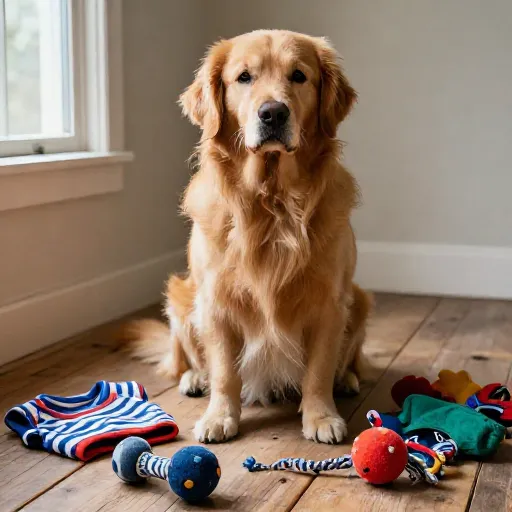
Let me guess—you’ve got a pile of old t-shirts, some tennis balls, and a dog who destroys every store-bought toy in under ten minutes. I’ve been there. That’s exactly why I started making toys at home. It started as a way to save money, but then friends started asking where I got them. That’s when the lightbulb went off.
Making dog toys to sell is one of those rare side hustles that feels almost too easy. The materials are cheap, the demand is endless, and you can do it all from your couch. Plus, pet parents are always looking for something sturdier and more natural than what the big-box stores offer. If you’ve got basic sewing skills or just a good pair of scissors, you’re already halfway there.
Below are ten toy ideas that are genuinely fun to make and actually sell well at markets, on Etsy, or through word of mouth. I’ve included practical tips for each one so you can start creating your own little toy empire today.
1. Braided T-Shirt Tug Toys
This is the classic starter toy for a reason. You take old cotton t-shirts, cut them into strips, and braid three strands together into a sturdy rope. The best part? No sewing required. Just knot each end tightly and you’re done.
For selling, I like to use colorful shirts to make rainbow patterns. Dogs love the texture, and owners love that it’s washable and eco-friendly. You can make one in about fifteen minutes once you get the hang of it.
Pro tip: Use shirts with a high cotton content—they hold up better than synthetic blends. These toys are perfect for medium and large dogs who love a good game of tug-of-war.
2. Braided Denim Rope Bones
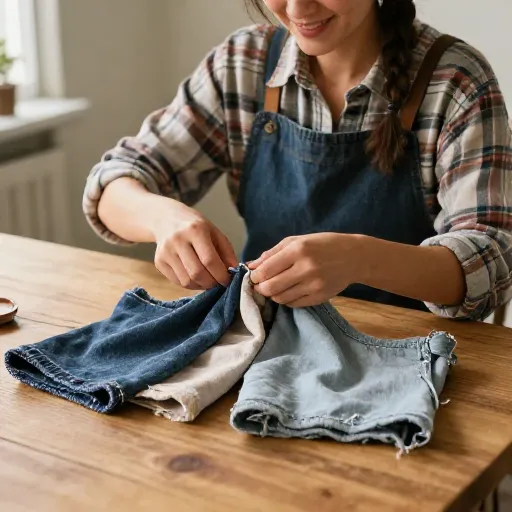
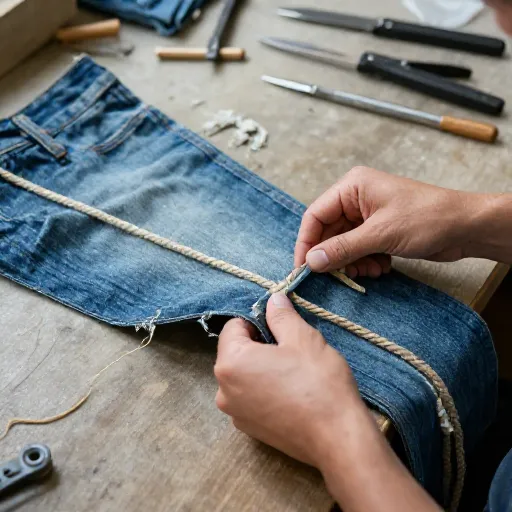
Denim is a game-changer for heavy chewers. Old jeans are tough, durable, and free if you raid your own closet or hit up thrift stores. Cut the legs into long strips, then braid them into a thick bone shape by folding the ends into knots.
These toys look super professional even though they’re simple to make. I like to add a little contrasting fabric in the middle for visual appeal. Since denim is so sturdy, these toys last a long time, which means happy repeat customers.
One tip: double-knot the ends really well. That’s the first thing a determined chewer will attack, so make sure your knots are tight and secure.
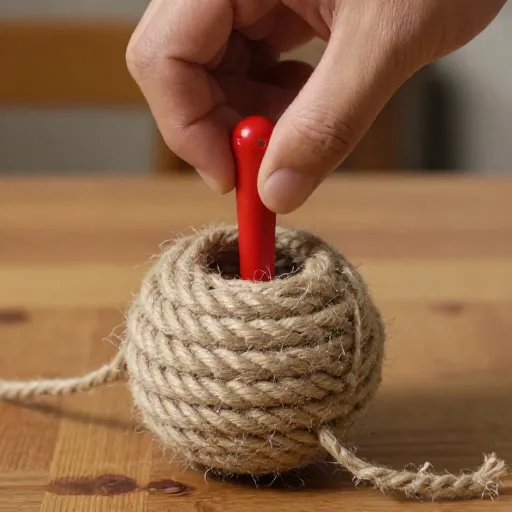
3. Rope Ball with a Squeaker Core
Take a standard tennis ball, cut a small slit, and insert a squeaker inside. Then, wrap the ball with cotton rope, securing it with hot glue as you go. The result is a toy that combines fetching, chewing, and squeaking—the holy trinity of dog entertainment.
This one takes a bit more time, but it’s worth it. Dogs go nuts for the squeak, and the rope helps clean their teeth while they play. You can use different colored ropes for a cool, twisted look.
Make sure the squeaker is well-embedded so it doesn’t fall out easily. Test each toy before you sell it—give it a good squeeze and a tug to make sure it’s solid.
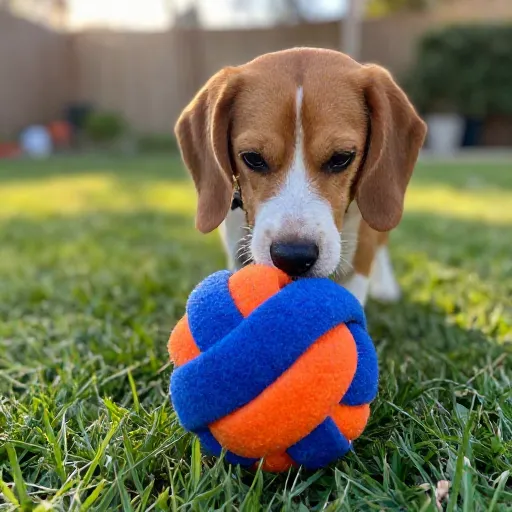
4. No-Sew Fleece Knot Balls
These are ridiculously easy and look adorable on a shelf. You’ll need fleece fabric (it doesn’t fray, so no sewing is needed), cut into strips. Wrap the strips around a small ball or just tie them into a puffy, round shape with lots of fringy ends.
Dogs love the floppy texture, and small breeds especially enjoy tossing these around. They’re also machine-washable, which is a big selling point for owners of picky or messy pups.
For a professional touch, mix two or three complementary colors. You can make these in batches of ten pretty quickly, which makes them great for craft fairs where you want to sell smaller, cheaper items.
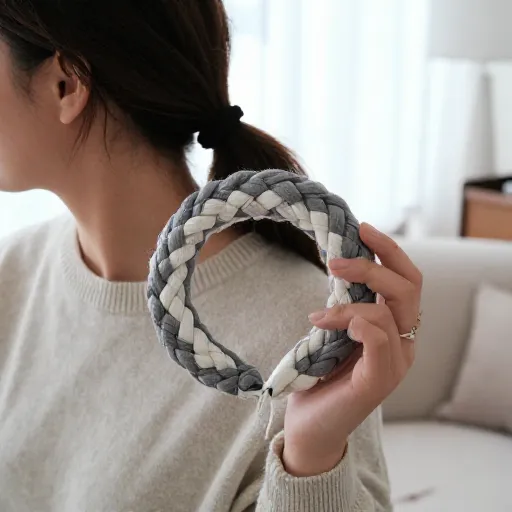
5. Braided T-Shirt Ring
Instead of a straight rope, turn your t-shirt strips into a circular ring. Cut strips, braid them, then fold the braid into a circle and tie the ends together securely. The ring shape is perfect for fetch—dogs can grab it from any angle.
These rings are lighter than rope toys, so they’re great for puppies or senior dogs with weaker jaws. They’re also super easy to customize with different fabric widths and colors.
I find that these sell really well as impulse buys at markets. They’re visually striking and have a “just one more thing” vibe. Plus, they’re incredibly cheap to make, so your profit margin is solid.
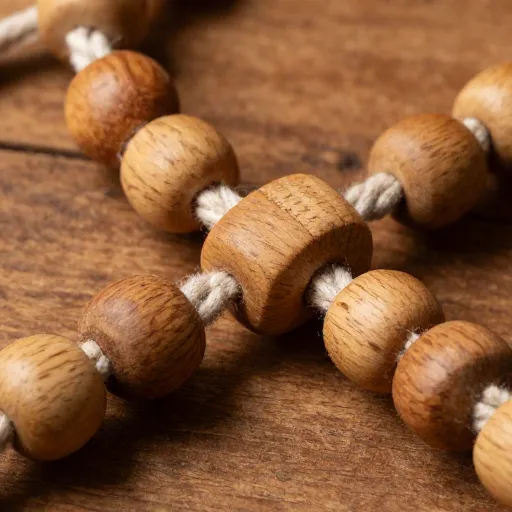
6. Tug-and-Twist Rope with Wooden Beads
Add a little extra texture to a classic rope toy by threading large wooden beads (make sure they’re non-toxic and too big to swallow) onto the rope before you braid it. The beads give the toy a fun, bumpy texture that dogs find irresistible for chewing.
This is a great way to make a simple toy look premium. The wood adds a natural element, which appeals to owners who prefer eco-friendly options. Just make sure the beads are securely placed so they can’t slip off.
I recommend using beads with a smooth finish and rounded edges. You can find them at craft stores or online, and they come in various sizes to suit different dog breeds.
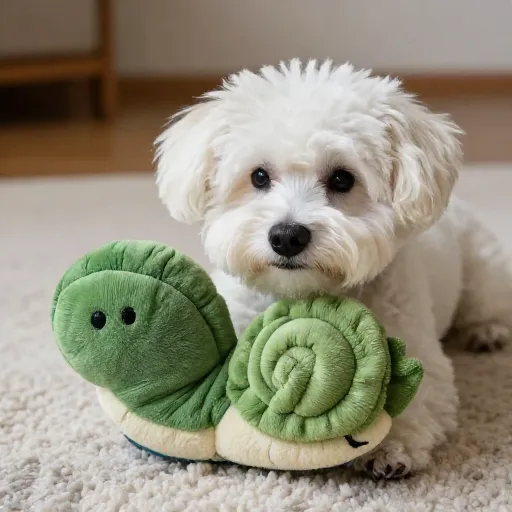
7. Squeaky Plush Snail or Animal Toys
If you know basic sewing, you can create simple plush animals—think snails, squirrels, or hedgehogs—using fleece or felt. Stuff them with polyester filling and add a squeaker inside. Keep the design simple: a rounded body with small, stitched-on features.
These toys feel super high-end and sell for a premium price. The key is to keep your patterns simple and repeatable so you can make them efficiently. Use contrasting colors for the shell or ears to make them pop.
Remember to use durable stitching and double-reinforce the seams. Dogs will inevitably try to rip these apart, so quality construction is your best marketing tool.
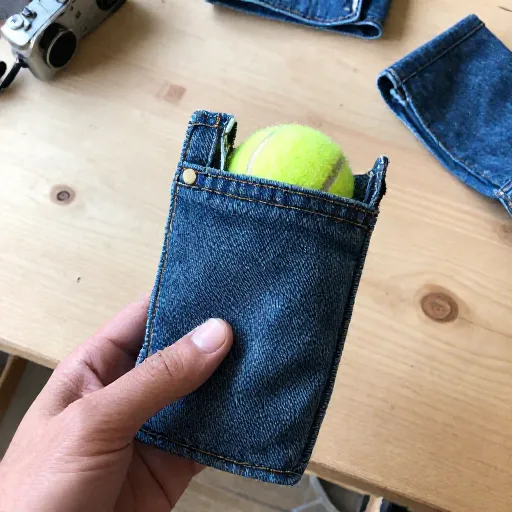
8. Denim Pocket Tug with a Tennis Ball
This one’s a clever twist. Take a strip of denim, fold it in half, and sew along the edges to create a pocket. Slip a tennis ball into the pocket, then tie a knot at the top to secure it. The result is a tug toy with a bouncy ball on the end.
Dogs love the unpredictability of the ball movement, and the denim gives them something to grip. It’s perfect for interactive play between dog and owner.
This toy is a bit more involved to make, but it stands out from the crowd. You can add a rope loop at the top for easy throwing. It’s a great “wow” item to show off at a market.
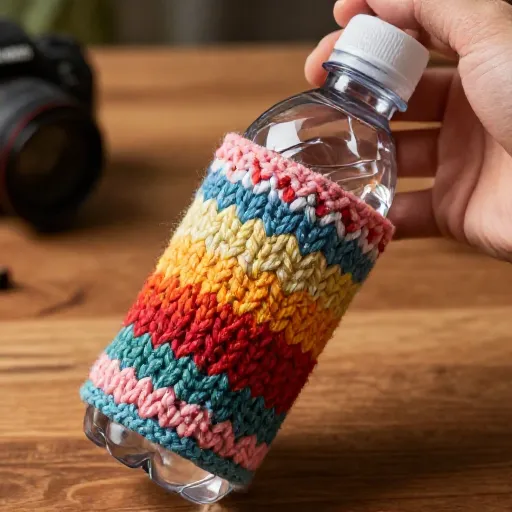
9. Water Bottle Crunch Toy
Take a clean, empty plastic water bottle, slip it inside a fleece or t-shirt sleeve, and tie off both ends. The crinkly sound drives dogs wild, and the fabric protects the bottle from being shredded (mostly).
These are super cheap to make, and you can use up all your fabric scraps. They’re also lightweight, making them great for travel or for smaller dogs. I always keep a few of these on hand for personal use.
For selling, keep in mind that these toys are more disposable than others. That’s fine—just price them accordingly. Offer them as a budget-friendly option or as a bundle deal with a sturdier toy.
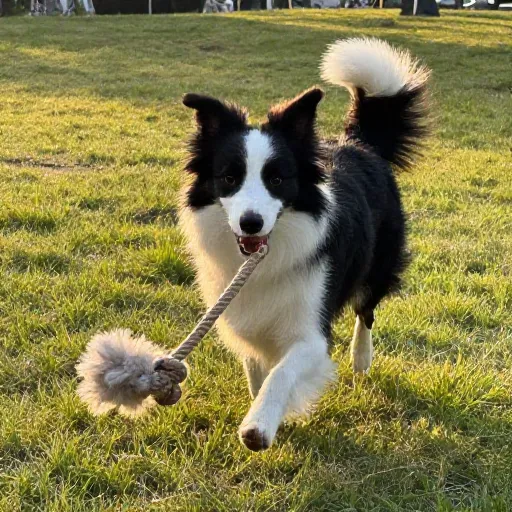
10. Knotted Rope with a Fleece Tail
This is a simple but incredibly popular design. Take a thick cotton rope, tie a large knot at one end, and then attach a few fleece strips to the other end to look like a fluffy tail. Dogs love chasing the fluttering “tail” during play.
The knot at the bottom gives them something to gnaw on, while the fleece tail provides a tempting, flappy target. It’s a versatile toy for fetch, tug, and solo chewing.
You can vary the length and thickness of the rope to suit different dog sizes. Using bright, high-visibility colors for the fleece makes it easier to spot in the grass, which is a practical selling point to mention.
Final Thoughts
Starting a little dog toy business from your kitchen table is more achievable than you think. You don’t need a ton of money, just some creativity and a willingness to experiment. I started with just t-shirt scraps and a pair of scissors, and now I have a steady stream of customers who come back for more.
Remember to always prioritize safety—use non-toxic materials, avoid small parts that can be swallowed, and test every toy before you sell it. Happy dogs and happy owners will be your best advertisement.
Pick one or two ideas from this list, make a few prototypes, and see what your own dog thinks. If they approve, you’re on the right track. Good luck, and have fun getting crafty!
Frequently Asked Questions
1. What’s the best material for homemade dog toys?
Cotton t-shirts and fleece are great for soft, braided toys, while denim and thick cotton rope are better for heavy chewers. Always make sure materials are non-toxic and free of small parts.
2. Do I need a sewing machine to make these toys?
Not at all. Many of these toys are no-sew or require only simple hand-stitching. The braided t-shirt toys, fleece knot balls, and rope toys are all completely sewing-free.
3. How much can I charge for homemade dog toys?
It depends on the complexity and materials. Simple braided toys can sell for $8–$12, while more elaborate plush toys or denim creations can go for $15–$25. Remember to factor in your time and material costs.
4. Are these toys safe for all dogs?
Always supervise your dog with any toy. For aggressive chewers, choose sturdier materials like denim or thick rope. Avoid toys with small parts like buttons or beads for dogs that like to tear things apart.
5. Where’s the best place to sell my homemade dog toys?
Local craft fairs, farmers markets, and dog parks are fantastic places to start. You can also create an online shop on platforms like Etsy or simply spread the word through friends and social media.