The Complete Cat Boarding Guide: Everything You Need to Know Before You Go

Leaving your cat behind when you travel can feel like a tiny heartbreak. I know that guilty look they give you from the doorway. But sometimes, a trip is unavoidable, and you need a safe, loving place for your feline friend. That’s where finding the right cat boarding facility comes in—and it’s more than just dropping off a food bowl.
Over the years, I’ve learned that a good boarding experience is all about preparation and asking the right questions. You want your cat to feel as comfortable as possible, even when you’re miles away. This guide will walk you through every step, from choosing a facility to packing the perfect travel bag, so you can relax on your vacation knowing your cat is in good hands.
Think of this as a friendly chat with a fellow cat owner. I’ll share practical tips, things to watch out for, and how to make the whole process smoother for both you and your whiskered companion. Let’s make sure your next trip is stress-free for everyone.
Start Your Search Early and Ask Around
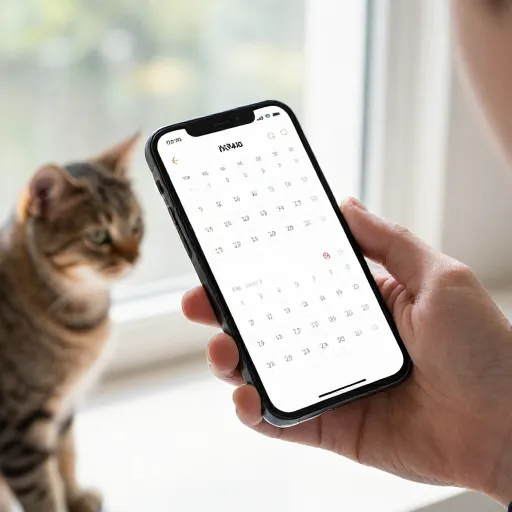
Don’t wait until the night before your flight. Good cat boarding facilities book up fast, especially during holidays and summer months. I recommend starting your search at least three to four weeks in advance. This gives you time to visit, ask questions, and make a confident choice.
Begin by asking your veterinarian, friends, or local cat rescue groups for recommendations. Personal referrals are golden. They come from people who have actually used the service and trust the staff. You can also check online reviews, but take them with a grain of salt—focus on comments about cleanliness and staff attentiveness.
Once you have a shortlist, call each facility. Ask about their daily routine, vaccination requirements, and how they handle emergencies. A good facility will be happy to answer your questions and will encourage you to visit in person.
Always Schedule a Visit Before You Book
I cannot stress this enough: see the place with your own eyes before you commit. Photos online can be misleading. A visit tells you everything about the actual environment. Pay attention to the smell—clean should not mean a heavy chemical odor. Look for proper ventilation and natural light.
Watch how the staff interacts with the cats. Are they gentle and calm? Do they speak softly? Notice if the cats seem relaxed or stressed. A crowded, noisy room with cats hiding in corners is a red flag. Your cat will be spending time here, so you want a peaceful atmosphere.
During your visit, check the individual cat condos or suites. They should be spacious, with separate areas for sleeping, eating, and using the litter box. Ask about cleaning schedules and how often they change bedding. A clean facility is the first sign of good care.

Understand the Different Types of Boarding
Not all cat boarding is the same. Some facilities offer basic cage boarding, where cats stay in individual enclosures. Others provide luxury cat-only suites with climbing shelves, windows, and even private playtime. There are also in-home pet sitters who stay at your house or visit daily.
For many cats, a dedicated cat-only facility is less stressful than a mixed kennel with dogs barking. Cats are sensitive to noise and unfamiliar smells. A feline-only space usually has a calmer vibe. If your cat is shy, a smaller, quieter facility might be better than a large, busy one.
Consider your cat’s personality. A social cat might enjoy a place with group play areas, while a nervous cat will prefer a cozy, private suite. Some facilities offer webcams so you can check in on your cat. That little feature can give you serious peace of mind.

Vaccinations and Health Records Are Non-Negotiable
Every reputable boarding facility will require proof of up-to-date vaccinations. This is for the safety of all the cats staying there. Common requirements include rabies, feline distemper (FVRCP), and sometimes feline leukemia, especially if there is group play. Have your vet send records directly or bring a printed copy.
Don’t forget about flea and parasite prevention. Most facilities require your cat to be on a flea treatment program. Even indoor cats can pick up fleas in a boarding environment. Make sure your cat is protected before drop-off. A flea outbreak can ruin everyone’s stay.
If your cat has any medical conditions, write down clear instructions. Include medication schedules, dosages, and your vet’s contact information. I like to bring a small first-aid kit and a signed authorization form in case of an emergency. Being prepared saves precious time.

Pack a Comfort Kit From Home
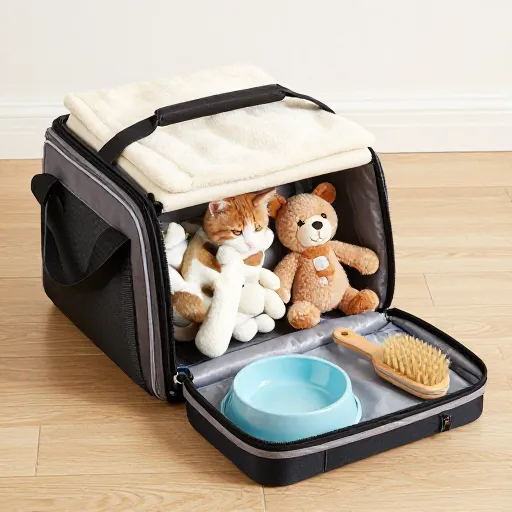
Bringing familiar items from home can make a huge difference for your cat. A soft blanket that smells like you, a favorite toy, or a piece of your worn clothing can provide comfort. These scents are reassuring in a new place. I always pack a small fleece throw that my cat sleeps on at home.
Stick to your cat’s regular food to avoid tummy upset. Sudden diet changes can cause diarrhea or vomiting. Pack enough food for the entire stay, plus a little extra in case of delays. Label everything clearly with your cat’s name and feeding instructions.
Don’t forget a collapsible bowl, a familiar litter scoop, and a small bag of their usual litter. Some facilities provide litter, but using the same brand your cat knows can help them feel more at ease. A familiar routine goes a long way in reducing stress.
Talk to the Staff About Daily Routines
Ask about the daily schedule before you book. How many times a day do they feed? When is playtime? Is there supervised outdoor time in a secure catio? Knowing the routine helps you prepare your cat and gives you a sense of how structured the day is.
Find out how staff handle medications and special needs. Some facilities charge extra for giving pills or injections. Make sure they are comfortable with your cat’s requirements. If your cat needs a lot of attention or has anxiety, ask if they offer extra cuddle time or one-on-one play sessions.
Good communication is key. A quality facility will send you updates, photos, or texts during your cat’s stay. This isn’t just a nice perk—it shows they care about transparency and your peace of mind. I always appreciate a quick photo of my cat lounging in their suite.
Prepare Your Cat for the Experience
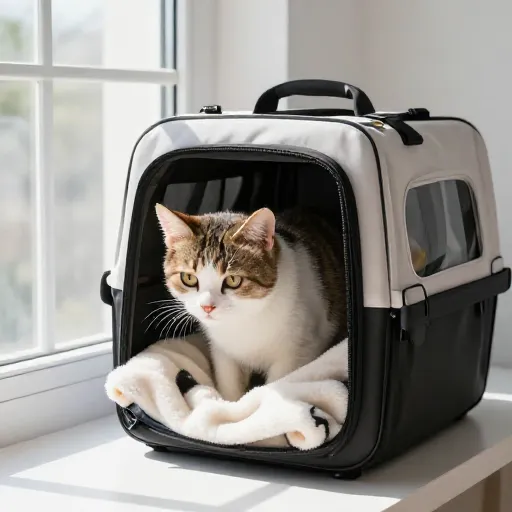
A few days before drop-off, start getting your cat used to their carrier. Leave it out with a soft blanket inside so they can explore it on their own terms. This reduces the panic on departure day. I also play soothing music in the car during the drive to keep them calm.
Try to keep your own emotions steady. Cats pick up on your stress. If you are anxious, they will be too. Speak in a calm, cheerful voice when you drop them off. A quick, confident goodbye is better than a long, tearful farewell. Trust the staff and walk away.
Consider using a synthetic feline pheromone spray or diffuser in the carrier and at the facility. Products like Feliway can help reduce anxiety. Ask the boarding facility if they use them in their rooms. A little extra calm can make a big difference for a nervous cat.
Know What to Ask About Safety and Supervision
Safety should be your top priority. Ask about overnight supervision. Is there someone on the premises 24/7? What happens in case of a fire or natural disaster? A good facility will have a clear evacuation plan. Don’t be shy about asking for details.
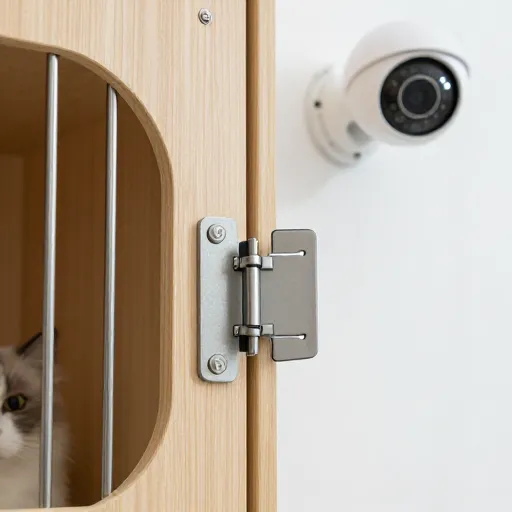
Check how the facility prevents escapes. Are there double doors? Are windows secure? How do they handle cats that are skilled at opening latches? These small details matter. Also ask about their policy on sick cats. Is there a quarantine area to prevent the spread of illness?
Find out if they have a relationship with a local emergency vet. If your cat gets sick after hours, they should know exactly where to go. A facility that is prepared for emergencies shows they take their responsibility seriously. It’s one less thing for you to worry about.
Read the Contract Carefully Before Signing
Before you hand over your cat, read every line of the boarding agreement. Look for details on cancellation policies, fees for late pick-up, and what happens if your cat needs veterinary care. Some facilities require a deposit upfront. Make sure you understand the terms.
Check for clauses about liability. What happens if your cat damages property or injures another cat? Most contracts are standard, but it’s good to know your rights. If something seems unfair or unclear, ask for clarification. A reputable facility will explain everything willingly.
Pay attention to the drop-off and pick-up hours. Some facilities have strict windows, especially on weekends. Late pick-up might incur extra charges. Plan your travel schedule accordingly. You want a smooth exit without any last-minute surprises.

Trust Your Gut Feeling
After all the research and visits, listen to your intuition. If something feels off, even if you can’t pinpoint it, keep looking. Your cat’s well-being is too important to ignore a nagging doubt. There are plenty of wonderful facilities out there that will treat your cat like family.
Remember that a good boarding experience is a partnership between you and the staff. You both want your cat to be happy and healthy. When you find a place that feels right, you’ll know it. Your cat will pick up on your confidence and settle in faster.
Trust is everything. Once you find a facility you love, you can book future trips with ease. Your cat will have a second home, and you can truly relax on vacation. That peace of mind is worth every bit of preparation.

Conclusion
Finding the perfect cat boarding facility takes a little effort, but it makes all the difference. From early research to packing comfort items, every step helps your cat feel safe and loved while you are away. You are not just leaving them somewhere—you are choosing a temporary home.
Take your time, ask questions, and trust your instincts. Your cat deserves the best care, and with this guide, you are fully equipped to find it. Now you can plan your trip with confidence, knowing your furry friend is in great hands. Happy travels!
[[IMG:IMG12]]
Frequently Asked Questions
How much does cat boarding usually cost?
Prices vary widely depending on location, amenities, and the type of suite. Basic boarding might start around $25 per night, while luxury suites can cost $60 or more per night. Always ask what is included in the price, such as food, playtime, and medication administration.
Can I board my cat if they are on medication?
Yes, most facilities will administer medication for an additional fee. Make sure you provide clear instructions and enough medication for the entire stay. Some facilities may not accept cats that need injectable medications, so confirm ahead of time.
What should I do if my cat gets sick while boarding?
A good facility will have a plan for medical emergencies. They should contact you immediately and take your cat to an agreed-upon vet. Always provide a signed authorization form and your vet’s contact information when you drop off your cat.
How long can I board my cat?
Most facilities offer short-term boarding for a few days to several weeks. Some even offer long-term boarding for months if needed. Check the facility’s maximum stay policy and whether they offer discounts for extended stays.
Is it better to board my cat or use a pet sitter at home?
It depends on your cat’s personality. Some cats prefer the comfort of their own home with a sitter visiting daily. Others do well in a boarding facility with dedicated staff. Consider your cat’s temperament and your travel schedule when making the decision.