How to Get Your Cat to Live Til 20 and Beyond
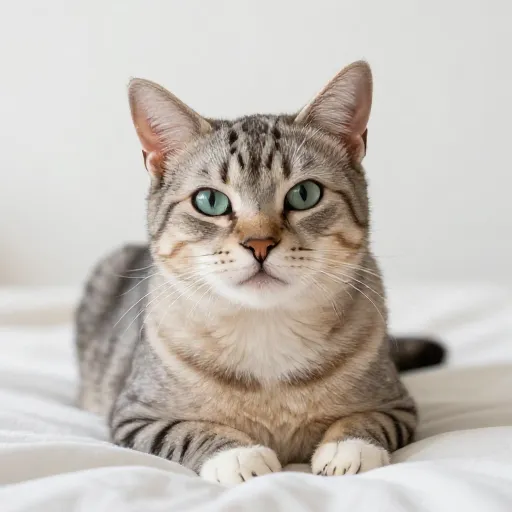
I’ve had cats my whole life, and the ones that made it past twenty weren’t just lucky. They had routines that worked. It’s not about expensive gadgets or fancy food—it’s about the little things you do every day.
When I look back at my oldest cat, who made it to 22, I remember the small choices. The extra playtime. The filtered water. The way I checked her teeth. You don’t need a vet degree to help your cat live long. You just need to care in the right ways.
Here’s exactly what I did, and what you can start doing today, to give your cat the best shot at a long, happy life.
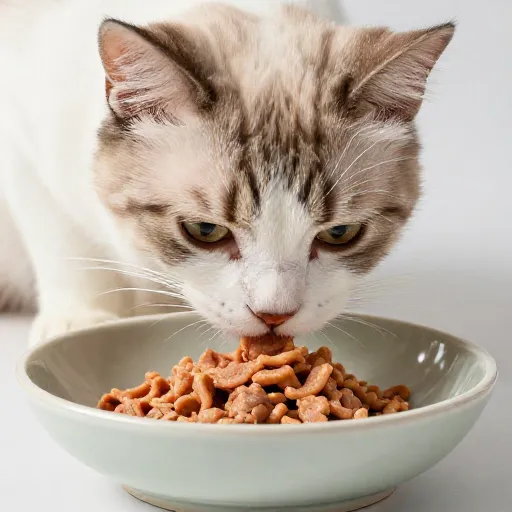
1. Feed Wet Food Daily
Dry kibble is convenient, but it’s not ideal for long-term health. Wet food keeps your cat hydrated, which protects their kidneys—a common problem in older cats.
I mix a spoonful of warm water into wet food to make it extra hydrating. It’s a simple trick that makes a big difference over time.
2. Keep Fresh Water Flowing
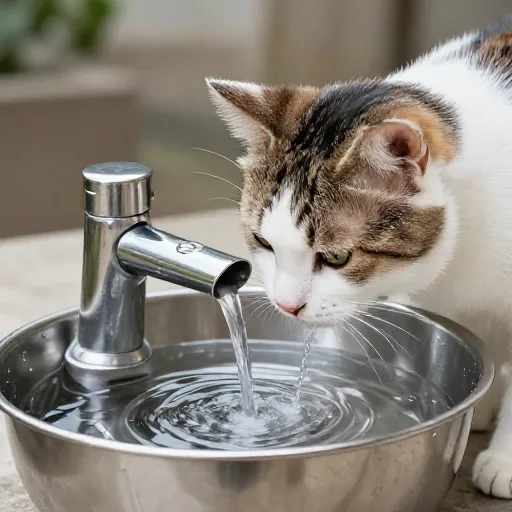
Cats love running water. A cat fountain encourages them to drink more, which prevents urinary issues and kidney stress.
I place two water bowls in different rooms, and I clean them every other day. Stale water is a turn-off for most cats.
3. Schedule Vet Checkups Twice a Year
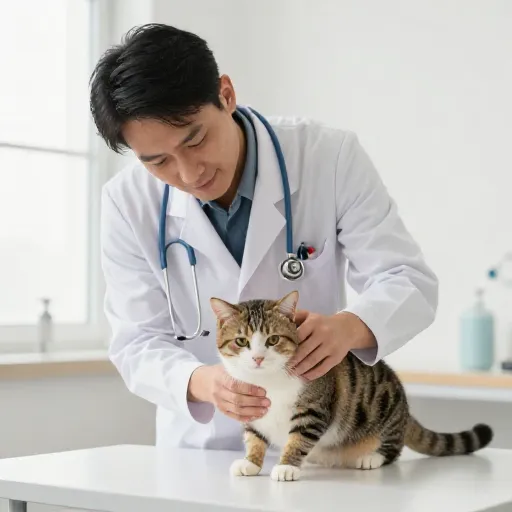
Once a year isn’t enough for senior cats. Bi-annual visits catch small problems before they become big ones.
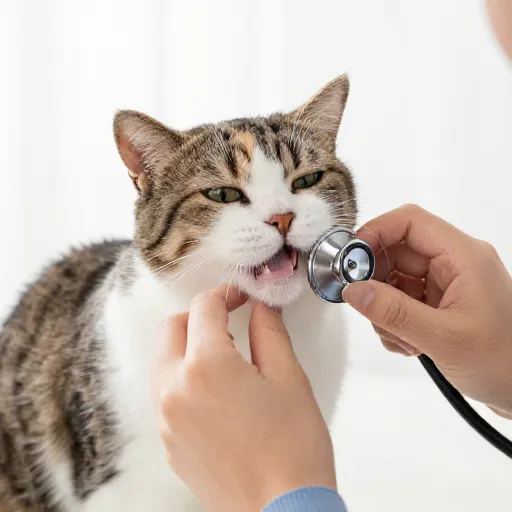
My vet checks blood work, teeth, and weight. I keep a little notebook with any changes I notice at home, so I don’t forget to mention them.
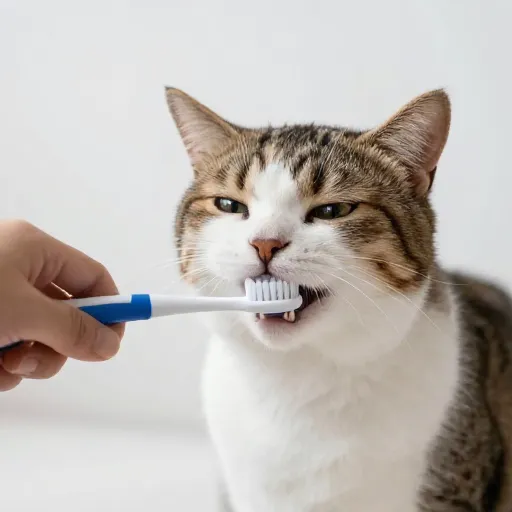
4. Brush Their Teeth Every Week
Dental disease shortens a cat’s life. Bacteria from the mouth can affect the heart and kidneys.
I use a soft finger brush and cat-safe toothpaste. Start slow, just letting them lick the paste first. Over time, it becomes a bonding moment.
5. Play with Them Every Day
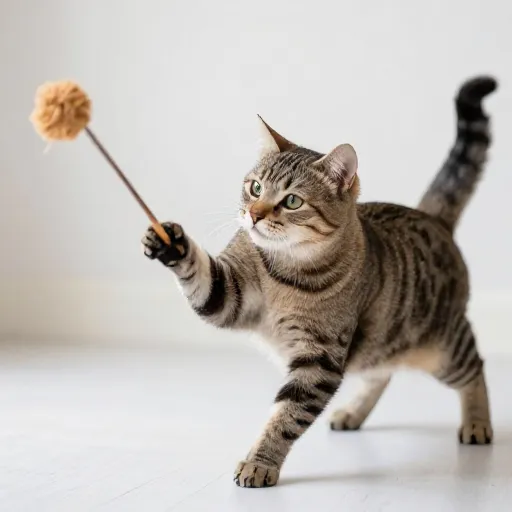
Mental stimulation keeps cats young. A bored cat gets depressed and stops moving, which leads to weight gain.
I spend ten minutes each morning with a wand toy. It mimics hunting, which taps into their natural instincts and keeps them sharp.
6. Create High Perches
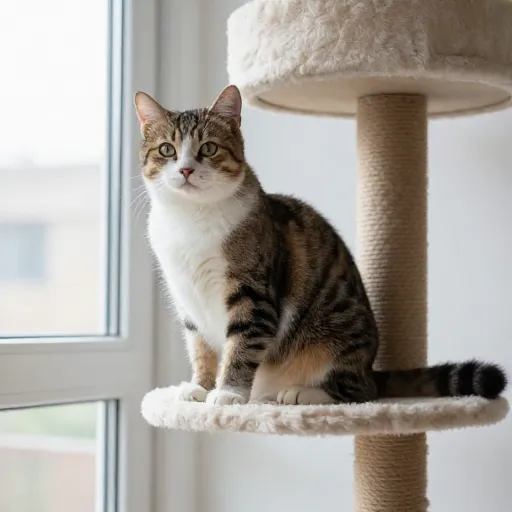
Cats feel safe up high. Shelves, cat trees, or window perches give them a place to observe without stress.
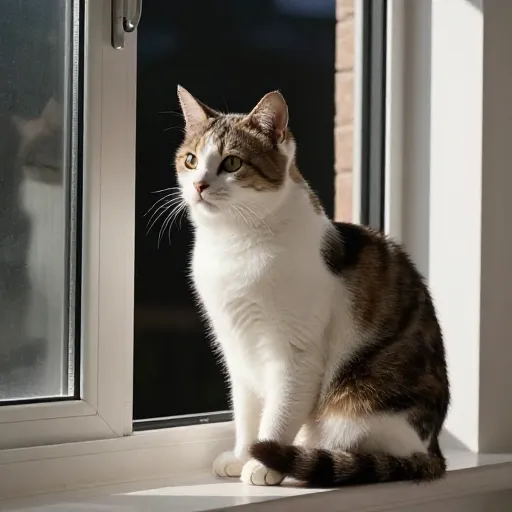
My oldest cat loved a sunny spot by the window. She’d nap there for hours, but she also used it to escape when the house got busy.
7. Manage Their Weight Carefully
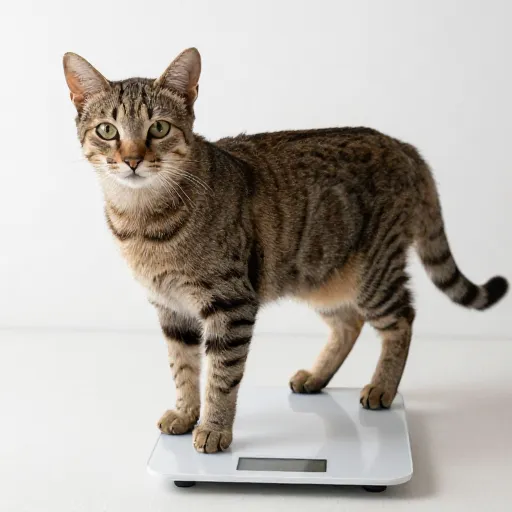
Extra pounds strain joints and organs. A lean cat lives longer, plain and simple.
I measure food with a kitchen scale instead of guessing. It’s easy to overfeed when you eyeball it, especially with treats.
8. Switch to Senior Food Around Age 10
Senior formulas have fewer calories and more joint-supporting nutrients. It’s a small change that helps as their metabolism slows.
I transition slowly over a week to avoid upset stomachs. Mix a little in with their regular food at first.

9. Keep Their Environment Calm
Stress ages cats fast. Loud noises, sudden changes, or new pets can throw off their balance.
I use pheromone diffusers in rooms where my cat spends the most time. They mimic calming scents and help reduce anxiety.
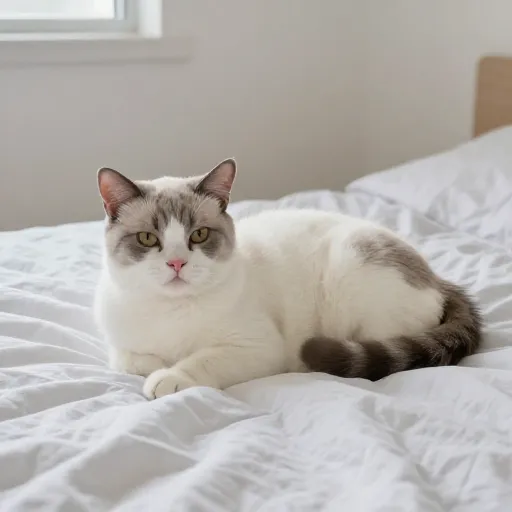
10. Provide Hiding Spots
Every cat needs a place to retreat. A cardboard box, a covered bed, or even a quiet closet corner works.
When my cat was feeling overwhelmed, she’d crawl under the bed. I never forced her out. Letting her hide on her terms kept her stress low.
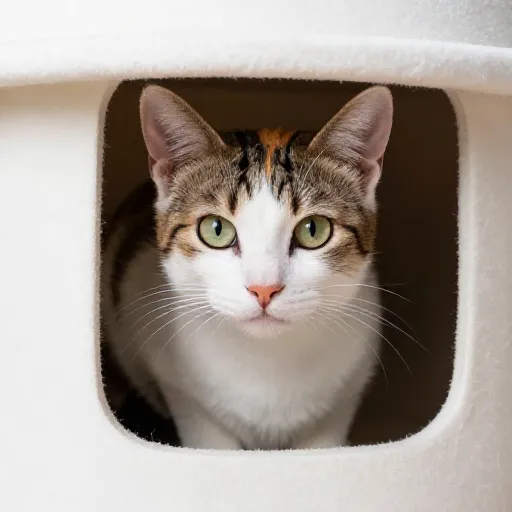
11. Trim Nails Regularly
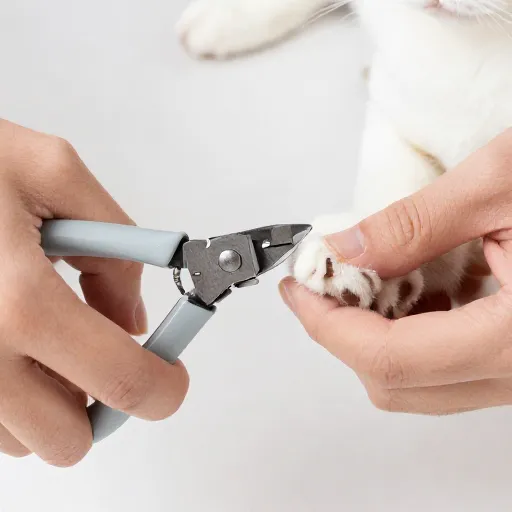
Long nails can curl into paw pads, causing pain and infection. It’s an easy thing to overlook.
I trim a little every two weeks. If your cat hates it, try doing one paw per day and rewarding with a treat.
12. Watch for Litter Box Changes
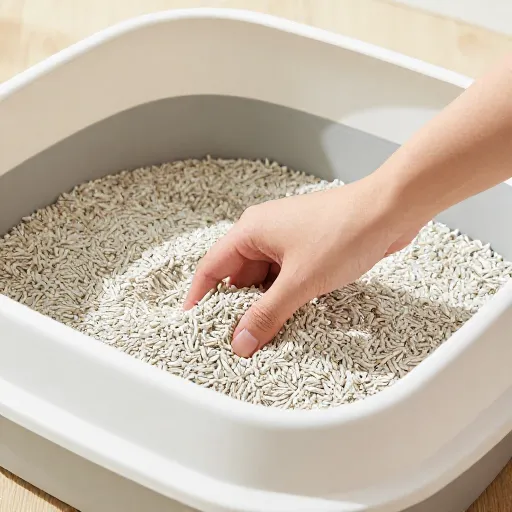
Changes in peeing or pooping are often the first sign of illness. Pay attention to frequency, smell, and color.
I clean the box daily and note if anything seems off. Early detection has saved my cat from serious issues twice.
13. Add Joint Supplements
Glucosamine and omega-3s help keep joints flexible. Older cats often get stiff without obvious limping.
I mix a liquid supplement into wet food. It’s tasteless, so my cat never notices. Start around age 8 or 9 for best results.
14. Keep a Consistent Routine
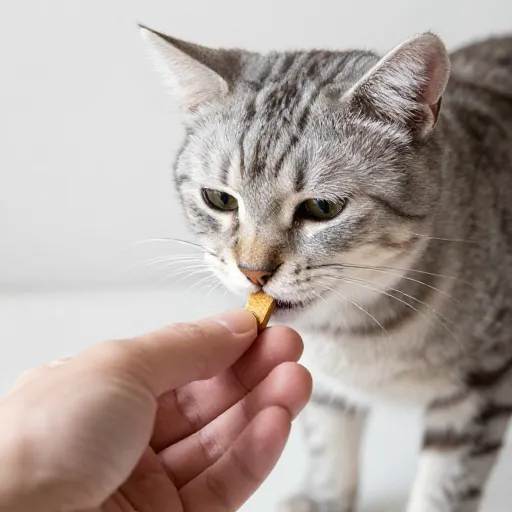
Cats thrive on predictability. Feeding, play, and bedtime at the same time each day reduces anxiety.
I set alarms on my phone for feeding times. Even on weekends, I stick to the schedule. My cat knows what to expect, and that calms her.
15. Limit Toxic Plants
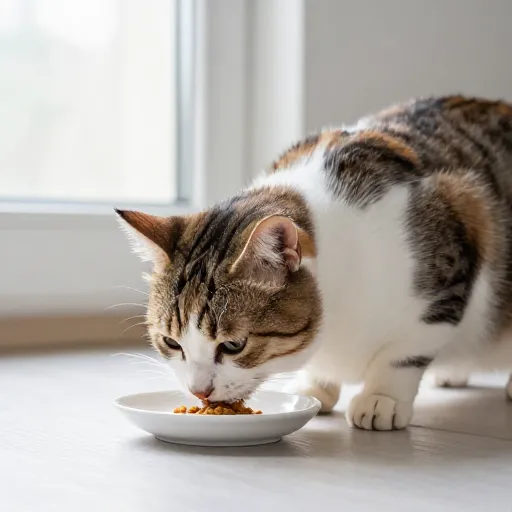
Many common houseplants are dangerous to cats. Lilies, aloe, and pothos can cause kidney failure or poisoning.
I switched to cat-safe plants like spider plants and cat grass. It’s an easy swap that removes a hidden danger from your home.
16. Groom Them Often
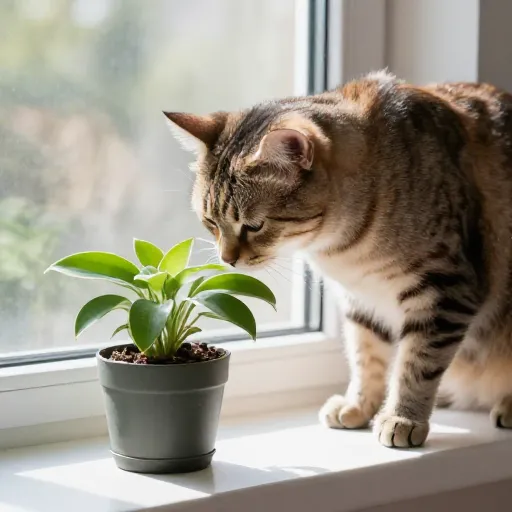
Brushing removes loose fur and prevents hairballs. It also lets you check for lumps, bumps, or skin issues.
I use a soft brush and make it a quiet ritual. My cat purrs through it, and I get to feel for any weird spots.
17. Provide Mental Puzzles
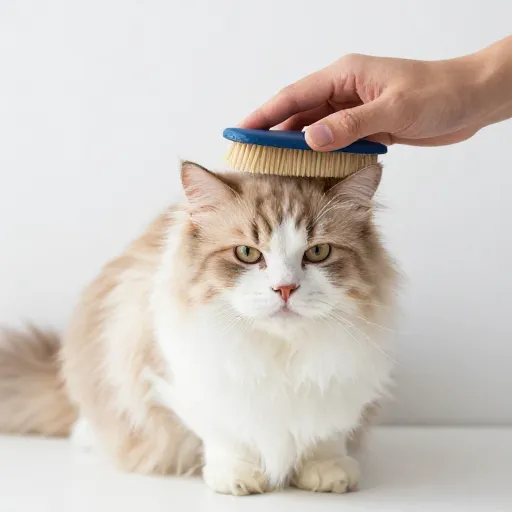
Puzzle feeders and treat-dispensing toys keep their brain active. Mental engagement delays cognitive decline.
I hide small treats around the house for my cat to find. It turns her into a little detective and keeps her moving.

18. Keep Them Indoors at Night
Cats that roam at night face more dangers—cars, predators, and fights. Even indoor-outdoor cats benefit from staying in after dark.
I trained my cat to come inside before sunset with a treat routine. She now waits by the door around dusk.
19. Monitor Their Breathing
Resting breathing rate in a healthy cat is 20–30 breaths per minute. Faster breathing can signal pain or heart issues.
I check while my cat is sleeping. Count for 15 seconds and multiply by four. It’s a quick check that gives me peace of mind.
20. Give Them Love on Their Terms
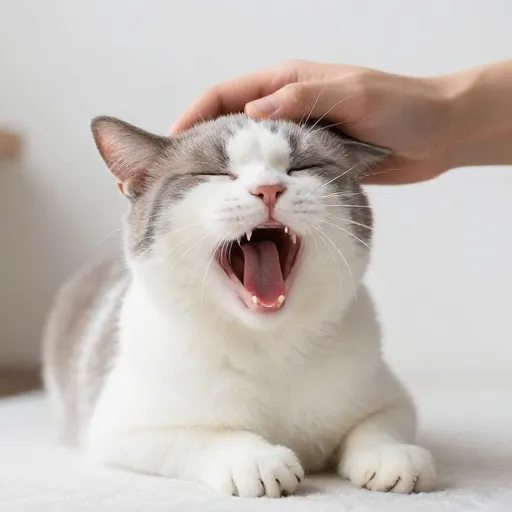
Forcing cuddles stresses cats out. Let them come to you for affection, and respect when they walk away.
I let my cat decide when she wants lap time. That trust has built a deep bond that keeps her emotionally healthy and happy.
Conclusion
Helping your cat live to 20 and beyond isn’t about perfection. It’s about consistency. Small, daily habits add up to big results over a cat’s lifetime.
Start with one change today—maybe wetter food or a new play routine. Your cat doesn’t need a perfect owner. They need a present one who pays attention. That’s the real secret.
FAQ
How common is it for cats to live to 20?
It’s becoming more common with good care. Many indoor cats now live into their late teens and early twenties with proper nutrition and vet care.
What is the oldest age a cat can reach?
The oldest recorded cat lived to 38, but most cats top out around 20–25. With excellent care, 22 is achievable for many.
Should I give my cat human vitamins?
No. Human vitamins can be toxic to cats. Always use cat-specific supplements and check with your vet first.
How do I know if my cat is in pain?
Look for hiding, reduced appetite, changes in grooming, or aggression. Cats hide pain well, so any behavior change is worth a vet visit.
Can I start these habits with an older cat?
Absolutely. It’s never too late to improve your cat’s quality of life. Even small changes like better food or more play can add years.