How to Keep Your Dog Healthy: Simple Tips for Every Breed
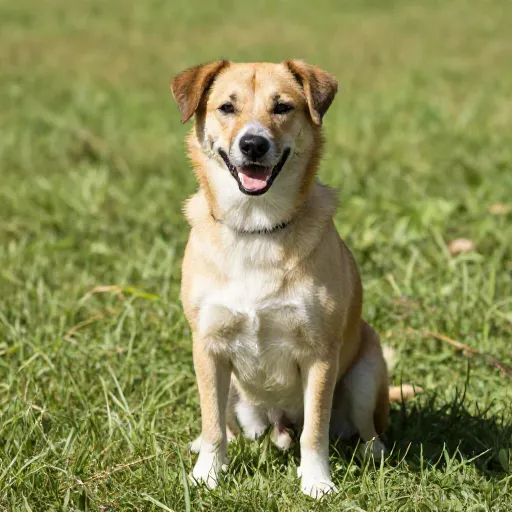
I have learned that keeping a dog healthy doesn’t have to be complicated or expensive. Whether you have a tiny Chihuahua or a giant Great Dane, the basics stay the same. Over the years, I have discovered a few simple habits that make a huge difference in my pup’s energy, coat, and happiness.
These are not strict rules, just gentle shifts in your daily routine. Think of this as a friendly chat about what works best for our furry friends. Let’s dive into the simple things that keep tails wagging and spirits bright.
Remember, every dog is an individual. What works for one might not work for another, but these tips are a solid starting point for any breed. Your dog will thank you with extra cuddles and sloppy kisses.
1. Watch Their Weight Like a Hawk
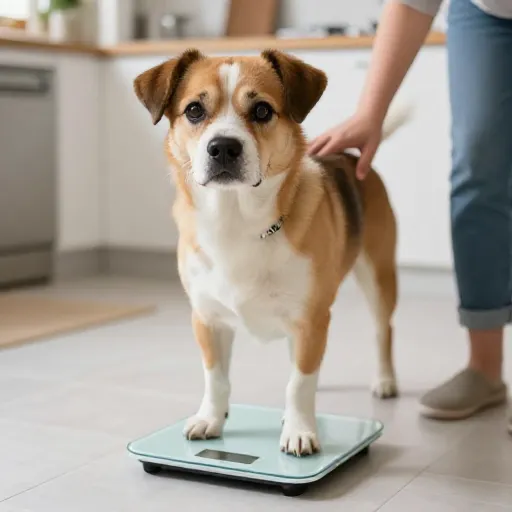
Keeping your dog at a healthy weight is the single best thing you can do. Extra pounds put stress on joints, hearts, and overall energy. I check my dog’s waistline every week by feeling their ribs.
You should be able to feel their ribs easily under a thin layer of fat. If you can’t feel them, it is time for smaller portions. A lean dog is a happy dog with fewer vet bills.
2. Choose One Good Food and Stick With It
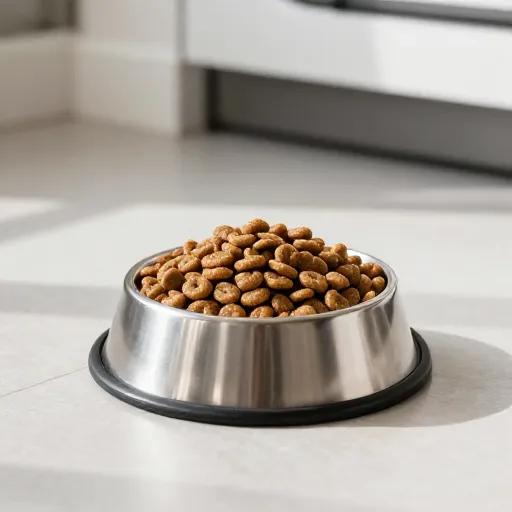
I used to switch brands all the time, thinking variety was good. My dog’s stomach disagreed. Now, I pick a high-quality food and keep it consistent. This helps digestion and prevents picky eating.
Look for real meat as the first ingredient. Avoid foods with tons of fillers like corn or wheat. A steady diet means steady energy and a shiny coat.
3. Make Walks About Sniffing, Not Just Miles
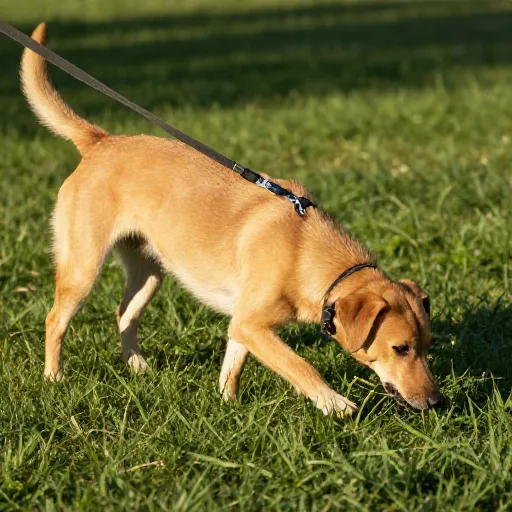
I used to rush our walks, trying to cover distance. Now, I let my dog stop and sniff. Sniffing is like reading the news for dogs. It tires their brain out way more than a long jog.
Let them explore. A 20-minute sniff walk is better than an hour of forced marching. This simple change made my dog calmer at home.
4. Brush Their Teeth Like It Is a Game
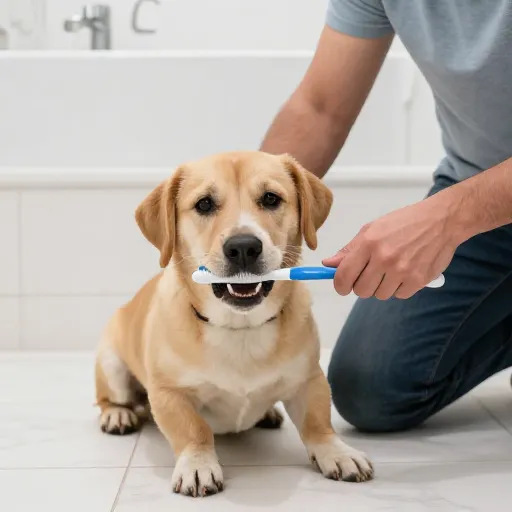
Dental health is often overlooked. Bad teeth can lead to heart and kidney problems. I started brushing slowly, using chicken-flavored toothpaste. Now my dog runs to me when I pull out the brush.
Even a few seconds a day helps. If brushing is too hard, try dental chews or water additives. A clean mouth means a healthier body.
5. Keep Their Mind Busy With Simple Puzzles
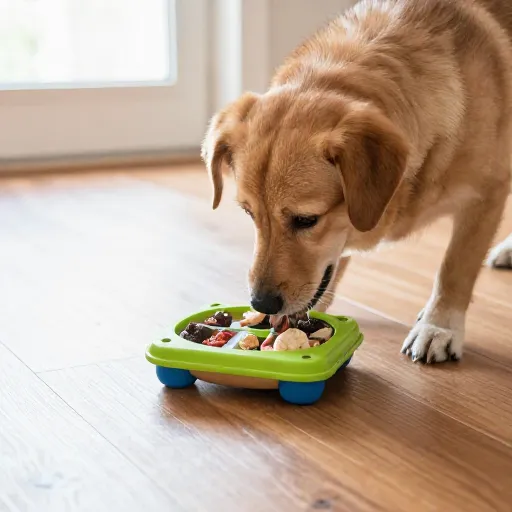
A bored dog is a destructive dog. I use simple puzzle toys and snuffle mats. Hiding treats in a towel or cardboard box works great too. It keeps them busy and builds confidence.
Rotate toys so they stay interesting. Mental exercise is just as important as physical walks. A tired brain makes for a peaceful home.
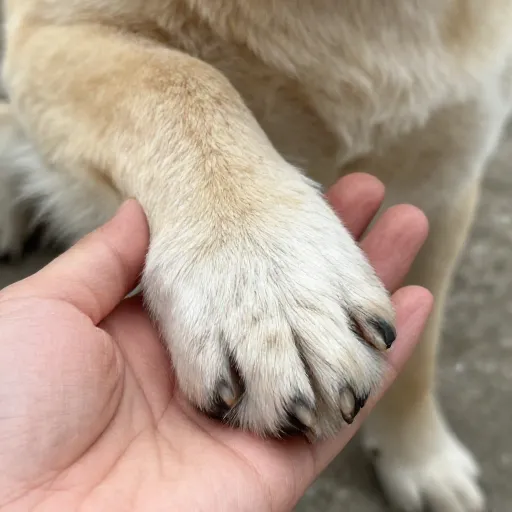
6. Check Their Paws After Every Walk
Paws are tough but can get hurt easily. I check for cuts, stuck pebbles, or cracks. In winter, salt can burn pads. In summer, hot pavement can blister them.
I wipe my dog’s paws with a damp cloth after walks. This simple habit prevents infections and keeps them comfortable. Healthy paws mean happy adventures.
7. Give Them a Quiet Space Just for Them
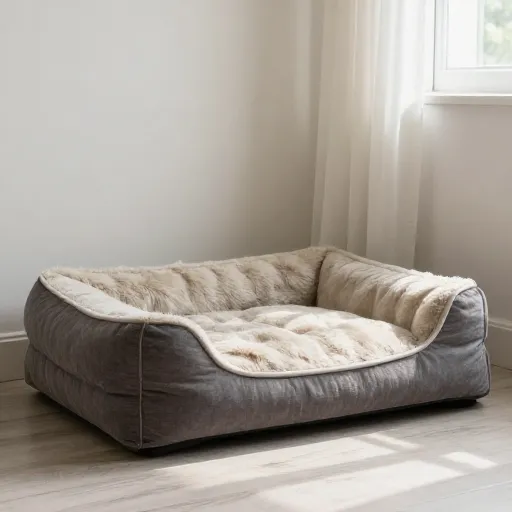
Every dog needs a safe spot to retreat. It could be a crate, a bed in a corner, or a quiet room. I never bother my dog when they are in their space. It is their personal zone.
This helps them feel secure and reduces anxiety. A relaxed dog is a healthy dog. Make sure this spot is cozy and away from loud noises.
8. Keep Up With Flea and Tick Prevention Year-Round
I used to skip winter treatments. Big mistake. Fleas and ticks can survive in cold weather. They carry diseases that make dogs really sick. A monthly treatment is cheap insurance.
Ask your vet for the best option for your breed. Chewables, collars, or topical drops all work. Consistency is key. Prevention is way easier than treatment.
9. Listen to Their Body Language
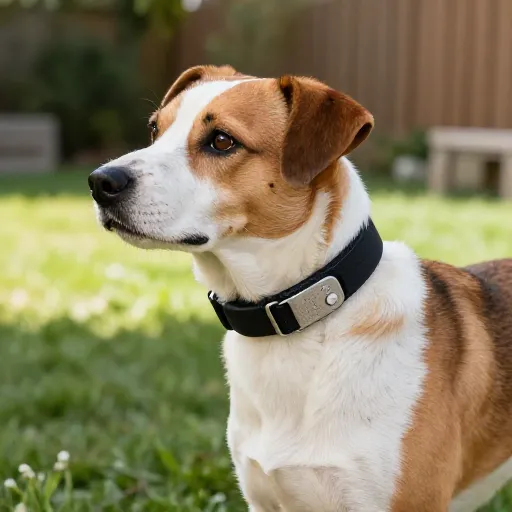
Dogs talk with their bodies. I learned to watch for stress signals like yawning, lip licking, or a tucked tail. When my dog shows these, I step back. It means they are uncomfortable.
Respecting their signals builds trust. A stressed dog gets sick more often. Being a good listener keeps their mind and body balanced.
10. Stick to a Routine, But Stay Flexible
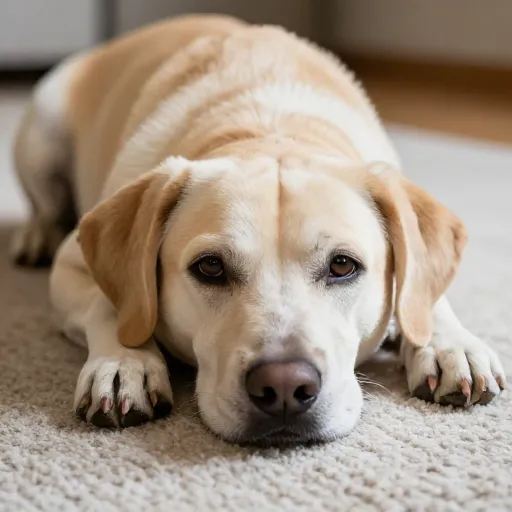
Dogs love routine. It makes them feel safe. I feed, walk, and play at similar times each day. But life happens. Sometimes we skip a walk or eat dinner late. That is okay.
The routine is a guide, not a rule. A flexible routine keeps your dog adaptable and less anxious. Balance is everything.
Conclusion
Keeping your dog healthy is about small, consistent actions. You do not need expensive gadgets or complicated diets. Focus on weight, food quality, mental stimulation, and simple daily checks. Listen to your dog, respect their needs, and stay present. These little habits add up to a long, joyful life together.
Your dog does not need perfection. They just need you, showing up every day with love and care. That is the healthiest gift of all.
Frequently Asked Questions
How often should I bathe my dog?
It depends on their coat and lifestyle. Most dogs need a bath every 4 to 6 weeks. Over-bathing strips natural oils. Use a gentle dog shampoo.
Can I give my dog human food?
Some human foods are safe, like plain carrots or blueberries. Avoid grapes, onions, garlic, and chocolate. Always check before sharing your snack.
How much exercise does my dog really need?
It varies by breed and age. Most dogs need at least 30 minutes of activity daily. Some need more. Watch your dog’s energy level and adjust.
Why does my dog eat grass?
Sometimes it is just boredom. Other times it helps digestion. If they do it often and vomit, consult your vet. Usually, it is harmless.
How can I tell if my dog is in pain?
Look for changes in behavior. They might hide, limp, pant heavily, or stop eating. Whining or aggression can also be signs. Trust your gut and call your vet.