Why Do Cats Hiss? The Real Reasons Behind That Spooky Sound
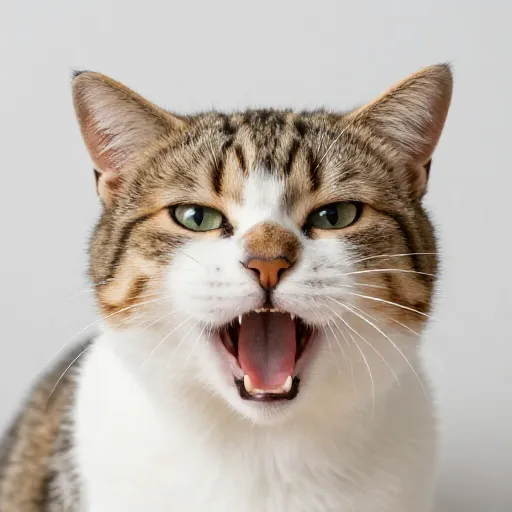
If you’ve ever been on the receiving end of a cat hiss, you know it can feel personal. That sudden, sharp sound might make you think your fluffy friend is angry or mean. But trust me, a hiss is not a sign of a bad cat. It’s actually a very clear message.
Think of a hiss as your cat’s way of saying, “I need space right now.” It’s a natural warning signal, not an attack. Understanding why cats hiss can make you a better cat parent and help you avoid scratches. Let’s break down the real reasons behind this classic cat behavior.
1. Fear Is the Number One Trigger
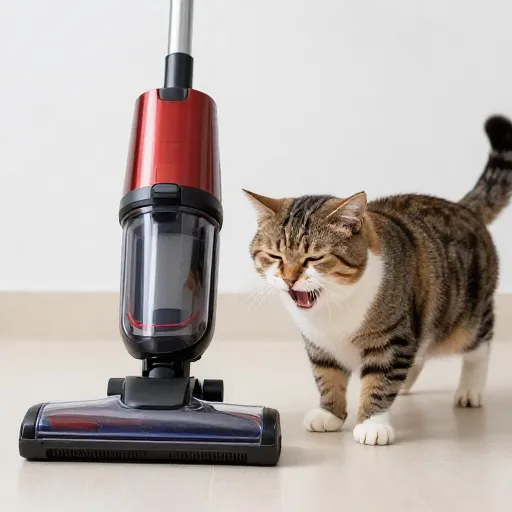
Most of the time, a hiss comes from pure fear. Your cat is not being dramatic. She is genuinely scared. Something in her environment feels like a big threat.
It could be a loud noise, a sudden movement, or even a new piece of furniture. When a cat feels trapped and can’t run, the hiss is her way of saying “back off” before she feels she has to swat. Think of it as a verbal shield.
- A hiss buys your cat a moment to decide what to do next.
- Never punish a hiss. It means your cat is stressed, not naughty.
2. Protecting Their Personal Bubble
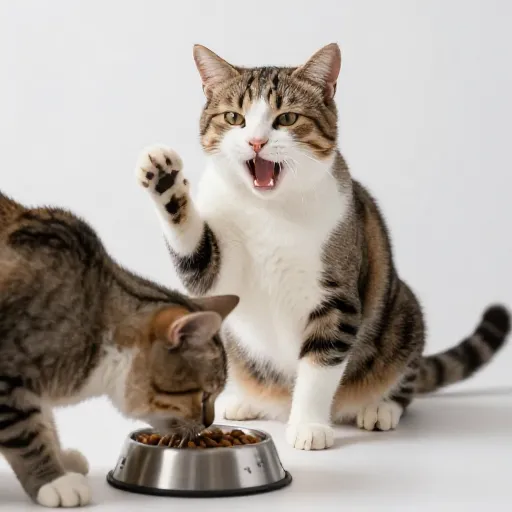
Cats are very particular about their space. Just like you might not want a stranger standing too close in line, your cat feels the same way. A hiss is a clear boundary.
This often happens when you try to pick up a cat who is not in the mood. Or when another pet gets too close to their food bowl or favorite sun spot. The hiss says, “This is mine, and I am not sharing right now.”
It is not about being selfish. It is about feeling safe in their own territory.
3. Pain or Discomfort Can Cause Hissing
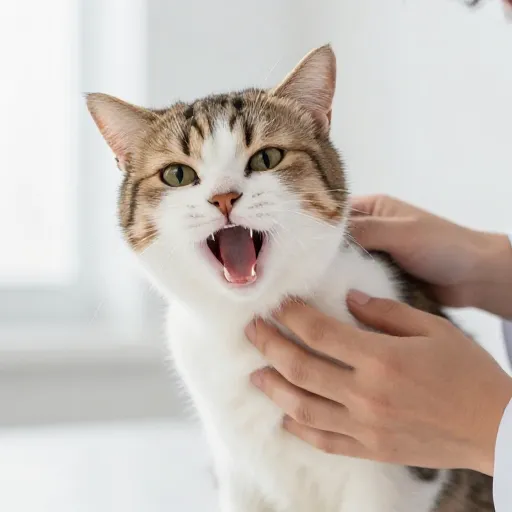
If your cat suddenly starts hissing at you when they are normally sweet, pay attention. Pain is a huge reason for unexpected hissing. A cat with a sore tooth, an aching joint, or an injury may hiss when touched.
Imagine someone poking you right where you have a bad bruise. You would flinch too. If your cat hisses when you pet a certain spot, or if they hiss at nothing, a vet visit might be needed. It is their way of saying, “Ouch, that hurts.”
4. Introducing a New Pet or Person
Bringing a new kitten, a dog, or even a new roommate into the house is stressful for a cat. Your cat’s world just got a shake-up. The hiss is often the first greeting.
This does not mean they will never get along. It just means they are unsure. The hiss is a test. It lets the new animal know that your cat is not a pushover. Give them slow introductions and lots of space. Time really does heal most hissy situations.
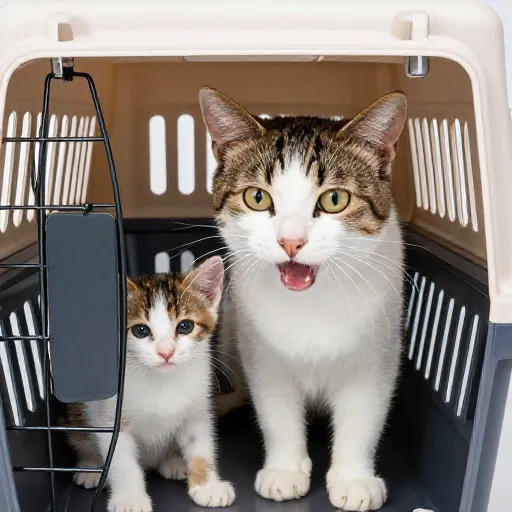
5. Redirected Aggression
This one is tricky. Your cat might be hissing at you, but they are actually mad at something else. For example, they see a stray cat outside the window. They feel frustrated and scared, but they cannot get to that cat.
So, when you walk by, they take that nervous energy out on you. It is not personal. They are just overwhelmed. The best move is to walk away quietly and let them calm down. Do not try to pet a hissing cat that is staring out a window.
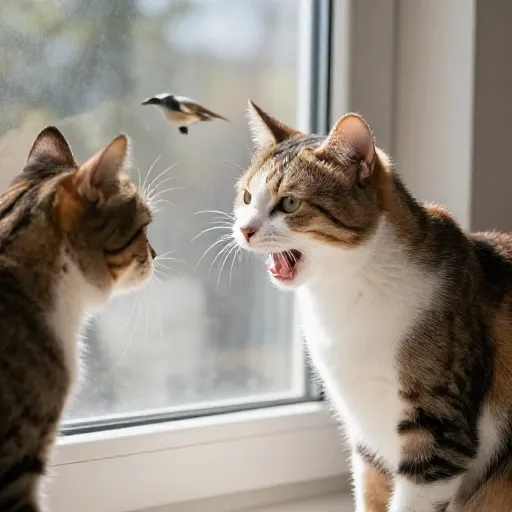
6. Mother Cats Teaching Kittens
A mama cat hisses at her kittens more than you might think. This is not mean. It is a lesson. When a kitten bites too hard or gets too rowdy, a hiss teaches them boundaries.
It is like a mom saying, “That is enough.” This helps kittens learn social skills. They learn to read body language and understand when to stop. It is a normal part of growing up in the cat world.
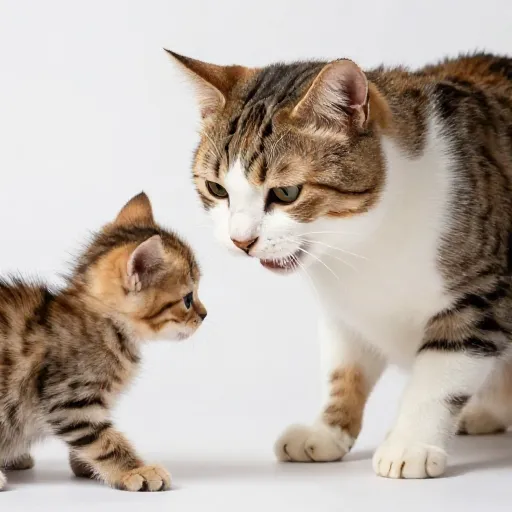
7. Feeling Cornered With No Escape Route
Cats always like to have an exit plan. If your cat is under the bed and you reach in to grab them, you are blocking their escape. This makes them feel trapped. The hiss is a panic signal.
Never force a cat out of a hiding spot. If they are hissing from a corner, back up. Give them room to run if they want to. A cat that feels free to leave is much less likely to hiss or scratch.
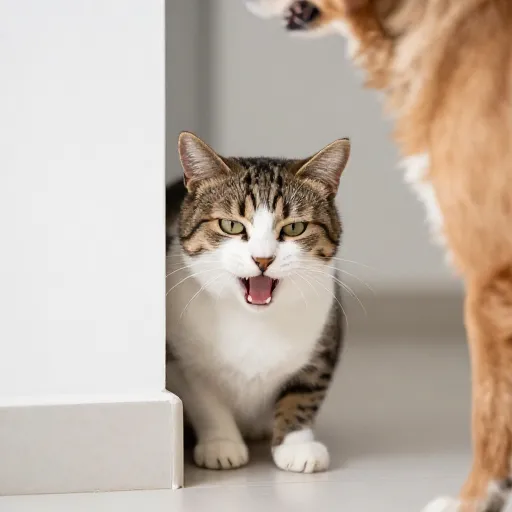
8. Overstimulation During Petting
You know those perfect petting sessions? They can turn into a hiss in a second. Cats have a limit. Too much petting, especially on the belly or tail, can become annoying or painful.
It is called petting-induced aggression. You might see their tail twitch or skin ripple. That is your warning. If you ignore it, the hiss comes next. Watch your cat’s body language. If they look tense, just stop petting.
9. They Are Confused by a Smell
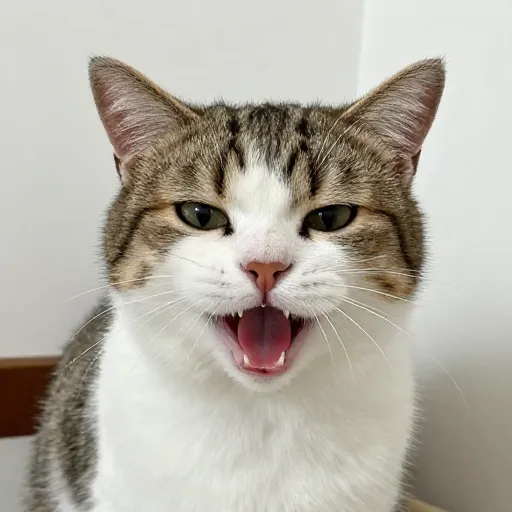
Cats rely heavily on smell. If you come home smelling like the vet’s office, another animal, or strong perfume, your cat might not recognize you at first. That strange scent can trigger a hiss.
It is a moment of confusion. They smell a stranger on a familiar body. Give them a moment to sniff you from a distance. Once they realize it is you, the hissing usually stops. It is just a weird smell mix-up.
10. Asserting Dominance (Rarely)
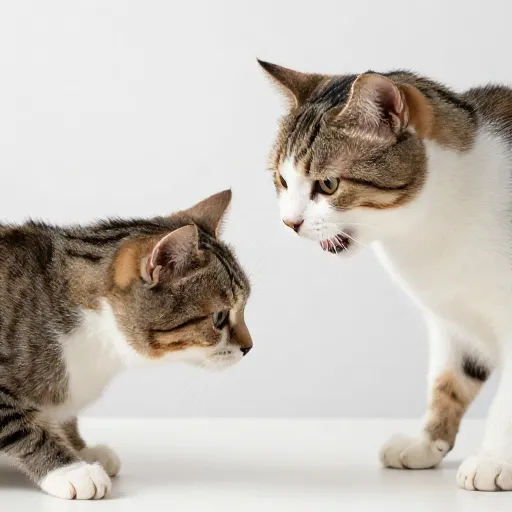
While fear is the main reason, sometimes a hiss is about status. This happens most often between two cats in the same home. One cat might hiss at the other to say, “I was here first” or “That is my spot.”
It is a low-level warning. It usually does not lead to a fight. It is more of a grumpy reminder. As long as both cats have their own space, this type of hissing is usually just background noise.
Conclusion: Don’t Fear the Hiss
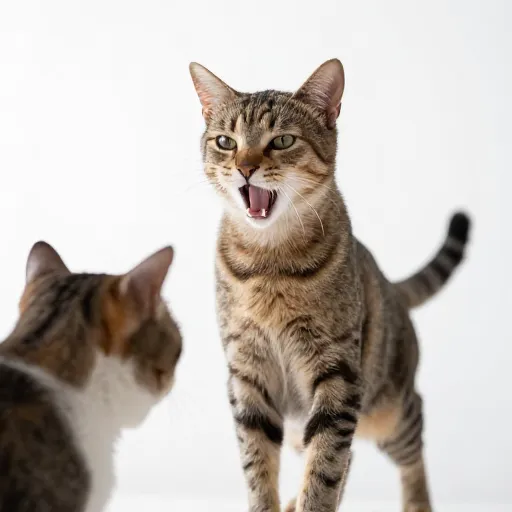
A hiss is not a sign of a bad cat. It is a sign of a cat who is trying to communicate. Your job is to listen. When you hear a hiss, stop what you are doing. Give your cat space. Check for pain or stress.
The more you understand why cats hiss, the stronger your bond will be. Your cat is not trying to hurt you. They are just asking for a little understanding. Respect the hiss, and your cat will trust you more.
Frequently Asked Questions
Q: Should I hiss back at my cat?
A: No, never. Hissing back will only scare your cat more. It can damage your trust. Instead, stay calm and walk away.
Q: Why does my cat hiss at me for no reason?
A: There is always a reason. It could be pain, a smell you are carrying, or something that scared them earlier. Look for small clues in their environment.
Q: Can a cat hiss and still be happy?
A: Usually not. Hissing is a stress signal. But some cats hiss during play if they get too excited. Watch their tail and ears to tell the difference.
Q: How do I stop my cat from hissing at new people?
A: Go slow. Do not force interactions. Let your cat hide if they want to. Ask guests to ignore the cat and toss treats from a distance. Patience is key.
Q: Is it normal for a cat to hiss at kittens?
A: Yes, it is normal. A hiss teaches a kitten boundaries. It is a gentle warning, not an attack. As long as the cat does not swat hard, it is fine.