10 Pet Store Interior Designs That Sell: Smart Layouts, Cozy Vibes & Instagram-Worthy Displays
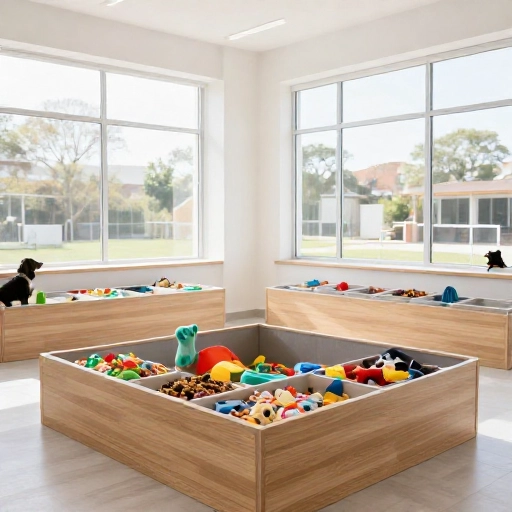
Walking into a pet store should feel like a warm hug for your furry best friend. You want the pups to wag their tails, the cats to purr, and the humans to pull out their wallets without even thinking twice. I’ve spent countless hours wandering through boutique pet shops and massive chains, and I’ve learned one truth: the layout makes or breaks the sale. It’s not just about stocking shelves; it’s about creating an experience that feels safe, exciting, and impossible to leave empty-handed.
If you’re dreaming of opening your own pet paradise or just want to refresh your current space, you’re in the right place. I’m sharing the exact interior design tricks that top-selling stores use to boost foot traffic and ring up bigger totals. From clever sight lines to cozy sniffing stations, these ten ideas are practical, affordable, and totally doable. Let’s turn your store into the place every pet parent in town has to visit.
1. The “Sniff & See” Low-Level Discovery Zone
Dogs live in a world of scents, and their noses are their primary shopping guides. Instead of stacking everything at human eye level, dedicate the bottom two feet of your shelving to pet-height displays. Place treat jars, plush toys, and sniffable samples right where a curious pup’s nose will land. This turns a simple walk down the aisle into an interactive treasure hunt.
I love using clear, wide-mouth apothecary jars for bulk treats. They look clean, let pets see the goodies, and make grab-and-go easy for owners. Add small, removable hooks on the side of shelves for hanging toys that dangle at nose level. The excitement is contagious—when one dog stops to sniff, their human stops too, and that’s when the impulse buys happen.
Don’t forget to keep this zone spotless. A quick daily wipe-down of the jars and shelves keeps things hygienic and inviting. Remember, you’re not just selling a toy; you’re selling the joy of that little tail wag when they spot it.
2. The “Showcase Ring” for Live Animals
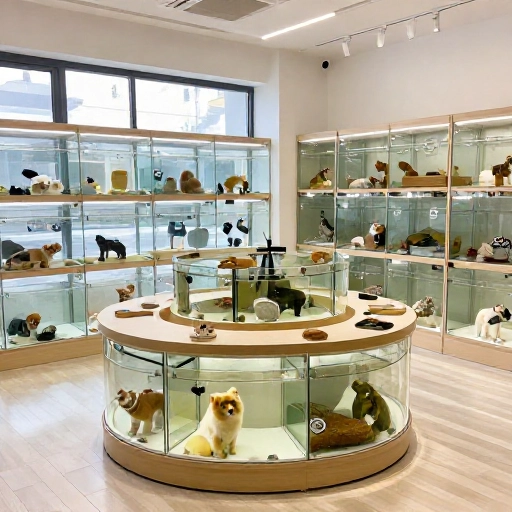
If you’re lucky enough to have live animals like puppies, kittens, or even small critters, treat their space like a Broadway stage. The habitat needs to be the visual anchor of the store, drawing eyes the moment someone walks in. Use low, wide glass enclosures with soft, warm lighting that mimics a cozy living room, not a sterile cage.
Place a comfortable bench or a couple of stools directly across from the habitat. This encourages people to sit, watch, and interact. The longer they stay, the more attached they get. I’ve seen stores boost adoption rates and sales simply by adding a “meet and greet” corner right next to the habitat, filled with brushes, collars, and starter kits.
Keep the backdrop simple and clean. A textured wallpaper or a soft painted mural works better than busy posters. The goal is to make the animal the star of the show, with your accessories as the supporting cast.
3. The “One-Stop” Emergency Essentials Wall
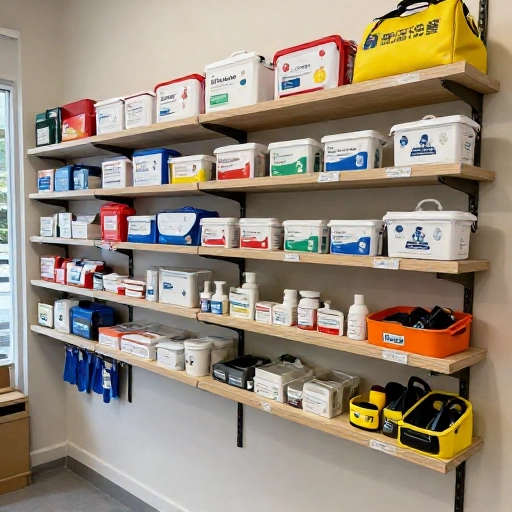
Every pet parent has that moment of panic—the leash broke, the food ran out, or the kitty litter is empty. Create a dedicated, brightly lit wall near the checkout counter for these “oops” items. Think of it as the convenience store section of your shop. Stock it with small bags of emergency food, single leashes, collars, poop bags, and basic first-aid items.
I like to use bold, simple signage here. A big sign that says “Forgot Something?” with a friendly arrow works wonders. This wall saves the day and builds incredible customer loyalty. When you solve a mini-crisis, people remember you for a long time. It also encourages quick add-on sales while they’re already in line to pay.
Keep the shelves fully stocked and facing forward. A messy, half-empty emergency wall feels chaotic. Neatness here signals that you’re reliable, which is exactly what a panicked pet parent needs to see.
4. The “Sensory Aisle” with Sound & Texture
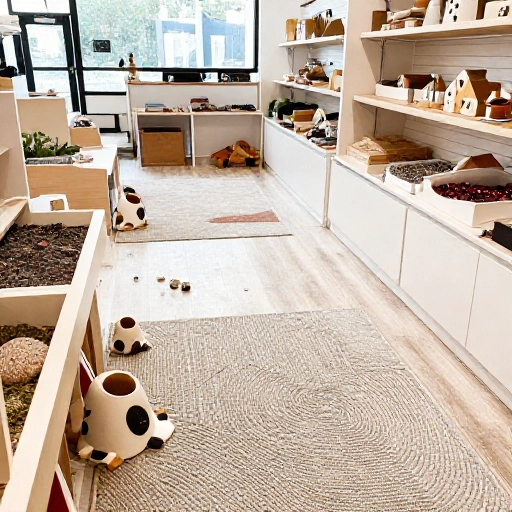
Don’t let your store be a silent, sterile box. Successful pet stores engage multiple senses to create a memorable visit. I’m talking about a specific aisle where you can add subtle, calming background sounds—like soft nature sounds or gentle classical music. It lowers stress for both pets and humans, making them linger longer.
Use different textures on the displays too. A shaggy rug under a display of dog beds, a rough rope mat near the chew toys, or a velvet cushion under catnip items. These textures invite touch. When a customer feels how soft a bed is, they’re far more likely to buy it. Encourage them to pet, squeeze, and feel everything.
Add a few small, interactive elements like a bell on the door or a squeaky toy sample attached to the shelf. These little audio triggers create positive associations. It’s a subtle trick, but it makes your store feel alive and playful, not like a warehouse.
5. The “Treat Bar” Self-Serve Experience
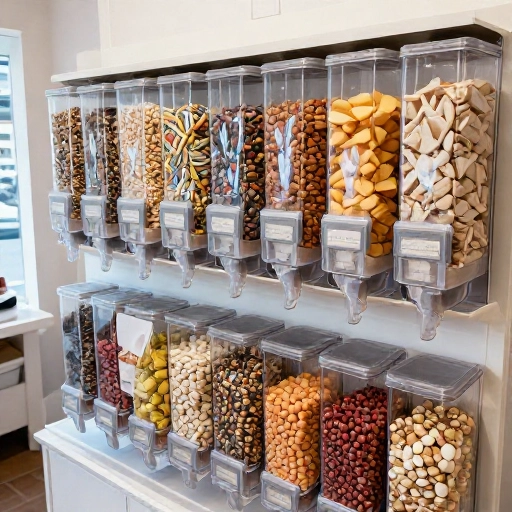
Nothing says “welcome” like the smell of fresh baked treats. Build a self-serve treat bar where customers can scoop their own goodies into paper bags. Use large, clear dispensers with scoops attached. It’s a hands-on, fun experience that feels premium and customizable. You can even offer a few “mix-and-match” flavors.
Make it visually appealing with a chalkboard menu listing ingredients and flavors. Keep it at a comfortable height for both kids and adults. I’ve found that placing this bar right near the entrance creates an immediate positive sensation. The smell of peanut butter or chicken instantly makes pets drool and owners smile.
Price by weight and provide cute, branded paper bags. This not only sells treats but also gives you a cheap, highly effective marketing tool when people walk out with your logo in hand. It’s a win-win for the senses and your bottom line.
6. The “Cozy Corner” for Pet Photoshoots
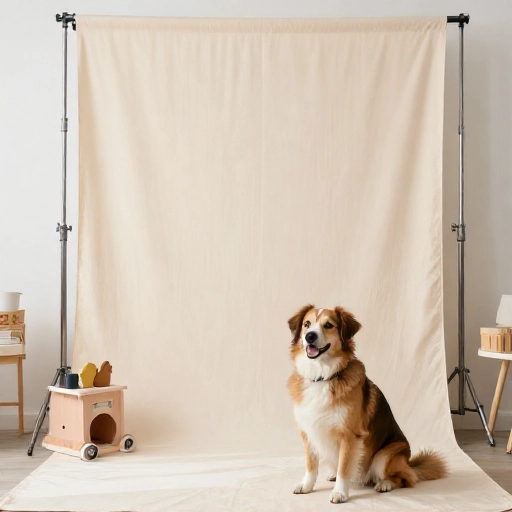
In the age of Instagram, a photo-worthy spot is pure gold. Dedicate a small corner of your store to a “photo booth” setup. Use a nice backdrop—maybe a faux brick wall, a floral print, or a simple wooden pallet. Add a comfy chair or a fun prop like a giant bone or a pair of oversized sunglasses. This is free advertising for your store.
Encourage customers to snap a picture of their pet and tag your store. You can even create a physical “Wall of Fame” right there, printing out some of the best photos to pin up. This builds a sense of community and makes people feel like they’re part of something special. It also gives them a reason to stay a few extra minutes.
Keep a lint roller and a small towel nearby for cleaning up pet hair. This little detail shows you care about their experience. The result? A flood of user-generated content that brings new customers through your door.
7. The “Size-Matters” Furniture Gallery
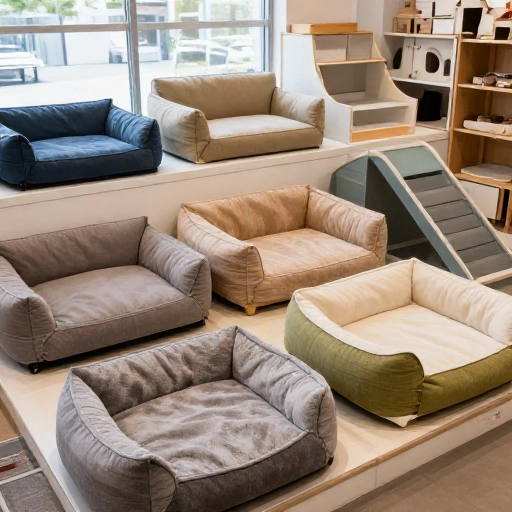
Pet beds, crates, and carriers are bulky items that are hard to visualize. Instead of stacking them flat, create a “gallery” setting. Display them like living room furniture. Place a large, plush bed on a low platform with a stylish throw pillow. Set up a wire crate with a comfy mat inside and a water bowl beside it. Show customers how it looks in a real home.
I like to use a “try before you buy” approach. Put a sign that says “Go ahead, let them test it out!” Encourage customers to let their dog lie down on the bed. This sensory experience is the ultimate sales pitch. If the dog looks comfy, the owner is sold. It’s that simple.
Keep this area spacious and uncluttered. You want the customer to envision this piece in their own living room, not feel like they’re in a cramped storage unit. Good lighting is key here to show off the colors and textures.
8. The “Aquatic & Reptile” Quiet Zone
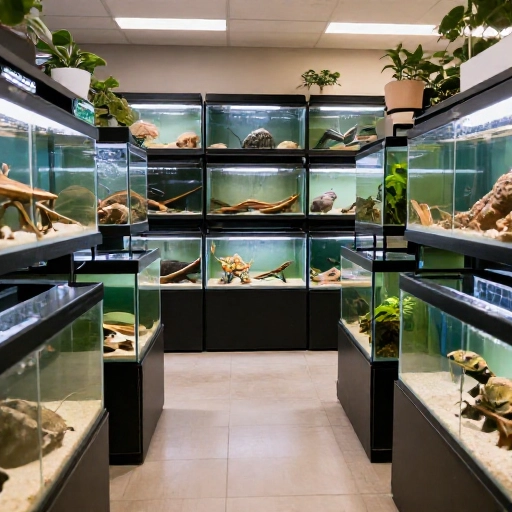
Fish tanks and reptile terrariums have a magical, calming effect. They also attract a different kind of hobbyist—one who spends big on specialized gear. Create a dedicated, slightly darker “quiet zone” for these displays. The dim lighting makes the tanks glow, highlighting the vibrant colors of the fish and the intricate setups.
Organize the gear nearby: filters, water conditioners, heaters, and decor. Use clean, labeled bins so everything is easy to find. I’ve learned that this customer is detail-oriented, so clear organization and good information signs are crucial. They’re not impulse buyers; they’re planners. Give them the tools to plan.
A small, comfortable stool near the larger tanks invites people to sit and watch the fish swim. It’s a peaceful moment in a busy day. This quiet corner offers a nice contrast to the high-energy dog areas, making your store feel well-rounded and professional.
9. The “Seasonal & Novelty” Front Table
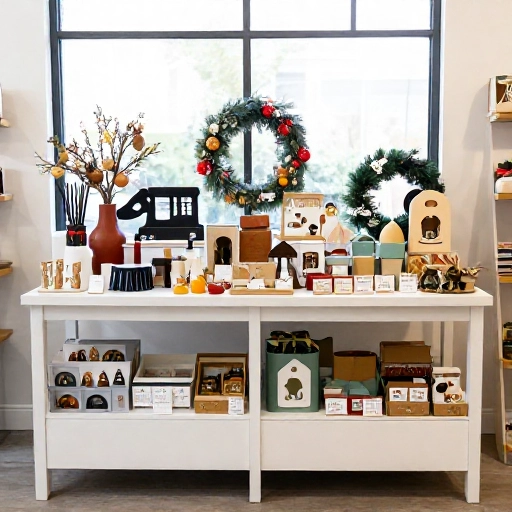
Keep things fresh and exciting with a rotating display table right at the front entrance. Change it out monthly—or even bi-weekly—based on seasons and holidays. Think Halloween costumes, Christmas stockings, summer pool toys, or Valentine’s Day bandanas. It’s the first thing people see, and it immediately tells them your store is current and fun.
Make this table a “one-stop” for novelty items. Don’t mix in basic food or litter here. Keep it purely for fun, impulse-purchase items. You want people to grab a cute toy or a festive collar on their way in or out. The visual appeal of seasonal colors and themes is a huge driver for these buys.
Keep your best-sellers on this table, but also take a chance on a few quirky, unique items you wouldn’t normally stock. It’s a low-risk way to test new products. If something flies off the table, you know you’ve found a winner for your permanent inventory.
10. The “Education & Community” Board
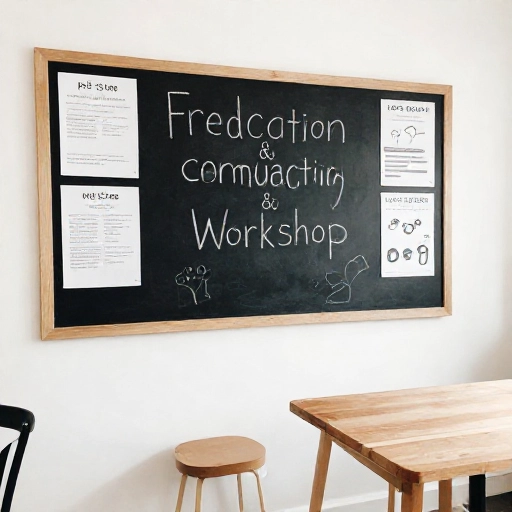
The best pet stores are more than just shops; they’re community hubs. Dedicate a wall space to a large chalkboard or corkboard. Use it for more than just ads. Post a “Pet of the Week” photo, share a quick training tip, or list local dog park meetups. This builds a loyal following and positions you as the local expert.
I also love having a small shelf with free informational pamphlets on pet care, grooming, and nutrition. It shows you care about the animal’s well-being, not just the sale. This builds immense trust. When customers trust you, they’ll come back for all their serious needs, not just the fun stuff.
Make it interactive. Ask customers to write their own tips on sticky notes and post them up. This creates a sense of ownership and belonging. Your store becomes a place to visit for advice and connection, making it invaluable to the neighborhood.
Final Thoughts: Design for the Wag, Not Just the Wallet
Creating a pet store that sells isn’t about tricking people into buying. It’s about creating an environment that feels good to be in. When a dog is happy, the owner is happy. When the owner is happy, they spend more time browsing and more money on quality items. It’s a beautiful, simple cycle.
Start with one or two of these ideas and see how they feel. You don’t have to renovate everything overnight. Maybe just move that treat jar down to floor level or clear off a table for a photo spot. Small changes can make a huge difference in the energy of your store. Watch your customers’ behavior, listen to their comments, and let that guide your next move. Happy designing, and here’s to a store full of happy tails!
Frequently Asked Questions
How much does a pet store interior remodel typically cost?
It really depends on the scope. A simple refresh with new paint, shelving, and signage can cost anywhere from a few thousand to ten thousand dollars. If you’re doing major construction like new flooring or custom built-ins, you could be looking at $20,000 or more. I always suggest starting small and prioritizing the areas that need the most visual impact.
What’s the most important factor in a pet store layout?
Traffic flow is number one. You want a clear path that guides customers through the entire store without any bottlenecks. Make sure the aisles are wide enough for strollers and larger dog breeds. You also want the checkout area to be open and accessible, not a cramped afterthought.
How can I make my small pet store feel bigger?
Use light, neutral colors on the walls to open up the space. Avoid clutter—overstocked shelves make a store feel smaller and messier. Use vertical storage to take advantage of your ceiling height. And make sure your lighting is bright and even. A well-lit, clean space always feels more expansive.
Should I play music in my pet store?
Yes, but choose wisely. Soft, calming music is generally best as it soothes both pets and their owners. Avoid anything with heavy bass or loud, jarring sounds. You can even look up playlists specifically designed for dogs. The goal is to create a relaxed atmosphere that encourages lingering.
How do I handle the smell of a pet store?
This is so crucial. You can’t mask a bad smell with air fresheners—you have to get to the source. Have a strict cleaning schedule for habitats and accidents. Use enzyme cleaners that eliminate odors completely. Invest in good ventilation and air purifiers. A clean-smelling store is a huge selling point.