What to Expect During the First Seven Days With a Puppy (An Honest Day-by-Day Guide)
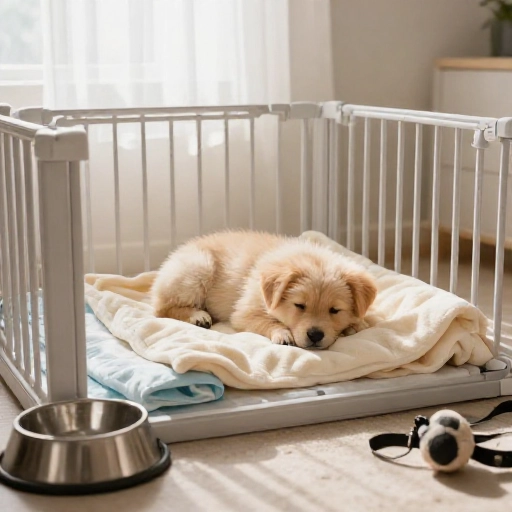
Bringing home a puppy is one of those experiences that’s equal parts magical and messy. I still remember standing in my kitchen at 2 a.m. on night one, wondering if I’d made a huge mistake while a tiny ball of fluff howled like a tiny wolf. If you’re about to bring a puppy home, I want you to know what those first seven days actually look like — not the filtered Instagram version.
The truth is, the first week is a whirlwind of potty accidents, sleepless nights, tiny victories, and a lot of deep breaths. Your puppy is also going through a massive adjustment. They just left their mom and littermates, and everything in your home smells, sounds, and feels brand new.
So here’s my honest, practical breakdown of what to expect day by day. Bookmark this one — you’ll want to come back to it around day three when you’re running on fumes.
Day 1: Bringing Your Puppy Home (Keep It Boring on Purpose)
The day you bring your puppy home is exciting for you but overwhelming for them. Resist the urge to invite the whole neighborhood over for a meet-and-greet. A calm, quiet introduction to one or two rooms is plenty.
Show them their potty spot right away, then let them explore a small, puppy-proofed area. Keep the crate or bed nearby so they can sniff it without being forced inside.
Expect some hiding, some trembling, and possibly a refusal to eat. That’s normal. Don’t panic — just sit on the floor quietly and let them come to you on their own terms.
Day 2: The First Night Was Rough — Now What?
Most puppy parents get a rough first night. Whining, crying, scratching at the crate — it’s heartbreaking and exhausting all at once. This isn’t your puppy being dramatic. They’re genuinely scared of being alone for the first time.
Here’s what helped me:
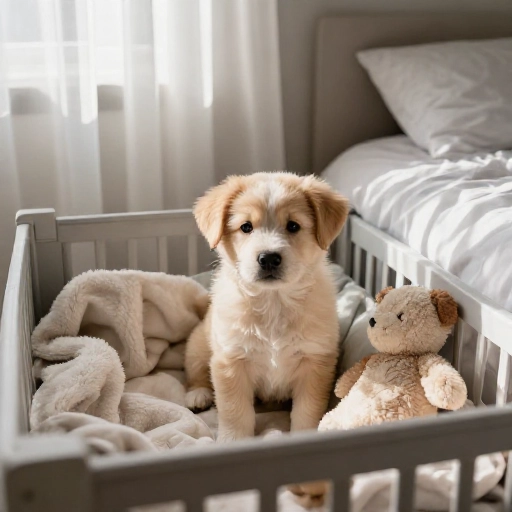
- Put the crate right next to your bed for the first week
- Use a snuggle toy or a warm water bottle wrapped in a towel
- Take them out for one quiet middle-of-the-night potty break
- Keep the lights dim and your voice low when you do it
Don’t rush in every time they whine, but do offer calm reassurance. You’re teaching them that being alone is safe, not scary.
Day 3: Potty Training Reality Check
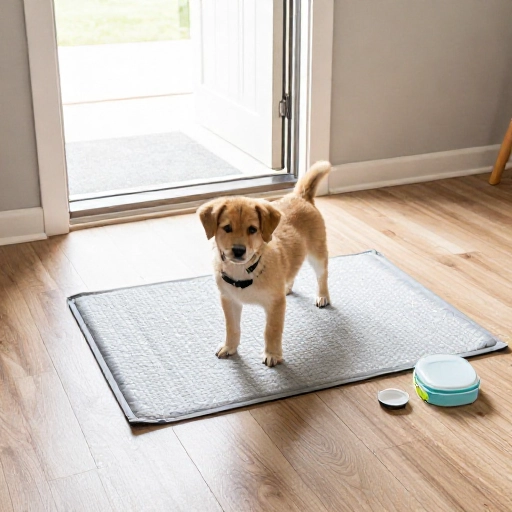
By day three, you’ll probably feel like you’re doing nothing but watching for pee. That’s actually exactly what you should be doing. Puppies this young need to go out every 1–2 hours, plus right after eating, drinking, napping, and playing.
Accidents will happen. Many of them. It’s not a failure — it’s just part of the process and your puppy’s bladder is genuinely tiny.
My best tip: take them out on a leash to the same spot every time, wait patiently for 5–10 minutes, and throw a little party when they go. Praise, treats, the works. Clean accidents with an enzymatic cleaner so the smell doesn’t lure them back.
Day 4: Feeding, Tummy Troubles, and Routine
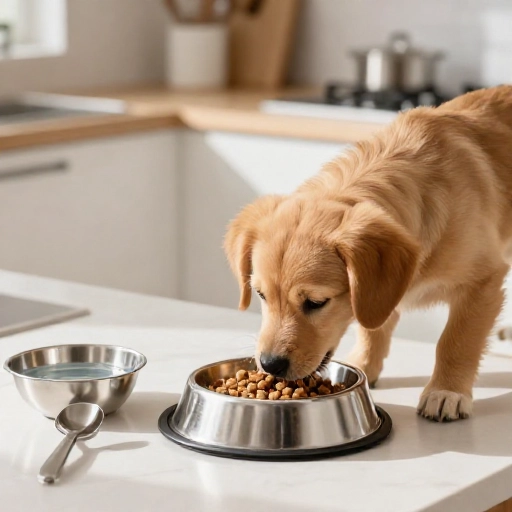
Stress and a food change often lead to soft stools or mild diarrhea in the first week. If your puppy’s appetite seems off, try warming their food slightly or hand-feeding a few kibbles to build trust.
Stick to whatever food the breeder or shelter was using at first, then transition slowly over 7–10 days if you want to switch. Sudden food changes are a recipe for an upset tummy.
A simple schedule goes a long way:
- Three or four small meals a day for young puppies
- Fresh water available at all times
- Last meal about 2–3 hours before bedtime
Consistency is your best friend right now. Same times, same places, same routine.
Day 5: Crate Training Starts Clicking (Maybe)
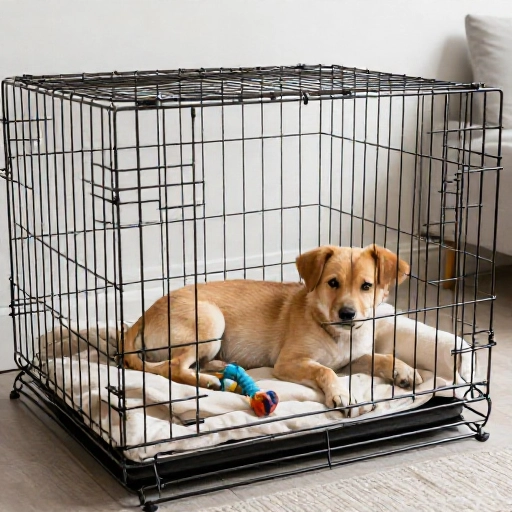
By the middle of the week, some puppies start to see the crate as their cozy little den. Others? Not so much. Both are normal.
Feed meals inside the crate with the door open, toss treats in randomly during the day, and never use it as punishment. Short, happy sessions beat long, stressful ones every time.
If your puppy is still crying at night, try covering the crate with a light blanket to make it feel more den-like. And remember — this is a marathon, not a sprint.
Day 6: Bonding, Trust, and Reading Your Puppy’s Cues
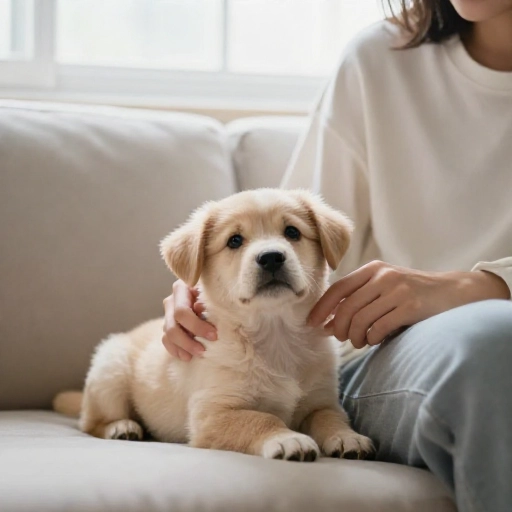
Around day six, something sweet usually happens. Your puppy starts following you around, wagging when you walk in, or flopping over for belly rubs. That’s the beginning of real trust.
Pay attention to their body language. A tucked tail, lip licking, or yawning when nothing’s going on usually means they’re overwhelmed and need a break. Respect those signals and you’ll build a much calmer relationship.
Keep handling gentle and positive — touch paws, ears, and mouth briefly during calm moments so future grooming and vet visits go smoother.
Day 7: Gentle Socialization (Without Overdoing It)
Socialization is important, but the first week is not the time for crowded dog parks. Your puppy isn’t fully vaccinated yet, and overwhelming experiences can backfire.
Instead, focus on safe exposures at home:
- Different sounds — vacuum, doorbell, traffic noises on low volume
- Different surfaces — tile, carpet, grass, a towel
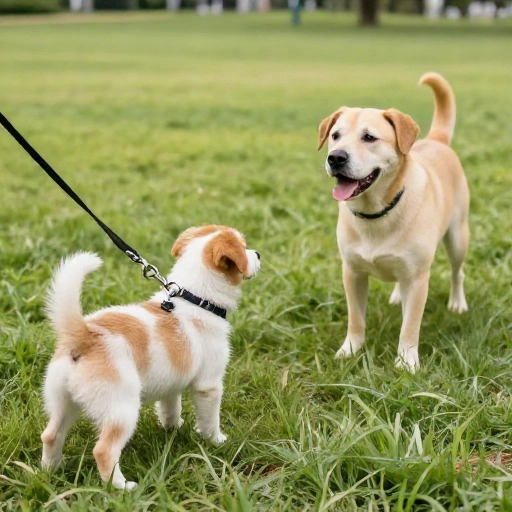
- Calm, healthy adult dogs you know and trust
- Short car rides that end somewhere fun
Quality matters way more than quantity. A few positive experiences beat twenty stressful ones.
Teething, Chewing, and Managing Playtime
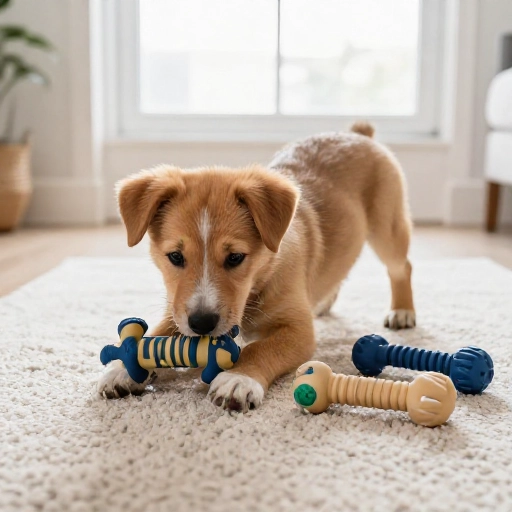
Your puppy is likely in the thick of teething, which means everything looks like a chew toy — including your fingers and your favorite shoes. This isn’t aggression; it’s comfort and exploration.
Keep a variety of safe chew toys on hand and rotate them so they stay exciting. When teeth land on skin, redirect immediately to a toy and say “ouch” softly. Consistency works better than scolding.
Short play sessions (5–10 minutes) followed by a nap are ideal. Puppies get overtired and nippy when they’re due for sleep — just like toddlers.
The First Vet Visit and Health Red Flags
Book a vet check within the first few days of coming home. Bring any records you have, and ask about deworming, vaccines, and flea/tick prevention.
Watch for anything that seems off:
- Persistent vomiting or diarrhea
- Refusing food for more than 24 hours
- Lethargy, trembling, or unusual crying
- Any coughing, sneezing, or eye discharge
Trust your gut. If something feels wrong, call your vet — it’s always better to check.

Taking Care of Yourself — Puppy Blues Are Real
Here’s the part nobody tells you: you might feel sad, anxious, or regretful during this first week. That’s called the puppy blues, and it’s way more common than people admit.
You’re sleep-deprived, you’re cleaning up messes constantly, and your free time just vanished. It’s a lot. It doesn’t mean you made a mistake, and it doesn’t mean you’re a bad dog parent.
Ask for help if you can, take a shower, eat a real meal, and remind yourself this phase is temporary. Most people start to feel the joy outweigh the chaos within a couple of weeks.

Final Thoughts: The First Week Is Survival Mode — And That’s Okay
If you make it through the first seven days with your puppy, you’ve already done something huge. You’ve created safety, started routines, and begun building the foundation of a lifelong bond.
Don’t stress about perfection. Your puppy doesn’t need a flawless schedule or a spotless floor — they need patience, consistency, and your presence. That’s it.
Take it one day at a time, and take way more photos than you think you need. This phase goes fast, even when 3 a.m. feels endless.
Frequently Asked Questions
How long does it take a puppy to adjust to a new home?
Most puppies need about one to three weeks to settle in, though the first three days are usually the hardest. By the end of the first month, a lot of them act like they’ve always lived with you.
Should I let my puppy cry at night?
It depends on their age and temperament. For very young puppies, brief reassurance and a crate near your bed works better than letting them cry it out. You can gradually move the crate further away as they gain confidence.
How often should I take my puppy out to potty?
Every 1–2 hours during the day, plus right after eating, drinking, playing, and napping. Young puppies simply can’t hold it long yet.
Is it okay to leave my puppy alone for a few hours?
Yes, but start small — short absences of 5–15 minutes and build up slowly. A safe, puppy-proofed space, a chew toy, and the crate make alone time much easier.
What should I do if my puppy won’t eat?
Offer small, warm, smelly meals, and remove the bowl after 15 minutes. If your puppy refuses food for more than a day, or seems sick, contact your vet right away.