10 Dog Potty Area for Backyard Ideas That Actually Look Good
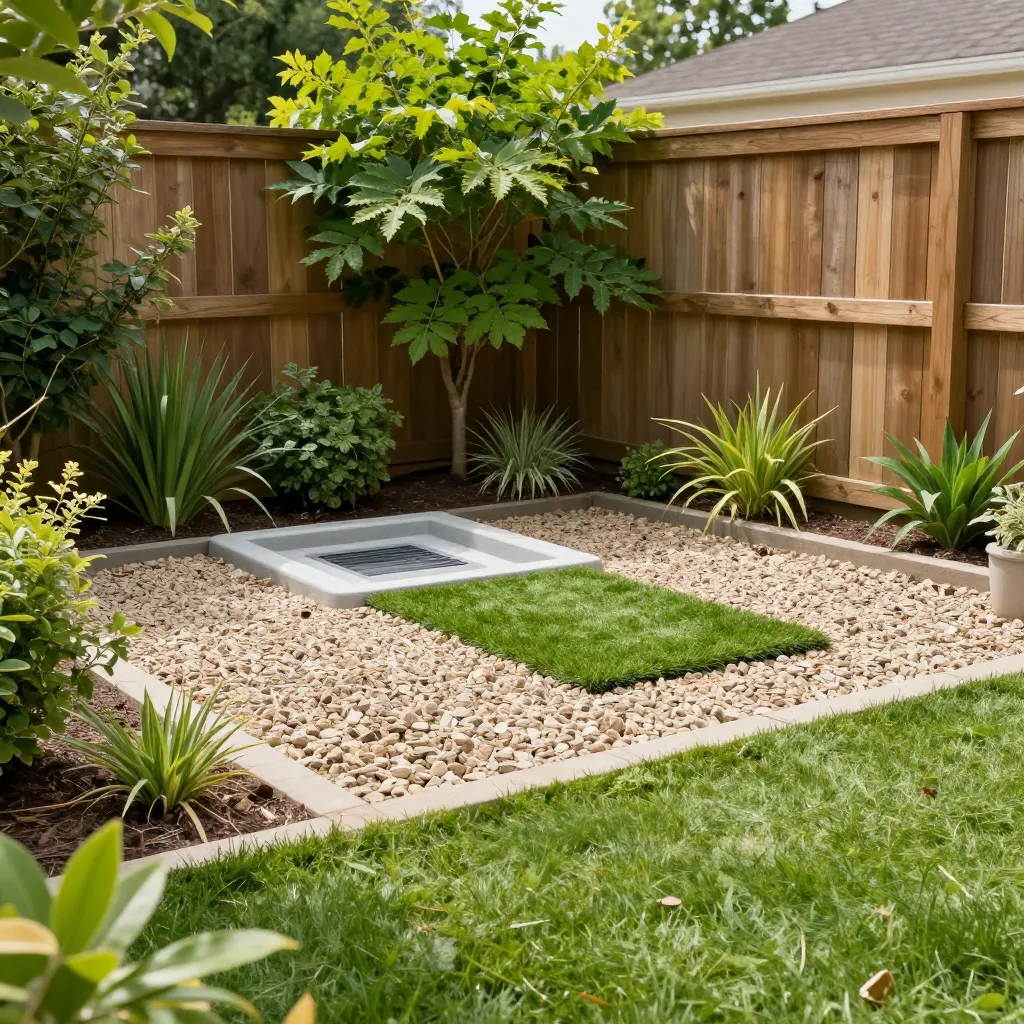
Let’s be honest—nobody wants a backyard that smells like a kennel or looks like a dirt patch. I spent months trying to figure out a spot for my pup that didn’t ruin the grass or make our patio feel gross. The good news? You can have a clean, cute backyard and a designated potty zone that works for both of you.
I’ve tried a few setups myself, and I’ve gathered ideas from friends who swear by their systems. Whether you have a tiny patio or a sprawling lawn, these ten ideas will help you create a dog potty area that’s easy to maintain and easy on the eyes.
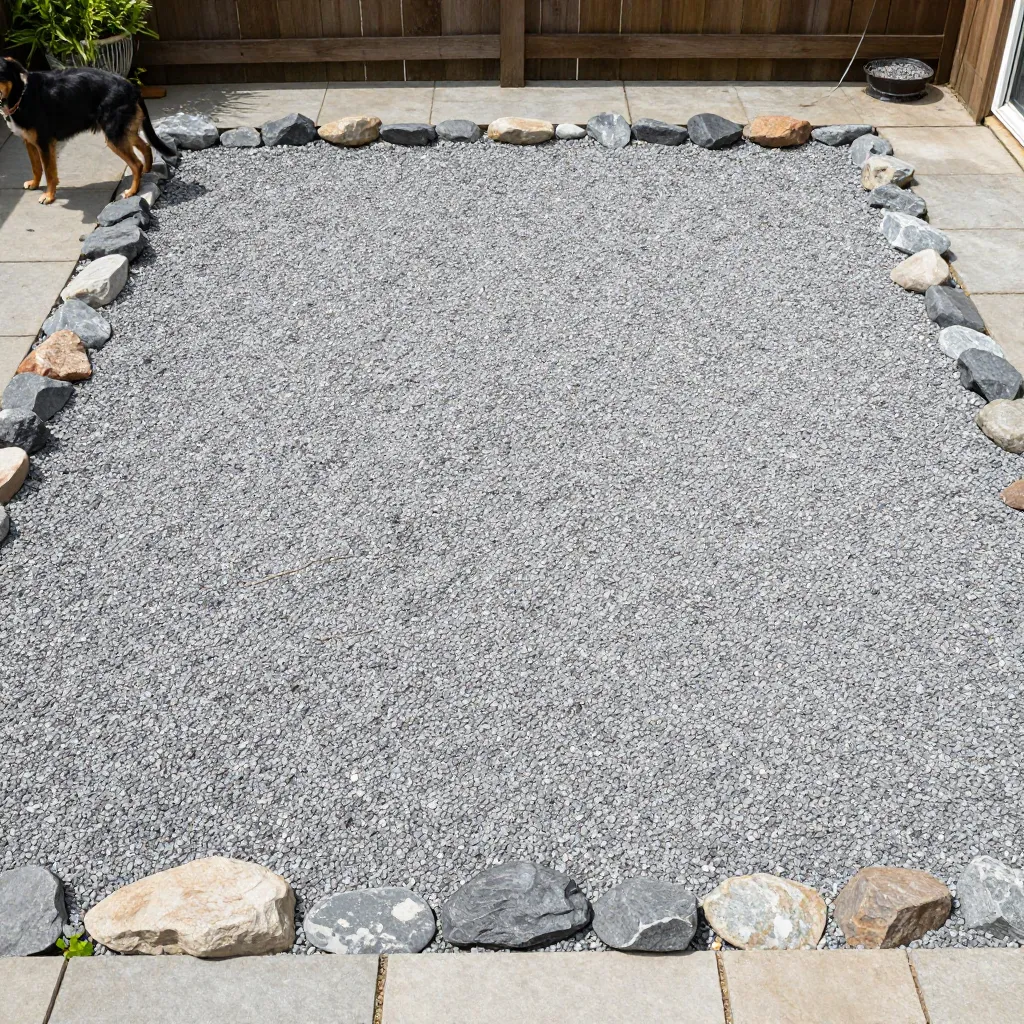
1. The Classic Gravel Patch
Gravel is my go-to recommendation for a low-maintenance potty area. It drains well, doesn’t hold odors like grass, and you can choose a color that blends with your landscaping. I used pea gravel in a corner of my yard, bordered with some simple stepping stones.
Your dog will learn the texture under their paws quickly. Just rake it every few days and hose it down when needed. It’s practical and surprisingly tidy.
Pro tip: Lay landscape fabric underneath to prevent weeds and make cleanups even easier.
Bullet points for quick setup:
- Pea gravel or decomposed granite works best
- Add a border of stones or wood to keep it contained
- Rinse with a hose weekly to keep it fresh
2. Artificial Turf Over a Drainage Base
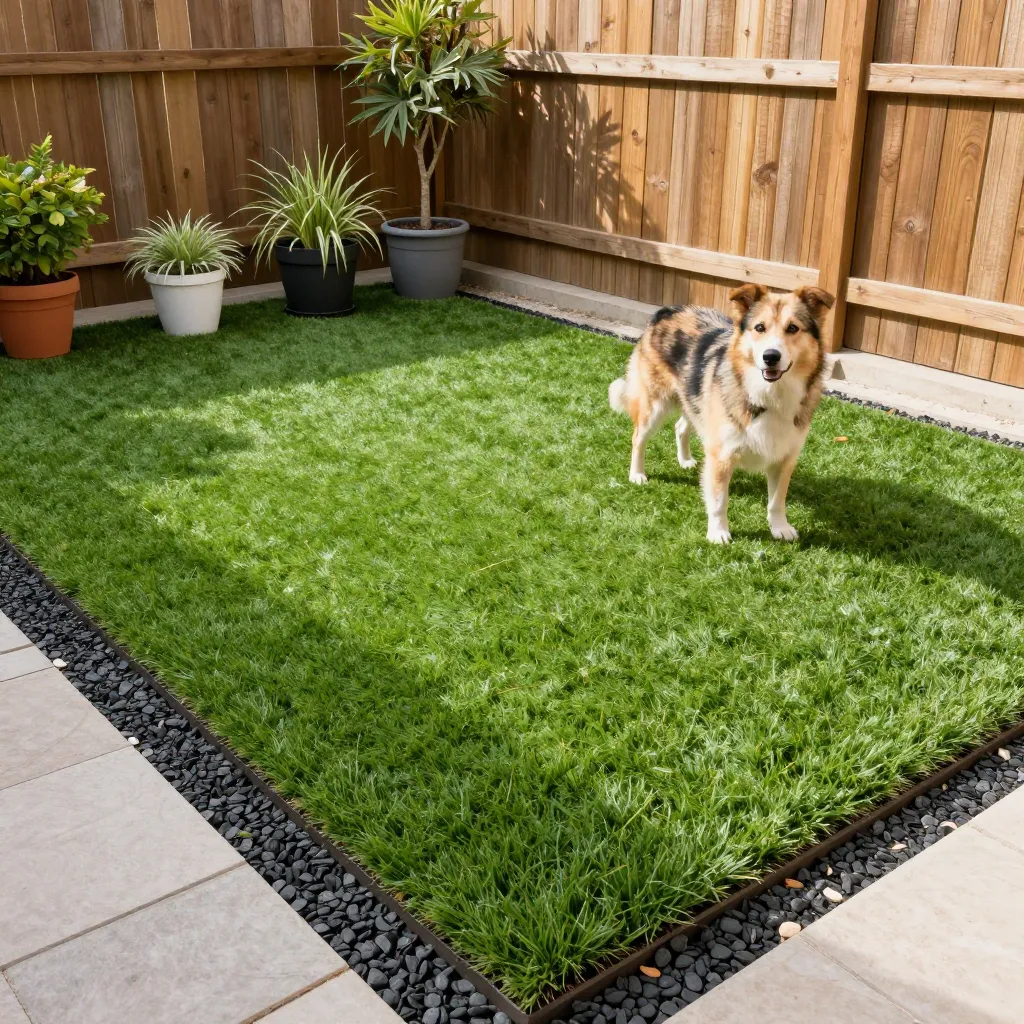
If you want the look of grass without the yellow spots, artificial turf is the way to go. But don’t just lay it on the ground—install it over a base of crushed rock or special drainage tiles. This lets urine pass through instead of pooling on top.
I helped a friend set this up in her small backyard. She hoses it down once a week, and it never smells. Plus, it stays green all year round. Your dog gets the feel of grass, and you get zero mud.
Just make sure to use pet-specific turf that’s antimicrobial.
3. A Raised Planter Box (Yes, Really)
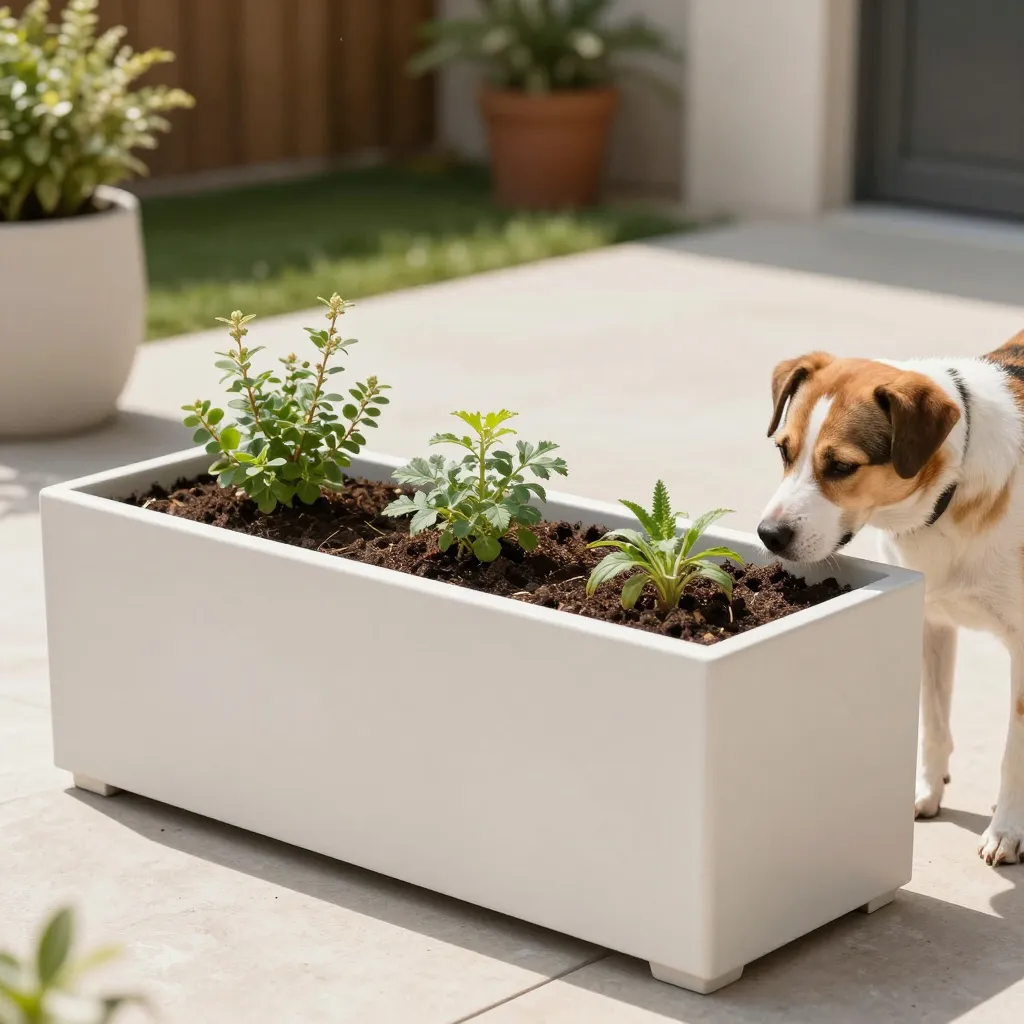
This one surprised me, but it works wonders for small spaces. Build or buy a raised planter box, fill it with soil and sod, and place it on your patio or deck. It’s like a giant litter box for dogs. My neighbor uses one for her senior corgi who hates going down stairs.
The raised height is perfect for older dogs or rainy days when the yard is muddy. You can even add a fake fire hydrant for fun. Just replace the sod every few months.
It contains the mess, keeps your deck clean, and looks like a garden feature.
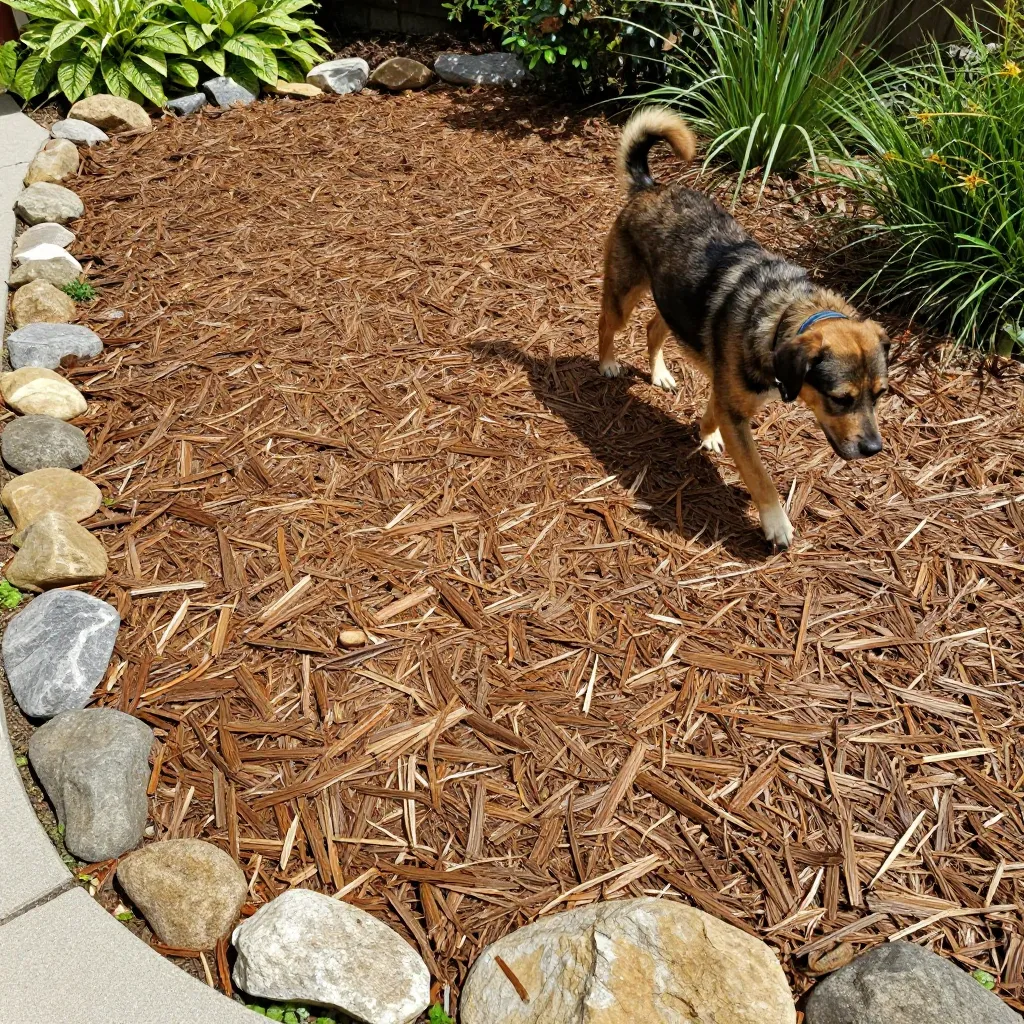
4. Mulch or Pine Bark Zone
Mulch is cheap, natural, and absorbs odors better than you’d think. I use shredded pine bark in a shaded corner of my yard. It’s soft on paws and breaks down over time, so you just add a fresh layer every season.
One warning: avoid cocoa mulch—it’s toxic to dogs. Stick with cedar, pine, or cypress. Your dog will love the texture, and you’ll love that it doesn’t turn into a mud pit.
Bullet points for success:
- Use large nuggets or shredded bark
- Place in a low-traffic corner
- Refresh every 2–3 months
5. The Potted Patio Potty
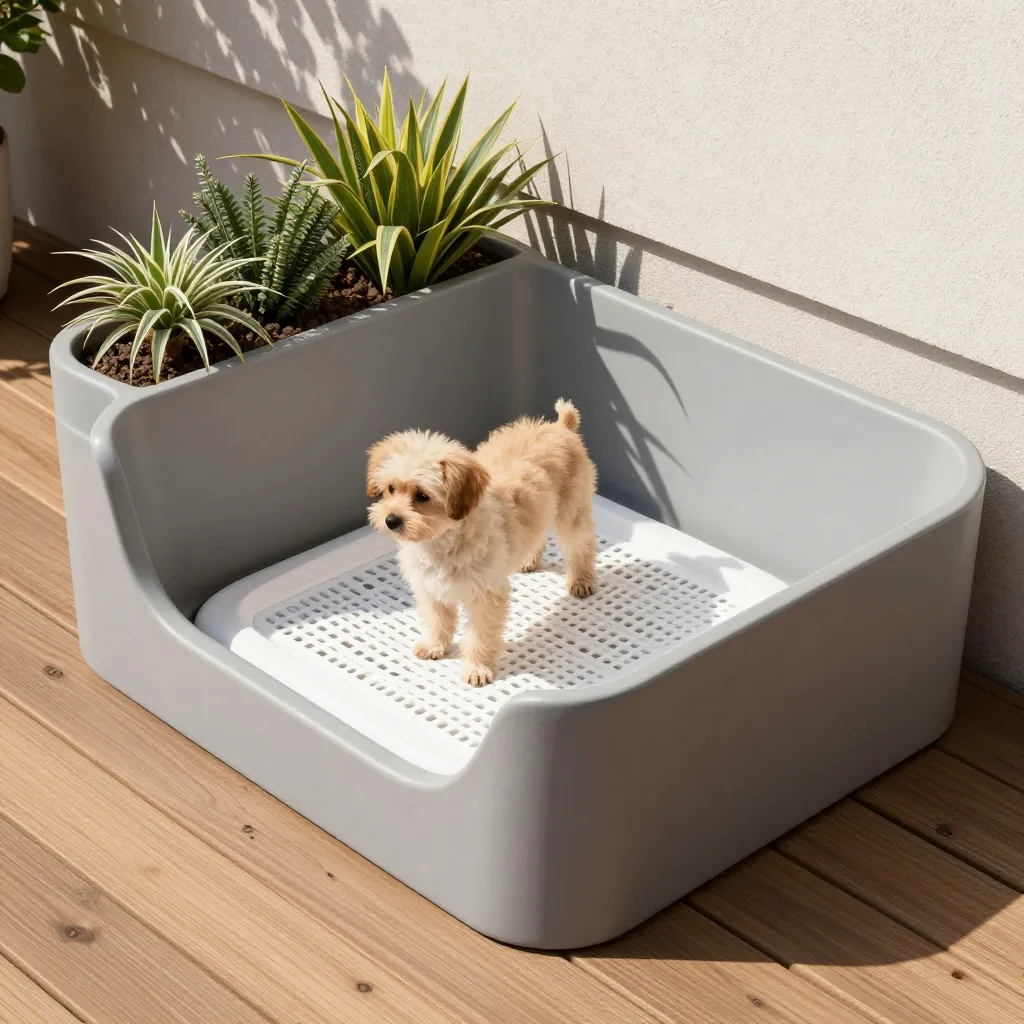
For apartment dwellers or people with zero grass, this is a lifesaver. Get a large, shallow planter (like a boot tray or a concrete saucer), fill it with sod or artificial turf, and place it on your balcony or patio. Your dog learns to go right on that spot.
I used this setup when I lived in a condo. It’s portable, easy to clean, and you can move it around to follow the sun. Just dump the tray daily and rinse it.
It’s not fancy, but it works. And it keeps your patio smelling fresh.
6. A Fenced-In Potty Pen
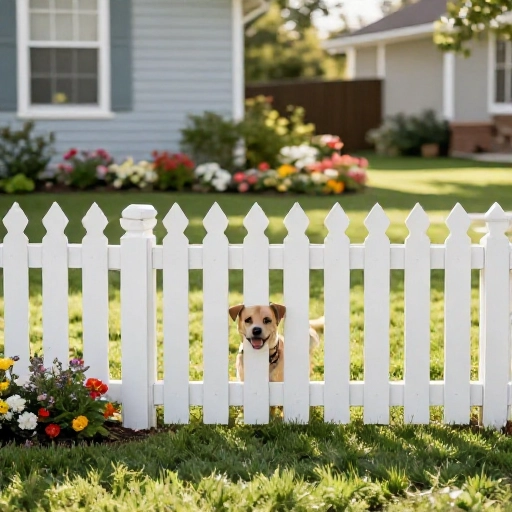
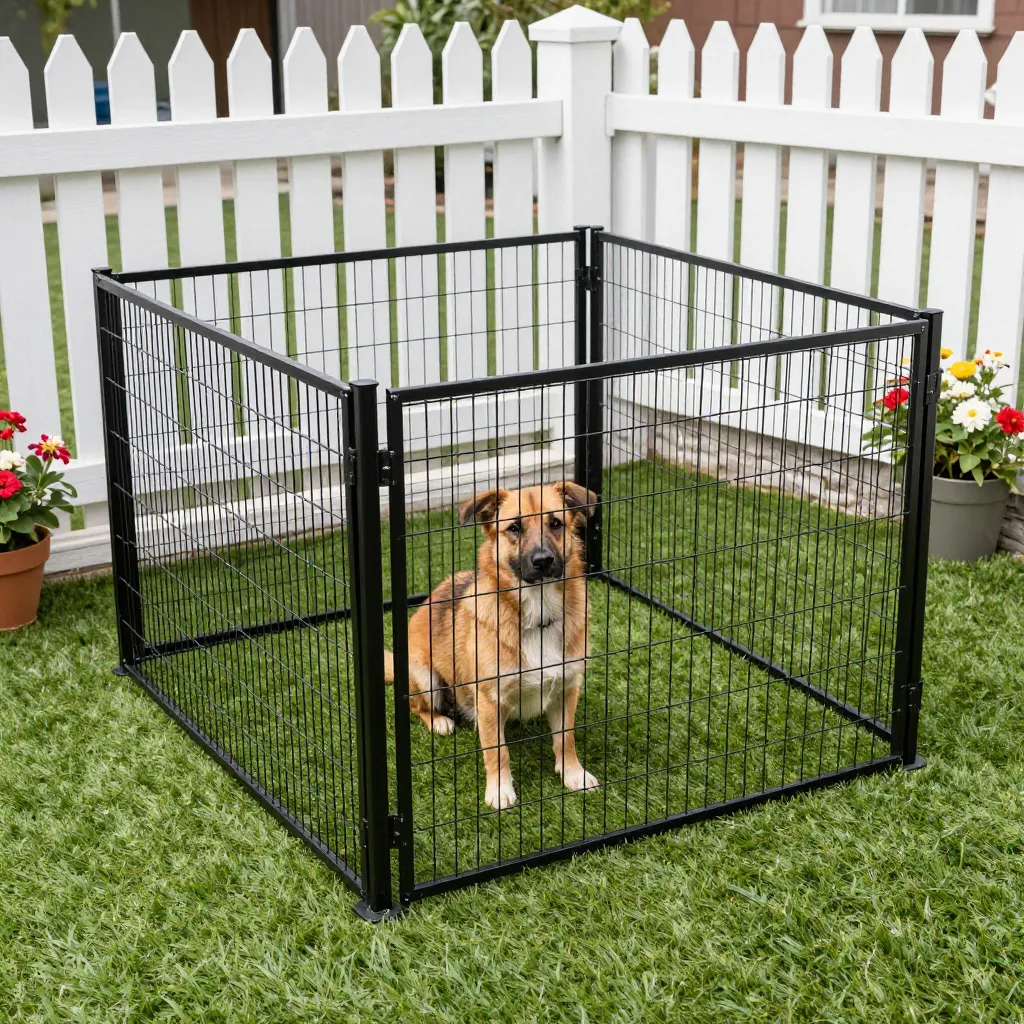
If you have a big yard but want to keep the potty zone contained, build a small pen with a gate. Use a simple wooden fence or metal garden panels. Inside, lay gravel or turf. This keeps your dog from wandering all over the yard to find a spot.
I love this idea because it trains your dog to go in one place, protecting the rest of your lawn. Plus, it’s easy to clean since everything is contained. You can even add a small shade cover for hot days.
Bullet points for planning:
- Keep it small—about 4×4 feet for most dogs
- Add a gate for easy access
- Use a mix of gravel and turf for comfort
7. Natural Grass With a Drainage System
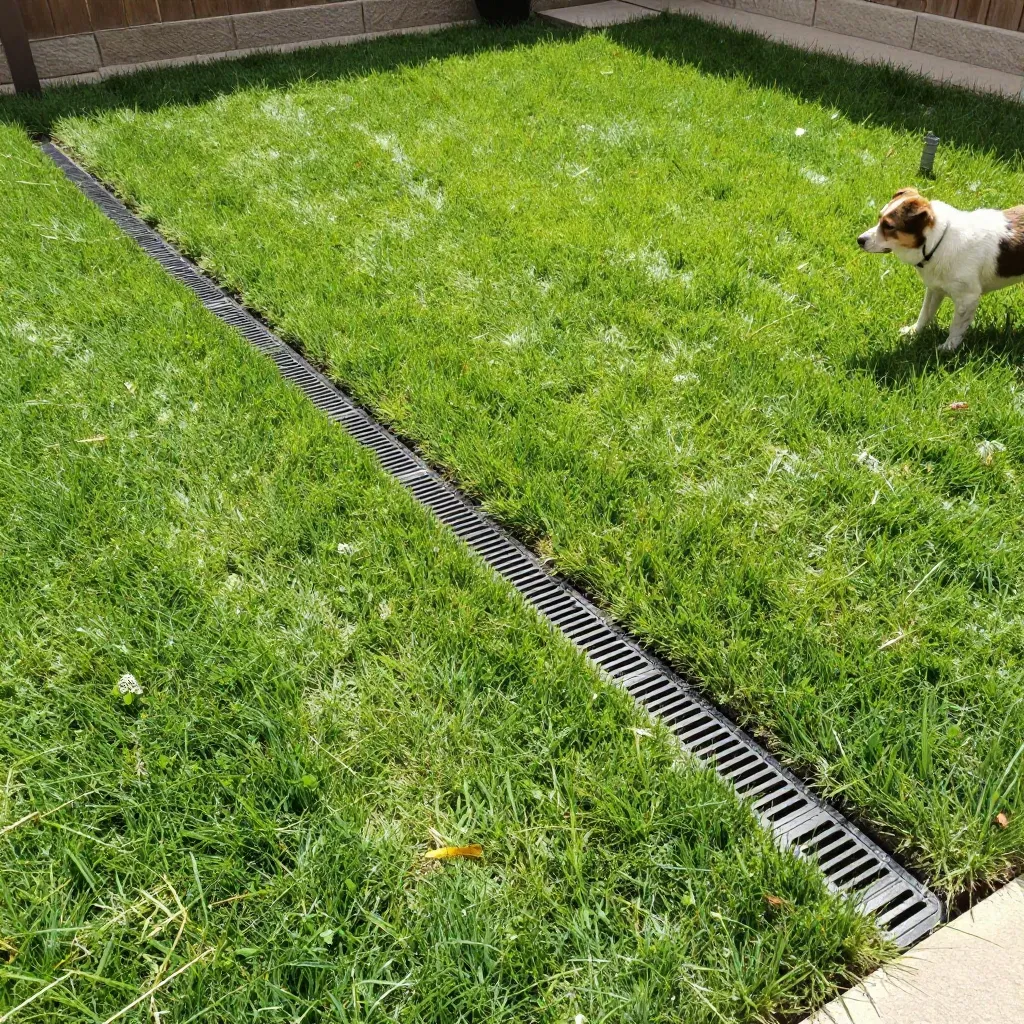
You don’t have to give up on real grass. You just need to help it survive. Install a simple drainage system—like a French drain or a dry well—under the potty area. This prevents urine from pooling and killing the grass roots.
I tried this in my own yard by digging a small trench and filling it with gravel. Then I laid sod on top. The grass stays green because the liquid drains away fast. Water the area deeply once a week to flush the soil.
It’s a bit more work upfront, but it looks natural and your dog will love it.
8. Sand Pit Potty Area
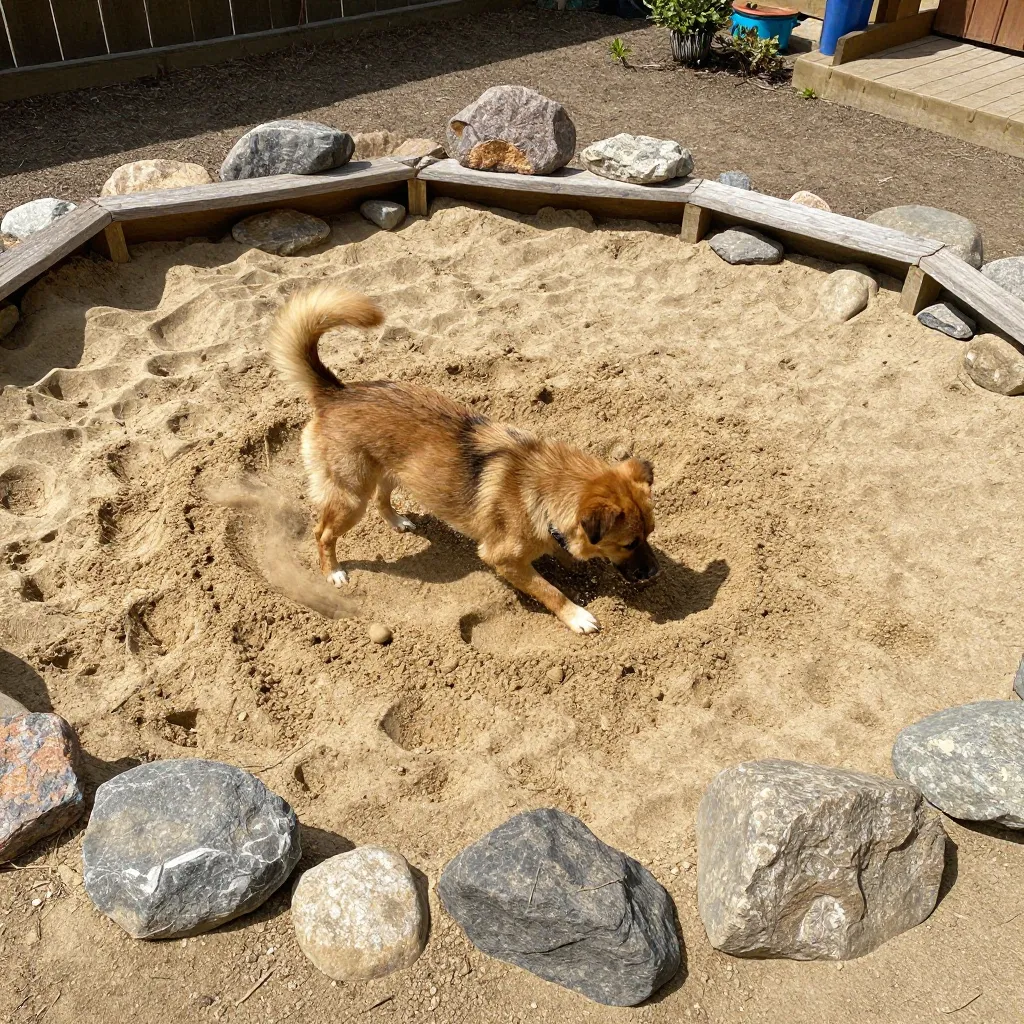
Dogs love digging, so why not give them a sand pit that doubles as a potty zone? Use a sandbox frame, fill it with play sand (not construction sand), and place it in a sunny spot. The sand drains fast and doesn’t smell as bad as soil.
I know a golden retriever owner who swears by this. She scoops solids daily and rakes the sand weekly. The sun helps dry it out, and you can replace the sand every few months. It’s quirky but effective.
Just make sure the sand is deep enough—about 4 inches—so your dog can dig a little.
9. Concrete Slab With a Slight Slope
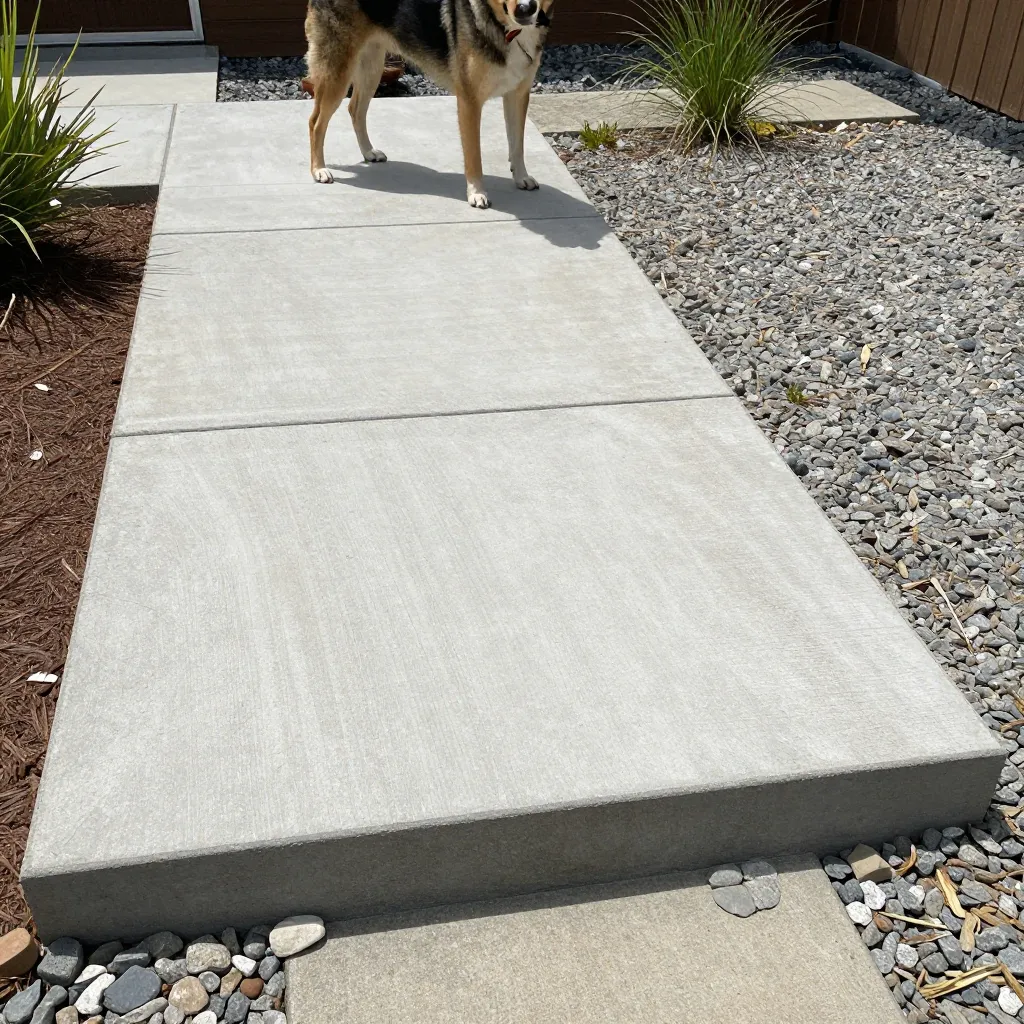
This is the most durable option. Pour a small concrete pad (or use pavers) with a gentle slope toward a drain or garden bed. You can hose it down directly into the drain. It’s zero maintenance, no digging, and no smell.
I use this for my large breed dog. I added a rubber mat on top for comfort, but the concrete underneath makes cleanup a breeze. It’s not the prettiest, but you can disguise it with potted plants around the edges.
Bullet points for installation:
- Slope it 1 inch for every 4 feet
- Add a drain pipe or direct runoff to a gravel pit
- Use textured concrete for grip
10. A Living Green Wall or Trellis
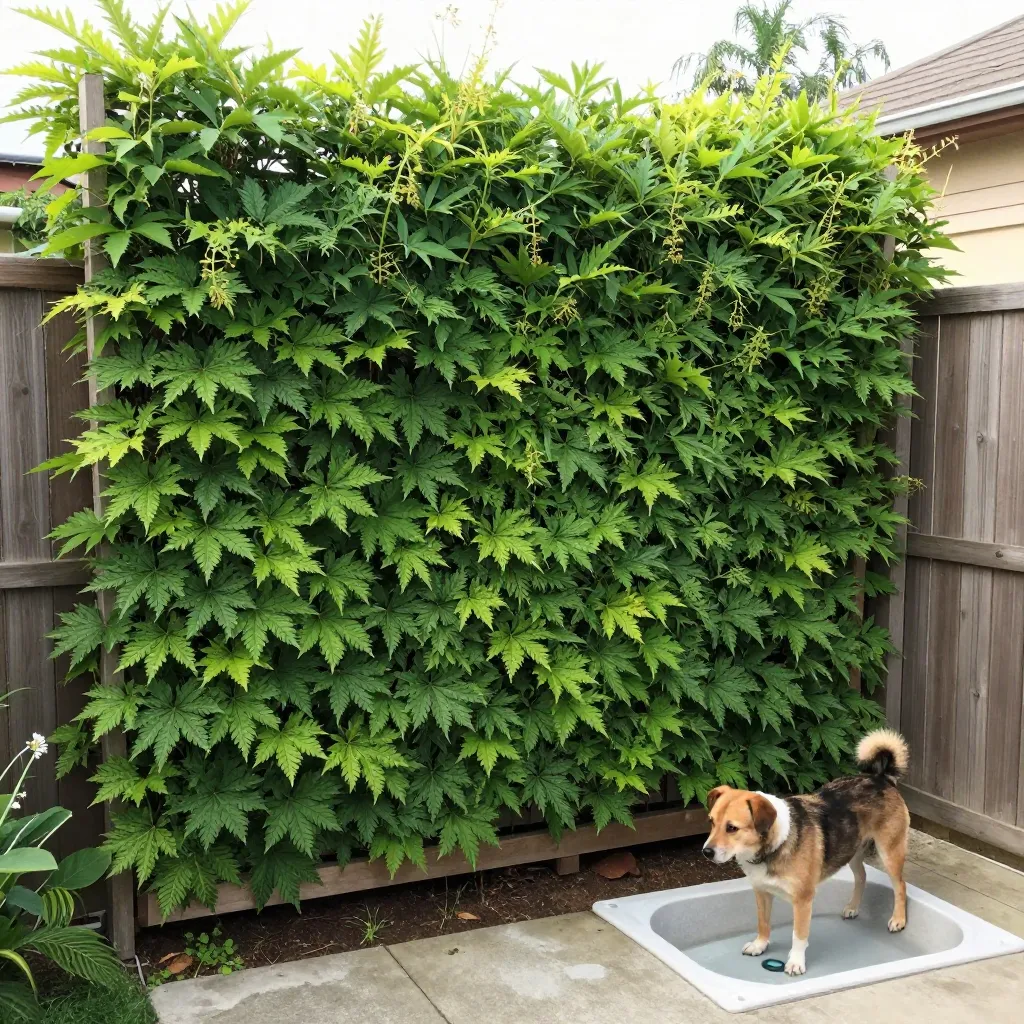
Okay, this one is a little creative. Build a small trellis or vertical garden near the potty area. Train climbing plants (like jasmine or ivy) to grow up it. The greenery absorbs odors and adds privacy. Your dog goes at the base, and the plants help filter the air.
I saw this at a friend’s house and thought it was genius. The trellis hides the potty zone, and the plants love the extra nitrogen from the urine. Just avoid toxic plants—stick with dog-safe options like spider plants or ferns.
It’s beautiful, functional, and your neighbors will never know it’s a potty spot.
Conclusion
Finding the right potty area for your backyard doesn’t have to be a chore. Whether you go with gravel, turf, or a creative trellis, the key is consistency and easy cleanup. Pick one idea that fits your space and your dog’s personality, and stick with it for a few weeks. Your dog will catch on fast, and your backyard will stay fresh and inviting.
I’ve used a few of these myself, and the biggest lesson is this: a designated spot makes life easier for both of you. So go ahead, pick your favorite, and give your pup a place they’ll actually want to use.
[[IMG:IMG12]]
FAQ
1. How do I train my dog to use a specific potty area?
Start by taking them to the spot on a leash every time they need to go. Use a command like “go potty” and reward them immediately. Consistency is everything—do this for at least two weeks.
2. What’s the best material to prevent odor?
Gravel and artificial turf with drainage are the best for odor control. Sand works too but needs more frequent rinsing. Avoid soil or plain grass if smell is a big concern.
3. Can I use this area for multiple dogs?
Yes, but you’ll need to clean it more often. Gravel or concrete pads handle high traffic well. If using turf, hose it down daily and use an enzymatic cleaner weekly.
4. How often should I replace the material in my potty area?
Gravel can last years with occasional topping off. Artificial turf needs replacement every 2–3 years. Sod should be replaced every 2–3 months if used heavily. Sand can be refreshed every 6 months.
5. Will my dog still want to go on the grass if I have a designated potty area?
With consistent training, most dogs learn to use the designated spot. The key is to always take them there first. If they start wandering, gently guide them back. It takes time, but it works.