10 Surprising German Shepherd Dog Facts That Will Amaze You
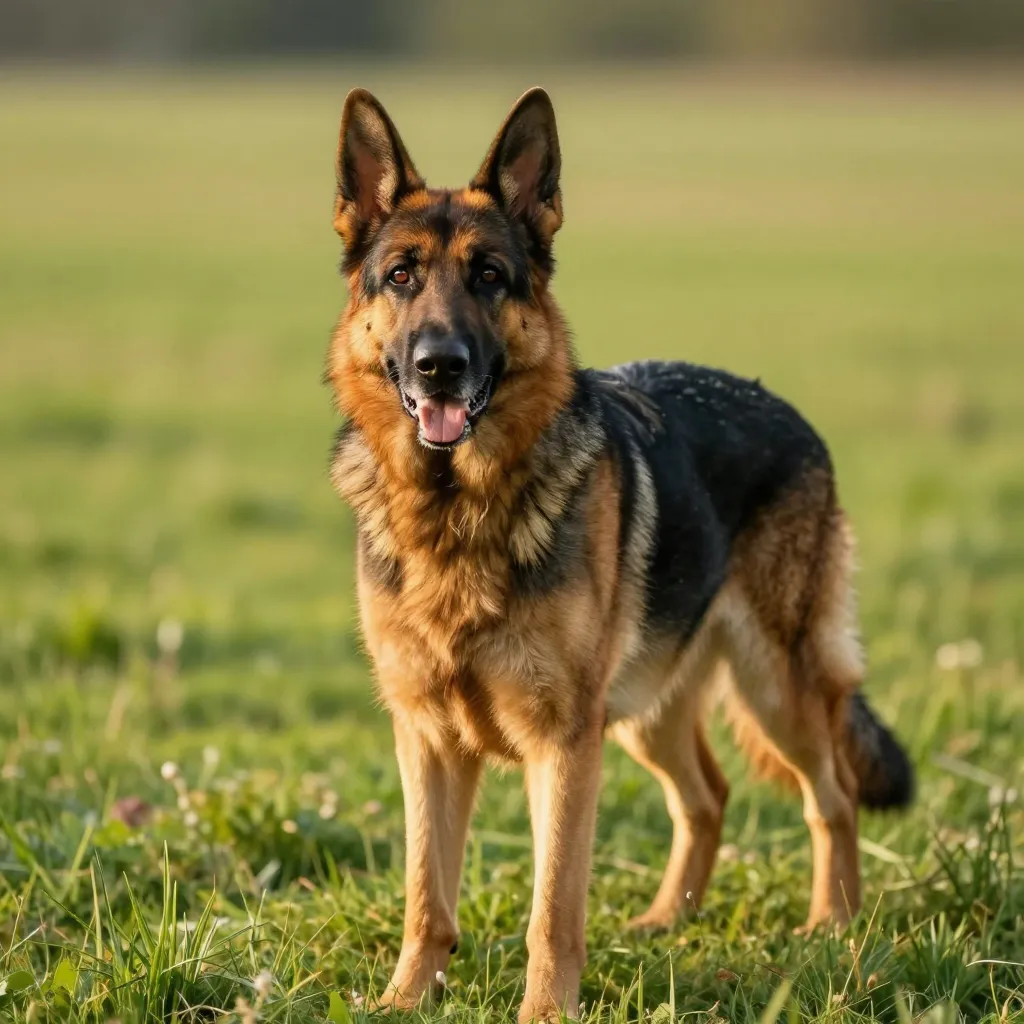
I’ve always had a soft spot for German Shepherds. There’s something about their alert ears, loyal eyes, and confident stance that just draws you in. Whether you already share your home with one or you’re just starting to dream about it, these dogs are full of surprises.
People often think they know everything about this breed. But trust me, there’s more to them than police work and protective instincts. From their unexpected origins to their softest habits, here are ten facts that might just change the way you see these incredible dogs.
1. They Were Bred for Herding, Not Guarding
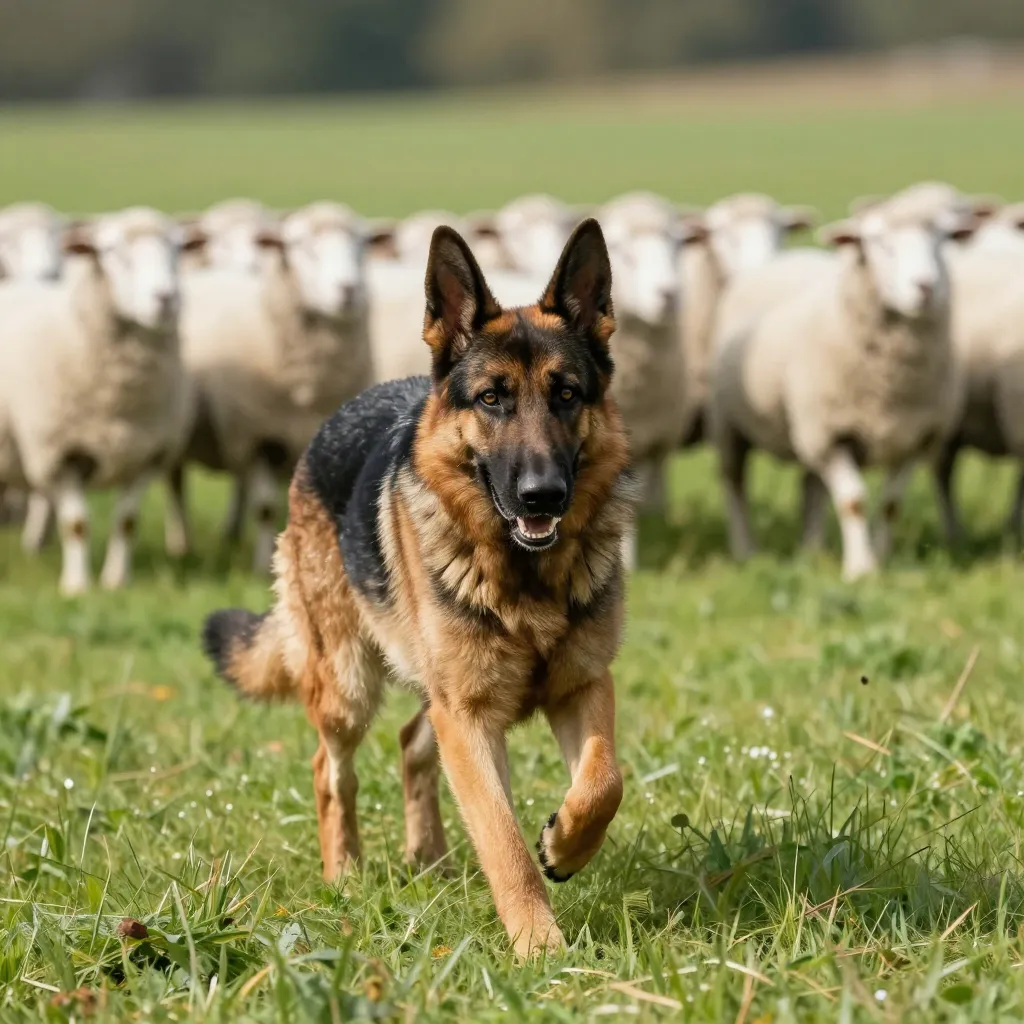
It’s easy to assume German Shepherds were created for protection work. But the truth? Their original job was herding sheep. Captain Max von Stephanitz developed the breed in the late 1800s with intelligence and stamina in mind.
These dogs needed to think on their feet and move livestock across rough terrain. That sharp mind and steady work ethic are still very much alive today. So when your German Shepherd follows you from room to room, it’s that old herding instinct kicking in.
They might not be rounding up sheep anymore, but they still love having a job to do.
2. They’re Smarter Than You Think
German Shepherds rank third among the smartest dog breeds, right behind Border Collies and Poodles. That’s not just a party trick. Studies show they can learn a new command in less than five repetitions.
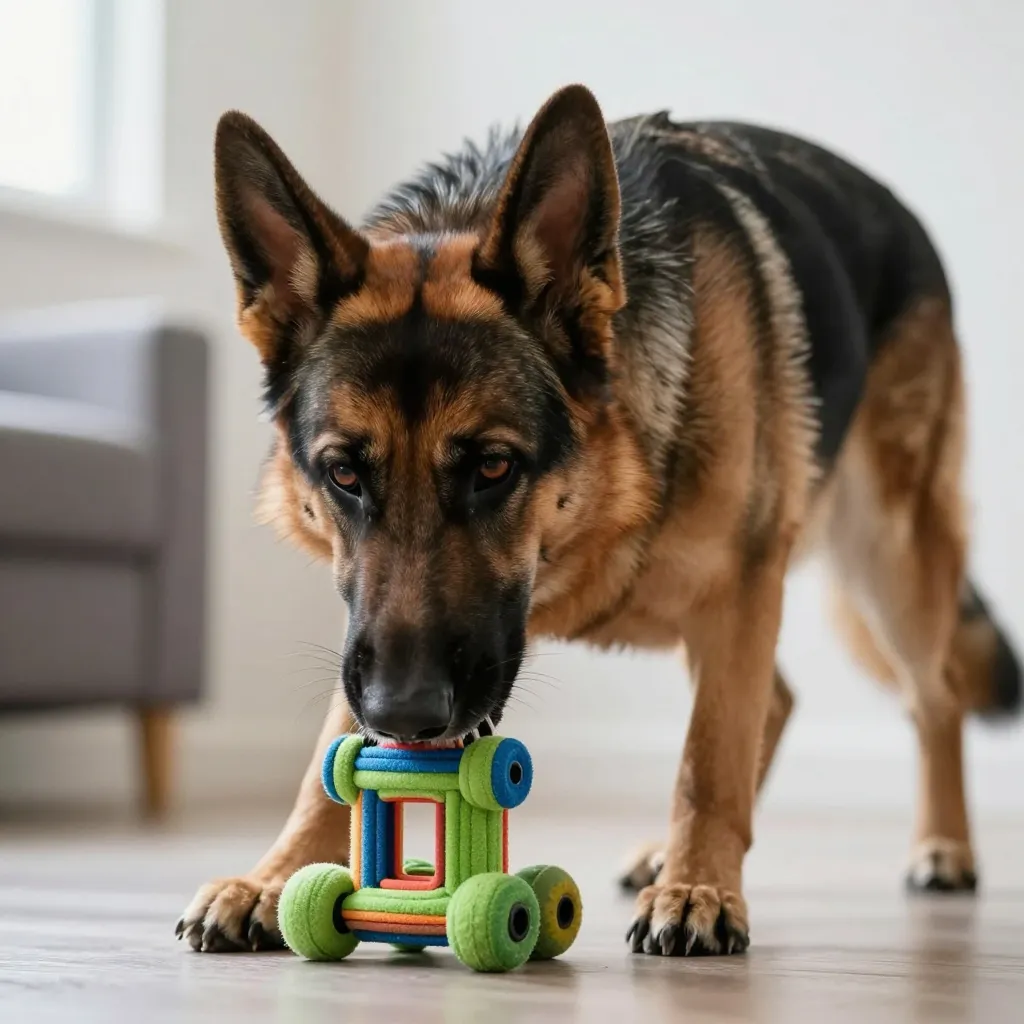
But intelligence doesn’t always mean easy. A bored German Shepherd can become a problem solver in ways you might not appreciate. They’ll figure out how to open cabinets, unlatch gates, or find hidden treats.
Keep their minds busy with puzzle toys or training games. A tired brain makes for a happy, calm dog.
3. They’re Surprisingly Vocal
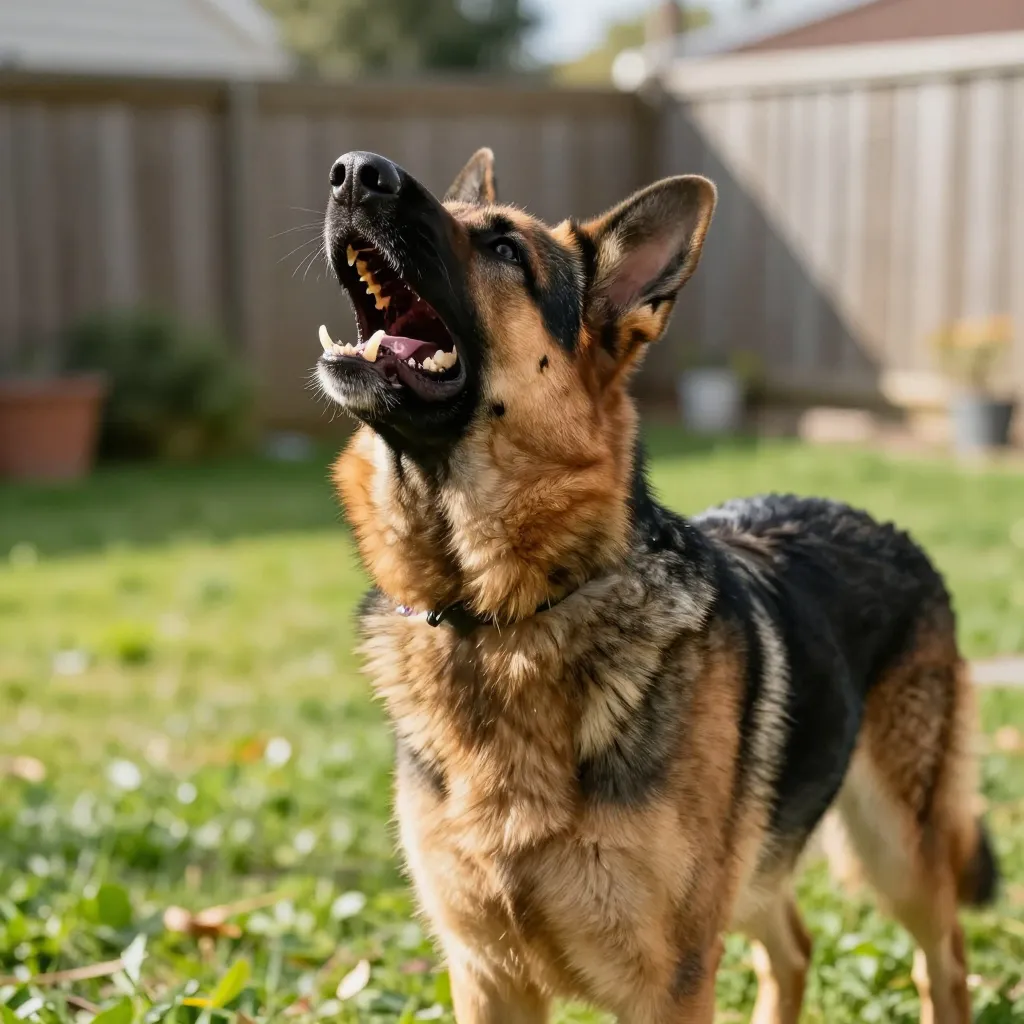
German Shepherds have a wide range of sounds. They don’t just bark. They whine, groan, grumble, and even “talk” in low, rumbly tones. Many owners say it feels like having a conversation.
Some will chat with you when they want dinner. Others let out a dramatic sigh when they’re bored. That deep, almost human-like grumble is one of the breed’s most endearing quirks.
Pay attention to the different noises. Over time, you’ll start to understand exactly what your dog is trying to say.
4. They Can Run Like the Wind
These dogs were built for speed and endurance. A healthy German Shepherd can reach speeds up to 30 miles per hour. That’s faster than most humans can sprint.
Their powerful hindquarters and flexible spine give them a long, ground-covering stride. This is why they excel in agility and flyball competitions. It’s also why a simple walk around the block might not be enough exercise for them.
If you have a high-energy Shepherd, try incorporating short sprints or fetch sessions into your routine. They’ll thank you for it.

5. They Have a Soft Side Most People Miss
German Shepherds have a reputation for being tough and serious. But underneath that confident exterior is a dog that craves affection. They bond deeply with their family and often become velcro dogs.
Many will lean against you when standing still. Others will rest their head on your lap while you watch TV. This breed is incredibly sensitive to your mood and emotions.
If you’re having a rough day, don’t be surprised if your Shepherd stays close by, offering quiet comfort. That loyalty goes both ways.

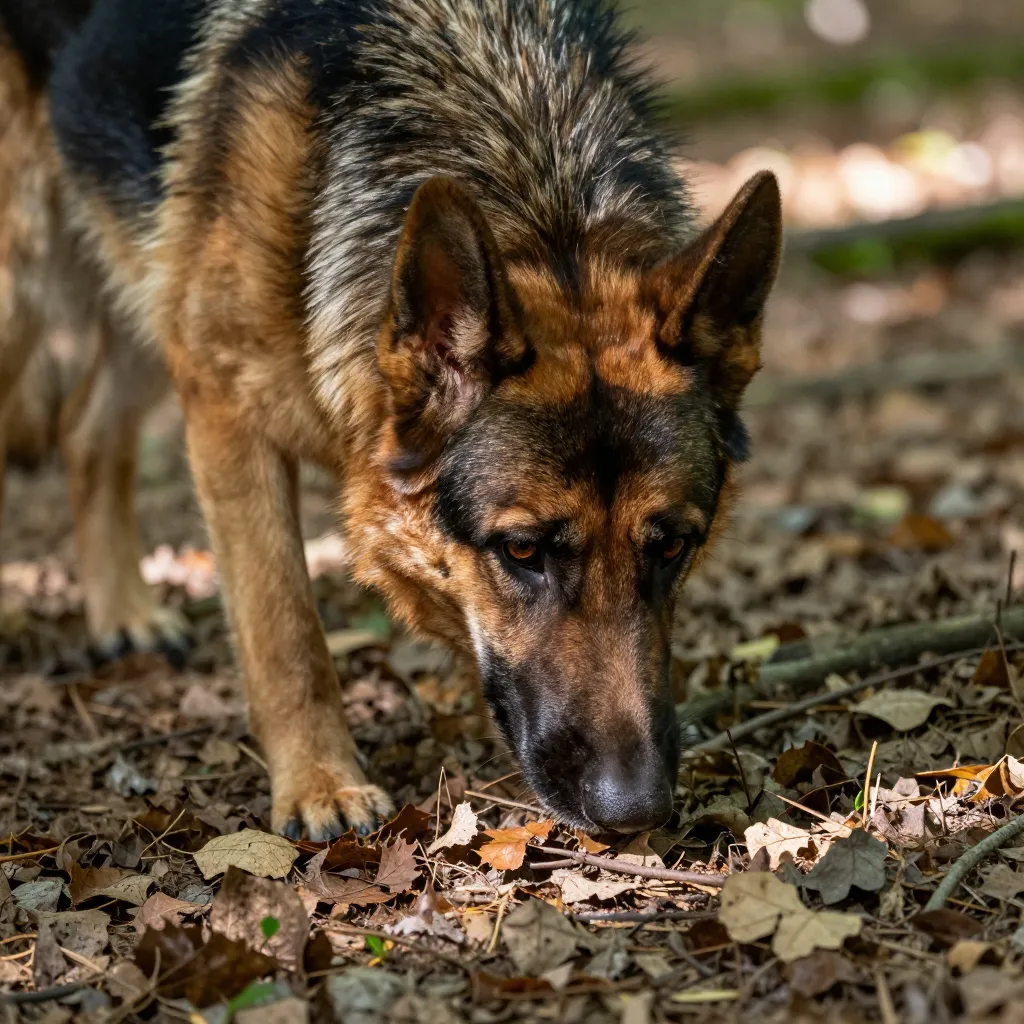
6. Their Nose Knows Everything
German Shepherds have an extraordinary sense of smell. Their noses contain about 225 million scent receptors. For comparison, humans have only about 5 million. This makes them excellent detection dogs for police, search and rescue, and medical alert work.
But this skill shows up in everyday life too. They can sniff out where you hid the treats, which neighbor’s dog walked by, and even when you’re feeling nervous.
Use their nose power to your advantage. Hide treats around the house or play scent games. It’s a great way to keep them engaged indoors.
7. Their Ears Tell a Story
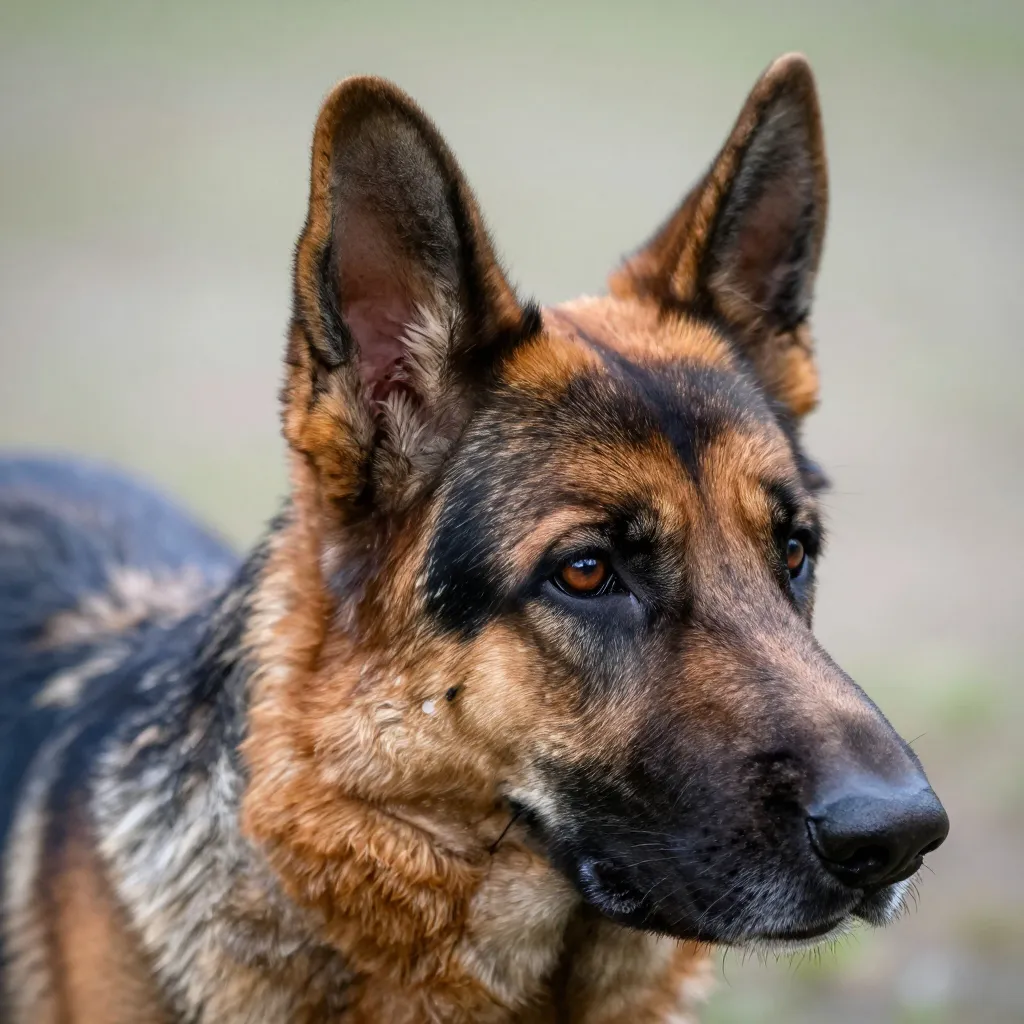
Puppy German Shepherds are born with floppy ears. As they grow, the cartilage strengthens and the ears begin to stand upright, usually between 8 weeks and 5 months old. It’s a gradual process that can be both awkward and adorable.
During this time, you might see one ear up and one ear flopped over. That phase is often called the “airplane ears” stage. It doesn’t last long, so enjoy the cuteness while it’s there.
Even as adults, their ears are incredibly expressive. Perked forward means interest, laid back means relaxation, and pinned flat can mean uncertainty.
8. They’re Not One-Person Dogs
There’s a myth that German Shepherds only bond with one person. In reality, they can form strong attachments to every member of the household. They do tend to pick a favorite, but they’re still loving and protective of the whole family.
This makes them wonderful family dogs when raised with children and other pets. They’re patient, gentle, and naturally watchful. Of course, early socialization helps them learn how to interact appropriately with everyone.
Don’t worry if your Shepherd seems extra attached to you. That just means you’ve earned their trust and respect.
9. They’re Prone to Bloat, and It’s Serious
Gastric dilatation-volvulus, commonly known as bloat, is a life-threatening condition that deep-chested breeds like German Shepherds are at higher risk for. It happens when the stomach fills with gas and twists on itself.
Symptoms include a distended belly, unproductive retching, restlessness, and drooling. This is a medical emergency. If you suspect bloat, get to a vet immediately.
Prevention tips include feeding smaller meals throughout the day, avoiding vigorous exercise right after eating, and using a slow feeder bowl. Knowing the signs could save your dog’s life.
10. They Live to Work With You
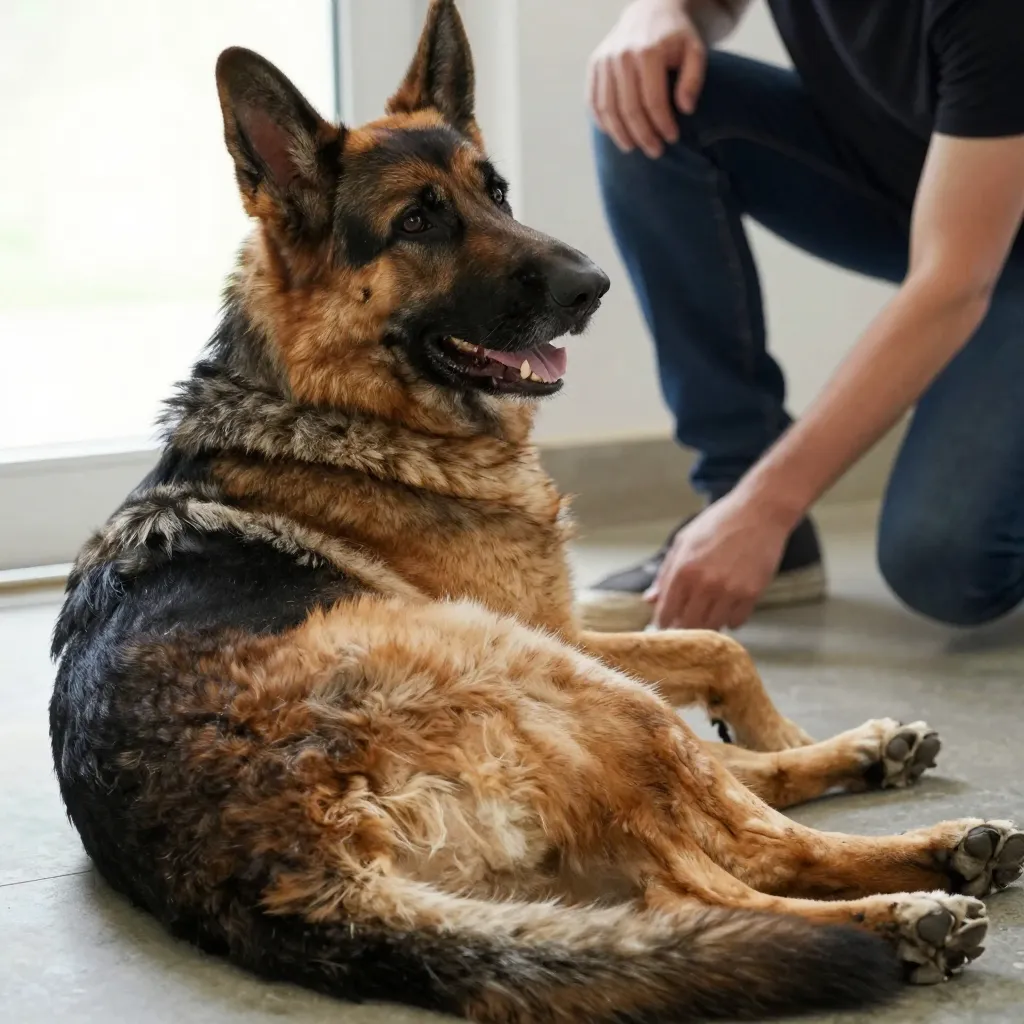
Above all else, German Shepherds want to be part of your team. They thrive on structure, training, and shared activities. Whether it’s learning advanced obedience, hiking mountain trails, or simply helping you carry groceries, they take pride in doing things with you.
This breed isn’t content to just lie around all day. They need purpose. Without it, they can become anxious or destructive. But with the right balance of exercise, mental stimulation, and affection, they become the most devoted companions you’ll ever know.
If you’re ready to put in the time, a German Shepherd will give you a lifetime of loyalty.
Conclusion
German Shepherds are so much more than working dogs. They’re clever, emotional, and deeply connected to the people they love. Knowing these facts doesn’t just make you a better owner, it helps you appreciate the unique personality behind those bright, watchful eyes.
Every Shepherd has its own quirks and charms. But one thing is universal: once they choose you, you’ll never feel alone again.
Frequently Asked Questions
Are German Shepherds good with kids?
Yes, when raised with proper socialization, they are typically gentle and protective with children. They often become loyal playmates and watchful guardians.
How much exercise does a German Shepherd need?
At least one to two hours of active exercise daily. This includes walks, runs, playtime, and mental stimulation. A tired Shepherd is a well-behaved Shepherd.
Do German Shepherds shed a lot?
Yes, they shed year-round and heavily during seasonal changes. Regular brushing helps manage the fur, but expect to vacuum often.
Can a German Shepherd live in an apartment?
It’s possible if they get enough exercise and mental stimulation. However, they do best with a yard or easy access to open spaces. Apartment living requires extra commitment from the owner.
How long do German Shepherds typically live?
The average lifespan is 9 to 13 years. With good genetics, proper nutrition, and regular vet care, some live even longer.