11 Best Dog Bad Breath Remedies That Actually Work

If you’ve ever leaned in for a cuddle only to be met with a wave of stinky dog breath, you know the struggle is real. I’ve been there more times than I can count. At first, I thought it was just a normal part of having a dog, but after a while, I realized something had to change—for both of us.
The good news is that most bad breath in dogs is fixable. It’s usually a sign of bacteria buildup in the mouth or gut, and with a few simple changes, you can freshen things up naturally. I’ve tested and researched the most practical remedies so you can feel confident trying them at home.
Let’s jump into the 11 best dog bad breath remedies that are safe, simple, and actually work.
1. Brush Those Teeth Daily (Yes, Really)
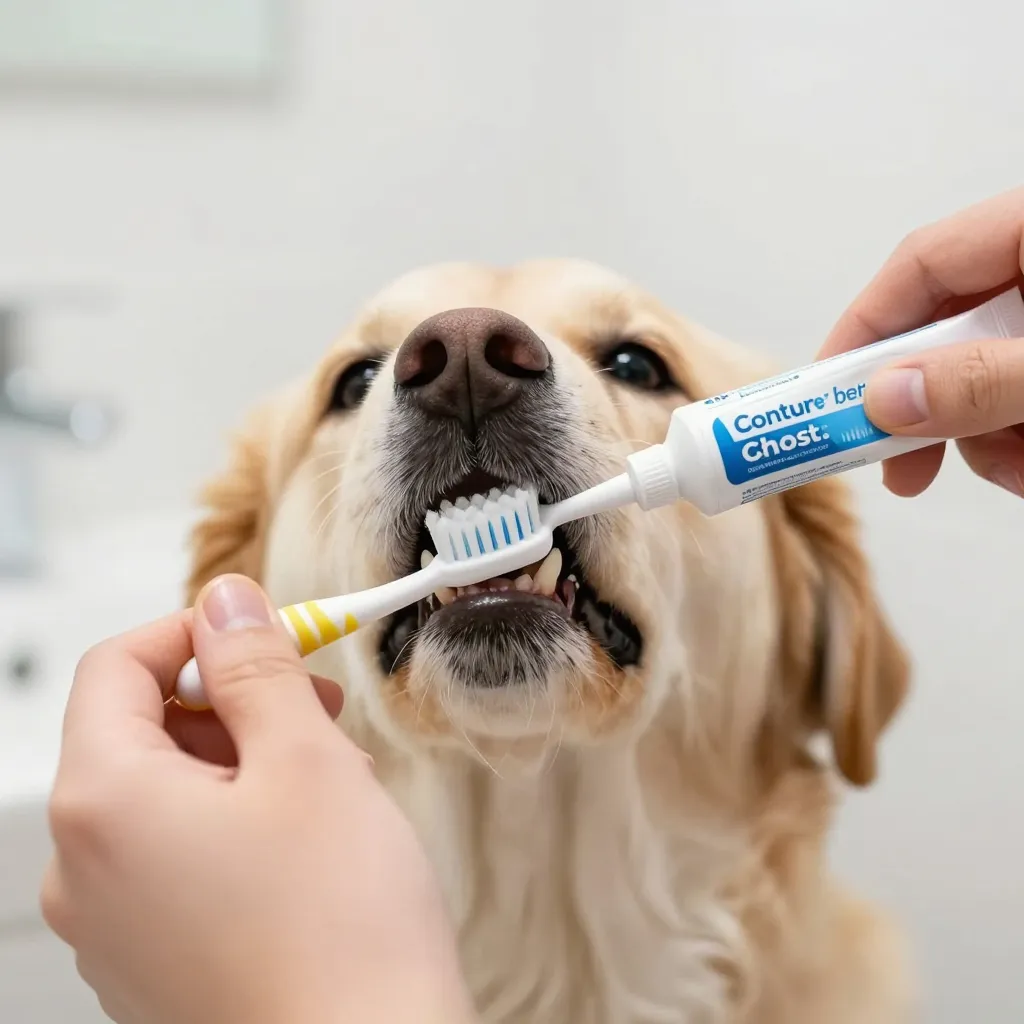
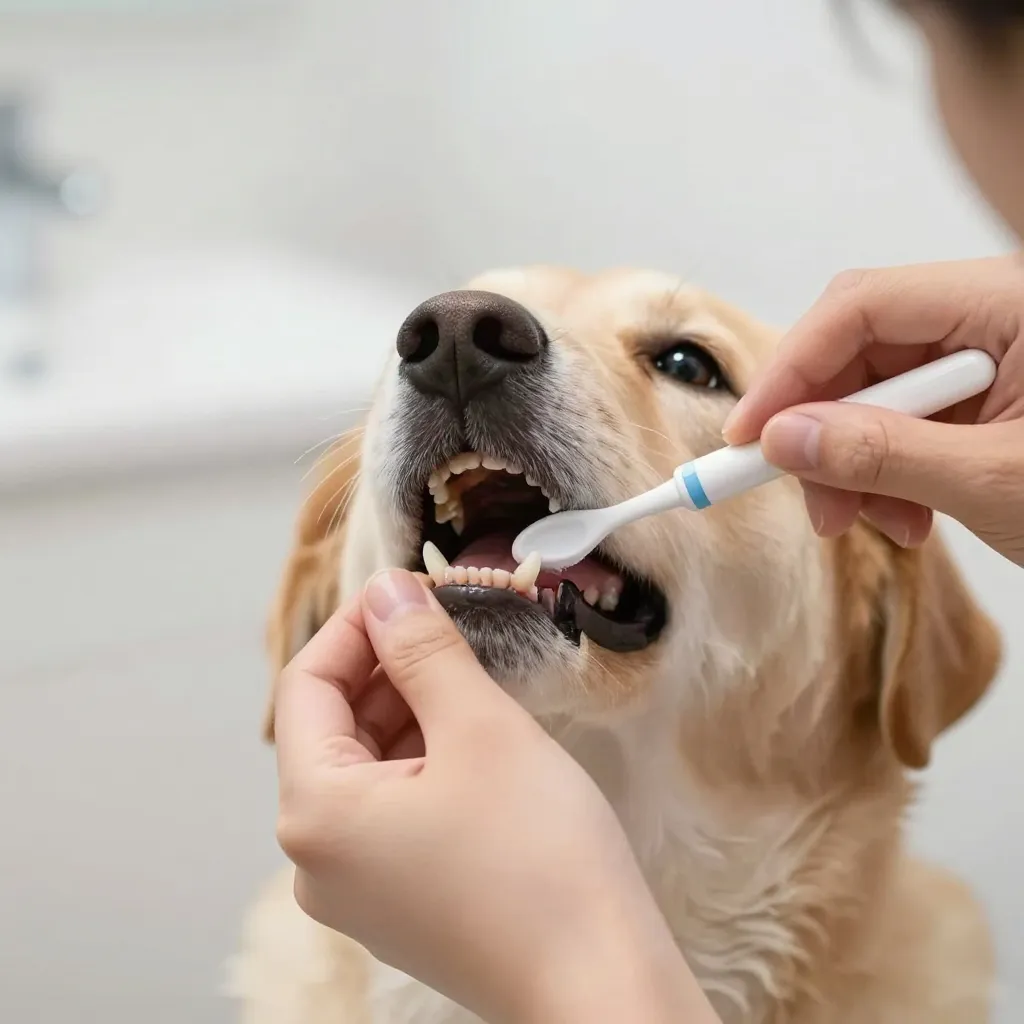
I know it sounds like a chore, but brushing your dog’s teeth is the number one way to beat bad breath. I use a soft-bristled toothbrush and dog-safe toothpaste (never human toothpaste—it’s toxic for pups).
Start slow. Let your dog lick a bit of toothpaste first, then gently brush just a few teeth. Build up over a week. Even a quick 30-second brush a few times a week makes a huge difference.
Once you get into the habit, you’ll notice the smell fades fast. Plus, your dog’s gums will look healthier, too.
2. Add a Spoonful of Plain Yogurt
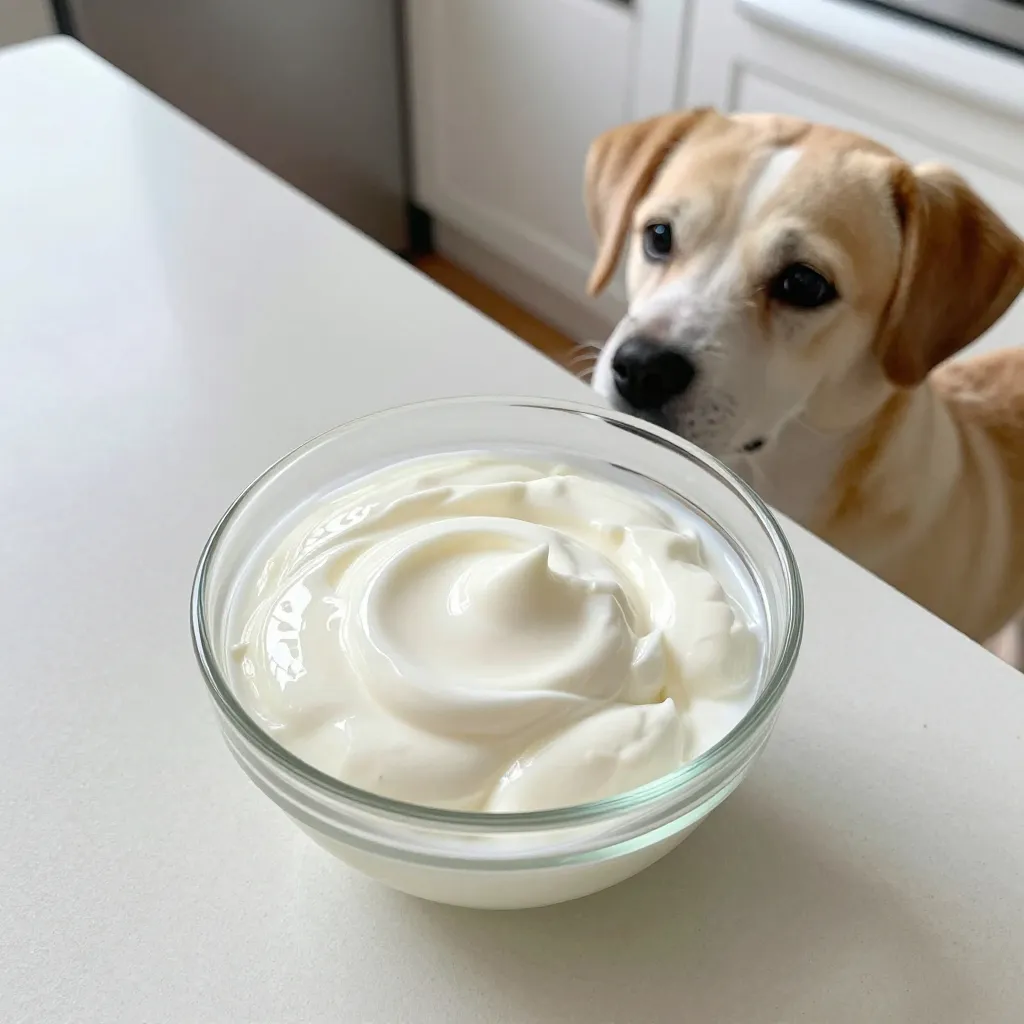
Probiotics are amazing for your dog’s gut health, and bad breath often starts in the stomach. A little plain, unsweetened yogurt with live cultures can help balance bacteria in the mouth and digestive tract.
I give my dog one spoonful mixed into her dinner. It’s that easy. Just make sure it has no added sugar, xylitol, or artificial flavors. Greek yogurt works great because it’s thicker and has more probiotics.
You’ll usually see results within a week or two. It’s a gentle, natural fix that dogs love.
3. Coconut Oil Swish (Or Just a Lick)
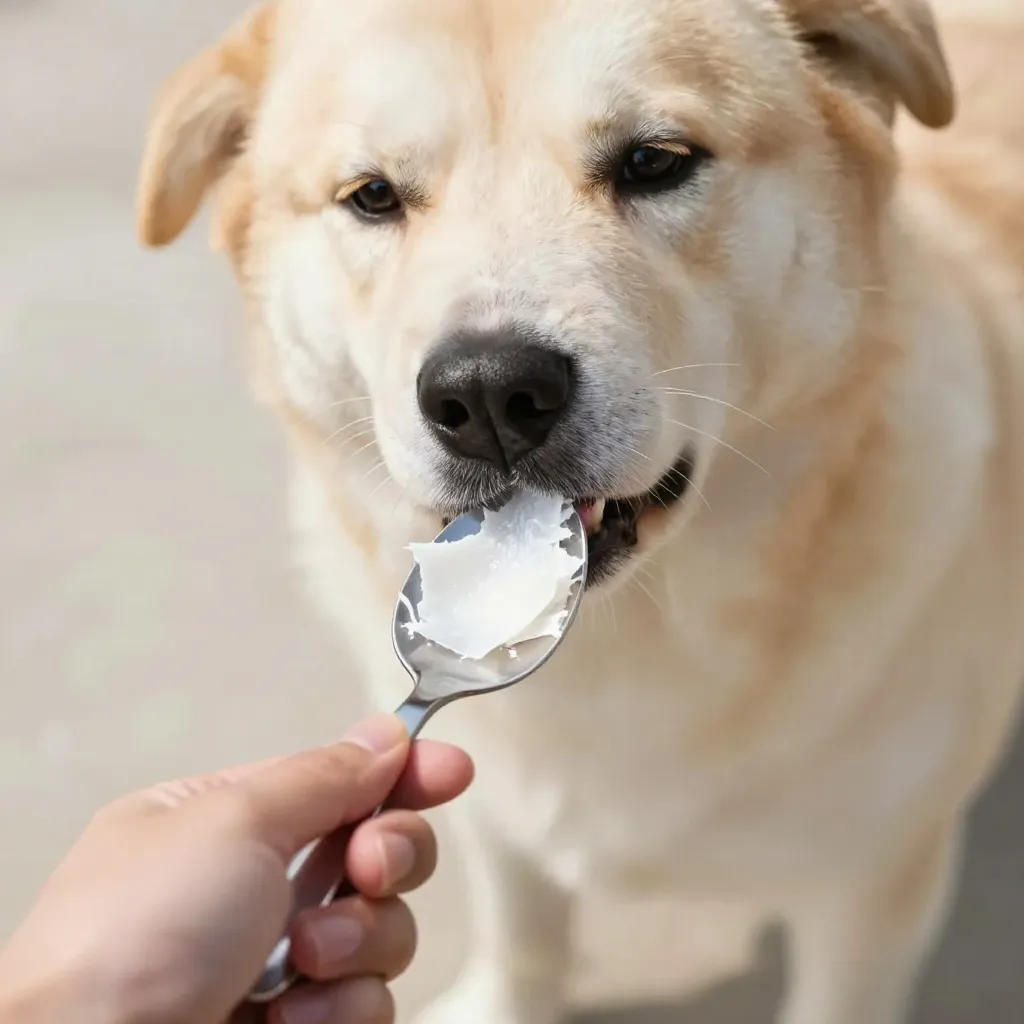
Coconut oil is a powerhouse for fighting bacteria. It has natural antibacterial properties that help reduce plaque and freshen breath. I rub a tiny bit on my dog’s gums or let her lick it off a spoon.
You can also add a half-teaspoon to their food. It’s safe, and most dogs love the taste. Plus, it’s good for their skin and coat, so it’s a win-win.
Just start with a small amount to avoid tummy upset, especially for smaller breeds.
4. Chew on Fresh Parsley
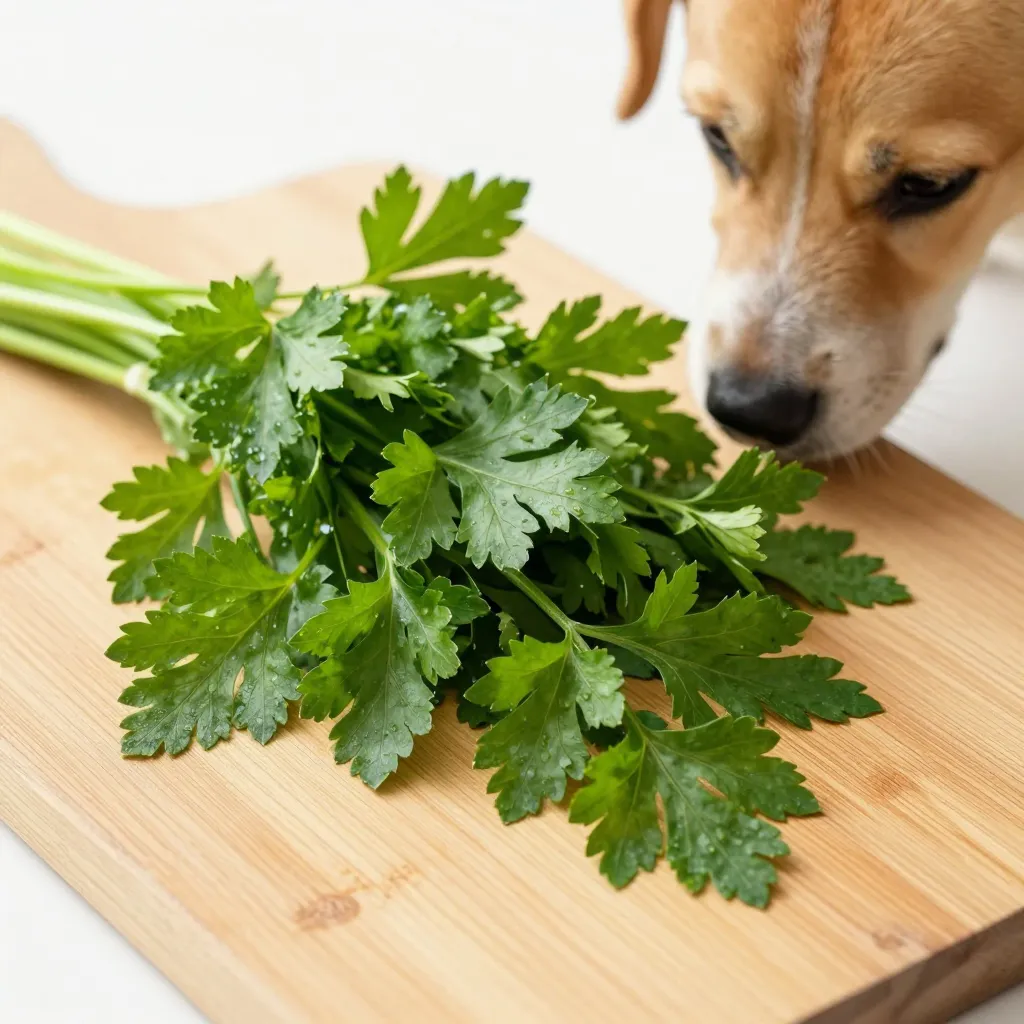
Parsley is nature’s breath freshener. It’s packed with chlorophyll, which neutralizes odors. I chop up a small amount of fresh parsley and sprinkle it over my dog’s food.
You can also give a whole leaf as a treat—just make sure it’s plain and washed. Flat-leaf parsley is best, and avoid the curly kind if it’s from a bouquet that may have been sprayed.
This is one of the simplest remedies I’ve tried, and it works surprisingly well for mild bad breath.
5. Give Carrot Sticks as Crunchy Treats
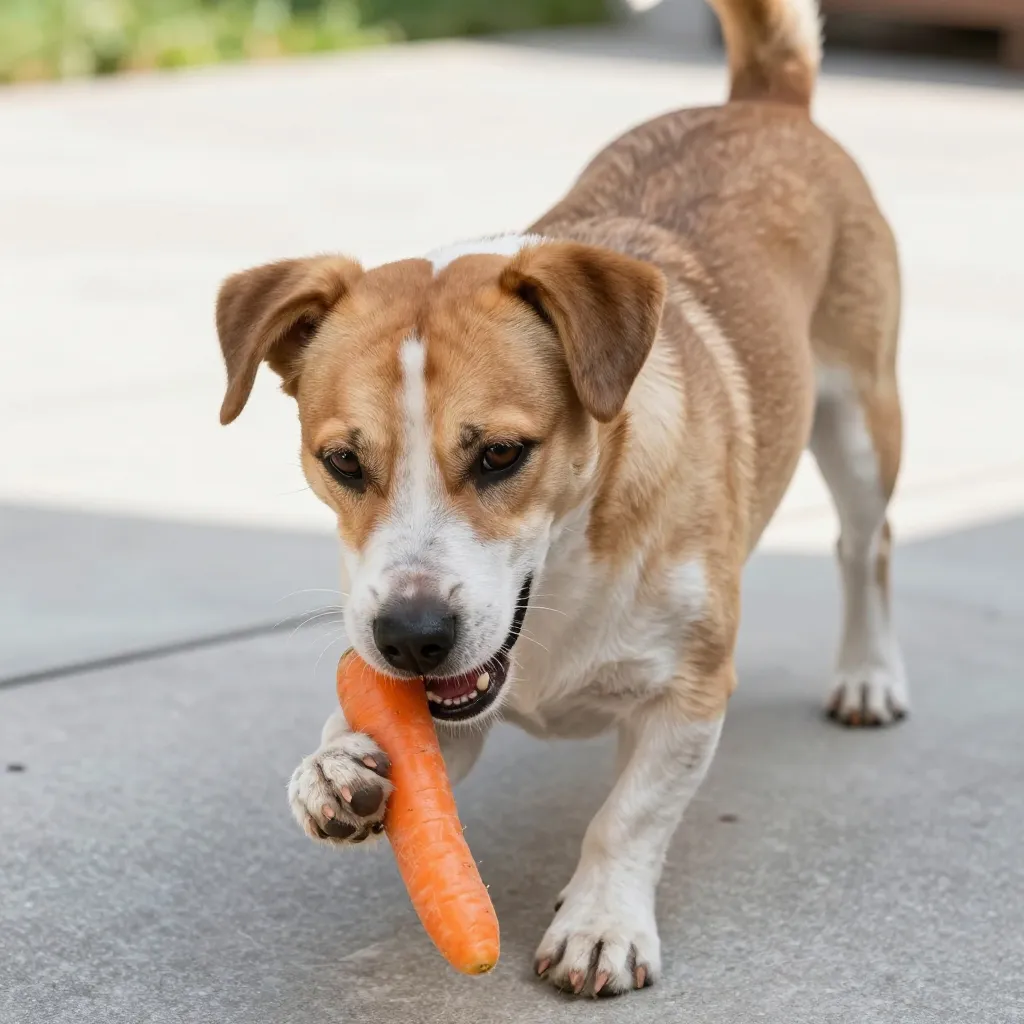
Carrots are nature’s toothbrush. The crunch helps scrape off plaque and stimulate gums while your dog chews. I keep a bag of baby carrots in the fridge for a quick, healthy snack.
They’re low-calorie and full of vitamins, so you don’t have to feel guilty about giving a few a day. Just watch the size for small dogs—cut them into smaller pieces if needed.
It’s a simple swap for processed treats, and your dog’s breath will thank you.
6. Offer a Raw Bone (Supervised Only)
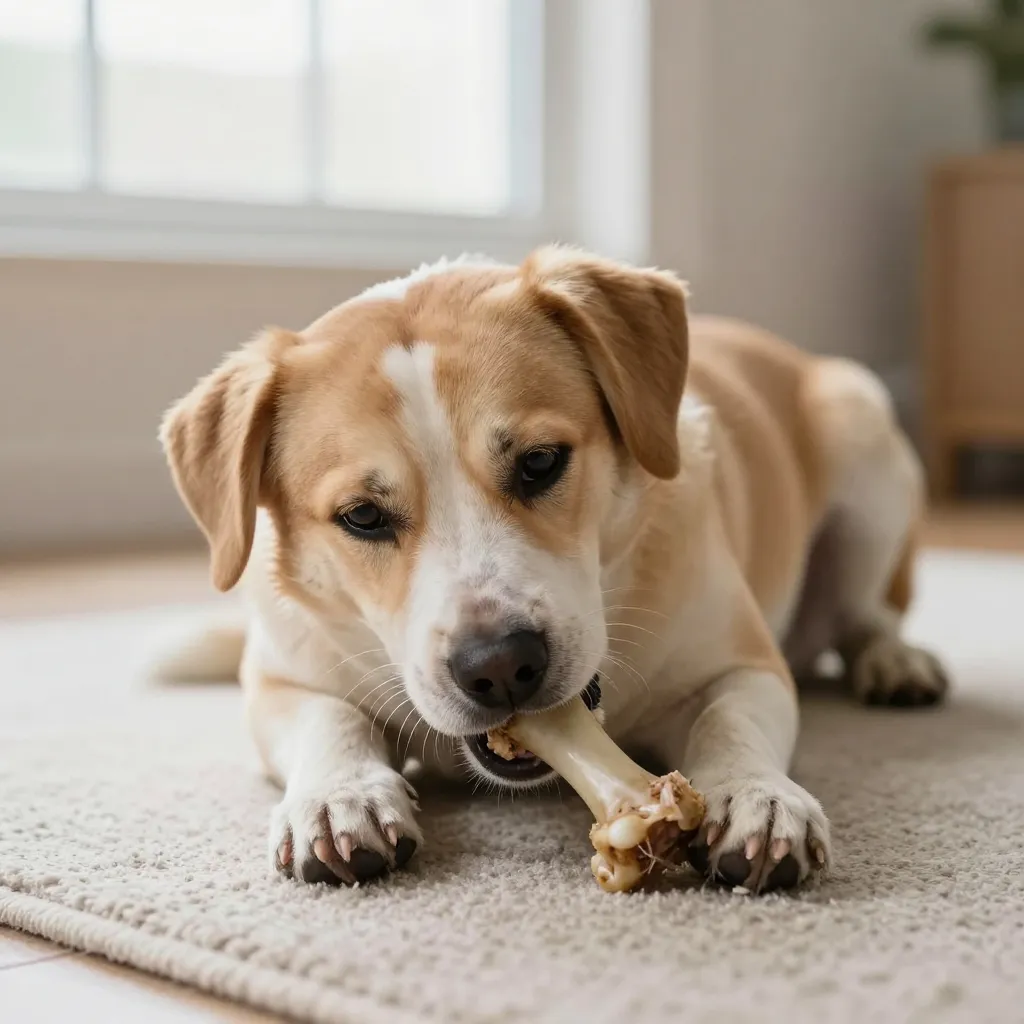
Raw, meaty bones are incredible for dental health. The scraping action cleans teeth naturally and keeps breath fresh. I give my dog a raw beef knuckle bone once a week, always supervised.
Never give cooked bones—they can splinter and cause serious harm. Raw bones are soft enough to be safe but tough enough to scrub teeth. Always choose a bone that’s bigger than your dog’s mouth.
It’s messy but worth it. Your dog will be busy for an hour, and their breath will smell so much better.
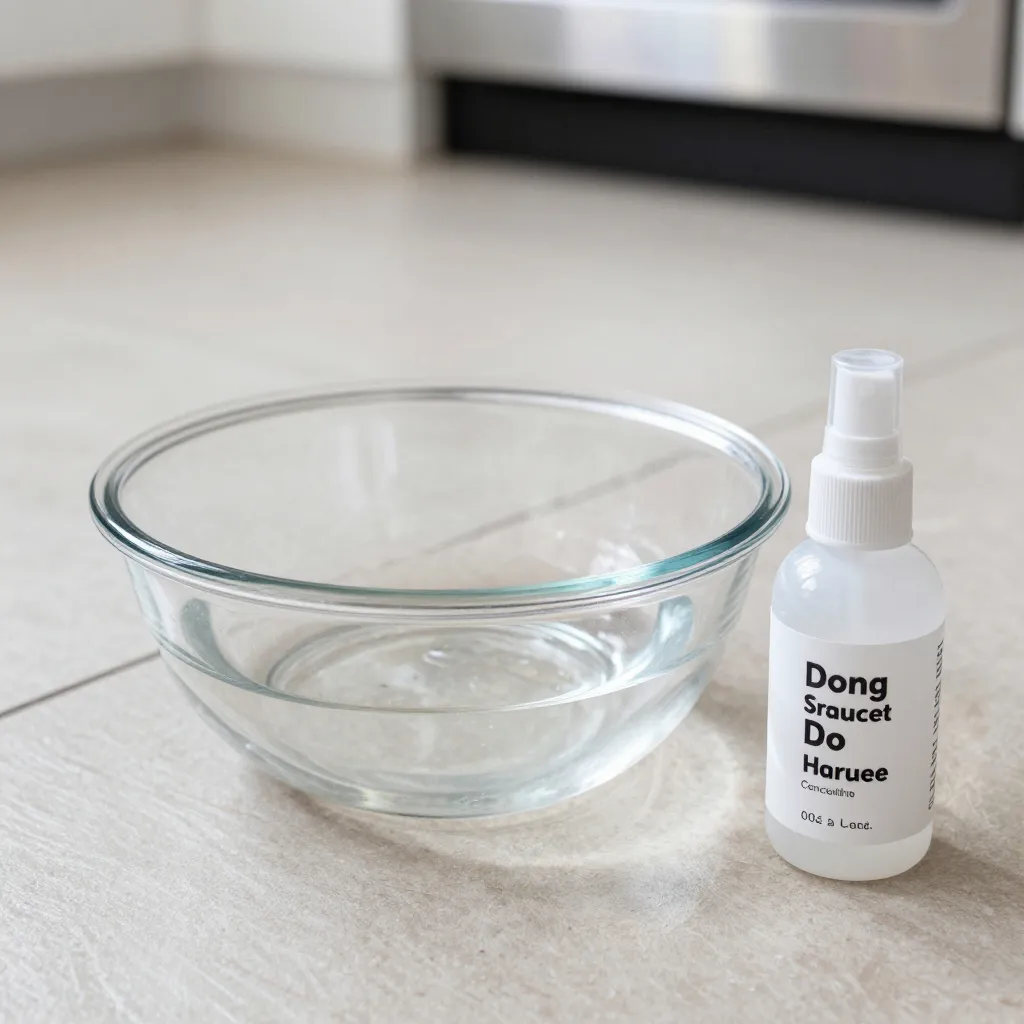
7. Try Dog-Safe Breath Sprays or Water Additives
Sometimes you need a quick fix. I keep a dog-safe breath spray on hand for after walks or playdates. A couple of spritzes in the mouth helps neutralize odors instantly.
Water additives are another option. You just add a capful to your dog’s water bowl. Look for ones with enzymes or natural ingredients like peppermint oil. Avoid anything with artificial sweeteners or alcohol.
These are great for maintenance, but they work best alongside other remedies for lasting freshness.
8. Upgrade Their Diet to High-Quality Food
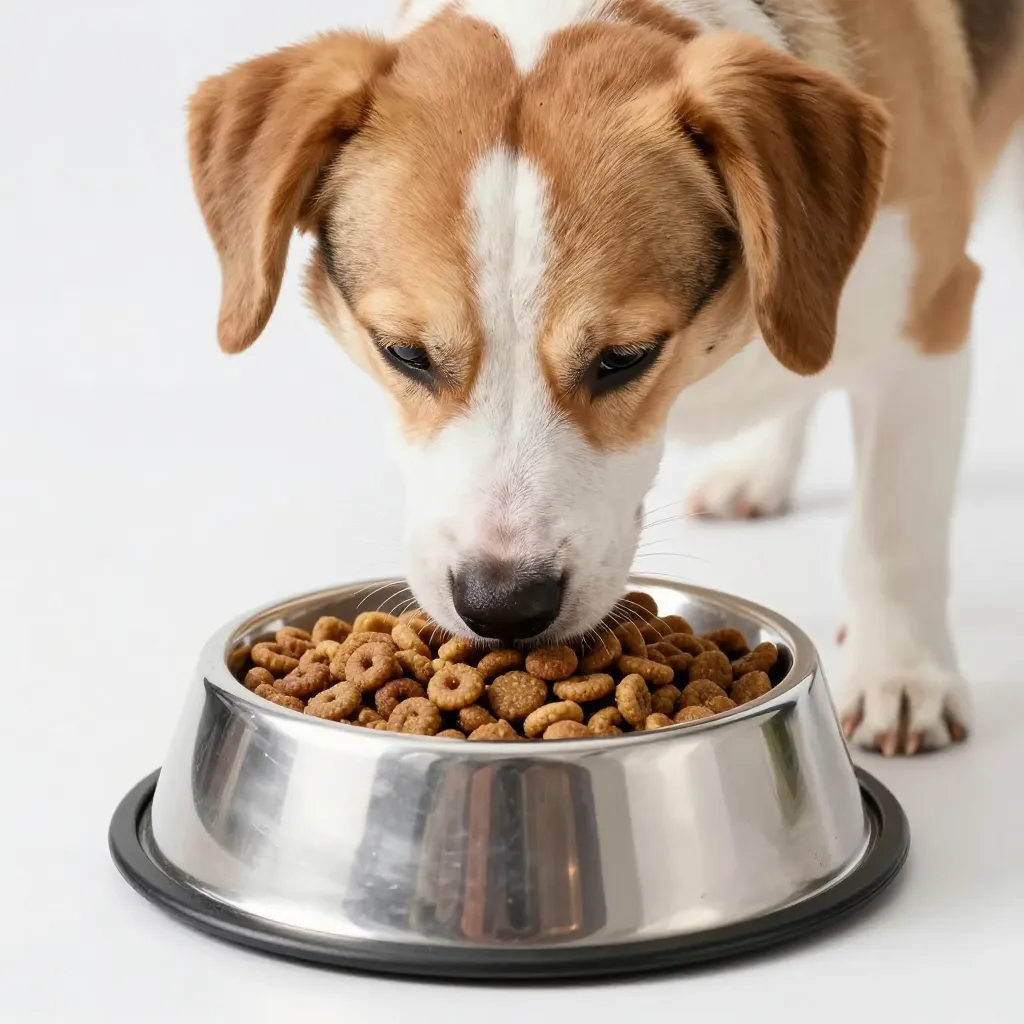
Bad breath can be a sign of poor digestion. I noticed a big change when I switched my dog to a higher-quality kibble with real meat and no fillers. Less processed food means less stink.
Look for food with whole ingredients and limited additives. Some dogs also do better on grain-free or limited-ingredient diets if they have sensitivities.
Talk to your vet about what’s best for your breed. A healthy gut equals fresher breath, plain and simple.
9. Use a Dental Rinse or Gel
Dental rinses and gels are a step up from sprays. They’re designed to reduce plaque and kill bacteria. I apply a small amount of dental gel to my dog’s gums with my finger or a cotton swab.
It’s a good option if your dog hates toothbrushes. Most gels have enzymes that break down plaque without scrubbing. Just follow the instructions on the bottle.
Within a few days, you’ll notice less odor. It’s a solid backup for days when brushing just isn’t happening.
10. Keep Their Water Bowl Clean and Fresh
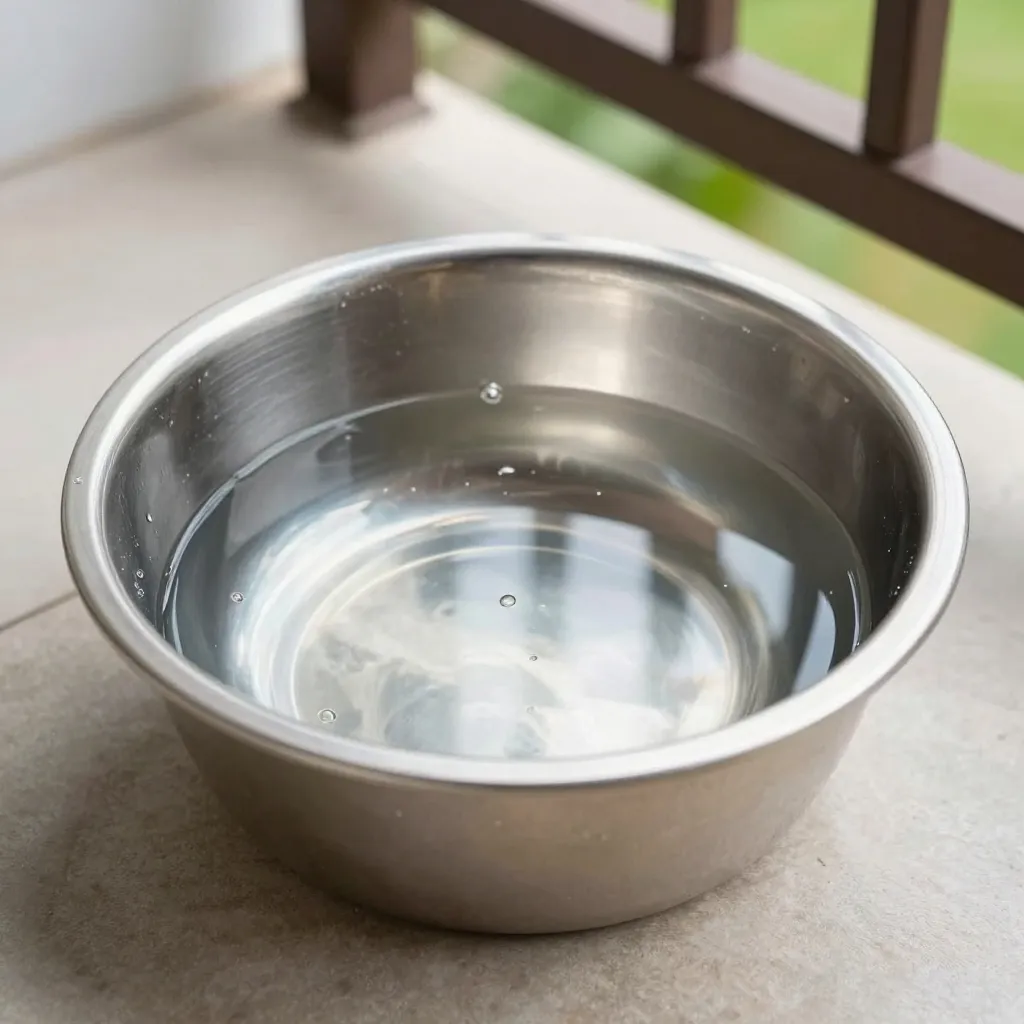
This one is so simple but easy to overlook. Stagnant water in a dirty bowl breeds bacteria that makes breath worse. I wash my dog’s bowl every day with hot soapy water.
Change the water at least twice a day. Stainless steel bowls are best because they don’t harbor bacteria like plastic or ceramic can. Adding a splash of fresh water with a little chlorophyll (safe for dogs) can also help.
It’s a tiny habit that makes a big difference over time.
11. Schedule a Vet Check (Just in Case)
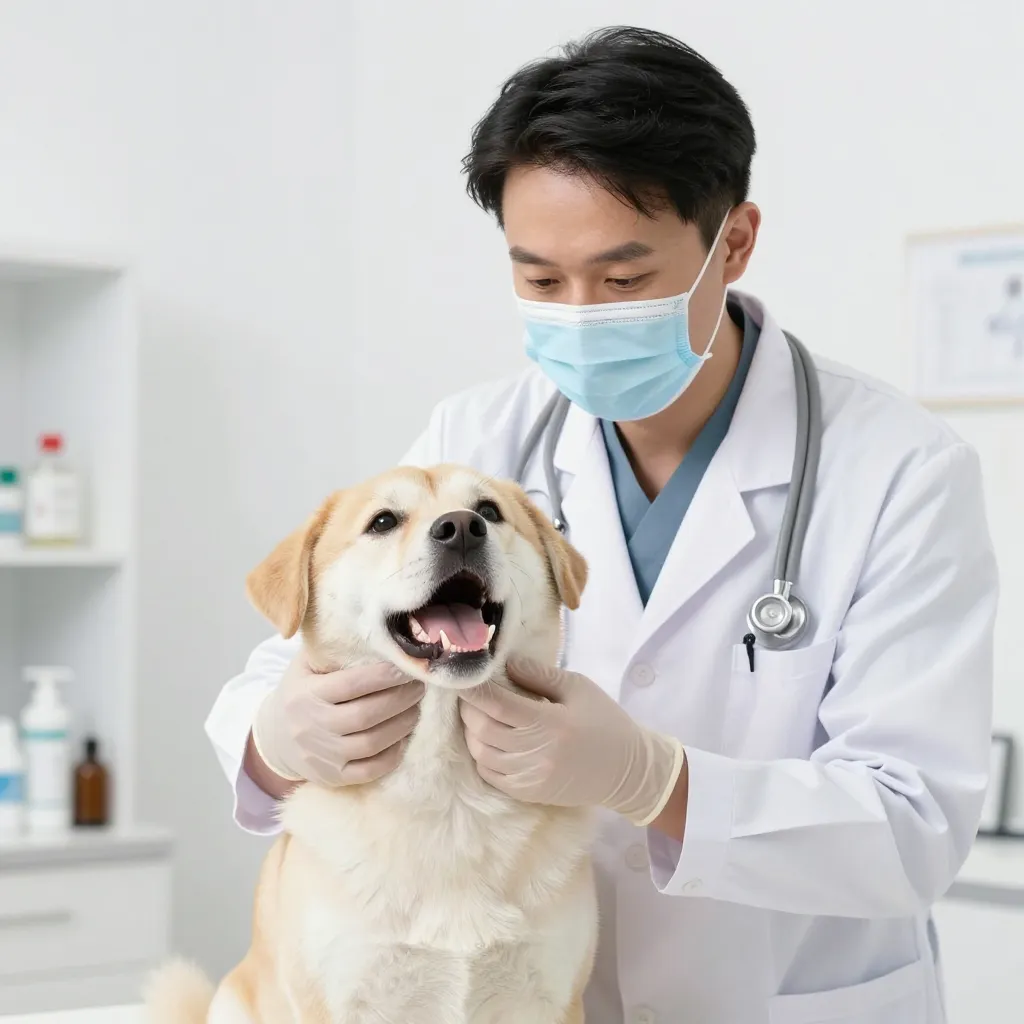
Sometimes bad breath is a sign of something more serious, like dental disease, kidney issues, or diabetes. If you’ve tried everything for a few weeks and nothing helps, it’s time for a vet visit.
I take my dog for an annual dental checkup. Professional cleanings can remove tartar you can’t reach at home. Your vet can also check for infections or underlying health problems.
Trust your gut. If the smell is unusually foul or sweet, don’t wait—get a professional opinion.
Conclusion
Bad dog breath doesn’t have to be a permanent part of your life. With a few simple changes—like brushing, better food, and natural treats—you can get that fresh-smelling pup back. Start with one or two remedies that feel doable, and build from there.
Your dog will be happier, and you’ll enjoy those snuggle sessions way more. Remember, consistency is key. A little effort each day makes a world of difference.
Frequently Asked Questions
Can I use human toothpaste for my dog?
No, never use human toothpaste. It contains xylitol and fluoride, both toxic to dogs. Always use a toothpaste made specifically for dogs.
How often should I brush my dog’s teeth?
Ideally every day, but even 3–4 times a week helps a lot. Consistency matters more than perfection.
Are dental chews effective for bad breath?
Some are helpful, but they’re not a replacement for brushing. Look for chews with the Veterinary Oral Health Council (VOHC) seal for best results.
Is bad breath always a sign of dental problems?
Not always. It can also come from diet, gut issues, or even kidney disease. If home remedies don’t work, see your vet.
Can puppies have bad breath?
Yes, teething puppies can have temporary bad breath. It usually clears up once adult teeth come in. If it persists, check with your vet.