14 Mobile Pet Grooming Business Tips That Actually Work (From a Groomer Who’s Been There)
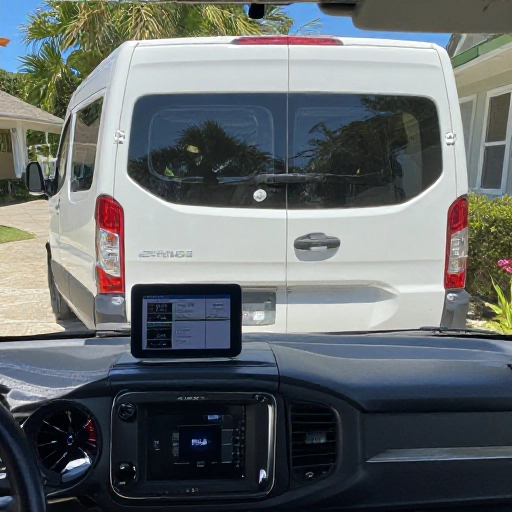
When I first started my mobile pet grooming business, I was overwhelmed. A van, a dog, and a dream—that was basically my entire business plan. But after years of driving from house to house, dealing with muddy paws and nervous pups, I’ve learned what actually works. And what doesn’t.
Mobile grooming is a game-changer. You skip the shop rent, your clients love the convenience, and your dog gets the one-on-one attention they deserve. But running a van-based business is a whole different beast. You need to be organized, smart, and a little bit scrappy. Here are 14 tips that have saved me time, money, and a few sanity points along the way.
1. Start With a Rock-Solid Booking System
You can’t afford double bookings or no-shows. I learned this the hard way when I showed up at a house and the owner was on vacation. Use a simple online booking tool that sends reminders. Even a shared calendar works. Just make sure you’re not relying on memory alone.
Pro tip: Send a text the day before with a time window. Clients love that.
2. Your Van Is Your Office—Treat It Like One
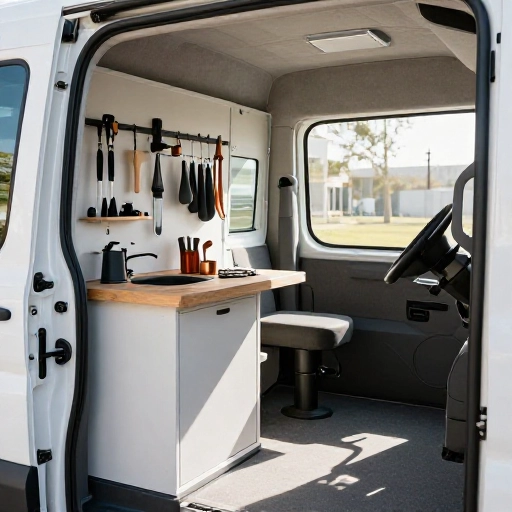
Keep it clean, organized, and stocked. I have a checklist for every morning: towels, shampoo, clippers, treats, and a backup charger. A messy van means a messy groom. And a messy groom means unhappy clients.
Invest in good storage bins. Label everything. You’ll thank yourself at 5 PM when you’re dead tired.
3. Know Your Pricing Inside Out
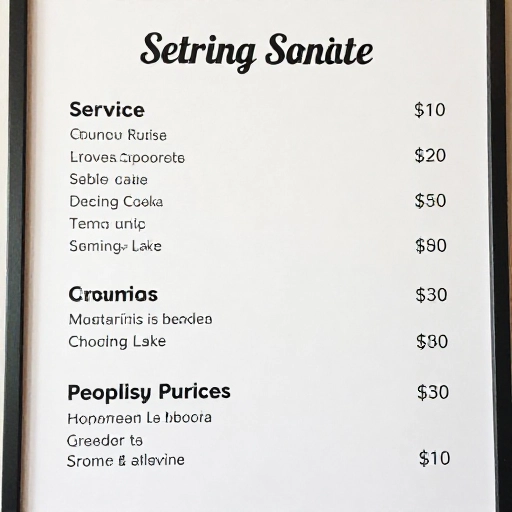
Don’t guess. Write down what you charge for each breed, size, and extra service. I use a rate sheet taped to my dashboard. Add a fuel surcharge for long drives—it’s fair and clients understand.
Also, don’t be afraid to raise prices. Your time and skill are worth it.
4. Build a Repeat Client Base First
One loyal client is worth ten one-timers. I focus on making every groom perfect so they book again. Send a thank-you message after the visit. Offer a discount for their next appointment. Word of mouth is your best friend.
Mobile grooming is personal. If they trust you, they stay.
5. Safety Comes Before Everything
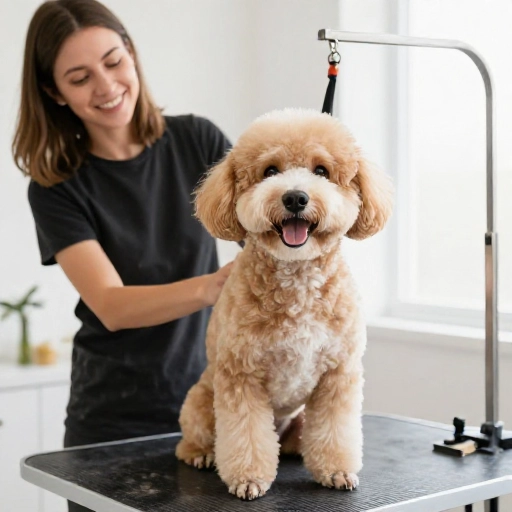
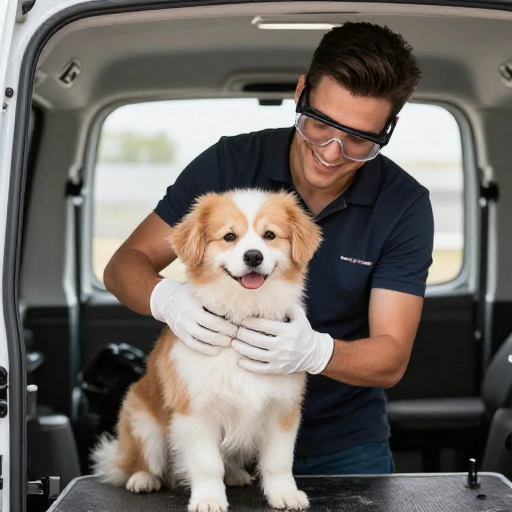
Secure your equipment. Make sure your van has proper ventilation. Always use a harness for the dog. I’ve had a few escape artists, and trust me, chasing a wet poodle down the street is not a good look.
Keep a first aid kit for both dogs and humans. Better safe than sorry.
6. Master Your Route Planning
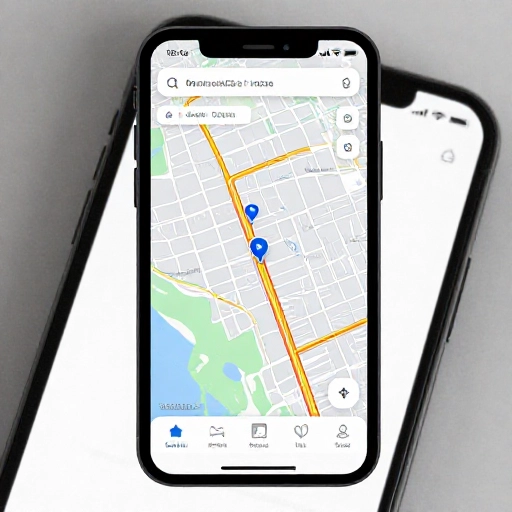
Group appointments by area. I used to zigzag across town and wasted hours on gas. Now I schedule all clients in one neighborhood on the same day. Use a map app to plan the most efficient route.
Your back and your wallet will thank you.
7. Invest in Good Equipment
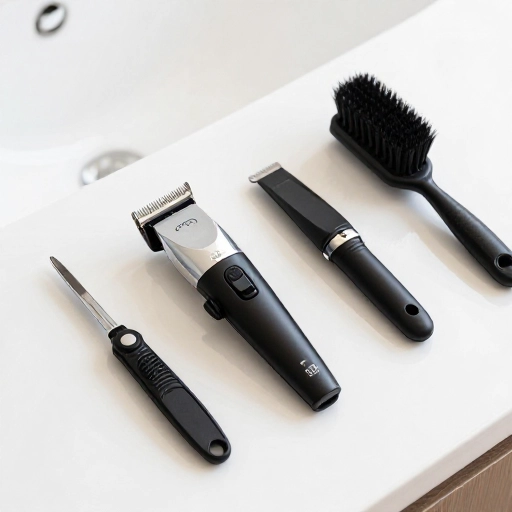
Cheap clippers will break at the worst moment. I learned that when a matted golden retriever showed up. Buy professional-grade tools that last. Your clients notice the difference in finish too.
Also, have a backup for everything—clippers, batteries, towels. You don’t want to cancel mid-day.
8. Create a Calm Environment for Nervous Pets
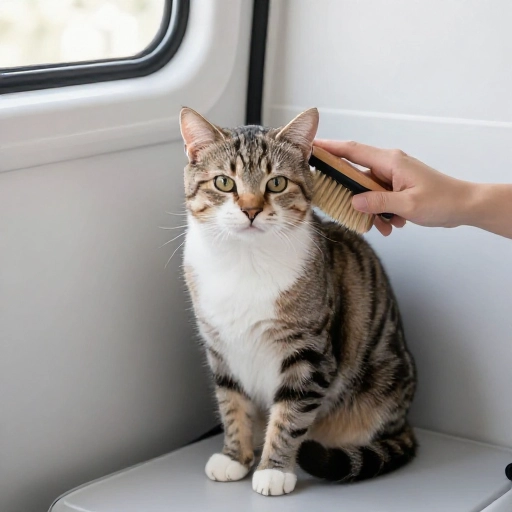
Not every dog loves the van. I keep calming treats, a pheromone spray, and soft music playing. Some dogs need a slow introduction. Let them sniff around before you start. Patience pays off.
A happy dog means a happy owner. And a happy owner tips better.
9. Market Yourself Like a Local Pro
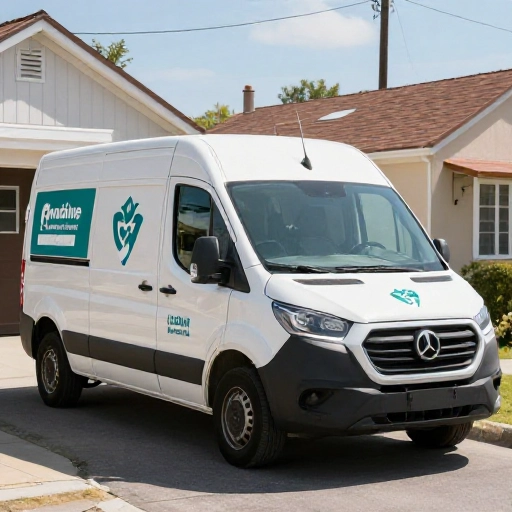
Put a magnetic sign on your van. Hand out business cards at dog parks. Join local Facebook groups and offer a first-time discount. I also ask clients to leave a review on Google. That’s free advertising.
Don’t forget a simple website with your services and contact info. Keep it clean.
10. Have a Clear Cancellation Policy
People cancel. It happens. But you need a policy to protect your time. I require 24 hours notice or a small fee. Put it in writing and remind them when they book. It sounds strict, but it’s fair.
You’re a business, not a favor factory.

11. Keep Your Finances Simple
Track every expense—gas, shampoo, van maintenance. I use a simple spreadsheet. Set aside money for taxes. Mobile grooming has low overhead, but you still need to be smart with your money.
Hire an accountant if you can. They save you more than they cost.

12. Offer Add-Ons That Make Sense
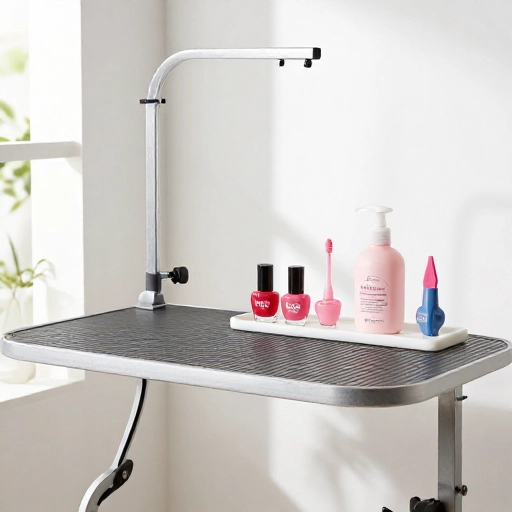
Nail grinding, teeth brushing, de-shedding treatments—these are easy upsells. I list them on my menu with clear prices. Clients often say yes because it’s convenient. Plus, it boosts your earnings per stop.
Just don’t overdo it. Keep the groom focused and efficient.
13. Take Care of Yourself
Mobile grooming is physical. You bend, lift, and stand all day. Stretch before and after. Drink water. Take a real lunch break. I used to skip breaks and ended up exhausted and grumpy. Not good for business.
Your health is your biggest asset. Treat it that way.

14. Always Ask for Feedback
After every groom, I ask: “Is there anything I can do better?” Most people say it’s perfect, but sometimes you learn something. Maybe they want a different scent on the shampoo or a shorter trim. Adjust and improve.
Continuous improvement keeps clients coming back.
Conclusion
Starting a mobile pet grooming business is one of the best decisions I ever made. It’s flexible, rewarding, and you get to make dogs look amazing. But it takes planning, patience, and a little grit. Use these tips as a starting point. Adapt them to your style. And remember: every groom is a chance to build trust and grow your business.
Now go make some tails wag.
Frequently Asked Questions
1. How much does it cost to start a mobile pet grooming business?
Costs vary, but expect to invest between $10,000 and $50,000 for a used van and equipment. You can start smaller with a converted van or trailer. Don’t forget insurance and permits.
2. Do I need a license to operate a mobile grooming business?
Yes, most areas require a business license and maybe a pet grooming permit. Check with your local city or county. Also, get liability insurance—it protects you if a dog gets hurt.
3. How many dogs can I groom in a day?
It depends on breed size and your speed. Most mobile groomers do 4 to 6 dogs a day. Don’t overbook—quality matters more than quantity. You’ll burn out fast if you rush.
4. How do I handle aggressive or anxious dogs?
Stay calm and patient. Use gentle handling techniques. If a dog is too stressed, stop and reschedule. Your safety and the dog’s well-being come first. Consider taking a course on fearful dog handling.
5. What’s the best way to find new clients?
Start with your local community. Facebook groups, Nextdoor, and word of mouth work great. Offer a referral discount. Also, make your van visible with a clean, professional sign. People notice.