10 Ways to Help Stop Dog Abuse in Your Community
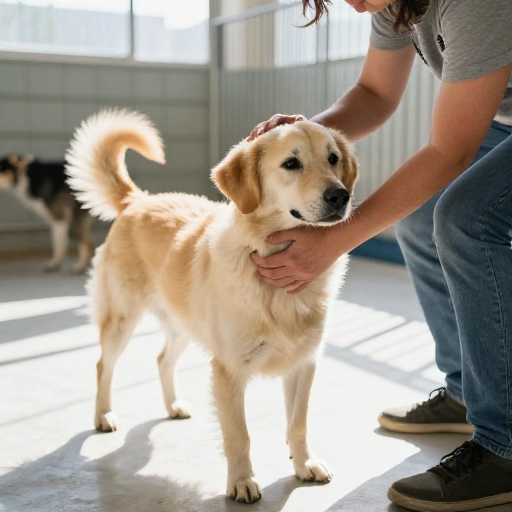
I never thought I’d see it happen right in my own neighborhood. But one afternoon, I watched a man yank his dog so hard the poor thing yelped. My stomach dropped. For days, I couldn’t shake that sound. I knew I had to do something—but what?
The truth is, dog abuse doesn’t always look like the shocking videos we see online. Sometimes it’s a neglected dog tied up in a backyard with no water. Sometimes it’s a quiet whimper from a basement. And most of the time, we feel helpless. But we aren’t.
There are real, practical ways you can step in and make a difference in your own community. You don’t need to be a rescue hero or have a ton of money. You just need a little courage and a lot of heart. Here are ten things I’ve learned that actually work.
1. Know the Signs of Abuse and Neglect
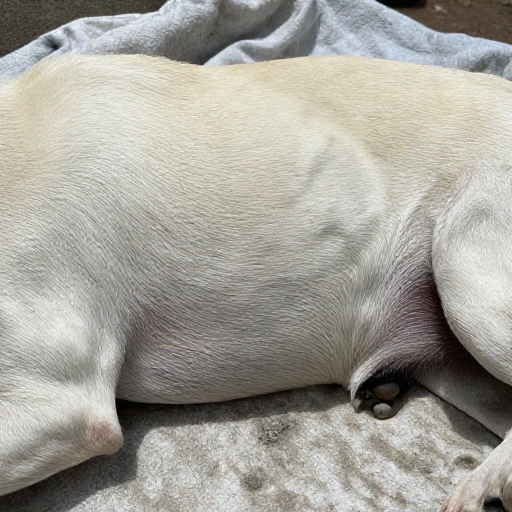
The first step is learning what to look for. Abuse isn’t always bruises. It can be a dog that’s always skinny, has untreated wounds, or flinches when a hand comes near. Neglect looks like matted fur, overgrown nails, or no food or water bowl in sight.
I started paying attention to dogs I saw on walks. A dog that’s always chained up, never let inside, or seems terrified of its owner—those are red flags. Once you know the signs, you can’t unsee them. And that’s a good thing.
Write down what you notice and the dates you saw it. This helps if you need to report something later.
2. Report Suspected Abuse the Right Way
Calling animal control or local law enforcement is the official route, but I’ve learned to document first when possible. Take a short video or a photo from a safe distance. Note the address, time, and what you saw.
Be calm and clear when you report. Stick to facts, not emotions. Say something like, “I’ve seen a dog left outside for three days straight with no shelter.” That’s more effective than “That man is horrible.”
If nothing happens the first time, call again. Persistence saves lives.
3. Start a Neighborhood Watch for Animals
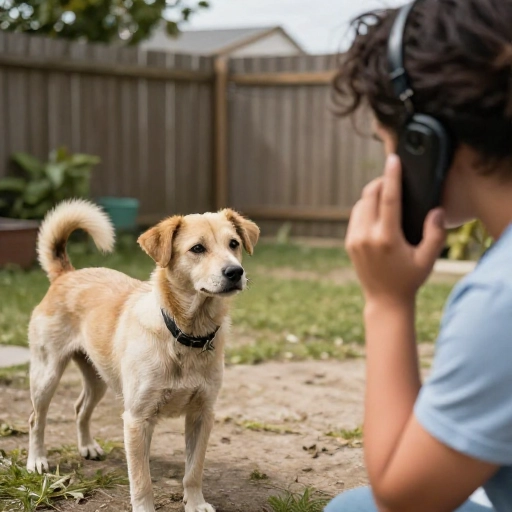
I started a simple group chat with five neighbors. We agreed to keep an eye on the dogs in our area. If someone saw something concerning, they’d text the group. We could then decide together if a welfare check was needed.
This isn’t about spying. It’s about having each other’s backs. When people know someone is watching, they’re less likely to mistreat an animal. Plus, it feels good to know you’re not alone in caring.
You can even share tips about local vets, free vaccine clinics, or trainers in your group.

4. Volunteer or Donate to Local Shelters
Shelters are always stretched thin. I volunteer just two hours a week walking dogs. It’s not a huge time commitment, but it helps. The dogs get exercise and human connection, and staff can focus on other urgent tasks.
If you can’t volunteer, donate supplies. Old towels, blankets, unopened dog food, and even peanut butter are gold. Call ahead and ask what they need most. You’d be surprised how far a few old bath towels go.
Money helps too, even small amounts. Every dollar adds up to vet care and adoptions.

5. Offer Direct Help to Struggling Owners
Sometimes abuse comes from ignorance, not cruelty. I once saw a neighbor who clearly loved his dog but couldn’t afford a proper leash. The dog kept running into traffic. I bought him a sturdy leash and collar. He was grateful, and that dog is safe now.
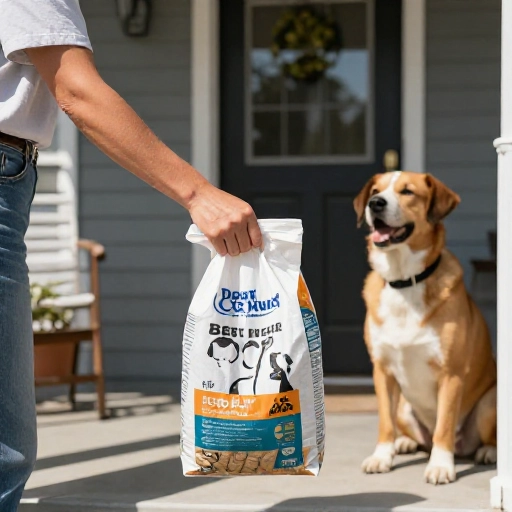
If you see a dog that looks malnourished but the owner seems overwhelmed, offer a bag of food. Say something kind like, “I had extra and thought your pup might like some.” No judgment. Just help.
Building that trust can open the door for more help later. People are more receptive when they don’t feel attacked.
6. Educate Kids and Teens in Your Community
Kids often mimic what they see. If a child grows up seeing a dog treated roughly, they might think it’s normal. I started talking to kids in my neighborhood about gentle petting and respecting a dog’s space.
You can do this informally. Show a child how to let a dog sniff their hand first. Explain that pulling tails hurts. It sounds small, but it plants a seed. Teens can be reached through school clubs or youth groups.
When kids understand empathy for animals, they carry that into adulthood. It’s one of the most powerful long-term changes we can make.

7. Use Social Media for Good, Not Just Outrage
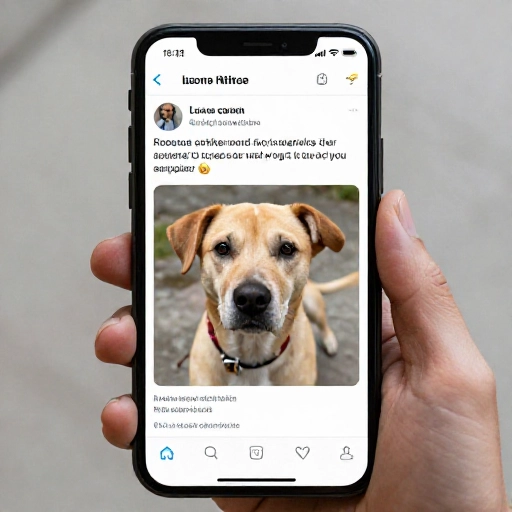
I’ve seen people post angry rants about dog abuse, but that rarely changes anything. Instead, I share practical posts: how to report abuse in our county, free spay/neuter events, or photos of adoptable dogs from the local shelter.
You can create a simple neighborhood Facebook group or Nextdoor thread focused on animal welfare. Keep it positive and solution-oriented. Share success stories of dogs that were rescued or rehomed.
When people see what’s possible, they’re more likely to act instead of just feeling sad.
8. Support Spay and Neuter Programs
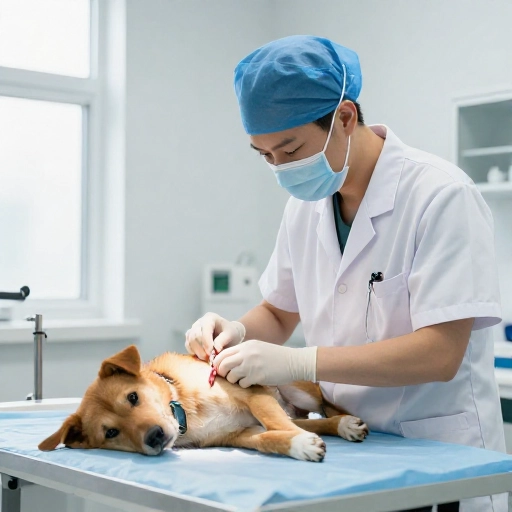
Overpopulation leads to neglect. Shelters get full, and animals suffer. I found a low-cost spay/neuter clinic about 20 minutes from my house. I’ve shared their number with at least ten people.
If you can, help a neighbor get their dog fixed. Offer to drive them or help with paperwork. Some clinics even have vouchers for people who can’t afford the full cost.
Fewer litters mean fewer strays. Fewer strays mean less abuse. It’s that simple.
9. Foster a Dog Temporarily
Fostering isn’t for everyone, but if you have space and time, it saves lives. Shelters often need temporary homes for dogs recovering from surgery or trauma. Even two weeks can make a huge difference.
I fostered a scared little terrier for a month. He came in shaking, left wagging. That dog got adopted because he had a quiet place to heal. You don’t need a big house—just a safe one.
If you can’t foster, offer to transport dogs to vet appointments or adoption events. That helps too.

10. Be a Voice, Even When It’s Uncomfortable
The hardest part is speaking up. I still get nervous when I see something wrong. But I’ve learned that silence doesn’t protect anyone. I once called animal control about a dog left in a hot car. The owner got angry, but the dog got water and shade.
You don’t have to be confrontational. A simple “Hey, I noticed your dog seems really hot—can I help?” can work. Sometimes people just need a nudge to do the right thing.
Your voice matters. Use it kindly, but use it.

Conclusion
Dog abuse doesn’t end with one big rescue. It ends with neighbors who care, small actions repeated over time, and people who refuse to look away. You don’t have to save every dog. Just start with the one you see today.
I promise, the first time you help a dog in need, something shifts in you. You realize you’re not powerless after all. You’re part of the solution. And that feeling? It’s worth everything.
FAQ: Common Questions About Stopping Dog Abuse
What should I do if I see someone hitting their dog?
Stay calm and don’t confront the person directly. If the dog is in immediate danger, call 911 or animal control. If it’s less urgent, document what you see and report it to local authorities. Your safety comes first.
Can I report abuse anonymously?
Yes, most areas allow anonymous reports. But keep in mind that providing your name can help investigators follow up. If you’re scared of retaliation, ask about anonymous options when you call.
What if animal control doesn’t do anything?
Don’t give up. Follow up with a second call or email. Reach out to a local rescue group—they often have relationships with officials. You can also contact your city council member to push for better enforcement.
How do I know if a dog is truly abused or just having a bad day?
Look for patterns. One day without water could be a mistake. Three days in a row with no water is neglect. Trust your gut, but rely on consistent observations. That’s why keeping notes helps.
I’m just one person. Can I really make a difference?
Absolutely. I’ve seen one person’s call save a dog’s life. One person’s donation feed a shelter for a week. One person’s kind word change an owner’s behavior. Never underestimate your impact. It starts with you.