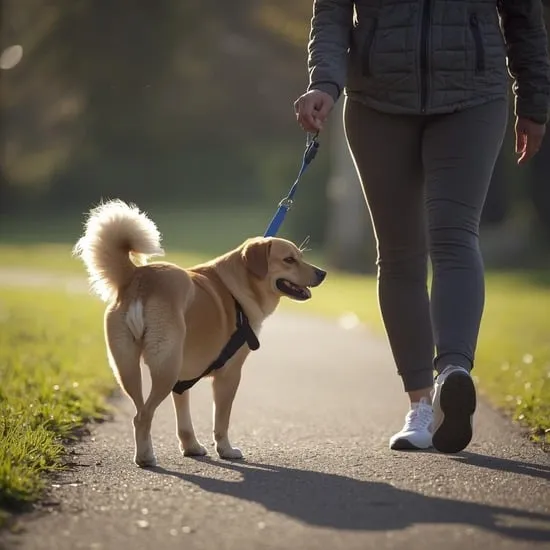
Why Routine Wellness Exams Matter Even When Your Dog Seems Healthy: 10 Truths I Wish Every Dog Parent Knew

I used to be the person who only called the vet when something was clearly wrong. If my dog was eating, wagging, and stealing socks, I figured we were fine. Then a routine wellness exam caught a tiny issue I never would have noticed. That changed how I think about preventive care.
Now I keep those yearly (or twice-yearly) appointments on the calendar like clockwork. Not because I’m worried all the time, but because dogs are wired to hide discomfort. A wellness exam is how we peek behind the curtain before small problems become big ones.
If you’ve ever wondered whether you’re wasting a vet visit on a healthy dog, this is for you. Here are 10 reasons routine wellness exams matter, even when your pup seems perfectly fine.
1. Dogs Are Naturally Good at Hiding Pain and Discomfort
Dogs don’t complain the way we do. A sore tooth, achy joint, or upset stomach often stays hidden until it’s severe. By the time we notice limping or whining, the problem may have been brewing for weeks.
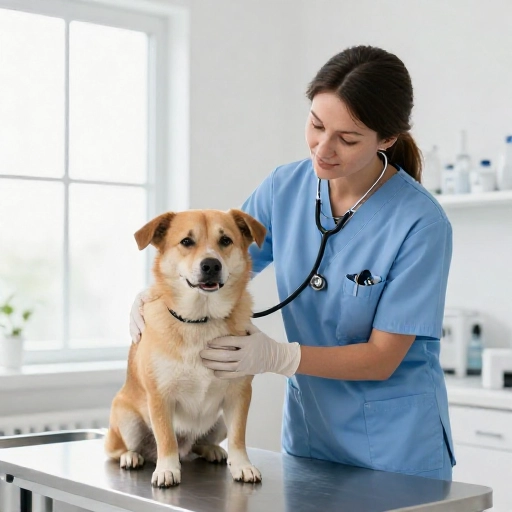
During a wellness exam, your vet looks for subtle clues: how your dog stands, walks, stretches, and reacts to touch. They check gum color, hydration, heart rhythm, and belly palpation. These tiny details can reveal things a quick glance at home misses.
I’ve learned that “acting normal” is not the same as “feeling normal.” A routine exam gives my dog a voice when she can’t tell me something’s off.
2. Early Detection Often Means Easier, Cheaper Treatment
Finding a problem early usually opens up more treatment options. A small lump, a slight heart murmur, or early kidney changes are much easier to manage than a crisis that’s been developing quietly.
I think of wellness exams like an oil change for my car. It costs a little now, but it can save a fortune later. The same goes for dog health: catching dental disease or parasites early can prevent expensive procedures and months of discomfort.
Plus, early detection often means less invasive treatment. That’s better for my dog and better for my budget.
3. Weight and Body Condition Changes Are Sneaky
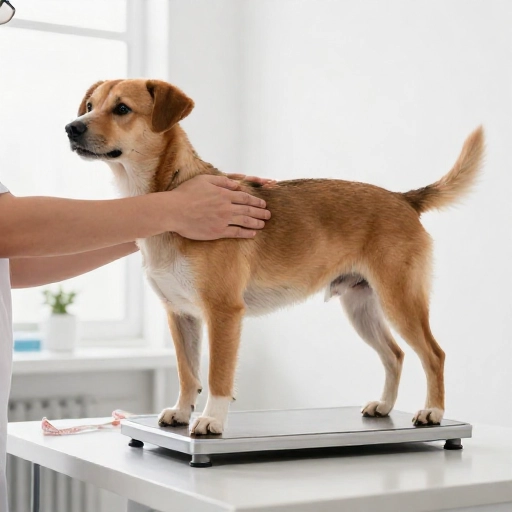
It’s easy to miss a pound or two on a fluffy dog. I see my pup every day, so gradual weight gain or loss can fly under my radar. But even a small change can affect joint health, heart function, and diabetes risk.
Vets use a body condition score to assess fat cover over the ribs, spine, and hips. They also weigh your dog on a precise scale. That number matters more than I realized.
If your dog needs to slim down or bulk up, your vet can help you adjust food, treats, and exercise before it becomes a bigger issue.
4. Dental Disease Starts Long Before Bad Breath
Bad breath isn’t just a dog thing. It’s often a sign of plaque, tartar, and gum inflammation. By the time I smell it, dental disease may already be causing pain and infection.
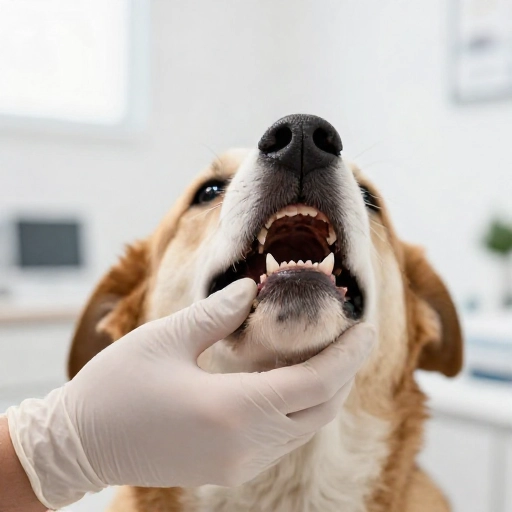
During a wellness exam, the vet checks teeth, gums, and the back of the mouth. They can spot early tartar buildup or a cracked tooth I’d never see. Dental disease can also affect the heart, kidneys, and liver if bacteria spreads.
I now brush my dog’s teeth a few times a week and schedule professional cleanings when needed. A routine exam keeps dental health on my radar.
5. Parasites Don’t Take Sick Days
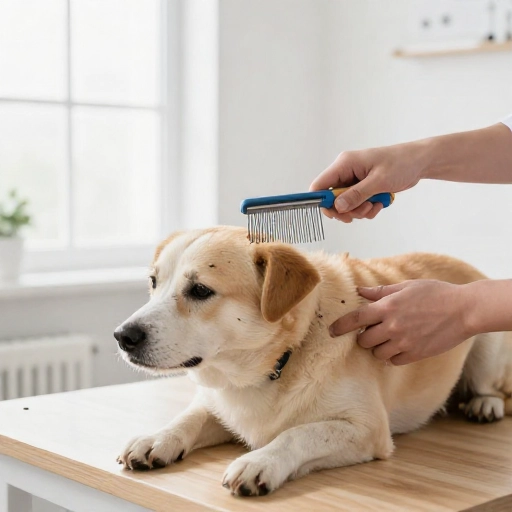
Fleas, ticks, heartworms, and intestinal parasites don’t care if my dog looks healthy. Some infestations are silent for months. Heartworm disease, for example, can damage the heart and lungs before any cough appears.
Wellness exams include fecal tests and sometimes blood tests for heartworm and tick-borne diseases. These simple screenings catch problems early, when they’re easiest to treat.
I also use year-round preventives because mosquitoes and fleas don’t disappear in winter where I live. My vet helps me choose the right protection for my dog’s lifestyle.
6. Vaccines and Immunity Need Regular Boosters
Puppy shots are just the beginning. Immunity can fade over time, and new risks pop up as dogs age, travel, or spend time at daycare, parks, and boarding facilities.
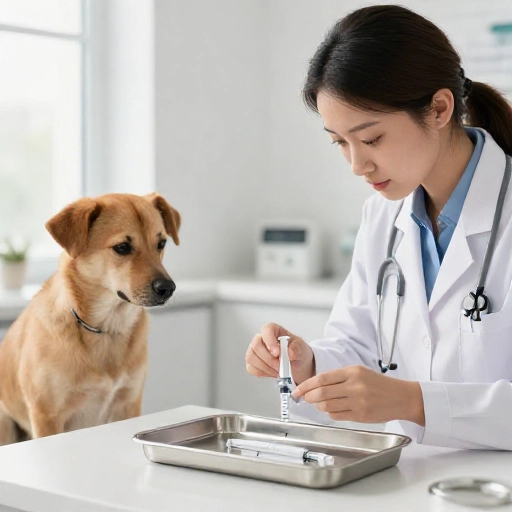
During a wellness exam, your vet reviews your dog’s vaccine history and lifestyle. They’ll recommend boosters based on real risk, not a one-size-fits-all schedule. That might mean distemper, parvo, rabies, leptospirosis, or bordetella.
I like knowing my dog is protected without over-vaccinating. A quick conversation at the exam keeps her safe and up to date.
7. Senior Dogs Change Faster Than We Expect
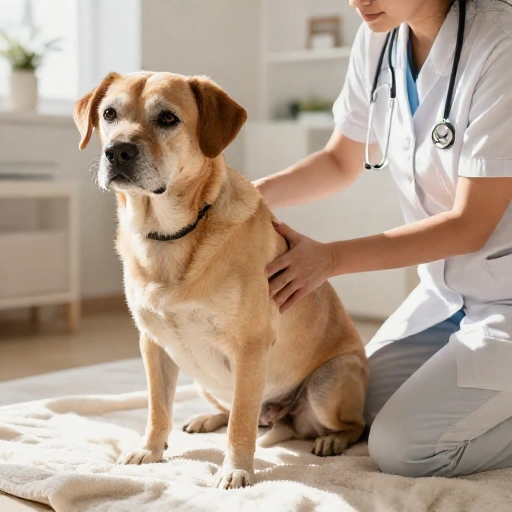
Once my dog hit her senior years, everything changed faster. A year for a senior dog can be like five or more human years. Arthritis, kidney disease, thyroid issues, and cognitive changes can sneak in.
Routine wellness exams for senior dogs often happen every six months. Bloodwork, urine tests, and blood pressure checks give a clear picture of what’s happening inside.
I’d rather catch arthritis early and adjust her bed, diet, and exercise than wait until she’s in pain. Senior wellness visits help me keep her comfortable and happy.
8. Behavior Changes Can Be Physical, Not Just Training Issues
When my dog started pacing at night, I thought it was just a phase. It turned out to be discomfort. Dogs can’t say “my back hurts” or “my stomach is upset,” so they show it through behavior.
Sudden growling, hiding, accidents in the house, or reluctance to climb stairs can all be medical. A wellness exam can rule out pain, vision problems, or hormonal imbalances before you hire a trainer.
I’ve learned to mention every little change, even the ones that seem silly. My vet connects dots I’d never see on my own.

9. Baseline Health Data Makes Future Diagnosis Easier
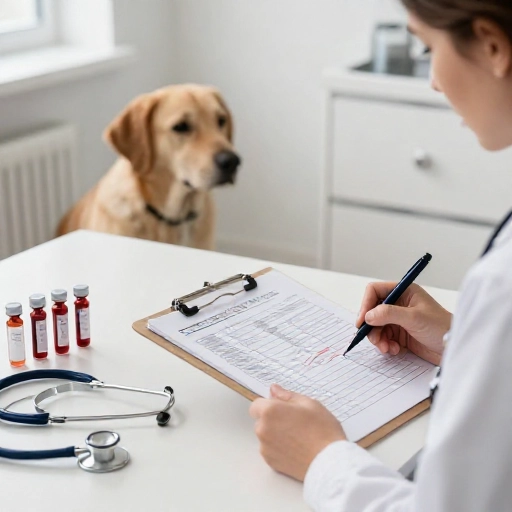
When my dog gets sick, I want my vet to know what “normal” looks like for her. Routine wellness exams build that baseline. Bloodwork, weight, heart rate, and even dental notes become a health history.
If something changes later, your vet can compare new results to old ones. That makes it easier to spot trends, like slowly rising liver values or a gradual drop in red blood cells.
Without a baseline, every new symptom is a mystery. With one, your vet can make faster, smarter decisions.
10. Wellness Exams Build a Relationship with Your Vet
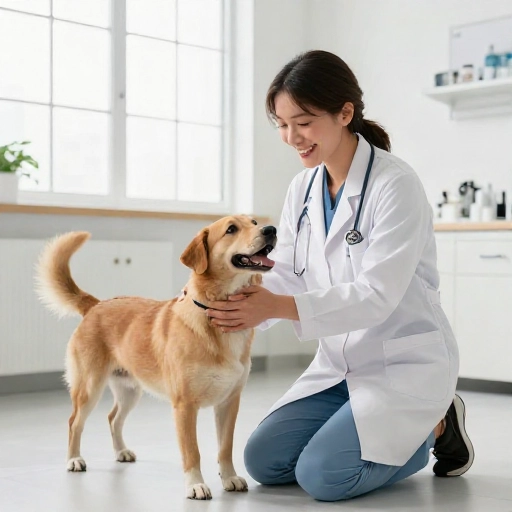
I want my vet to know my dog before an emergency happens. Routine visits build trust and familiarity. My dog gets treats, pets, and a chance to practice calm handling. I get to ask questions without panic.
When my dog was sick last year, I already knew the clinic, the staff, and how they worked. That made a scary day a little less scary. It also meant my vet knew my dog’s personality and could spot changes instantly.
Think of wellness exams as a partnership. You’re not just checking boxes; you’re building a care team that knows your dog’s story.
Conclusion
Routine wellness exams aren’t about expecting the worst. They’re about giving your dog the best chance at a long, comfortable life. I’ve seen how small findings at a checkup can lead to simple changes that make a big difference.
Even if your dog seems perfectly healthy, those appointments are a gift. They’re a chance to ask questions, track changes, and catch problems while they’re still tiny. I’ll never skip them again.
Frequently Asked Questions
1. How often should my dog have a wellness exam?
Most adult dogs need one yearly exam. Puppies, seniors, and dogs with health issues may need visits every 6 months or more often. Your vet can tailor a schedule.
2. My dog hates the vet. Is it still worth going?
Yes. We can make visits less stressful with happy visits, treats, calming techniques, and sometimes medication. Preventative care is worth the effort.
3. What happens during a routine wellness exam?
Your vet will ask about behavior, diet, and activity, then do a nose-to-tail physical. They may recommend vaccines, parasite tests, bloodwork, or dental care based on your dog’s age and lifestyle.
4. Can I skip vaccines if my dog never leaves the yard?
Even indoor or yard-only dogs can be exposed to viruses through wildlife, soil, or visitors. Your vet can help you decide which vaccines are truly necessary.
5. Are wellness exams expensive?
They cost less than treating a major illness. Many clinics offer wellness plans or payment options. Think of it as preventive care that can save money and heartache later.