12 Signs Your Cat Is Trying to Speak to You
I’ve always believed my cat has a lot to say. While she may not form English words, she’s a master communicator. Over years of living with feline friends, I’ve learned to translate their subtle (and not-so-subtle) signals into a language I can understand.
Our cats are speaking to us every single day. They use a complex mix of sounds, body language, and behaviors to express their needs, feelings, and opinions. Learning this language deepens our bond and helps us care for them better. Let’s decode the 12 most common ways your cat is trying to have a conversation.
1. The Classic Meow
This is the sound we most associate with cat speech. But did you know adult cats primarily meow for humans, not for each other? It’s a learned behavior to get our attention.
Each meow has a purpose. A short, high-pitched “mew” is often a friendly greeting. A long, drawn-out “meooow” might be a demand for food or to open a door. Pay attention to the tone and context—it’s your cat’s direct line to you.
2. The Purr-fect Vibration
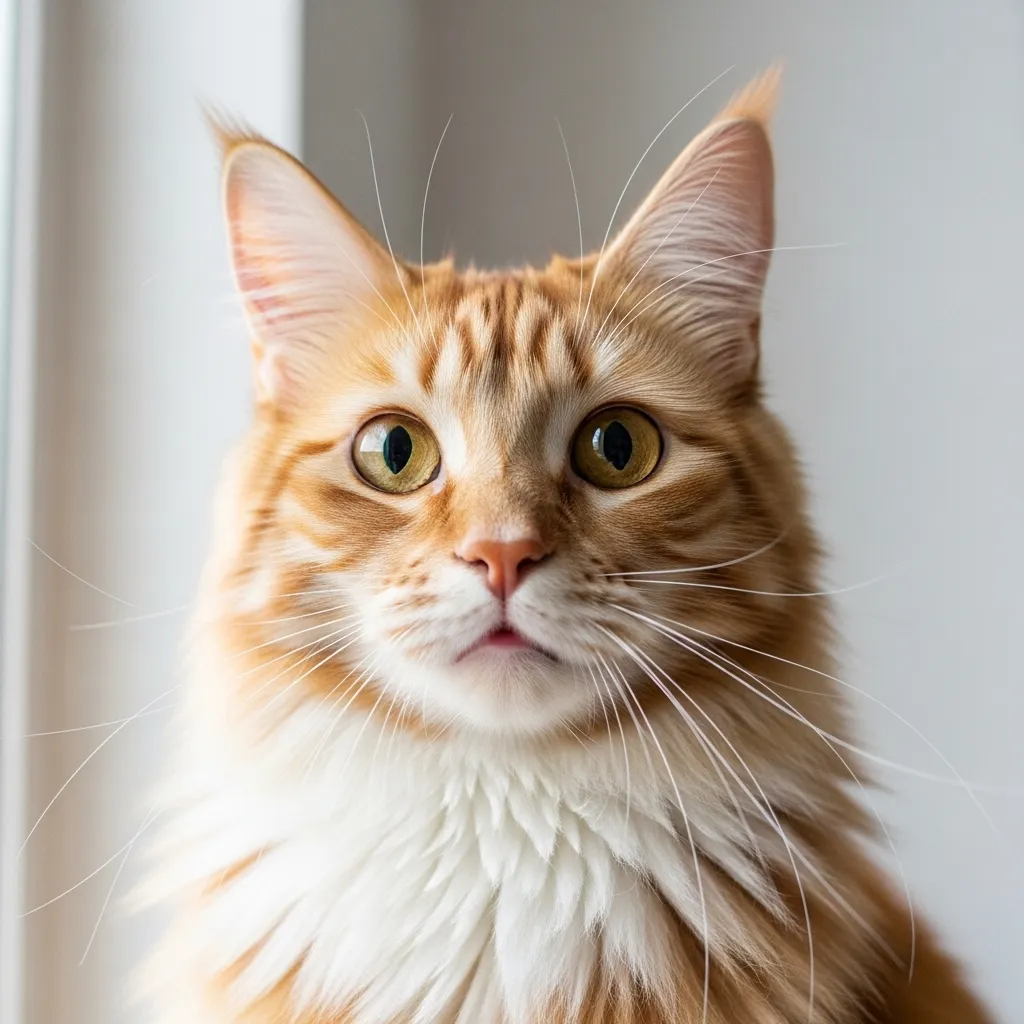
A purr is the ultimate sign of contentment, right? Usually, yes. That soft rumble when they’re curled in your lap is pure bliss. But cats also purr to self-soothe when they are stressed, injured, or in pain.
Listen and observe. A relaxed purr comes with soft eyes and a loose body. A purr at the vet, paired with tense muscles, is your cat trying to calm itself down. It’s a multi-purpose communication tool.
3. The Slow Blink
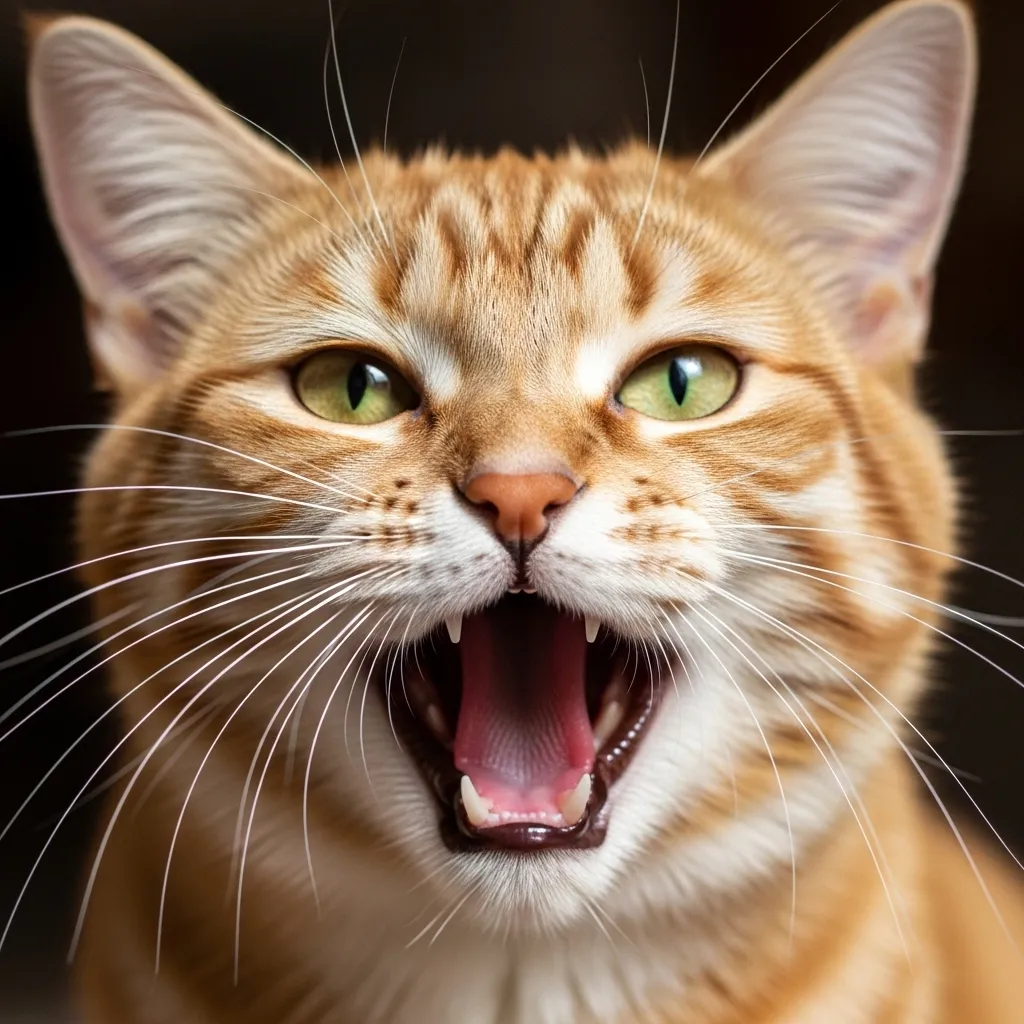
This is my favorite form of cat speech. When your cat looks at you and slowly closes its eyes, it’s giving you a “kitty kiss.” In cat language, closing their eyes in your presence is the ultimate sign of trust and affection.
You can speak back! Try slowly blinking at your cat when you catch their gaze. Often, they’ll blink back. It’s a silent, beautiful way to say “I love you and feel safe with you.”
4. Tail Talk
A cat’s tail is like a mood barometer. It tells a vivid story of their inner world. Learning to read it is key to understanding their unspoken words.
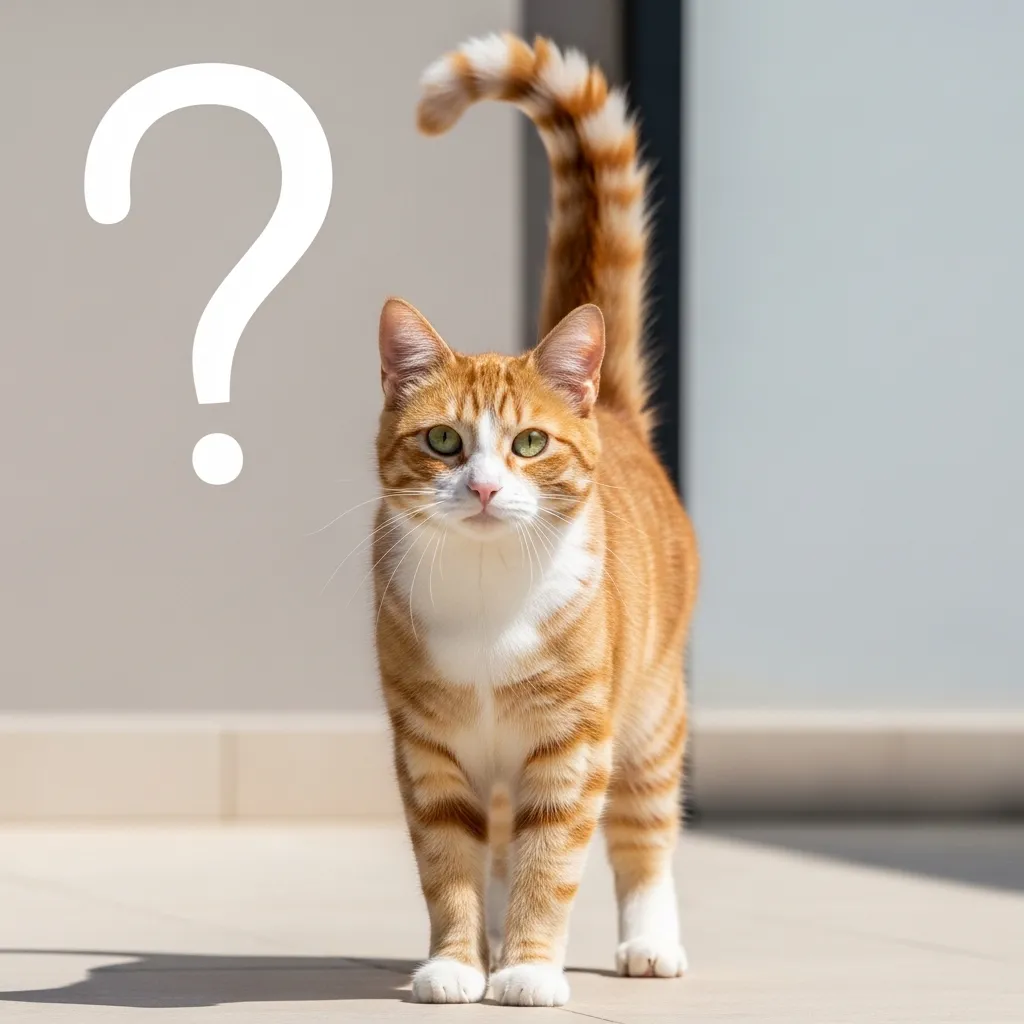
- Straight up with a curl: A happy, confident greeting.
- Puffed up: Fear or aggression, an attempt to look bigger.
- Low or tucked: Insecurity, anxiety, or submission.
- Twitching tip: Focused interest or mild irritation.
5. Kneading with Their Paws
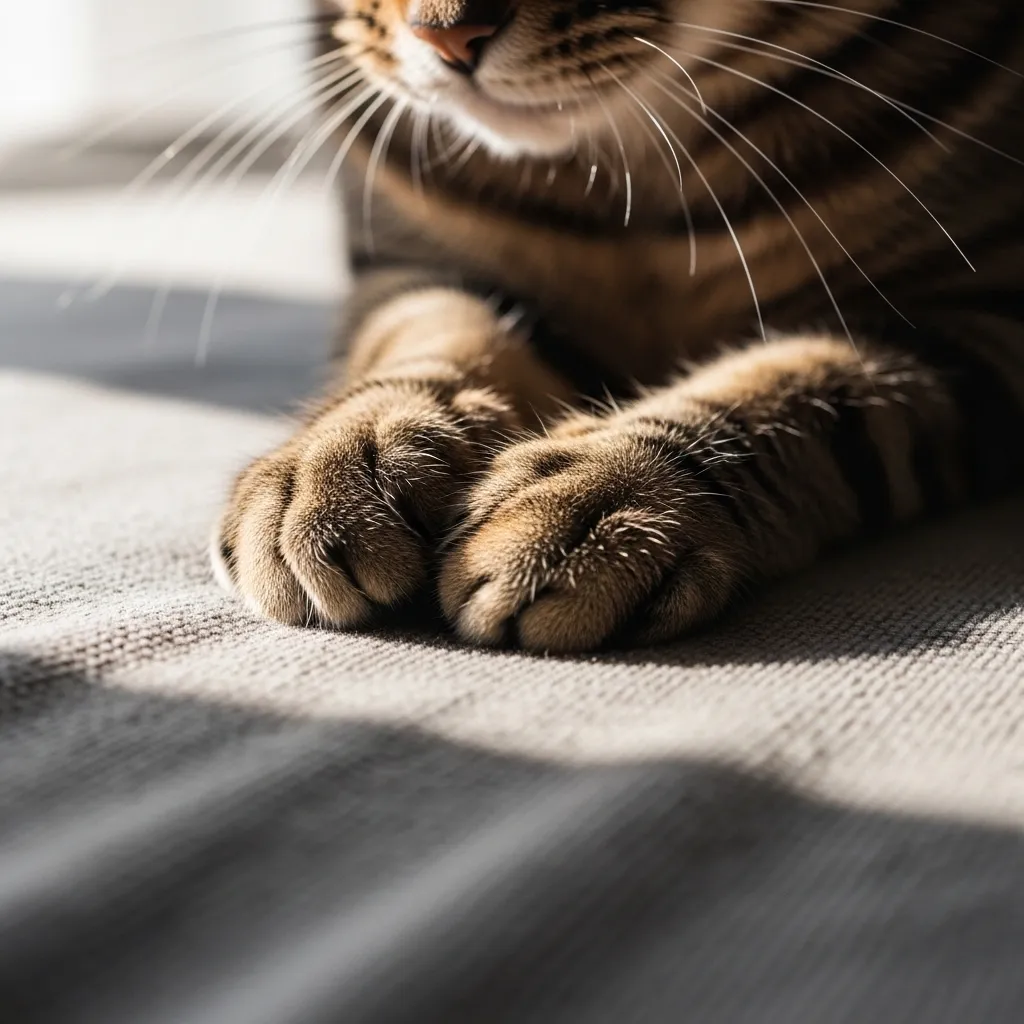
That rhythmic pressing of paws against your lap or a blanket is called kneading. It’s a behavior carried over from kittenhood, when they kneaded their mother to stimulate milk flow.
When your adult cat does this, it’s a sign of ultimate comfort, happiness, and contentment. They are in a state of pure, nostalgic bliss and are marking you with the scent glands in their paws. Consider it a compliment.
6. Head Bunting & Cheek Rubbing
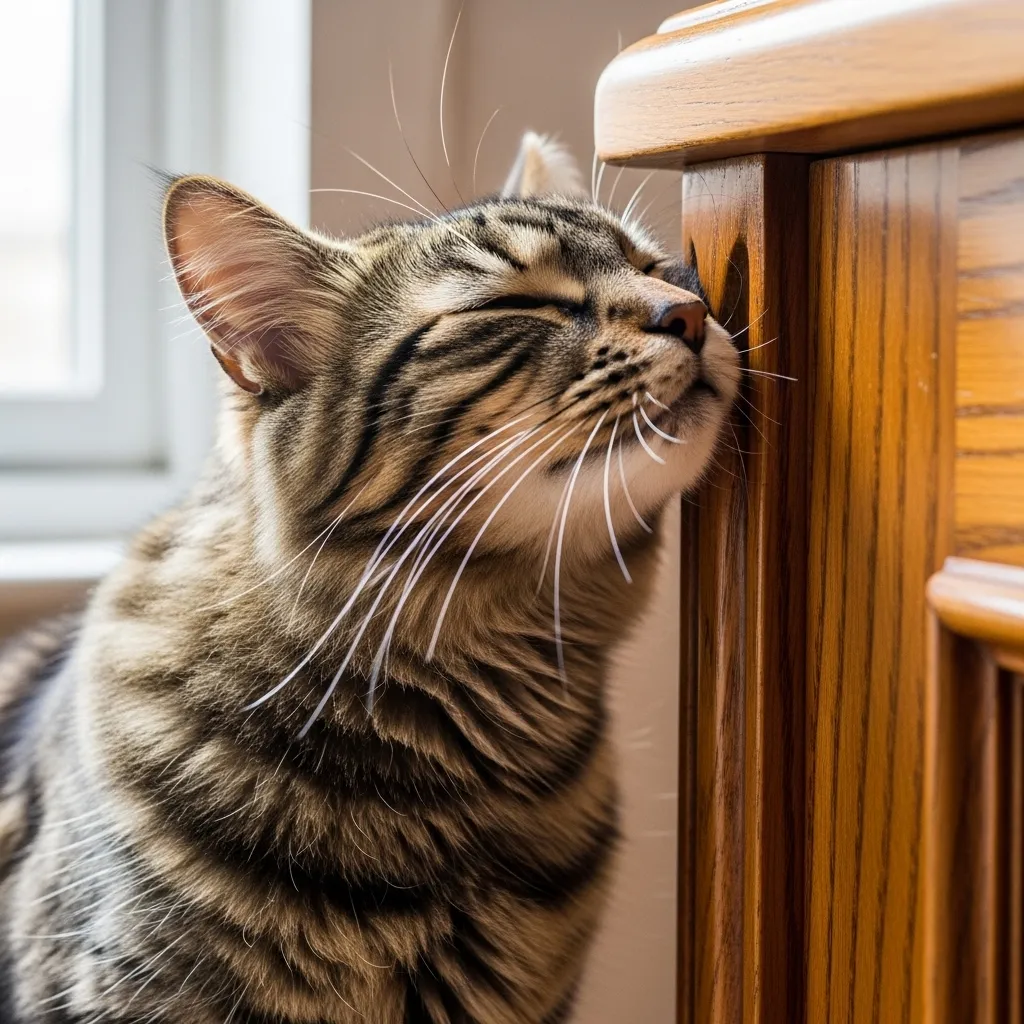
When your cat bumps its head against you or rubs its cheek on furniture, it’s not just being cute. They have scent glands in these areas and are actively marking their territory—and you are their territory!
This is a huge sign of affection and ownership. They are mingling their scent with yours to create a communal family scent. It’s their way of saying “You are mine, and I am yours.”
7. The Chattering Chirp
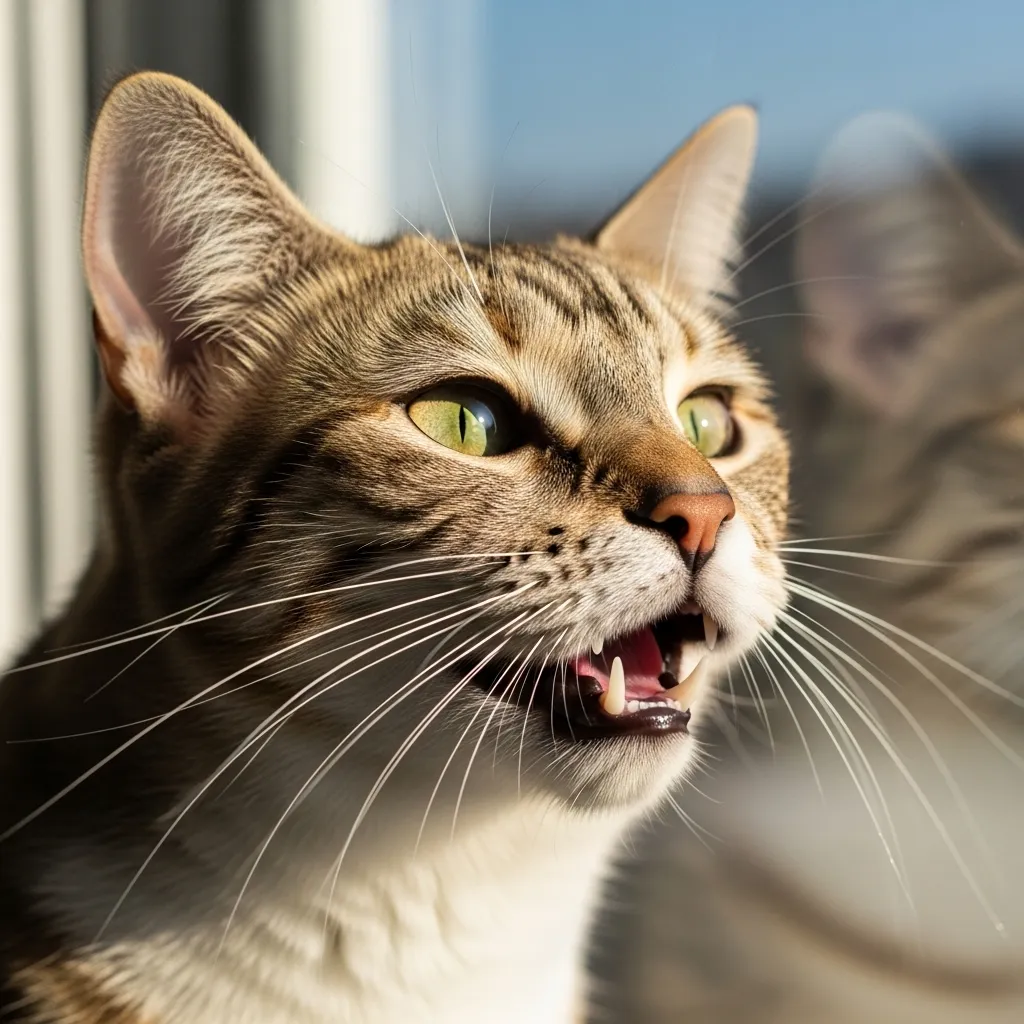
You’ve probably seen it: your cat at the window, fixated on a bird, making a rapid “ek-ek-ek” or chattering sound with its jaw. This fascinating behavior is thought to be a mix of frustration and instinctual excitement.
Some experts believe it mimics the killing bite. Others think it’s an overflow of predatory excitement. Either way, your cat is verbally expressing its intense focus on potential prey.
8. Bringing You “Gifts”
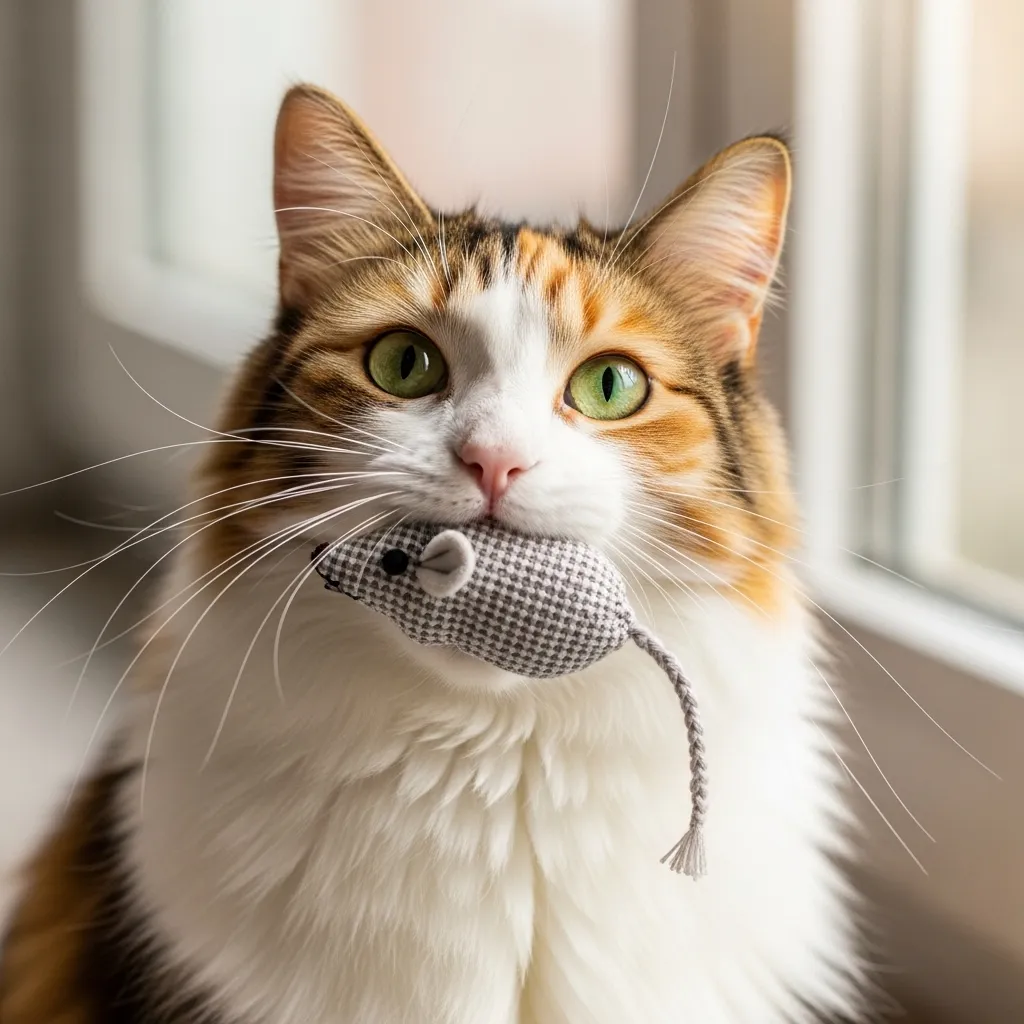
While we might not appreciate a mouse or insect on the doorstep, this is a profound form of communication from your cat. In their mind, they are providing for you, their family member who is clearly a terrible hunter.
It’s a sign of trust, love, and a desire to teach you. They see you as a clumsy kitten who needs feeding. A gentle “thank you” (before discreetly disposing of the gift) is the best response.
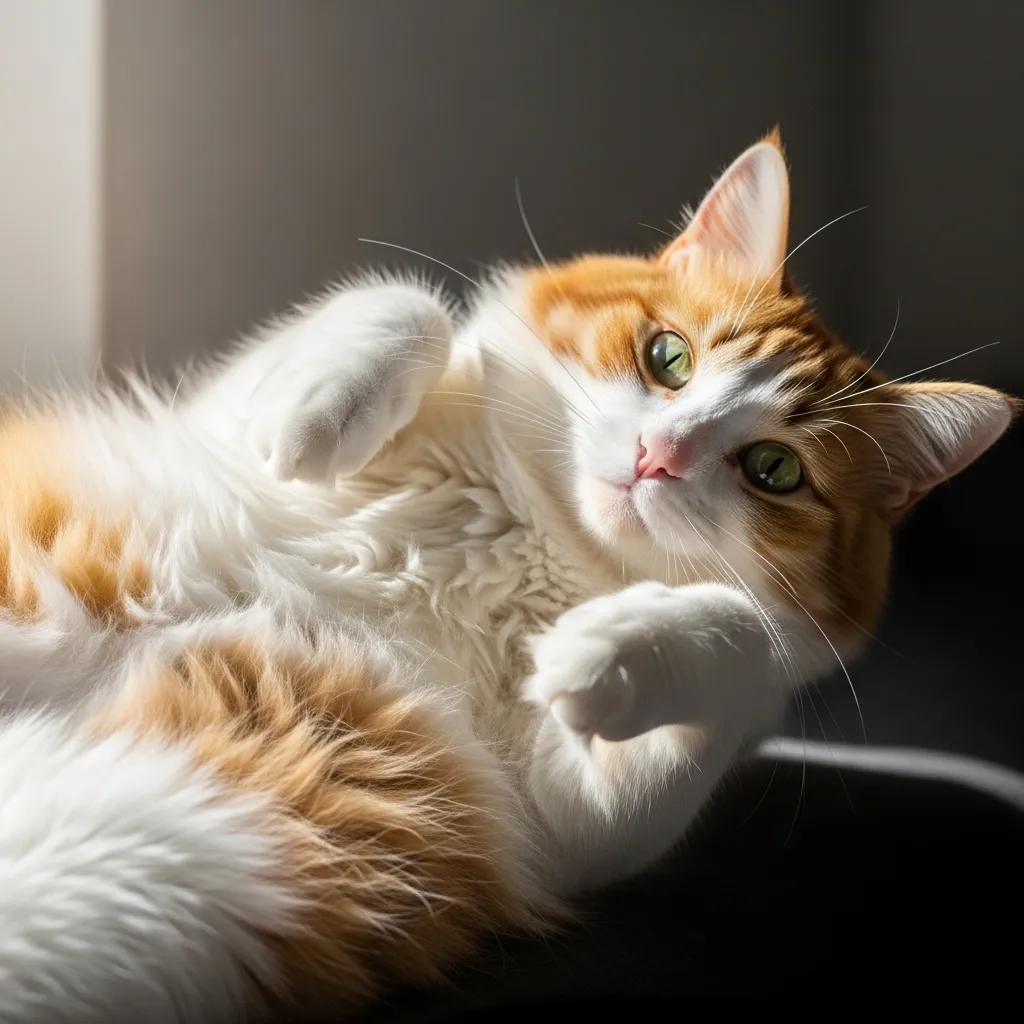
9. Exposing Their Belly
A cat showing its belly is showing ultimate vulnerability. This is a sign of great trust, as the belly is their most defenseless area. They feel completely safe in your presence.
Important note: This is often an invitation for affection, but not necessarily a belly rub! Many cats will grab and bunny-kick if you touch. Instead, see it as a compliment and perhaps just give them a gentle head scratch.
10. The Midnight Yowl
That eerie, long yowl in the middle of the night can be startling. In unneutered cats, it’s a mating call. But in our spayed/neutered house cats, it can signal a few things: disorientation (especially in older cats), loneliness, or a call for attention.
If this becomes a habit, it’s your cat trying to tell you something is off. It could be a sign of cognitive decline, hearing loss, or simply a need for more daytime play and interaction.
11. Ear Positioning
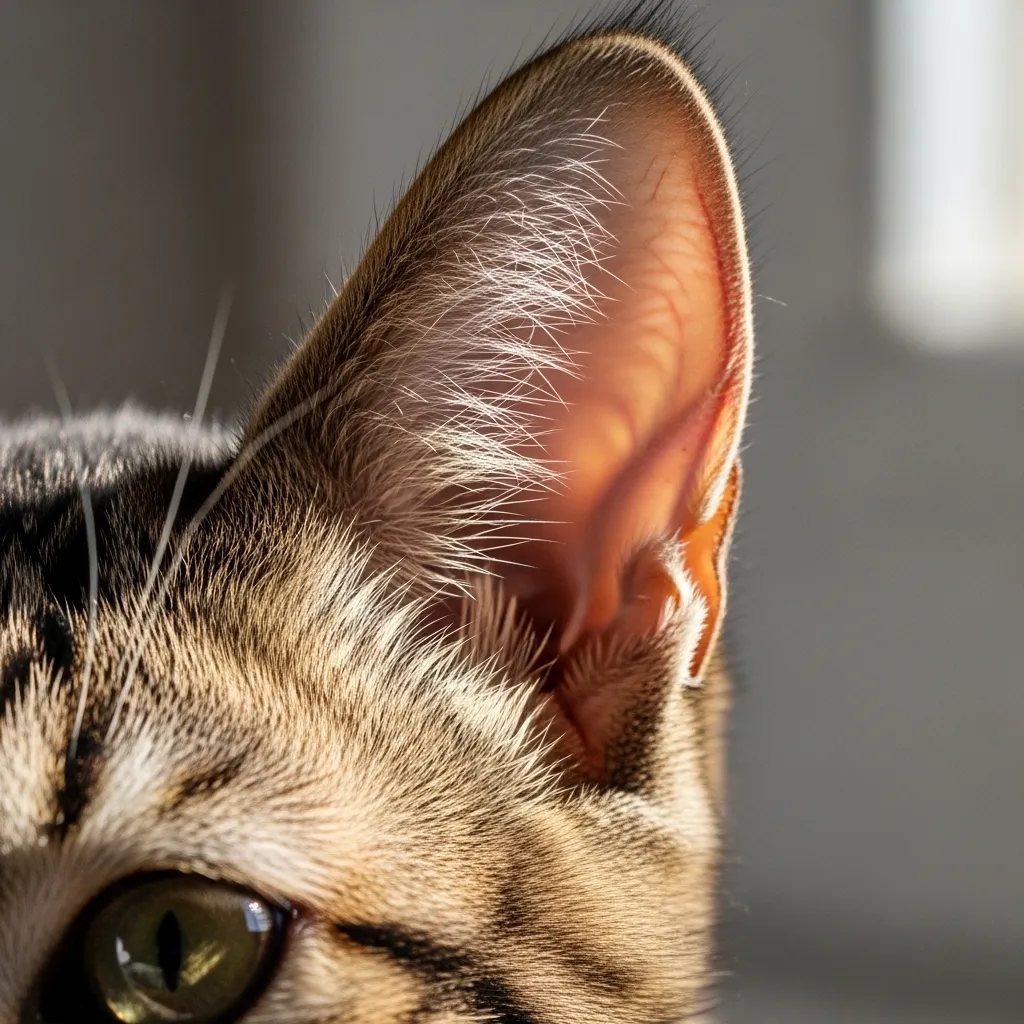
Cat ears are highly mobile radar dishes that broadcast their feelings. Paired with tail and eye signals, they give you the full picture.
- Forward and alert: Interested, curious, happy.
- Flattened sideways or back (“airplane ears”): Irritated, anxious, or scared.
- Pinned flat against the head: Terrified or aggressive. Best to give space.

12. The Silent Meow
Have you ever seen your cat look at you, open its mouth as if to meow, but no sound comes out? This “silent meow” is a special, deliberate form of communication reserved for their most trusted humans.
It’s thought to be an exaggerated, kitten-like solicitation for care and attention. They are putting in the effort of a big meow but at an ultrasonic level of affection. When you get a silent meow, know you are deeply loved.
Conclusion: Becoming Fluent in Feline
Learning to listen to your cat’s unique language is a journey. It transforms your relationship from simple ownership to a true friendship. Start by observing one behavior at a time—maybe tail talk or blinking. You’ll be amazed at how quickly you start to understand the nuanced conversations happening in your home every day. Your cat has been trying to speak to you all along.
Your Cat Communication FAQ
Q: Why does my cat meow so much at me?
A: You’ve likely reinforced it! If you respond to meows with food, play, or attention, they learn it works. Some breeds, like Siamese, are also naturally more vocal.
Q: What does it mean when my cat’s tail twitches while I pet them?
A: A gentle twitch can mean they’re engrossed and happy. But a strong, thumping twitch or swish is often a sign they’ve had enough and you should stop before the claws come out!
Q: Is my cat mad at me when they ignore me?
A: Probably not. Cats are independent and don’t hold grudges like humans. They might just be resting, focused on something else, or in a low-socialization mood. Give them space.
Q: Why does my cat follow me into the bathroom?
A: This is a sign of strong social bonding. In the wild, a vulnerable moment (like using the “bathroom”) requires a trusted lookout. Your cat is volunteering for guard duty because they love you.
Q: My cat bites me gently during petting. Why?
A: This is called “love biting” or petting-induced aggression. It’s not usually meant to hurt, but to signal they are overstimulated. Watch for earlier signs like skin twitching or tail swishing, and stop petting before the bite.