14 Must-Know Steps for Training Any Dog (Even the Stubborn Ones!)
Let’s be real for a second. Bringing a dog home is pure joy, but the training part? That can feel like a full-time job that you didn’t exactly sign up for. You watch those perfect dogs on social media, and then you look at your pup who just ate your favorite sneaker. I’ve been there. I promise you, it gets better. It’s not about having a “smart” dog; it’s about having the right game plan.
Whether you just brought home a bouncy puppy or you’re working with a rescue who has some baggage, the core steps are always the same. You don’t need fancy equipment or a doggy PhD. You just need consistency, a little patience, and a whole lot of treats. Let’s break down the 14 absolute must-know steps that will turn your chaotic cutie into a well-mannered best friend.
1. Start with the “Name Game” Before Anything Else
Before you even think about “sit” or “stay,” your dog needs to know their own name. This is the foundation for everything. If they don’t look at you when you call them, you can’t teach them anything else. Make it the most exciting word in the world.
Say their name in a super happy, high-pitched voice. The second they turn to look at you, mark it with a “Yes!” and pop a treat in their mouth. Do this randomly throughout the day, not just during “training time.” You want them to think their name means “good things are coming.”
Don’t use their name when you’re angry. If you scold them using their name, they’ll start to associate it with bad vibes. Keep it positive, always. If they are ignoring you, don’t repeat it over and over. Just wait, or make a kissy noise to get their attention first, then say the name.
This small step builds a reflex that could literally save their life one day. A solid recall starts with a solid understanding of their name.
2. Master the Art of the “Sit” as a Default
“Sit” is the gateway drug to good behavior. It’s the easiest behavior to capture and it naturally calms a hyper dog down. Once they know this, you can use it to prevent jumping, door-dashing, and mugging visitors for food.
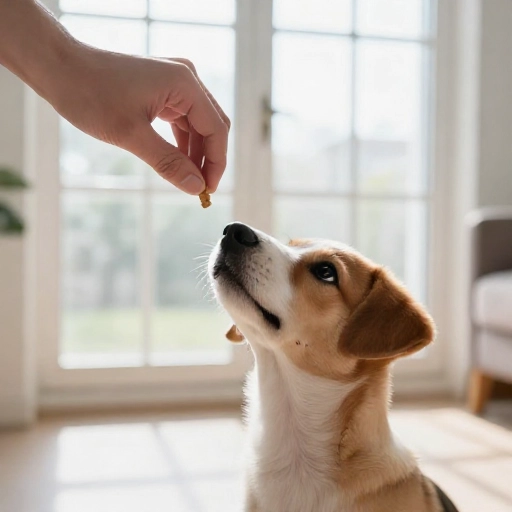
Hold a treat right at their nose, then slowly lift it up and over their head. Their butt will naturally hit the floor to follow the treat. The second their butt touches the ground, say “Yes!” and give them the treat. It’s that simple. Don’t even say the word “sit” yet—just lure them into it.
Once they are doing this reliably, start saying “sit” right as their butt is about to hit the floor. Then, eventually, you can just say the word and wait for the action. Practice this in every room of the house, then on the porch, then at the park. Context is everything.
Never push their rear end down. That feels invasive and confusing. Let them figure it out using the lure. It builds their confidence and makes them think, which is exactly what we want.
3. Use High-Value Treats (Real Food Works Best)
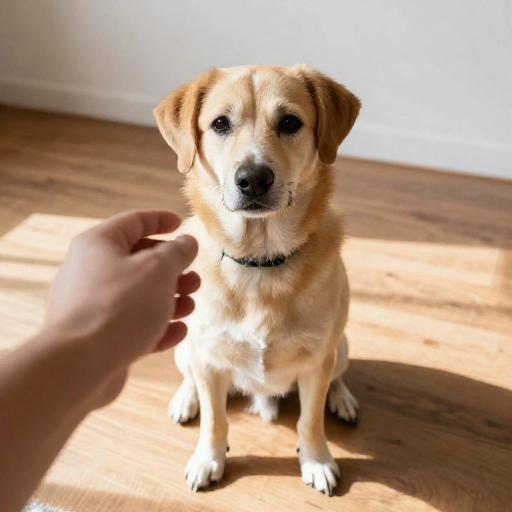
Listen, if someone offered you a dry cracker for doing a boring task at work, you’d probably quit. Your dog feels the same way about kibble. For training, you need the good stuff. We are talking stinky, soft, delicious treats that they only get during training sessions.
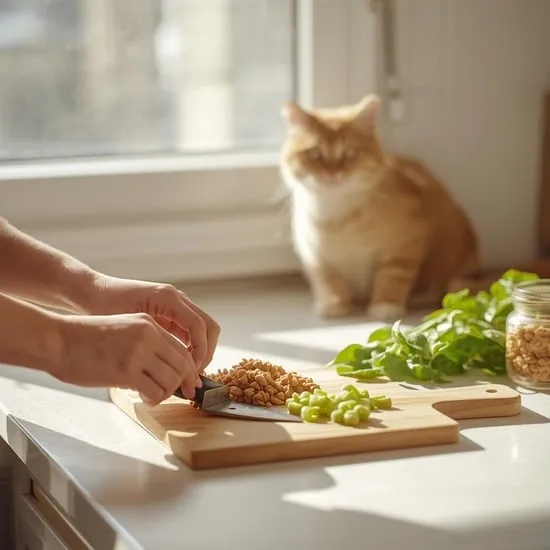
Think chopped-up hot dogs, string cheese, or those squishy liver paste treats. Cut them into tiny, pea-sized pieces so you can give lots of them without making your dog fat. The smellier, the better. If it makes you gag, your dog will probably love it.
Reserve these special treats exclusively for training. If they get them in their bowl or as random snacks, the magic wears off. You want them to think, “Whoa, if I listen to this human, I get the good stuff!”
If your dog isn’t food motivated at all, try using a favorite squeaky toy as the reward instead. The point is to find what your dog is willing to work for, and then use it to your advantage.
4. Keep Training Sessions Short and Sweet
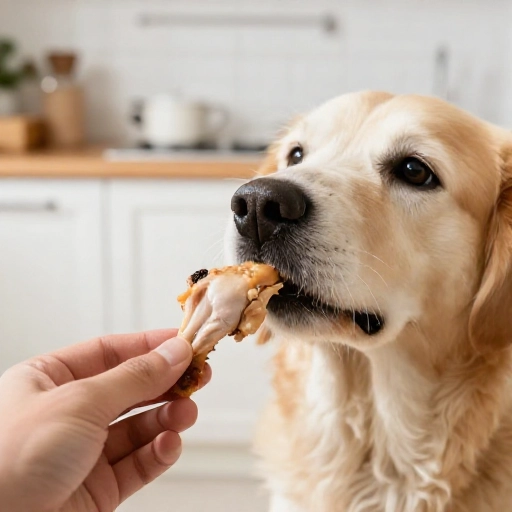
You don’t need to train for an hour a day to see results. In fact, that is a surefire way to exhaust your dog (and yourself). Dogs, especially puppies, have the attention span of a goldfish. They learn best in short, explosive bursts of focus.
Aim for two or three sessions of just five minutes each day. Set a timer if you have to. When you see your dog still engaged and excited, end the session on a high note. This leaves them wanting more, which makes the next session even easier.
If you start getting frustrated, or if your dog starts walking away or sniffing the floor, that’s your cue to stop. You are not being a quitter; you are being a smart trainer. Forcing a session when they aren’t into it creates a negative association with training.
Remember, you can also train “randomly.” Ask for a sit while you’re waiting for the microwave, or a down while watching TV. These micro-sessions add up quickly!
5. Master the “Leave It” Command for Safety
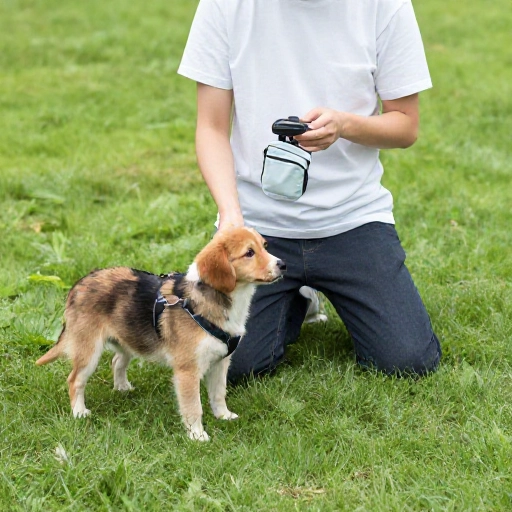
This is arguably the most important command you will ever teach. “Leave it” can stop your dog from eating a chicken bone on the sidewalk, chasing a squirrel into traffic, or grabbing a toxic substance. It’s a life-saver, plain and simple.
Start by putting a treat in your closed fist. Let your dog sniff, lick, and paw at your hand. The moment they stop trying and pull their nose away, say “Yes!” and give them a treat from the other hand. You are rewarding them for ignoring the closed fist.
Gradually, you can open your palm with the treat, and if they don’t lunge for it, mark and reward. Then, move on to dropping a treat on the floor. If they go for it, cover it with your foot. The second they look at you instead of the floor, reward them.
Always reward them with a better treat than the one they left alone. It teaches them that ignoring something is actually more profitable than going for it.
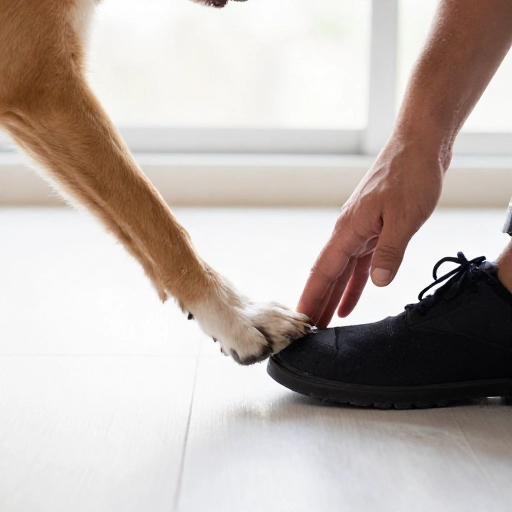
6. The Power of the “Crate” as a Safe Space
I know, crates can look like cages, but when used correctly, they become your dog’s cozy den. It’s their personal sanctuary where they can escape the chaos of the house. It is not a punishment. It is a management tool that prevents accidents and destructive chewing when you can’t watch them.
Make the crate inviting. Throw in a soft blanket and a super special chew toy. Feed them their meals inside the crate with the door open for the first week. Just let them wander in and out on their own terms. Never force them in.
Once they are comfortable, start closing the door for a minute while you sit next to them. Gradually increase the time. Then, start leaving the room for a few minutes. The key is to make them think that the crate is where the good stuff happens, and you always come back.
Never use the crate as a time-out zone. If they associate it with punishment, they will panic every time they are inside. It should be a peaceful, happy place.
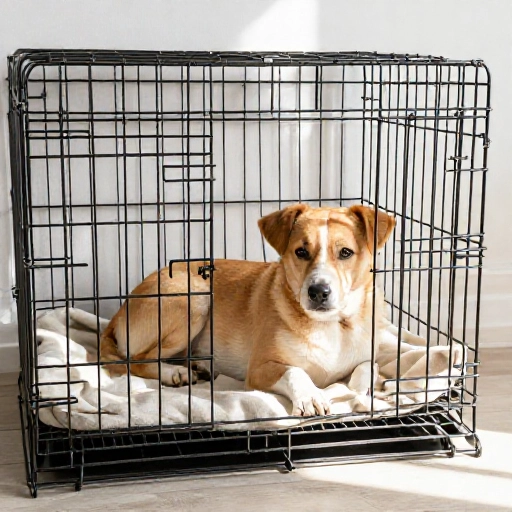
7. Nail the “Loose Leash” Walk
Walking a dog that pulls is like arm wrestling a bodybuilder for 30 minutes. It’s exhausting and no fun for either of you. The goal is to teach them that pulling gets them nowhere, but walking nicely gets them exactly where they want to go.
Stop walking the moment the leash gets tight. Just freeze. Don’t yank, don’t scold. Just become a statue. The second your dog turns to look at you or takes a step back to release the tension, mark it with a “Yes!” and walk forward again.
This teaches them that the walk only continues when the leash is loose. If they pull, you stop. If they walk nicely, you move. It’s a simple cause and effect that they pick up on surprisingly fast once you are consistent.
Change directions frequently. If they start to bolt ahead, turn around and walk the other way. You become the leader they have to pay attention to, rather than a sled dog pulling them down the street.
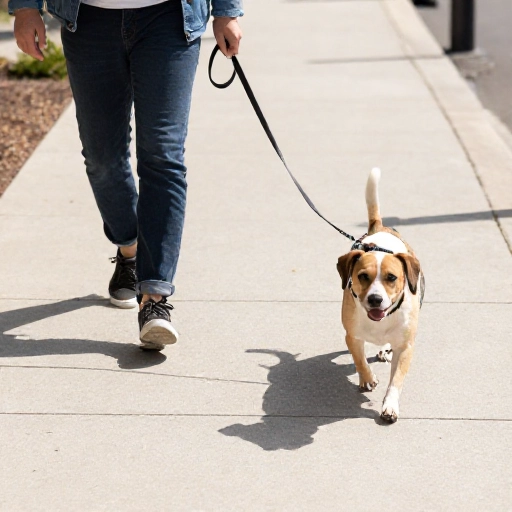
8. The “Touch” Cue for Focus
When the world is too exciting, “touch” is your secret weapon to snap your dog back to reality. It’s incredibly simple to teach and it’s a fantastic way to redirect a reactive or distracted dog. It’s also super fun for them to do.
Hold out your open palm, just like you’re telling someone to “stop.” The moment your dog sniffs your hand (or boops it with their nose), say “Yes!” and reward them. It takes them a second to realize that the treat comes right after their nose touches your hand.
Once they are consistently booping your hand, you can add the cue word “Touch!” right before they do it. Then, you can start holding your hand further away, or down by your side, or even on your leg. They will have to find it to touch it.
This is brilliant for getting their focus during a walk. If they are barking at a dog across the street, ask for a “touch” to break their stare and refocus their brain on you.
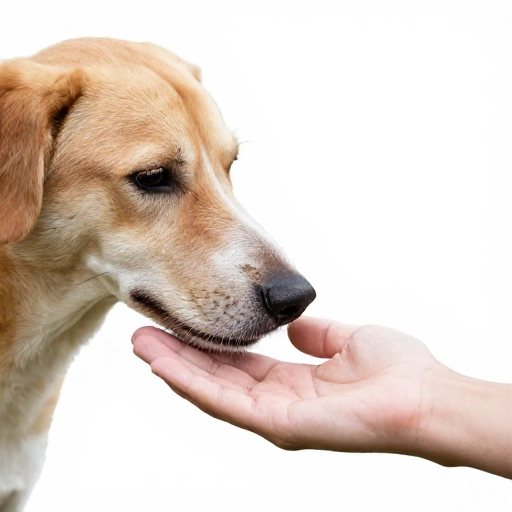
9. Ignore the Bad (Attention-Seeking) Behaviors
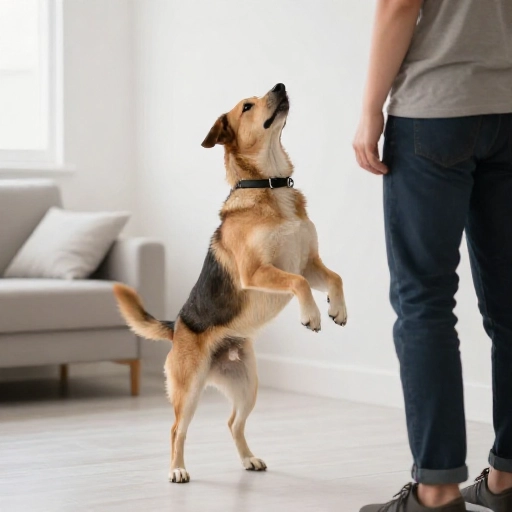
Dogs are attention junkies. They don’t care if the attention is positive or negative; they just want a reaction. If you yell at your dog for jumping up, you are actually rewarding them with your attention. The best way to stop these behaviors is to make them completely boring.
If your dog jumps on you, cross your arms, turn your back, and become a tree. Don’t say a word. Don’t push them off (that’s physical attention). Wait for all four paws to be on the floor, then turn around and shower them with praise and treats.
If they bark at you for food, leave the room. When they are quiet, come back. They will quickly learn that barking makes you disappear, but being quiet makes you appear with delicious things.
Consistency is key here. You have to ignore the bad behavior every single time, even when you’re tired or annoyed. If you give in occasionally, you have just taught them that the behavior works—they just have to be more persistent.
10. Socialization is More Than Just Playing
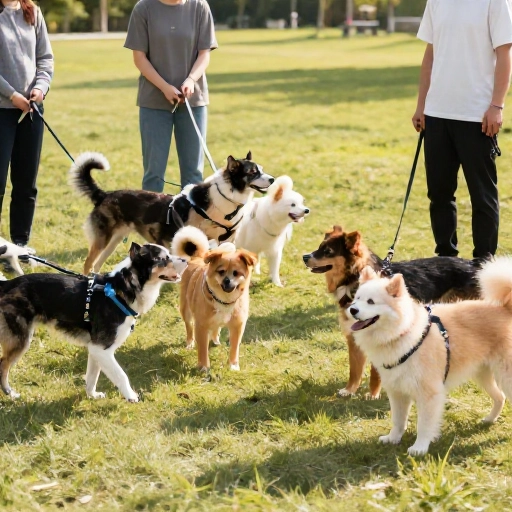
Socialization isn’t just letting your dog play with every other dog they meet. It’s about exposing them to the vast, weird world in a positive way. This means cars, bicycles, skateboards, umbrellas, children, and loud trucks. It’s about neutrality, not reactivity.
Take your dog to sit on a park bench and just watch the world go by. Every time a bike passes and your dog doesn’t react, give them a treat. This teaches them that seeing new things is a good thing. You are building a calm, confident dog.
If your dog is scared of something, don’t force them to interact with it. Just increase the distance between them and the scary object until they are comfortable. Then, slowly decrease the distance over time.
Never let your dog greet other dogs while on a leash. Leash greetings are unnatural and often lead to tension. Keep leash time for walking, and let them sniff and play in contained, safe areas.
11. Teach “Place” or “Go to Bed” for Calmness
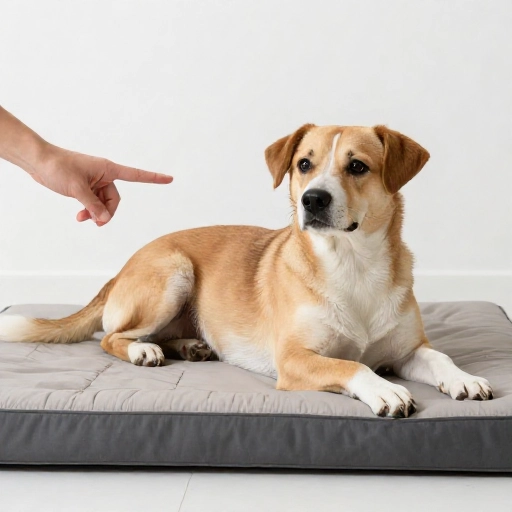
Teaching your dog to go to a specific “place” (like a mat or a bed) is a game-changer. It gives them a job to do and teaches them how to self-settle. This is incredibly useful when you have guests over, when you’re eating dinner, or just when you need a break.
Toss a treat onto their mat. When they step on it to get the treat, say “Yes!” and reward. Toss another treat. Repeat. Then, you can start tossing the treat and saying “Place!” as they go to it. Soon, they will run to the mat when they hear the word.
Once they are on the mat, start rewarding them for staying there. Give them treats for lying down, for looking at you, and for just chilling out. Extend the duration slowly. Start with a few seconds, then work up to a few minutes.
This is not a “down-stay” where they have to be rigid. This is a “relax” command. It’s teaching them that the mat is a place for calm, not for frantic energy.
12. The “Recall” (Come) – Make It a Party
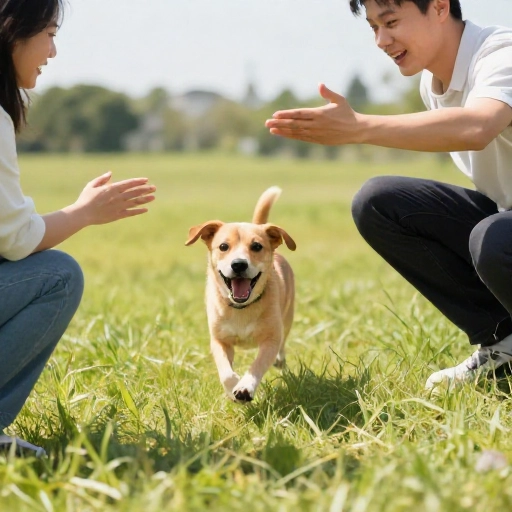
Recall is the one command that will make or break your relationship with your off-leash dog. The problem is that most people call their dog when it’s time to leave the park, which is a bummer. You have to make coming to you more fun than whatever they are doing.
Never, ever call your dog to you to scold them. Even if they just ate your sandwich, you call them with a happy voice, give them a treat, and then put them in a time-out if you need to. Coming to you must always be a win.
Practice recalls randomly throughout the day. Call them, give them a jackpot of treats (like five treats in a row), and then let them go back to what they were doing. They will start to think, “Wow, I should check in with my human more often!”
Start in the house, then the yard, then a long line at the park. The more distance and distraction you add, the higher value the reward needs to be.
13. Consistency Beats Intensity
Training your dog for five minutes every single day is infinitely better than training them for an hour once a week. Dogs learn through repetition and predictable patterns. If you use the word “down” to mean “lie down” but someone else in the house uses it to mean “get off the couch,” your dog will be confused.
Get the whole family on the same page. Use the same cues for the same behaviors. If you don’t want your dog on the furniture, but your partner lets them snuggle on the couch, you are fighting a losing battle. Rules need to be universal.
Consistency also means sticking with the training plan even when you are tired or busy. It’s easy to let things slide on a rainy Tuesday, but those little slips set you back. Think of training as a lifestyle, not a chore.
Your dog is always learning, whether you are intentionally training them or not. Every interaction is a training opportunity. Make sure you are teaching them the rules you actually want them to follow.
14. End Every Session on a Positive Note
You want your dog to be excited about training, not dread it. If you end every session with a fun game of tug or a big treat scatter, they will always be eager to work with you. The last thing they remember is the fun, not the frustration.
If you are struggling with a new skill, go back to something they already know incredibly well, like “sit” or “touch.” Ask them to do that a few times, throw a mini-celebration, and call it a day. This builds their confidence back up.
Never end a session when you are angry or your dog is stressed. Take a break, play with a toy, and try again later. You want training to be a positive experience that strengthens your bond, not one that causes anxiety.
Training is a journey, not a destination. There will be good days and bad days. But if you stick to these steps, you’ll build a relationship based on trust and mutual respect, which is the ultimate goal. Your dog isn’t trying to be difficult; they just need you to show them what you want—and these steps are exactly how you do that.
Final Thoughts on Training Success
Training a dog is honestly one of the most rewarding things you will ever do. It’s not about having a robot dog that performs tricks on command. It’s about communication. These steps aren’t about dominance or being the “alpha.” They are about building a clear language between you and your furry friend. When they understand what you want, they feel safe and secure. And when they feel safe, they thrive.
So, take a deep breath. Grab a pocket full of chicken bits, keep your sessions short, and be the kind, patient leader your dog is looking for. You’ve got this. Every single “sit” and every “leave it” is a small victory that builds a beautiful, unbreakable bond.
Frequently Asked Questions
What is the first thing I should teach my dog?
Start with their name. Make it super fun and rewarding. Once they reliably look at you when you say it, you can move on to “sit” or “touch.” These three simple things create a fantastic foundation for all future learning.
How long does it take to train a dog?
It depends on the dog and the behavior. A simple “sit” can be learned in a day, but proofing it in different locations takes weeks. Complex behaviors like loose-leash walking or solid recall can take months. The key is not the timeline, but the consistency of your training. Every dog learns at their own pace.
What do I do if my dog is not food motivated?
Time to get creative! Try using a favorite squeaky toy, a game of tug, or even just enthusiastic praise as a reward. Some dogs prefer a “jackpot” of attention. You can also try stinkier foods like freeze-dried liver or fish-based treats. It’s all about finding what your dog values most.
Is it ever too late to train an adult dog?
Absolutely not! Adult dogs can absolutely learn new tricks. They often have better focus than puppies. The saying “you can’t teach an old dog new tricks” is a myth. It might take a little more patience if they have ingrained habits, but it is never too late to start.
How do I stop my dog from jumping on guests?
Prevention is key. Keep your dog on a leash when guests arrive, or have them go to their “place.” Ask your guests to completely ignore your dog until they have all four paws on the floor. When your dog is calm, then they can say hello. This teaches your dog that calm behavior is what gets them attention.