Puppy Accessories Guide: Must-Have Items for New Dog Parents
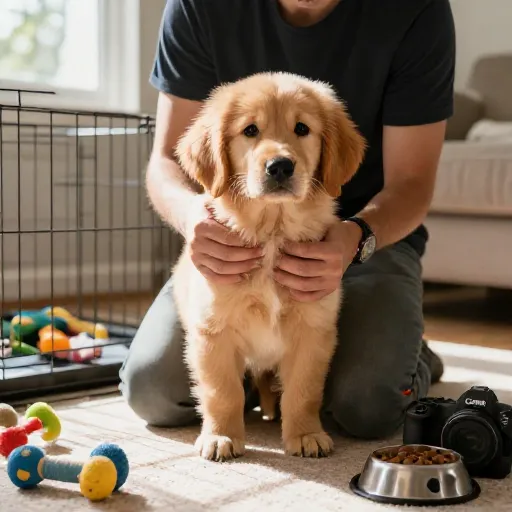
Bringing home a new puppy is one of the most exciting, chaotic, and heart-melting experiences ever. One minute you’re watching them zoom around the living room, the next you’re wondering if you bought the wrong size collar. I remember my first week with my little furball—I was overwhelmed by all the stuff the pet store had.
The truth is, you don’t need a million things. You need the right things. This guide is all about the practical, must-have puppy accessories that make life easier for both of you. I’m sharing the items that survived my puppy’s teething phase, potty training mishaps, and endless energy bursts.
Whether you’re still prepping or just brought your pup home, this list will help you skip the clutter and get straight to the good stuff. Let’s dive into the essentials that actually matter for your new best friend.
1. A Crate That Feels Like a Cozy Den
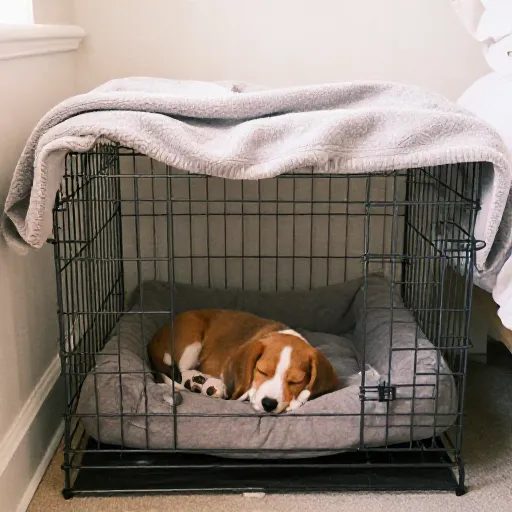
Crate training is a lifesaver, but the crate itself matters more than you think. You want one that’s sturdy, easy to clean, and the right size. Your pup should be able to stand up, turn around, and lie down comfortably—but not so big they can use one corner as a bathroom.
Look for a wire crate with a divider panel. That way, you can adjust the space as your puppy grows. It saves you from buying multiple crates in the first year. I also added a soft, washable crate mat, which made the space feel way more inviting.
Pro tip: keep the crate in a busy room, not a lonely corner. Puppies want to be part of the action. When they feel included, they settle down much faster at night.
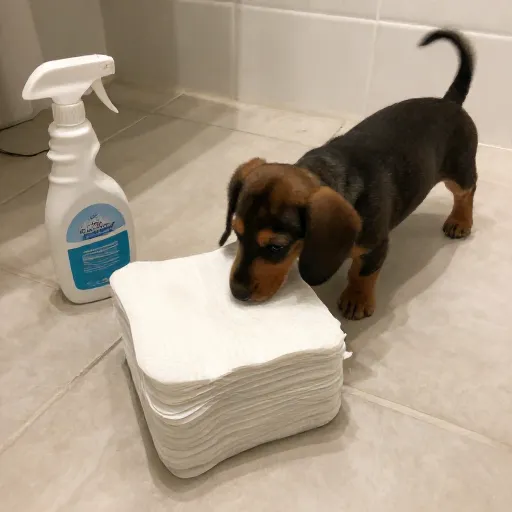
2. Pee Pads and a Solid Cleanup Kit
Accidents are going to happen. It’s not a matter of if, but when. Stock up on high-quality pee pads that have a sticky bottom so they don’t slide around. I also grabbed a few reusable ones for the car and the couch, which honestly saved my sanity.
You’ll also want an enzymatic cleaner that actually breaks down odors. Regular soap won’t cut it. If they can still smell it, they’ll keep going back to the same spot. I learned that the hard way with my living room rug.
Keep a dedicated roll of paper towels and a spray bottle near the door. Trust me, when your puppy does their business right after a walk, you’ll want everything within arm’s reach.
3. Durable Chew Toys for Teething Relief
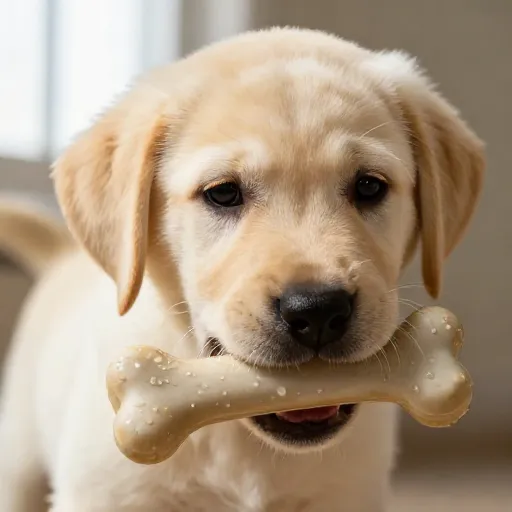
Puppies chew. A lot. And they don’t care if it’s a toy or your favorite sneakers. The secret is to offer them stuff that’s more appealing than your belongings. Look for rubber toys that are tough but gentle on baby teeth.
I recommend having a variety: one for chewing, one for tugging, and one that can be stuffed with treats or peanut butter. The stuffed ones are great for keeping them busy while you work or cook dinner. Freeze them for extra relief during teething.
Avoid toys that are too hard, like antlers or bones. They can crack those little puppy teeth. Stick to flexible rubber or soft rope toys until they’re older.
4. A No-Pull Harness Over a Collar
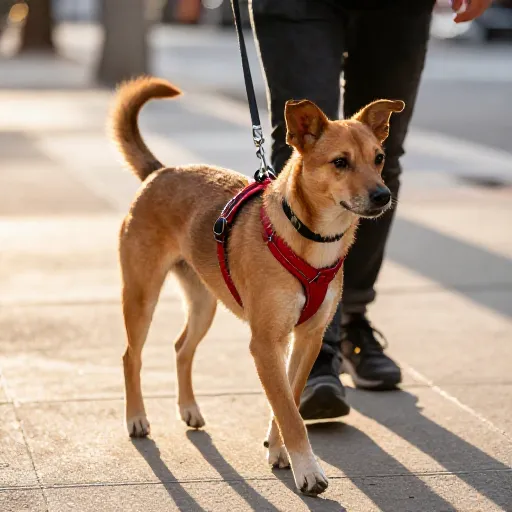
Collars are fine for ID tags, but for walks, a harness is a game-changer. Puppies have delicate necks, and pulling on a collar can cause serious issues. A no-pull harness distributes pressure evenly across their chest, which is way safer and more comfortable.
Look for one with a front clip option. It gently redirects them when they try to lunge or pull. I also love that harnesses make it harder for wiggly puppies to slip out and run off.
Start wearing it around the house before your first walk. Let them get used to the feeling. Pair it with treats, and they’ll associate the harness with good things.
5. Food and Water Bowls That Stay Put
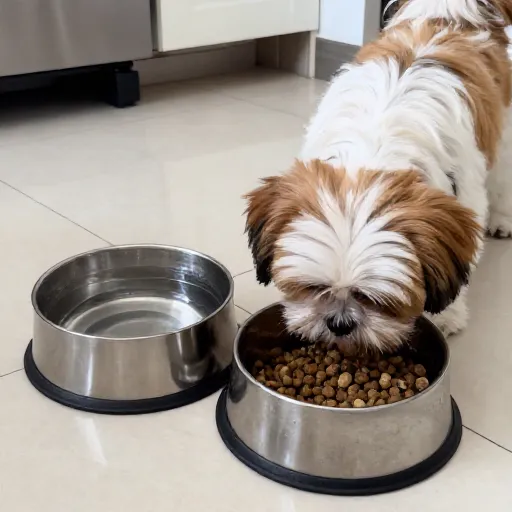
Puppies are messy eaters. They love to tip bowls over and splash water everywhere. Get a set of heavy ceramic or stainless steel bowls with a non-slip rubber base. This simple fix will save you from wiping the floor a thousand times a day.
If you have a fast eater, consider a slow feeder bowl. It makes mealtime last longer and helps prevent bloating. I also like elevated bowls for larger breeds—it’s easier on their joints as they grow.
Keep multiple water bowls around the house. One in the kitchen, one in the living room, and one in your bedroom. That way, they always have access to fresh water without you running around all day.
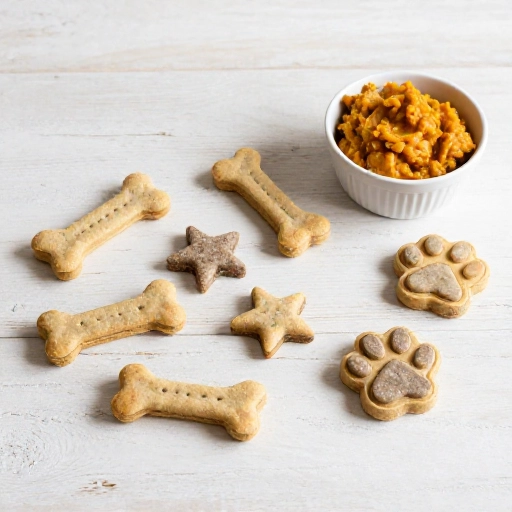
6. Soft and Absorbent Training Treats
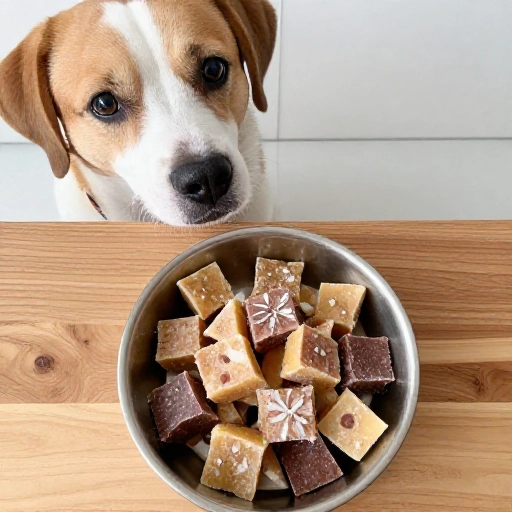
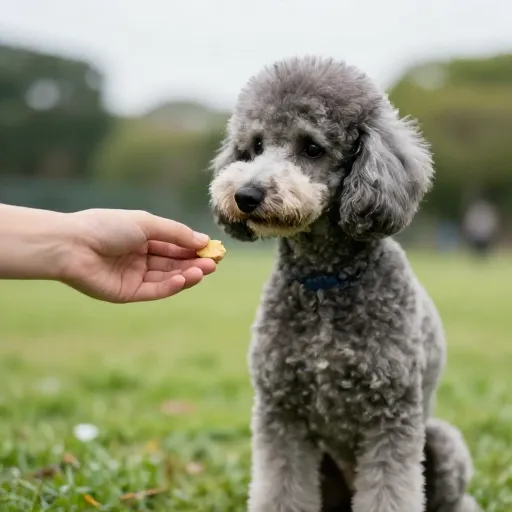
Training treats are a must-have, but not all treats are created equal. Look for soft, small bites that you can break into tiny pieces. You’ll be giving a lot of rewards during training sessions, so you don’t want to overfeed them.
I prefer treats with just a few simple ingredients. Avoid anything with too much sugar or fillers. You can even use small pieces of boiled chicken or cheese if your pup is food-motivated.
Keep a treat pouch on your waist during walks. It frees up your hands and makes it easy to reward good behavior instantly. That’s the key to faster training.
7. Grooming Tools for a Healthy Coat
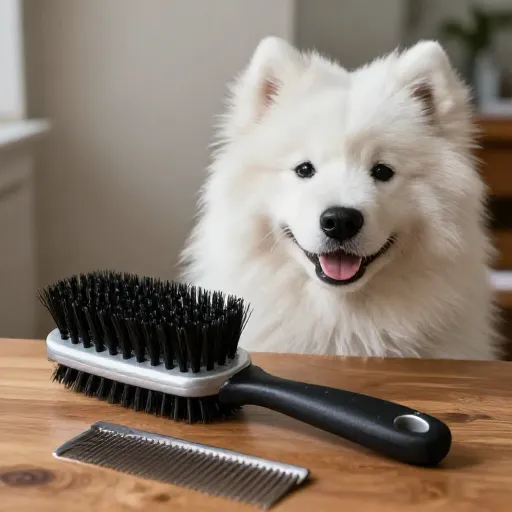
Grooming isn’t just about looking cute. It’s about keeping their skin and coat healthy. A good slicker brush and a metal comb are essential for removing loose fur and preventing mats. Even short-haired pups need regular brushing.
Start grooming sessions early, even if they don’t need it yet. It gets them used to being handled. Pair it with treats and gentle praise, and they’ll learn to enjoy the ritual. My puppy now falls asleep during brush time.
Don’t forget nail clippers. If you’re nervous, start with a grinder instead—it’s easier to control and less scary for both of you. Just go slow and reward them after each nail.
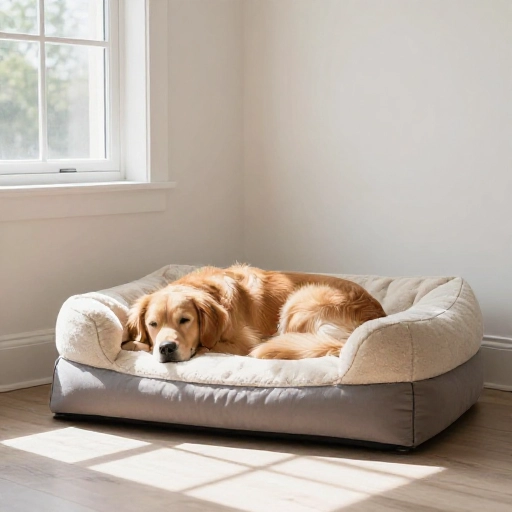
8. A Cozy Bed for Deep Sleep
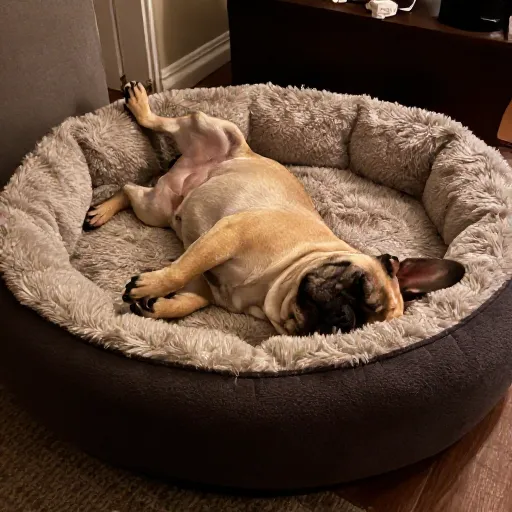
Puppies sleep a lot—up to 18 hours a day. They need a comfortable, supportive bed to recharge. Look for something machine washable because accidents happen, and muddy paws will find their way onto it.
I recommend a bed with a removable cover. It makes cleaning a breeze. Also, consider a bed with a raised edge. Puppies love to rest their heads on something, and it gives them a sense of security.
Get two beds if you can. One for the crate and one for the living room. That way, they always have a familiar spot to nap no matter where you are in the house.
9. Poop Bags and a Dispenser
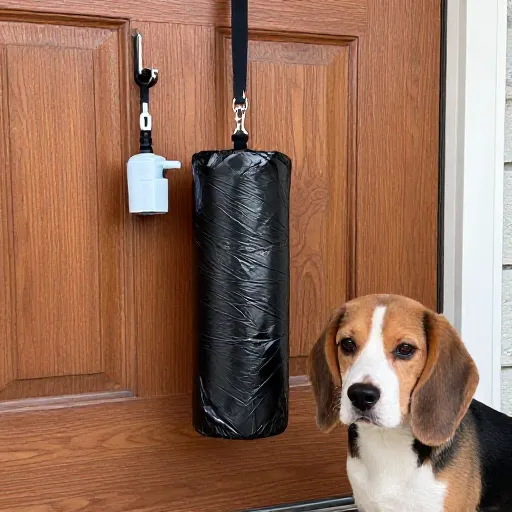
This one seems obvious, but you’d be surprised how often people forget. Always have a roll of poop bags attached to your leash. I keep a dispenser on every leash and one in my car. There’s nothing worse than a long walk with a full bag and no backup.
Choose biodegradable bags if you can. They’re better for the planet and just as sturdy. Also, look for opaque bags—nobody wants to see what’s inside, and it’s more discreet when you’re walking in public.
Keep a stash by the door too. When you’re rushing out for a walk, you’ll thank yourself for having them within arm’s reach.
10. ID Tag and Microchip Information
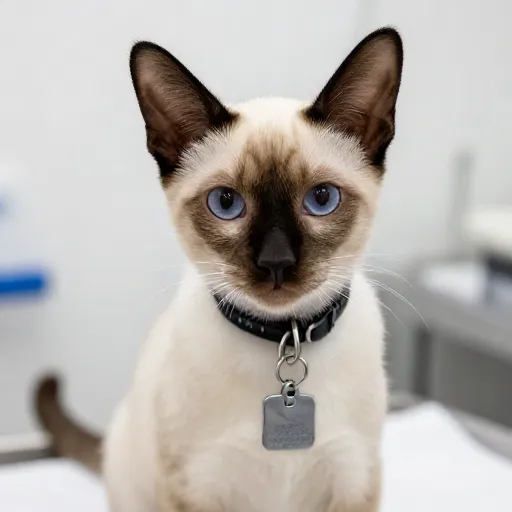
Safety first. Puppies are escape artists, and even the most careful pet parents have moments of panic. Get a sturdy ID tag with your phone number engraved on it. Attach it to their collar with a secure ring that won’t easily come off.
Microchipping is another layer of protection. It’s a quick, painless procedure that can be done at your vet’s office. Just make sure to register your contact info and keep it updated if you move.
Take a cute photo of your puppy every month. Not just for memories, but so you have an up-to-date picture in case they ever get lost. It’s a small step that gives you huge peace of mind.
Conclusion
Getting ready for a puppy doesn’t have to be stressful. With these must-have accessories, you’re setting yourself up for a smoother, happier journey together. Remember, your pup doesn’t need the most expensive stuff—they need your time, patience, and love.
Start with the basics and add more as you learn what works for your unique pup. Every dog is different, and that’s part of the fun. You’ll figure out their quirks, their favorite toys, and the spots they love to nap.
Enjoy every messy, chaotic, wonderful moment. The puppy phase goes by fast, and these little things will make it so much easier to soak it all in.
FAQ
How many toys should I get for my puppy?
Start with 5 to 7 different types of toys. This gives them variety without overwhelming them. Rotate toys every few days to keep things exciting.
When should I start crate training?
Start on day one. Introduce the crate slowly with treats and meals inside. Keep sessions short and positive. Your puppy will learn to love their crate as a safe space.
Should I get a puppy collar or harness first?
A harness is better for walks and everyday wear. Use a lightweight collar for ID tags. Avoid attaching a leash to a collar until they’re older and trained.
How often should I groom my puppy?
Brush them 2 to 3 times a week, even if their coat is short. Baths should be every 3 to 4 weeks, depending on their breed and activity level. Always use puppy-safe shampoo.
What’s the best way to potty train my puppy?
Consistency is key. Take them out every hour, after meals, and after naps. Use a cue word like “potty” and reward immediately. Watch for signs like sniffing and circling.