10 Safe Pet Friendly Yard Plants Your Furry Friends Will Love
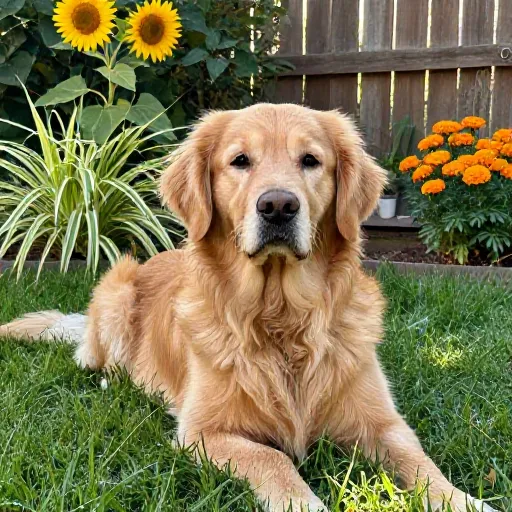
You know the feeling. You spend hours planting, watering, and dreaming of a lush garden, only to worry every time your dog sniffs a new leaf or your cat takes a curious nibble. I have been there, literally pulling plants out of my yard after my golden retriever, Max, decided to sample my new shrub.
Creating a beautiful, vibrant yard that is also a safe playground for your pets isn’t as hard as you think. You don’t have to choose between a stunning landscape and a happy, healthy pet. You just need the right plant picks.
I have gathered my top ten favorite, utterly pet-safe plants that are tough, gorgeous, and will keep your garden looking like a dream. Let’s dig into the plants that will make both you and your four-legged family members wag your tails.
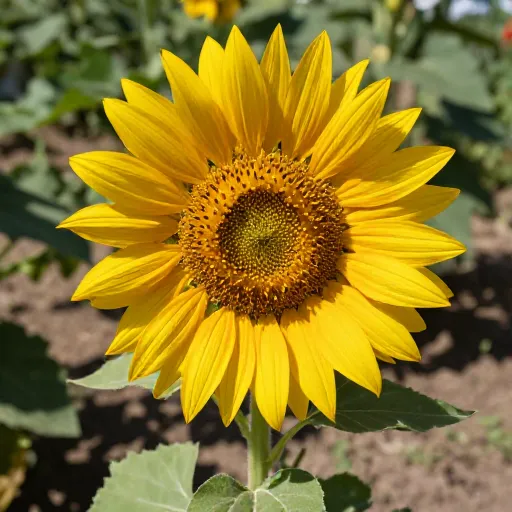
1. Sunflowers (Helianthus)
Nothing says happy like a giant sunflower turning its face to the sun. These cheerful giants are completely non-toxic to dogs, cats, and horses. My dog loves to walk right through the tall stalks in late summer, and I never have to panic.
They are also incredibly easy to grow from seed. Just poke a seed into some good soil, water it, and watch it climb. The petals are edible for humans too, but let your pets just enjoy looking at them.
Pro tip: Plant them in a border so they create a living, happy fence. Your pets can sniff them all they want without any worry.
2. Spider Plant (Chlorophytum comosum)
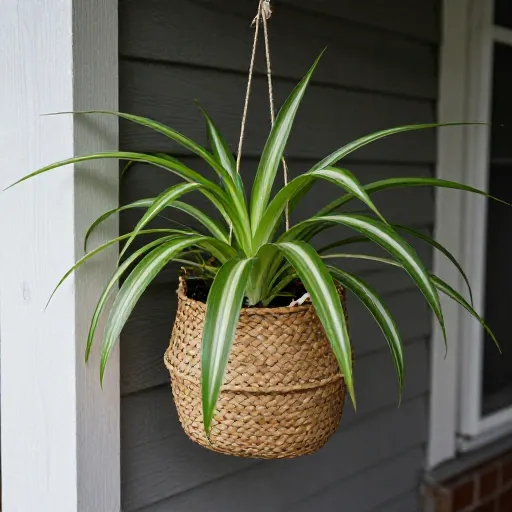
This is the houseplant that keeps on giving, and it is perfectly safe for curious cats. Spider plants are famous for their long, arching leaves and tiny baby plants that dangle down. My cat thinks those dangling babies are toys made just for her.
They prefer bright, indirect light and don’t need a ton of water. In fact, they are practically indestructible. If your pet knocks it over, just pop it back in the pot. It will forgive you instantly.
They are also great air purifiers. So you get cleaner air and a happy, entertained cat. A total win-win for indoor gardens or covered patios.
3. Blueberries (Vaccinium)
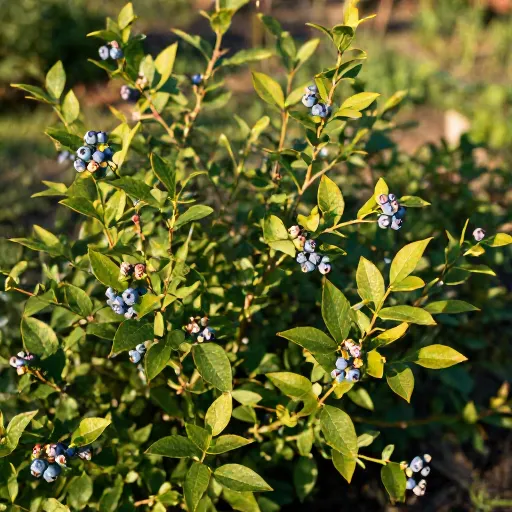
Why plant a decorative shrub when you can plant one that gives you snacks? Blueberry bushes are safe for pets and produce the most delicious summer berries. Your dog might even help you harvest the low-hanging fruit.
These bushes love acidic soil and full sun. They turn a stunning red in the fall, giving your yard year-round interest. Just be patient; they take a couple of years to really produce.
Make sure you don’t use any chemical pesticides on the berries if your dog is a grazer. A little organic fertilizer is all they need to thrive.
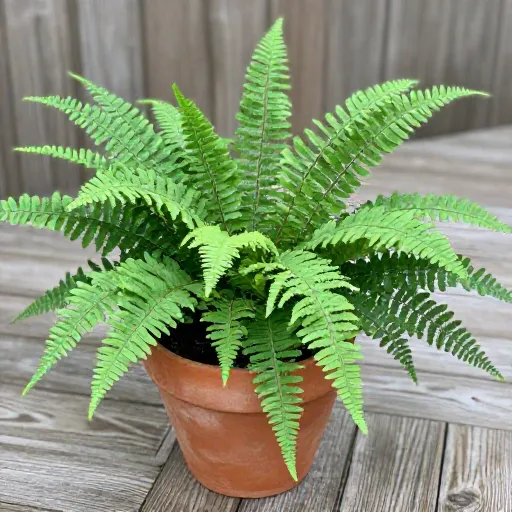
4. Boston Fern (Nephrolepis exaltata)
If you have a shady porch or a damp corner in your yard, the Boston fern is your best friend. It is lush, fluffy, and completely safe if your dog decides to dig through it or your cat takes a nap on top of it.
They love humidity and indirect light. I keep mine in hanging baskets so the fronds cascade down. My cat loves to bat at the leaves from below, and I never have to say “no.”
Keep the soil moist, but not soggy. Give it a good misting every few days, especially in dry climates, and it will reward you with vibrant green growth.
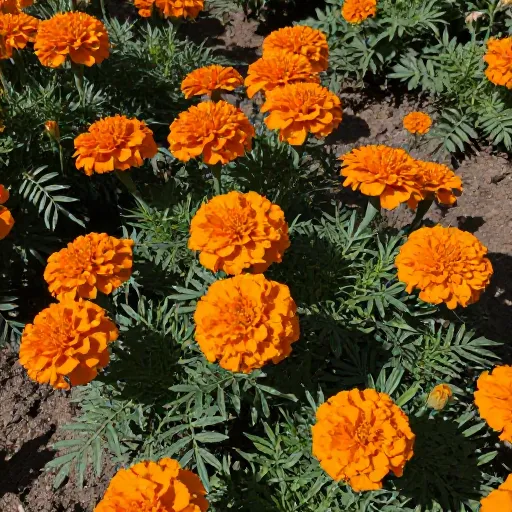
5. Marigolds (Tagetes)
Marigolds are the workhorses of the garden. They are bright, they bloom all summer, and they actually repel some garden pests. Plus, they are safe for pets. My dog loves to sniff the spicy-scented flowers.
Plant them around your vegetable garden to keep rabbits and deer away. They are tough as nails and thrive in full, hot sun. Deadhead them regularly to keep the flowers coming.
Just a heads up: if your pet eats a lot of them, they might get an upset tummy. But a little nibble is perfectly fine and non-toxic.
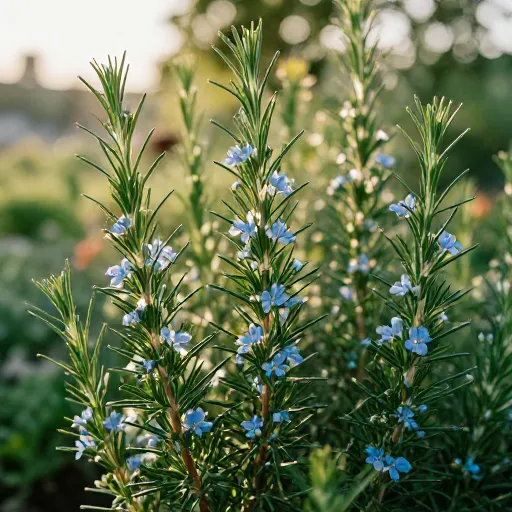
6. Rosemary (Salvia rosmarinus)
Rosemary is a hardy, fragrant herb that is totally safe for dogs and cats. It smells wonderful, looks great as a low hedge, and you can cook with it. It is the ultimate multi-tasker.
It loves full sun and well-drained soil. Once established, it is very drought-tolerant. My dog loves to walk through the bushes and smells like a roasted chicken for the rest of the day.
It is also a natural flea repellent. Some people even make a rosemary tea spray to use on their dogs’ coats. It is a safe, natural way to keep the bugs away.
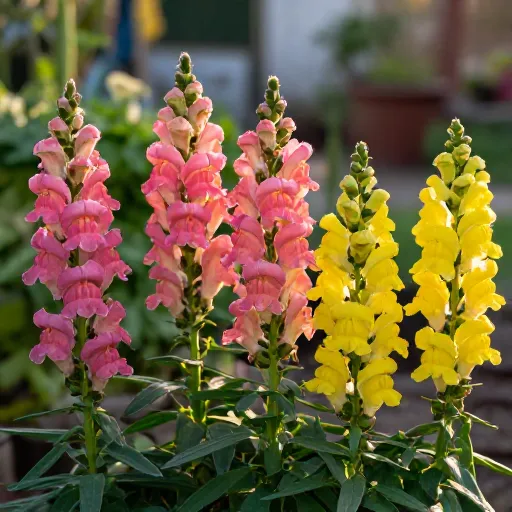
7. Snapdragons (Antirrhinum)
These old-fashioned flowers are pure charm. Their tall spikes of colorful blooms look like little dragon mouths. They are completely non-toxic to pets. My dog likes to gently “snap” the flowers with his nose.
They love cool weather, so plant them in early spring or fall. They come in every color you can imagine, from soft pastels to bright, bold reds and yellows. They are perfect for borders or containers.
Keep them well-watered and pinch off the spent blooms to encourage more flowers. They will bloom their hearts out until the summer heat gets too intense.
8. Creeping Thyme (Thymus serpyllum)
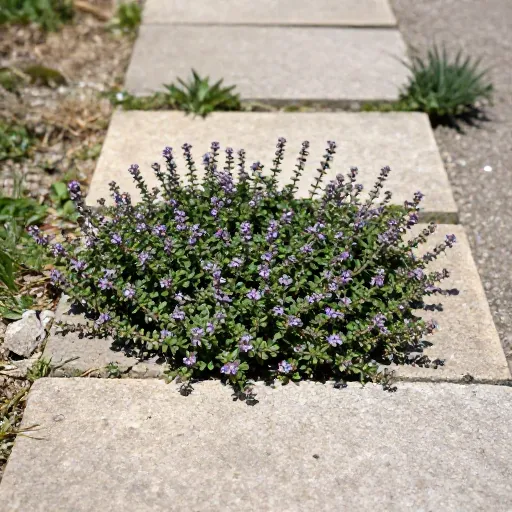
Forget grass in some areas. Creeping thyme is a low-growing, soft ground cover that smells amazing when you walk on it. It is safe for pets, tough enough to handle dog traffic, and blooms with tiny purple flowers.
It loves full sun and poor, well-drained soil. It is perfect for between stepping stones or as a lawn alternative in small areas. My dog loves to lie on it on warm days.
It is also drought-tolerant once established. You will hardly ever need to water it. Just give it a trim after it blooms to keep it looking tidy.
9. Calendula (Calendula officinalis)
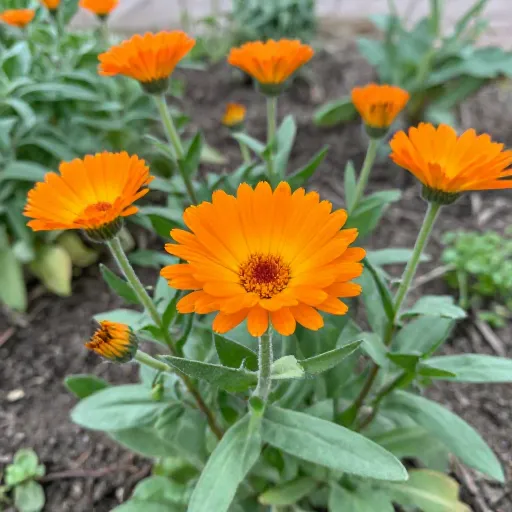
Also called pot marigold, this bright orange or yellow flower is a powerhouse. It is safe for pets and has amazing skin-healing properties. I have made a simple calendula salve for my dog’s dry paws.
They bloom from spring until the first frost if you keep them deadheaded. They love full sun but will tolerate a bit of shade. They also self-seed, so you might get surprise plants next year.
You can toss the petals in salads for yourself, but let your pets just enjoy the flowers in the garden. A happy, safe plant that gives back.
10. Catnip (Nepeta cataria)
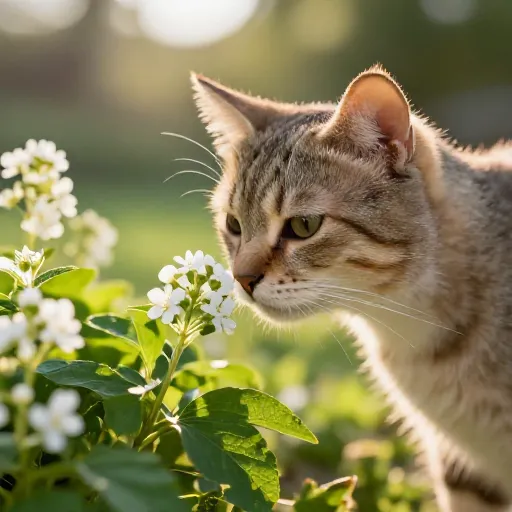
Okay, this one is a little cheeky. Catnip is perfectly safe for cats (and dogs, though they don’t react the same way). It is a member of the mint family and grows like a weed. My cat goes absolutely bonkers for it.
Plant it in a spot where your cat can roll around in it without destroying your other plants. It loves full sun and well-drained soil. It will spread, so give it some room or a container.
It is also a great plant for attracting bees and butterflies. So you get happy pollinators and a blissed-out cat. What more could you want?
Conclusion
Building a pet-safe garden isn’t about sacrifice. It is about making smart, beautiful choices that let your whole family enjoy the outdoors. Every single plant on this list is a joy to grow and completely worry-free.
Start with one or two this season. Add a sunflower, a rosemary bush, or some creeping thyme. Watch your pets explore without fear. You will feel such a sense of peace knowing your yard is a safe haven for everyone.
Your garden can be vibrant, fragrant, and full of life. Your pets will thank you for it.
Frequently Asked Questions
What should I do if my pet eats a plant I am unsure about?
First, stay calm. Remove any plant material from their mouth. Call your veterinarian or the ASPCA Animal Poison Control Center immediately. Have the plant name ready if you know it. Do not wait for symptoms to appear.
Are all ferns safe for pets?
No, not all ferns are safe. The Boston fern is safe, but the asparagus fern is toxic to cats and dogs. Always double check the scientific name of any fern before bringing it home. When in doubt, stick to the ones on this list.
Can I use mulch in a pet-friendly garden?
Yes, but choose wisely. Avoid cocoa bean mulch, as it smells like chocolate and is toxic to dogs if eaten. Pine bark, cedar chips, or rubber mulch are safer options. Keep an eye on your dog if they like to chew on wood.
My dog digs up everything. How do I protect these plants?
I feel your pain. Try planting in raised beds or sturdy containers. You can also use chicken wire laid flat over the soil and covered with mulch. Once the plants are established, your dog usually loses interest. Give them a designated digging spot too.
How can I train my cat to stay out of my houseplants?
It takes patience. Provide cat grass or catnip as a tempting alternative. Use citrus peels on the soil (cats hate the smell). You can also use motion-activated air cans to startle them gently. Cover the soil with large pebbles to discourage digging.