Your Complete Guide to the Shiba Inu Dog Breed
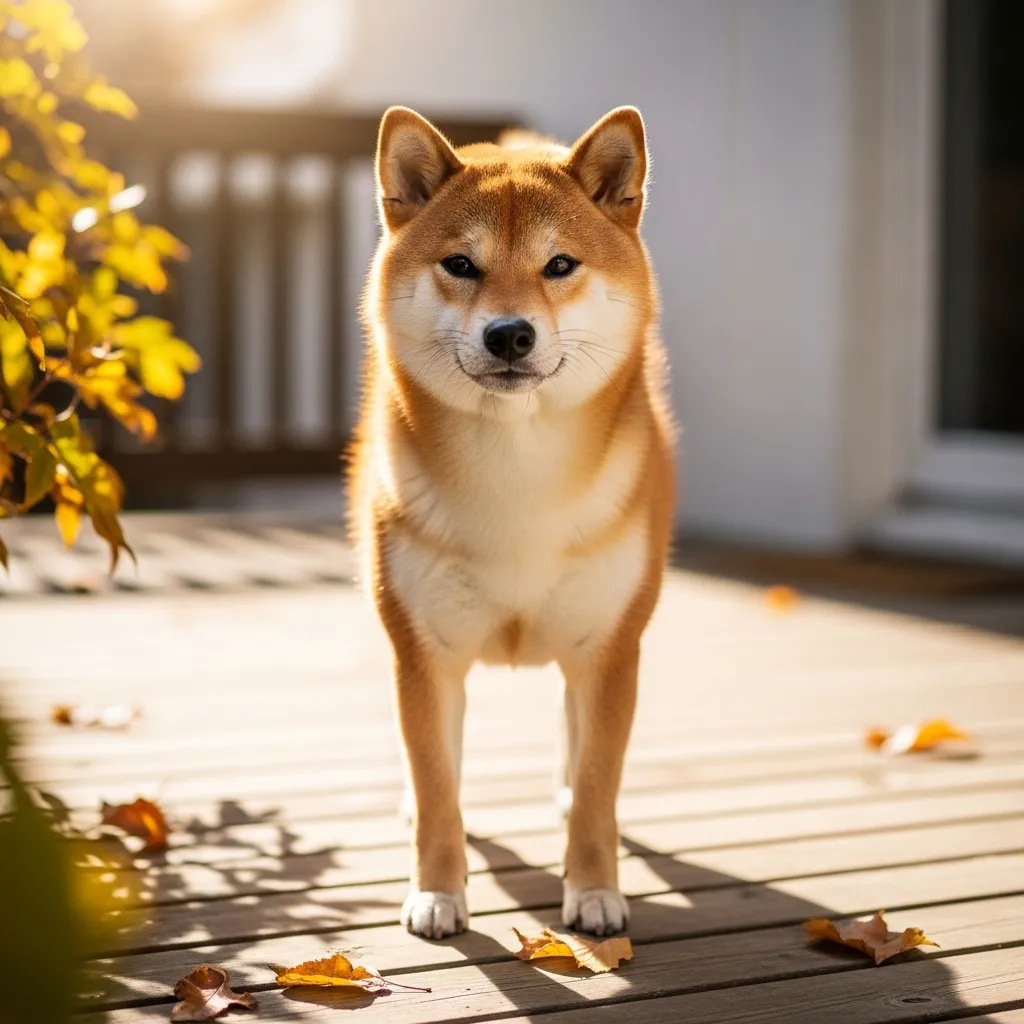
I remember the first time I saw a Shiba Inu. It was like spotting a little fox in the middle of the city—alert, poised, and incredibly charming. I was instantly hooked. This ancient Japanese breed has captured hearts worldwide, and it’s easy to see why. They’re compact, confident, and have a personality bigger than their sturdy frame.
But let’s be real: a Shiba Inu isn’t for everyone. They’re famously cat-like, fiercely independent, and have a stubborn streak a mile wide. I’ve learned that sharing your life with a Shiba is less about having a traditional “dog” and more about forming a fascinating partnership with a clever, four-legged individual. If you’re curious about what makes this breed so special, you’re in the right place.
This guide is everything I wish I’d known before welcoming a Shiba into my home. We’ll dive into their unique personality, care needs, and the realities of life with this captivating breed. Get ready to fall in love.
1. A “Little Brushwood Dog” with Ancient Roots
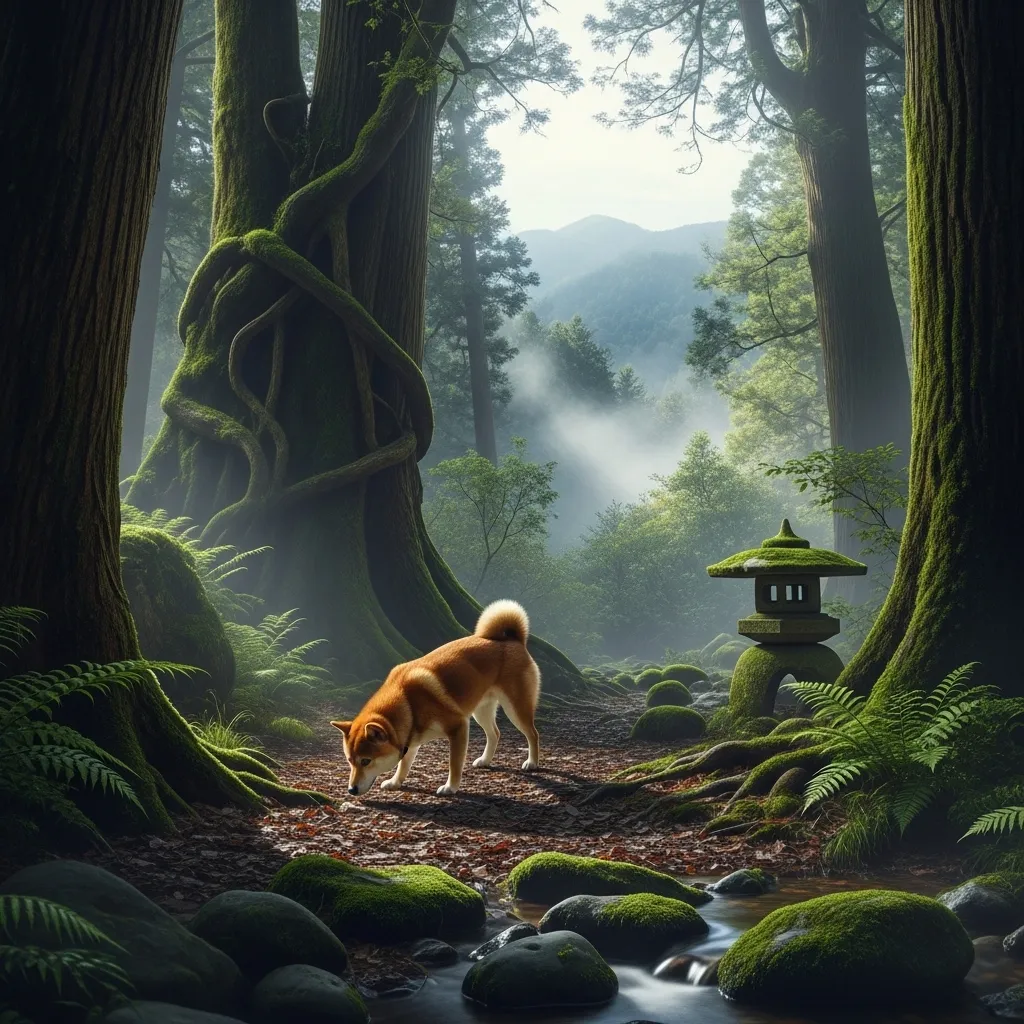
The Shiba Inu is one of Japan’s oldest and smallest native breeds. The name “Shiba” likely refers to the brushwood in the mountains where they hunted, or their reddish coat color resembling autumn leaves. For centuries, they were versatile hunters in Japan’s rugged terrain, flushing out birds and small game.
Their history is a story of survival. After World War II, the breed was nearly extinct. Dedicated breeders used the few remaining pure Shibas to revive the line, which is why all modern Shiba Inus descend from just three bloodlines. Knowing this deep history helps explain their strong, self-reliant spirit.
2. The Iconic “Shiba Stare” and Fox-Like Look
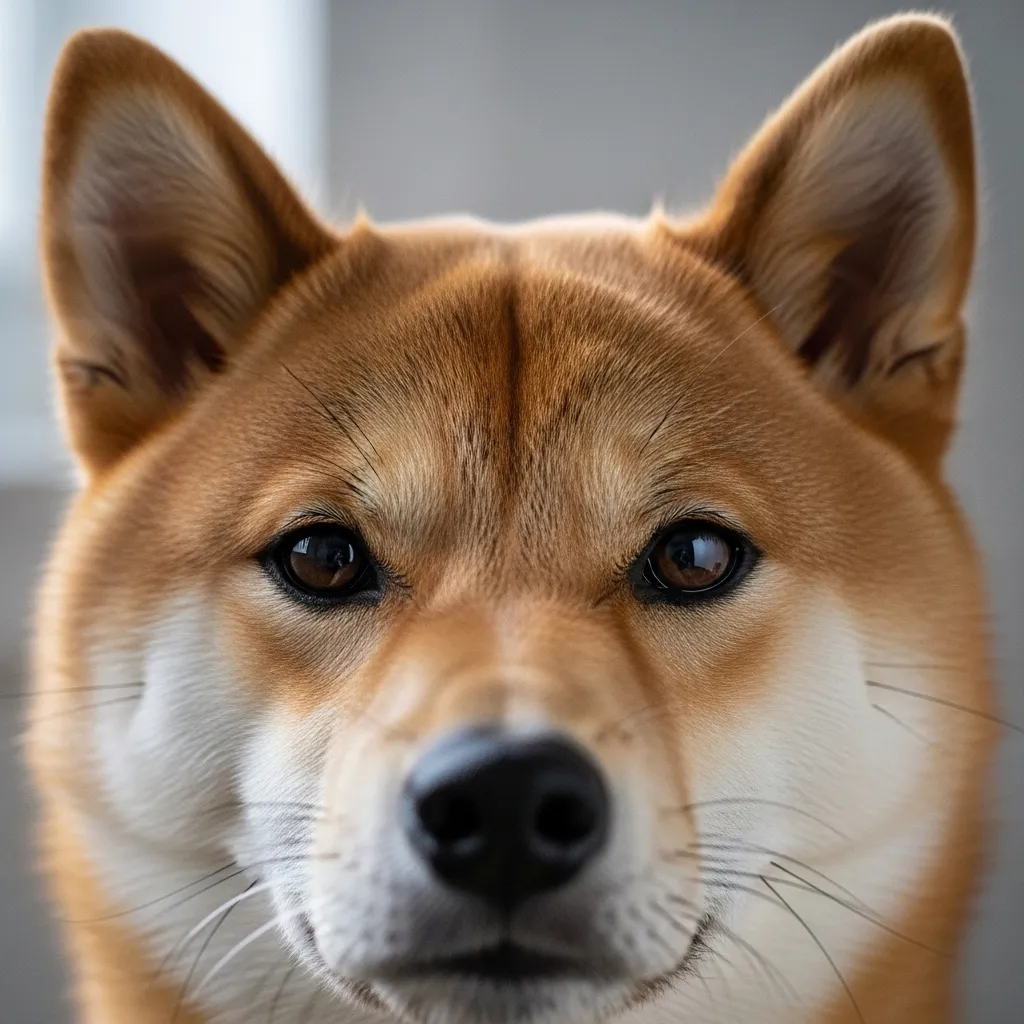
You can’t mistake a Shiba’s appearance. They have a foxy face with dark, alert eyes and small, triangular ears that are always perked up. Their signature curled tail rests over their back, and they carry themselves with a nimble, agile grace.
Coat colors are distinct and beautiful. You’ll find them in vibrant red (the most common), black and tan, sesame (a mix of red and black hairs), and the striking cream. Their double coat is plush and weather-resistant, designed for the cold Japanese mountains.
3. Personality: Cat Software on Dog Hardware
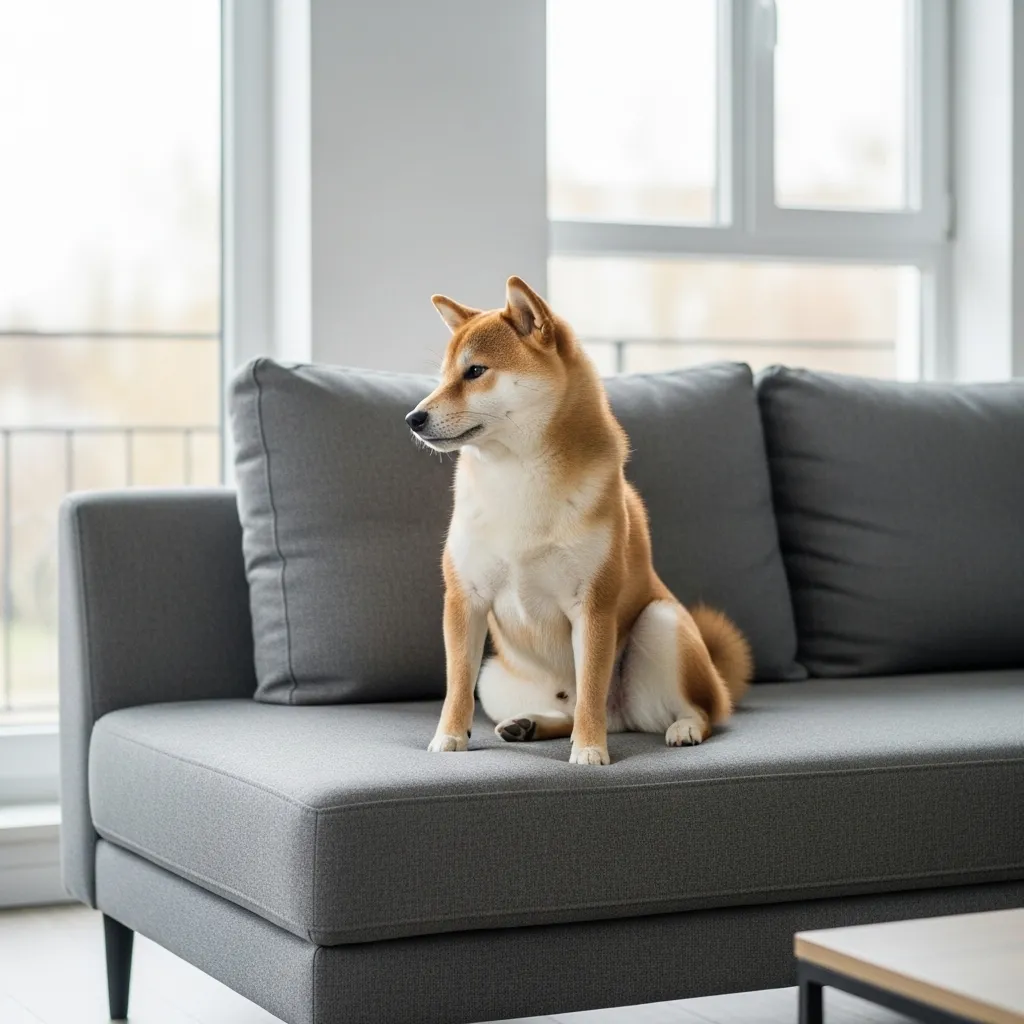
This is the best way I can describe a Shiba’s personality. They are incredibly clean, often grooming themselves like a cat. They’re aloof with strangers, deeply loyal to their family, and value their personal space. Don’t expect a slobbery, eager-to-please lapdog.
They are famously independent thinkers. My Shiba doesn’t come when called because she’s told to; she comes because she’s decided it’s a good idea. This intelligence and self-sufficiency mean they get bored easily and need mental stimulation just as much as physical exercise.
4. The Legendary “Shiba Scream”
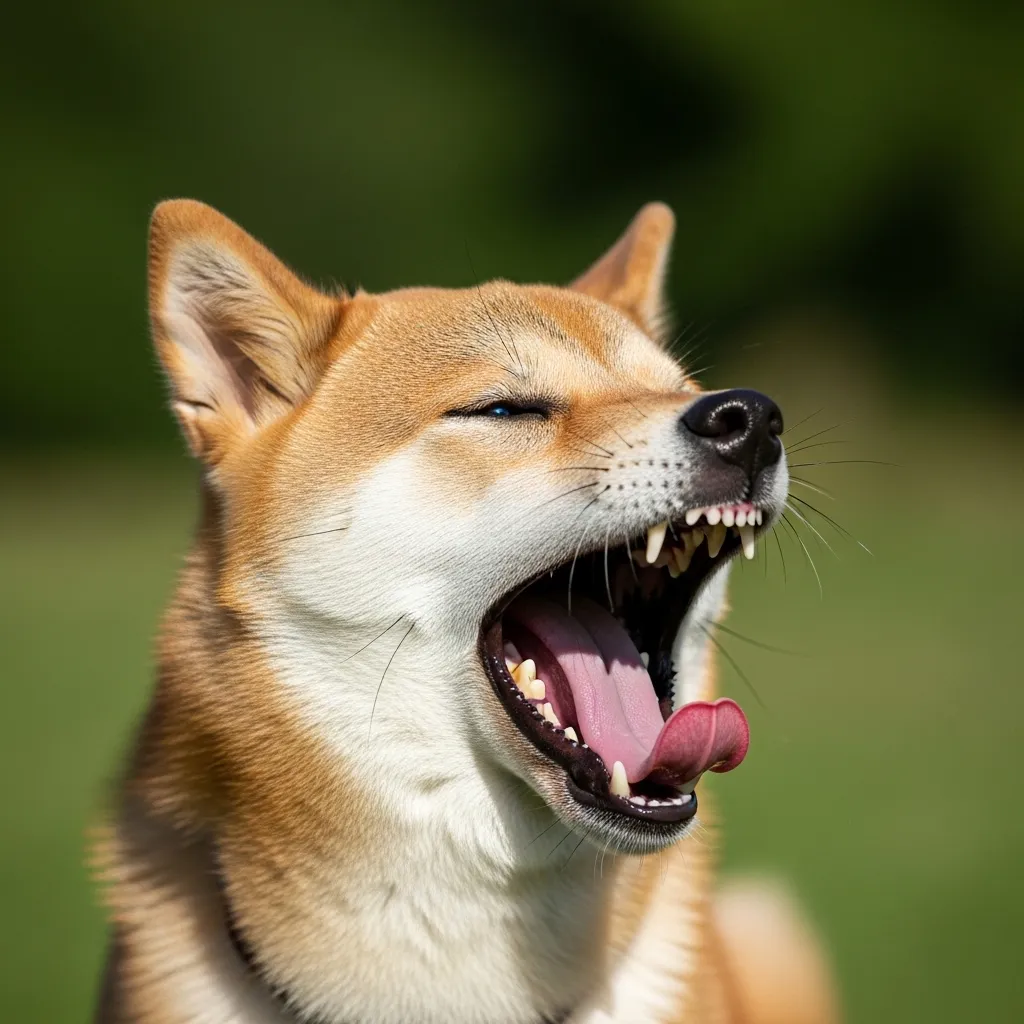
Be prepared for a unique vocal range! While not excessive barkers, Shibas have a whole repertoire of sounds. The most famous is the “Shiba Scream”—a high-pitched, dramatic cry they let out when they are supremely unhappy, overly excited, or being forced to do something they dislike (like a bath or nail trim).
They also “talk” with grumbles, whines, and happy little “aroo” sounds. It’s part of their huge personality and, once you get used to it, it’s one of their most endearing (and hilarious) traits.
5. Training: Patience is Your Best Tool
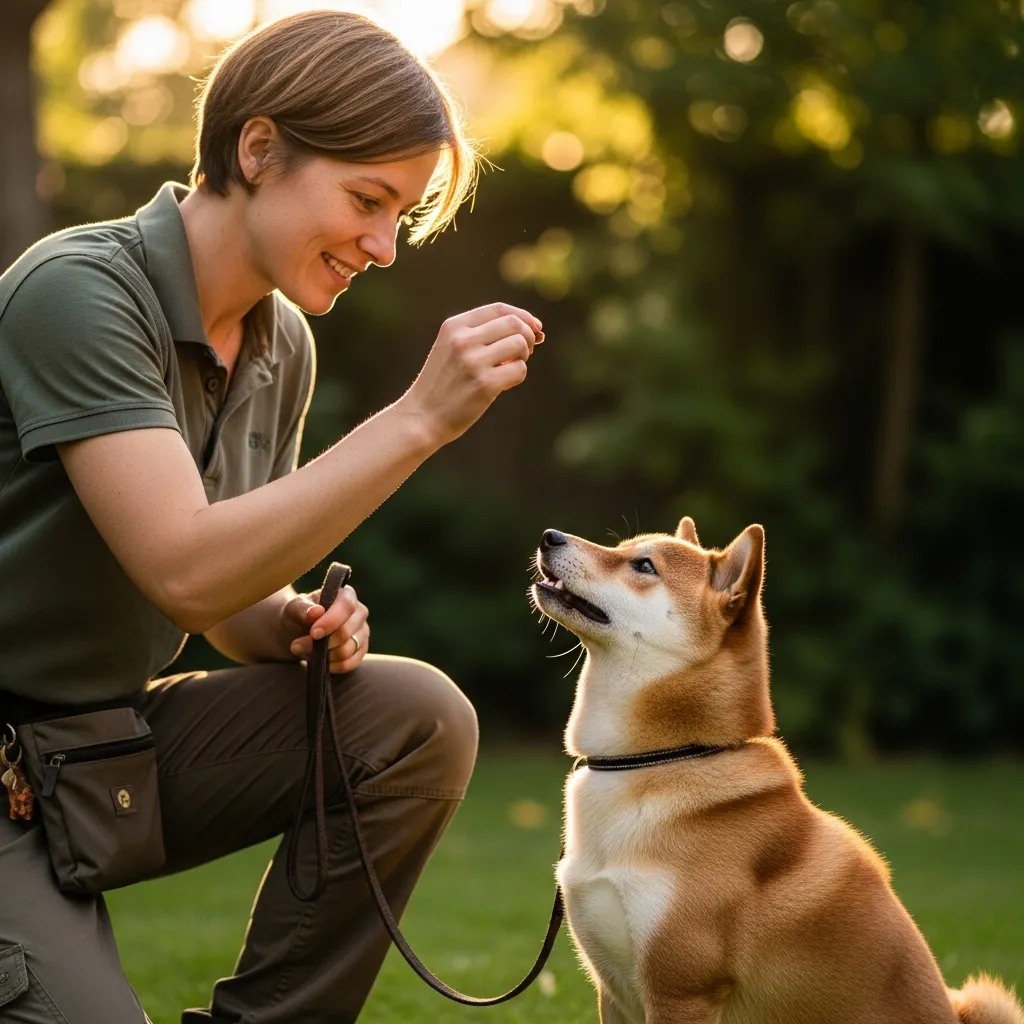
Training a Shiba Inu is an exercise in patience and creativity. They are highly intelligent and learn commands quickly, but they also question *why* they should obey. Repetitive drills will fail. You need to make training a fun game with high-value rewards.
- Use positive reinforcement only (treats, praise, play).
- Keep sessions short, fun, and consistent.
- Socialize them early and often with people, dogs, and new environments.
Their strong prey drive means a reliable recall is challenging. A securely fenced yard or leash is non-negotiable for safety.
6. Grooming: Manage the “Shiba Blow”
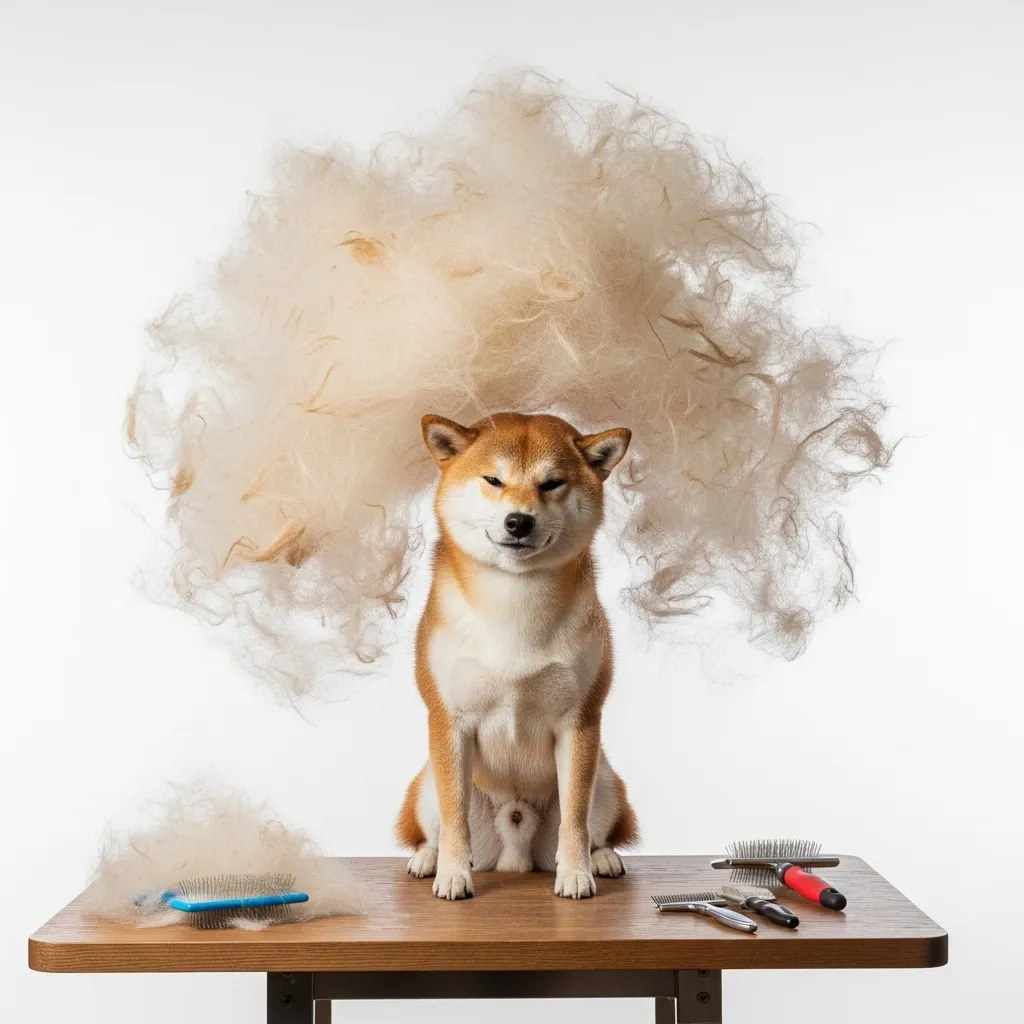
That beautiful double coat comes with a catch: epic shedding. For most of the year, weekly brushing is enough. But twice a year, during seasonal changes, they “blow” their entire undercoat. For 2-3 weeks, it will snow fur in your house.
During this time, daily brushing with an undercoat rake is a lifesaver. Beyond shedding, they are naturally clean dogs with little “doggy” odor. They rarely need baths, just regular nail trims, ear checks, and dental care.
7. Exercise Needs: Sprinter, Not a Marathon Runner
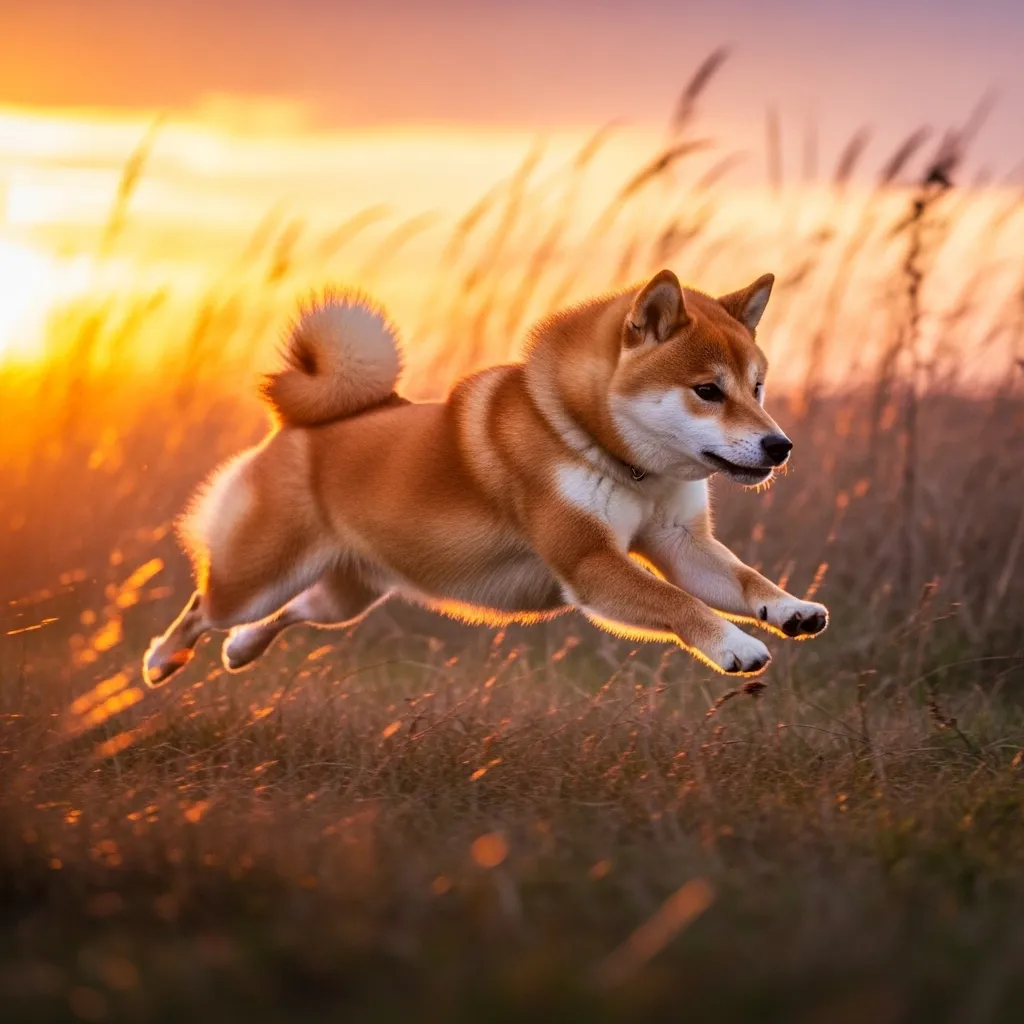
Shibas have bursts of incredible energy—the famous “zoomies”—followed by long periods of serene napping. A good daily routine includes a brisk walk or two and some active playtime in a secure area.
They excel at dog sports that engage their mind and body, like agility, nose work, or rally. A bored Shiba is a destructive Shiba, so puzzle toys and training games are essential to tire out their clever brains.
8. Health and Lifespan: A Generally Hardy Breed
Shibas are typically healthy, with a lifespan of 12-15 years. Like all purebreds, they can be prone to certain genetic conditions. Responsible breeders screen for these.
- Allergies: Skin and food allergies are common.
- Patellar Luxation: A slipping kneecap.
- Hip Dysplasia: Less common than in larger breeds.
- Eye Conditions: Such as glaucoma and cataracts.
Regular vet check-ups and a high-quality diet are key to a long, healthy life.
9. Are They Good with Kids and Other Pets?
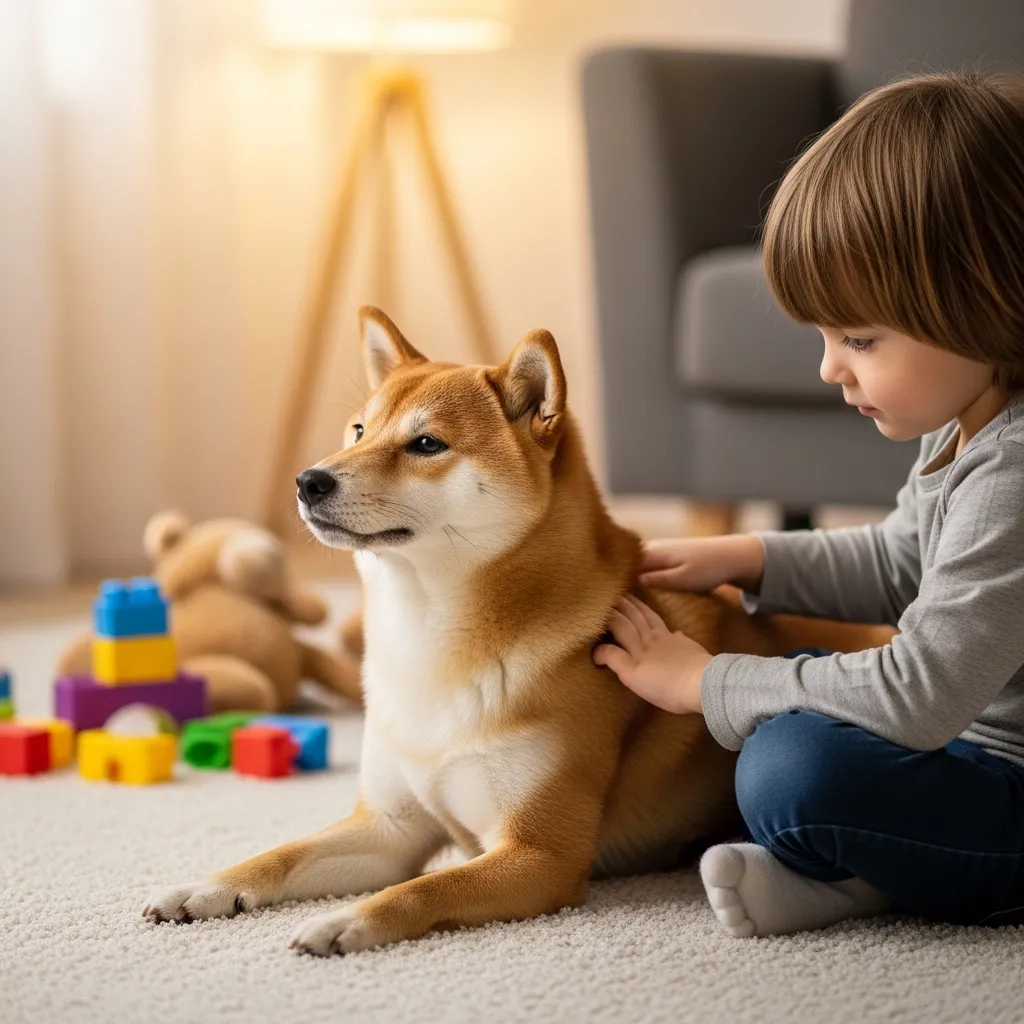
With proper socialization, Shibas can do well in families with respectful, older children. They have low tolerance for poking, prodding, or being treated like a stuffed animal. Always supervise interactions.
With other pets, it’s a mixed bag. Their high prey drive can make them a danger to small animals like cats, rabbits, or rodents. They can live with other dogs, especially if raised together, but same-sex aggression can occur. They often prefer to be the only pet.
10. Is a Shiba Inu the Right Dog for You?
Ask yourself these honest questions before getting a Shiba:
- Can I handle a stubborn, independent thinker?
- Do I have a secure, fenced yard and patience for leash training?
- Am I okay with significant seasonal shedding?
- Do I want a loyal companion, not a velcro dog?
- Can I commit to positive, engaging training for life?
If you answered yes, you might just be ready for the incredible, challenging, and utterly rewarding journey of life with a Shiba.
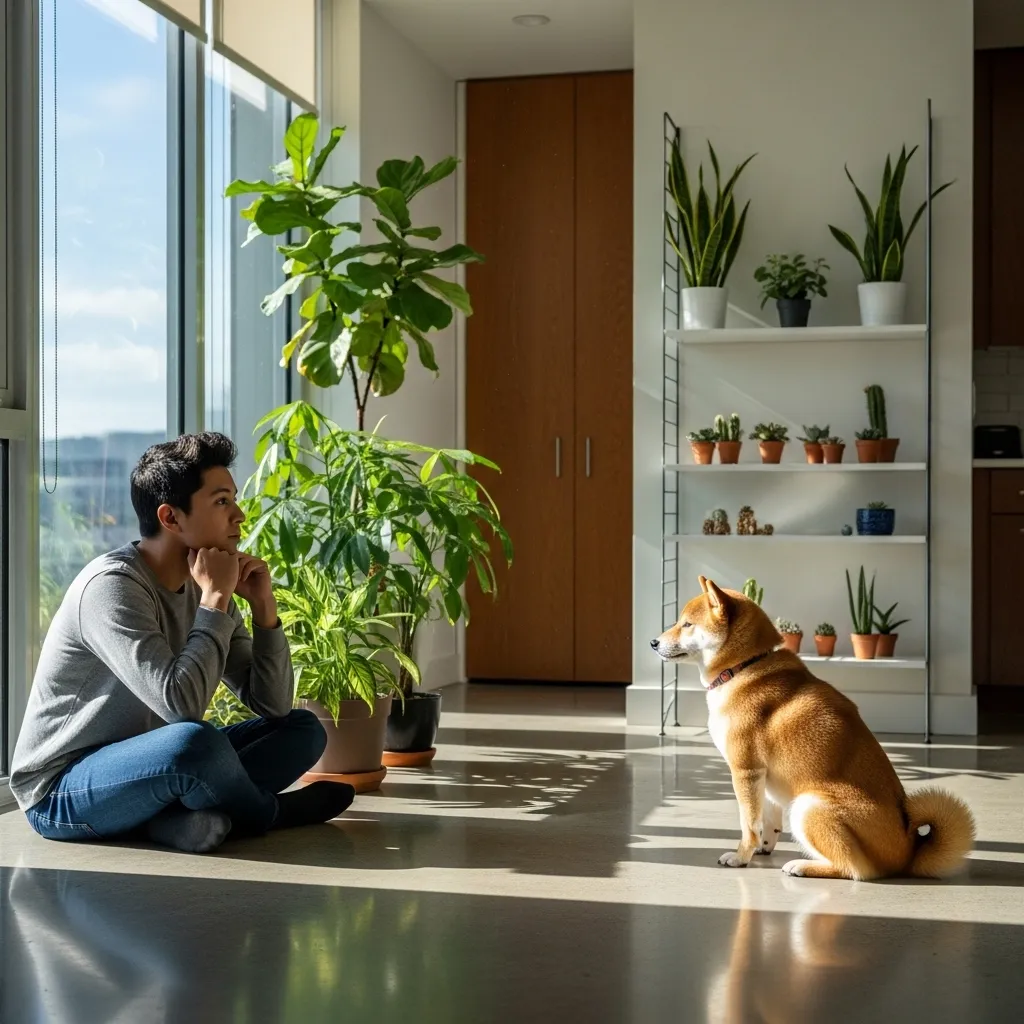
Conclusion: A Loyal Companion for the Right Person
Living with a Shiba Inu is a unique adventure. They won’t shower you with unconditional, slavish devotion. Instead, they offer a profound, earned respect and a bond built on mutual understanding. They are funny, dignified, messy, clever, and endlessly surprising.
They challenge you to be a better, more patient, and more observant dog owner. For the right person—someone who appreciates their fierce independence and fox-like beauty—a Shiba Inu isn’t just a pet; they’re a beloved, four-legged family member with a huge personality packed into a small, fluffy body.
Quick Shiba Inu FAQ
Q: Are Shiba Inus good apartment dogs?
A: Yes, surprisingly! They are quiet, clean, and adapt well to smaller spaces as long as their daily exercise and mental needs are met.
Q: How much do Shiba Inu puppies cost?
A>From a reputable breeder, expect $1,500 to $3,500. The price reflects health testing, proper care, and preserving the breed’s integrity. Always avoid puppy mills.
Q: Are they easy for first-time dog owners?
A>Generally, no. Their stubbornness and unique personality traits are often better handled by someone with some dog experience.
Q: Do Shiba Inus like to cuddle?
A>On their own terms! They show affection by being near you, not necessarily on you. You might get a cozy snuggle session, but it will be because they decided it’s time.
Q: Why are they so popular online?
A>Their expressive faces, dramatic reactions (like the Scream), and cat-like antics make for perfect, shareable memes and videos, like the famous “Doge” meme.