Simple Dog Dental Care Tips for a Happier, Healthier Pup

I used to think dog breath was just something you lived with—part of the package of having a furry best friend. Then my vet showed me the plaque buildup on my dog’s back teeth, and I realized I had been ignoring something really important. Dental health isn’t just about fresh kisses; it affects their heart, kidneys, and overall happiness.
Taking care of your dog’s teeth doesn’t have to be a chore or a stressful battle. With a few simple tricks and a little consistency, you can make dental care a normal part of your routine. Here are the tips that actually worked for me and my pup.
1. Start Slow with Toothbrushing
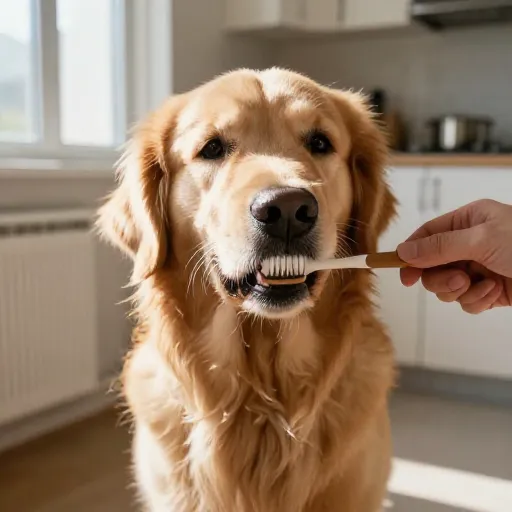
If your dog has never had their teeth brushed, do not just shove a brush in their mouth. That’s a recipe for fear. Start by letting them taste the toothpaste (use dog-safe enzymatic paste, not human toothpaste). Let them lick it off your finger for a few days.
Next, gently lift their lip and rub the paste on their teeth with your finger. Once they’re comfortable, introduce a soft-bristled dog toothbrush. Keep sessions short—30 seconds is plenty. Praise them like they just won an award.
I promise, most dogs get used to it faster than you think.
2. Try Dental Chews That Actually Work
Not all chews are created equal. Look for ones with the Veterinary Oral Health Council (VOHC) seal. These are proven to reduce plaque and tartar. I keep a stash of these for days when we skip brushing.
Give the chew after a meal, not on an empty stomach. And always supervise—no one wants a choking hazard. My dog thinks these are treats, so it feels like a reward, not a chore.
Just remember, chews are a helper, not a replacement for brushing.

3. Add a Water Additive for Extra Help
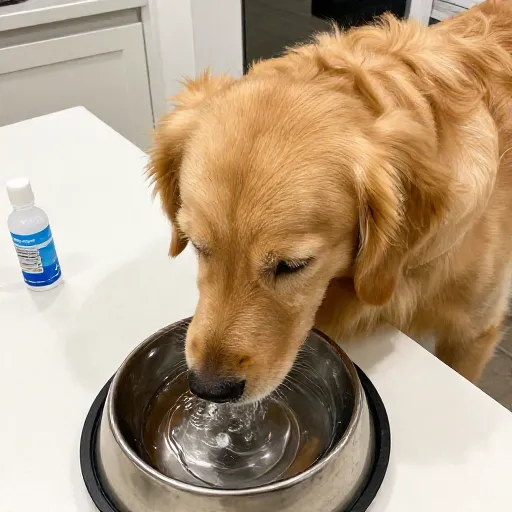
This was a game-changer for me. You just add a small amount of an enzymatic water additive to your dog’s water bowl. It helps break down plaque while they drink. No taste, no extra work.
Change the water daily and wash the bowl to keep it fresh. It’s not a magic fix, but it’s a great backup for busy days. I use it alongside brushing, and I’ve noticed less buildup at vet checkups.
Easy wins are the best wins.
4. Don’t Forget the Back Teeth
Those big molars in the back are where tartar loves to hide. Most of us focus on the front teeth because they’re easier to reach. Make a conscious effort to angle the brush toward the back.
You might need a longer-handled brush to get back there comfortably. If your dog resists, go slowly and offer tiny treats after each try. The back teeth matter a lot—they do most of the chewing.
Think of it as the deep clean zone.
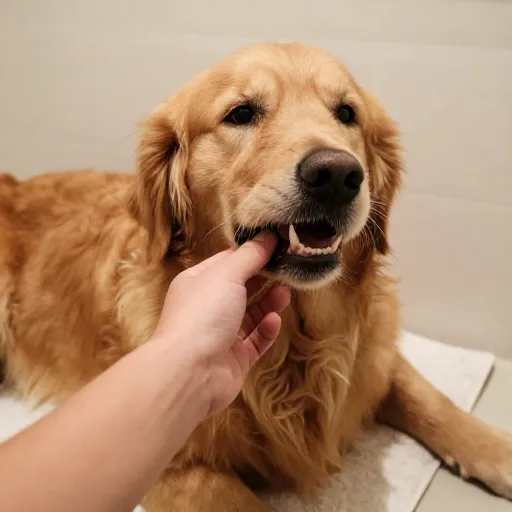
5. Use Finger Brushes for Nervous Dogs
Some dogs hate the feel of a plastic brush handle. A silicone finger brush slides right onto your finger and feels more like a gentle rub. It’s less intimidating for them and gives you better control.
I started with a finger brush for my rescue dog, who was terrified of anything in her mouth. After a week, she stopped flinching. Now we’ve graduated to a regular brush, but I still keep the finger brush as a backup.
Meet your dog where they are.
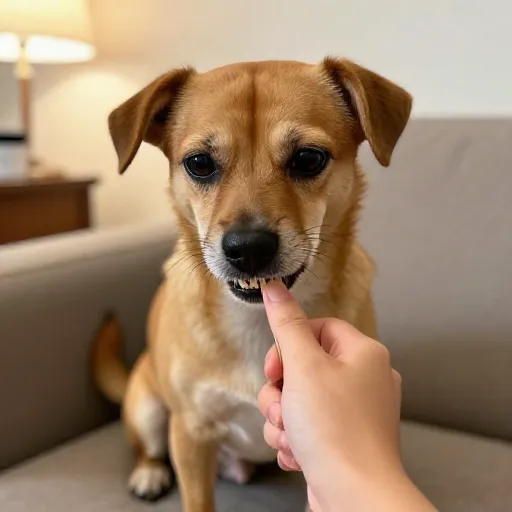
6. Make It Part of Your Evening Routine
Consistency beats intensity. Pick a time that’s already calm—right before their last walk or after dinner. Pair it with something they love, like a belly rub or a small treat afterward.
Soon, your dog will start to expect it. My dog now sits by the bathroom door when she sees me grab the toothpaste. It’s just part of our wind-down time together.
Routine makes everything easier for both of you.
7. Watch for Red Flags Between Vet Visits
You know your dog best. If you notice bad breath that smells like garbage, red or swollen gums, drooling more than usual, or if they start dropping food while eating, something might be off.
Also check for loose teeth or lumps in the mouth. Catching problems early can save your dog pain and save you a big vet bill. I once ignored a little redness, and it turned into a tooth extraction. Never again.
Trust your gut—if something seems wrong, get it checked.
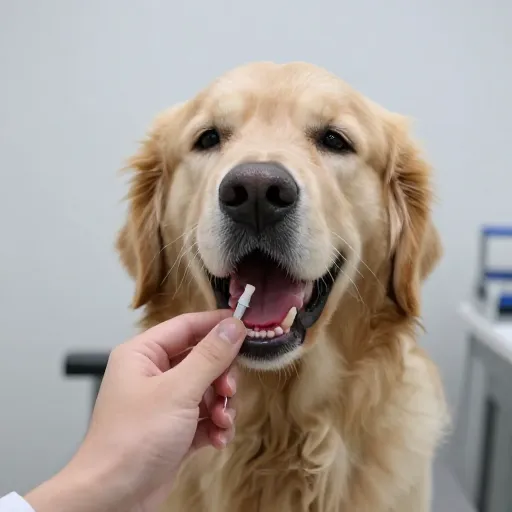
8. Give Raw Bones the Right Way
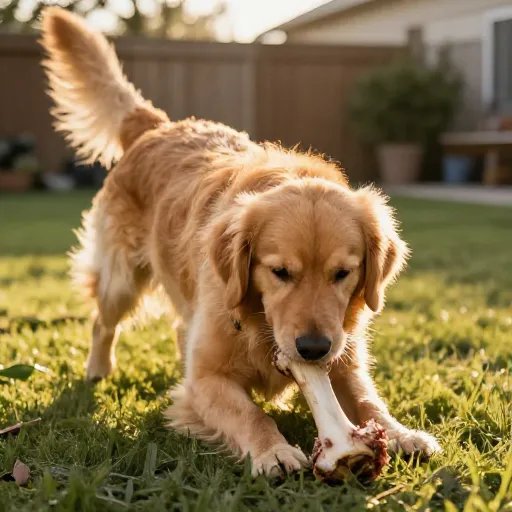
Raw meaty bones can help scrape off plaque naturally. But never give cooked bones—they can splinter and cause serious internal damage. Stick to raw bones from the butcher or pet store, and always supervise.
Limit bone time to 10–15 minutes a few times a week. Too much can wear down teeth or cause stomach upset. And always pick a bone that’s bigger than your dog’s mouth to prevent swallowing.
It’s messy, but my dog’s teeth have never looked cleaner.
9. Try Dental Wipes for a Quick Clean
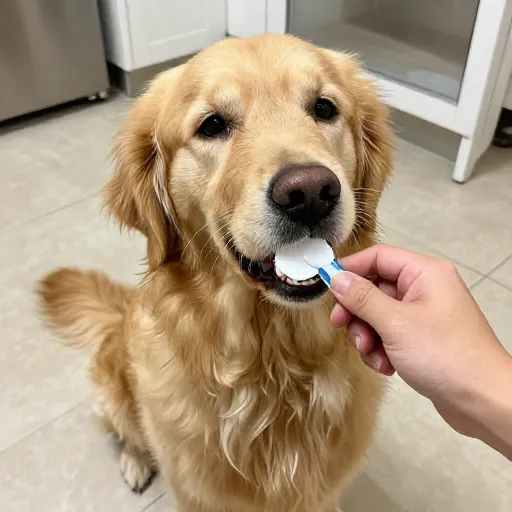
On days when brushing feels like too much—maybe you’re tired or your dog is grumpy—dental wipes are a lifesaver. Just wrap one around your finger and wipe down the teeth and gums.
They’re pre-loaded with enzymes that fight plaque. They’re not as thorough as brushing, but they’re way better than doing nothing. I keep a pack in the car and one in the living room for lazy evenings.
Progress, not perfection.
10. Schedule a Professional Dental Cleaning
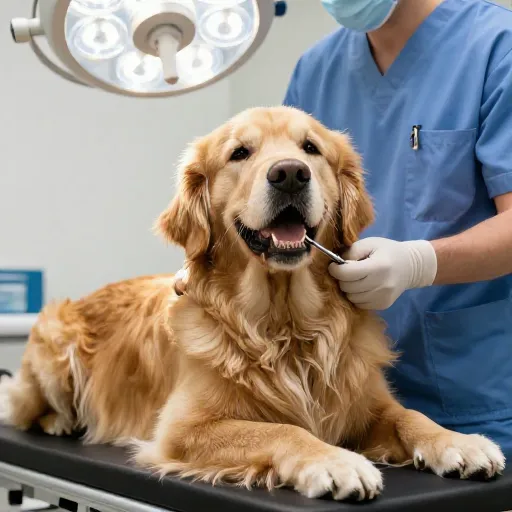
Even with the best home care, your dog will probably need a professional cleaning at some point. This is done under anesthesia, so the vet can clean below the gumline where brushing can’t reach.
Don’t skip it. I used to worry about anesthesia, but modern vet medicine is very safe. The cleaning prevents serious issues like gum infections and tooth loss. Ask your vet how often your dog needs one—usually every 1 to 2 years.
It’s an investment in their long-term health.
Conclusion: Small Steps Make a Big Difference
Dog dental care doesn’t have to be perfect or stressful. Start with one tip—maybe the water additive or a finger brush—and build from there. Your dog doesn’t need a flawless routine; they just need consistent, gentle care.
Every little bit helps. Brushing once a week is better than never. A dental chew is better than a rawhide. And your dog will thank you with healthier teeth, fresher breath, and more happy years by your side.
Frequently Asked Questions
How often should I brush my dog’s teeth?
Ideally every day, but even 3–4 times a week makes a big difference. Start with what you can manage and increase from there.
Can I use human toothpaste for my dog?
No. Human toothpaste contains xylitol, which is toxic to dogs, and fluoride that can upset their stomach. Always use dog-specific enzymatic toothpaste.
What if my dog won’t let me brush their teeth?
Go slower. Use a finger brush or dental wipes first. Let them taste the toothpaste. Pair it with treats. Some dogs take weeks to get comfortable, and that’s okay.
Are dental bones safe for puppies?
Most dental chews are designed for adult dogs with full teeth. For puppies, stick to gentle brushing and soft chews. Ask your vet for age-appropriate options.
Do I really need to take my dog for professional cleanings?
Yes, if your vet recommends it. Home care can’t reach below the gumline. Professional cleanings prevent serious dental disease and can save you money on bigger treatments later.