How to Make Cat Gravy Your Feline Will Obsess Over
Let’s be honest—cats are picky. One day they love their food, the next they turn their nose up. I’ve been there, staring at a half-eaten bowl, wondering what went wrong. That’s when I started making cat gravy.
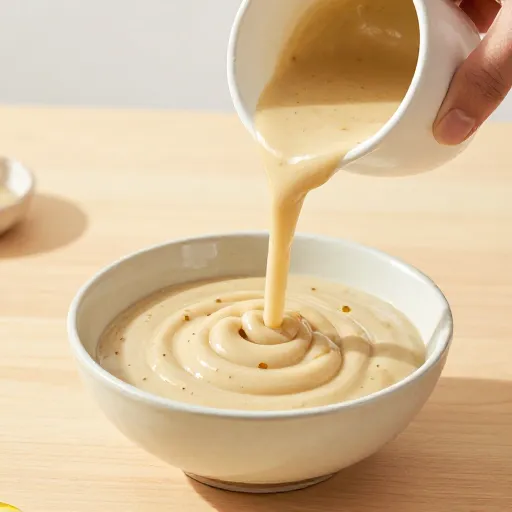
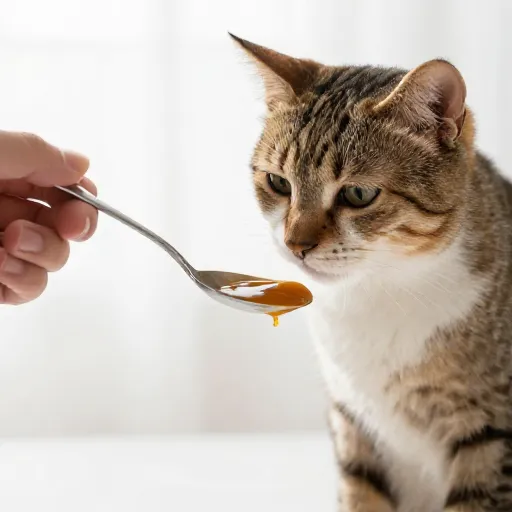
Cat gravy is a simple, savory liquid you can pour over dry kibble or mix into wet food. It’s not just about taste—it adds moisture, which is great for cats who don’t drink enough water. Plus, it makes every meal feel special.
I’ll walk you through how to make cat gravy at home with easy ingredients you probably already have. No fancy tools, no stress. Just happy cats and full bowls.
Why Make Homemade Cat Gravy?
Store-bought gravies often have salt, preservatives, and weird fillers. Homemade gives you control. You know exactly what goes in—real meat, safe broth, nothing sketchy.
It’s also cheaper. One batch lasts a few days in the fridge or longer in the freezer. And honestly, watching your cat lick the bowl clean is worth the ten minutes it takes to make.
Bonus: it’s a lifesaver for senior cats or picky eaters who need extra hydration.
Simple Chicken Cat Gravy
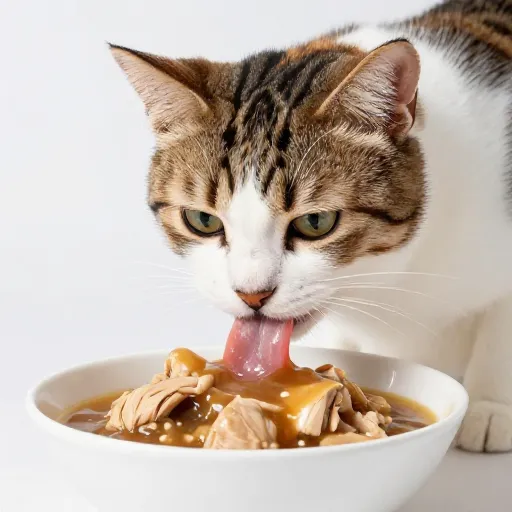
Chicken is the safest bet for most cats. It’s mild, familiar, and hard to resist. Here’s how I make mine.
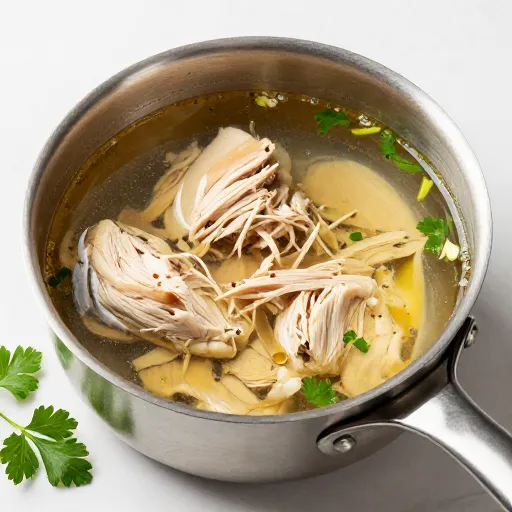
Simmer a boneless, skinless chicken breast in water for about 15 minutes. Remove the chicken, shred it for later (great as a topping), and let the liquid cool. That’s your base.
Pour a small amount over dry food. You can also blend the cooked chicken with some broth for a thicker gravy. No salt, no seasoning—just pure chicken goodness.
Fish Flavor Cat Gravy
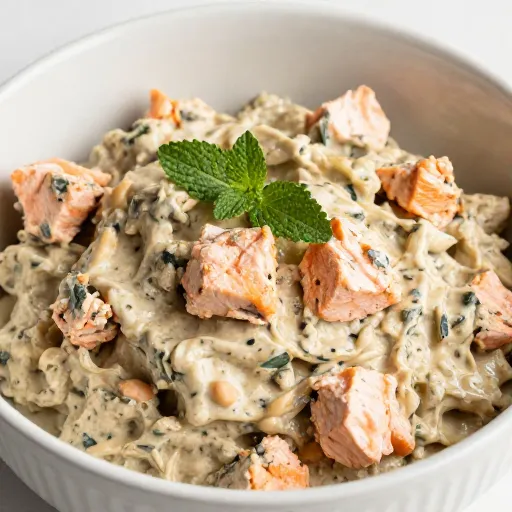
Some cats go crazy for fish. I use a small can of tuna in water (no salt added) or a piece of salmon. Drain the liquid—that’s your instant gravy.
If you want more, poach a small piece of white fish like cod in water for 5 minutes. Mash it into the water and let it cool. It smells strong, but your cat will purr the whole time.
Just keep fish as an occasional treat—too much can cause tummy trouble or pickiness.
Beef Broth Cat Gravy
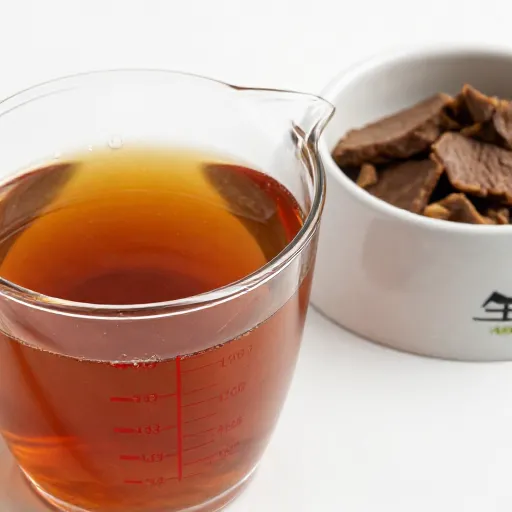
Beef gives a rich flavor that many cats love. I use a small piece of lean beef stew meat. Simmer it in water for 20 minutes until the water turns golden-brown.
Strain out the meat (you can chop it fine for a treat later) and let the broth cool. Skim off any fat—cats don’t need greasy gravy.
This one is great for winter days or when you want to warm up your cat’s meal a little.
Using Low-Sodium Broth as a Base
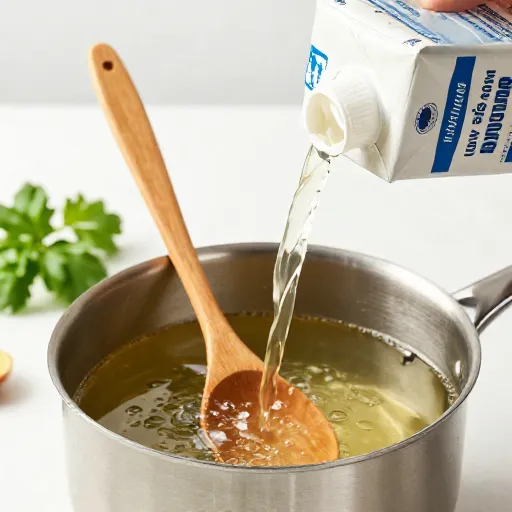
Short on time? Low-sodium chicken or beef broth works perfectly. Just read the label—no onion, no garlic, no added salt.
Warm a quarter cup in a pan. Add a tiny bit of plain gelatin (unflavored, unsweetened) to thicken it. Stir until dissolved, then cool. It turns into a silky gravy.
Store-bought broth is a great shortcut, but always double-check ingredients. Cats are small, and even a little onion powder can be harmful.
Thickening Cat Gravy Naturally
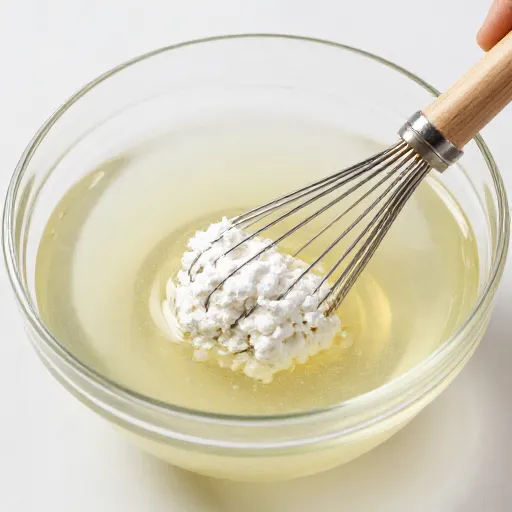
Some cats like a thin broth, others want a thick, lickable gravy. You can adjust easily. I use plain gelatin or a sprinkle of psyllium husk powder.
Gelatin gives a smooth texture. Start with half a teaspoon per cup of liquid. Psyllium adds fiber, which helps digestion. Both are safe in small amounts.
Never use flour or cornstarch—cats can’t digest them well. Stick to natural thickeners.
How to Serve Cat Gravy
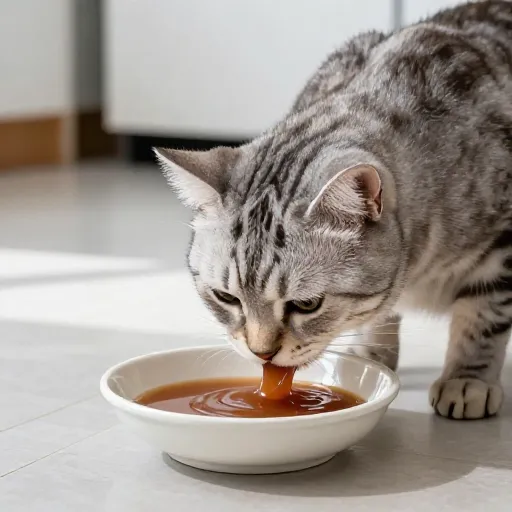
Gravy is versatile. I pour it over dry kibble to soften it up for my older cat. For my younger one, I mix it into wet food to boost moisture.
You can also freeze gravy in ice cube trays. Pop out a cube, thaw it in the fridge overnight, and you have instant gravy anytime.
Always serve it at room temperature or slightly warm. Too hot can burn their mouth, too cold might turn them away.
Storing Your Homemade Cat Gravy
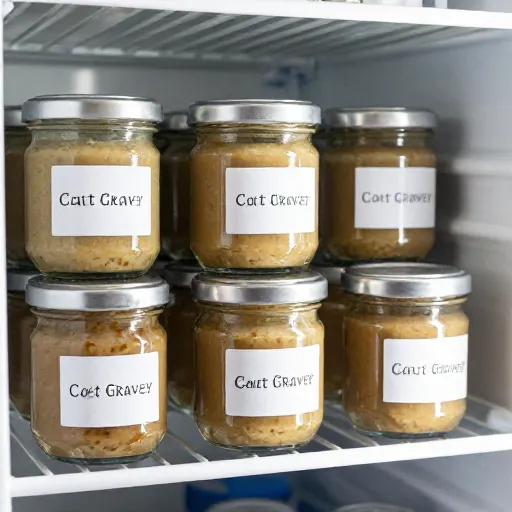
Fresh gravy lasts 3 to 4 days in the fridge. Keep it in a sealed jar or container. If it smells off or looks slimy, toss it.
Freezing extends the life to about 3 months. I use small silicone molds or ice cube trays. Once frozen, pop them into a freezer bag.
Label the bag with the date. That way, you always know which batch is freshest.
What to Avoid in Cat Gravy
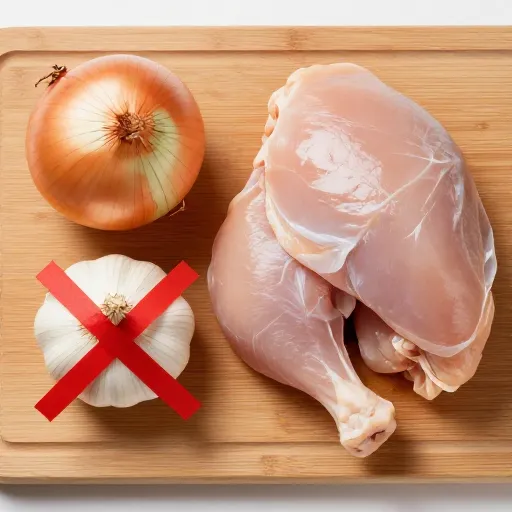
This is the most important part. Never use onions, garlic, or any allium. They’re toxic to cats, even in small amounts.
Avoid salt, spices, and herbs. Cats don’t need them, and some can upset their stomach. Stick to plain meat and water.
Also skip dairy. Many cats are lactose intolerant, and milk can cause diarrhea. Keep it simple—your cat will thank you.
Troubleshooting a Picky Cat
Sometimes a cat sniffs the gravy and walks away. Don’t panic. Try warming it a few seconds in the microwave (stir well) to release the aroma.
Mix just a teaspoon into their food at first. Gradually increase the amount over a few days. Some cats need time to adjust to new textures.
If they still refuse, switch the protein. A cat who hates chicken gravy might love fish or beef. Keep experimenting until you find their favorite.
Conclusion
Making cat gravy is one of the easiest ways to show your cat some love. It’s quick, affordable, and uses real ingredients you trust. Whether you’re tempting a picky eater or just adding some extra moisture, homemade gravy makes mealtime better for both of you.
Try one of these recipes this week. Your cat might just give you a slow blink of approval—and that’s the best reward.
Frequently Asked Questions
1. Can I use bone broth for cat gravy?
Yes, but only if it’s plain, unsalted, and free of onions or garlic. Homemade or low-sodium store-bought works best.
2. How much gravy should I give my cat?
Start with 1 to 2 tablespoons per meal. Adjust based on your cat’s size and how much they eat. Too much can cause loose stools.
3. Can I make gravy without meat?
Not really—cats need animal protein. You can use plain meat broth, but skip vegetable-based broths. They lack the flavor cats crave.
4. Is it okay to feed gravy every day?
Yes, as long as it’s made from safe ingredients. Rotate proteins to keep it interesting and balanced. Homemade gravy isn’t a complete meal, just a topper.
5. My cat has kidney issues—can they have gravy?
Check with your vet first. Some cats on special diets need low-phosphorus options. Homemade chicken broth (no bones) is often a safe choice, but always ask your vet.