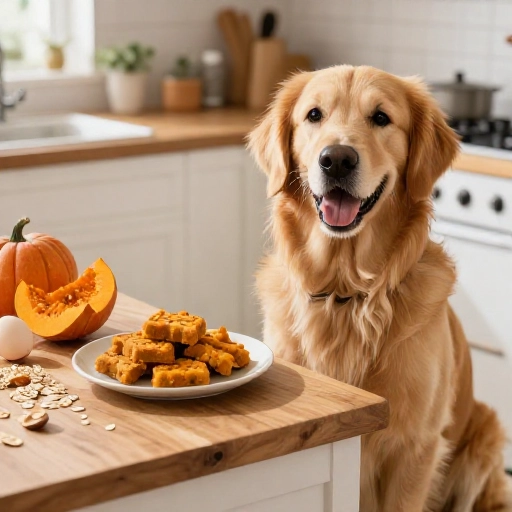
Best Diet Plan for Active Dogs: A Complete Owner’s Guide
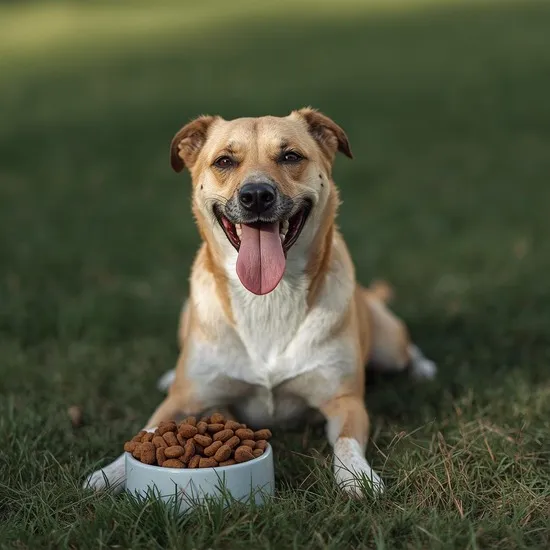
When my dog became more active, I quickly learned that not all dog food fuels high energy the same way. The best diet plan for active dogs isn’t about feeding more, it’s about feeding smarter. Active dogs burn calories faster and need the right balance of protein, fats, and carbs to stay healthy and happy.
This guide is based on my real experience adjusting meals for an energetic dog. If your pup loves long walks, training sessions, or outdoor adventures, choosing the best diet plan for active dogs can make a huge difference in stamina, recovery, and overall mood.
Understanding Nutrition Needs for Active Dogs
Active dogs require higher-quality calories than dogs with a relaxed lifestyle. I noticed my dog stayed fuller longer and performed better when meals were rich in animal protein and healthy fats. Protein supports muscle repair, while fats provide long-lasting energy for movement.
The best diet plan for active dogs also includes digestible carbohydrates like brown rice or sweet potatoes. These give quick energy without crashes. Once I focused on balanced nutrition instead of just portion size, my dog’s energy became more consistent throughout the day.
Best Protein Sources for High Energy Dogs
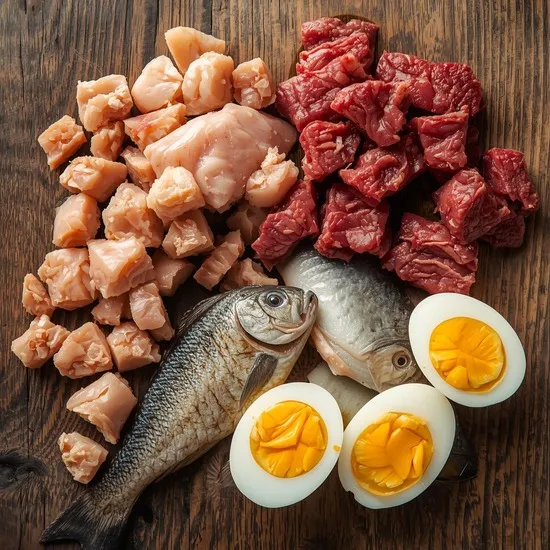
Protein is the backbone of the best diet plan for active dogs. I found that chicken, turkey, beef, and fish helped maintain lean muscle and faster recovery after exercise. Dogs that train or play daily benefit from meals where protein is the first ingredient.
Rotating protein sources also helped avoid boredom and food sensitivities. Adding eggs or fish oil occasionally boosted coat shine and joint support. For active dogs, quality protein matters far more than fillers.
Healthy Fats That Fuel Performance
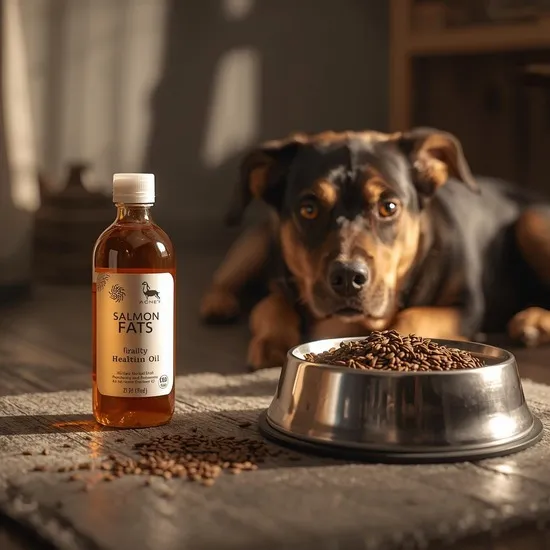
Healthy fats were a game changer for my dog’s endurance. Fats like salmon oil, flaxseed, and chicken fat provide concentrated energy. The best diet plan for active dogs includes enough fat to support long activity without weight gain.
I learned to avoid low-fat foods made for sedentary pets. Active dogs thrive on moderate fat levels that keep joints cushioned and muscles fueled. Once fats were balanced correctly, my dog recovered faster after intense days.
Meal Timing and Portion Control
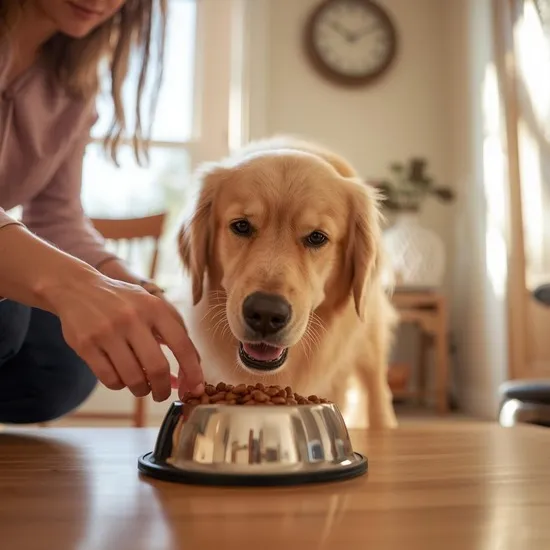
When I adjusted meal timing, everything improved. Feeding smaller meals before activity and full meals after exercise helped digestion and energy levels. The best diet plan for active dogs considers when your dog moves, not just what they eat.
Portion control is equally important. Overfeeding can cause sluggishness, while underfeeding leads to fatigue. Watching body condition instead of the bowl helped me find the perfect balance.
Hydration and Supplements for Active Dogs
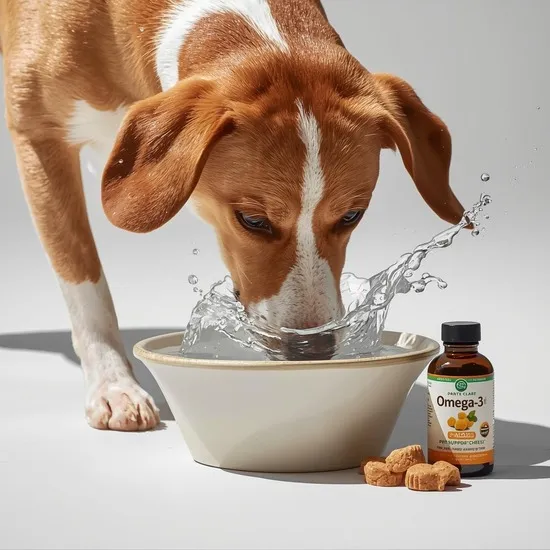
Hydration supports every good diet. I always pair the best diet plan for active dogs with fresh water access before and after activity. Dehydration can reduce performance and slow recovery.
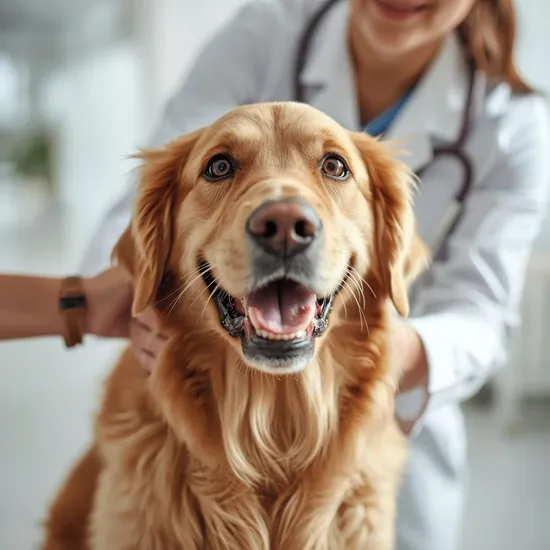
Some active dogs benefit from supplements like glucosamine or omega-3s. I only added supplements after consulting a vet, but the right ones supported joints and overall stamina.
Signs Your Active Dog Is Eating Right
Once I found the best diet plan for active dogs, the changes were obvious. My dog had steady energy, better focus during training, and a healthier coat. Recovery time after exercise shortened noticeably.
If your dog maintains muscle, stays enthusiastic, and sleeps well, their diet is likely working. Listening to your dog’s body cues helped me fine-tune meals more than any label ever could.