How Much Should a Puppy Sleep? A Complete Guide for Tired Pet Parents
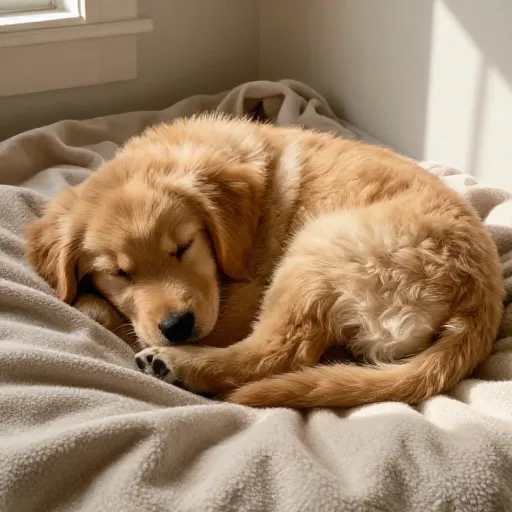
If you’ve just brought home a new puppy, you’ve probably already noticed one thing: they sleep a lot. And then they wake up like little furry tornadoes, running around for 20 minutes before crashing again. It can feel confusing—are they sick? Bored? Just lazy?
I remember my first puppy, and I honestly thought something was wrong. He would nap for hours, wake up to eat, play for a bit, then fall asleep mid-chew. It turns out, that’s completely normal. Puppies need way more sleep than adult dogs, and understanding their sleep schedule can make life so much easier for both of you.
In this post, I’ll break down exactly how much sleep your puppy needs, why it matters, and how to help them (and you) get better rest. Let’s dive in.
1. The General Rule of Thumb for Puppy Sleep
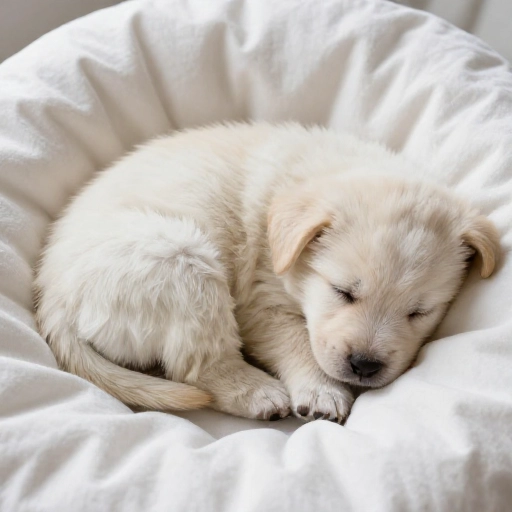
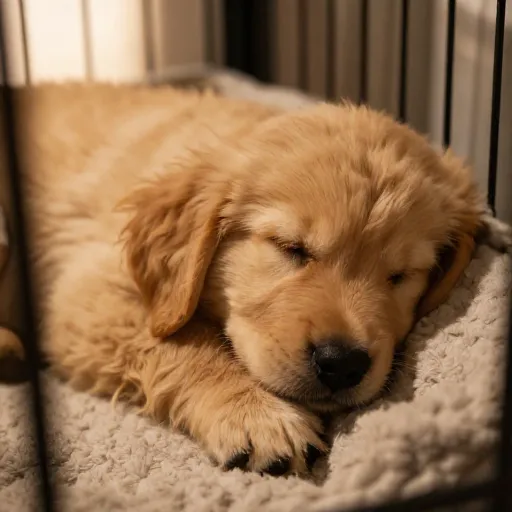
Most puppies need between 18 and 20 hours of sleep per day. That sounds like a lot, but think of it this way: their little bodies and brains are growing at an incredible rate. Sleep is when all that growth happens.
Newborn puppies sleep almost 22 hours a day. As they get older, that number slowly drops. By the time they’re around 6 months old, they’ll need about 16 to 18 hours. Adult dogs usually settle into 12 to 14 hours.
If your puppy seems to be sleeping all the time, don’t worry. It’s usually a good sign they’re healthy and developing normally.

2. Why Do Puppies Sleep So Much?
Sleep is when your puppy’s body repairs tissues, builds muscle, and strengthens their immune system. Their brain also processes everything they learned during their awake time—like where the food bowl is, or that the vacuum cleaner is not a monster.
Another reason: puppies have very short bursts of energy. They play hard, then they crash hard. That’s just how their bodies work. Forcing them to stay awake when they’re tired can actually make them cranky and hyperactive.
So when your puppy falls asleep after 10 minutes of fetch, they’re not being lazy. They’re doing exactly what nature intended.
3. The Puppy Sleep Schedule by Age
Here’s a quick breakdown of how much sleep your puppy needs based on their age:
- 8-12 weeks old: 18-20 hours per day. They wake every 2-3 hours to eat and potty.
- 3-6 months old: 16-18 hours per day. They can stay awake a bit longer between naps.
- 6-12 months old: 14-16 hours per day. They start to resemble adult sleep patterns.
Every puppy is different, so don’t stress if your dog sleeps a little more or less. Watch their behavior—if they’re happy and playful when awake, you’re on the right track.
4. Signs Your Puppy Is Overtired
Believe it or not, puppies can get overtired just like human babies. And when they do, they become little monsters. Common signs include:
- Constant biting or nipping (even after you’ve tried to redirect)
- Zoomies that don’t stop, even when they’re clearly exhausted
- Whining, barking, or acting restless
- Refusing to settle down for a nap
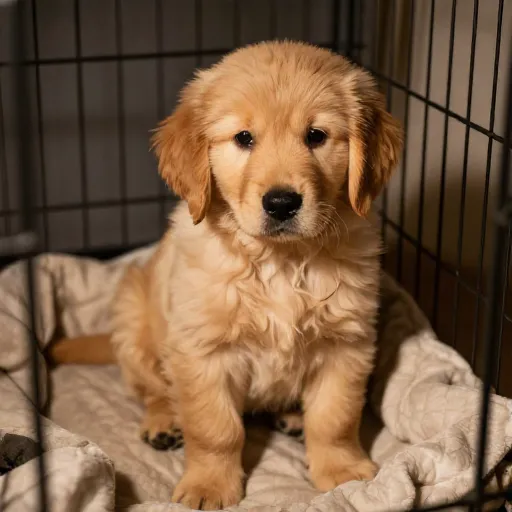
If you see these signs, it’s time for a forced nap. Put your puppy in their crate or a quiet space. Most will fall asleep within 10 minutes once they have a calm environment.
5. How to Create a Good Sleep Routine
Puppies thrive on routine. If you set consistent times for waking, eating, playing, and sleeping, your puppy will learn to relax faster. Start by planning naps after every play session and meal.
A good rule is: one hour awake, then two hours of nap time. This “1-2 rule” works wonders for young puppies. As they grow, you can stretch the awake time.
Make sure their sleeping area is quiet, dim, and comfortable. A crate with a soft blanket works great. Avoid letting them sleep in high-traffic areas where they’ll be disturbed.

6. Should You Let Your Puppy Sleep in Your Bed?
This is a personal choice, but I’ll be honest—it can make potty training harder. Puppies who sleep in your bed might not learn to signal when they need to go out. Plus, you might not wake up when they stir.
If you want your puppy in your bed eventually, many trainers recommend starting with crate training first. Once they’re reliably potty trained (usually around 6 months), you can gradually transition them to your bed.
For now, having them sleep in a crate next to your bed is a great middle ground. They feel close to you, but you both get better sleep.

7. Nighttime Waking and Potty Breaks
Young puppies can’t hold their bladder all night. At 8 weeks old, they’ll need a potty break every 2-3 hours. This is exhausting for you, but it’s temporary.
Set an alarm so you wake up before they have an accident. Take them out on a leash, stay quiet and calm, and give them a treat when they go. Then immediately put them back in the crate. No playtime at 3 AM.
By 4 months, most puppies can go 5-6 hours without a break. By 6 months, many can sleep through the night (8 hours). Hang in there—it gets better.
8. When to Worry About Too Much Sleep
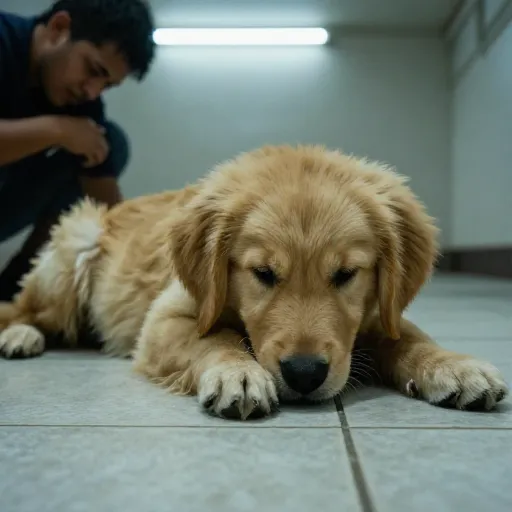
While puppies sleep a lot, there are times when excessive sleep could signal a problem. If your puppy seems lethargic even when awake, refuses to eat, or has trouble waking up, it’s worth a vet visit.
Other red flags include difficulty breathing during sleep, constant crying, or sleeping more than 22 hours a day for a puppy over 12 weeks old.
Trust your gut. You know your puppy best. If something feels off, a quick check with your vet can give you peace of mind.
9. How to Help Your Puppy Sleep Better
If your puppy struggles to settle, try these tips:
- White noise: A fan or a white noise machine can block out scary sounds.
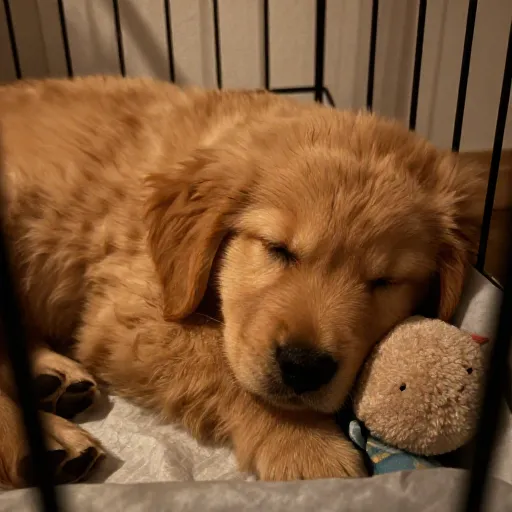
- Snuggle toys: A stuffed animal with a heartbeat simulator can comfort them.
- Exercise: Make sure they get enough playtime during awake hours. A tired puppy sleeps better.
- Consistent bedtime: Start winding down at the same time every night. Dim the lights, talk softly, and avoid exciting games.
Remember, some puppies are just more sensitive. Be patient and give them time to learn their new routine.
10. The Role of Crate Training in Sleep
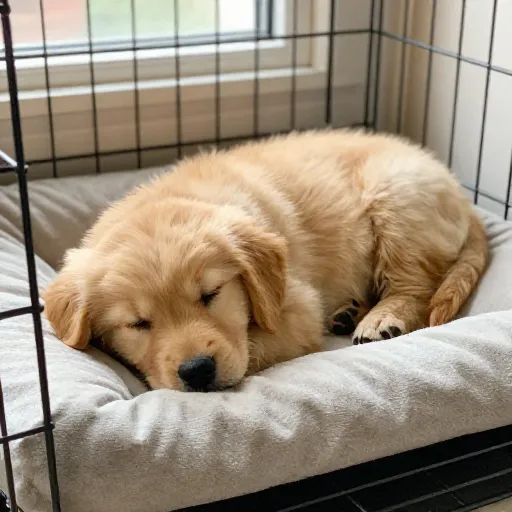
Crate training is one of the best tools for helping your puppy sleep. Dogs are den animals—they feel safe in small, enclosed spaces. A crate becomes their personal bedroom.
Start by making the crate inviting. Put a soft bed, a safe chew toy, and maybe an old t-shirt that smells like you inside. Never use the crate as punishment.
Feed your puppy meals in the crate with the door open. Then gradually close the door for short periods while you’re home. Before long, they’ll see the crate as their cozy sleep spot.
Conclusion
Puppy sleep can feel like a mystery, but once you understand their needs, everything clicks. They need lots of rest to grow, learn, and stay happy. By creating a consistent routine, watching for signs of overtiredness, and using tools like crate training, you’ll help your puppy—and yourself—get the sleep you both deserve.
Remember, this phase doesn’t last forever. One day you’ll look back and almost miss those sleepy puppy cuddles (almost). For now, embrace the naps, take care of yourself, and know that you’re doing a great job.
Frequently Asked Questions
How many hours should an 8-week-old puppy sleep?
An 8-week-old puppy needs about 18-20 hours of sleep per day. They’ll wake every 2-3 hours for food, potty, and a little playtime before napping again.
Is it normal for my puppy to sleep all day?
Yes, it’s completely normal. Puppies have rapid growth phases and need lots of rest. As long as they’re active and happy when awake, there’s no reason to worry.
Should I wake my puppy up to pee at night?
Yes, for very young puppies (under 4 months), it’s a good idea to wake them for a potty break every few hours. This helps prevent accidents and builds good habits.
Why does my puppy get hyper before bed?
That burst of energy before sleep is common—it’s often called the “zoomies.” It can be a sign of overtiredness. Try winding down with calm play or a gentle massage before putting them to bed.
Can a puppy sleep too much?
While rare, if your puppy is sleeping more than 22 hours a day, seems lethargic when awake, or has other symptoms like vomiting or diarrhea, check with your vet. Otherwise, enjoy the quiet moments.