My Dog Has Allergies? What I Learned About Common Dog Allergies
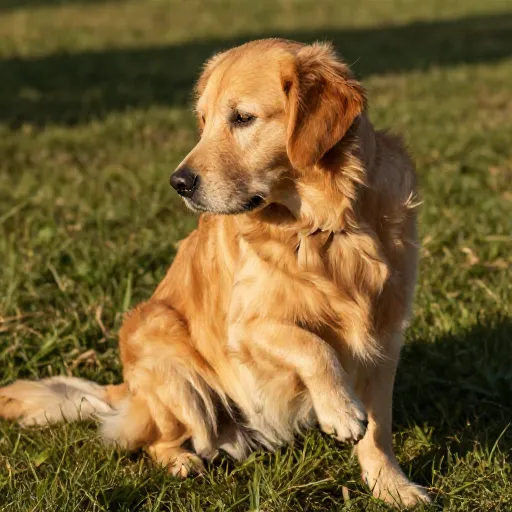
I still remember the day I noticed my dog, Charlie, scratching nonstop. At first, I thought it was just a flea or maybe a dry patch. But weeks went by, and nothing changed. That’s when I started my deep dive into the world of dog allergies. Trust me, I’ve been there—confused, worried, and overwhelmed. But once you understand the basics, it’s not as scary as it seems.
Dog allergies are more common than most pet parents realize. They can show up as itchy skin, ear infections, or even upset tummies. The tricky part is that symptoms can look like other issues. But with some detective work, you can figure out what’s bothering your furry friend and help them feel better.
In this article, I’ll walk you through the most common types of dog allergies, what to look for, and simple ways to manage them. No complicated medical talk—just practical tips that actually help. Let’s get started.
1. Food Allergies: The Sneaky Culprit
When I first heard about food allergies in dogs, I assumed it was rare. But it’s actually quite common. The tricky part is that symptoms can take weeks to show up after eating a new food.
Common triggers include chicken, beef, dairy, and wheat. But every dog is different. Charlie’s food allergy showed up as constant ear infections and a dull coat.
If you suspect a food allergy, try an elimination diet. Feed your dog a simple protein and carbohydrate source for 8–12 weeks. Then slowly add back foods to see what triggers a reaction.
Always work with your vet during this process to ensure your dog gets balanced nutrition.

2. Environmental Allergies: The Itchy Season
Just like people, dogs can be allergic to things in their environment. Pollen, grass, mold, and dust mites are common triggers. These allergies often get worse during certain seasons.
I noticed Charlie’s itching peaked in spring and fall. His paws and belly were especially red after walks. Environmental allergies can also cause watery eyes and sneezing.
Simple fixes include wiping your dog’s paws after walks, using air purifiers indoors, and bathing them with a gentle, hypoallergenic shampoo. Some dogs also benefit from antihistamines, but always check with your vet first.
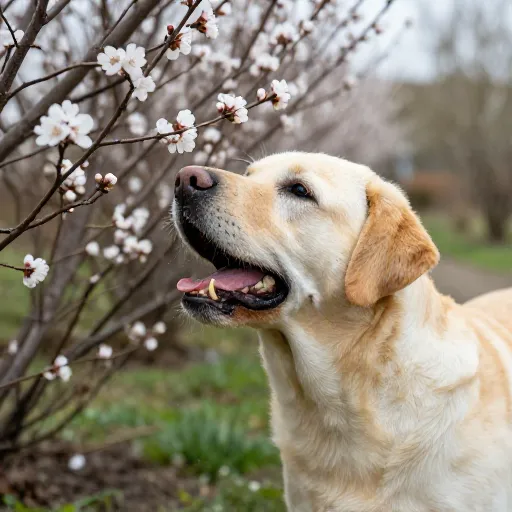
3. Flea Allergy Dermatitis: The Itch That Won’t Quit
Flea allergy dermatitis is one of the most common and frustrating skin allergies in dogs. Even one flea bite can cause intense itching for days. The reaction is actually an allergy to the flea’s saliva.
If your dog is scratching mostly around the tail, back legs, or belly, fleas might be the issue. The good news? It’s completely preventable.
Use year-round flea prevention, even if you live in a cold climate. I learned this the hard way when Charlie had a flare-up in January. Also, wash your dog’s bedding regularly and vacuum your home often.
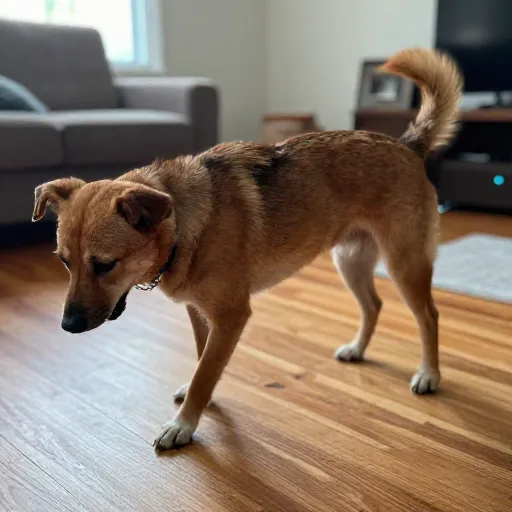
4. Contact Allergies: The Touchy Trigger
Some dogs react to things they touch. This is called contact dermatitis. It’s less common than other allergies, but it can cause red, itchy patches on the skin.
Common culprits include certain fabrics, carpet cleaners, lawn chemicals, or even plastic food bowls. I once switched to a plastic bowl, and Charlie’s chin broke out in bumps.
If you suspect a contact allergy, try removing potential triggers one at a time. Use stainless steel or ceramic bowls, and choose natural cleaning products. Also, avoid perfumed dog shampoos or grooming products.

5. Skin Allergies: The Itchy, Scaly Reality
Skin allergies are the most visible sign something is wrong. Your dog might scratch, lick, or bite at their skin. You might see redness, bumps, or even hair loss.
Charlie’s skin allergies started on his paws. He would lick them constantly until they turned pink. I learned that yeast and bacterial infections can develop if the skin stays moist from licking.
Keeping the skin clean and dry is key. Use vet-recommended wipes for paws after walks. A cone or recovery suit can help break the lick cycle while you treat the underlying allergy.

6. Ear Infections: A Common Allergy Sign
Did you know that chronic ear infections are often linked to allergies? It’s true. When a dog’s immune system overreacts to an allergen, it can cause inflammation in the ears.
Signs include head shaking, ear scratching, or a bad smell. Charlie’s ears would get red and waxy. I learned that keeping ears dry and clean is the first line of defense.
Use a gentle, vet-approved ear cleaner weekly. Avoid cotton swabs inside the ear canal. If infections keep coming back, talk to your vet about allergy testing.

7. Respiratory Allergies: When Dogs Sneeze
Dogs can have hay fever just like us! Respiratory allergies cause sneezing, coughing, or a runny nose. It’s not as common as skin issues, but it happens.
I noticed Charlie sneezed more when I opened the windows in spring. Pollen, mold, and dust are common triggers. Some dogs also get red, watery eyes.
Keep your home clean and dust-free. Use a HEPA filter if possible. On high-pollen days, limit outdoor time and wipe your dog’s face after walks.
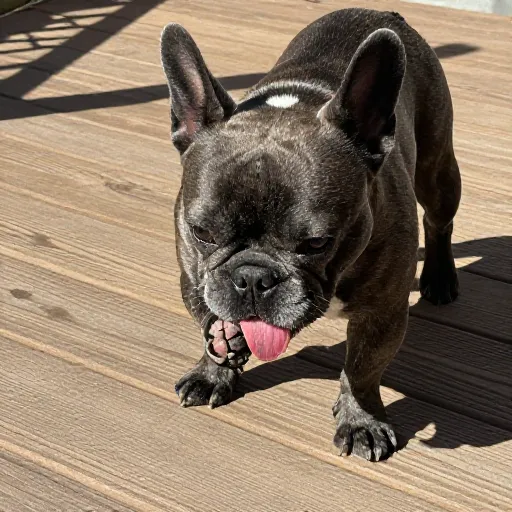
8. Yeast Infections: The Itchy Overgrowth
Yeast infections often happen because of allergies. When the skin is inflamed, yeast can overgrow. This causes a distinct smell—like corn chips or bread.
Common areas include the ears, paws, and skin folds. Charlie’s paws smelled like Fritos when his allergies flared. The skin might look greasy or dark.
Treatment involves antifungal shampoos or medications from your vet. I also add a probiotic to Charlie’s food to support his gut health. Keep skin folds dry and clean.
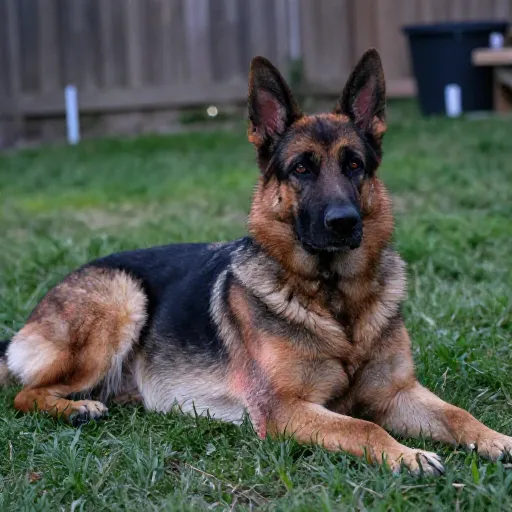
9. Hot Spots: The Fast-Spreading Rash
Hot spots are angry, wet, red patches that appear quickly. They’re usually caused by licking or scratching an itchy area. Allergies are a major trigger.
These spots can grow fast and are very painful. Charlie got one on his hip after a flea bite. I had to take him to the vet for treatment.
At home, keep the area clean and dry. Your vet may prescribe a spray or cream. Use a cone to stop licking. Preventing the underlying allergy is the best long-term fix.

10. Seasonal Allergies: The Yearly Struggle
Seasonal allergies follow the same pattern each year. They often start in spring and last until fall. Some dogs even react to indoor allergens like dust mites year-round.
Watch for paw licking, face rubbing, or ear infections that come back at the same time each year. I keep a journal of Charlie’s symptoms to spot patterns.
Simple management includes wiping down after walks, bathing weekly during allergy season, and using a humidifier indoors. Some dogs need allergy shots or medications from the vet.

Conclusion
Living with a dog who has allergies can feel like a full-time job. But I promise, it gets easier once you know what you’re dealing with. Start by observing your dog’s symptoms and talking to your vet. Small changes—like switching food, using flea prevention, or wiping paws after walks—can make a huge difference.
Your dog doesn’t have to suffer. With patience and the right approach, you can help them feel comfortable and happy again. And that’s the best feeling ever.
[[IMG:IMG12]]
FAQ: Common Dog Allergies
Q: What are the most common signs of dog allergies?
Common signs include itching, scratching, licking paws, red skin, ear infections, sneezing, and hair loss. Digestive issues like vomiting or diarrhea can also happen.
Q: Can dogs be allergic to chicken?
Yes, chicken is one of the most common food allergens in dogs. Other common triggers include beef, dairy, and wheat.
Q: How do I know if my dog has a food allergy or environmental allergy?
Food allergies often cause skin and ear issues along with digestive problems. Environmental allergies are usually seasonal. An elimination diet can help confirm food allergies.
Q: Can dog allergies go away on their own?
Most allergies are lifelong, but symptoms can be managed. Some dogs may outgrow certain food allergies, but environmental allergies usually require ongoing care.
Q: What can I give my dog for allergies at home?
You can try wiping paws after walks, using hypoallergenic shampoos, and adding omega-3 fatty acids to their diet. Always consult your vet before giving any medication.