Why Do Cats Knock Things Over? The Real Reasons Behind the Chaos
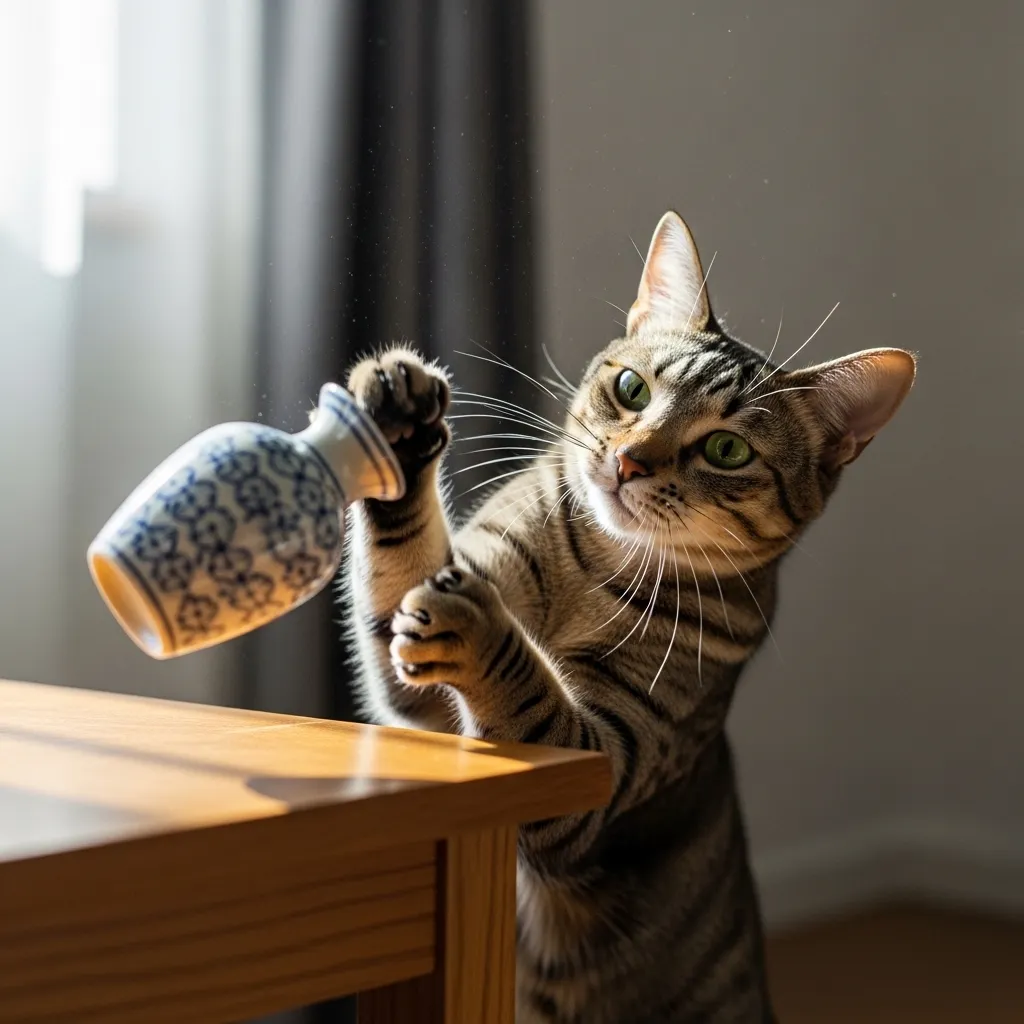
If you live with a cat, you’ve seen it. That slow-motion paw swipe that sends your pen, your coffee mug, or your entire peace of mind tumbling to the floor. It’s not your imagination—they really are doing it on purpose.
For years, I thought my cat was just clumsy or had a personal vendetta against my favorite things. But after living with several feline overlords, I’ve learned there’s always a method to the madness. It’s not random destruction; it’s communication.
Understanding the “why” behind this behavior can transform your frustration into fascination. Let’s dive into the top reasons your cat is redecorating your floor, one knocked-over object at a time.
1. It’s In Their Hunting DNA
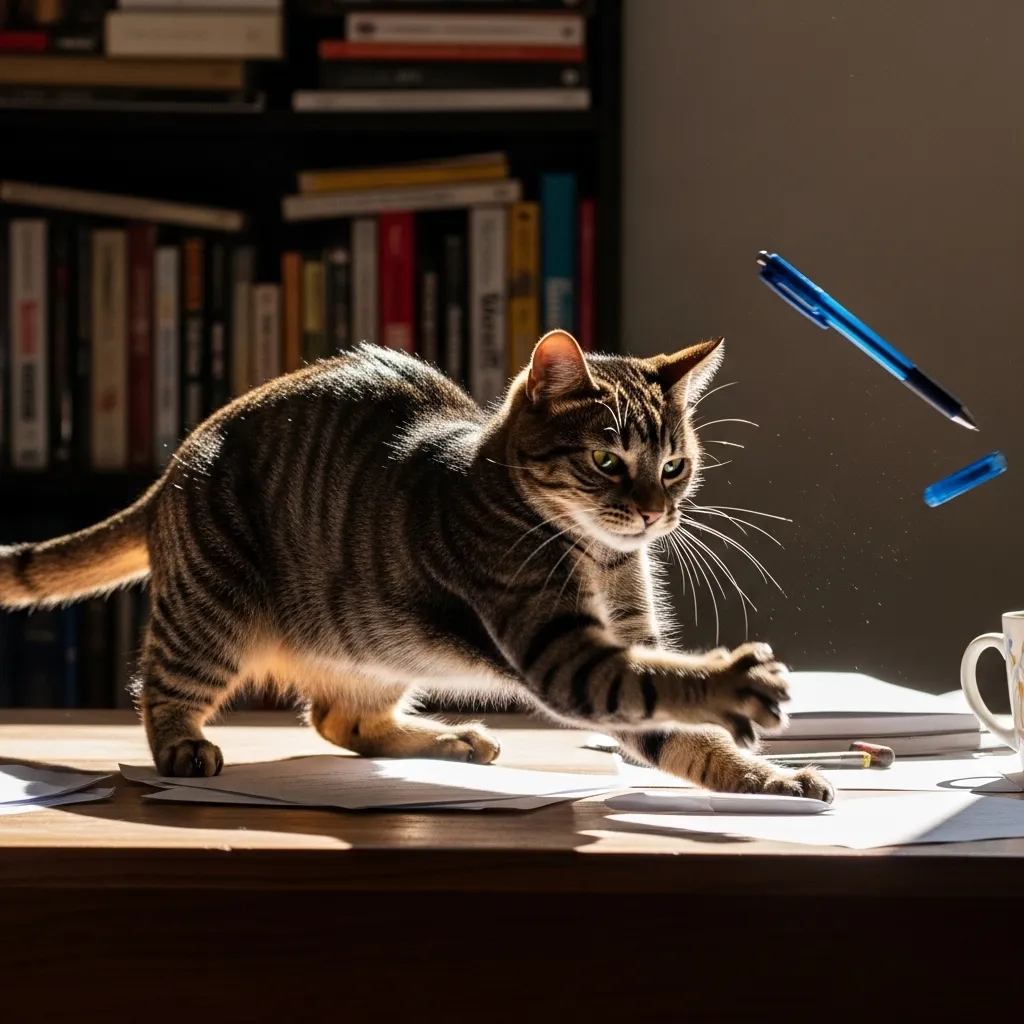
First and foremost, your cat is a predator. Even the most pampered housecat has the same instincts as a wild feline. That pen on your desk? In their mind, it could be a mouse or a bug skittering by.
Pawing at and batting objects is a way to practice their hunting skills. They’re testing the item’s movement, weight, and reaction. The satisfying crash it makes is just a bonus—it mimics the final “capture” of prey.
2. They’re Seeking Your Attention (And It Works!)
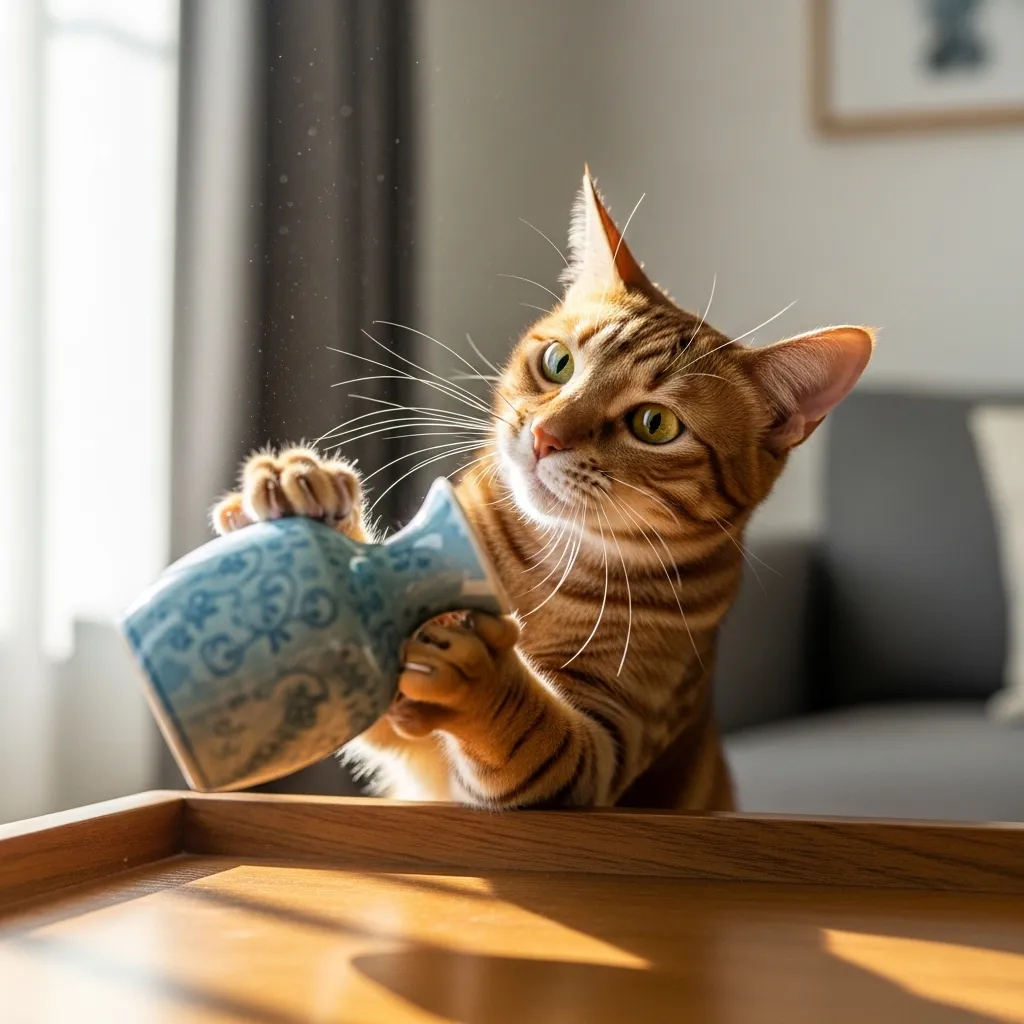
Let’s be honest: when your cat knocks something over, what do you do? You immediately stop what you’re doing and pay attention to them. They learn this connection incredibly fast.
If you’ve been busy, ignoring them, or just staring at a screen, a well-aimed swipe at a knick-knack is a guaranteed way to get you to engage. Even negative attention is still attention in their world.
3. They’re Just Plain Curious
Cats are scientists of their environment. Their primary way of investigating something is to touch it, bat it, and see what happens. Is it alive? Does it move? Does it make a sound?
Knocking something over is the ultimate test. It answers all their questions at once. The curiosity isn’t malicious; it’s a deep-seated need to understand every single thing in their territory.
4. They’re Bored and Need Entertainment
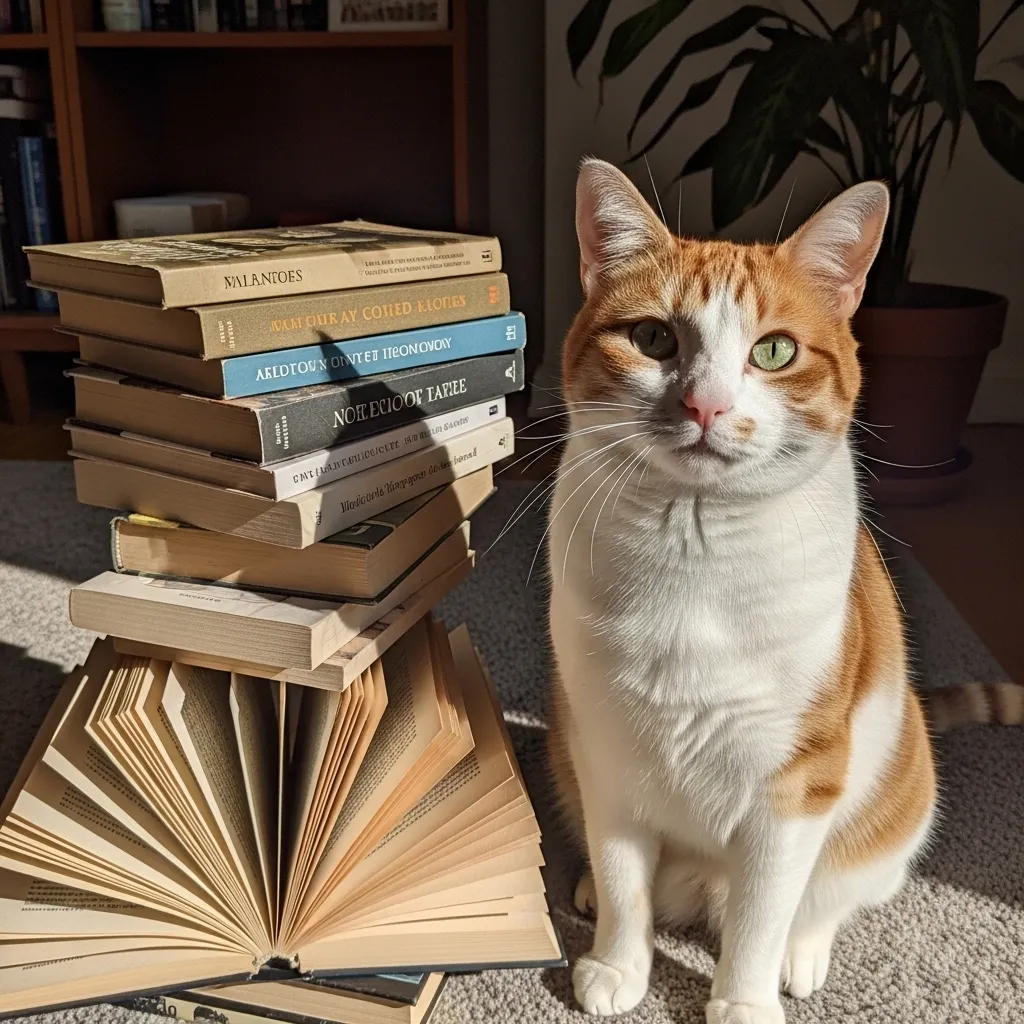
An under-stimulated cat is a cat who makes their own fun. Without enough toys, playtime, or environmental enrichment, your possessions become the most interesting game in town.
Think of it from their perspective: a stationary object is boring. But an object that can fall, roll, and shatter? Now that’s an interactive toy with a thrilling cause-and-effect result.
5. They’re Claiming Their Territory
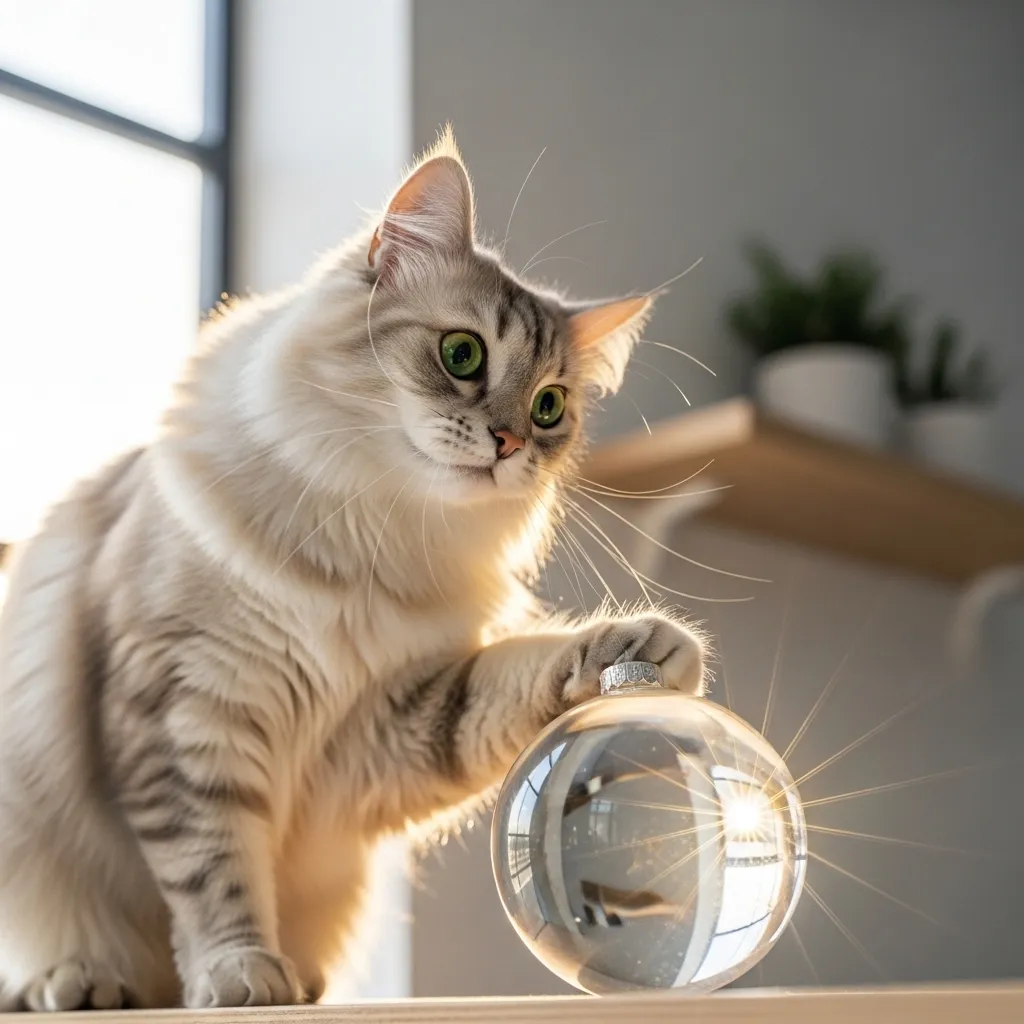
Cats have scent glands in their paws. When they touch or bat at an object, they’re leaving their personal scent on it, essentially marking it as theirs.
By knocking your things around, they’re not just interacting with the object—they’re mixing their scent with it and changing its position. This helps them feel more secure and in control of their space.
6. They Want a Better Vantage Point
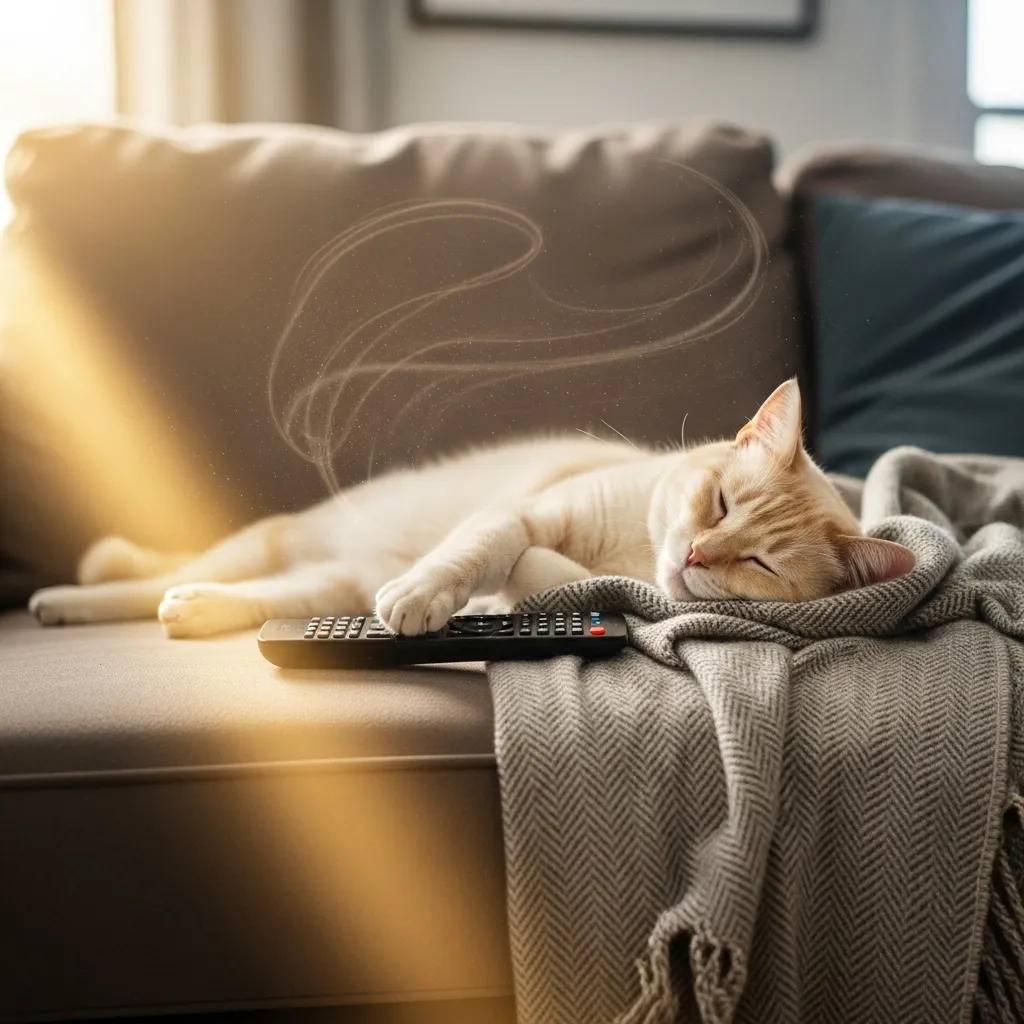
That shelf crowded with figurines might be blocking their favorite sunbathing spot or their view of the bird feeder outside. Clearing the space might be a practical move in their eyes.
It’s less about the object itself and more about the prime real estate it occupies. A cleared-off surface is a perfect new perch for a cat who rules the house.

7. It’s a Playful Invitation to You
Sometimes, the knock-over isn’t a solo act—it’s an opening move. Your cat might be trying to initiate play with you. They see you react, maybe even chase them or talk to them, and it turns into a game.
Next time it happens, try redirecting the behavior by immediately offering a wand toy or throwing a crumpled paper ball. They might just be saying, “Hey, play with me!”
8. They’re Testing Gravity (Seriously!)
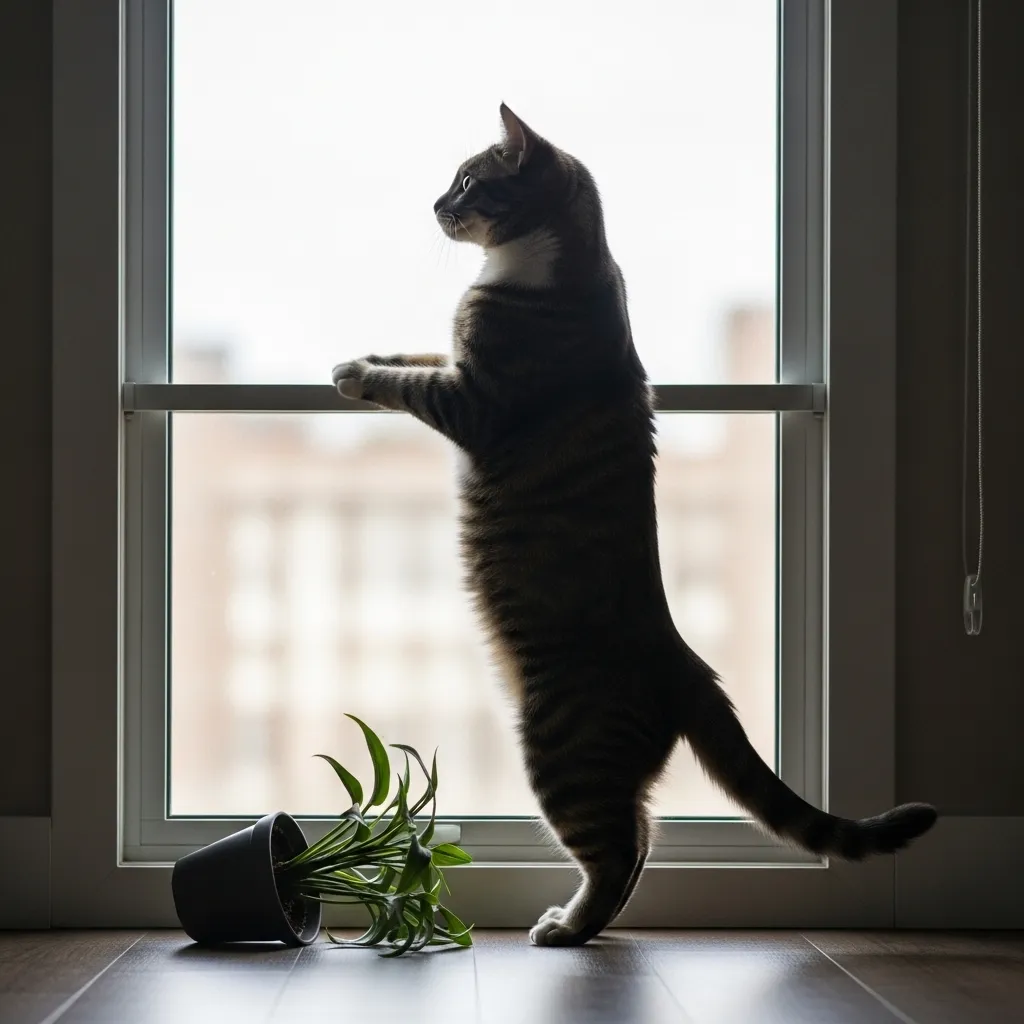
Kittens learn about their world through play and experimentation. Some cats never outgrow this phase! They learn that things fall down, not up, and that different items make different sounds when they land.
It’s a lifelong physics experiment happening right on your countertop. The consistent result (gravity always wins) is probably fascinating to them.
9. The Object is in Their “Path”
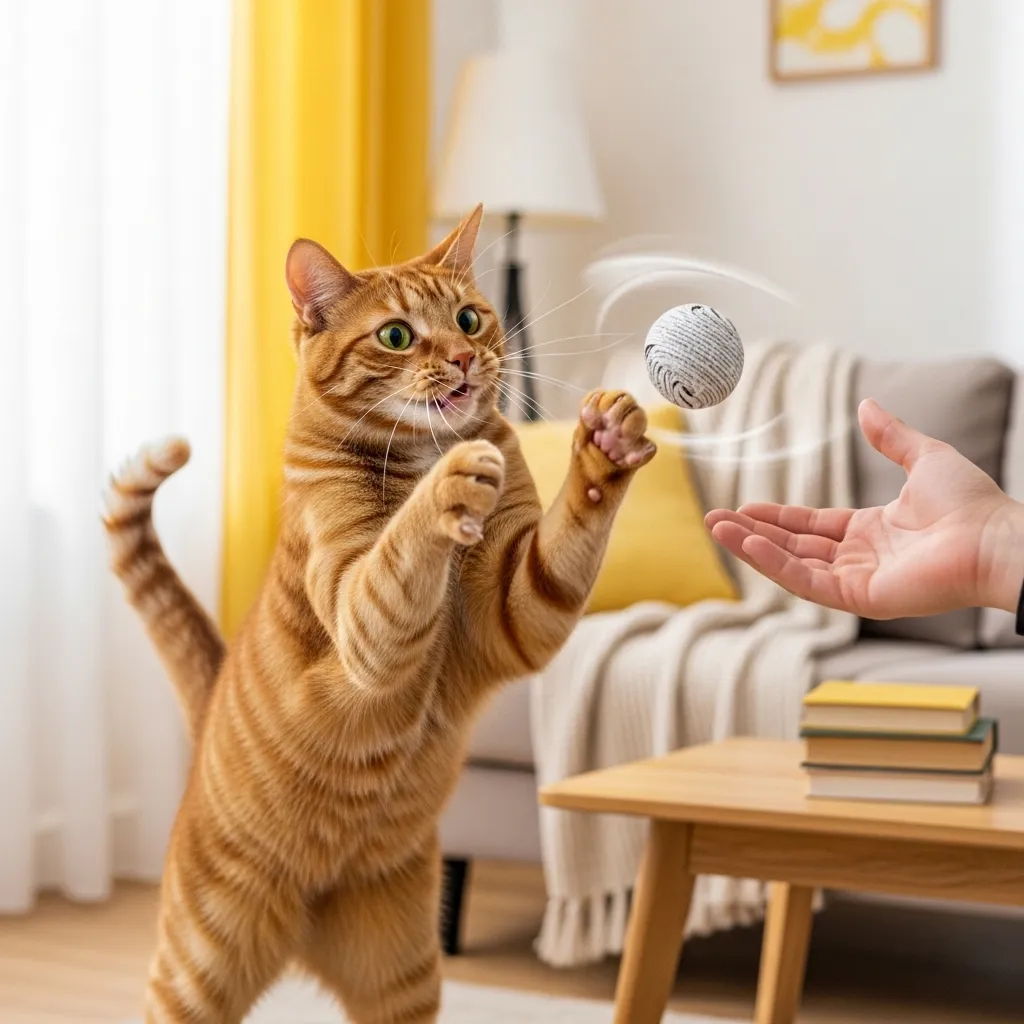
Cats often have specific routes they patrol in the house. If something new appears on their windowsill, shelf, or along their regular walking path, they might simply swat it aside as an obstacle.
It’s not personal; it’s just housekeeping. They are clearing the path they feel is rightfully theirs to travel unobstructed.
10. They’ve Learned It Gets a Specific Reaction
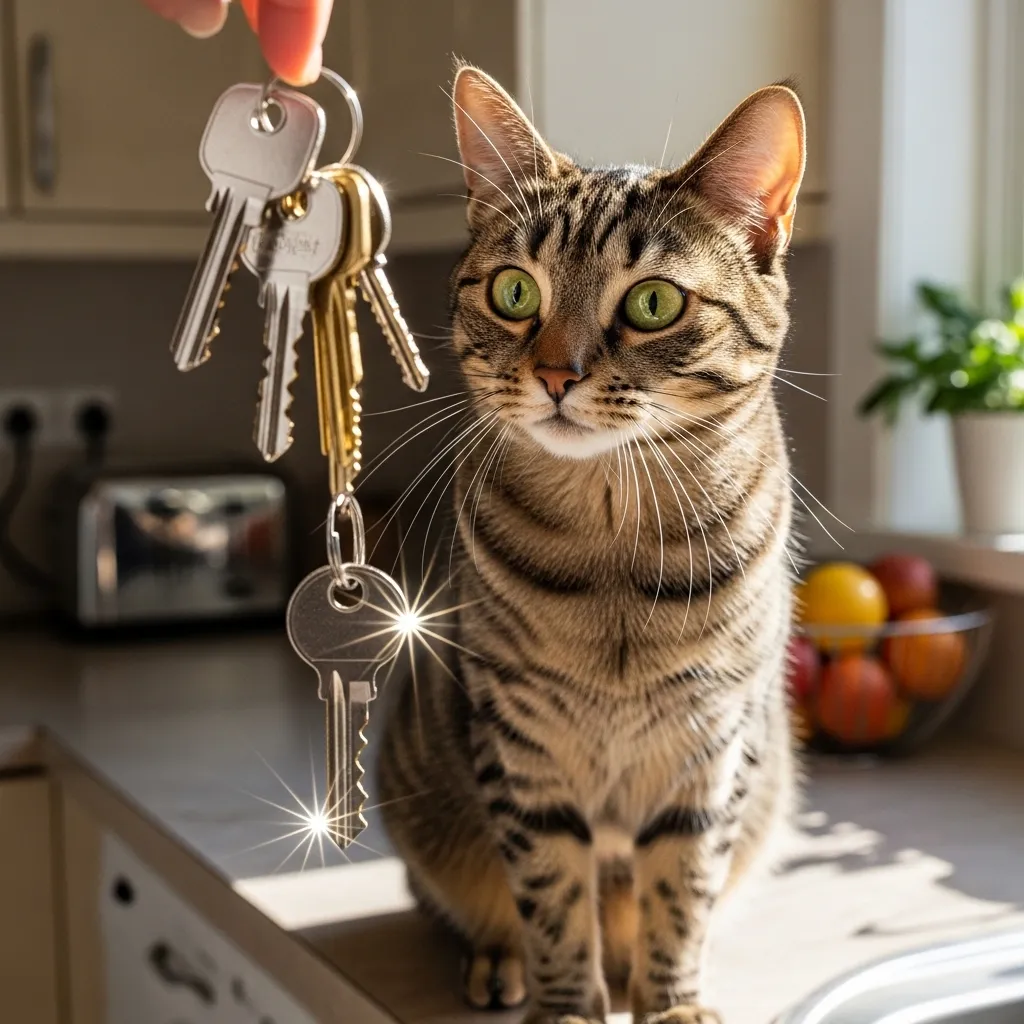
This is a powerful one. If your cat once knocked over an empty glass and you jumped up to fill it with water, they learned: “Paw + Glass = Fresh Water.” If they knocked a treat jar off the counter and you gave them a treat to calm them, the lesson was learned.
They are brilliant at associating actions with outcomes. Sometimes, we accidentally train them to be little chaos agents.
Living in Harmony with Your Cat-tastrophe
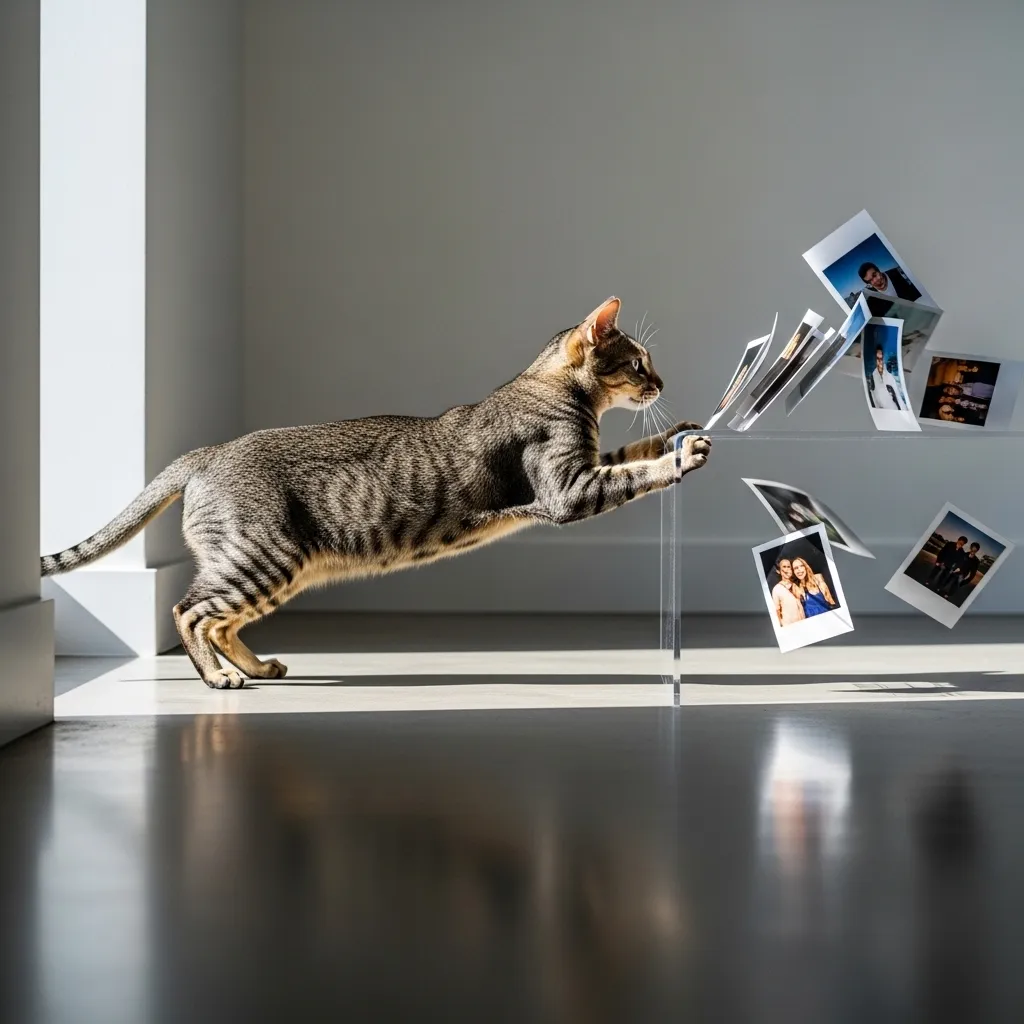
So, what can we do? Fighting the instinct is futile. Instead, work with it. Provide plenty of approved, knockable toys (like ping pong balls). Use museum putty to secure truly precious items. Most importantly, dedicate time each day for active play to satisfy their hunting and curiosity needs.
When you see the paw start to hover, redirect. Offer a toy or a puzzle feeder. Understanding that it’s not spite, but instinct, boredom, or communication, makes sharing a home with these wonderful, messy creatures so much easier and more joyful.
Your Cat-Knocking-Things-Over FAQ
Q: Is my cat doing this to annoy me?
A: Almost certainly not. Cats don’t have a human concept of “spite.” Their actions are driven by instinct, curiosity, or a learned way to get a need met.
Q: Should I punish my cat for knocking things over?
A: No. Punishment usually backfires, creating fear and anxiety. It doesn’t address the root cause and can damage your bond. Redirection and prevention are key.
Q: What are the best “cat-proofing” tips?
A> Use museum gel for decor, keep breakables in closed cabinets, provide sturdy, interesting toys they *are* allowed to bat around, and create appealing vertical spaces for them to claim.
Q: My cat only does this at night. Why?
A> This is classic boredom or pent-up energy. Cats are crepuscular (most active at dawn/dusk). Try a vigorous play session right before your bedtime to tire them out.
Q: Could this behavior be a sign of a health issue?
A> In rare cases, if the behavior is new, sudden, or compulsive, consult your vet. It could indicate vision problems, anxiety, or other conditions that need professional care.